
The End of Counterfeiting? Blockchain's Defense Against Fake Goods in Supply Chains

Welcome to Blockchain Trends, your guide to understanding the revolutionary impact of blockchain technology.
Ever wondered how blockchain is moving beyond cryptocurrencies to solve real-world problems? Dive in to explore how blockchain supply chain anticounterfeiting solutions are poised to reshape industries, offering unprecedented transparency and security. Discover how this innovative technology is fighting back against fake goods, and what the future holds for a world where authenticity is guaranteed. Join us as we unravel the intricacies of blockchain and its potential to build a more trustworthy and efficient future.
The End of Counterfeiting? Blockchain's Defense Against Fake Goods in Supply Chains
- Introduction: The Counterfeit Crisis and the Need for Blockchain Anticounterfeiting Solutions
- Blockchain Technology: A Powerful Weapon Against Counterfeiting
- Blockchain Supply Chain Anticounterfeiting Solutions: A Detailed Look
- Real-World Examples: Blockchain Anticounterfeiting Success Stories
- Benefits of Blockchain Anticounterfeiting Solutions for Supply Chains
- Challenges and Considerations for Blockchain Implementation
- The Future of Blockchain in Combating Counterfeiting
- Conclusion: Blockchain as a Key Enabler of Secure and Authentic Supply Chains
-
Frequently Asked Questions
- How can blockchain technology help combat counterfeiting in supply chains?
- What are some of the key benefits of using blockchain for supply chain anticounterfeiting?
- What types of products are most susceptible to counterfeiting and could benefit most from blockchain solutions?
- What are some of the challenges in implementing blockchain-based anticounterfeiting solutions in supply chains?
- How might government regulations impact the adoption of blockchain for blockchain supply chain anticounterfeiting solutions?
- Final Reflection: Securing Authenticity in a Digital Age
- Unleash the Power of Trust: Secure Your Future with Blockchain!
Introduction: The Counterfeit Crisis and the Need for Blockchain Anticounterfeiting Solutions
The Pervasive Problem of Counterfeit Goods in Global Supply Chains
The global trade in counterfeit and pirated goods has exploded into a multi-billion dollar industry, posing a significant threat to economies worldwide. Estimates suggest that the value of international trade in counterfeit and pirated goods could reach \$1.9 trillion by 2022, according to a report by the OECD and the EUIPO. This illicit trade spans virtually every sector, from luxury items and pharmaceuticals to electronics and automotive parts, infiltrating legitimate supply chains and deceiving consumers. The sheer volume and sophistication of these fake products make detection and prevention incredibly challenging for businesses and authorities alike.
Counterfeiters are constantly evolving their methods, leveraging global logistics networks and digital platforms to distribute their goods rapidly and widely. This makes it difficult for brands to maintain control and visibility over their products once they leave the manufacturing plant. The complexity of modern, multi-party supply chains provides numerous points of vulnerability where counterfeit items can be introduced undetected. This underscores the urgent need for robust and innovative blockchain supply chain anticounterfeiting solutions that can provide immutable records and verifiable provenance.
The economic repercussions of counterfeiting are staggering. Beyond the direct loss of sales for legitimate businesses, it leads to job losses, reduces tax revenues for governments, and stifles innovation as companies are less likely to invest in research and development when their intellectual property is easily stolen. For instance, the U.S. Customs and Border Protection reported seizing counterfeit goods worth over \$2.3 billion (MSRP) in fiscal year 2022 alone, highlighting the scale of the problem impacting legitimate commerce. Small and medium-sized enterprises (SMEs) are often hit hardest, lacking the resources of larger corporations to combat sophisticated counterfeit rings.
Beyond the financial toll, counterfeit goods pose serious social and health risks. Fake pharmaceuticals can contain incorrect dosages or harmful substances, directly endangering lives. Counterfeit electronics can malfunction or pose fire hazards. Even seemingly innocuous items like fake cosmetics or toys can contain toxic chemicals. The erosion of consumer trust in brands and supply chains is another critical impact, making it harder for businesses to build lasting relationships with their customers. Effective blockchain supply chain anticounterfeiting solutions are crucial not just for protecting revenue but for safeguarding public health and safety.
Why Traditional Methods Fail Against Sophisticated Counterfeiters
Traditional anticounterfeiting methods, such as holograms, special inks, serial numbers, and certificates of authenticity, while offering some level of protection, are increasingly being bypassed by sophisticated counterfeiters. Many of these physical security features can be replicated with advanced technology, and standalone serial numbers can be copied and applied to numerous fake items. Furthermore, these methods often only verify the product at a single point in time, typically at the point of sale, offering little insight into its journey through the supply chain. This lack of continuous traceability leaves significant blind spots for illicit activities.
Moreover, traditional supply chain tracking systems often rely on centralized databases that are vulnerable to hacking or manipulation. Data siloed across different parties—manufacturers, distributors, logistics providers, retailers—makes it difficult to establish a single, trustworthy record of a product's movement and history. Without a unified, secure, and transparent system that everyone in the chain can access and trust, verifying authenticity across the entire supply chain becomes a fragmented and often unreliable process. This highlights the inherent limitations that blockchain supply chain anticounterfeiting solutions are designed to overcome by providing a shared, tamper-proof ledger.
Blockchain Technology: A Powerful Weapon Against Counterfeiting
Understanding Blockchain's Core Principles: Immutability and Transparency
At its heart, blockchain technology is a distributed ledger that records transactions across many computers. Once a block of transaction data is added to the chain, it is linked cryptographically to the previous block, creating a chronological and immutable record. This means that any attempt to alter past data would require changing all subsequent blocks across a majority of the network participants, a computationally infeasible task. This inherent immutability makes blockchain an incredibly secure system for recording the history and provenance of goods as they move through a supply chain.
Complementing immutability is transparency. While privacy can be maintained through pseudonymity or permissioned networks, the record of transactions is typically visible to authorized participants. This shared view of the ledger allows all stakeholders in a supply chain—from the manufacturer to the end retailer—to see the same, verified information about a product's journey.
This transparency builds trust among parties who may not otherwise trust each other directly and provides a clear, auditable trail for every product, making it significantly harder for counterfeit goods to enter or move through the system undetected. This combination of features forms the bedrock of effective blockchain supply chain anticounterfeiting solutions.
How Blockchain Enables Secure and Traceable Supply Chains
Blockchain enables secure and traceable supply chains by providing a single, shared source of truth for product information and movements. As a product moves from one point to another—say, from manufacturer to distributor—a transaction is recorded on the blockchain. This transaction can include details like the product's unique identifier, location data, timestamps, and ownership changes. Each participant involved in that step of the supply chain can verify and add to this record based on their role and permissions.
The distributed nature of the ledger means that no single entity controls the data, reducing the risk of data manipulation or loss. Every record is cryptographically sealed and linked, creating a chain of custody that is incredibly difficult to break or falsify. This level of granular, verifiable tracking throughout the entire product lifecycle provides unprecedented visibility, allowing companies to pinpoint exactly where a product has been and who has handled it. This robust traceability is a core component of strong blockchain supply chain anticounterfeiting solutions.
The Potential of Blockchain for Verifying Product Authenticity
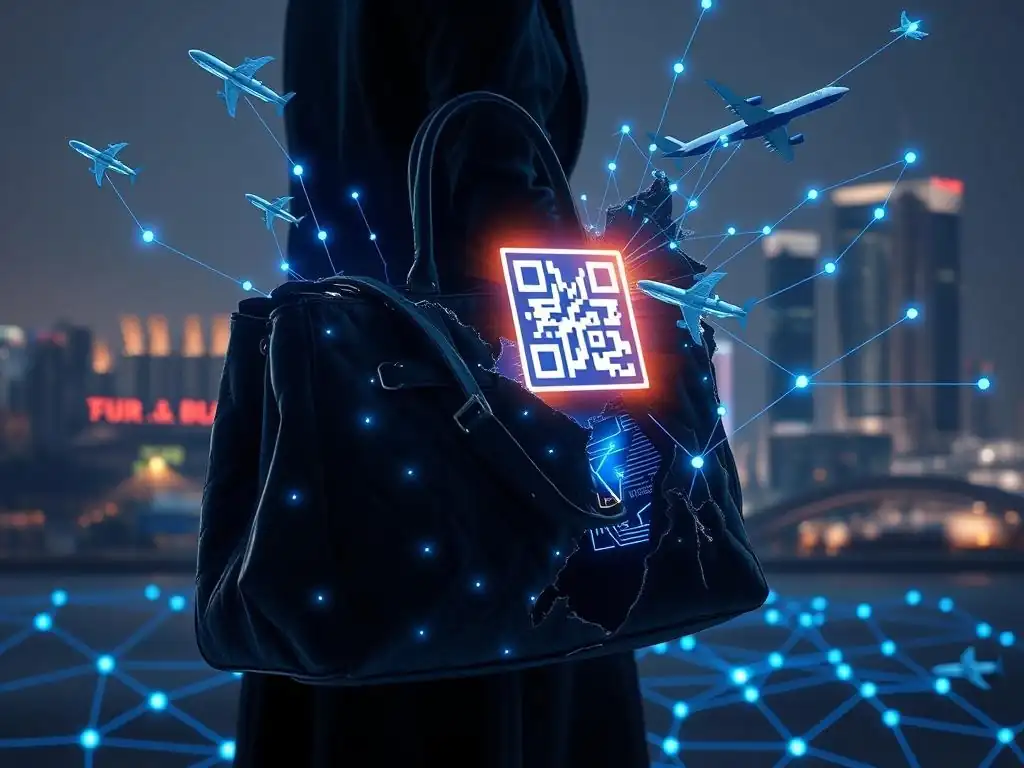
Blockchain offers a powerful mechanism for verifying product authenticity by creating a verifiable digital identity and history for each item. A unique identifier, such as a serialized QR code or NFC tag, can be linked to a blockchain record created at the point of manufacture. This record can contain details like manufacturing date, origin, materials used, and quality control data. As the product moves through the supply chain, subsequent transactions documenting its journey are added to its blockchain history.
Consumers or retailers can then scan the product's identifier and access its complete history on the blockchain (or via an application that reads the blockchain data). They can see where it was made, how it traveled, and verify that its recorded history matches the expected path for a genuine product. Any inconsistencies or missing steps could flag the item as potentially counterfeit. This decentralized verification process empowers stakeholders beyond the brand itself to confirm authenticity, significantly bolstering the effectiveness of blockchain supply chain anticounterfeiting solutions.
Blockchain Supply Chain Anticounterfeiting Solutions: A Detailed Look
Implementing Blockchain for Product Tracking and Traceability
Implementing blockchain for product tracking and traceability involves assigning a unique digital identity to each product, often at the item level, through a secure tag or marker. This identity is then registered on a blockchain ledger. As the product progresses through the supply chain – from production, packaging, shipping, customs, warehousing, to retail – each significant event or transfer of ownership is recorded as a transaction on the blockchain. Participants in the supply chain, equipped with the necessary permissions, update the ledger, creating a chronological and immutable history.
This process establishes a 'digital twin' of the physical product on the blockchain. For example, a shipment of 1,000 units of a high-value electronic device could have each unit tagged and its journey recorded. When unit SN12345 arrives at a distribution center, that event, including location and timestamp, is added to its unique blockchain record. This creates a comprehensive, auditable trail that is accessible to authorized parties, dramatically improving visibility and making it extremely difficult to introduce or substitute fake goods without leaving a detectable anomaly in the blockchain history. These granular tracking capabilities are fundamental to effective blockchain supply chain anticounterfeiting solutions.
Using Smart Contracts for Automated Verification and Authentication
Smart contracts are self-executing contracts with the terms of the agreement directly written into code on the blockchain. In the context of blockchain supply chain anticounterfeiting solutions, smart contracts can automate verification and authentication processes based on predefined conditions. For instance, a smart contract could be programmed to verify if a product has followed its expected route and timeline through the supply chain. If a product arrives at a retailer without the required records from the distributor and transporter nodes on the blockchain, the smart contract could automatically flag it as suspicious.
Furthermore, smart contracts can manage the release of payments or trigger alerts only when certain conditions related to authenticity and provenance are met. For example, a payment to a supplier could be automatically released via a smart contract only after the received goods' blockchain records confirm their origin and transit history match the purchase order. This automation reduces the need for manual checks, minimizes human error, and provides an extra layer of automated defense against counterfeit products attempting to infiltrate the supply chain. The code for a simple smart contract might look conceptually like this (simplified): IF product.history.contains(manufacturer_id, distributor_id, retailer_id) THEN mark_as_verified = TRUE.
Leveraging Blockchain for Secure Data Sharing Among Supply Chain Participants
One of the major challenges in traditional supply chains is the lack of secure and efficient data sharing among disparate participants. Each company often maintains its own database, leading to data silos and trust issues. Blockchain solves this by providing a shared, distributed ledger where relevant data can be recorded and accessed by authorized parties in real-time. This eliminates the need for intermediaries and reduces the risk of data being altered or lost as it is transferred between systems.
By leveraging blockchain, manufacturers, logistics providers, customs officials, distributors, and retailers can all contribute to and access the same, verifiable data set regarding a product's journey. This collaborative environment built on trust and transparency significantly enhances the ability to detect discrepancies that might indicate the presence of counterfeit goods.
For example, if a batch of goods recorded as shipped from a factory never appears on the blockchain record of the intended receiving port, all parties can immediately see the anomaly, enabling quicker investigation and intervention. This secure, shared data environment is a cornerstone of effective blockchain supply chain anticounterfeiting solutions.
Real-World Examples: Blockchain Anticounterfeiting Success Stories
De Beers' Tracr Platform: Diamond Provenance and Authenticity
The diamond industry has long faced challenges with provenance verification and the risk of conflict diamonds entering the supply chain. De Beers, a leading diamond company, launched the Tracr platform built on blockchain technology to address these issues and provide a secure, immutable record for each diamond's journey. The platform tracks diamonds from rough production through cutting and polishing, to the sale of the polished stone, assigning a unique digital identity to each diamond over a carat.
Tracr aims to assure participants across the value chain, including sightholders (buyers of rough diamonds directly from De Beers) and retailers, of the diamond's authenticity and ethical sourcing. By recording key data points at each stage on the blockchain, it creates a tamper-proof history. This provides unparalleled transparency and confidence in the diamond's origin and characteristics, significantly mitigating the risk of undisclosed synthetic diamonds or conflict diamonds being passed off as genuine and ethically sourced. This is a prime example of how blockchain supply chain anticounterfeiting solutions can protect high-value goods.
IBM Food Trust: Tracking Food Products from Farm to Table
Food safety is paramount, and outbreaks linked to contaminated or mislabeled food products can have devastating consequences. IBM Food Trust, built on IBM Blockchain, is a network designed to connect participants across the food supply chain – from growers and processors to wholesalers, distributors, manufacturers, retailers, and even consumers. The platform enables participants to securely share food origin and transit data, significantly improving traceability.
Walmart was an early adopter, successfully piloting the platform to trace mangoes from farm to store. What previously took days or even weeks using traditional paper-based or siloed electronic systems could be done in seconds. This rapid traceability is critical in the event of a foodborne illness outbreak, allowing companies to quickly identify the source of contamination and remove affected products from shelves, potentially saving lives and reducing massive financial losses from recalls. This highlights how blockchain supply chain anticounterfeiting solutions, applied to food, can enhance safety and trust.
VeChain's Partnership with Walmart China: Ensuring Food Safety and Traceability
VeChain, a blockchain platform focused on supply chain management and anti-counterfeiting, partnered with Walmart China to enhance food safety and traceability. By leveraging VeChain's Thor blockchain, Walmart China implemented a system to track various food products, including fresh meat, rice, and vegetables, from their origin to the store shelf. Each product receives a unique identifier, and key information about its production, processing, packaging, and logistics is uploaded onto the blockchain.
Consumers in China can scan a QR code on the product packaging to access this blockchain-verified information, providing transparency into the product's journey and authenticity. This not only builds consumer trust but also allows Walmart China to quickly trace the source of any potential issues, improving recall efficiency and overall supply chain management. The initiative started by covering over 23 product lines, with plans for significant expansion, demonstrating the practical application of blockchain supply chain anticounterfeiting solutions in a large-scale retail environment.
Benefits of Blockchain Anticounterfeiting Solutions for Supply Chains

Enhanced Product Authenticity and Consumer Trust
One of the most significant benefits of implementing blockchain supply chain anticounterfeiting solutions is the dramatic enhancement of product authenticity verification. By providing an immutable and transparent record of a product's origin and journey, blockchain makes it incredibly difficult for counterfeit items to mimic the verifiable history of a genuine product. Consumers can use simple tools, like scanning a QR code, to instantly access this trusted history and confirm the item's legitimacy before purchase.
This ability for consumers to independently verify authenticity builds significant trust in brands and the products they purchase. In an era where consumers are increasingly concerned about the origin and safety of goods, particularly in sectors like food, pharmaceuticals, and luxury items, providing blockchain-backed proof of authenticity can be a powerful differentiator. Companies that adopt these solutions can foster stronger relationships with their customers by demonstrating a tangible commitment to quality and transparency, directly combating the trust erosion caused by counterfeiting.
Improved Supply Chain Visibility and Accountability
Blockchain technology provides unprecedented end-to-end visibility across complex supply chains. Unlike traditional systems where data is often fragmented and siloed, a blockchain ledger offers a shared, real-time view of product movements and transactions accessible to authorized participants. This comprehensive visibility allows companies to see exactly where products are at any given moment, who handled them, and what events occurred.
This enhanced visibility naturally leads to improved accountability. Because every transaction is immutably recorded and associated with a specific participant's digital identity on the blockchain, it becomes much easier to pinpoint the exact point in the supply chain where an anomaly occurred or where counterfeit goods may have entered. This increased accountability incentivizes participants to adhere to best practices and security protocols, knowing that their actions are recorded and auditable, further strengthening the overall security and integrity of the supply chain against counterfeiting.
Reduced Losses from Counterfeit Products
The primary goal of blockchain supply chain anticounterfeiting solutions is to directly reduce the financial losses incurred by businesses due to the trade in fake goods. By making it significantly harder for counterfeiters to operate and easier for legitimate products to be verified, companies can protect their sales revenue, brand reputation, and intellectual property. The global cost of counterfeiting is estimated to be in the trillions of dollars annually, representing a massive drain on legitimate commerce.
Implementing blockchain solutions helps businesses avoid the direct financial impact of lost sales to counterfeiters. Furthermore, it reduces the costs associated with detecting and investigating counterfeiting, managing product recalls caused by fake goods, and dealing with potential lawsuits related to faulty or dangerous counterfeit items sold under their brand name. While initial investment is required, the long-term savings and protection offered by effective blockchain supply chain anticounterfeiting solutions can far outweigh the costs, contributing significantly to a company's bottom line and market value.
Streamlined Processes and Increased Efficiency
Beyond directly combating counterfeiting, blockchain implementation can also lead to significant improvements in operational efficiency within the supply chain. The shared, immutable ledger reduces the need for manual data entry and reconciliation across different systems, automating many verification processes. This streamlines workflows, reduces administrative burdens, and minimizes the potential for human error.
For example, customs clearance processes can be expedited when authorities have access to verifiable, blockchain-recorded data about a shipment's contents and origin. Disputes between supply chain partners regarding the status or location of goods can be resolved quickly by referring to the shared, tamper-proof ledger. This increased efficiency not only saves time and resources but also accelerates the flow of goods through the supply chain, leading to faster delivery times and lower operational costs, adding further value to blockchain supply chain anticounterfeiting solutions.
Challenges and Considerations for Blockchain Implementation
Scalability Issues in Blockchain Networks
One of the significant challenges facing widespread adoption of blockchain supply chain anticounterfeiting solutions is scalability. Public blockchains, like Bitcoin or Ethereum (prior to its transition to Proof-of-Stake), can process a limited number of transactions per second. While enterprise-focused blockchain platforms like Hyperledger Fabric or VeChain Thor offer higher transaction throughput, large-scale supply chains involving millions or billions of individual items and transactions per day can still push the limits of current blockchain technology.
Handling the immense volume of data generated by tracking every single item across a global supply chain requires robust infrastructure and efficient consensus mechanisms. Solutions are being developed, such as sharding, layer-2 scaling solutions, and specialized enterprise blockchains, but ensuring that a chosen blockchain platform can reliably handle the required transaction volume without becoming prohibitively slow or expensive is a critical consideration for businesses looking to implement blockchain supply chain anticounterfeiting solutions at scale.
Data Privacy and Security Concerns
While blockchain offers immutability and transparency, implementing it in a supply chain context raises important data privacy and security considerations. Supply chain data can be highly sensitive, including information about suppliers, customers, pricing, and logistics routes. Businesses need to ensure that confidential information is protected while still providing the necessary transparency for verification.
Permissioned blockchains, where participation and data access are restricted to known and authorized entities, are often preferred for supply chain use cases over public, permissionless networks. Techniques like zero-knowledge proofs can also allow parties to verify information (e.g., that a product is genuine and ethically sourced) without revealing the underlying sensitive data. Careful design and implementation are crucial to balance the need for transparency to combat counterfeiting with the imperative to protect commercially sensitive data when deploying blockchain supply chain anticounterfeiting solutions.
Interoperability with Existing Supply Chain Systems
Modern supply chains rely on a complex ecosystem of legacy systems, including Enterprise Resource Planning (ERP), Warehouse Management Systems (WMS), Transportation Management Systems (TMS), and Electronic Data Interchange (EDI). Integrating a new blockchain platform with these existing systems can be a significant technical hurdle. Data needs to flow seamlessly between the blockchain ledger and these operational systems without disrupting current workflows.
Achieving interoperability requires developing connectors, APIs, and middleware to ensure that data can be accurately captured from existing systems and recorded on the blockchain, and vice versa. The lack of established industry standards for blockchain integration can further complicate this process. Successfully integrating blockchain supply chain anticounterfeiting solutions requires careful planning, technical expertise, and potentially significant investment in middleware and system modifications to ensure smooth data exchange and operational continuity.
The Importance of Collaboration and Standardization
Implementing blockchain supply chain anticounterfeiting solutions effectively often requires collaboration across multiple entities within the supply chain – from raw material suppliers to manufacturers, distributors, and retailers. All participants need to agree on the chosen blockchain platform, data standards, governance rules, and operational procedures for recording transactions. Getting diverse stakeholders with potentially competing interests to agree and adopt a unified system can be challenging.
Furthermore, the broader adoption and success of blockchain in combating counterfeiting would benefit greatly from industry-wide standardization. Common data formats, protocols for verifying product identities, and legal frameworks for recognizing blockchain records as valid proof of provenance would facilitate interoperability and widespread participation. Without collaboration and standardization, the blockchain landscape for supply chains could become fragmented, limiting the network effects and full potential of blockchain supply chain anticounterfeiting solutions.
The Future of Blockchain in Combating Counterfeiting
Emerging Trends in Blockchain-Based Anticounterfeiting Technology
The field of blockchain supply chain anticounterfeiting solutions is continuously evolving, with several emerging trends promising enhanced capabilities. One trend is the integration of more sophisticated physical-to-digital linking technologies. This includes advanced secure tags like NFC chips with unique digital signatures, secure QR codes that are difficult to replicate, and even methods that embed microscopic, scannable identifiers directly into product materials. These technologies provide more robust ways to link the physical item to its digital twin on the blockchain.
Another emerging trend is the development of specialized blockchain protocols optimized for supply chain use cases. These platforms prioritize high transaction throughput, lower transaction costs, and enhanced privacy features compared to general-purpose blockchains. We are also seeing increased focus on user-friendly interfaces and mobile applications that make it easier for businesses and consumers alike to interact with the blockchain, scan products, and verify authenticity without needing deep technical knowledge of the underlying technology.
The Role of AI and IoT in Enhancing Blockchain Solutions
The combination of blockchain with Artificial Intelligence (AI) and the Internet of Things (IoT) is set to create even more powerful blockchain supply chain anticounterfeiting solutions. IoT devices, such as sensors tracking temperature, humidity, or location, can automatically record data directly onto the blockchain, providing real-time, verifiable information about product conditions and movements. This reduces reliance on manual data entry and increases the accuracy and trustworthiness of the blockchain record.
AI can analyze the vast amounts of data collected on the blockchain ledger to detect patterns or anomalies that might indicate fraudulent activity or the presence of counterfeit goods. For instance, AI algorithms could flag a product whose recorded journey deviates significantly from the expected path or whose timestamps are inconsistent. By using AI to analyze blockchain data, companies can move from reactive detection to proactive prevention, identifying potential counterfeits or supply chain vulnerabilities before they cause significant harm. This synergy between AI, IoT, and blockchain significantly amplifies the effectiveness of blockchain supply chain anticounterfeiting solutions.
The Potential for Global Adoption and Standardization of Blockchain Anticounterfeiting Systems
While significant progress has been made, the ultimate effectiveness of blockchain supply chain anticounterfeiting solutions will depend on widespread global adoption and standardization. Imagine a future where a standard protocol exists for tagging and tracing goods on a blockchain, recognized and used by major manufacturers, logistics companies, customs agencies, and retailers worldwide. This would create a truly interconnected and transparent global supply chain network.
Achieving this requires collaboration between industry consortiums, governments, and international bodies to develop common standards for data formats, interoperability, and legal recognition of blockchain-based provenance records. As more companies and industries recognize the undeniable benefits in combating counterfeiting, improving efficiency, and building consumer trust, the momentum towards global adoption and standardization is likely to grow. This widespread integration is the key to unlocking the full transformative potential of blockchain in the fight against fake goods.
Conclusion: Blockchain as a Key Enabler of Secure and Authentic Supply Chains
Blockchain's Transformative Potential in the Fight Against Counterfeit Goods
The pervasive problem of counterfeit goods demands innovative and robust solutions that go beyond traditional methods. Blockchain technology, with its core principles of immutability, transparency, and decentralized security, offers a truly transformative approach to combating this global crisis. By creating a tamper-proof, shared record of a product's journey from origin to consumer, blockchain makes it incredibly difficult for fake items to infiltrate legitimate supply chains and provides a reliable mechanism for verifying authenticity at any point.
Real-world examples from industries ranging from diamonds and food to retail demonstrate the practical application and effectiveness of blockchain supply chain anticounterfeiting solutions. These platforms are not just theoretical concepts; they are actively being used to build trust, improve visibility, and protect against the economic and safety risks posed by counterfeits. The potential for blockchain to fundamentally alter the landscape of supply chain security is immense.
The Path Forward for Implementing Effective Blockchain Anticounterfeiting Strategies
Implementing effective blockchain supply chain anticounterfeiting strategies requires careful planning, collaboration, and investment. Businesses must identify the specific vulnerabilities in their supply chains and select a blockchain platform and solution design that aligns with their needs and the complexity of their operations. This often involves piloting solutions in specific product lines or regions before scaling up.
Key steps include establishing clear governance models for the blockchain network, ensuring seamless integration with existing IT systems, and, crucially, fostering collaboration and buy-in from all participants in the supply chain ecosystem. Educating stakeholders, including employees, partners, and even consumers, about how the blockchain system works and its benefits is also vital for successful adoption. Navigating challenges related to scalability, privacy, and standardization will be ongoing, but the benefits of a secure, transparent supply chain are a powerful incentive.
Investing in Blockchain Supply Chain Anticounterfeiting Solutions for a More Secure Future
The fight against counterfeiting is a continuous battle, but blockchain technology provides businesses with a powerful new weapon. Investing in blockchain supply chain anticounterfeiting solutions is not just an IT project; it's a strategic decision to protect brand integrity, safeguard revenue, ensure consumer safety, and build a more resilient and trustworthy supply chain. The initial investment in technology and implementation can yield significant returns by preventing losses, improving efficiency, and enhancing customer loyalty.
As the technology matures and adoption grows, blockchain-based solutions will likely become a standard component of modern supply chain management. Companies that embrace this technology early will be better positioned to navigate the complexities of global trade, build consumer confidence, and secure their place in a future where authenticity and transparency are paramount. Blockchain offers a credible path towards a future where the end of counterfeiting is not just a hope, but a tangible reality within reach.
Frequently Asked Questions
How can blockchain technology help combat counterfeiting in supply chains?
Blockchain provides a transparent and immutable ledger, making it difficult for counterfeiters to introduce fake products into the supply chain without detection. This enhanced traceability allows for verification at each stage.
What are some of the key benefits of using blockchain for supply chain anticounterfeiting?
Key benefits include increased transparency, improved trust among stakeholders, and reduced risk of fraud. It also enables faster and more efficient product recalls if necessary.
What types of products are most susceptible to counterfeiting and could benefit most from blockchain solutions?
High-value items like pharmaceuticals, luxury goods, and electronics are prime targets for counterfeiters. Blockchain's tracking capabilities can significantly protect brand reputation and consumer safety in these sectors.
What are some of the challenges in implementing blockchain-based anticounterfeiting solutions in supply chains?
Challenges include integration with existing systems, data privacy concerns, and the need for collaboration across multiple parties in the supply chain. Scalability can also be a hurdle.
How might government regulations impact the adoption of blockchain for blockchain supply chain anticounterfeiting solutions?
Regulations surrounding data security and consumer protection will play a crucial role. Clear and supportive regulations can boost adoption, while restrictive ones could hinder its progress.
Final Reflection: Securing Authenticity in a Digital Age
The journey through the intricacies of blockchain supply chain anticounterfeiting solutions reveals a profound truth: the fight against counterfeit goods is no longer a game of cat and mouse, but a technological imperative. The proliferation of fake products undermines trust, jeopardizes consumer safety, and inflicts significant economic damage. Blockchain's potential to revolutionize supply chain transparency offers a powerful weapon in this ongoing battle, promising a future where authenticity is verifiable and counterfeit goods are relegated to the shadows.
The impact of counterfeiting extends far beyond mere financial losses; it erodes the very fabric of trust upon which commerce is built. Witnessing the potential of blockchain to restore this trust is deeply inspiring, particularly as we navigate an increasingly digital world where verification is paramount. Trust is the glue of life. It's the most essential ingredient in effective communication. It's the foundational principle that holds all relationships together.
- Stephen Covey. This quote underscores the critical role trust plays in our interactions, and blockchain's ability to foster transparency directly addresses the erosion of trust caused by counterfeit goods.
As we stand at the cusp of widespread blockchain adoption in supply chains, let us not simply marvel at the technology, but actively champion its implementation. Consider how you, as a consumer, a business owner, or a policymaker, can contribute to a future where authenticity is the norm, and the scourge of counterfeiting is finally overcome. Embrace the power of transparency, demand verifiable origins, and become an advocate for a more honest and secure marketplace for all.
Unleash the Power of Trust: Secure Your Future with Blockchain!
Thank you for exploring how blockchain is transforming the fight against counterfeit goods. You now have the insight to help rebuild trust and transparency within supply chains. Are you ready to make a difference?
Here’s how you can get involved:
- Investigate blockchain-based product authentication solutions suitable for your company or industry. This step is crucial in strengthening your supply chain security.
- Explore reputable blockchain certification programs to deepen your knowledge and become a leader in promoting authenticity.
- Share this article with colleagues and industry peers to encourage a broader discussion on combating counterfeiting.
What innovative ideas do you have for using blockchain to verify product authenticity and protect consumers? Let’s continue the conversation in the comments below!
Leave a Reply