
EndtoEnd Visibility: Blockchain's Promise of Traceable Logistics Networks


Welcome to Blockchain Trends, your premier source for understanding the real-world impact of blockchain technology!
Ever wondered how blockchain is revolutionizing industries beyond cryptocurrency? Dive in to discover its transformative potential in areas like DeFi, enterprise solutions, and the evolving regulatory landscape. Our latest exploration focuses on blockchain supply chain visibility, uncovering how this cutting-edge technology is poised to reshape logistics networks and bring unprecedented transparency to every step of the process. Curious how it works and what the future holds? Read on to unlock the secrets of traceable logistics networks and end-to-end control.
End-to-End Visibility: Blockchain's Promise of Traceable Logistics Networks
- Introduction: The Need for Enhanced Supply Chain Visibility
- Understanding Blockchain and Supply Chain Visibility
- Blockchain Supply Chain Visibility: Use Cases and Applications
- Implementing Blockchain for Logistics: Key Considerations
- Blockchain Supply Chain Visibility: Benefits and Advantages
- Real-World Examples of Blockchain in Logistics
- Overcoming Barriers to Blockchain Adoption in Logistics
- The Future of Blockchain and Logistics: Trends and Predictions
- Conclusion: Blockchain as a Catalyst for Supply Chain Transformation
-
Frequently Asked Questions
- What is end-to-end visibility in the context of supply chains, and how does blockchain enhance it?
- How can blockchain improve supply chain efficiency beyond simply tracking products?
- What are some of the key challenges to implementing blockchain solutions for supply chain visibility?
- How does blockchain help combat counterfeiting and fraud within global supply chains?
- What is the future outlook for blockchain's role in supply chain management, according to Blockchain Trends?
- Final Reflection: Embracing Transparency in a Connected World
- Unveil the Future of Logistics: Your Next Steps
Introduction: The Need for Enhanced Supply Chain Visibility
Modern supply chains are complex, global networks involving numerous participants, from raw material suppliers to manufacturers, distributors, and finally, the end consumer. Ensuring transparency and traceability across this intricate web is paramount for efficiency, trust, and resilience. A lack of clear, shared information often leads to inefficiencies, delays, and increased costs, highlighting the critical need for enhanced supply chain visibility.
Challenges in Traditional Logistics Networks
Traditional logistics networks often suffer from fragmented data systems and reliance on manual processes or disparate databases that do not communicate effectively. This results in information silos, making it difficult to track goods in real-time or verify their origin and handling history. The opacity inherent in these systems complicates compliance, risk management, and the ability to respond quickly to disruptions or quality issues.
Furthermore, disputes between parties over the status or condition of goods are common due to a lack of a single, agreed-upon record. This can lead to lengthy arbitration processes and damaged business relationships. Without robust end-to-end supply chain visibility, companies struggle to identify bottlenecks, predict delivery times accurately, or assure consumers about the provenance and ethical sourcing of products.
The Promise of Blockchain for Supply Chain Transparency
Blockchain technology offers a transformative solution to these long-standing challenges by providing a decentralized, immutable, and transparent ledger. This shared record can track transactions and asset movements across the entire supply chain, creating a single source of truth accessible to all authorized participants. The inherent security and transparency of blockchain fundamentally address the trust deficit in multi-party logistics environments.
By enabling granular tracking and verification of every step in a product's journey, blockchain significantly enhances supply chain visibility. This level of transparency allows stakeholders to monitor goods from their point of origin through manufacturing, transit, customs, and delivery. The promise lies in creating logistics networks that are not only more efficient and cost-effective but also resilient, trustworthy, and accountable. Blockchain supply chain visibility is poised to redefine how goods move globally.
Understanding Blockchain and Supply Chain Visibility
Blockchain technology, often associated with cryptocurrencies, is fundamentally a distributed ledger system. It records transactions across multiple computers or nodes, making it extremely difficult to alter past records without the consensus of the network. This creates a tamper-evident and transparent history of transactions, which is ideal for tracking asset movements and data exchanges in complex networks like supply chains.
What is Blockchain Technology and How Does it Work?
At its core, a blockchain is a chain of blocks, where each block contains a list of transactions. Once a block is completed, it is added to the chain using cryptographic principles, linking it to the previous block. This chaining process, combined with the distribution of the ledger across many participants, ensures that once data is recorded, it is extremely resistant to modification. Smart contracts, self-executing agreements stored on the blockchain, can automate processes based on predefined conditions, adding further efficiency and trust.
The distributed nature means no single entity controls the entire ledger, reducing the risk of a single point of failure or manipulation. Participants typically have access to a copy of the ledger relevant to their permissions, allowing for shared visibility without compromising sensitive business data. This foundational technology provides the basis for achieving unprecedented levels of blockchain supply chain visibility.
Defining End-to-End Supply Chain Visibility
End-to-end supply chain visibility refers to the ability to track goods and information flows seamlessly from the initial raw material stage all the way to the final delivery to the consumer. It involves having real-time or near real-time access to crucial data points such as location, status (e.g., in transit, at customs, damaged), ownership, and environmental conditions (e.g., temperature, humidity) for products as they move through the network.
True end-to-end visibility means breaking down the traditional silos between different stages and partners in the supply chain. It requires a shared platform where relevant data is captured, shared, and accessible to authorized parties, enabling proactive decision-making, improved coordination, and enhanced responsiveness to disruptions. Achieving this level of transparency is a primary goal of implementing blockchain supply chain visibility solutions.
Key Benefits of Blockchain-Based Visibility Solutions
Implementing blockchain for supply chain visibility offers numerous advantages. Firstly, it establishes a single, immutable source of truth for all transactions and product movements, drastically reducing disputes and enhancing trust among partners. This shared ledger eliminates reliance on fragmented, potentially conflicting records held by individual parties.
Secondly, enhanced visibility leads to improved efficiency and reduced costs. By having clear insights into bottlenecks, transit times, and inventory levels across the network, companies can optimize routes, manage stock more effectively, and reduce waste. A study by McKinsey suggested that improved supply chain transparency could reduce supply chain costs by up to 10%. Furthermore, the automation potential of smart contracts can streamline processes like payments and customs clearance, accelerating workflows and reducing administrative overhead.
Blockchain Supply Chain Visibility: Use Cases and Applications
Blockchain's capability to create verifiable, transparent records makes it uniquely suited for various applications within logistics and supply chain management. Its utility extends across multiple industries, addressing specific challenges related to tracking, authenticity, and collaboration. The diverse use cases highlight the practical impact of improved blockchain supply chain visibility.
Tracking and Tracing Products from Origin to Consumer
One of the most direct applications of blockchain in logistics is providing granular traceability for products as they move through the supply chain. By recording each transfer of ownership and key event (like manufacturing completion, shipment departure, or customs clearance) on a blockchain, companies can create a comprehensive and verifiable history for every item. This allows for precise tracking from the point of origin to the final destination, offering unparalleled blockchain supply chain visibility.
This detailed tracking capability is crucial for various purposes, including verifying ethical sourcing, ensuring product quality, managing recalls efficiently, and providing consumers with information about the products they purchase. For example, knowing the exact farm where a product was grown or the factory where it was assembled, along with every step in its journey, builds consumer trust and supports sustainability claims.
Seafood Supply Chain Traceability with Blockchain
The seafood industry faces significant challenges with fraud, mislabeling, and illegal fishing. Tracing seafood from catch to plate is notoriously difficult using traditional methods. Blockchain offers a solution by creating an immutable record of the fish's journey. Companies can record data points like the vessel that caught the fish, the location and date of the catch, processing details, and shipment information.
For instance, Bumble Bee Foods partnered with SAP to pilot a blockchain solution tracing yellowfin tuna from Indonesian fisheries to U.S. dinner plates. Consumers could scan a QR code on the product packaging to access verifiable data about the tuna's origin, catch date, and processing information. This pilot demonstrated the ability to provide specific, verifiable data, enhancing trust and combating issues like illegal fishing and mislabeling, showcasing practical blockchain supply chain visibility.
Vaccine Supply Chain Integrity Using Blockchain
Ensuring the integrity and safe distribution of sensitive pharmaceuticals, like vaccines, requires strict temperature control and verifiable handling throughout the supply chain. Any deviation can render the product ineffective or even harmful. Blockchain can provide a transparent and immutable ledger of conditions and handling events.
Companies can use IoT sensors integrated with a blockchain platform to record temperature, humidity, and location data in real-time as vaccines are transported. Every transfer of custody and critical handling event is logged on the ledger. This creates an auditable trail that verifies the cold chain was maintained from the manufacturer to the point of administration. The World Economic Forum has explored blockchain for vaccine supply chains, highlighting its potential to improve transparency and trust, especially in complex global distribution efforts, leveraging enhanced blockchain supply chain visibility.
Preventing Counterfeiting and Ensuring Product Authenticity
Counterfeiting is a multi-billion dollar problem across many industries, including luxury goods, pharmaceuticals, electronics, and apparel. Blockchain can help combat this by providing a secure way to verify the authenticity of products. By assigning a unique digital identity (often linked to a physical tag like a QR code or NFC chip) to each product at the point of manufacture and recording its lifecycle events on the blockchain, companies can create a verifiable proof of origin and ownership history.
Consumers or intermediaries can then scan the product's tag and query the blockchain to confirm its legitimacy and trace its journey. This makes it significantly harder for counterfeit goods to enter the supply chain undetected. The ability to verify product authenticity at any point enhances consumer safety and protects brand reputation, demonstrating a key benefit of blockchain supply chain visibility.
Streamlining Logistics Processes and Reducing Delays
Complex logistics often involve numerous documents and manual handoffs between parties, leading to delays and errors. Blockchain, combined with smart contracts, can automate many of these processes. For example, customs clearance documentation, proof of delivery, and payment triggers can be managed through smart contracts that execute automatically when predefined conditions are met, based on data recorded on the blockchain.
This automation reduces the need for manual verification and paperwork, accelerating the flow of goods and information. A shipment could automatically trigger payment upon successful delivery verification recorded on the ledger. Reducing administrative friction and automating workflows directly contributes to a more efficient and streamlined logistics network, significantly improving operational blockchain supply chain visibility.
Enhancing Collaboration Among Supply Chain Partners
Supply chains are inherently collaborative, but traditional systems often lack a shared, trusted platform for partners to exchange information. Blockchain provides a neutral, shared ledger where all authorized participants can access the same, up-to-date information about product movements and transactions. This shared view fosters greater transparency and trust among partners, from suppliers and manufacturers to logistics providers and retailers.
With a single source of truth, partners can coordinate activities more effectively, anticipate issues, and resolve disputes more quickly. For instance, a manufacturer can grant a logistics provider access to relevant production data on the blockchain, allowing them to plan transportation more efficiently. This enhanced collaboration, enabled by blockchain supply chain visibility, leads to a more resilient and responsive network.
Implementing Blockchain for Logistics: Key Considerations
Adopting blockchain technology for supply chain logistics requires careful planning and consideration of various technical, operational, and organizational factors. Simply deploying a blockchain without addressing these points can lead to failed implementations or suboptimal results. Understanding these considerations is crucial for successful blockchain supply chain visibility projects.
Choosing the Right Blockchain Platform for Your Needs
Selecting the appropriate blockchain platform is a critical first step. Options range from public blockchains (like Ethereum) to private or permissioned blockchains (like Hyperledger Fabric or R3 Corda). Public blockchains offer high decentralization but may present challenges regarding transaction speed, cost, and data privacy for sensitive supply chain information. Permissioned blockchains allow for controlled access, faster transactions, and better data privacy management, making them often more suitable for enterprise supply chain use cases.
The choice of platform depends on the specific requirements of the use case, including the number of participants, the need for data privacy, transaction volume, required speed, and regulatory compliance needs. Evaluating factors like scalability, interoperability with existing systems, and the platform's ecosystem and support is essential for building effective blockchain supply chain visibility solutions.
Integrating Blockchain with Existing Logistics Systems
Most organizations already rely on various legacy systems, such as Enterprise Resource Planning (ERP), Warehouse Management Systems (WMS), and Transportation Management Systems (TMS). Successfully implementing blockchain for logistics requires seamless integration with these existing systems to avoid creating new data silos. Data from these systems needs to be captured and recorded on the blockchain, while data from the blockchain may need to be fed back into them.
API development, middleware solutions, and data mapping are crucial components of this integration process. Ensuring data consistency and synchronization between the blockchain ledger and traditional databases is vital for maintaining accurate blockchain supply chain visibility. This integration can be complex and requires technical expertise and careful planning to avoid disrupting current operations.
Addressing Data Privacy and Security Concerns
While blockchain is inherently secure and transparent, privacy is a significant concern in supply chains. Companies often have sensitive data regarding pricing, suppliers, customers, and proprietary processes that they are unwilling to share publicly. Permissioned blockchains offer more control over data access, allowing companies to share only necessary information with specific partners.
Techniques like data hashing (storing only a hash of the data on the blockchain while the actual data is stored off-chain with restricted access), zero-knowledge proofs, and data encryption can be employed to protect sensitive information while still leveraging the blockchain for verification and transparency. Implementing robust access controls and governance policies is essential to balance transparency with privacy requirements in blockchain supply chain visibility projects.
Overcoming Scalability Challenges in Blockchain Networks
Scalability remains a challenge for some blockchain platforms, particularly public ones, which can face limitations on the number of transactions they can process per second. Enterprise supply chains generate vast amounts of data and require high transaction throughput, especially for tracking individual items. While permissioned blockchains generally offer better scalability than public ones, designing the network architecture to handle anticipated transaction volumes is crucial.
Solutions like off-chain processing for high-volume, low-value transactions, using sidechains, or selecting platforms designed for enterprise scale are necessary. As blockchain technology matures, ongoing developments are improving scalability, but it remains a key factor to consider during implementation to ensure the platform can support the demands of real-world blockchain supply chain visibility.
Blockchain Supply Chain Visibility: Benefits and Advantages
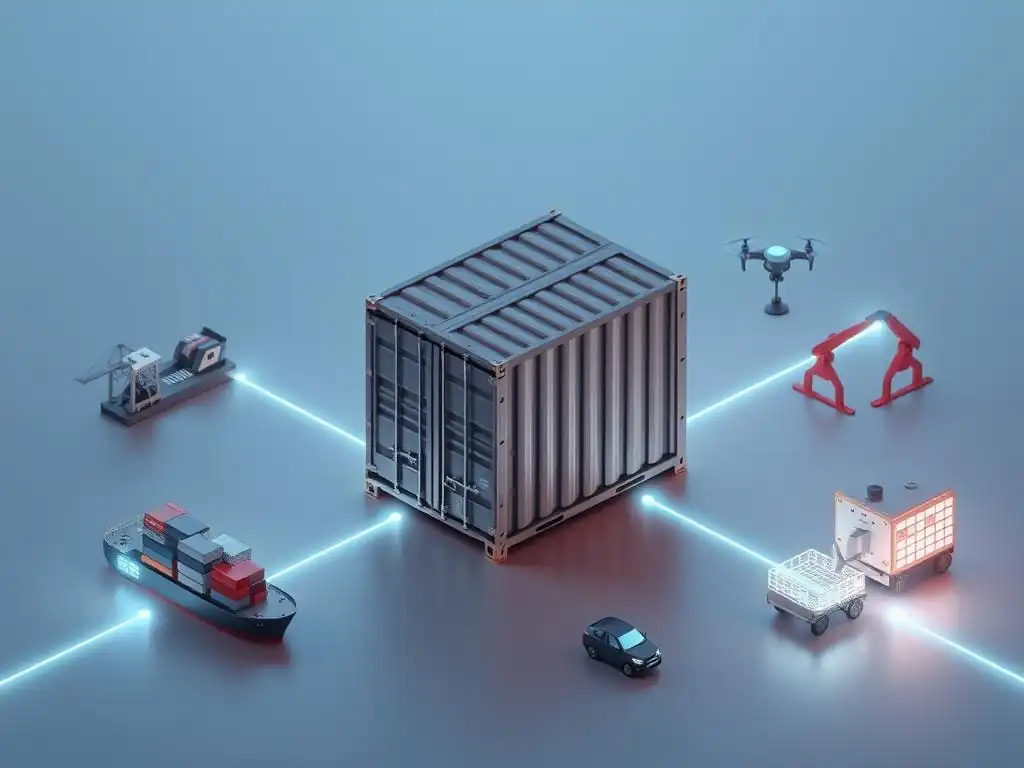
The strategic implementation of blockchain technology within logistics networks yields significant advantages, transforming traditional processes into more efficient, trustworthy, and resilient operations. These benefits extend beyond mere technological adoption, impacting the bottom line and stakeholder relationships. The primary driver is the enhanced blockchain supply chain visibility it provides.
Enhanced Transparency and Trust Among Stakeholders
Perhaps the most significant benefit of blockchain in supply chains is the creation of unprecedented transparency. By providing a shared, immutable ledger of transactions and events, blockchain eliminates information asymmetry and fosters trust among disparate parties who may not have previously trusted each other's records. Each participant can verify the history of a product or transaction, reducing disputes and building confidence.
This shared source of truth allows for greater accountability. If an issue arises, the verifiable history on the blockchain makes it easier to pinpoint where and when a problem occurred. This transparency extends to consumers who can gain confidence in the provenance and authenticity of products, strengthening the relationship between brands and their customers through verifiable blockchain supply chain visibility.
Improved Efficiency and Reduced Costs
Enhanced blockchain supply chain visibility directly contributes to operational efficiency and cost reduction. With real-time or near real-time information about goods movement and status, companies can optimize routes, minimize delays at customs or transfer points, and manage inventory more effectively across the network. Reducing uncertainty in transit times allows for better planning and resource allocation.
Furthermore, automating processes through smart contracts, such as triggering payments upon verified delivery or automatically updating inventory records, reduces manual effort and administrative costs. A report by Accenture estimated that blockchain could reduce supply chain costs by 15% by eliminating intermediaries and streamlining processes. This efficiency gain is a tangible outcome of improved blockchain supply chain visibility.
Increased Security and Reduced Risk of Fraud
The inherent cryptographic security of blockchain makes it extremely difficult for unauthorized parties to alter recorded data. This immutability significantly reduces the risk of fraud, tampering, and errors in record-keeping. Counterfeit goods are harder to introduce into a blockchain-tracked supply chain as they lack the verifiable digital identity and transaction history.
By providing a secure and verifiable audit trail, blockchain enhances overall supply chain security. In case of a breach or anomaly, the tamper-evident nature of the ledger simplifies investigation and verification. This increased security protects both the products themselves and the integrity of the data associated with their movement, bolstering trust in the blockchain supply chain visibility solution.
Better Regulatory Compliance and Auditing
Many industries are subject to strict regulations regarding product origin, handling, and traceability (e.g., food safety, pharmaceuticals, customs). Blockchain provides a verifiable and easily auditable record that can significantly simplify compliance reporting. Regulators and auditors can access the immutable ledger to verify adherence to standards and regulations without relying on potentially fragmented or incomplete traditional records.
In the event of a recall or quality issue, the detailed, traceable history on the blockchain allows for rapid identification of affected batches and their distribution paths, enabling faster and more targeted recalls. This ability to provide a comprehensive and trustworthy audit trail streamlines regulatory processes and improves responsiveness to compliance needs, directly facilitated by robust blockchain supply chain visibility.
Real-World Examples of Blockchain in Logistics
Several leading companies and consortia have pioneered the use of blockchain technology to address specific challenges in their logistics and supply chain operations. These examples showcase the practical application and benefits of enhanced blockchain supply chain visibility beyond theoretical discussions.
Maersk and IBM's TradeLens Platform
One of the most prominent examples is TradeLens, a blockchain-based platform developed by A.P. Moller–Maersk, the world's largest container shipping company, and IBM. The platform aims to digitize and streamline global trade by providing a shared, immutable record of shipping transactions and events across the entire supply chain ecosystem, including carriers, ports, customs authorities, freight forwarders, and beneficial cargo owners.
TradeLens tracks container movements across borders, handling millions of events each day. By providing a single, shared view of data that was previously siloed among numerous parties, it significantly improves transparency and reduces the time and cost associated with documentation and administrative processes. Pilots showed reductions in transit time and administrative costs, demonstrating the power of collaborative blockchain supply chain visibility on a global scale.
Walmart's Blockchain-Based Food Traceability Initiative
Walmart, one of the world's largest retailers, has been a strong advocate for using blockchain for food traceability. Following foodborne illness outbreaks, Walmart recognized the need for faster and more accurate tracing of food products back to their origin. They mandated their leafy green suppliers to upload data onto a blockchain network built on Hyperledger Fabric.
Before implementing blockchain, tracing a product like mangoes back to its farm could take weeks. With the blockchain system, Walmart demonstrated the ability to trace a package of sliced mangoes from store shelf back to the farm in as little as 2.2 seconds. This dramatically improved recall efficiency and food safety, providing consumers and regulators with unprecedented blockchain supply chain visibility into the food system.
Overcoming Barriers to Blockchain Adoption in Logistics
Despite the compelling benefits, the widespread adoption of blockchain technology in logistics faces several significant hurdles. Addressing these challenges is crucial for enabling more companies to leverage the power of blockchain supply chain visibility.
Lack of Standardization and Interoperability
The blockchain landscape currently features a variety of platforms and protocols, each with its own technical specifications. This lack of universal standards makes it difficult for different blockchain networks to communicate and exchange data seamlessly. In a complex supply chain involving multiple companies potentially using different systems, interoperability is essential.
Developing industry-wide standards for data formatting, protocols, and governance is necessary to ensure that blockchain solutions can connect and share information effectively across different organizations and platforms. Without standardization, the full potential of end-to-end blockchain supply chain visibility is hampered.
High Initial Investment Costs
Implementing a blockchain solution, especially for large-scale supply chains, can require significant upfront investment. This includes costs associated with platform development or licensing, integration with existing legacy systems, hardware infrastructure (for private networks), and training personnel. For smaller businesses or those with limited IT budgets, these initial costs can be prohibitive.
While the long-term benefits in terms of efficiency and cost reduction can outweigh the initial investment, the high barrier to entry remains a challenge for broad adoption. Exploring consortium models or Blockchain-as-a-Service (BaaS) offerings can help reduce individual company costs.
Resistance to Change Among Stakeholders
Implementing blockchain requires collaboration and data sharing among multiple supply chain partners. However, partners may be resistant to changing their long-established processes or sharing data that they previously kept private. Trust issues among competitors or different tiers of the supply chain can also impede adoption.
Overcoming this resistance requires strong leadership, clear communication of the benefits for all participants, and a phased approach to implementation. Building consensus and demonstrating the value proposition for each stakeholder is crucial for successful rollout and achieving collective blockchain supply chain visibility.
Need for Skilled Blockchain Professionals
Blockchain technology is relatively new, and there is a shortage of professionals with the necessary skills to develop, implement, and maintain blockchain solutions. This includes expertise in blockchain architecture, smart contract development, cryptography, and integrating blockchain with enterprise systems.
The lack of skilled talent can make it difficult and expensive for companies to build and manage their blockchain initiatives. Investing in training existing staff or hiring specialized professionals is necessary to overcome this barrier and effectively deploy blockchain supply chain visibility solutions.
The Future of Blockchain and Logistics: Trends and Predictions
The integration of blockchain technology into logistics and supply chains is still in its relatively early stages, but several trends indicate its increasing importance and potential future impact. The future promises even greater levels of blockchain supply chain visibility and automation.
Increased Adoption of Blockchain in Global Supply Chains
As the technology matures and successful use cases become more widely known, the adoption of blockchain in global supply chains is expected to accelerate. More companies will move from pilot projects to full-scale implementations, particularly in industries where traceability, authenticity, and trust are paramount, such as food, pharmaceuticals, and luxury goods.
Industry consortia and collaborative platforms are likely to play a significant role in driving this adoption by providing shared infrastructure and standards. The growing demand for transparency from consumers and regulators will also act as a catalyst for wider implementation of blockchain supply chain visibility.
Development of New and Innovative Blockchain Solutions
Innovation in the blockchain space is ongoing. We can expect the development of new blockchain platforms and protocols specifically designed to meet the unique requirements of supply chain logistics, including enhanced scalability, interoperability features, and built-in privacy layers.
Furthermore, new applications leveraging blockchain's capabilities will emerge, potentially extending its use beyond tracking and tracing to areas like freight auditing, trade finance, and managing circular economy initiatives. These innovations will further enhance the potential for robust blockchain supply chain visibility.
Integration of Blockchain with Other Emerging Technologies (IoT, AI)
The power of blockchain is amplified when combined with other emerging technologies. The Internet of Things (IoT) can provide real-time data from sensors (e.g., temperature, location) that can be automatically recorded on the blockchain, creating a trusted data stream. Artificial intelligence (AI) can analyze the vast amounts of data collected on the blockchain to identify patterns, predict disruptions, and optimize logistics processes.
The convergence of blockchain with IoT and AI will enable highly automated, intelligent, and transparent supply chains. For example, AI could analyze blockchain and IoT data to predict potential cold chain failures, while smart contracts could automatically trigger corrective actions, all recorded on the blockchain for verifiable blockchain supply chain visibility.
Focus on Sustainability and Ethical Sourcing
As consumers and regulators increasingly demand sustainable and ethically sourced products, blockchain's ability to provide verifiable proof of origin and supply chain practices will become even more critical. Companies will leverage blockchain to track materials from their source, verify fair labor practices, and monitor environmental impact throughout the supply chain.
This focus on sustainability and ethics will drive further adoption of blockchain as a tool for demonstrating corporate responsibility and building consumer trust. Blockchain supply chain visibility will be essential for companies to credibly prove their claims regarding sustainable and ethical sourcing.
Conclusion: Blockchain as a Catalyst for Supply Chain Transformation
Blockchain technology holds immense potential to fundamentally transform logistics and supply chain management. By providing a shared, immutable, and transparent ledger, it addresses core challenges related to trust, efficiency, and visibility that have plagued traditional networks for decades.
The Potential of Blockchain to Revolutionize Logistics
The revolutionary potential lies in moving from opaque, fragmented supply chains to highly transparent, collaborative, and automated networks. Blockchain enables real-time tracking, verifiable authenticity, automated processes, and enhanced trust among all participants. This shift promises significant improvements in operational efficiency, cost reduction, risk management, and regulatory compliance.
While challenges remain regarding standardization, cost, and adoption, the demonstrated benefits in real-world applications across various industries underscore blockchain's capability to be a powerful catalyst for change in logistics.
Embracing Blockchain for a More Transparent and Efficient Future
Embracing blockchain technology is no longer just an option for companies seeking to build resilient and competitive supply chains; it is becoming a necessity. The demand for transparency from consumers, the need for greater efficiency in global trade, and the imperative for robust risk management in an increasingly complex world all point towards the widespread adoption of blockchain solutions.
Companies that proactively explore and implement blockchain supply chain visibility will be better positioned to build trusted relationships with partners and customers, optimize their operations, and navigate the complexities of the future global economy.
Key Takeaways on Blockchain Supply Chain Visibility
- Blockchain provides a shared, immutable ledger that enhances trust and transparency in multi-party logistics networks.
- End-to-end blockchain supply chain visibility enables granular tracking of products from origin to consumer.
- Key benefits include improved efficiency, reduced costs, enhanced security against fraud, and better regulatory compliance.
- Real-world examples like TradeLens and Walmart's food traceability initiative demonstrate practical applications.
- Challenges such as standardization, cost, and integration need to be addressed for widespread adoption.
- The future of blockchain in logistics involves increased adoption, innovation, integration with IoT/AI, and a focus on sustainability, all contributing to greater blockchain supply chain visibility.
Frequently Asked Questions
What is end-to-end visibility in the context of supply chains, and how does blockchain enhance it?
End-to-end visibility means having complete transparency across the entire supply chain. Blockchain enhances this by providing a shared, immutable ledger where all participants can track goods. This enables enhanced traceability and reduces information silos.
How can blockchain improve supply chain efficiency beyond simply tracking products?
Blockchain can automate processes like smart contracts for payments and inventory management. It can also facilitate faster dispute resolution and streamline communication between stakeholders, reducing delays. This leads to significant cost savings.
What are some of the key challenges to implementing blockchain solutions for supply chain visibility?
Challenges include data privacy concerns, the need for industry-wide collaboration and standardization, and the initial investment in infrastructure and technology. Scalability and interoperability with existing systems are also hurdles.
How does blockchain help combat counterfeiting and fraud within global supply chains?
Blockchain's immutable record makes it difficult to introduce counterfeit goods. Each product can be assigned a unique digital identity, allowing consumers and businesses to verify its authenticity throughout its journey. This enhances product integrity.
What is the future outlook for blockchain's role in supply chain management, according to Blockchain Trends?
Blockchain Trends suggests a future where blockchain becomes integral to supply chain operations, enabling greater automation, transparency, and resilience. It envisions a shift towards more decentralized and collaborative supply networks, driven by blockchain technology.
Final Reflection: Embracing Transparency in a Connected World
The journey through blockchain's potential to revolutionize supply chain visibility culminates in a powerful realization: true end-to-end transparency is no longer a futuristic ideal, but a tangible possibility. The ability to track goods from origin to consumer with immutable accuracy promises to reshape industries, fostering trust and efficiency in ways previously unimaginable. This isn't just about optimizing logistics; it's about building a more accountable and resilient global economy.
The impact of blockchain on supply chains extends far beyond mere tracking. It fundamentally alters the power dynamics, empowering consumers with information and holding businesses accountable for ethical and sustainable practices. Witnessing this shift firsthand underscores the profound importance of embracing transparency as a core value. The supply chain of the future is not just about moving goods; it's about moving information, trust, and value.
This quote encapsulates the transformative potential of blockchain, highlighting its capacity to create a more equitable and informed marketplace.
As we stand at the cusp of this technological revolution, I invite you to consider the role you can play in shaping a more transparent future. How can you, as a consumer, a business leader, or a technology enthusiast, champion the adoption of blockchain and other technologies that promote accountability and ethical sourcing? Let us embrace the power of visibility to build a world where trust, efficiency, and sustainability are not just aspirations, but the very foundation of our global supply chains.
Unveil the Future of Logistics: Your Next Steps
Thank you for exploring how blockchain is transforming supply chain transparency. You’ve gained valuable insights into its potential to create more efficient and trustworthy logistics networks. Now, let’s turn that knowledge into action.
Consider taking these steps today:
- Research specific blockchain platforms designed for logistics solutions and review case studies of companies successfully implementing traceable networks.
- Discuss these insights with your team to identify opportunities for your organization.
- Share this article with colleagues who would benefit from understanding blockchain’s impact on supply chains.
What is the first step your organization can take to improve transparency in its logistics operations?
Leave a Reply