
Enhancing Supply Chain Security: Blockchain's Defense Against Fraud and Disruption


Welcome to Blockchain Trends, your guide to unlocking the real-world potential of blockchain technology. Beyond the hype of cryptocurrencies, discover how this revolutionary technology is reshaping industries. Intrigued by the possibility of a more secure and transparent supply chain? Dive in to explore the blockchain supply chain security benefits and how they're transforming global logistics and beyond, offering unprecedented defense against fraud and disruption. The future of decentralized systems is here, and it starts with understanding its power.
Enhancing Automotive Supply Chain Security: Blockchain's Defense Against Counterfeiting and Disruptions
- Introduction: The Growing Need for Secure Automotive Supply Chains
- Understanding Blockchain Automotive Supply Chain Security Benefits
- Blockchain's Role in Combating Automotive Supply Chain Fraud
- Mitigating Automotive Supply Chain Disruptions with Blockchain Technology
-
Implementing Blockchain for Enhanced Automotive Supply Chain Security: A Step-by-Step Guide
- Step 1: Identifying Critical Vulnerabilities in Your Automotive Supply Chain
- Step 2: Choosing the Right Blockchain Platform for Your Needs (e.g., Hyperledger Fabric, Corda)
- Step 3: Integrating Blockchain with Existing Automotive Supply Chain Systems (e.g., ERP, MES)
- Step 4: Establishing Data Governance and Security Protocols for Automotive Data
- Step 5: Training and Onboarding Automotive Supply Chain Partners
- Case Studies: Successful Blockchain Implementations in Automotive Supply Chain Security
- Overcoming Challenges in Blockchain Adoption for Automotive Supply Chains
- The Future of Blockchain in Automotive Supply Chain Security: Trends and Predictions
- Conclusion: Securing the Future of Automotive Supply Chains with Blockchain
-
Frequently Asked Questions
- How does blockchain technology specifically improve supply chain security?
- What are the primary Blockchain supply chain security benefits in combating counterfeit goods?
- How can blockchain help mitigate disruptions in the supply chain, such as delays or shortages?
- What role does regulation play in the adoption of blockchain for supply chain security?
- Beyond security, what other benefits can businesses expect from implementing blockchain in their supply chains?
- Final Reflection: Securing the Future with Blockchain
- Fortify Your Supply Chain: Embrace Blockchain Security Now!
Introduction: The Growing Need for Secure Automotive Supply Chains
The Vulnerability of Traditional Automotive Supply Chains to Counterfeiting and Disruptions
The automotive supply chain is one of the most complex global networks, involving millions of parts sourced from thousands of suppliers across numerous countries. This intricate structure, while enabling mass production and cost efficiencies, is inherently vulnerable to significant threats, primarily counterfeiting and disruptions. Counterfeit automotive parts, ranging from critical safety components like brake pads and airbags to filters and electronic modules, pose severe risks to vehicle safety and consumer trust.
Estimates suggest the global market for counterfeit auto parts is worth billions of dollars annually, with some reports indicating it could exceed $45 billion. These fake parts often fail prematurely or malfunction dangerously, leading to accidents, injuries, and even fatalities.
Beyond counterfeiting, traditional automotive supply chains are highly susceptible to disruptions. Events such as natural disasters (e.g., earthquakes in manufacturing hubs, hurricanes impacting logistics), geopolitical instability (e.g., trade wars, political unrest), pandemics (as seen with COVID-19), and even cyberattacks can halt production lines, delay shipments, and cause massive financial losses.
The "just-in-time" manufacturing model, prevalent in the automotive sector, exacerbates this vulnerability, as minimal inventory buffers mean even minor delays can have cascading effects, potentially shutting down assembly plants within hours or days. The lack of real-time, end-to-end visibility across the multi-tiered supply network makes it difficult for manufacturers to quickly identify the source of a disruption, assess its impact, and implement effective mitigation strategies.
Why Blockchain is a Game-Changer for Automotive Supply Chain Management
Blockchain technology offers a revolutionary approach to addressing the deep-seated security and transparency issues plaguing traditional automotive supply chains. At its core, blockchain is a decentralized, distributed ledger that records transactions across many computers. Once a transaction (like a part being manufactured, shipped, or installed) is added to the chain, it is cryptographically linked to the previous one, creating an immutable and transparent history. This inherent immutability makes it incredibly difficult for malicious actors to tamper with records or introduce counterfeit goods without detection, directly contributing to significant blockchain supply chain security benefits.
The decentralized nature of blockchain removes reliance on a single central authority, distributing trust and making the system more resilient to single points of failure or cyberattacks. Furthermore, smart contracts – self-executing contracts with the terms of the agreement directly written into code – can automate processes like payments upon delivery or verification of authenticity, reducing administrative overhead and potential for human error or fraud. By creating a single, shared source of truth accessible to authorized participants across the network, blockchain enhances visibility, streamlines tracking, and improves overall operational efficiency and security within the complex automotive ecosystem.
Understanding Blockchain Automotive Supply Chain Security Benefits
Key Advantages of Blockchain in Securing Automotive Supply Chains
Implementing blockchain technology in the automotive sector unlocks a range of critical blockchain supply chain security benefits. Foremost among these is enhanced transparency and traceability, allowing manufacturers and consumers alike to track the journey of a component from its raw material source through manufacturing, assembly, distribution, and even eventual recycling or disposal.
This end-to-end visibility is crucial for verifying authenticity and identifying potential points of failure or tampering. The immutable nature of blockchain records means that once data is entered, it cannot be altered or deleted without the consensus of the network participants, providing a high level of data integrity and trust.
Another significant advantage is the reduction of fraud and counterfeiting. By creating a verifiable digital identity for each part and recording every transfer of ownership or status change on the ledger, blockchain makes it exceedingly difficult for counterfeit parts to enter the legitimate supply chain undetected. Any discrepancy between the physical part and its digital twin on the blockchain would be immediately flagged.
Furthermore, blockchain can streamline audits and compliance processes, providing regulators and auditors with access to a verifiable, tamper-proof history of transactions and certifications. These combined features contribute substantially to the overall security and reliability of automotive supply networks.
Reducing Counterfeiting of Automotive Parts with Blockchain's Immutability
Counterfeiting is a persistent and dangerous problem in the automotive industry. Fake parts not only undermine legitimate businesses but, more importantly, compromise vehicle safety. Blockchain directly tackles this issue through its core principle of immutability. By assigning a unique digital identity (often linked via QR codes or NFC tags on the physical part) to each component at the point of manufacture, every subsequent transaction – such as being shipped from the supplier, received by the assembly plant, installed in a vehicle, or sold as a replacement part – is recorded on the blockchain.
This creates a verifiable, chronological ledger of the part's entire lifecycle. If a counterfeit part, lacking this verifiable digital history, attempts to enter the supply chain, it will not have the corresponding blockchain entry or will have a history that doesn't match legitimate channels. This discrepancy can be automatically detected and flagged by the system. For example, a luxury car manufacturer could track engine control units (ECUs) using blockchain.
Each ECU gets a unique ID recorded at production. When a vehicle is serviced, scanning the ECU's tag and checking the blockchain confirms its origin and history, immediately highlighting if a suspected counterfeit part has been installed. This level of verifiable provenance significantly hinders counterfeiters.
Enhancing Transparency and Traceability of Automotive Components
Transparency and traceability are fundamental blockchain supply chain security benefits. In traditional systems, tracking a component often involves navigating disparate databases and paper trails across multiple companies, making it a slow, opaque, and error-prone process. Blockchain provides a shared, permissioned ledger accessible to authorized parties, offering a near real-time view of a component's location, status, and history as it moves through the supply chain. This enhanced visibility is not just about tracking; it's about building trust and accountability among all participants.
Consider tracking critical battery components for electric vehicles. Using blockchain, a manufacturer can record the origin of raw materials like cobalt or lithium, trace them through processing, battery cell production, module assembly, and finally into a specific vehicle chassis number.
If a defect is discovered in a batch of cells, the manufacturer can quickly trace back through the blockchain ledger to identify the source supplier, the specific production batch, and every vehicle affected, enabling targeted recalls or investigations. This level of granular traceability significantly reduces the time and cost associated with quality control, recalls, and warranty claims, while also providing proof of compliance with sourcing regulations and ethical standards.
Blockchain's Role in Combating Automotive Supply Chain Fraud
Identifying Common Types of Automotive Supply Chain Fraud (e.g., Counterfeit Parts, Warranty Fraud)
Fraud in the automotive supply chain manifests in various forms, extending beyond just physical counterfeit parts. Warranty fraud is a significant issue, where fraudulent claims are made for repairs or replacements of parts that were not actually defective, or where work is claimed but not performed. Intellectual property (IP) theft is another concern, involving the unauthorized production or use of patented designs or technologies.
Misrepresentation of materials, such as claiming a part is made from a specific high-grade alloy when it is not, compromises quality and safety. Additionally, fraud can occur in logistics, involving false shipping manifests, theft, or diversion of goods. The complexity and multi-party nature of the supply chain create numerous opportunities for such illicit activities, often making them difficult to detect and prove using traditional methods.
For instance, consider a scenario involving warranty fraud on a catalytic converter. A repair shop might claim a legitimate converter failed prematurely and submit a warranty claim, while secretly installing a cheap, non-compliant or even used converter for the customer and reselling the original part. Without a transparent, immutable record of the part's installation history and verified status, it is challenging for the manufacturer to validate the claim and prevent this type of fraud. Similarly, tracking the authenticity of lubricants or fluids, which are easily counterfeited, is difficult without a secure, verifiable chain of custody.
How Blockchain Technology Prevents Fraudulent Activities in the Automotive Sector
Blockchain technology serves as a powerful deterrent and detection mechanism against various types of automotive supply chain fraud. By creating a single, shared, and immutable ledger of transactions and events, it establishes a verifiable history for each part and process. When a part moves from one party to another, or when a service action (like installation or repair) is performed, this event is recorded on the blockchain, often requiring digital signatures from the involved parties. This makes it extremely difficult for fraudulent activities, which rely on altering records or concealing information, to go unnoticed.
For example, to combat warranty fraud, a blockchain system could record the unique ID of a part upon installation in a specific vehicle, the date, the servicing entity, and potentially even diagnostic codes. When a warranty claim is later submitted, the system can cross-reference the part ID and vehicle history on the blockchain.
If the claim involves a part that was never recorded as installed in that vehicle, or if the recorded history contradicts the claim (e.g., the part was recorded as removed and replaced previously), the system can flag it as potentially fraudulent. This verifiable digital trail significantly enhances the ability to detect and prevent false claims, providing a strong blockchain supply chain security benefit.
Real-World Examples of Blockchain Preventing Automotive Supply Chain Fraud
While large-scale, fully integrated blockchain fraud prevention systems are still evolving, several pilot projects and initiatives demonstrate the potential of blockchain supply chain security benefits in preventing fraud. One area of focus has been tracking high-value or high-risk components susceptible to counterfeiting. Luxury car manufacturers have explored tracking critical electronic components or unique trim pieces using blockchain to authenticate their origin and prevent the introduction of fakes into the secondary market or repair channels.
Another example involves tracking certified pre-owned vehicles or specific high-value parts sold through authorized channels. By recording the vehicle's service history, part replacements, and ownership transfers on a blockchain, buyers can verify the authenticity of the vehicle's history and the legitimacy of installed parts, reducing the risk of buying a vehicle with hidden issues or counterfeit components. While specific public data on prevented fraud incidents from these pilots is often proprietary, the underlying mechanism—establishing a tamper-proof digital twin and transaction history—fundamentally disrupts the methods used by fraudsters who rely on opacity and falsified records.
Mitigating Automotive Supply Chain Disruptions with Blockchain Technology
Common Causes of Automotive Supply Chain Disruptions and Delays (e.g., Raw Material Shortages, Geopolitical Events)
The automotive industry is acutely vulnerable to supply chain disruptions originating from a multitude of sources. Raw material shortages, such as the recent global semiconductor chip crisis or fluctuations in the availability of critical minerals like lithium and cobalt, can bring production lines to a standstill. Geopolitical events, including trade disputes leading to tariffs, political instability in key manufacturing regions, or armed conflicts, disrupt logistics routes and supplier relationships.
Natural disasters like floods, earthquakes, or extreme weather can damage factories or infrastructure, halting production or transportation. Furthermore, unforeseen events like pandemics, labor strikes, or even significant traffic congestion can cause widespread delays and impact the timely delivery of parts.
These disruptions highlight a fundamental weakness in traditional supply chains: limited visibility beyond the immediate Tier 1 suppliers. Manufacturers often lack detailed, real-time information about the status of production or logistics at their Tier 2, Tier 3, or even Tier 4 suppliers.
This lack of end-to-end visibility means that problems deep within the supply network often go unnoticed until their impact reaches the final assembly plant, by which point it's often too late to react effectively. The bullwhip effect, where small changes in demand at the retail end cause increasingly larger fluctuations further up the supply chain, is also exacerbated by poor visibility and communication.
Blockchain's Ability to Enhance Resilience and Agility in the Automotive Sector
Blockchain technology enhances resilience and agility in automotive supply chains primarily by providing unprecedented levels of real-time visibility and fostering improved collaboration among network participants. By creating a shared, distributed ledger where authorized parties can record and access information about inventory levels, production milestones, shipment statuses, and potential issues, manufacturers gain a much clearer picture of the entire supply network. This allows for earlier detection of potential disruptions, whether it's a delay at a port, a quality issue at a sub-supplier, or a sudden change in material availability.
With enhanced visibility provided by blockchain, automotive companies can react more quickly and effectively to disruptions. If a supplier's factory is impacted by a natural disaster, the system could potentially flag the disruption early, allowing the manufacturer to identify alternative suppliers, reroute shipments, or adjust production schedules before a critical shortage occurs.
Smart contracts can also automate responses, such as triggering alternative sourcing agreements when predefined conditions (like production delays or quality issues) are met. This proactive and data-driven approach, enabled by blockchain's transparent and shared information architecture, significantly improves the supply chain's ability to absorb shocks and adapt to changing circumstances.
Improving Visibility and Communication During Automotive Disruptions
One of the most significant blockchain supply chain security benefits in the context of disruptions is the dramatic improvement in visibility and communication. In a traditional multi-tiered automotive supply chain, information flows are often siloed, slow, and incomplete. When a disruption occurs, gathering accurate information about its scope, impact, and potential duration from multiple independent parties can be a time-consuming and frustrating process, delaying crucial decision-making.
A blockchain-based system acts as a single source of truth for supply chain events. As parts move, are processed, or encounter issues, this information is recorded on the shared ledger, visible (based on permission settings) to all relevant network participants simultaneously. If a shipment of crucial electronic components is delayed due to port congestion, the logistics provider can update its status on the blockchain, instantly alerting the manufacturer, the assembly plant, and any other parties dependent on that shipment.
This real-time information flow facilitates faster, more coordinated responses. For example, an assembly plant receiving the delay notification can immediately adjust its production schedule, inform dealerships about potential delivery delays, and work with the purchasing department to expedite alternative sourcing, all based on verified information available to everyone involved.
Implementing Blockchain for Enhanced Automotive Supply Chain Security: A Step-by-Step Guide
Step 1: Identifying Critical Vulnerabilities in Your Automotive Supply Chain
The first crucial step in leveraging blockchain supply chain security benefits is to conduct a thorough assessment of your existing supply chain to pinpoint its most significant vulnerabilities. This involves mapping out your entire network, from raw material suppliers through manufacturers, logistics providers, distributors, and even end-of-life recyclers. Analyze where risks of counterfeiting, fraud, theft, or disruption are highest. Are certain high-value or frequently counterfeited parts particularly vulnerable? Are there specific geographic regions or logistics routes prone to delays or security issues?
This vulnerability assessment should involve cross-functional teams, including representatives from sourcing, manufacturing, logistics, quality control, legal, and IT. Use data from past incidents – such as recalls, warranty claims, production line stoppages due to part shortages, or reported instances of counterfeit goods – to inform your analysis. The goal is to identify specific use cases where blockchain's features (immutability, transparency, traceability) can provide the most impactful solutions and deliver tangible blockchain supply chain security benefits. Prioritize areas where the cost of fraud or disruption is highest.
Step 2: Choosing the Right Blockchain Platform for Your Needs (e.g., Hyperledger Fabric, Corda)
Selecting the appropriate blockchain platform is critical for successful implementation. Not all blockchain platforms are suitable for enterprise supply chain applications. Public blockchains like Bitcoin or Ethereum, while decentralized, often lack the privacy and transaction speed required for complex business processes involving sensitive data and high transaction volumes. Enterprise-grade, permissioned blockchains are typically preferred for supply chain use cases.
Popular options include Hyperledger Fabric (an open-source project hosted by The Linux Foundation) and R3 Corda. Hyperledger Fabric is designed for private networks and offers features like channel creation for partitioned data, granular permissions, and pluggable consensus mechanisms, making it highly customizable for specific industry needs.
Corda, developed by a consortium of financial institutions, focuses on privacy and interoperability, allowing direct peer-to-peer transactions without broadcasting them to the entire network, which can be advantageous for sensitive supplier relationships. The choice depends on factors like required transaction speed, data privacy needs, interoperability requirements with existing systems, development resources, and the ecosystem of partners already using or planning to use a specific platform.
Step 3: Integrating Blockchain with Existing Automotive Supply Chain Systems (e.g., ERP, MES)
A blockchain system will not operate in isolation; it must seamlessly integrate with your existing enterprise systems to realize the full blockchain supply chain security benefits. Key systems include Enterprise Resource Planning (ERP) systems (like SAP or Oracle), Manufacturing Execution Systems (MES), Warehouse Management Systems (WMS), and Transport Management Systems (TMS). Data from these systems – such as purchase orders, production records, inventory levels, shipment manifests, and quality control data – needs to be fed into the blockchain ledger to create a comprehensive and accurate digital twin of the physical supply chain.
Integration typically involves developing Application Programming Interfaces (APIs) that connect the blockchain platform with these legacy systems. Data must be extracted, transformed, and loaded onto the blockchain securely. This step can be complex and requires careful planning to ensure data consistency, integrity, and real-time or near-real-time synchronization. Middleware solutions or dedicated integration platforms might be necessary. It's crucial to design the integration architecture in a way that minimizes disruption to existing operations while enabling the flow of necessary data to the blockchain network.
Step 4: Establishing Data Governance and Security Protocols for Automotive Data
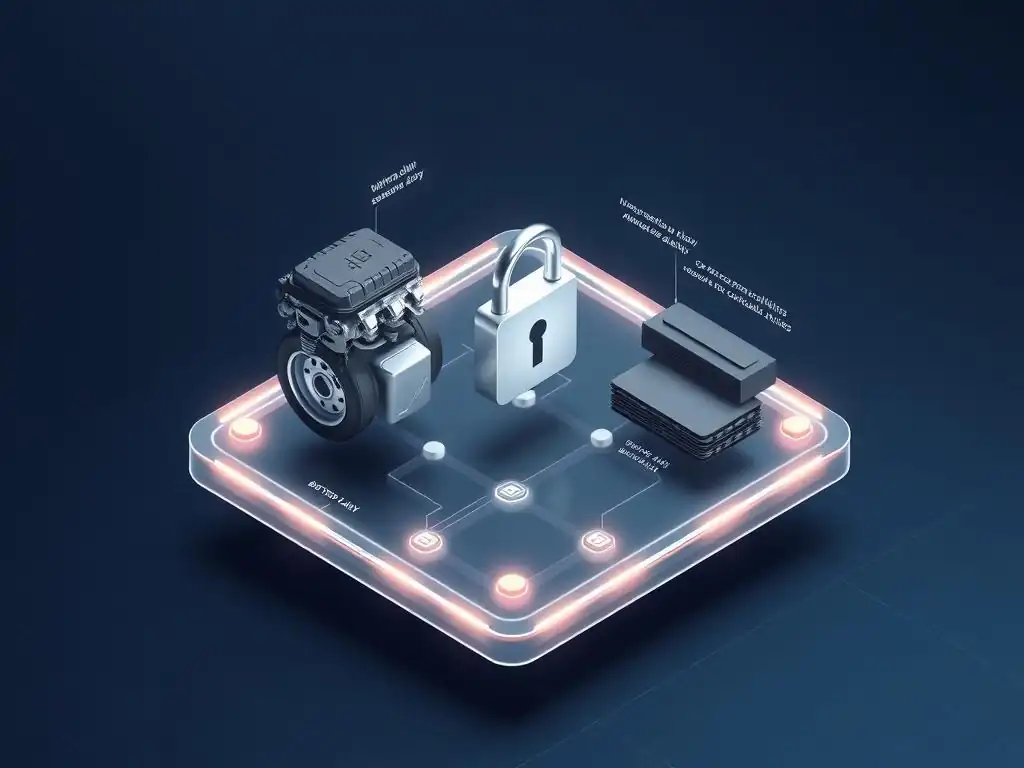
Data governance and security are paramount when implementing a blockchain for automotive supply chains, especially given the sensitive nature of manufacturing, logistics, and potentially vehicle data. While blockchain offers inherent security features like immutability and cryptography, robust governance policies are necessary to define who can access what data, who is responsible for validating specific types of transactions, and how data quality is maintained.
This involves defining clear roles and permissions for all participants in the blockchain network – including manufacturers, suppliers, distributors, and potentially regulators or auditors. Data input standards and validation rules must be established to ensure the accuracy of information recorded on the ledger. Furthermore, robust cybersecurity protocols are needed to protect the interfaces between existing systems and the blockchain, as well as the network infrastructure itself.
While the blockchain ledger is tamper-proof, the points where data enters the system (oracles) can be vulnerable if not properly secured. Compliance with data privacy regulations (like GDPR or CCPA) must also be considered, potentially requiring strategies like storing sensitive personal data off-chain while keeping a hashed reference on the blockchain.
Step 5: Training and Onboarding Automotive Supply Chain Partners
Successful blockchain adoption in the automotive sector requires buy-in and active participation from all relevant supply chain partners. This includes Tier 1, Tier 2, and even lower-tier suppliers, logistics providers, and potentially dealerships and repair shops. Implementing a blockchain solution necessitates that these partners understand the technology, its benefits (including the blockchain supply chain security benefits they will gain), and how to interact with the new system.
Comprehensive training programs should be developed to educate partners on the platform's functionality, data entry procedures, and how to access and interpret the information on the ledger. Onboarding involves technically integrating their systems (or providing them with necessary tools) to interact with the blockchain. Addressing concerns about data privacy, cost of participation, and the potential learning curve is essential for fostering collaboration. A phased rollout, starting with a limited number of key partners and gradually expanding, can help manage the complexity and allow for lessons learned during the initial stages to be incorporated into the broader implementation.
Case Studies: Successful Blockchain Implementations in Automotive Supply Chain Security
Case Study 1: BMW's Use of Blockchain to Track Cobalt Sourcing
BMW has been a notable early adopter exploring blockchain technology, particularly focusing on enhancing the transparency and sustainability of its raw material sourcing. One significant project involved using blockchain to track the sourcing of cobalt, a critical component in electric vehicle batteries. Cobalt supply chains are notoriously complex and have faced scrutiny regarding ethical sourcing, labor practices, and environmental impact, particularly in regions like the Democratic Republic of Congo.
BMW partnered with Circulor, a blockchain technology company, to pilot a system for tracing cobalt from the mine to the battery cell manufacturer and finally into the car. The project aimed to verify the origin of the cobalt and ensure compliance with responsible sourcing standards.
By creating an immutable record of the material's journey on the blockchain, including data points like mining location, transportation logs, and processing information, BMW sought to gain greater assurance that the cobalt used in its vehicles was ethically sourced and conflict-free. This initiative demonstrates how blockchain can provide verifiable proof of provenance, directly contributing to ethical sourcing and supply chain integrity – a key blockchain supply chain security benefit extending beyond just anti-counterfeiting.
Case Study 2: Ford's Blockchain Pilot for Tracking Recycled Materials
Ford Motor Company has also explored blockchain's potential, particularly in its efforts towards sustainability and managing recycled materials. Ford participated in a pilot program using blockchain to track and verify the source of recycled materials, specifically focusing on recycled cobalt used in electric vehicle batteries. This initiative was part of a broader industry collaboration aimed at creating more transparent and sustainable battery supply chains.
The pilot, also involving companies like LG Chem (a battery cell supplier) and Huayou Cobalt (a cobalt producer), used a blockchain platform to track cobalt from the recycler through the supply chain. The objective was to ensure that the recycled cobalt being used met specific quality and sustainability standards and to provide verifiable proof of its recycled origin.
Tracking recycled materials with blockchain helps ensure that recycled content claims are accurate and that the materials have been processed responsibly, contributing to a circular economy and demonstrating environmental responsibility. This application highlights the blockchain supply chain security benefits related to verifying sustainability claims and ensuring the integrity of recycled material flows.
Analysis of the Results and Lessons Learned
While these case studies represent pilot programs rather than full-scale deployments, they offer valuable insights into the potential of blockchain in automotive supply chains. BMW's cobalt tracking project demonstrated the feasibility of using blockchain to verify the origin and ethical sourcing of critical raw materials, improving transparency in complex, multi-stakeholder supply chains. The lessons learned included the importance of collaboration across the entire value chain and the need for robust data collection mechanisms at the source (e.g., mines).
Ford's recycled cobalt pilot similarly showed that blockchain can effectively track recycled materials, providing verifiable proof of sustainability. Both cases underscored that successful implementation requires not just the technology but also industry-wide cooperation and the establishment of common data standards. Challenges included integrating the blockchain system with existing diverse systems used by partners and ensuring data quality at every step. These pilots confirm that while technical hurdles exist, the blockchain supply chain security benefits, particularly in terms of traceability, transparency, and ethical sourcing verification, are significant and warrant further exploration and investment.
Overcoming Challenges in Blockchain Adoption for Automotive Supply Chains
Addressing Scalability Concerns in Automotive Blockchain Networks
One of the primary technical challenges facing the widespread adoption of blockchain in automotive supply chains is scalability. Traditional public blockchains can process a limited number of transactions per second, which is insufficient for the high volume of transactions generated by a complex automotive supply chain involving millions of parts and numerous daily movements. Enterprise-grade blockchain platforms are designed to handle significantly higher transaction throughput than public chains, but managing the sheer volume of data from thousands of suppliers across the globe still presents a challenge.
Addressing scalability involves several approaches. Choosing a platform optimized for enterprise use cases with high transaction speeds is crucial. Network design plays a key role; utilizing concepts like 'channels' in Hyperledger Fabric allows for partitioning the network and processing transactions in parallel, improving efficiency.
Off-chain storage for large data payloads (like documents or images), with only hashes stored on the blockchain, can reduce the data volume on the ledger. Furthermore, exploring layer 2 scaling solutions or alternative consensus mechanisms designed for speed and efficiency within permissioned networks are active areas of development aimed at making blockchain technology viable for the scale of the global automotive industry.
Ensuring Interoperability Between Different Automotive Blockchain Systems
As various automotive manufacturers and their Tier 1 suppliers begin to implement blockchain solutions, a significant challenge arises: ensuring interoperability between potentially different blockchain platforms or networks used by different companies. A manufacturer might use one platform to track components from its Tier 1 suppliers, while a logistics provider might use another, and a Tier 2 supplier yet another. Without interoperability, the seamless flow of information across the entire supply chain is hindered, limiting the full realization of blockchain supply chain security benefits.
Achieving interoperability requires industry-wide collaboration to define common data standards and protocols for exchanging information between different blockchain networks or between blockchain and traditional systems. Initiatives are underway in various industries to establish such standards. Technical solutions like cross-chain bridges or middleware that translates data between different platforms are also being explored. The goal is to create a connected ecosystem where data can flow securely and efficiently regardless of the specific blockchain platform used by individual participants, enabling true end-to-end visibility across the fragmented automotive supply chain.
The automotive industry is heavily regulated, with stringent requirements related to safety, environmental standards, data privacy, and fair trade. Implementing blockchain solutions must be done in a way that complies with this complex regulatory landscape. For example, regulations regarding data retention and accessibility for audits need to be considered. Data privacy rules (like GDPR) impact how personal or sensitive business information can be stored and processed on a distributed ledger.
Navigating these requirements involves careful legal and compliance reviews during the design and implementation phases. It may necessitate designing the blockchain solution to store sensitive data off-chain while using the blockchain for verification and integrity checks. Smart contracts must be designed to align with contractual and legal obligations.
Furthermore, collaboration with regulatory bodies may be necessary to clarify how blockchain technology fits within existing frameworks or to advocate for updated regulations that accommodate decentralized ledger technologies. Ensuring compliance is not just a legal necessity but also builds trust among participants and regulatory authorities, which is vital for widespread adoption and unlocking the full blockchain supply chain security benefits.
The Future of Blockchain in Automotive Supply Chain Security: Trends and Predictions
Emerging Technologies Complementing Blockchain in Automotive Supply Chains (e.g., IoT Sensors, AI-powered Analytics)
The future of blockchain in automotive supply chain security is intrinsically linked with the integration of complementary emerging technologies. Internet of Things (IoT) sensors, for example, can provide real-time, physical data about the status and condition of parts and shipments – such as temperature, humidity, location, or whether a package has been opened.
This sensor data can be fed directly onto the blockchain ledger, providing verifiable proof of conditions during transit or storage, enhancing traceability and quality control. For instance, temperature sensors in a shipment of sensitive electronic components could automatically record data onto the blockchain, flagging any deviations that might compromise quality and thus enhancing blockchain supply chain security benefits.
Artificial intelligence (AI) and machine learning (ML) can analyze the vast amounts of data collected on the blockchain to identify patterns indicative of fraud, inefficiencies, or potential disruptions. AI algorithms could, for example, analyze transaction patterns on the blockchain to detect anomalies that suggest counterfeit activity or analyze historical shipment data to predict potential delays based on current conditions. Combining blockchain's secure, immutable data foundation with the real-time data collection capabilities of IoT and the analytical power of AI creates a powerful ecosystem for building highly secure, transparent, and proactive automotive supply chains.
The Role of Blockchain in Building More Sustainable and Ethical Automotive Supply Chains
Beyond security and efficiency, blockchain is poised to play a significant role in enabling more sustainable and ethical automotive supply chains. As consumer and regulatory pressure mounts for greater corporate responsibility, companies need verifiable proof of their environmental and social impact. Blockchain's ability to provide immutable traceability from the origin of raw materials through to the final product is invaluable in this context.
Using blockchain, automotive companies can track and verify the source of materials like responsibly mined minerals, recycled plastics, or sustainably sourced leather. They can record certifications related to environmental standards, labor practices, and carbon footprint at each stage of production and transportation. This creates a transparent, auditable trail that demonstrates compliance with ethical sourcing policies and sustainability goals.
For example, tracking the lifecycle of EV batteries on a blockchain can ensure responsible disposal and recycling, contributing to a circular economy. This transparency helps build trust with consumers and stakeholders and allows companies to credibly report on their sustainability efforts, adding another layer to the blockchain supply chain security benefits by securing trust and reputation.
Predictions for the Future of Blockchain Adoption in Automotive Supply Chain Management
Predictions for blockchain adoption in automotive supply chain management suggest a gradual but steady increase, moving from pilot projects to more widespread implementation, particularly in critical areas like high-value component tracking, ethical sourcing, and warranty management. Initially, adoption may focus on specific high-risk or high-value segments of the supply chain where the blockchain supply chain security benefits are most pronounced.
Over the next 5-10 years, we are likely to see industry consortia forming to develop shared blockchain platforms or interoperability standards, recognizing that the full network effect benefits are realized when multiple parties participate. Integration with emerging technologies like 5G, IoT, and AI will become standard, creating intelligent and highly automated supply chain systems. While challenges related to scalability, interoperability, and regulation will need continuous effort, the compelling benefits in combating fraud, enhancing resilience, and enabling sustainability provide a strong impetus for the automotive industry to increasingly embrace blockchain technology.
Conclusion: Securing the Future of Automotive Supply Chains with Blockchain
Recap of the Key Benefits of Blockchain Automotive Supply Chain Security
The integration of blockchain technology into the automotive sector offers profound blockchain supply chain security benefits. These include significantly enhanced transparency and traceability, providing end-to-end visibility of components from origin to destination. The immutable nature of blockchain records serves as a powerful defense against counterfeiting and various forms of fraud, making it exceedingly difficult for illicit goods or false claims to penetrate the supply chain undetected. Furthermore, blockchain improves supply chain resilience and agility by enabling faster, more accurate communication and response to disruptions, whether caused by natural disasters, geopolitical events, or unforeseen crises.
Beyond security, blockchain also facilitates critical industry goals such as ethical sourcing and sustainability by providing verifiable proof of origin and compliance at every step. While implementation requires careful planning, technology selection, integration with existing systems, and robust data governance, the potential rewards in terms of reduced losses from fraud and disruptions, improved efficiency, and enhanced brand reputation are substantial. The journey towards a fully integrated blockchain automotive supply chain is ongoing, but the foundational blockchain supply chain security benefits are clear and compelling.
The Importance of Investing in Blockchain Technology for Automotive Supply Chain Resilience
Investing in blockchain technology is becoming increasingly important for automotive companies seeking to build resilient and future-proof supply chains. The vulnerabilities exposed by recent global events underscore the need for systems that are not only efficient but also robust against shocks and transparent enough to allow for rapid response. Traditional systems, often characterized by data silos and limited visibility, are no longer adequate for navigating the complexities and risks of the modern global automotive ecosystem.
Blockchain provides the foundational layer of trust and transparency necessary for a truly resilient supply chain. By creating a shared, immutable ledger accessible to authorized participants, it enables better coordination, quicker identification of issues, and more effective mitigation strategies during times of disruption. Companies that invest in exploring and implementing blockchain solutions are better positioned to protect their operations, safeguard their brand reputation, and maintain continuous production even in the face of unforeseen challenges. This investment is not just about technology; it's about building a more secure, trustworthy, and adaptable supply chain infrastructure.
Call to Action: Embracing Blockchain for a More Secure and Efficient Automotive Supply Chain
The evidence is clear: blockchain technology offers transformative blockchain supply chain security benefits for the automotive industry. From combating dangerous counterfeiting and fraud to building resilience against unpredictable disruptions and enabling verifiable sustainability, the potential impact is vast. While challenges exist, they are being actively addressed by technology developers and industry consortia. The time for automotive companies to move beyond exploration and pilot programs towards strategic implementation is now.
Embracing blockchain requires a commitment to collaboration, investment in appropriate technology and infrastructure, and a willingness to redefine traditional supply chain processes. By starting with targeted use cases where the benefits are most immediate, automotive manufacturers and their partners can begin to build the secure, transparent, and efficient supply chains needed for the future. Don't wait for the next crisis or the next wave of counterfeit parts to act.
Explore how blockchain can secure your supply chain, protect your customers, and drive operational excellence. The future of automotive manufacturing depends on building trust and resilience from the ground up, and blockchain provides a powerful tool to achieve this.
Frequently Asked Questions
How does blockchain technology specifically improve supply chain security?
Blockchain provides immutable records of each step in the supply chain. This transparency and traceability make it significantly harder for fraudulent activities to occur and easier to pinpoint the source of disruptions.
What are the primary Blockchain supply chain security benefits in combating counterfeit goods?
Blockchain enables product authentication through unique identifiers and recorded provenance. Consumers can verify the authenticity of goods before purchase, reducing the risk of buying counterfeits and increasing trust.
How can blockchain help mitigate disruptions in the supply chain, such as delays or shortages?
By providing a real-time view of inventory and logistics, blockchain allows for faster response times to disruptions. This enables businesses to proactively manage issues and minimize their impact.
What role does regulation play in the adoption of blockchain for supply chain security?
Clear and consistent regulations are crucial for building trust and encouraging adoption. Regulations can address data privacy and legal liabilities, helping to create a stable environment.
Beyond security, what other benefits can businesses expect from implementing blockchain in their supply chains?
Besides security, blockchain offers increased efficiency through automation and reduced paperwork. It also fosters greater collaboration among stakeholders and improves overall supply chain visibility.
Final Reflection: Securing the Future with Blockchain
The exploration of blockchain's role in enhancing supply chain security reveals its profound and increasingly critical relevance in today's interconnected world. As global trade becomes more complex and vulnerable to fraud and disruption, the need for transparent, immutable, and decentralized systems is paramount. Blockchain offers a powerful solution, transforming supply chains from opaque networks into secure and efficient ecosystems.
The impact of blockchain on supply chain security extends far beyond mere technological advancement. It fosters trust, reduces risk, and empowers stakeholders across the entire value chain. This shift towards transparency and accountability is not just a trend, but a fundamental change in how we perceive and manage global commerce. The supply chain is the only thing that matters. If you don't have a supply chain, you don't have a business.
- Michael Dell. This quote underscores the critical importance of a secure and reliable supply chain, and blockchain offers a powerful tool to achieve just that.
As we look to the future, the potential of blockchain to revolutionize supply chain security is undeniable. It is not simply about preventing fraud or mitigating disruptions; it is about building a more resilient, ethical, and sustainable global economy. Consider how you can advocate for and implement blockchain solutions within your own sphere of influence, contributing to a future where supply chains are not just efficient, but also secure and trustworthy for all.
Fortify Your Supply Chain: Embrace Blockchain Security Now!
Thank you for exploring how blockchain can revolutionize supply chain security with us. You now have valuable insights into how this technology can protect your operations from fraud and disruptions. Are you ready to take the next step toward a more secure and resilient future?
Here are a few ways you can get started today:
- Identify a key vulnerability in your current supply chain and consider how implementing blockchain technology could address it. This is your first step toward real-world application!
- Explore our other articles on blockchain trends to learn about successful case studies of companies leveraging blockchain for supply chain security—knowledge is power!
- Share this article with a colleague or industry peer who would benefit from understanding blockchain’s impact on supply chain security. Let’s work together to build a more secure ecosystem.
What is the biggest challenge your organization faces in supply chain security, and how do you think blockchain could help solve it? Share your thoughts in the comments below!
Leave a Reply