
The Future of Agricultural Supply Chains: Blockchain for Food Security and Farmer Empowerment

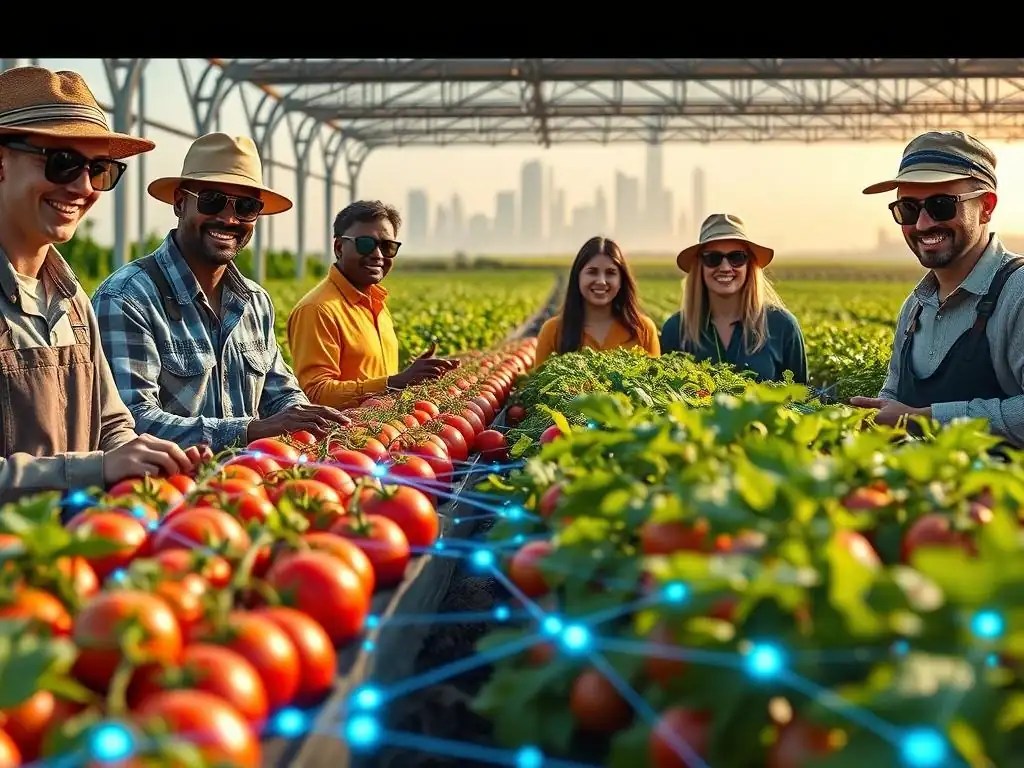
Welcome to Blockchain Trends, your definitive guide to the revolutionary potential of blockchain technology.
Ever wondered how blockchain can impact something as fundamental as the food on your table? Dive into our latest exploration of the blockchain food supply chain and discover how this technology is transforming agriculture, enhancing food security, and empowering farmers worldwide. This is just the beginning of your journey into the future of decentralized systems. Read on to unlock the possibilities...
The Future of Agricultural Supply Chains: Blockchain for Food Security and Farmer Empowerment
- Introduction: Revolutionizing Agriculture with Blockchain Technology
- Understanding the Challenges in Current Agricultural Supply Chains
- How Blockchain Enhances Food Supply Chain Transparency and Traceability
- Blockchain Solutions for Food Security: Real-World Applications
- Empowering Farmers Through Blockchain Technology
- Benefits of Implementing Blockchain in Agricultural Supply Chains
- Overcoming the Challenges of Blockchain Adoption in Agriculture
- The Future of Blockchain Food Supply Chain: Trends and Predictions
- Conclusion: Blockchain as a Catalyst for a More Secure and Equitable Food System
-
Frequently Asked Questions
- What are the main benefits of using blockchain in the food supply chain?
- How does blockchain empower farmers in the agricultural industry?
- What are some real-world examples of blockchain being used in the food supply chain?
- What are the main challenges to widespread adoption of blockchain in the food supply chain?
- How is blockchain helping to improve food security globally?
- Final Reflection: Cultivating Trust in Every Bite
- Empower Change: Cultivate a Transparent Future!
Introduction: Revolutionizing Agriculture with Blockchain Technology
The Growing Need for Transparency in Food Supply Chains
The global agricultural sector faces increasing pressure to provide safe, sustainable, and transparent food for a growing population. Consumers are demanding more information about where their food comes from, how it was produced, and its journey from farm to fork. This demand is driven by concerns over food safety, ethical sourcing, environmental impact, and fair labor practices.
Current agricultural supply chains are often complex, fragmented, and opaque, making it difficult to trace products effectively. This lack of transparency hinders the ability to quickly identify the source of contamination during food safety crises or verify sustainability claims, eroding consumer trust and impacting the integrity of the entire food system.
Addressing the growing need for transparency requires a fundamental shift in how data is collected, shared, and managed across the supply chain. Traditional paper-based systems or siloed digital databases are prone to errors, delays, and manipulation. For instance, tracing a single product like lettuce from a supermarket back to its origin farm can take days or even weeks using conventional methods.
This delay is unacceptable in an era where rapid response is critical for public health and maintaining supply chain efficiency. A more robust, verifiable, and accessible system is needed to build confidence among all stakeholders, from farmers and distributors to retailers and end consumers, highlighting the imperative for innovation in the Blockchain food supply chain.
Blockchain's Potential to Transform Agricultural Practices
Blockchain technology, often associated with cryptocurrencies, offers a decentralized, immutable, and transparent ledger that can record transactions and data across a network of participants. This inherent structure makes it uniquely suited to address many of the challenges plaguing agricultural supply chains. By creating a shared, tamper-proof record of every step in a product's journey – from planting and harvesting to processing, packaging, and distribution – blockchain can provide unprecedented levels of traceability and transparency. This can help ensure the authenticity of products, verify certifications (like organic or fair trade), and streamline logistics.
Beyond traceability, blockchain has the potential to fundamentally transform agricultural practices by facilitating fairer distribution of value, reducing intermediaries, and enabling more efficient financial transactions. Smart contracts, self-executing contracts with the terms of the agreement directly written into code, can automate payments based on pre-defined conditions, such as successful delivery or quality checks. This can empower farmers by giving them more control and ensuring they receive timely and fair compensation for their produce. The application of blockchain in agriculture represents a significant opportunity to build a more resilient, equitable, and sustainable Blockchain food supply chain.
Understanding the Challenges in Current Agricultural Supply Chains
Inefficiencies and Lack of Traceability
Current agricultural supply chains are notoriously inefficient, characterized by multiple handoffs, bureaucratic processes, and a lack of centralized, accessible information. Products often pass through numerous intermediaries – aggregators, processors, distributors, wholesalers, and retailers – before reaching the consumer. Each step adds complexity, cost, and potential points of failure or delay. Tracking a product's origin and journey through this convoluted network is challenging. Information is often stored in disparate systems, if digitized at all, making it difficult to piece together a complete picture quickly.
This lack of end-to-end traceability has significant consequences. When a food safety issue arises, pinpointing the source of contamination can be a time-consuming and costly process, leading to widespread recalls that impact innocent producers and erode consumer trust across the board. Furthermore, the inability to efficiently track products makes it harder to manage inventory, predict demand accurately, and optimize logistics, contributing to significant food loss and waste throughout the supply chain. Studies estimate that roughly 14% of food produced globally is lost between harvest and retail, a figure partly attributable to these systemic inefficiencies.
The Impact on Food Security and Farmer Livelihoods
The vulnerabilities within traditional agricultural supply chains have a direct impact on both food security and the livelihoods of farmers, particularly smallholder farmers in developing regions. Inefficient markets, lack of access to reliable information, and dependence on multiple intermediaries often mean farmers receive only a fraction of the final retail price for their produce. This reduces their income, limits their ability to invest in improving practices or infrastructure, and perpetuates cycles of poverty. For instance, in some regions, farmers might receive less than 20% of the consumer price for certain commodities, with the rest absorbed by intermediaries and logistics.
Moreover, unpredictable supply chains and price volatility make farming a high-risk profession. Farmers lack the tools and information to anticipate market demand or secure fair contracts. This instability can discourage production, potentially impacting regional or national food security. The lack of transparency also makes farmers susceptible to fraudulent practices, such as unfair weighing or grading of produce. Building a more transparent and equitable Blockchain food supply chain is crucial for improving farmer income and ensuring a stable food supply for everyone.
Food Fraud and Adulteration
Food fraud, the intentional misrepresentation of food for economic gain, is a significant global issue estimated to cost the industry billions of dollars annually, potentially reaching $30 billion to $40 billion worldwide each year. This can range from simple mislabeling of origin or ingredients to the dangerous adulteration of products with cheaper or harmful substances. Common examples include diluting olive oil with other oils, mislabeling fish species, or adding unauthorized substances to spices or honey. The complex and opaque nature of traditional agricultural supply chains provides fertile ground for such fraudulent activities to occur undetected.
The lack of robust traceability systems makes it difficult to verify the authenticity and integrity of food products at each stage of their journey. Counterfeit or adulterated goods can easily enter the supply chain, posing serious health risks to consumers and damaging the reputation of legitimate producers.
For instance, the melamine milk scandal in China in 2008, where melamine was added to milk to artificially boost its protein content, resulted in the deaths of six infants and sickened tens of thousands. Preventing such occurrences requires a system that can reliably verify the origin and composition of food, highlighting a critical application for the Blockchain food supply chain.
How Blockchain Enhances Food Supply Chain Transparency and Traceability
Blockchain's Immutable Ledger: Ensuring Data Integrity
At the core of blockchain technology is its distributed and immutable ledger. Unlike traditional databases where information is stored in a central location and can be modified or deleted, a blockchain records transactions across a network of computers. Each new transaction is grouped into a block, which is then cryptographically linked to the previous block, forming a chain. Once a block is added to the chain and validated by the network participants, it is extremely difficult and computationally expensive to alter or remove the data within it without consensus from the majority of the network.
This immutability ensures the integrity of the data recorded on the blockchain. In the context of a Blockchain food supply chain, this means that every piece of information added – from the date of harvest and the use of pesticides to temperature readings during transport and quality checks – is permanently recorded and verifiable. This shared, tamper-proof history provides a single source of truth for all participants, significantly reducing the potential for data manipulation, errors, or fraud. Stakeholders can trust the information they see, knowing it represents an accurate and complete record of the product's journey.
Enhancing Traceability from Farm to Table with Blockchain
Blockchain enables unparalleled end-to-end traceability by creating a digital trail for every product as it moves through the supply chain. Each significant event or transaction – planting, harvesting, processing, packaging, shipping, receiving, and sale – can be recorded as a transaction on the blockchain. This creates a granular history that can be accessed by authorized parties. For example, a batch of tomatoes could have records detailing the farm where they were grown, the date of harvest, the type of seeds used, any fertilizers or pesticides applied, the processing facility, the packaging date, the shipping route, and the retailer's information.
This level of detail allows for rapid and precise tracing of products. If a food safety issue arises, regulators or companies can quickly pinpoint the specific batch, farm, or processing facility involved, potentially reducing the scope of recalls from entire product lines or regions to only the affected items. This minimizes waste, reduces economic losses for unaffected parties, and protects public health more effectively. Consumers, too, can potentially access relevant information about their food by scanning a QR code on the packaging, offering a level of transparency previously unimaginable in the traditional Blockchain food supply chain.
Improved Visibility for Consumers and Stakeholders
One of the most powerful benefits of blockchain in agriculture is the improved visibility it offers to all stakeholders, including the end consumer. By providing a secure and accessible platform for sharing verified data, blockchain removes the opacity that characterizes traditional supply chains. Consumers can gain confidence in the products they purchase by accessing information about their origin, safety certifications, and sustainability practices. This empowers consumers to make more informed choices aligned with their values, potentially driving demand for ethically sourced and sustainably produced food.
Beyond consumers, improved visibility benefits every participant in the supply chain. Farmers can demonstrate the quality and provenance of their produce, potentially commanding premium prices for verified attributes like organic certification or fair trade status. Retailers and distributors gain better insights into inventory levels, product freshness, and potential supply chain bottlenecks. Regulators have faster access to reliable data during inspections or investigations. This enhanced transparency fosters greater trust and collaboration among all parties involved in the Blockchain food supply chain.
Blockchain Solutions for Food Security: Real-World Applications
Case Study 1: IBM Food Trust and Walmart's Traceability of Mangoes
One of the most well-known examples of blockchain being applied to the food industry is the collaboration between IBM and Walmart using the IBM Food Trust platform. This initiative aimed to significantly improve the traceability of food products. A key pilot program focused on tracing mangoes sold in Walmart stores in the United States. Using traditional methods, tracing a package of mangoes back to the farm where they were grown could take nearly seven days. This delay was a major concern in the event of a foodborne illness outbreak.
By implementing the IBM Food Trust blockchain solution, Walmart was able to reduce the time it took to trace mangoes from the store shelf back to the farm to just 2.2 seconds. This dramatic improvement demonstrated the power of a shared, immutable ledger to provide rapid access to critical supply chain data. The success of this pilot led Walmart to mandate that its leafy green suppliers join the platform, significantly enhancing food safety protocols for those products. This case highlights the practical benefits of a Blockchain food supply chain for large-scale retailers and their suppliers.
Case Study 2: Provenance and Tuna Tracking in the Pacific
Provenance, a technology company utilizing blockchain, has implemented projects to track seafood, including tuna caught in the Pacific Ocean. The fishing industry often faces issues like illegal, unreported, and unregulated (IUU) fishing, as well as concerns about labor practices and sustainability. Tracing fish from the point of catch through processing and distribution to the consumer is complex and vital for verifying authenticity and sustainability claims.
Provenance's solution uses blockchain to create digital passports for individual fish or batches. Data recorded on the blockchain includes the vessel that caught the fish, the location and date of the catch, processing information, and transportation details. This allows businesses and consumers to verify that the tuna they are purchasing was legally caught and responsibly sourced. In a pilot project tracking tuna from Indonesia to Japan, the system provided transparency on the journey and validated the sustainability of the catch, showcasing the potential of the Blockchain food supply chain to combat illegal fishing and ensure ethical sourcing.
Tracking and Preventing Foodborne Illnesses with Blockchain
The ability to rapidly trace contaminated food products is paramount for public health. Traditional traceback methods are often slow and require sifting through paper records or incompatible digital systems across multiple companies. This delay can allow contaminated products to remain on shelves, leading to more illnesses. Blockchain's immutable ledger provides a shared, near real-time view of the supply chain, drastically reducing the time needed to identify the source and scope of a potential outbreak.
When a case of foodborne illness is reported, health authorities and companies can use the blockchain record to quickly determine which specific batch of product the affected individual consumed and where that batch originated. This allows for targeted recalls of only the affected products, minimizing the economic impact on innocent suppliers and reducing the amount of safe food that is unnecessarily discarded. The speed and accuracy offered by a Blockchain food supply chain are critical tools in preventing the spread of foodborne illnesses and protecting consumer safety.
Empowering Farmers Through Blockchain Technology
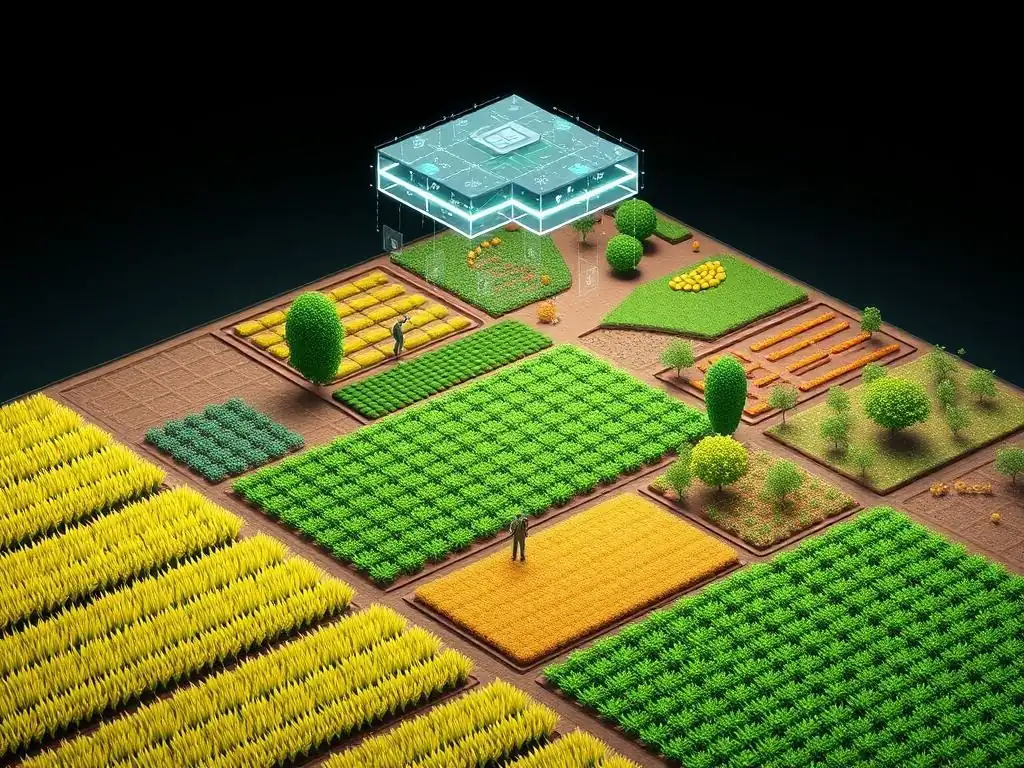
Direct Access to Markets and Fair Pricing
One of the significant challenges faced by farmers, particularly smallholders, is their limited access to markets and their dependence on intermediaries who often capture a large portion of the value chain. Blockchain technology has the potential to disintermediate the supply chain, allowing farmers to connect more directly with buyers, processors, or even consumers. Platforms built on blockchain can facilitate peer-to-peer transactions, reducing the need for multiple middlemen.
By recording product origin and quality data on an immutable ledger, farmers can build a verifiable reputation and demonstrate the value of their produce. This transparency can help them negotiate fairer prices, as buyers have greater confidence in the authenticity and quality of the goods.
Pilot programs in regions like Africa and Southeast Asia have explored using blockchain platforms to connect coffee farmers directly with international roasters, potentially increasing the farmers' share of the final price by 10-15% compared to traditional channels. A more direct and transparent Blockchain food supply chain can lead to improved income and economic stability for farmers.
Reducing Intermediaries and Improving Farmer Profitability
The presence of numerous intermediaries in the traditional agricultural supply chain adds costs and reduces the profitability for the primary producers – the farmers. Each middleman takes a cut, leaving farmers with a smaller percentage of the final retail price. By leveraging blockchain to create a more streamlined and transparent value chain, it becomes possible to reduce the number of intermediaries or redefine their roles.
Platforms could allow farmers to list their produce directly, with smart contracts automating transactions and logistics coordination. This reduction in intermediaries means that a larger portion of the final product value can flow back to the farmer. For example, in a traditional setup, a farmer might receive $1 for a product that sells for $5 at retail. By reducing intermediaries through a Blockchain food supply chain, the farmer might receive $2 or $3, significantly boosting their income and incentivizing production. This economic empowerment is crucial for the sustainability of farming communities.
Smart Contracts for Automated Payments and Agreements
Smart contracts are self-executing agreements where the terms are written directly into code on the blockchain. These contracts automatically execute when predefined conditions are met, such as the successful delivery of goods, verification of quality metrics, or the passage of a specific date. In the context of agriculture, smart contracts can revolutionize farmer payments and agreements.
Instead of relying on manual processes or delayed payments from intermediaries, farmers can enter into smart contracts with buyers that guarantee payment upon delivery and verification of the produce meeting agreed-upon standards (e.g., weight, quality grade). This automation reduces administrative overhead, minimizes payment disputes, and ensures farmers receive their money promptly.
For instance, a smart contract could release payment to a farmer's digital wallet within hours of a distributor confirming receipt of a shipment, rather than waiting weeks or months. This financial predictability and efficiency provided by the Blockchain food supply chain empowers farmers to manage their finances better and plan for future seasons.
Benefits of Implementing Blockchain in Agricultural Supply Chains
Increased Efficiency and Reduced Waste
Implementing blockchain technology in agricultural supply chains can lead to significant improvements in operational efficiency. The shared, real-time ledger provides better visibility into inventory levels, product movement, and demand, allowing for more accurate forecasting and logistics planning. This can help reduce delays, optimize routes, and minimize spoilage during transportation and storage. Furthermore, the automation offered by smart contracts can streamline processes like payments and quality verification, reducing administrative burdens and costs.
By providing granular traceability, blockchain also helps identify bottlenecks and inefficiencies within the chain. Data collected on the blockchain can be analyzed to optimize various stages, from harvest scheduling to transportation. This enhanced efficiency directly contributes to reducing food loss and waste throughout the supply chain. Pilots have shown the potential to reduce waste by identifying and addressing issues like temperature excursions during transit more quickly.
Enhanced Food Safety and Consumer Trust
Perhaps the most compelling benefit of a Blockchain food supply chain is the significant enhancement in food safety and the resulting boost in consumer trust. The immutable record of a product's journey provides unprecedented transparency and accountability. In the event of a food safety incident, the ability to trace the source quickly enables targeted recalls, removing contaminated products from circulation faster and preventing further illnesses. This rapid response protects public health and minimizes the economic damage of widespread recalls.
Consumers gain confidence knowing that the information about their food's origin, handling, and certifications is verifiable and tamper-proof. This transparency builds trust in food brands and retailers. A survey by the Food Marketing Institute and Label Insight found that 75% of consumers are more likely to switch to a brand that provides in-depth product information beyond what's on the physical label. Blockchain provides the secure infrastructure to deliver this level of detail, fostering loyalty and strengthening the relationship between producers and consumers.
Improved Supply Chain Resilience
Global events, such as pandemics or natural disasters, can disrupt traditional supply chains, leading to shortages and price volatility. The transparency and data availability provided by blockchain can improve the resilience of agricultural supply chains. By having a clear view of where products are, their status, and alternative sourcing options, companies can respond more effectively to disruptions.
A distributed ledger is also inherently more resilient than a centralized database, which can be a single point of failure. If one node in the blockchain network goes down, the data remains accessible to other participants. This distributed nature, combined with improved visibility and traceability, allows stakeholders to better assess risks, identify alternative suppliers or routes, and maintain the flow of goods even during challenging times, contributing to a more robust Blockchain food supply chain.
Reduced Food Waste by 20% in Pilot Programs
While exact figures vary depending on the specific product and pilot, early implementations of blockchain in food supply chains have demonstrated a tangible impact on reducing waste. For instance, some pilot programs focusing on perishable goods like produce have reported reductions in spoilage and loss by as much as 20% compared to traditional methods. This reduction is achieved through several factors:
- Faster tracing: Enables quicker identification and isolation of affected batches during quality issues, preventing the discarding of entire shipments.
- Improved inventory management: Real-time data allows for better stock rotation and demand matching.
- Optimized logistics: Data on transit times and conditions helps minimize delays and maintain optimal temperatures.
- Enhanced quality verification: Clearer records of handling and quality checks reduce the likelihood of accepting or shipping substandard products.
These reductions in waste represent significant economic savings for businesses and contribute to global sustainability goals. The efficiency gains facilitated by blockchain technology directly translate into less food ending up in landfills, making the Blockchain food supply chain a more sustainable model.
Overcoming the Challenges of Blockchain Adoption in Agriculture
Infrastructure Limitations and Digital Literacy
Adopting blockchain technology in agriculture faces practical hurdles, particularly in regions where the necessary infrastructure and digital literacy are not widespread. Implementing a blockchain solution requires access to reliable internet connectivity, suitable hardware (like smartphones or scanners), and potentially electricity. In many rural farming communities, these resources can be limited or unreliable.
Furthermore, while the technology itself is complex, users at all levels of the supply chain, including farmers, need a basic level of digital literacy to interact with blockchain platforms effectively. Training and support are essential to ensure that all participants can contribute data accurately and utilize the information available on the ledger. Bridging this digital divide is crucial for the successful and inclusive implementation of a Blockchain food supply chain, requiring investment in rural infrastructure and educational programs.
Scalability and Interoperability Issues
Blockchain technology, especially public or permissionless networks, can face challenges related to scalability – the ability to handle a large volume of transactions quickly and efficiently as the network grows. While enterprise-focused blockchains like Hyperledger Fabric (used in IBM Food Trust) are designed for higher transaction throughput than public blockchains like Bitcoin or Ethereum, processing the immense volume of data generated by a global agricultural supply chain still presents a significant technical challenge.
Interoperability is another critical issue. Different blockchain platforms exist, and various companies or consortia might choose different solutions. Ensuring that these disparate systems can communicate and share data seamlessly is essential for creating a truly connected and transparent Blockchain food supply chain. Developing standards and protocols for interoperability between different blockchain networks and legacy systems is a key area of ongoing development to facilitate widespread adoption.
Regulatory Considerations and Data Privacy
The regulatory landscape surrounding blockchain technology is still evolving globally. Clarity is needed on how existing regulations related to food safety, data privacy (like GDPR), and commercial transactions apply to blockchain-based systems. For instance, the "right to be forgotten" under GDPR presents a challenge for the immutable nature of blockchain. While some data might be stored off-chain with only a hash on the blockchain, careful consideration of data architecture and legal frameworks is necessary.
Data privacy is also a concern, particularly for sensitive information like farmer income or proprietary processing techniques. While blockchain enhances transparency, not all data needs to be visible to every participant. Permissioned blockchains, where access to data is restricted based on user roles, offer a solution. However, navigating the complexities of data ownership, access control, and compliance with varying international regulations requires careful planning and legal expertise when building a Blockchain food supply chain.
The Future of Blockchain Food Supply Chain: Trends and Predictions
Integration with IoT and AI for Enhanced Automation
The future of the Blockchain food supply chain lies in its integration with other emerging technologies, particularly the Internet of Things (IoT) and Artificial Intelligence (AI). IoT devices, such as sensors placed on farms, in storage facilities, or during transportation, can automatically collect real-time data on conditions like temperature, humidity, and location. This data can then be securely recorded on the blockchain, providing an objective and continuous record of product handling.
AI can be used to analyze the vast amounts of data collected via IoT and stored on the blockchain. AI algorithms can identify patterns, predict potential issues (like spoilage risks based on temperature logs), optimize logistics based on real-time conditions, and even verify the authenticity of products by analyzing sensor data against expected parameters. This integration creates a highly automated, intelligent, and proactive supply chain, moving beyond simple traceability to predictive management and enhanced quality control.
The Role of Blockchain in Sustainable Agriculture
Blockchain is poised to play a significant role in promoting and verifying sustainable agricultural practices. By providing an immutable record of farming methods, resource usage (like water and energy), and environmental certifications, blockchain can offer verifiable proof of sustainability claims. This transparency can help combat "greenwashing" and reward farmers who adopt environmentally friendly practices.
Farmers can use blockchain to track and demonstrate adherence to specific sustainability standards, such as organic farming, reduced pesticide use, or water conservation techniques. This verified data can be shared with consumers and businesses interested in sourcing sustainable products, potentially creating premium markets for environmentally conscious producers. The ability to trace a product's environmental footprint from farm to fork through a Blockchain food supply chain is a powerful tool for driving sustainability in the sector.
40% Growth in Blockchain Adoption for Specialty Crops by 2025
Market analysis and industry reports predict significant growth in the adoption of blockchain technology within the agricultural sector, particularly for high-value or specialty crops where traceability and authenticity are premium concerns. Examples include organic produce, coffee, tea, cocoa, spices, wine, and certain fruits and vegetables. The value proposition of blockchain – ensuring provenance, verifying quality, and enabling premium pricing – is particularly strong for these products.
While overall blockchain adoption in agriculture is still nascent, projections indicate a substantial increase in the coming years. Some reports forecast a compound annual growth rate (CAGR) for blockchain in the food and agriculture market that could see adoption rates for specialty crops grow by approximately 40% by 2025. This growth will be driven by increasing consumer demand for transparency, regulatory pressures, and the demonstrated success of early pilot programs. The expansion of the Blockchain food supply chain in these niche markets will likely pave the way for broader adoption across the sector.
Conclusion: Blockchain as a Catalyst for a More Secure and Equitable Food System
Reaping the Rewards of a Transparent and Efficient Food Supply Chain
Blockchain technology holds immense promise for transforming the agricultural supply chain into a more transparent, efficient, and secure system. By providing an immutable and shared ledger for tracking products from farm to fork, it addresses fundamental challenges related to traceability, food safety, and fraud. The ability to quickly and accurately trace products dramatically improves response times during food safety crises, minimizing harm and economic loss. Increased efficiency throughout the chain, driven by better data visibility and automation, reduces waste and lowers operational costs for businesses.
The transparency offered by a Blockchain food supply chain builds trust among all participants, from producers to consumers. Consumers gain confidence in the authenticity and safety of their food, while businesses can demonstrate compliance with standards and differentiate their products. The benefits extend beyond individual companies to contribute to a more resilient and reliable global food system, better equipped to handle disruptions and ensure the continuous availability of safe food.
Empowering Farmers and Building a Sustainable Future for Agriculture
Beyond enhancing efficiency and safety, blockchain technology serves as a powerful tool for empowering farmers and fostering a more equitable agricultural landscape. By reducing reliance on traditional intermediaries and facilitating direct connections with markets, blockchain platforms can help farmers secure fairer prices for their produce and increase their profitability. Smart contracts provide financial predictability and streamline payment processes, offering farmers greater economic stability.
Furthermore, blockchain's ability to verify and track sustainable practices provides a mechanism to reward environmentally conscious farming and contributes to building a more sustainable future for agriculture. As adoption grows, the Blockchain food supply chain has the potential to reshape power dynamics, distribute value more equitably, and incentivize practices that benefit both people and the planet. While challenges remain in infrastructure, scalability, and regulation, the foundational benefits position blockchain as a critical catalyst for positive change in how our food is produced, distributed, and consumed.
Frequently Asked Questions
What are the main benefits of using blockchain in the food supply chain?
Blockchain offers enhanced traceability of food products, increased transparency throughout the supply chain, and improved food safety by quickly identifying the source of contamination.
How does blockchain empower farmers in the agricultural industry?
Blockchain can provide farmers with direct access to markets, bypassing intermediaries and increasing their profits. It also facilitates secure and transparent transactions, building trust and fostering fairer trade practices.
What are some real-world examples of blockchain being used in the food supply chain?
Companies are using blockchain to track everything from coffee beans and seafood to organic produce. These implementations demonstrate the technology's ability to verify origin and quality.
What are the main challenges to widespread adoption of blockchain in the food supply chain?
Key challenges include the cost of implementation, the need for industry-wide collaboration to establish common standards, and the lack of technical expertise among some stakeholders.
How is blockchain helping to improve food security globally?
By providing end-to-end visibility and reducing food fraud, blockchain helps ensure that consumers receive safe and authentic products. This builds confidence in the food system and contributes to greater food security.
Final Reflection: Cultivating Trust in Every Bite
The exploration of blockchain's transformative potential within agricultural supply chains underscores a critical truth: food security and farmer empowerment are inextricably linked. The vulnerabilities exposed by traditional systems demand innovative solutions, and blockchain offers a compelling pathway towards greater transparency, traceability, and ultimately, a more equitable and resilient food system for all.
This technology isn't just about efficiency; it's about restoring trust in the food we consume and empowering the individuals who dedicate their lives to producing it. The journey towards a blockchain-enabled food supply chain is a journey towards a more just and sustainable future. The ultimate goal of farming is not the growing of crops, but the cultivation and perfection of human beings.
- Masanobu Fukuoka
As we look ahead, let us all consider our role in shaping this future. Reflect on the power of informed choices, the importance of supporting ethical and transparent food systems, and the potential of technology to create positive change. Let us actively seek out and champion initiatives that prioritize farmer well-being and ensure that every bite we take contributes to a more secure and equitable world for generations to come.
Okay, I'm ready to craft a CTA for an article titled "The Future of Agricultural Supply Chains: Blockchain for Food Security and Farmer Empowerment" on the website "Blockchain Trends" (domain: blockchaintrends.org). Here's the CTA I've created:
Empower Change: Cultivate a Transparent Future!
Thank you for exploring how blockchain is revolutionizing agricultural supply chains, offering enhanced food security and empowering farmers. Now it's time to take these insights and turn them into real-world action! Here's how you can be part of the solution:
- Dive Deep: Research Blockchain Initiatives in Agriculture:. Understanding current projects and their impact is the first step to informed engagement.
- Share This Vision: Spread the word about blockchain's potential to transform agriculture on your social media networks. Let's build awareness and encourage wider adoption.
- Connect with a Farmer: Reach out to local farmers and ask them how Blockchain could assist them. Understanding from first hand will allow you to engage in conversations about its efficiency on agricultural supply chains.
What steps will you take today to advocate for a more transparent and equitable food system powered by blockchain? Share your thoughts and ideas in the comments below!
Leave a Reply