
The Future of Brand Protection: Blockchain's Leading Role in Authenticity


Welcome to Blockchain Trends, your compass in the rapidly evolving world of decentralized technology.
Imagine a world where counterfeit products are virtually eliminated. Our deep dive into blockchain brand authenticity verification reveals how this revolutionary technology is poised to redefine supply chain management and safeguard brand integrity. Intrigued? Discover how blockchain is moving beyond cryptocurrency and becoming a powerful tool for trust and transparency in today's market. Explore the future of brand protection and uncover the potential of blockchain to reshape industries, starting now!
The Future of Brand Protection: Blockchain's Leading Role in Authenticity
- Introduction: The Growing Need for Brand Authenticity Verification
- Blockchain's Potential for Revolutionizing Brand Protection
- Blockchain Brand Authenticity Verification: A Deep Dive
- Key Benefits of Blockchain for Brand Authenticity
- Use Cases: Blockchain in Action for Brand Authentication
- Overcoming Challenges in Implementing Blockchain for Brand Protection
- The Future of Brand Protection: Blockchain and Beyond
- Conclusion: Embracing Blockchain for a More Authentic Future
-
Frequently Asked Questions
- How can blockchain technology help verify brand authenticity?
- What are the key benefits of using blockchain for brand authenticity verification?
- What types of products are best suited for blockchain-based brand authenticity verification?
- What challenges exist in implementing blockchain for brand authenticity verification?
- How does blockchain brand authenticity verification impact the future of consumer trust and the role of brands?
- Final Reflection: Embracing Blockchain for Authentic Brands
- Unleash the Power of Authenticity Now!
Introduction: The Growing Need for Brand Authenticity Verification
In today's globalized marketplace, consumers demand authenticity, and brands face an unprecedented challenge in protecting their reputation and revenue from the scourge of counterfeit goods. The ease of online sales and complex international supply chains have created fertile ground for illicit activities, making robust brand protection strategies more critical than ever. As technology evolves, so too must the methods used to combat this pervasive problem.
This article explores the transformative potential of blockchain technology in revolutionizing brand protection. We will delve into how the inherent characteristics of blockchain provide a powerful tool for ensuring product authenticity, enhancing transparency, and building consumer trust. The focus will be on understanding the practical applications and benefits of blockchain brand authenticity verification across various industries.
The Pervasive Problem of Counterfeit Goods and Brand Damage
The global market for counterfeit and pirated goods is staggering, estimated to be worth hundreds of billions of US dollars annually. This illicit trade spans virtually every sector, from luxury items and pharmaceuticals to electronics and consumer goods. Counterfeiting not only leads to significant financial losses for legitimate businesses but also poses serious risks to consumer safety, particularly in industries like pharmaceuticals and food.
Beyond direct financial impact, counterfeiting severely damages brand reputation and consumer trust. When a consumer unknowingly purchases a fake product that malfunctions or poses a health risk, the negative experience is often associated with the legitimate brand, eroding loyalty and market share. Rebuilding trust after such incidents is a costly and time-consuming endeavor, highlighting the urgent need for effective strategies for blockchain brand authenticity verification.
Why Traditional Brand Protection Methods Fall Short
Traditional methods of brand protection, such as holograms, security labels, and serial numbers, have proven increasingly vulnerable to sophisticated counterfeiters. These methods can often be replicated with relative ease, offering only a temporary deterrent. Furthermore, tracking products through complex, multi-stakeholder supply chains using disparate and often incompatible databases is a significant challenge.
Manual inspection processes are labor-intensive, prone to human error, and lack the scalability required to verify the authenticity of millions of products globally. The lack of a single, immutable source of truth makes it difficult to definitively prove a product's origin and journey, leaving gaps that counterfeiters exploit. This underscores the limitations of legacy systems and the necessity for innovative solutions like blockchain brand authenticity verification.
Blockchain's Potential for Revolutionizing Brand Protection
Blockchain technology, initially known for its role in cryptocurrencies, offers unique properties that are highly relevant to the challenges of brand protection. Its decentralized, distributed ledger system provides a foundation for creating secure, transparent, and tamper-proof records of product information and transactions throughout the supply chain.
By leveraging blockchain, companies can move beyond reactive measures to proactive strategies that prevent counterfeits from entering the legitimate supply chain and provide consumers with the tools to verify authenticity themselves. The inherent trust and security features of blockchain make it a compelling solution for enhancing brand integrity.
Understanding Blockchain Technology and Its Core Principles
At its heart, blockchain is a distributed, immutable ledger that records transactions across multiple computers. Once a transaction (or block of data) is added to the chain, it is cryptographically linked to the previous block, creating a secure and chronological chain. This structure makes it incredibly difficult, if not impossible, to alter past records without consensus from the majority of participants in the network.
Key principles include decentralization, meaning no single entity controls the entire ledger; transparency, where all participants can typically view the transaction history (though details might be permissioned); and immutability, where data, once recorded, cannot be changed or deleted. These principles provide the bedrock for reliable blockchain brand authenticity verification systems.
How Blockchain Enables Immutable and Transparent Tracking
Blockchain's distributed and immutable nature makes it ideal for tracking products through complex supply chains. Each step in a product's journey – from manufacturing and packaging to shipping and retail – can be recorded as a transaction on the blockchain. This creates a permanent, verifiable history for each item.
Unlike traditional databases, which can be altered by a single administrator, the blockchain record is replicated across many nodes, requiring consensus to add new blocks. This distributed consensus mechanism ensures that the tracking data is highly resistant to tampering, providing an unprecedented level of trust and transparency in the product's provenance. This immutable record is crucial for effective blockchain brand authenticity verification.
Blockchain Brand Authenticity Verification: A Deep Dive
Implementing blockchain for brand authenticity verification involves creating a digital twin or identity for each product, tracking its movement, and providing a simple way for stakeholders, especially consumers, to access and verify this information. This process transforms opaque supply chains into transparent and trustworthy networks.
The core mechanism relies on associating physical products with digital tokens or records on the blockchain. This link is often established at the point of manufacture or initial packaging, creating the first entry in the product's digital history.
Creating Unique Digital Identities for Products with Blockchain
To enable blockchain brand authenticity verification, each individual product or batch is assigned a unique digital identity on the blockchain. This can be achieved using unique serial numbers, QR codes, NFC tags, or other identifiers linked to a specific entry on the distributed ledger. This digital identity acts as the product's passport, recording its origin and subsequent journey.
When a product is manufactured, its unique identifier is recorded on the blockchain along with initial details such as manufacturing date, location, and materials used. This initial transaction creates a secure and verifiable starting point for the product's lifecycle history. This process is fundamental to establishing a reliable system for verifying brand authenticity using blockchain.
Tracking Products Through the Supply Chain with Blockchain's Distributed Ledger
As a product moves through the supply chain – from factory to distributor, to retailer, and potentially to the end consumer – each significant handover or event is recorded as a new transaction on the blockchain, linked to the product's unique digital identity. This could include changes in ownership, location scans, quality checks, or customs clearance.
Because these transactions are added as new blocks to the chain, they form a chronological and tamper-evident history of the product's movement. All authorized participants in the network can view this history, providing end-to-end visibility. This distributed ledger approach ensures that the tracking data used for blockchain brand authenticity verification is reliable and transparent.
Enhancing Consumer Trust with Blockchain-Based Authenticity Certificates
One of the most powerful applications of blockchain for brand protection is enabling consumers to verify the authenticity of their purchased goods directly. By scanning a QR code on the product packaging or using a dedicated app, consumers can access the product's history recorded on the blockchain.
This digital certificate of authenticity, backed by the immutable ledger, provides consumers with confidence that the product is genuine and has followed the legitimate supply chain. This direct access to verifiable information builds significant trust between brands and consumers, fostering loyalty and providing a clear competitive advantage in a market plagued by fakes. This user-friendly interface for blockchain brand authenticity verification empowers the end-user.
Key Benefits of Blockchain for Brand Authenticity
Implementing blockchain technology for brand protection offers a multitude of benefits that address critical challenges faced by businesses today. These advantages extend beyond simply combating counterfeiting to improving overall supply chain efficiency and enhancing customer relationships.
The inherent features of blockchain – transparency, immutability, and decentralization – directly translate into tangible improvements for brands seeking to protect their integrity and assure consumers of product authenticity.
Enhanced Transparency and Traceability in Supply Chains
Blockchain provides an unprecedented level of transparency across complex, multi-party supply chains. Every recorded transaction related to a product's movement and handling is visible to authorized network participants. This shared, single source of truth eliminates data silos and provides a clear, auditable trail.
This enhanced traceability allows brands to pinpoint the origin of issues, whether it's a counterfeit entering the chain or a quality control problem at a specific point. Knowing exactly where a product has been and who has handled it significantly improves accountability and efficiency, supporting robust blockchain brand authenticity verification processes.
Improved Consumer Confidence and Brand Loyalty
In an era where consumers are increasingly concerned about the origin and authenticity of products, providing a verifiable method for them to check is a significant trust builder. When a brand offers blockchain-based authenticity verification, it demonstrates a commitment to transparency and quality.
Consumers who can easily scan a product and see its verifiable history are more likely to trust that brand and feel confident in their purchase. This positive experience fosters brand loyalty and differentiates the brand from competitors that do not offer such assurances. Effective blockchain brand authenticity verification directly contributes to a stronger brand-consumer relationship.
Reduced Counterfeiting and Revenue Loss
While blockchain doesn't eliminate counterfeiting entirely on its own, it significantly raises the barrier to entry for counterfeiters. Creating fake products with convincing traditional security features is one thing, but replicating an entire product history on a distributed, immutable ledger is vastly more complex and costly.
By making it difficult for fakes to pass as genuine through the supply chain and empowering consumers to spot them, blockchain reduces the market for counterfeit goods. This leads to decreased revenue loss for legitimate businesses and protects the value of their intellectual property. Implementing robust blockchain brand authenticity verification is a powerful deterrent.
Streamlined Product Recalls and Improved Safety
In the event of a product defect or safety issue requiring a recall, blockchain's precise traceability becomes invaluable. Instead of recalling entire batches or widespread product lines based on limited information, companies can use the blockchain ledger to identify exactly which specific items are affected and where they are located in the supply chain.
This targeted approach makes recalls faster, more efficient, and less costly. It also improves public safety by ensuring that potentially harmful products are quickly located and removed from circulation. The granular tracking enabled by blockchain brand authenticity verification enhances crisis management capabilities.
Use Cases: Blockchain in Action for Brand Authentication
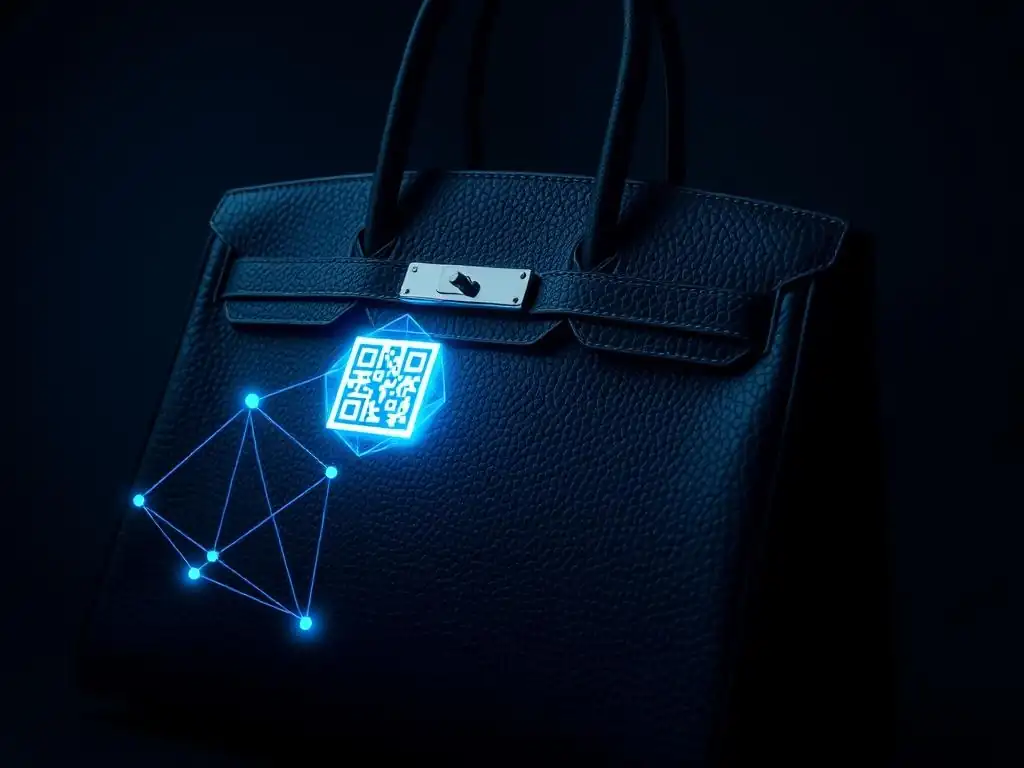
Blockchain technology is already being adopted by leading companies across various sectors to combat counterfeiting and enhance brand authenticity. These real-world applications demonstrate the practical benefits and versatility of blockchain brand authenticity verification.
From high-value luxury goods to essential pharmaceuticals, blockchain is proving to be a powerful tool for ensuring product integrity and building consumer trust.
Luxury Goods Authentication: LVMH and Aura Blockchain Consortium
The luxury goods market is heavily impacted by counterfeiting, with estimates suggesting billions in losses annually. Major players like LVMH (parent company of Louis Vuitton, Christian Dior, etc. ), Prada, and Cartier have collaborated to form the Aura Blockchain Consortium. This initiative uses blockchain to provide a secure, shared ledger for tracking luxury goods.
When a luxury item is created, a unique digital certificate linked to the physical product is generated on the Aura platform. This certificate records details about the item's origin, materials, and manufacturing. As the product changes hands, these transactions are added to the blockchain, creating a verifiable history that consumers can access, ensuring blockchain brand authenticity verification for high-value items.
Pharmaceuticals: Ensuring Drug Authenticity and Combating Counterfeit Medications
Counterfeit pharmaceuticals pose a severe global health risk. The ability to track drugs from manufacturing to dispensary is critical. Initiatives are underway to leverage blockchain for drug traceability and authenticity verification. For example, the US Drug Supply Chain Security Act (DSCSA) aims for an interoperable electronic system by 2023, and blockchain is seen as a potential technology to meet these requirements.
Blockchain can record each transfer of ownership and location for individual drug packages. This creates a secure, immutable audit trail that makes it incredibly difficult for counterfeit drugs to infiltrate the legitimate supply chain without being detected. This application of blockchain brand authenticity verification directly saves lives by ensuring patients receive genuine medication.
Food and Beverage Industry: Tracking Food Origins and Safety with Blockchain
Consumers are increasingly interested in the origin and journey of their food. Blockchain technology offers a way to provide transparency in complex food supply chains, from farm to table. Walmart, for instance, successfully piloted a blockchain-based system for tracking mangoes, significantly reducing the time it took to trace a product's origin from seven days to just seconds.
By recording data points such as farm location, processing dates, shipping information, and quality checks on the blockchain, companies can provide consumers with detailed information about their food. This not only assures authenticity but also allows for rapid identification and isolation of contaminated products during outbreaks, improving food safety through enhanced blockchain brand authenticity verification.
Apparel and Fashion: Verifying the Authenticity of Designer Items
The fashion industry, particularly the high-end segment, suffers significant losses due to counterfeiting. Blockchain is being used by fashion brands to create digital passports for their garments and accessories. These passports, accessible via QR codes or NFC tags embedded in the product, link to the blockchain record.
This record can detail the garment's design, materials, manufacturing location, and even its limited edition number. For resale markets, blockchain can provide a reliable history of ownership and authenticity, combating the trade of fake designer goods. This application of blockchain brand authenticity verification protects brand value and empowers consumers in the secondary market.
Overcoming Challenges in Implementing Blockchain for Brand Protection
While the potential of blockchain for brand authenticity verification is clear, its implementation is not without challenges. Addressing these technical, operational, and collaborative hurdles is essential for widespread adoption.
Companies must carefully plan their blockchain strategy, considering factors like scalability, integration with existing systems, and data management to ensure a successful deployment.
Scalability Concerns and Potential Solutions
Some public blockchain networks face challenges with transaction speed and volume, which can be a concern for tracking millions or billions of individual products. Recording every single event for every single item on a public chain like Ethereum might be prohibitively slow and expensive.
Solutions involve using private or consortium blockchains, which can handle higher transaction throughput, or employing layer-2 scaling solutions. Another approach is to record only key milestones or aggregated data on the main chain, with more granular details stored off-chain but hashed onto the blockchain for integrity, enabling efficient blockchain brand authenticity verification at scale.
Interoperability with Existing Systems
Integrating a new blockchain system with a company's existing legacy systems – such as Enterprise Resource Planning (ERP), Warehouse Management Systems (WMS), and Customer Relationship Management (CRM) – can be complex. These systems often operate in silos and may not be designed to easily share data with a distributed ledger.
Developing robust APIs and middleware is crucial for ensuring seamless data flow between traditional systems and the blockchain platform. This integration is necessary to automate the recording of events on the blockchain and ensure that the blockchain brand authenticity verification system operates efficiently within the existing business infrastructure.
Data Privacy and Security Considerations
While blockchain is inherently secure due to cryptography and decentralization, considerations around data privacy remain important, especially with regulations like GDPR. Not all data belongs on a public, immutable ledger. Sensitive business information or personal consumer data needs careful handling.
Strategies include using permissioned blockchains where access is restricted, encrypting sensitive data before storing it on the chain, or storing only cryptographic hashes of data on the blockchain while keeping the actual data in secure off-chain databases. Designing the system with privacy in mind is vital for responsible blockchain brand authenticity verification.
The Importance of Collaboration and Standardization
Effective brand protection often requires collaboration across multiple stakeholders in the supply chain – manufacturers, logistics providers, distributors, retailers, and even regulatory bodies. Getting all parties to agree on using a single blockchain platform and data standards can be challenging.
Industry consortia and standardized protocols are emerging to facilitate this collaboration. Establishing common data formats and operating procedures for recording information on the blockchain ensures interoperability and broad participation, which is key to the success of a comprehensive blockchain brand authenticity verification network.
The Future of Brand Protection: Blockchain and Beyond
The role of blockchain in brand protection is set to grow, but its future is also intertwined with other emerging technologies. The combination of blockchain's secure ledger with advancements in IoT, AI, and digital assets like NFTs promises even more sophisticated and effective authentication solutions.
As these technologies mature and converge, the ability of brands to protect their integrity and assure consumers of authenticity will be significantly enhanced.
Emerging Technologies Complementing Blockchain for Authentication (e.g., IoT, AI)
Internet of Things (IoT) devices, such as smart sensors and GPS trackers, can automatically record data points about a product's condition (e.g., temperature, humidity) and location directly onto the blockchain. This reduces reliance on manual data entry, minimizing errors and increasing the reliability of the tracking data used for blockchain brand authenticity verification.
Artificial Intelligence (AI) can be used to analyze the vast amounts of data collected on the blockchain to identify patterns indicative of fraudulent activity or supply chain inefficiencies. AI algorithms can flag suspicious transactions or anomalies that human observers might miss, adding another layer of security and intelligence to the brand protection system.
The Role of NFTs in Brand Authentication and Ownership
Non-Fungible Tokens (NFTs) are unique digital assets recorded on a blockchain. While often associated with digital art, NFTs are increasingly being explored for linking physical products to a unique digital token representing ownership and authenticity.
A physical product could come with a corresponding NFT that serves as its digital certificate of authenticity and proof of ownership. This is particularly relevant for high-value items, collectibles, and luxury goods. Transferring ownership of the physical item could be mirrored by transferring the associated NFT, providing a verifiable digital history and enhancing blockchain brand authenticity verification in the secondary market.
Predictions for the Adoption of Blockchain-Based Brand Protection
Experts predict significant growth in the adoption of blockchain for supply chain management and brand protection in the coming years. As pilot projects demonstrate clear ROI and industry standards emerge, more companies, both large and small, are expected to integrate blockchain solutions.
The increasing consumer awareness of and demand for transparency and authenticity will also drive adoption. While challenges remain, the compelling benefits in combating counterfeiting, building trust, and improving efficiency position blockchain brand authenticity verification as a critical component of future brand strategies.
Conclusion: Embracing Blockchain for a More Authentic Future
The fight against counterfeit goods is an ongoing battle that requires innovative and robust solutions. Traditional methods are proving insufficient against increasingly sophisticated threats. Blockchain technology offers a powerful new weapon in this fight, providing a foundation of trust, transparency, and immutability.
By creating secure, verifiable digital identities for products and tracking them through a distributed ledger, blockchain enables a level of brand authenticity verification previously unattainable. This not only protects brands from financial loss and reputational damage but also empowers consumers with the confidence that they are purchasing genuine articles.
Blockchain: A Vital Tool for Protecting Brands and Consumers
Blockchain technology is not just a trend; it is becoming a vital tool for brands serious about protecting their integrity and ensuring consumer safety. Its ability to create a tamper-proof record of a product's journey makes it an ideal solution for combating counterfeiting across diverse industries.
From luxury handbags to life-saving medications, blockchain provides the underlying infrastructure for reliable blockchain brand authenticity verification, benefiting both businesses and the end consumers they serve. Embracing this technology is a strategic imperative for brands navigating the complexities of the modern global marketplace.
The Path Forward: Investing in Blockchain Brand Authenticity Verification
For companies looking to future-proof their brand protection strategies, investing in blockchain technology is a clear path forward. This involves exploring relevant blockchain platforms, understanding the integration requirements with existing systems, and potentially collaborating with industry peers to establish common standards.
While initial implementation may require investment and strategic planning, the long-term benefits in terms of reduced losses from counterfeiting, enhanced brand reputation, increased consumer trust, and improved supply chain efficiency make blockchain brand authenticity verification a worthwhile and increasingly necessary endeavor.
Frequently Asked Questions
How can blockchain technology help verify brand authenticity?
Blockchain creates a tamper-proof and transparent ledger where information about a product's origin and journey can be recorded. This allows consumers to verify the authenticity of goods, combating counterfeiting. This helps build consumer trust.
What are the key benefits of using blockchain for brand authenticity verification?
The primary benefits include enhanced supply chain transparency, reduced counterfeiting rates, and improved consumer confidence in a brand's products. It also provides a secure and immutable record of a product's history.
What types of products are best suited for blockchain-based brand authenticity verification?
High-value goods susceptible to counterfeiting, such as luxury items, pharmaceuticals, and art, are particularly well-suited. Also, products with complex supply chains where tracking and tracing are critical.
What challenges exist in implementing blockchain for brand authenticity verification?
Challenges include the cost of implementation, the need for industry-wide collaboration to establish standards, and ensuring data integrity throughout the supply chain. Also, scalability and interoperability issues may arise.
How does blockchain brand authenticity verification impact the future of consumer trust and the role of brands?
It empowers consumers with the ability to independently verify authenticity, fostering greater trust in brands. Brands that adopt this technology can demonstrate their commitment to product integrity and build stronger relationships with customers.
Final Reflection: Embracing Blockchain for Authentic Brands
The journey through understanding blockchain's potential in brand protection culminates in a powerful realization: authenticity is no longer a luxury, but a necessity in today's digital marketplace. As counterfeit goods proliferate and consumer trust erodes, the need for robust verification systems becomes paramount, and blockchain offers a revolutionary solution.
The impact of blockchain on brand authenticity extends far beyond mere product tracking; it's reshaping the relationship between brands and consumers. This technology empowers individuals to make informed purchasing decisions, fostering a sense of security and confidence that has been increasingly absent in the age of online commerce. Trust is the glue of life. It's the most essential ingredient in effective communication. It's the foundational principle that holds all relationships.
- Stephen Covey. This quote perfectly encapsulates the essence of what blockchain-based verification aims to restore: trust in the brands we choose to support.
Now, as you reflect on the possibilities presented by blockchain, consider its implications for your own choices and actions. How can you, as a consumer, demand greater transparency and authenticity from the brands you patronize? How can you, as a business owner, embrace this technology to safeguard your brand's reputation and build stronger relationships with your customers? The future of brand protection is here, and it's time to actively participate in shaping a more authentic and trustworthy marketplace for all.
Unleash the Power of Authenticity Now!
Thank you for exploring the future of brand protection and understanding how blockchain is transforming authenticity. You now have valuable insights to help secure your brand in the digital age. It's time to put that knowledge into practice!
Here are some steps you can take to promote genuine brands:
- Start researching blockchain solutions suitable for your brand's specific needs. Explore different platforms and providers to find the best fit for your organization.
- Share this article with your network to raise awareness about the importance of brand authenticity and how blockchain can help.
- Attend webinars or industry conferences focused on blockchain technology to learn about real-world applications and connect with industry experts.
Which blockchain solutions are you most interested in exploring for protecting your brand, and how do you plan to implement them? Share your thoughts in the comments below!
Leave a Reply