
The Future of Supply Chains: Key Insights from Blockchain Case Study Implementations

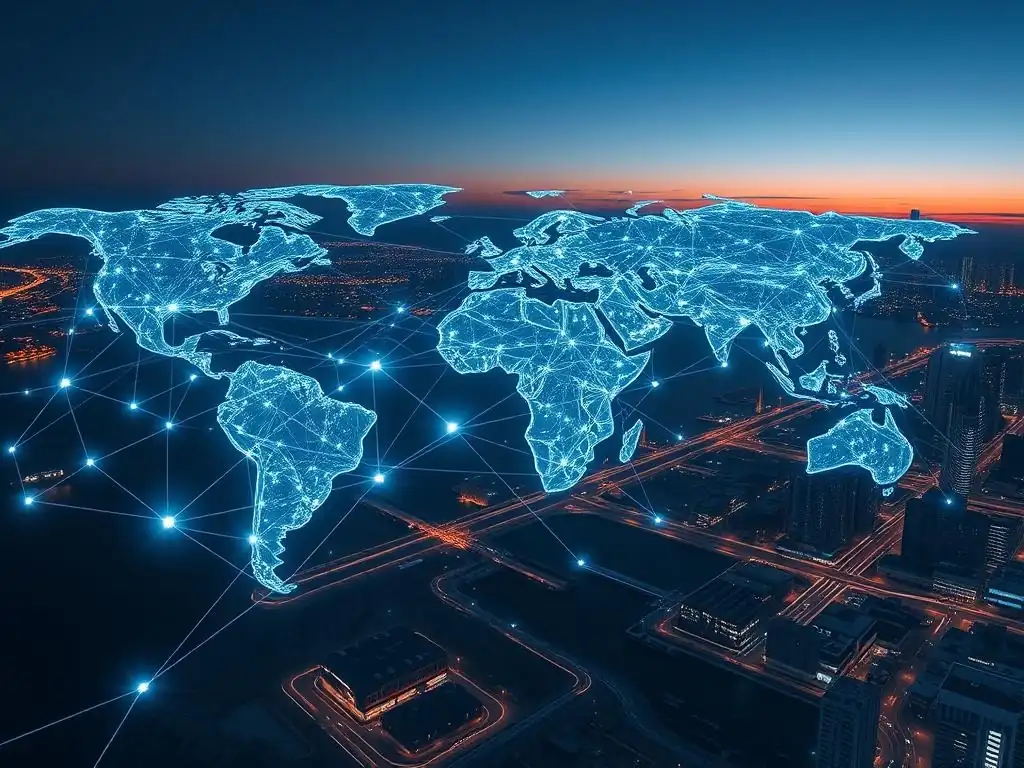
Welcome to Blockchain Trends, your go-to source for understanding the revolutionary power of blockchain beyond the hype. Are you ready to unlock unprecedented efficiency and transparency in your operations? Dive into our latest analysis on blockchain supply chain visibility solutions and discover how real-world case studies are reshaping industries. What hidden insights are revealed when blockchain meets the complexities of the supply chain? Explore further and find out!
The Future of Supply Chains: Key Insights from Blockchain Implementations
- Introduction: Unlocking Supply Chain Efficiency with Blockchain Technology
- Understanding Blockchain's Role in Revolutionizing Supply Chains
- Blockchain Supply Chain Case Study: Walmart - Improving Traceability of Mangoes
- Blockchain Supply Chain Case Study: Maersk - Optimizing Logistics and Reducing Costs
- Blockchain Supply Chain Case Study: De Beers - Ensuring Ethical Sourcing of Diamonds
- Key Learnings from Blockchain Supply Chain Implementations
- The Future of Blockchain Supply Chain Solutions
- Conclusion: Embracing Blockchain for a More Transparent and Efficient Supply Chain Ecosystem
-
Frequently Asked Questions
- What are the primary benefits of using blockchain for supply chain visibility?
- How can blockchain help address common supply chain challenges like delays and inefficiencies?
- What types of businesses are most likely to benefit from implementing blockchain supply chain visibility solutions?
- What are some of the key challenges to consider when implementing blockchain in a supply chain?
- How is blockchain technology reshaping the future of supply chain management?
- Final Reflection: Embracing Transparency in Tomorrow's Chains
- Revolutionize Your Supply Chain: Take the First Step!
Introduction: Unlocking Supply Chain Efficiency with Blockchain Technology
The Growing Need for Transparent and Secure Supply Chains
Modern supply chains are increasingly complex, spanning multiple continents, participants, and regulatory environments. This intricate web makes them vulnerable to disruptions, fraud, counterfeiting, and a lack of visibility, significantly impacting efficiency and consumer trust. Businesses face mounting pressure from regulators and consumers alike to demonstrate the origin, journey, and ethical sourcing of goods, demanding a level of transparency that traditional, siloed systems often cannot provide. The difficulty in tracking products accurately from their source through every intermediary to the final destination creates significant blind spots, hindering effective risk management and swift response to issues like recalls or quality concerns.
The inherent opacity in many legacy supply chain systems means that verifying information often relies on manual processes, paper documentation, and trust between parties, which is time-consuming, error-prone, and susceptible to manipulation. This lack of end-to-end visibility not only increases operational costs but also limits the ability to optimize logistics, manage inventory effectively, and build resilience against unforeseen events. Consequently, there is a critical and growing need for innovative technologies that can provide real-time, verifiable, and secure data sharing across the entire value chain, enabling genuine transparency and trust among all stakeholders.
How Blockchain Enables Enhanced Supply Chain Visibility
Blockchain technology offers a powerful solution to the challenges of supply chain transparency and security by providing a decentralized, immutable, and transparent ledger accessible to authorized participants. Each transaction or data point added to the blockchain is time-stamped, cryptographically secured, and linked to previous transactions, creating a verifiable and tamper-proof history of a product's journey. This shared, single source of truth eliminates data silos and reduces reliance on intermediaries, allowing all permissioned parties in the supply chain to access the same, up-to-date information simultaneously.
The core feature of immutability ensures that once data is recorded, it cannot be altered or deleted, providing an unprecedented level of trust and accountability. This capability is fundamental for building robust blockchain supply chain visibility solutions. By tracking key events—such as origin, manufacturing, shipping, customs clearance, and delivery—on a blockchain, companies can gain granular insights into their supply chain operations in near real-time. This enhanced visibility allows for quicker identification of bottlenecks, verification of compliance, authentication of products, and rapid response to disruptions, ultimately leading to more efficient, secure, and trustworthy supply chain management.
Overview: Examining Real-World Blockchain Supply Chain Implementations
The theoretical benefits of blockchain for supply chains are compelling, but its true potential is best understood through examining real-world applications. Numerous companies across diverse industries have begun implementing blockchain-based solutions to address specific challenges and unlock new efficiencies. These implementations range from tracking food items to ensure safety, managing complex global logistics, and verifying the ethical sourcing of valuable goods.
Analyzing these case studies provides valuable insights into the practicalities, challenges, and successes of deploying blockchain technology in complex operational environments. By looking at examples like Walmart's food traceability system, Maersk's global shipping platform, and De Beers' diamond provenance initiative, we can understand how different businesses are leveraging blockchain's unique properties—immutability, transparency, and decentralization—to create more resilient, efficient, and trustworthy supply chains. These examples demonstrate the tangible impact of blockchain supply chain visibility solutions on improving processes, reducing costs, and enhancing consumer confidence.
Understanding Blockchain's Role in Revolutionizing Supply Chains
Enhancing Traceability and Transparency with Blockchain's Immutable Ledger
One of the most significant contributions of blockchain to supply chain management is its ability to provide unparalleled traceability and transparency. The distributed and immutable nature of the blockchain ledger means that every step in a product's journey, from raw material to finished good and delivery, can be recorded as a transaction.
Each participant in the network can verify this history, creating a transparent audit trail that is extremely difficult to falsify. For instance, if a batch of goods changes hands, that transfer is logged on the blockchain, along with details like location, time, and condition (potentially via integrated IoT data).
This immutable record ensures that the provenance of a product is verifiable at any point. If a quality issue arises or a product needs to be recalled, companies can use the blockchain data to trace the item back to its origin and identify the specific batch or source quickly and accurately.
This contrasts sharply with traditional systems where data is often fragmented across disparate databases, making tracing a product's history a time-consuming and often incomplete process. Enhanced traceability not only improves response times to crises but also helps combat counterfeiting and ensures compliance with regulatory requirements, bolstering the effectiveness of blockchain supply chain visibility solutions.
Streamlining Supply Chain Processes through Smart Contracts and Automation
Beyond traceability, blockchain technology facilitates the automation and streamlining of supply chain processes through the use of smart contracts. Smart contracts are self-executing contracts with the terms of the agreement directly written into code. These contracts automatically execute predefined actions when specific conditions are met and verified on the blockchain. For example, a smart contract could automatically trigger a payment to a supplier once a shipment is confirmed as received by the buyer's system, or release goods from customs once documentation is verified on the ledger.
This automation reduces the need for manual intervention, paperwork, and intermediaries, significantly speeding up transactions and reducing administrative costs. It also minimizes delays caused by waiting for manual verification or approvals. Furthermore, smart contracts can enforce contractual agreements consistently and transparently across all parties, reducing disputes and increasing trust. By automating routine transactions and workflows, blockchain and smart contracts contribute to building highly efficient and responsive supply chains, making them integral components of advanced blockchain supply chain visibility solutions.
Addressing Key Challenges in Supply Chain Management with Blockchain
Blockchain directly addresses several long-standing challenges in supply chain management. One major hurdle is the lack of trust among disparate parties who may not have prior relationships. Blockchain's shared, immutable ledger establishes a trust layer, as participants can verify the data and history without relying solely on the claims of another party. This is particularly valuable in complex global supply chains involving numerous unknown entities. Another challenge is data fragmentation and inaccuracy; traditional systems often suffer from inconsistent data formats, delayed updates, and errors due to manual entry.
By providing a single, shared source of truth where data is recorded in a standardized way and is highly resistant to tampering, blockchain significantly improves data integrity and accessibility. Furthermore, blockchain helps mitigate risks associated with fraud and counterfeiting. By creating a verifiable digital identity and history for products, it becomes much harder to introduce counterfeit goods into the supply chain undetected. While challenges like scalability for massive transaction volumes and interoperability between different blockchain networks exist, ongoing development is continuously improving the capabilities of blockchain supply chain visibility solutions to overcome these obstacles and deliver tangible business value.
Blockchain Supply Chain Case Study: Walmart - Improving Traceability of Mangoes
The Challenge: Walmart's Struggle with Foodborne Illness Outbreaks and Traceability
Walmart, one of the world's largest retailers, faced significant challenges related to food traceability, particularly during foodborne illness outbreaks. In traditional supply chain systems, tracing the origin of contaminated food could take days or even weeks, involving sifting through countless paper records, emails, and disparate databases across multiple suppliers, distributors, and growers. This lengthy process delayed the identification of the contamination source, making recalls slower, potentially exposing more consumers to risk, and resulting in substantial financial losses and damage to brand reputation. The lack of quick, end-to-end visibility was a critical vulnerability in their fresh food supply chain.
For example, during a 2018 E. coli outbreak linked to romaine lettuce, it took weeks for public health officials and retailers to pinpoint the source, highlighting the urgent need for a more efficient and reliable traceability system. Walmart recognized that improving the speed and accuracy of tracing leafy greens and other produce was paramount for ensuring customer safety and maintaining trust. Their existing systems, while functional for inventory management, were not designed for rapid, granular traceability across the entire supply chain ecosystem, from farm to store shelf.
The Solution: Implementing a Blockchain-Based Tracking System for Mangoes from Farm to Shelf
In response to these challenges, Walmart piloted and subsequently mandated the use of a blockchain-based traceability system for certain produce, starting with leafy greens and later expanding to other items like mangoes. Working with IBM Food Trust, a blockchain-enabled network, Walmart required its suppliers to upload data about their products onto the shared ledger. This data included information about the farm where the produce was grown, the packing date, shipment details, and the journey through distributors.
The system allows every participant in the supply chain, from growers to processors, distributors, and retailers like Walmart, to record and access information about a specific batch of produce. By scanning a product's QR code or entering batch information, authorized users can instantly access the product's history stored on the blockchain. This digital trail provides a verifiable and immutable record of every touchpoint, creating a comprehensive and transparent view of the product's journey, effectively implementing blockchain supply chain visibility solutions for fresh produce.
Results and Impact: Faster Traceability and Enhanced Food Safety
The implementation of the blockchain traceability system yielded dramatic improvements in the speed of tracing food products. In a demonstration, Walmart showed that tracing a package of sliced mangoes from the store back to the farm using their traditional system took approximately seven days. Using the blockchain system, the same trace could be completed in just 2.2 seconds. This astonishing reduction in trace time is critical during a foodborne illness outbreak, allowing for much faster identification of the source, targeted recalls, and reduced risk to public health.
Beyond speed, the system enhanced data accuracy and reliability by requiring standardized data inputs from all participants. This improved data quality facilitates better supply chain management, inventory control, and waste reduction. By demonstrating a commitment to advanced traceability and food safety through blockchain supply chain visibility solutions, Walmart not only improved its operational resilience but also reinforced consumer trust in the safety and integrity of the food they purchase.
Blockchain Supply Chain Case Study: Maersk - Optimizing Logistics and Reducing Costs
The Challenge: Inefficient Logistics and High Operational Costs in Global Shipping
Global container shipping is a complex and often inefficient process involving numerous parties, including carriers, ports, customs authorities, freight forwarders, and inland transportation providers. Each shipment generates vast amounts of paperwork—bills of lading, customs declarations, manifests—often exchanged manually or through disparate electronic systems that don't easily communicate. This fragmentation leads to delays, errors, lack of real-time visibility on cargo location and status, and significant administrative costs. The estimated cost of processing trade documentation globally runs into billions of dollars annually, and inefficiencies can add days or even weeks to transit times.
Maersk, the world's largest container shipping company, recognized that these inefficiencies were a major bottleneck, impacting both their operational costs and their customers' supply chains. Tracking containers across different legs of the journey, managing customs clearance across borders, and ensuring timely exchange of necessary documents were persistent challenges. The lack of a single, trusted platform for all participants to share and access real-time shipment data hindered optimization and increased the risk of delays and associated demurrage charges.
The Solution: Utilizing Blockchain for Real-Time Tracking and Automated Documentation
To address these challenges, Maersk partnered with IBM to develop TradeLens, a blockchain-enabled platform designed to digitize and streamline global trade. TradeLens creates a shared, immutable ledger where data about shipments—such as container movements, document submissions, and customs releases—is recorded and shared among permissioned network participants. The platform integrates data from various sources, including shipping lines, ports, terminals, customs authorities, and beneficial cargo owners.
By providing a unified view of the supply chain, TradeLens enables real-time tracking of cargo location and status across different modes of transport. Smart contracts on the platform can automate tasks like triggering payments or releasing cargo based on verified data, reducing the need for manual processing and approvals. This collaborative platform leverages blockchain's ability to provide a single source of truth, enhancing trust and enabling efficient data exchange among diverse stakeholders, effectively implementing blockchain supply chain visibility solutions on a massive scale for global logistics.
Results and Impact: Reduced Transit Times and Streamlined Shipping Processes
The implementation of TradeLens has shown tangible results in improving efficiency and reducing costs in global shipping. By digitizing documentation and providing real-time visibility, the platform has helped reduce the time it takes to process certain paperwork, leading to faster transit times and fewer delays. For example, pilot programs demonstrated potential reductions in transit time by up to 40% in some cases by streamlining document flows and improving coordination among parties.
While specific overall cost savings are complex to quantify across the entire network, the reduction in administrative overhead, demurrage charges due to delays, and improved predictability of shipments translate into significant economic benefits for participants. The platform's network effect, with increasing adoption by ports, customs agencies, and carriers globally (representing a significant percentage of global container traffic), further enhances its value. TradeLens exemplifies how blockchain supply chain visibility solutions can transform complex, multi-party processes like global logistics, leading to greater efficiency, lower costs, and increased reliability for businesses worldwide.
Blockchain Supply Chain Case Study: De Beers - Ensuring Ethical Sourcing of Diamonds

The Challenge: Verifying Ethical Sourcing and Combating Conflict Diamonds
The diamond industry has long faced challenges related to ensuring the ethical sourcing and provenance of stones, particularly concerning "conflict diamonds" (or blood diamonds) used to finance conflict. While initiatives like the Kimberley Process Certification Scheme exist, verifying that every diamond is sourced ethically and tracked accurately from mine to retail remains complex. Traditional methods of tracking diamonds often rely on paper certificates and manual processes, which can be susceptible to fraud and difficult to audit comprehensively across the entire value chain involving miners, cutters, polishers, traders, and jewelers.
Consumers and regulators increasingly demand assurance that the diamonds they purchase are not associated with conflict or unethical labor practices. Providing verifiable proof of a diamond's origin and journey is crucial for maintaining consumer trust and upholding the integrity of the industry. The opacity in the midstream of the diamond supply chain, where stones are often mixed or traded multiple times, makes it difficult to establish a clear, unbroken chain of custody.
The Solution: Leveraging Blockchain for Transparent and Auditable Diamond Provenance
De Beers, one of the world's leading diamond companies, developed Tracr, a blockchain platform designed to track diamonds from the moment they are discovered at the mine throughout their journey to the retailer. Each rough diamond is registered on the platform, creating a unique digital identity. Key data points, such as weight, color, clarity, cut, and unique identifying features, are recorded on the blockchain. As the diamond moves through cutting, polishing, certification, and sale, each step is logged on the immutable ledger.
Participants in the diamond value chain, including miners, manufacturers, and retailers, upload data about the diamonds they handle onto the Tracr platform. This creates a secure and verifiable chain of custody that can be accessed by authorized parties. The blockchain ensures that the data is tamper-proof and provides an auditable history of the diamond's provenance. This system effectively implements blockchain supply chain visibility solutions specifically tailored for the high-value and sensitive diamond industry.
Results and Impact: Enhanced Consumer Trust and Improved Supply Chain Integrity
The Tracr platform enhances trust and integrity within the diamond supply chain by providing verifiable proof of origin and ethical sourcing. Retailers using the platform can confidently assure consumers about the provenance of the diamonds they sell, backed by an immutable record on the blockchain. This transparency helps combat the trade in conflict diamonds and supports responsible sourcing practices.
While specific metrics on the reduction of illicit diamonds traded are difficult to quantify publicly, the platform significantly improves the ability for due diligence and auditing throughout the supply chain. By providing a transparent and secure record for each stone, Tracr strengthens the credibility of ethical claims and helps differentiate responsibly sourced diamonds in the market. This case demonstrates how blockchain supply chain visibility solutions can be used not only for efficiency but also to uphold ethical standards and build stronger consumer confidence in high-value goods.
Key Learnings from Blockchain Supply Chain Implementations
The Importance of Data Standardization and Interoperability
A critical lesson learned from early blockchain supply chain implementations is the absolute necessity of data standardization and interoperability. For a blockchain network to effectively track goods across multiple participants, all parties must agree on common data formats and protocols for recording information about products, locations, events, and transactions. Without standardization, data uploaded by different companies using varying terminologies or structures becomes difficult to integrate, analyze, and trust, undermining the very purpose of a shared ledger.
Initiatives like GS1 standards, which provide globally recognized systems for identification (e.g., barcodes, RFID) and data exchange, are crucial enablers for blockchain adoption in supply chains. Furthermore, ensuring interoperability between different blockchain networks or between blockchain systems and legacy enterprise resource planning (ERP) or warehouse management systems (WMS) is vital for widespread adoption.
A blockchain solution cannot exist in isolation; it must seamlessly integrate with existing business processes and IT infrastructure to provide comprehensive blockchain supply chain visibility solutions. Overcoming data silos and ensuring smooth data flow across diverse systems is a major focus area for ongoing development in this space.
Overcoming Challenges in Blockchain Adoption: Scalability and Regulatory Compliance
Despite the clear benefits demonstrated by case studies, the widespread adoption of blockchain in supply chains faces significant challenges, notably concerning scalability and regulatory compliance. Public blockchains, while offering high decentralization, can struggle with the transaction volume and speed required for complex, high-frequency supply chains. Enterprise blockchain platforms, often permissioned, offer better scalability but require careful consideration of governance and access controls. Scaling a blockchain solution across a vast network of suppliers, distributors, and retailers, each with varying technological capabilities, remains a technical and logistical hurdle.
Regulatory compliance presents another complex layer. Supply chains operate across diverse jurisdictions, each with its own regulations regarding data privacy (like GDPR), customs, and trade. Ensuring that a blockchain solution complies with all relevant laws in every region where the supply chain operates requires careful legal analysis and system design. Furthermore, the legal status of smart contracts and the implications of immutable records in legal disputes are still evolving areas. Addressing these technical scalability limitations and navigating the complex regulatory landscape are crucial for the successful future deployment of blockchain supply chain visibility solutions.
The Critical Role of Collaboration and Ecosystem Development
Another key takeaway is that successful blockchain supply chain implementations are fundamentally collaborative efforts. A blockchain network is only as effective as the participation it garners from various stakeholders across the supply chain. Building a robust network requires bringing together competitors, suppliers, customers, regulators, and technology providers to agree on shared standards, governance models, and operational procedures. This necessitates a shift from traditional adversarial relationships to a more collaborative mindset focused on mutual benefit from shared transparency and efficiency.
Developing a thriving ecosystem around a blockchain platform involves not only signing up participants but also providing the necessary tools, support, and incentives for them to integrate their systems and contribute data reliably. Platforms like TradeLens or IBM Food Trust demonstrate the importance of building a critical mass of participants to unlock network effects and maximize value. The success of blockchain supply chain visibility solutions depends heavily on the willingness of diverse parties to collaborate, share data (under defined permissions), and jointly govern the network for collective improvement of the entire supply chain ecosystem.
The Future of Blockchain Supply Chain Solutions
Emerging Trends: Integrating IoT and AI with Blockchain for Advanced Supply Chain Management
The future of blockchain supply chain visibility solutions lies in their integration with other transformative technologies like the Internet of Things (IoT) and Artificial Intelligence (AI). IoT devices, such as sensors tracking temperature, humidity, location, or shock, can automatically record real-time data about a product's condition and environment directly onto the blockchain. This provides an automated, objective, and continuous stream of verifiable information, enhancing the granularity and accuracy of traceability beyond manual inputs.
AI can leverage the vast, immutable dataset generated by blockchain and IoT to provide advanced analytics and predictive capabilities. AI algorithms can identify patterns in supply chain data to forecast demand more accurately, optimize routing, predict potential disruptions before they occur, or identify fraudulent activities by detecting anomalies in the recorded history. The combination of blockchain's trusted record-keeping, IoT's real-time data collection, and AI's analytical power promises to create highly intelligent, automated, and resilient supply chains capable of unprecedented levels of visibility and efficiency.
The Potential of Decentralized Finance (DeFi) in Supply Chain Financing
Decentralized Finance (DeFi), built on blockchain technology, holds significant potential to revolutionize supply chain financing. Traditional supply chain finance often involves complex processes, high transaction costs, and limited access to capital for smaller suppliers. DeFi platforms could facilitate peer-to-peer lending, automated invoice factoring, and tokenization of assets (like invoices or purchase orders) on the blockchain.
Smart contracts can automate payment terms based on verified shipment or delivery data recorded on the ledger, reducing payment delays and providing suppliers with faster access to liquidity. Tokenizing assets allows for fractional ownership and easier trading, potentially unlocking new sources of funding for businesses within the supply chain. By integrating finance directly into the transparent and automated processes enabled by blockchain supply chain visibility solutions, DeFi can lower financing costs, improve cash flow for participants, and increase financial inclusion across the ecosystem.
Predictions: How Blockchain Will Shape the Future of Global Supply Chains
Looking ahead, blockchain is poised to fundamentally reshape global supply chains over the next decade. We can expect to see increasing adoption of blockchain supply chain visibility solutions across more industries, moving beyond pilots to large-scale implementations. The focus will shift from simply tracking goods to creating fully digital, interconnected, and automated supply chain ecosystems. Interoperability between different blockchain networks and legacy systems will improve, facilitated by industry standards and middleware.
The integration of blockchain with IoT and AI will become commonplace, enabling truly intelligent automation and predictive capabilities. We will likely see the rise of decentralized autonomous organizations (DAOs) governing aspects of supply chain networks, further increasing transparency and participant ownership. While challenges related to regulation and scalability will persist, ongoing technological advancements and growing collaboration will drive the evolution towards highly efficient, transparent, ethical, and resilient supply chains powered by blockchain technology.
Conclusion: Embracing Blockchain for a More Transparent and Efficient Supply Chain Ecosystem
The Transformative Power of Blockchain in Supply Chain Management
The case studies of Walmart, Maersk, and De Beers, among many others, underscore the transformative power of blockchain technology in addressing critical challenges within supply chain management. From enhancing food safety and speeding up recalls to optimizing global logistics and ensuring the ethical sourcing of goods, blockchain's core properties—immutability, transparency, and decentralization—provide a robust foundation for building more trustworthy and efficient supply chains. Blockchain supply chain visibility solutions offer unparalleled traceability, enabling businesses to gain deep insights into the journey and provenance of their products.
By providing a single, shared, and tamper-proof source of truth, blockchain eliminates data silos, reduces reliance on intermediaries, and fosters greater collaboration among network participants. The automation capabilities enabled by smart contracts further streamline processes, cut costs, and reduce delays. While challenges related to standardization, scalability, and regulation remain, the proven benefits in real-world applications demonstrate that blockchain is not merely a theoretical concept but a practical technology capable of delivering significant value.
Investing in Blockchain for Competitive Advantage
In an increasingly complex and demanding global market, investing in blockchain supply chain visibility solutions is becoming less of an option and more of a necessity for businesses seeking a competitive advantage. Companies that embrace blockchain can achieve higher levels of operational efficiency, reduce risks associated with fraud and errors, improve compliance, and build stronger trust with consumers and partners by demonstrating verifiable transparency.
The ability to quickly and accurately trace products, optimize logistics through real-time data, and verify ethical claims provides a distinct edge. As the technology matures and integrates with other innovations like IoT and AI, the potential for creating highly resilient, intelligent, and automated supply chains will only grow. For businesses aiming to navigate the complexities of modern supply chains successfully and position themselves for future growth, strategically adopting and implementing blockchain technology is a crucial step towards building a more transparent, efficient, and competitive future.
Frequently Asked Questions
What are the primary benefits of using blockchain for supply chain visibility?
Blockchain offers enhanced transparency and traceability by creating an immutable record of each transaction. This improves product authenticity and reduces the risk of counterfeiting within the supply chain.
How can blockchain help address common supply chain challenges like delays and inefficiencies?
Blockchain enables real-time tracking of goods and automated processes through smart contracts. This reduces paperwork and streamlines communication, leading to faster and more efficient operations.
What types of businesses are most likely to benefit from implementing blockchain supply chain visibility solutions?
Companies dealing with high-value goods, perishable items, or complex supply chains stand to gain the most. This includes industries like pharmaceuticals, food and beverage, and luxury goods.
What are some of the key challenges to consider when implementing blockchain in a supply chain?
Scalability, interoperability, and data privacy are significant hurdles. Overcoming these challenges requires careful planning, collaboration, and the adoption of appropriate technological solutions.
How is blockchain technology reshaping the future of supply chain management?
Blockchain is fostering a more decentralized and transparent ecosystem. It's paving the way for greater efficiency, reduced costs, and improved trust among all stakeholders in the supply chain.
Final Reflection: Embracing Transparency in Tomorrow's Chains
The insights gleaned from examining blockchain case studies in supply chain implementations are not merely academic exercises; they are critical blueprints for navigating the increasingly complex and interconnected global marketplace. The demand for transparency and traceability is no longer a futuristic aspiration, but a present-day necessity, driven by consumer expectations, regulatory pressures, and the inherent vulnerabilities exposed by recent global events.
The journey towards widespread adoption of blockchain supply chain visibility solutions is ongoing, and its impact on the cultural and social landscape is profound. It's about more than just efficiency; it's about building trust, fostering ethical sourcing, and empowering consumers to make informed choices. The supply chain is the only thing that connects all businesses to all consumers, and blockchain has the potential to revolutionize that connection.
- Don Tapscott. This quote underscores the transformative potential of blockchain in creating a more equitable and sustainable future for all stakeholders.
As we stand at the cusp of this technological revolution, I invite you to reflect on the role you can play in shaping the future of supply chains. Consider how you can advocate for greater transparency, support businesses that prioritize ethical sourcing, and demand accountability from the organizations that impact your life. The future of supply chains is not predetermined; it is a future we build together, one block at a time.
Revolutionize Your Supply Chain: Take the First Step!
Thank you for exploring how blockchain is transforming supply chains with us! We hope you've gained valuable insights and feel inspired to embrace the future of transparency and efficiency. Now, it's time to turn those insights into action.
Here are some practical steps to begin harnessing blockchain technology:
- Carefully assess your current supply chain processes to identify areas where blockchain could deliver the greatest benefits, such as tracking, verification, or security enhancements.
- Review the detailed case studies provided and consider reaching out to companies already implementing blockchain for practical advice and insights.
- Share this article with your colleagues and initiate discussions within your organization about how blockchain could redefine supply chain management.
What is one aspect of your supply chain where blockchain could make the biggest impact? What is the first step you will take to explore this opportunity? Share your thoughts in the comments!
Leave a Reply