
Healthcare Supply Chain Security: Blockchain Solutions for Medical Device and Drug Tracking

Welcome to Blockchain Trends, your go-to source for understanding the real-world impact of blockchain technology.
Ever wondered how blockchain can revolutionize industries beyond just cryptocurrency? Dive in to discover how it's reshaping supply chains, enterprise systems, and even healthcare. This week, we're focusing on a critical application: blockchain healthcare supply chain security. Learn how this innovative technology is being used to enhance the tracking and security of medical devices and pharmaceuticals, ensuring patient safety and combating counterfeiting. Intrigued? Read on to unlock the potential of blockchain in securing the future of healthcare.
- Blockchain Healthcare Supply Chain Security: Tracking Medical Devices and Pharmaceuticals
- Blockchain Technology: A Secure Solution for Healthcare Supply Chains
- Blockchain Applications for Drug Tracking and Authentication
- Securing Medical Device Supply Chains with Blockchain
- Benefits of Blockchain in Healthcare Supply Chain Management
- Use Cases and Examples of Blockchain in Healthcare Supply Chain
- Challenges and Considerations for Blockchain Implementation in Healthcare
- The Future of Blockchain in Healthcare Supply Chain Security
-
Frequently Asked Questions
- How can blockchain enhance the security of the healthcare supply chain?
- What are the key benefits of using blockchain for drug tracking?
- Can blockchain improve the efficiency of the healthcare supply chain?
- What are some challenges in implementing blockchain for healthcare supply chain security?
- How does blockchain contribute to building trust in the healthcare system?
- Final Reflection: Securing the Future of Healthcare
- Secure the Future: Embark on Your Blockchain Journey Now!
Blockchain Healthcare Supply Chain Security: Tracking Medical Devices and Pharmaceuticals
Risks of Counterfeit Drugs and Medical Devices in the Healthcare Sector
The global market for counterfeit drugs is a significant threat to public health and safety. Estimates from organizations like the World Health Organization (WHO) suggest that up to 10% of medical products in low- and middle-income countries are substandard or falsified. In some regions, this figure can be much higher. These fake products, which may contain incorrect ingredients, improper dosages, or no active ingredients at all, can lead to treatment failure, serious health complications, and even death. Counterfeit medical devices, ranging from faulty syringes to non-sterile implants, pose similar risks, potentially causing injury or compromising medical procedures.
Beyond the immediate danger to patients, the proliferation of counterfeit medical products erodes trust in healthcare systems and legitimate manufacturers. It also represents a substantial economic burden, costing the pharmaceutical industry billions annually in lost sales and remediation efforts. The complex, multi-layered nature of traditional healthcare supply chains makes it difficult to trace products back to their origin, creating fertile ground for illicit activities. Implementing robust blockchain healthcare supply chain security measures is crucial to combat this pervasive problem.
The Impact of Supply Chain Disruptions on Patient Safety and Healthcare Costs
Healthcare supply chains are inherently fragile and susceptible to various disruptions, including natural disasters, geopolitical events, manufacturing issues, or even simple logistical errors. When disruptions occur, they can lead to critical shortages of essential medicines, vaccines, and medical devices. For instance, the COVID-19 pandemic highlighted severe vulnerabilities, causing widespread delays and scarcity of personal protective equipment (PPE), ventilators, and certain drugs, directly impacting patient care and outcomes.
These disruptions not only jeopardize patient safety by delaying or preventing necessary treatments but also drive up healthcare costs. Shortages can lead to price gouging, the need for more expensive alternative treatments, and increased administrative burdens as healthcare providers scramble to find supplies. A resilient and transparent supply chain, potentially enhanced by blockchain healthcare supply chain security solutions, is vital to mitigate these risks and ensure consistent access to necessary medical products.
Current Challenges in Pharmaceutical and Medical Device Tracking
Traditional tracking systems in the healthcare supply chain often rely on disparate, siloed databases and manual processes. This fragmentation makes it incredibly challenging to maintain a single, immutable record of a product's journey from manufacturer to patient. For example, a drug might pass through multiple distributors, wholesalers, and pharmacies, with each entity maintaining its own records that may not be easily shared or verified by others in the chain.
Furthermore, existing systems can be vulnerable to data tampering or loss, making it difficult to authenticate products or investigate issues like counterfeiting or diversion. The lack of real-time visibility across the entire supply chain hinders efficient inventory management, complicates recalls, and makes it hard to pinpoint the source of a problem quickly. Addressing these challenges requires a more integrated, secure, and transparent tracking mechanism, which is where blockchain healthcare supply chain security offers a compelling alternative.
Blockchain Technology: A Secure Solution for Healthcare Supply Chains
How Blockchain Enhances Transparency and Traceability in Medical Supply Chains
Blockchain technology provides a distributed, append-only ledger that records transactions chronologically and immutably. In the context of healthcare supply chains, this means that every movement, handling, or status change of a medical product – from raw material sourcing to manufacturing, packaging, shipping, and dispensing – can be recorded as a transaction on the blockchain. Each participant in the supply chain, granted appropriate permissions, can access this shared ledger, creating an unprecedented level of transparency regarding the product's history and current location.
This shared, verifiable history dramatically improves traceability. If a counterfeit product is identified or a recall is necessary, participants can quickly trace the item back through every step it took, identifying the point of origin or where a diversion might have occurred. This ability to follow a product's journey with high fidelity is a core benefit of blockchain healthcare supply chain security, enabling faster responses to issues and building greater trust among stakeholders.
Immutability and Security Features of Blockchain for Healthcare Data
A key feature of blockchain is its immutability. Once a transaction is recorded on the blockchain and verified by the network participants, it cannot be altered or deleted. This is achieved through cryptographic hashing, where each new block of transactions is linked to the previous one using a unique digital fingerprint. Any attempt to tamper with historical data would break this cryptographic chain, making the alteration immediately detectable.
This inherent security makes blockchain an ideal technology for maintaining sensitive healthcare supply chain data. Unlike centralized databases that can be single points of failure and are more susceptible to hacking or data breaches, a decentralized blockchain requires consensus among multiple parties to add new information. This distributed nature, combined with cryptographic security, significantly enhances the integrity and trustworthiness of the data recorded, bolstering blockchain healthcare supply chain security against tampering and fraud.
Decentralized Ledgers for Improved Supply Chain Visibility
Traditional supply chain management often suffers from poor visibility because data is siloed within individual companies or systems. A decentralized ledger, as provided by blockchain, allows authorized participants across the entire supply chain to access a single, shared source of truth about a product's status and history. This eliminates information gaps and provides real-time visibility into inventory levels, shipment locations, temperature data for temperature-sensitive products, and handling records.
Improved visibility enables better coordination among supply chain partners, from manufacturers and distributors to hospitals and pharmacies. It facilitates proactive management of potential issues, such as identifying bottlenecks or predicting shortages. This enhanced transparency and shared visibility, powered by a decentralized blockchain ledger, are fundamental to achieving robust blockchain healthcare supply chain security and operational efficiency.
Blockchain Applications for Drug Tracking and Authentication
Implementing Blockchain for Pharmaceutical Serialization and Verification
Serialization, assigning a unique identifier to each saleable unit of medication, is a regulatory requirement in many countries (like the Drug Supply Chain Security Act - DSCSA in the US). Blockchain technology can serve as the backbone for serialization and verification systems. Each serialized unit's unique ID and relevant manufacturing and packaging data can be recorded on the blockchain at the point of production. As the product moves through the supply chain, each change of ownership or location is added as a new transaction linked to that specific serial number.
Pharmacies, hospitals, and even patients (through specialized apps) could potentially scan the product's serial number (often via a barcode or QR code) and query the blockchain to verify its authenticity and track its journey. This allows for instant authentication, ensuring that the product is legitimate and has followed the correct path through the supply chain. This application of blockchain is a direct approach to enhancing pharmaceutical blockchain healthcare supply chain security.
Preventing Drug Diversion and Counterfeiting with Blockchain Technology
Drug diversion, where legitimate pharmaceuticals are channeled into the illicit market, and counterfeiting are major challenges. Blockchain's immutable and traceable ledger makes it significantly harder for these activities to occur undetected. By creating an unbroken chain of custody recorded on the blockchain, any instance where a product deviates from its intended path or where a new, unrecorded product is introduced into the chain becomes immediately suspicious and auditable.
For example, if a batch of medication is recorded as being shipped to a specific distributor but then appears in a location or at an entity not authorized to receive it according to the blockchain record, it signals potential diversion. Similarly, a counterfeit product lacking a corresponding, verifiable record on the blockchain cannot pass authentication checks. This granular, auditable traceability is a powerful deterrent and detection tool for improving blockchain healthcare supply chain security against illicit trade.
Blockchain-Based Systems for Tracking Controlled Substances
Tracking controlled substances presents unique challenges due to their high potential for abuse and strict regulatory requirements. Current paper-based or fragmented electronic systems are prone to errors and can be exploited for diversion. Blockchain offers a secure and transparent way to manage the lifecycle of controlled substances from manufacturing to dispensing and even disposal.
A blockchain-based system could record every transaction involving a controlled substance, including manufacturing batch details, quantities shipped, recipients, prescribing information, and dispensing records. This creates a comprehensive, auditable trail accessible to authorized regulators and stakeholders. The immutability of the ledger ensures that records cannot be retrospectively altered to hide diversion, providing a higher level of accountability and significantly strengthening blockchain healthcare supply chain security for controlled substances.
Securing Medical Device Supply Chains with Blockchain
Tracking Medical Device Provenance and Authenticity Using Blockchain
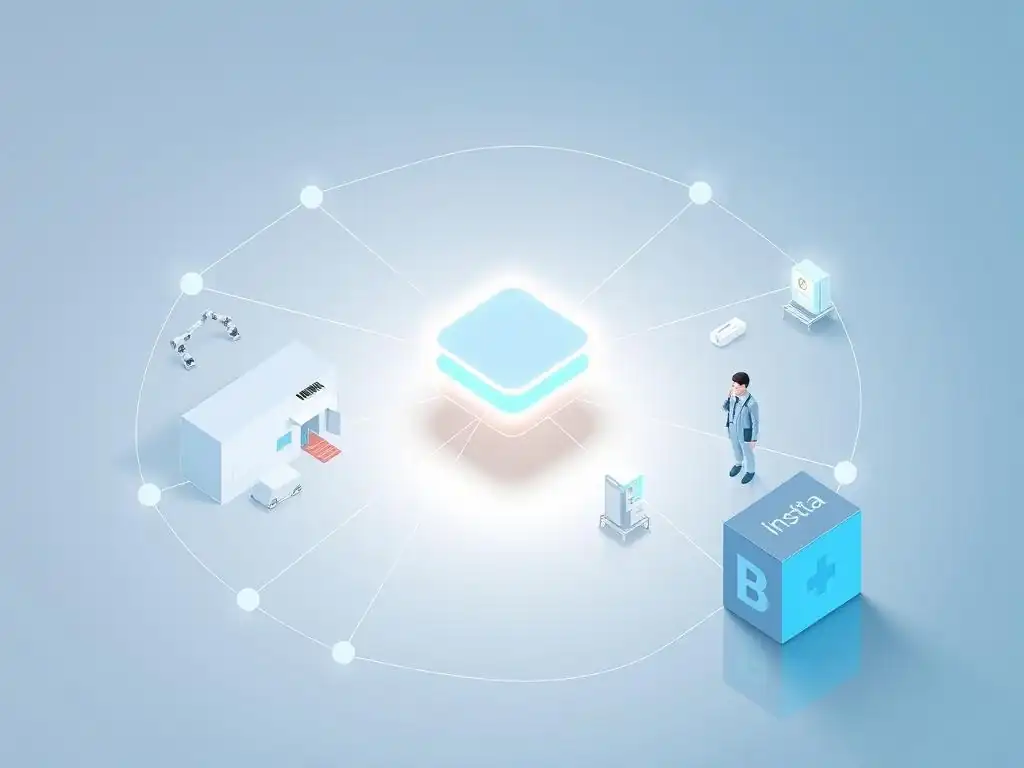
Medical devices, from simple consumables like gloves to complex implants and diagnostic equipment, must be authentic and properly handled to ensure patient safety and efficacy. Tracking the provenance of these devices is crucial, especially for critical or implantable items. Blockchain can provide a reliable record of a device's origin, manufacturing details, quality control checks, and distribution path.
By assigning a unique identifier to each device or batch and recording its journey on the blockchain, healthcare providers and patients can verify its authenticity and history. This is particularly important for high-value or sensitive devices where counterfeiting could have severe consequences. The immutable ledger ensures that the recorded provenance cannot be faked, offering a robust method for ensuring the integrity of the medical device supply chain and enhancing blockchain healthcare supply chain security.
Managing Medical Device Recalls Efficiently with Blockchain Technology
Medical device recalls can be complex, costly, and potentially life-threatening if affected devices are not quickly identified and removed from circulation. Traditional tracking methods often make it difficult and time-consuming to locate specific batches or serial numbers across a wide distribution network. Blockchain's transparent and traceable ledger significantly streamlines the recall process.
When a recall is initiated, the blockchain record allows manufacturers and regulators to immediately identify exactly where affected devices were shipped, which distributors received them, and even which healthcare facilities may have them in stock. This rapid identification and notification capability reduces the time it takes to isolate and retrieve affected products, minimizing the risk to patients and reducing the logistical burden and cost associated with recalls. This efficiency is a key benefit of applying blockchain healthcare supply chain security principles to devices.
Ensuring Compliance and Regulatory Adherence Through Blockchain Solutions
The healthcare industry is heavily regulated, with strict requirements for tracking, reporting, and data integrity. Ensuring compliance with regulations like the DSCSA for pharmaceuticals or similar requirements for medical devices is paramount but often administratively burdensome with legacy systems. Blockchain can automate and simplify many compliance tasks by providing an inherent audit trail.
Every recorded transaction on the blockchain is time-stamped and verifiable, creating an unalterable record that regulators can trust. This makes audits significantly easier and faster. Smart contracts – self-executing contracts with the terms of the agreement directly written into code – can also be used on the blockchain to enforce compliance rules automatically, such as ensuring that products are only shipped to authorized entities or that temperature limits are maintained during transit. This built-in compliance capability is a major advantage for blockchain healthcare supply chain security.
Benefits of Blockchain in Healthcare Supply Chain Management
Enhanced Security and Reduced Counterfeiting
One of the most compelling benefits of blockchain in healthcare supply chains is the dramatic increase in security against counterfeiting and tampering. The combination of cryptographic hashing, decentralization, and immutability creates a system where it is extremely difficult and expensive to introduce fake products or alter tracking data without detection. By providing an undeniable record of a product's journey, blockchain empowers stakeholders to verify authenticity at any point, significantly reducing the flow of illicit goods.
This enhanced security directly translates to improved patient safety. When healthcare providers and patients can trust that the medications and devices they receive are legitimate and have been handled properly, the risk of adverse events due to substandard or fake products is drastically reduced. This foundational security is a core promise of blockchain healthcare supply chain security implementations.
Improved Efficiency and Reduced Costs
While initial implementation costs can be significant, blockchain solutions can lead to substantial long-term efficiency gains and cost reductions in healthcare supply chains. Streamlined tracking and verification processes reduce manual data entry, minimize errors, and speed up administrative tasks. Real-time visibility helps optimize inventory management, reducing waste due to expiry or overstocking.
Furthermore, the ability to quickly identify and trace products during recalls or investigations saves considerable time and resources compared to manual or fragmented systems. Reduced instances of counterfeiting and diversion also translate to lower financial losses for manufacturers and less burden on the healthcare system dealing with the consequences of fake products. These operational efficiencies contribute significantly to the overall value proposition of blockchain healthcare supply chain security.
Increased Transparency and Trust Among Stakeholders
Blockchain creates a single, shared source of truth accessible to all authorized participants in the supply chain. This unprecedented level of transparency fosters greater trust among manufacturers, distributors, pharmacies, hospitals, and regulators. Everyone is working from the same verified data set regarding product movements and status, reducing disputes and improving collaboration.
Patients also benefit from increased trust, potentially being able to verify the authenticity of their medications or devices. This transparency helps build confidence in the integrity of the healthcare supply chain as a whole. The open yet secure nature of the blockchain ledger promotes accountability and collaboration, which are essential for a well-functioning and trusted healthcare ecosystem, underpinned by strong blockchain healthcare supply chain security.
Streamlined Regulatory Compliance
Navigating the complex web of healthcare regulations is a major challenge. Blockchain inherently supports compliance by providing an immutable, auditable record of every transaction. This makes demonstrating adherence to tracking, tracing, and reporting requirements much simpler and more efficient. Regulatory bodies can potentially gain authorized access to the blockchain to perform audits in real-time, reducing the burden on regulated entities.
Automated compliance checks using smart contracts can also ensure that processes follow required protocols. For example, a smart contract could enforce rules about temperature control for cold chain products or ensure that specific data points are captured at each handoff. This built-in compliance functionality simplifies operations and reduces the risk of costly penalties, further highlighting the value of blockchain healthcare supply chain security.
Use Cases and Examples of Blockchain in Healthcare Supply Chain
Vechain's Cold Chain Logistics Solution for Pharmaceuticals
VeChain has developed solutions focused on supply chain traceability and transparency, including applications relevant to the healthcare sector, particularly for cold chain logistics. Pharmaceuticals and vaccines often require strict temperature control throughout their journey. VeChain's technology allows sensors to record temperature data onto the blockchain at regular intervals, linking it directly to the specific batch or unit of medication.
This provides an immutable record of the temperature history, verifiable by all parties. If the temperature deviates from the required range at any point, it is permanently recorded, allowing for immediate identification of compromised products and accountability. This application significantly enhances the reliability and safety of delivering temperature-sensitive medical goods, demonstrating a practical use case for blockchain healthcare supply chain security in logistics.
Chronicled's MediLedger Network for Drug Supply Chain Integrity
Chronicled's MediLedger Network is a prominent example of blockchain being used specifically for the US pharmaceutical supply chain, focusing on compliance with the DSCSA. The network allows participants (manufacturers, wholesalers, distributors) to verify product identifiers and ownership changes in a secure, decentralized manner without sharing sensitive commercial data directly with competitors.
Using blockchain, the network enables verification of product authenticity and allows for efficient handling of returns and chargebacks, which are complex processes in the pharmaceutical industry. MediLedger facilitates secure data exchange and verification among trading partners, building a trusted network that helps prevent counterfeit drugs from entering the legitimate supply chain and ensures compliance, showcasing a real-world implementation of blockchain healthcare supply chain security.
IBM Food Trust for Traceability in Medical Supplies
While primarily known for tracking food products, the underlying principles and technology of platforms like IBM Food Trust are applicable to other supply chains requiring high traceability, including certain medical supplies or over-the-counter healthcare products. Such platforms leverage blockchain to create an ecosystem where participants can share traceability data securely and permissioned.
Adapting this model for medical supplies would involve recording details about raw materials, manufacturing locations, sterilization data (if applicable), and distribution steps on the blockchain. This allows for rapid tracing of products back to their source in case of quality issues or recalls. Although not exclusively a healthcare platform, the IBM Food Trust model illustrates how a shared, blockchain-based ledger can significantly enhance traceability and confidence in complex supply chains relevant to healthcare.
Challenges and Considerations for Blockchain Implementation in Healthcare
Scalability and Interoperability Issues
One significant challenge for widespread blockchain adoption in healthcare supply chains is scalability. Current blockchain technologies, especially public ones, can face limitations in processing a massive volume of transactions required to track every single medical product globally or even nationally. While enterprise-grade or private blockchains offer better throughput, ensuring they can handle the peak demands of a complex supply chain remains a consideration.
Interoperability is another hurdle. The healthcare industry relies on numerous legacy systems and databases (Electronic Health Records, inventory systems, etc.) that need to communicate with a new blockchain platform. Integrating these disparate systems seamlessly requires significant development effort and standardization. Ensuring different blockchain networks or different applications built on blockchain can share data effectively is also crucial for a truly connected supply chain.
Data Privacy and Regulatory Concerns (HIPAA Compliance)
Healthcare data is highly sensitive and subject to strict privacy regulations like HIPAA in the United States. While blockchain's immutability is beneficial for data integrity, placing protected health information (PHI) directly onto an immutable, distributed ledger raises privacy concerns. Even if encrypted, the permanent nature of the data could conflict with patients' rights to access or potentially request deletion of their information.
Solutions often involve storing sensitive data off-chain and using the blockchain only for recording hashes or pointers to that data, along with transaction metadata. However, this adds complexity. Ensuring that any blockchain healthcare supply chain security solution fully complies with HIPAA and other relevant privacy laws globally is a critical, non-negotiable requirement that demands careful architectural design and legal review.
Integration with Existing Healthcare Systems
Healthcare facilities, distributors, and manufacturers already use various software systems for inventory management, enterprise resource planning (ERP), and electronic data interchange (EDI). Implementing a blockchain solution requires seamless integration with these existing systems. This often involves developing APIs (Application Programming Interfaces) and middleware to connect the blockchain platform with legacy databases and workflows.
The complexity and age of some existing healthcare IT infrastructure can make this integration process challenging and costly. Ensuring that the blockchain system can exchange data accurately and efficiently with these diverse systems is essential for adoption and realizing the full benefits of blockchain healthcare supply chain security. A phased approach focusing on critical areas like serialization verification might be more feasible initially.
Cost of Implementation and Maintenance
Implementing a blockchain solution for a large-scale healthcare supply chain is a significant investment. Costs include developing or licensing the blockchain platform, integrating it with existing systems, hardware infrastructure (if applicable), network setup, and training personnel. The complexity of the healthcare supply chain, involving numerous disparate parties, further adds to the implementation challenge and cost.
Beyond the initial setup, ongoing maintenance, network management, and potential upgrades also incur costs. While the potential long-term benefits in terms of reduced counterfeiting, increased efficiency, and improved compliance can justify this investment, the upfront cost can be a barrier, particularly for smaller organizations within the supply chain. A clear return on investment (ROI) analysis is crucial before embarking on a blockchain healthcare supply chain security project.
The Future of Blockchain in Healthcare Supply Chain Security
Emerging Trends and Innovations in Blockchain for Healthcare
The field of blockchain in healthcare supply chain security is rapidly evolving. One emerging trend is the development of specialized healthcare-focused blockchain platforms designed to address industry-specific needs, such as regulatory compliance and data privacy from the ground up. Another trend is the exploration of different consensus mechanisms that offer better scalability and energy efficiency compared to early blockchain models.
Innovations are also focusing on identity management and access control on the blockchain, ensuring that only authorized parties can view or interact with specific data sets, crucial for privacy. Furthermore, advancements in zero-knowledge proofs and other privacy-preserving technologies are being explored to allow verification of data authenticity or compliance without revealing the underlying sensitive information, which could significantly enhance blockchain healthcare supply chain security while protecting privacy.
Potential for AI and IoT Integration with Blockchain in Supply Chain
The combination of blockchain with Artificial Intelligence (AI) and the Internet of Things (IoT) holds immense potential for transforming healthcare supply chains. IoT devices, such as temperature sensors in shipping containers or smart labels on medical devices, can automatically collect real-time data on environmental conditions, location, and handling. This data can then be securely recorded onto the blockchain via smart contracts.
AI can analyze the vast amount of immutable data stored on the blockchain to identify patterns, predict potential disruptions, optimize routes, detect anomalies indicative of tampering or diversion, and automate decision-making processes. For example, AI could flag a shipment if temperature data on the blockchain deviates slightly but consistently, indicating a potential issue before it becomes critical. This integration creates a highly intelligent, automated, and secure supply chain, pushing the boundaries of blockchain healthcare supply chain security.
Predictions for the Adoption of Blockchain in the Healthcare Industry
While still in relatively early stages, the adoption of blockchain healthcare supply chain security solutions is predicted to grow significantly in the coming years. Driven by increasing regulatory pressure to secure supply chains, the persistent threat of counterfeiting, and the clear benefits in transparency and efficiency, more pharmaceutical companies, medical device manufacturers, and distributors are expected to pilot and implement blockchain projects.
Industry reports and market analyses project substantial growth in the healthcare blockchain market, with supply chain management being a key application area. As standards emerge, interoperability improves, and the technology matures, the barriers to adoption are expected to decrease. Within the next five to ten years, blockchain is likely to become a standard component of robust healthcare supply chain infrastructure, crucial for ensuring the safety and authenticity of medical products globally.
Frequently Asked Questions
How can blockchain enhance the security of the healthcare supply chain?
Blockchain provides a transparent and immutable ledger to track medical devices and drugs, minimizing counterfeiting and diversion. This enhanced traceability improves accountability and patient safety.
What are the key benefits of using blockchain for drug tracking?
Using blockchain helps to verify authenticity, prevent counterfeit drugs from entering the supply chain, and ensures regulatory compliance. This reduces risks and protects patient health.
Can blockchain improve the efficiency of the healthcare supply chain?
Yes, blockchain streamlines processes by providing a single source of truth for all stakeholders. It automates tasks like tracking and verification, leading to faster and more efficient operations.
What are some challenges in implementing blockchain for healthcare supply chain security?
Challenges include the complexity of integrating with existing systems, concerns about data privacy (HIPAA compliance), and the need for industry-wide collaboration to establish standards.
How does blockchain contribute to building trust in the healthcare system?
By creating a transparent and verifiable record of transactions, blockchain fosters trust among manufacturers, distributors, providers, and patients. This increases confidence in the safety and integrity of medical products.
Final Reflection: Securing the Future of Healthcare
The intricate web of the healthcare supply chain, particularly concerning medical devices and pharmaceuticals, is demonstrably vulnerable. The integration of blockchain technology offers a tangible solution to enhance security, transparency, and accountability within this critical infrastructure. This is not merely a technological advancement; it's a fundamental shift towards safeguarding patient well-being and building trust in the healthcare system.
The potential of blockchain to revolutionize healthcare supply chain security extends far beyond simple tracking. It promises to reshape how we perceive and interact with the entire healthcare ecosystem, fostering a culture of proactive risk management and collaborative problem-solving. The key to success is to recognize that blockchain is not just about technology; it's about building trust and transparency in a world that desperately needs it.
This sentiment underscores the profound impact this technology can have on patient safety and the integrity of the medical supply chain.
As we look to the future, consider the power you hold to advocate for and embrace these innovative solutions. The security of our healthcare supply chain is not just the responsibility of institutions; it's a shared imperative. Let us all strive to understand, support, and champion the adoption of blockchain technology to create a safer, more reliable, and ultimately, more trustworthy healthcare system for generations to come.
Here's a Call to Action (CTA) tailored for the end of a web article titled "Healthcare Supply Chain Security: Blockchain Solutions for Medical Device and Drug Tracking" on the website "Blockchain Trends" (blockchaintrends.org):
Secure the Future: Embark on Your Blockchain Journey Now!
Thank you for exploring how blockchain technology can revolutionize healthcare supply chain security. Now that you understand the potential for increased transparency and trust, it's time to take action and become a part of the solution.
Here's how you can contribute:
- Champion the adoption of blockchain solutions within your healthcare network. Share this article with colleagues, leaders, and stakeholders.
- Explore existing blockchain platforms designed for supply chain management and identify potential pilot programs within your organization. Consider lesser-known but innovative platforms focusing on specific aspects of the pharmaceutical or medical device supply chain.
- Join the conversation! Participate in online forums and discussions related to blockchain in healthcare to learn from others and share your insights. Maybe even suggest topics for future Blockchain Trends articles!
What steps will you take today to advocate for a more secure and transparent healthcare supply chain?
Leave a Reply