
The Impact of Web3 on Supply Chain Management: Decentralization and New Paradigms

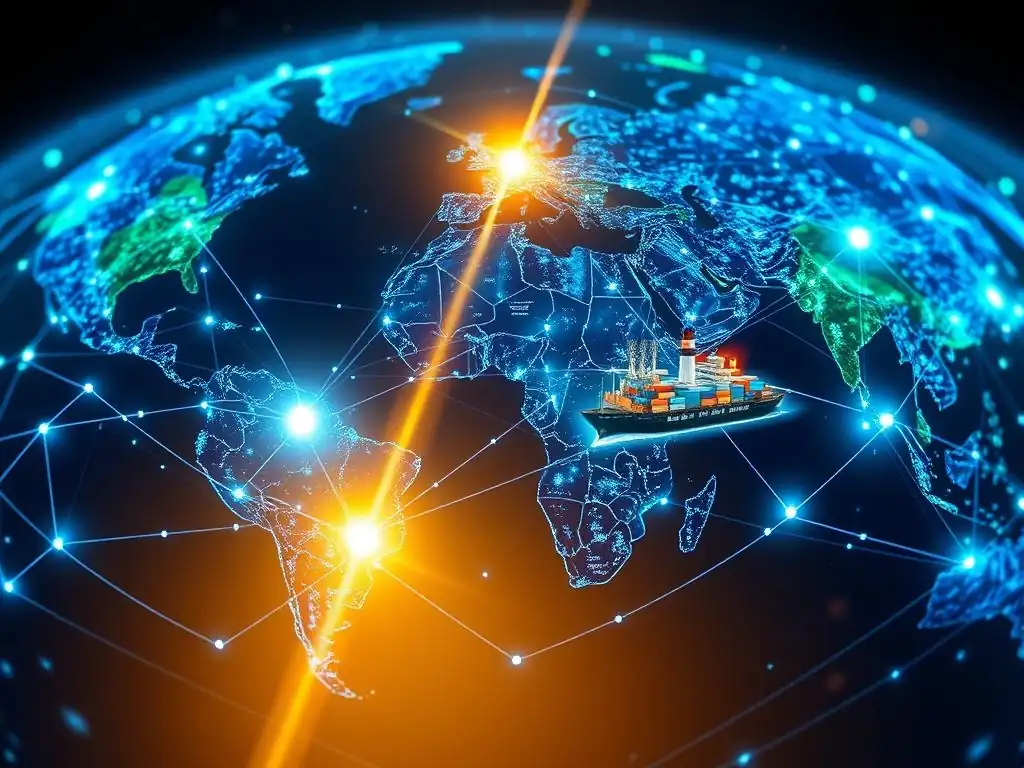
Welcome to Blockchain Trends, your compass in the ever-evolving world of decentralized technologies. Are you ready to unlock the true potential of blockchain, far beyond just cryptocurrencies? Dive into our exploration of how this revolutionary technology is reshaping industries. This month, we're focusing on the groundbreaking ways blockchain is impacting supply chains. Intrigued by the promise of blockchain supply chain transparency benefits? Discover how decentralization is not just a buzzword, but a powerful tool for building trust, efficiency, and resilience in global commerce. Keep reading to uncover the transformative impact of Web3 and its new paradigms!
The Impact of Web3 on Supply Chain Management: Decentralization and New Paradigms
- Introduction: Web3 Revolutionizing Supply Chains
- Web3 Technologies Enabling Enhanced Supply Chain Transparency
- Benefits of Web3 in Supply Chain Management
- Challenges and Obstacles to Web3 Adoption in Supply Chains
- Case Studies: Real-World Applications of Web3 in Supply Chain
- The Future of Web3 in Supply Chain Management
- Conclusion: Embracing Decentralization for a More Resilient and Transparent Supply Chain
-
Frequently Asked Questions
- How does blockchain technology enhance supply chain transparency?
- What are the primary benefits of using Web3 principles in supply chain management?
- What role does DeFi play in improving supply chain finance?
- How does regulation impact the adoption of blockchain in supply chains?
- Beyond transparency, what other potential benefits does blockchain offer for supply chains?
- Final Reflection: Embracing the Decentralized Future of Supply Chains
- Unveil the Future of Your Supply Chain!
Introduction: Web3 Revolutionizing Supply Chains
Understanding the Evolution: From Web 2.0 to Web3 in Supply Chain
The digital landscape has undergone significant transformations, moving from the static pages of Web 1.0 to the interactive, user-generated content era of Web 2.0. Web 2.0 platforms, while fostering connectivity, often rely on centralized control and data ownership, creating silos and dependencies. In supply chains, this translates to fragmented systems, limited visibility, and intermediaries holding significant power, often hindering true collaboration and transparency across diverse participants.
Web3 represents the next evolutionary step, built upon decentralized technologies like blockchain. It shifts power from centralized entities to users and participants, enabling peer-to-peer interactions and verifiable data ownership. For supply chains, this paradigm promises a fundamental restructuring, moving away from opaque, linear models towards interconnected, transparent networks where data is shared securely and decisions can be automated based on verifiable information, addressing core issues inherent in centralized systems.
The Promise of Decentralized Supply Chains: Addressing Current Challenges
Traditional supply chains face numerous challenges, including lack of end-to-end visibility, susceptibility to fraud and errors, inefficient manual processes, and a general lack of trust among disparate parties. These issues lead to delays, increased costs, difficulties in tracing product origins, and slow responses to disruptions or quality issues. The centralized nature of many current systems means that data is often held within specific organizations, making it difficult to establish a single, trustworthy source of truth accessible to all relevant stakeholders.
Decentralized supply chains, powered by Web3 technologies, offer a compelling solution. By leveraging distributed ledgers and cryptographic security, they promise to create an immutable, shared record of every transaction and movement within the chain. This inherent transparency and verifiability can significantly reduce fraud, automate complex workflows through smart contracts, and build trust among participants who no longer need to rely solely on the word or systems of a single entity. This shift unlocks significant Blockchain supply chain transparency benefits, providing clear, verifiable data from origin to delivery.
Web3 Technologies Enabling Enhanced Supply Chain Transparency
Blockchain Technology: The Foundation of Web3 Supply Chains
At the heart of the Web3 movement lies blockchain technology, a distributed, immutable ledger that records transactions across a network of computers. Unlike traditional databases, blockchain data is cryptographically linked in blocks, making it exceptionally difficult to alter retrospectively. This creates a transparent and tamper-proof record of all activities, accessible to all authorized participants on the network.
In the context of supply chains, blockchain serves as the foundational layer for building decentralized applications. It provides a shared, single source of truth for tracking goods, transactions, and relevant data points across the entire lifecycle of a product. This shared ledger ensures that all parties are working with the same information, drastically improving data integrity and enabling a level of transparency previously unattainable in complex, multi-party networks.
Exploring Blockchain's Impact on Supply Chain Traceability
Blockchain fundamentally transforms supply chain traceability by creating a verifiable history for every item or batch of goods. As a product moves from raw material sourcing through manufacturing, logistics, distribution, and ultimately to the consumer, each step can be recorded as a transaction on the blockchain. This ledger entry includes details such as location, timestamps, handling information, and ownership changes.
This granular recording provides an end-to-end trail that is immutable and transparent to authorized users. For instance, a consumer could potentially scan a QR code on a product and see its entire journey documented on the blockchain, verifying its origin, handling, and authenticity. This enhanced traceability is a direct result of the inherent Blockchain supply chain transparency benefits, allowing rapid identification of issues like contamination or counterfeiting and improving overall supply chain visibility.
Smart Contracts: Automating and Securing Supply Chain Processes
Smart contracts are self-executing contracts with the terms of the agreement directly written into code. They reside on a blockchain and automatically execute predefined actions when specific conditions are met, without the need for intermediaries. This automation removes manual steps, reduces potential for human error, and speeds up transaction processing.
Beyond automation, smart contracts enhance security by ensuring that contractual obligations are met exactly as programmed. Since the code is on the blockchain, it is transparent and tamper-proof once deployed. This provides a high degree of certainty and trust between parties, as the execution of terms is guaranteed by code rather than relying solely on trust or legal enforcement, which can be slow and costly.
Implementing Smart Contracts for Traceability and Compliance
Smart contracts are powerful tools for automating and securing key processes within supply chain traceability and compliance frameworks. For example, a smart contract could be programmed to automatically release payment to a supplier once the blockchain confirms that goods have arrived at a designated location and met predefined quality parameters verified by an IoT sensor reading also recorded on the ledger.
Similarly, smart contracts can enforce regulatory compliance by triggering actions or notifications based on specific data points. A contract could ensure that perishable goods are transported within specific temperature ranges, automatically alerting relevant parties or even invalidating a shipment if conditions are breached, all recorded immutably on the blockchain for audit purposes. This level of automated verification and enforcement significantly bolsters the Blockchain supply chain transparency benefits related to compliance and quality control.
Decentralized Identity (DID): Verifying Authenticity in the Supply Chain
Decentralized Identity (DID) systems allow individuals, organizations, and even objects to create and control their own digital identities, independent of any centralized authority. These identities are anchored on a decentralized ledger like a blockchain, and users can selectively share verifiable credentials (digital proofs of attributes, like a certification or a license) without revealing unnecessary personal information.
In a supply chain context, DIDs enable verifiable authentication of every participant and asset. A farmer can prove the organic certification of their produce using a verifiable credential linked to their DID, or a logistics company can prove its legitimate business registration. This moves away from relying on potentially forgeable paper documents or centralized databases prone to single points of failure, establishing a more trustworthy network.
The Role of DIDs in Combating Counterfeiting
Counterfeiting is a major challenge across many supply chains, costing industries billions annually. DIDs, combined with product tokenization or unique identifiers linked to the blockchain, offer a robust defense. Each genuine product or component can be assigned a unique DID or linked to a token whose authenticity is verifiable on the blockchain.
Manufacturers can attach verifiable credentials to these product DIDs, proving their origin, manufacturing date, and quality inspections. As the product moves through the chain, each handler can add their own verifiable credential attesting to their role (e.g., 'transported by X', 'inspected by Y'). Consumers or inspectors can then verify the entire chain of custody and authenticity using the product's DID, making it significantly harder to introduce fake goods without breaking the verifiable digital chain and undermining the Blockchain supply chain transparency benefits.
Tokenization: Creating Digital Representations of Assets in Supply Chains
Tokenization involves creating a digital representation (a token) of a real-world asset on a blockchain. This asset can be tangible, like a pallet of goods, a container, or even a single high-value item, or intangible, like a bill of lading or a quality certificate. These tokens can carry data about the asset and be transferred or traded according to rules embedded within the token or associated smart contracts.
This process transforms physical assets into digital, programmable units that can be tracked, managed, and transacted with greater ease and transparency. Tokenization facilitates the creation of a digital twin for physical goods on the blockchain, enabling real-time tracking of ownership and status, and opening up new possibilities for managing inventory and logistics.
Improving Liquidity and Efficiency with Tokenized Assets
Tokenizing assets in a supply chain can dramatically improve liquidity and efficiency. For example, a supplier's invoice or a purchase order can be tokenized, transforming a traditional, often illiquid document into a digital asset that can be easily financed or traded on a decentralized finance (DeFi) platform. This can unlock working capital faster for small and medium-sized enterprises (SMEs) within the supply chain.
Furthermore, tokenization allows for fractional ownership of high-value assets or shipments, potentially enabling new investment models or collaborative logistics arrangements. The ease of transfer and programmability of tokens, governed by smart contracts, streamlines complex transactions and reduces the administrative overhead associated with managing physical assets and traditional paperwork, enhancing overall operational efficiency.
Benefits of Web3 in Supply Chain Management
Increased Transparency and Traceability in the Supply Chain
One of the most significant advantages of implementing Web3 technologies in supply chains is the dramatic increase in transparency and traceability. By recording every step of a product's journey on an immutable blockchain ledger, all authorized participants gain access to a shared, trustworthy history. This eliminates information silos and provides unprecedented visibility into the origin, handling, and current location of goods.
This enhanced visibility allows stakeholders, from raw material suppliers to end consumers, to verify the authenticity and journey of products. It facilitates quick identification of issues like source contamination or unauthorized handling. The inherent nature of blockchain ensures that this shared information is reliable and cannot be retrospectively altered, providing the core Blockchain supply chain transparency benefits that organizations seek to build trust and accountability.
Real-Time Visibility of Products and Materials
Leveraging Web3 technologies enables near real-time visibility into the movement and status of products and materials throughout the supply chain. As goods are scanned, transferred, or pass through checkpoints, this data is instantly recorded on the blockchain. Integrating this with IoT devices can provide automated updates on location, temperature, humidity, or other critical conditions.
This constant stream of verifiable data allows companies to monitor inventory levels across distributed locations, track shipments with precision, and react quickly to unexpected delays or issues. For instance, a logistics manager can see exactly where a critical component is at any given moment, improving planning and reducing uncertainty. This level of dynamic, verifiable tracking significantly boosts operational responsiveness and decision-making accuracy.
Enhanced Security and Reduced Fraud
The cryptographic principles underlying blockchain technology provide a high level of security against data tampering and fraud. Each transaction is cryptographically secured and linked to the previous one, forming a chain that is extremely difficult to break or alter without being detected by the network participants. This makes the ledger highly resistant to unauthorized changes.
By recording sensitive supply chain data, such as transaction details, ownership transfers, and quality certifications, on an immutable blockchain, companies can significantly reduce the risk of fraud. Forgery of documents, manipulation of records, or diversion of goods become much harder when every event is logged in a transparent, verifiable, and tamper-proof manner accessible to relevant parties.
Leveraging Blockchain for Immutable Records and Secure Transactions
The immutable nature of blockchain records means that once data is added, it cannot be deleted or changed. Any necessary corrections or updates are recorded as new transactions, creating a clear audit trail of all modifications. This ensures that the history of a product or transaction is permanent and verifiable by anyone with access.
Furthermore, blockchain uses public-key cryptography to secure transactions, ensuring that only authorized parties can initiate specific actions (like transferring ownership of a tokenized asset). This cryptographic security, combined with the distributed consensus mechanism of the blockchain, creates a highly secure environment for recording supply chain events and executing transactions, fundamentally bolstering trust in the data shared across the network.
Improved Efficiency and Automation
Web3 technologies, particularly smart contracts, introduce significant opportunities for improving efficiency and automating complex supply chain processes. Many traditional supply chain workflows involve manual data entry, verification steps, and paper-based documentation, leading to delays, errors, and high administrative costs.
Smart contracts can automate these steps by executing predefined actions based on verifiable data from the blockchain or connected systems (like IoT sensors). This eliminates the need for manual checks and approvals in many cases, streamlining operations. For example, customs clearance could be accelerated by smart contracts that automatically verify shipment data against regulatory requirements recorded on the blockchain.
Streamlining Processes with Smart Contracts
Specific supply chain processes can be dramatically streamlined through smart contract implementation. Consider the process of freight payment: traditionally involving invoices, bills of lading, and manual verification. A smart contract could be set up to automatically release payment to the carrier once the blockchain confirms the goods have been delivered to the destination and verified by the recipient's digital signature or an IoT location ping.
This automation reduces processing time from potentially days or weeks to minutes, minimizes disputes related to proof of delivery, and frees up personnel from administrative tasks. Similar automation can be applied to managing warranties, processing insurance claims triggered by specific events recorded on the ledger, or managing inventory transfers between warehouses, all contributing to a more agile and cost-effective supply chain.
Greater Collaboration and Trust Among Stakeholders
A fundamental challenge in traditional supply chains is the lack of trust between various, often competing, stakeholders (suppliers, manufacturers, logistics providers, distributors, retailers). This requires reliance on complex contractual agreements and intermediaries to ensure compliance and verify information, adding friction and cost.
Web3, built on the principles of decentralization and transparency, inherently fosters greater trust. By providing a shared, immutable ledger that all participants can access and verify, it creates a single source of truth about the state of the supply chain. This shared reality reduces the need for extensive auditing and verification processes between parties, as the data itself is verifiable and trustworthy.
Fostering Transparency and Accountability
The inherent transparency of a blockchain-based supply chain fosters greater accountability among participants. Since every action and transaction is recorded immutably on the shared ledger, it is clear who did what and when. This visibility makes it difficult for parties to hide errors, misrepresent data, or shirk responsibility.
This increased accountability, combined with the verifiable data provided by the ledger, builds confidence among stakeholders. Suppliers can prove timely delivery, manufacturers can verify the origin of components, and retailers can assure customers of product authenticity. This environment of shared, verifiable information strengthens relationships, reduces disputes, and encourages more collaborative problem-solving across the entire network, directly stemming from the Blockchain supply chain transparency benefits.
Challenges and Obstacles to Web3 Adoption in Supply Chains
Scalability Issues and Network Congestion
While promising, current blockchain networks, especially some public ones, can face scalability limitations. The throughput – the number of transactions per second they can handle – may not yet match the massive volume required by global enterprise-level supply chains, which can involve millions of transactions daily across numerous participants.
Network congestion can lead to slower transaction processing times and increased costs (gas fees) during peak usage. For a supply chain relying on rapid recording of events like shipments or inventory updates, delays can be disruptive. While significant progress is being made, ensuring that Web3 infrastructure can handle the sheer scale and speed demanded by modern logistics networks remains a key challenge for widespread adoption.
Addressing Scalability Challenges for Enterprise-Level Adoption
Addressing scalability is crucial for Web3 supply chain solutions to move beyond pilot projects to full-scale enterprise deployment. Solutions are emerging, including the use of private or consortium blockchains specifically designed for higher throughput and controlled access, or leveraging Layer 2 scaling solutions on public blockchains that process transactions off-chain before settling them on the main chain.
Developing more efficient consensus mechanisms and optimizing data structures are also areas of active research and development. Companies considering Web3 for their supply chains must carefully evaluate the scalability capabilities of different blockchain platforms and choose one that can reliably support their current and future transaction volumes, potentially starting with less transaction-intensive processes.
Regulatory Uncertainty and Compliance Concerns
The legal and regulatory landscape surrounding blockchain and Web3 technologies is still evolving globally. Uncertainty exists regarding the legal status of smart contracts in different jurisdictions, data ownership and privacy regulations in a decentralized environment (e.g., GDPR compliance when data is on an immutable ledger), and cross-border legal frameworks for decentralized autonomous organizations (DAOs) that might govern aspects of a supply chain network.
Navigating this complex and fragmented regulatory environment poses a significant obstacle for companies operating across multiple countries. Ensuring compliance with existing and emerging laws related to data handling, digital assets, and automated agreements requires careful legal consideration and can slow down implementation efforts.
Navigating the Legal Landscape of Web3 Supply Chains
Companies implementing Web3 in their supply chains must engage with legal experts familiar with blockchain technology to ensure compliance with relevant regulations. This includes understanding how data privacy laws apply to immutable ledgers, how to structure smart contracts to be legally binding (or what legal wrappers are needed), and how cross-border transactions are treated.
Participation in industry consortia and engagement with policymakers can also help shape future regulations and standards. As governments and international bodies work towards providing clearer guidelines, companies need to remain agile and adaptable, building systems that can evolve alongside the regulatory landscape to ensure continued compliance and mitigate legal risks.
Interoperability Challenges Between Different Blockchains
The blockchain space currently consists of numerous distinct networks, each with its own protocols and standards. This creates interoperability challenges, meaning that data and assets on one blockchain often cannot easily be shared or transact with those on another. In a complex supply chain, different partners might utilize different blockchain platforms for various purposes (e.g., one for provenance tracking, another for trade finance).
This lack of seamless communication between chains can lead to new data silos, defeating some of the transparency benefits that Web3 aims to provide. For a truly integrated supply chain, there needs to be a way for information and value to flow smoothly across these disparate networks, enabling a holistic view of the chain.
Establishing Standards for Seamless Data Exchange
Overcoming interoperability challenges requires the development and adoption of common standards and protocols for data exchange between different blockchain networks. Initiatives focused on cross-chain communication, such as atomic swaps or interoperability layers, are crucial for enabling seamless interaction.
Industry-wide collaboration is essential to agree upon standardized data formats and APIs for supply chain information recorded on blockchains. Efforts by organizations like the W3C (World Wide Web Consortium) on Decentralized Identifiers (DIDs) and Verifiable Credentials are steps in this direction. Establishing these standards will allow companies to leverage the benefits of different blockchain platforms while maintaining a unified view of the supply chain, maximizing the potential for Blockchain supply chain transparency benefits across the entire ecosystem.
Lack of Awareness and Education
Despite growing interest, there is still a significant lack of understanding about Web3 technologies, including blockchain, smart contracts, and tokenization, among many supply chain professionals and organizational leaders. These concepts can be complex and represent a significant departure from traditional methods, leading to skepticism and resistance to adoption.
Implementing Web3 solutions requires not only technological changes but also a cultural shift within organizations and across their partner networks. Bridging the knowledge gap and demonstrating the tangible benefits of these technologies are crucial steps in overcoming inertia and encouraging investment and adoption across the industry.
Bridging the Knowledge Gap for Widespread Adoption
Education and training programs are vital for increasing awareness and building the necessary skills within organizations. Workshops, pilot projects, and readily accessible resources explaining Web3 concepts and their specific applications in supply chain management can help demystify the technology.
Sharing successful case studies and demonstrating clear return on investment (ROI) from early adopters can also build confidence. Industry leaders and technology providers have a key role to play in championing the technology and providing clear, practical guidance on implementation. By fostering a better understanding of the potential for enhanced Blockchain supply chain transparency benefits and operational efficiencies, the industry can accelerate the transition to decentralized networks.
Case Studies: Real-World Applications of Web3 in Supply Chain
De Beers' Tracr Platform: Diamond Provenance Tracking
De Beers, a leading diamond company, developed the Tracr platform, a blockchain-based system designed to track diamonds from mine to retail. The platform aims to provide tamper-proof source verification and authenticity assurance for natural diamonds. By assigning a unique ID to each diamond and recording its journey on a distributed ledger, Tracr builds trust and transparency in a market often challenged by provenance issues.
The platform ensures that critical data points about each diamond, such as weight, color, clarity, cut, and key events like cutting, polishing, and certification, are securely recorded and linked to its unique ID on the blockchain. This creates a permanent, verifiable record accessible to authorized participants in the diamond value chain, from miners and cutters to retailers and even consumers.
Tracking Diamonds from Mine to Retail Using Blockchain
Tracr tracks diamonds from the moment they are unearthed. Data about the rough diamond is captured at the mine and recorded on the blockchain. As the diamond moves through sorting, cutting, polishing, grading, and jewelry setting, each transformation and transfer of custody is logged as a transaction on the distributed ledger. This includes details about the companies handling the diamond at each stage.
This end-to-end tracking creates an immutable digital audit trail for every stone. Retailers can use Tracr to verify the origin and authenticity of the diamonds they sell, providing assurance to consumers who are increasingly demanding ethically sourced and conflict-free gems. This application clearly demonstrates how blockchain can provide significant Blockchain supply chain transparency benefits for high-value goods.
IBM Food Trust: Enhancing Food Safety and Traceability
IBM Food Trust is a blockchain-based network designed to improve transparency and efficiency across the food supply chain. Developed by IBM and initially piloted with major retailers like Walmart, the platform connects growers, processors, distributors, and retailers on a shared ledger to track food products from farm to table. Its primary goals include improving food safety by enabling rapid traceback during outbreaks and reducing waste due to inefficiencies.
Participants on the IBM Food Trust network contribute data about their role in handling food products – including origin, processing dates, shipping information, and temperature data. This data is recorded on the blockchain, creating a transparent and immutable history for each item or batch of food.
Improving Food Safety Through Blockchain-Based Tracking
The platform significantly enhances food safety by allowing rapid identification of the source of contaminated products during a recall. In traditional systems, tracing a product back through multiple intermediaries could take days or even weeks, leading to widespread illness and significant financial losses.
Using IBM Food Trust, participants can trace a product back to its origin in seconds by querying the blockchain ledger. For example, during pilot tests, tracing a package of mangoes back to its farm took just 2.2 seconds, compared to seven days using traditional methods. This speed drastically reduces the scope and impact of recalls, minimizing health risks to consumers and economic damage to businesses, showcasing powerful Blockchain supply chain transparency benefits in the food sector.
Maersk and IBM's TradeLens: Streamlining Global Trade
TradeLens, a collaboration between Maersk and IBM, is a blockchain-enabled platform designed to digitize and streamline global container logistics. The platform connects carriers, ports and terminals, customs authorities, freight forwarders, and inland transportation providers on a shared, secure network. Its aim is to replace complex, paper-based processes with a transparent and efficient digital workflow.
The platform records key supply chain events and documents, such as shipment bookings, arrival notifications, customs releases, and bills of lading, on the blockchain. This creates a single, shared view of the shipment's progress and associated documentation for all relevant parties, reducing delays and errors caused by fragmented information and manual processes.
Revolutionizing Global Trade with Blockchain-Based Platform
TradeLens revolutionizes global trade by providing unprecedented visibility and efficiency in container shipping. Traditionally, a single shipment can involve dozens of different parties and hundreds of pieces of paper documentation, leading to significant delays and costs. By digitizing these documents and events on a blockchain, TradeLens creates a verifiable and accessible record for everyone involved.
This transparency allows for faster customs clearance, improved planning at ports and terminals, and reduced need for manual reconciliation of data between different systems. While the platform has seen changes in its operational structure, the underlying principle of using blockchain to create a shared, transparent ledger for complex global logistics demonstrated the significant potential for improving efficiency and providing clear Blockchain supply chain transparency benefits across international supply chains.
The Future of Web3 in Supply Chain Management
The Convergence of Web3, IoT, and AI in Supply Chains
The true potential of Web3 in supply chain management will be fully realized through its convergence with other transformative technologies like the Internet of Things (IoT) and Artificial Intelligence (AI). IoT devices – such as sensors tracking temperature, location, or humidity – can automatically collect real-world data and feed it directly onto the blockchain, creating a continuous, verifiable digital twin of physical goods and their environment.
AI can then analyze this vast amount of verifiable data recorded on the blockchain. By processing immutable data streams from IoT devices and transaction histories from the ledger, AI algorithms can gain deeper insights into supply chain performance, predict potential issues, optimize routes, and even automate decision-making processes based on real-time conditions and historical patterns.
Creating Intelligent and Autonomous Supply Chain Networks
The synergy between Web3, IoT, and AI enables the creation of intelligent and increasingly autonomous supply chain networks. IoT sensors on a refrigerated truck, for instance, can record temperature data on the blockchain every few minutes. If the temperature exceeds a critical threshold, a smart contract can be automatically triggered by this blockchain data to alert relevant parties, initiate an insurance claim, or reroute the shipment.
AI can analyze historical temperature data from thousands of shipments recorded on the ledger to identify routes or carriers prone to temperature excursions, enabling proactive risk mitigation. Furthermore, AI can use the transparent, real-time data from the blockchain and IoT to optimize inventory levels across a network autonomously or predict demand fluctuations with greater accuracy, leading to more resilient and efficient operations.
Decentralized Finance (DeFi) and Supply Chain Finance
Decentralized Finance (DeFi) refers to financial applications built on blockchain technology, aiming to replicate traditional financial services like lending, borrowing, and trading without intermediaries. Applying DeFi principles to supply chain finance holds immense potential to unlock liquidity and create more flexible financing options for participants, especially SMEs who often face challenges accessing traditional credit.
By tokenizing supply chain assets like invoices, purchase orders, or even individual goods, these assets can be transformed into digital instruments that can be easily financed or traded on DeFi platforms. This allows suppliers to get paid faster for their goods or services by selling tokenized invoices to a pool of investors, improving cash flow and reducing reliance on lengthy traditional factoring processes.
Exploring New Financing Models for Supply Chain Participants
DeFi can facilitate innovative financing models within supply chains. For example, a smart contract could automate invoice financing: once a delivery is confirmed on the blockchain, a token representing the invoice value is issued and automatically made available on a decentralized lending protocol. Investors can then provide liquidity against this token, and the supplier receives funds immediately, with the smart contract ensuring repayment upon the invoice's maturity.
This tokenization and automation can lower the cost of financing by reducing administrative overhead and potentially offering better terms compared to traditional lenders due to increased transparency and reduced risk (as the underlying transaction is verified on-chain). These models can democratize access to capital for all participants, fostering a more equitable and financially resilient supply chain ecosystem.
The Metaverse and the Future of Supply Chain Interactions
While seemingly futuristic, the concept of the Metaverse – persistent, shared virtual spaces – could also impact supply chain management by changing how stakeholders interact with data and each other. The Metaverse could provide immersive environments for visualizing complex supply chain networks, conducting virtual simulations, or creating detailed digital twins of warehouses and logistics routes.
Imagine supply chain managers, logistics operators, and partners from around the world collaborating in a shared virtual space, interacting with 3D models of their facilities, analyzing real-time data streams from the blockchain and IoT devices overlaid onto virtual representations of goods, or conducting virtual training exercises for complex handling procedures.
Immersive Experiences and Virtual Supply Chain Environments
The Metaverse could offer immersive experiences for supply chain planning and execution. Companies could build virtual replicas (digital twins) of their entire supply network, populated with real-time data fed from blockchain and IoT systems. This allows for sophisticated simulations to test the impact of disruptions, optimize layouts, or model different logistics strategies in a risk-free environment.
Virtual environments could also facilitate remote inspections of goods or facilities based on verifiable digital twin data, reducing the need for physical travel. Furthermore, onboarding and training new supply chain personnel could be conducted in highly interactive virtual simulations of warehouses, ports, or manufacturing lines, improving understanding and efficiency. While early stage, the Metaverse could provide new interfaces for leveraging the transparent and verifiable data provided by Web3 supply chains.
Conclusion: Embracing Decentralization for a More Resilient and Transparent Supply Chain
Key Takeaways: Blockchain's transformative impact and the Future of Web3
The journey towards Web3 represents a significant paradigm shift for supply chain management, moving towards decentralized, transparent, and trust-minimized networks. Blockchain technology serves as the cornerstone, providing the immutable ledger necessary for verifiable data and transactions. Smart contracts automate workflows, Decentralized Identifiers verify authenticity, and tokenization digitizes assets, collectively unlocking unprecedented levels of efficiency, security, and collaboration.
The core Blockchain supply chain transparency benefits, including end-to-end visibility and traceability, are no longer aspirational but achievable realities. While challenges related to scalability, regulation, and interoperability exist, ongoing development and industry collaboration are actively addressing them. The convergence with technologies like IoT and AI, and the integration with DeFi and even potential Metaverse applications, point towards a future of highly intelligent, autonomous, and resilient supply chains.
Preparing for the Web3 Revolution in Supply Chain
Embracing the Web3 revolution in supply chain management requires strategic planning and a willingness to explore new technologies. Organizations should focus on educating their teams about the potential and practicalities of blockchain, smart contracts, and decentralized principles. Starting with pilot projects focused on specific pain points, such as improving traceability for high-value goods or automating a specific contractual process, can provide valuable experience and demonstrate tangible benefits.
Staying informed about evolving regulatory frameworks and industry standards for interoperability is also crucial. By actively engaging with these technologies and collaborating with partners across the ecosystem, companies can position themselves to leverage the full potential of Web3, building supply chains that are not only more transparent and efficient but also significantly more resilient to disruptions in an increasingly complex global environment.
Frequently Asked Questions
How does blockchain technology enhance supply chain transparency?
Blockchain offers immutable and auditable records, enabling real-time tracking of products and materials. This leads to greater visibility across the entire supply chain.
What are the primary benefits of using Web3 principles in supply chain management?
Web3 fosters decentralization, reducing reliance on intermediaries. It enables enhanced data security and promotes increased trust among participants.
What role does DeFi play in improving supply chain finance?
DeFi introduces new financing models like tokenized assets and microloans. This can provide faster and more accessible funding for businesses within the supply chain.
How does regulation impact the adoption of blockchain in supply chains?
Clear regulations are crucial for building trust and encouraging investment. Ambiguous laws can hinder adoption and create uncertainty for businesses.
Beyond transparency, what other potential benefits does blockchain offer for supply chains?
Blockchain can enable greater efficiency through automation, improve product provenance tracking, and facilitate better risk management within the supply chain.
Final Reflection: Embracing the Decentralized Future of Supply Chains
The exploration of Web3's impact on supply chain management reveals a profound shift towards blockchain supply chain transparency benefits, a concept no longer relegated to futuristic speculation but actively shaping the present. The potential for enhanced efficiency, security, and trust within global supply networks is undeniable, offering a compelling vision of a more resilient and accountable future for businesses and consumers alike.
The transformative power of decentralized technologies continues to reshape our understanding of trust and collaboration. This evolution, driven by the promise of verifiable and immutable data, resonates deeply with the need for ethical and sustainable practices in a world increasingly aware of its interconnectedness. The future of supply chains is not just about moving goods; it's about moving information, trust, and value in a transparent and secure manner.
This quote encapsulates the essence of the Web3 revolution, highlighting the shift from opaque systems to open, collaborative ecosystems.
As we stand at the cusp of this decentralized revolution, let us embrace the opportunity to reimagine supply chains as engines of transparency and ethical conduct. Consider how you, as a consumer, a business leader, or a technology enthusiast, can contribute to this paradigm shift. Reflect on the power of blockchain to foster trust and accountability, and actively seek ways to integrate these principles into your own sphere of influence. The future of supply chains is not predetermined; it is a future we build together, one block at a time.
Unveil the Future of Your Supply Chain!
Thank you for exploring the revolutionary impact of Web3 on supply chain management. Now that you understand the power of decentralization and new paradigms, it's time to take control and future-proof your operations.
Here's how you can start today:
- Dive into your organization's supply chain and identify one key area ripe for Web3 implementation. Start small, pilot a project, and learn as you go. This will be the seed for future innovation.
- Share this article with a colleague or within your professional network to spark a conversation about the potential of Web3. Knowledge is power, and collaboration is key!
- Explore the Blockchain Trends forum and contribute to discussions on Web3 solutions for supply chain challenges. Your insights could shape the future!
What's the first area of your supply chain you'll be exploring for Web3 integration, and what are your biggest hopes for its impact?
Leave a Reply