
The Metaverse Meets Supply Chain: Immersive Experiences and Blockchain Integration


Welcome to Blockchain Trends, your go-to source for understanding the revolutionary impact of blockchain technology beyond the hype.
Imagine a world where you can virtually experience the entire journey of a product, from its origin to your doorstep. Our latest article delves into the exciting intersection of the blockchain supply chain and the metaverse, exploring how immersive experiences are being woven into the fabric of decentralized logistics. Intrigued? Discover how this integration is poised to reshape transparency, efficiency, and customer engagement in ways you never thought possible. Dive in and explore the future of supply chains!
- Blockchain Supply Chain Metaverse Integration: An Immersive Future
- Enhancing Supply Chain Visibility with Metaverse Experiences
- Streamlining Operations: How the Metaverse Optimizes Supply Chain Processes
- Blockchain's Role in Securing Metaverse Supply Chains
- Real-World Applications of Blockchain Supply Chain Metaverse Integration
- Overcoming Challenges in Blockchain Supply Chain Metaverse Adoption
- The Future of Supply Chain: Immersive Commerce and Decentralized Networks
- Conclusion: Embracing the Blockchain Supply Chain Metaverse Revolution
-
Frequently Asked Questions
- How can blockchain technology enhance supply chain visibility within the metaverse?
- What are the potential benefits of integrating the metaverse and blockchain for supply chain management?
- How does blockchain support decentralized finance (DeFi) applications within the supply chain metaverse?
- What role does regulation play in the integration of blockchain, supply chain, and the metaverse?
- What are some challenges to overcome when implementing blockchain-based supply chain solutions in the metaverse?
- Final Reflection: Embracing the Decentralized Future of Supply Chains
- Ignite Your Supply Chain Future!
Blockchain Supply Chain Metaverse Integration: An Immersive Future
Defining the Metaverse for Supply Chain Applications
The metaverse, in the context of supply chain management, represents a persistent, shared, and interactive virtual environment designed to mirror or augment real-world supply chain operations. Unlike static 2D dashboards or basic simulation tools, this metaverse is envisioned as a dynamic 3D space where stakeholders can visualize, interact with, and manage complex global supply networks in an immersive manner. It serves as a digital twin of the physical supply chain, incorporating real-time data feeds from logistics, manufacturing, and inventory systems.
This immersive environment allows users – from logistics managers to factory floor supervisors and even end consumers – to navigate a virtual representation of the entire supply chain, from raw material sourcing to final product delivery. They can walk through virtual warehouses, inspect digital replicas of goods, observe simulated manufacturing processes, and track shipments represented by digital assets moving across a virtual globe. The goal is to provide a more intuitive, collaborative, and data-rich interface for understanding and controlling the intricate processes that constitute a modern supply chain.
The Role of Blockchain in Metaverse-Enabled Supply Chains
Blockchain technology is foundational to the viability and trustworthiness of a metaverse designed for supply chain applications. It acts as the secure, transparent, and immutable ledger underpinning the digital assets, transactions, and data shared within this virtual space. In a metaverse supply chain, every digital twin of a product, container, or location can be linked to a unique, verifiable identity on the blockchain, ensuring its authenticity and tracking its provenance throughout the virtual journey.
Furthermore, blockchain enables the secure exchange of sensitive supply chain data within the metaverse, from proof of origin certificates to customs documentation and payment confirmations. Smart contracts, executed automatically on the blockchain, can govern interactions and transactions within the virtual environment, such as triggering payments upon virtual inspection or updating inventory status based on simulated movements. This integration ensures that the immersive experience within the metaverse is built upon a bedrock of verifiable truth and secure, decentralized trust, critical for business operations.
Key Benefits of Blockchain Supply Chain Metaverse Integration
The integration of blockchain with the metaverse offers significant advantages for supply chain management, primarily centered on enhanced visibility, improved operational efficiency, and increased security. The immersive nature of the metaverse provides unprecedented visualization capabilities, allowing stakeholders to literally "see" the flow of goods and information in a dynamic, 3D environment, far surpassing the limitations of traditional reporting. This enhanced visibility, coupled with blockchain's immutable record-keeping, ensures that the data visualized is accurate and trustworthy.
Moreover, this blockchain supply chain metaverse integration facilitates seamless collaboration among geographically dispersed teams and partners within a shared virtual space. Issues can be identified and addressed more rapidly through virtual inspections and simulations. Blockchain secures the digital twins and data within the metaverse, mitigating risks of data tampering, counterfeiting, and fraud throughout the supply chain lifecycle represented virtually. The combination creates a powerful platform for optimizing complex networks, potentially leading to cost reductions and faster delivery times.
Enhancing Supply Chain Visibility with Metaverse Experiences
Immersive Tracking and Tracing with Metaverse Platforms
Immersive tracking and tracing within metaverse platforms revolutionize how companies monitor the movement and status of goods. Instead of consulting spreadsheets or disparate tracking websites, users can enter a virtual environment that visually represents their entire supply network. Digital twins of products, pallets, or containers move across a virtual map or through simulated warehouses, reflecting their real-world locations and status derived from IoT sensors and logistics data.
This visual, spatial representation makes it significantly easier to identify bottlenecks, track delays in real-time, and understand the physical flow of goods intuitively. A logistics manager could, for instance, virtually "follow" a specific shipment from a manufacturing plant in Asia to a distribution center in Europe, viewing its progress on a 3D map, checking its temperature and humidity data (streamed from sensors) attached to its digital twin, and even virtually inspecting a digital replica of the goods within. This level of immersive detail provides unparalleled insight compared to traditional tracking methods.
Real-Time Supply Chain Monitoring in a Virtual Environment
Real-time monitoring takes on a new dimension within a metaverse supply chain. The virtual environment acts as a living dashboard, constantly updating with data streams from various points in the physical supply chain. This includes manufacturing progress, inventory levels at different locations, transportation movements, and even environmental conditions affecting sensitive goods. Users can set up alerts within the metaverse that manifest as visual cues or notifications within the virtual space, drawing attention to critical events like a deviation from a planned route or a sudden temperature spike.
For example, a supply chain operator monitoring a global network might see a section of their virtual map highlighting red, indicating a delay in a specific region, or observe a virtual warehouse entity flashing an alert due to low stock levels. This immediate, visually intuitive feedback allows for faster decision-making and proactive intervention. The persistent nature of the metaverse means that this monitoring is continuous, providing stakeholders with up-to-the-minute visibility into operations across the globe, accessible from anywhere with an internet connection.
Improved Transparency and Accountability Through Blockchain
Blockchain integration fundamentally enhances transparency and accountability within the metaverse supply chain. Every significant event related to a digital twin – its creation, transfer between virtual locations (mirroring physical movement), status updates, and associated documentation – can be recorded as a transaction on a distributed ledger. This creates an immutable, auditable history for each item or batch, accessible to authorized parties within the metaverse.
This level of transparency is crucial for building trust among supply chain partners. For instance, a buyer can verify the provenance of a product by tracing its digital twin's history on the blockchain within the metaverse, seeing every step from raw material to finished good. Accountability is also improved as every action or data input recorded on the blockchain is timestamped and attributed to a specific party, making it difficult to dispute facts or hide issues. This blockchain supply chain metaverse integration ensures that the visually rich information presented in the metaverse is backed by verifiable, tamper-proof data.
Streamlining Operations: How the Metaverse Optimizes Supply Chain Processes
Virtual Collaboration and Communication in Supply Chain
The metaverse provides a powerful platform for virtual collaboration and communication among supply chain stakeholders, regardless of their physical location. Teams can meet within a shared virtual space to discuss issues, review performance data displayed around them in 3D, or jointly inspect digital twins of products or facilities. This goes beyond standard video conferencing by allowing shared interaction with spatial data and virtual objects that represent the actual supply chain.
Imagine a scenario where a quality control issue arises at a manufacturing plant. Experts from different countries can gather in a virtual replica of the factory floor within the metaverse, examine the digital twin of the faulty product together, review associated production data (secured by blockchain), and collaboratively brainstorm solutions in an interactive environment. This immersive collaboration can significantly reduce the need for travel, accelerate problem-solving, and improve communication clarity compared to relying solely on emails and video calls.
Digital Twins for Supply Chain Simulation and Optimization
Digital twins are a core component of the metaverse supply chain, enabling advanced simulation and optimization. A digital twin is a dynamic virtual replica of a physical asset, process, or system, continuously updated with real-time data. Within the metaverse, these digital twins can be used to run complex simulations of supply chain scenarios – testing the impact of disruptions, evaluating new logistics routes, or optimizing inventory placement.
For example, a company could simulate the effect of a port closure or a sudden surge in demand within their metaverse supply chain model. By manipulating the digital twins representing goods, vehicles, and facilities, they can observe how the disruption propagates through the network and test different mitigation strategies in a risk-free virtual environment. The outcomes of these simulations, potentially informed by historical data secured on a blockchain, can then be used to make data-driven decisions to optimize the real-world supply chain, improving resilience and efficiency.
Reducing Costs and Improving Efficiency with Metaverse Solutions
Blockchain supply chain metaverse integration holds significant potential for reducing operational costs and improving efficiency across the board. The ability to conduct virtual inspections, collaborate remotely, and perform detailed simulations can drastically cut down on travel expenses and the costs associated with physical prototypes or test runs. Streamlined communication and faster problem-solving within the metaverse also contribute to operational savings.
Furthermore, the enhanced visibility and optimization capabilities provided by the metaverse, underpinned by blockchain's data integrity, can lead to more efficient resource allocation, reduced waste, and optimized logistics, lowering transportation and storage costs. For instance, more accurate demand forecasting derived from metaverse simulations could reduce unnecessary inventory holdings, potentially saving companies millions annually in carrying costs. The automation offered by blockchain smart contracts within the metaverse can also reduce administrative overhead and speed up transaction processes.
Blockchain's Role in Securing Metaverse Supply Chains
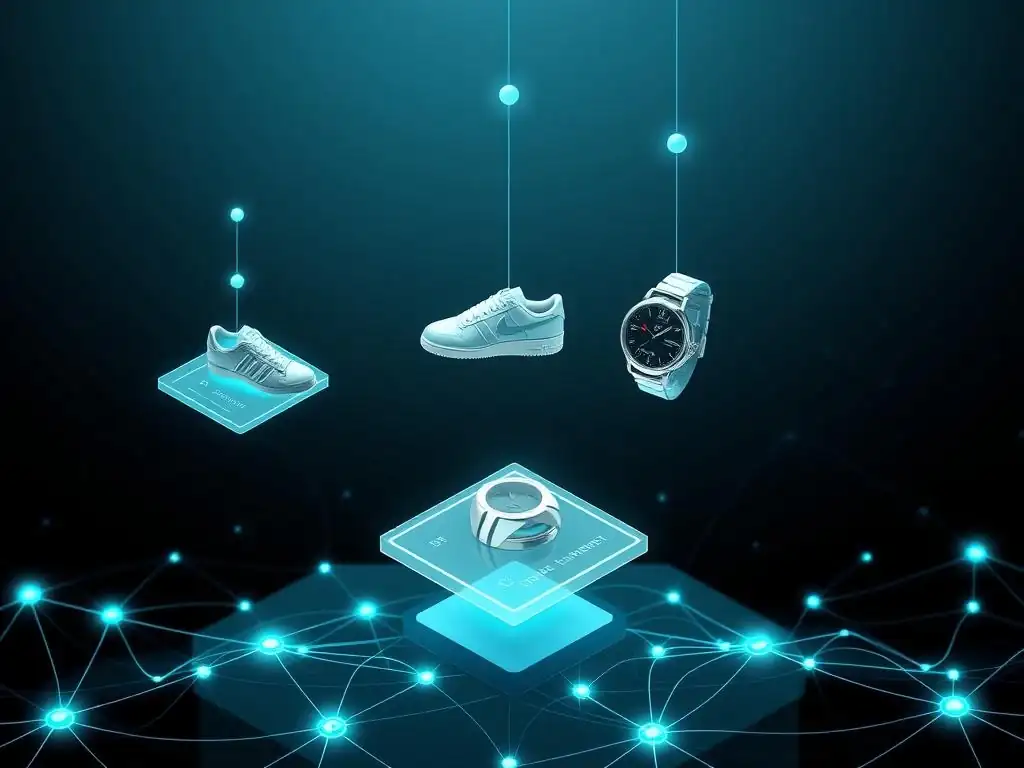
Ensuring Data Integrity and Security in the Metaverse
In a metaverse supply chain, vast amounts of sensitive data are generated and shared, including inventory levels, shipment details, manufacturing specifications, and financial transactions. Ensuring the integrity and security of this data is paramount. Blockchain technology provides a robust solution by creating a decentralized and immutable record of all data inputs and transactions within the metaverse environment.
When data is recorded on a blockchain, it is cryptographically sealed and distributed across multiple nodes, making it virtually impossible for any single party to alter or delete it without detection. This prevents malicious actors or even internal parties from tampering with critical supply chain information displayed or used within the metaverse. The inherent security features of blockchain, such as hashing and consensus mechanisms, protect the data from unauthorized access and manipulation, building a foundation of trust for all interactions within the virtual supply chain.
Preventing Counterfeiting and Fraud Through Blockchain Verification
Counterfeiting and fraud are persistent challenges in global supply chains, costing industries billions annually. Blockchain supply chain metaverse integration offers a powerful tool to combat these issues. By assigning a unique digital identity (often represented as a non-fungible token or NFT) on the blockchain to each physical product or batch, its authenticity and ownership can be verified throughout its journey.
Within the metaverse, users can interact with the digital twin of a product and instantly verify its authenticity by checking its linked blockchain record. This record contains information about its origin, manufacturing date, handling history, and ownership transfers, all of which are tamper-proof. This allows consumers, retailers, and distributors interacting within the metaverse to trust that the virtual representation corresponds to a legitimate physical item, significantly hindering the distribution of counterfeit goods and reducing fraudulent activities like product diversion.
Smart Contracts for Automated Supply Chain Agreements
Smart contracts, self-executing agreements with the terms directly written into code, are a key element enabled by blockchain in the metaverse supply chain. These contracts can automate various processes and agreements based on predefined conditions being met, often triggered by data feeds from IoT sensors or validated entries on the blockchain within the metaverse environment.
For example, a smart contract could be programmed to automatically release payment to a supplier when a shipment's digital twin arrives at a virtual receiving dock in the metaverse (signifying physical arrival, confirmed by GPS data recorded on the blockchain) and a quality control check (also recorded on-chain) is verified. This automation reduces the need for manual verification, minimizes delays, and reduces the risk of disputes, as the execution is transparent and verifiable on the blockchain. Smart contracts streamline transactions and enforce agreements reliably within the dynamic context of the metaverse supply chain.
Real-World Applications of Blockchain Supply Chain Metaverse Integration
Case Study: De Beers Implementing Metaverse Diamond Tracking (Conceptual Extension)
While De Beers' Tracr platform primarily utilizes blockchain for tracking diamonds from mine to retailer, the concept can be extended into a metaverse context to illustrate blockchain supply chain metaverse integration. Tracr assigns a unique ID to each diamond, recording its journey on an immutable ledger, including origin, carats, cut, polish, and symmetry, along with key ownership and certification information. This ensures the authenticity and ethical sourcing of each stone.
In a hypothetical metaverse application, jewelers and consumers could interact with digital twins of these diamonds in a virtual showroom. By clicking on a diamond's digital twin in the metaverse, they could instantly access its full blockchain-verified history via the Tracr platform interface integrated into the virtual environment. This provides an immersive, transparent experience, allowing customers to virtually inspect the diamond and verify its provenance and characteristics directly from the source, enhancing trust and the luxury experience in a digital space.
Example: Using Blockchain for Secure Pharmaceutical Provenance in the Metaverse
Ensuring the provenance and integrity of pharmaceuticals is critical for patient safety. Blockchain is already being piloted for tracking medications to combat counterfeiting and ensure regulatory compliance. Applying this to a metaverse supply chain would involve creating digital twins of drug batches or individual packages, linked to blockchain records detailing their manufacturing batch number, expiration date, handling conditions (e.g., temperature monitored by IoT sensors), and chain of custody through wholesalers and pharmacies.
Within the metaverse, a pharmacist could virtually manage their inventory, seeing digital twins of incoming shipments arrive at their virtual pharmacy. By interacting with a specific batch's digital twin, they could instantly pull up its blockchain-verified history, confirming its legitimacy and ensuring it hasn't been mishandled or tampered with. Regulators could also audit the supply chain by navigating the metaverse, tracing specific batches through the virtual network and verifying their records on the blockchain, creating a highly transparent and secure system from production to patient.
Demonstrating Enhanced Customer Experience Through Metaverse Supply Chain Visibility
Blockchain supply chain metaverse integration can dramatically enhance the customer experience, particularly for products where provenance, authenticity, or journey are important. Imagine purchasing a high-value item like a luxury handbag, a piece of art, or even specialty coffee. The retailer could offer access to a branded metaverse experience linked to your purchase.
In this metaverse space, you could view a digital twin of your specific item and explore its journey through the supply chain via an interactive, 3D visualization. You could see where the raw materials were sourced (verified on blockchain), watch a simulated (or actual recorded) video of its crafting, track its real-time shipment progress on a virtual map, and access its certificate of authenticity stored immutably on the blockchain. This level of transparency and immersive storytelling builds brand loyalty and provides a unique, engaging post-purchase experience, fostering trust through verifiable data presented in an innovative way.
Overcoming Challenges in Blockchain Supply Chain Metaverse Adoption
Addressing Data Privacy and Security Concerns
While blockchain enhances security, integrating it with the metaverse for supply chains introduces new data privacy and security challenges. The vast amount of real-time data flowing into the metaverse from physical operations, combined with sensitive business information recorded on the blockchain, raises concerns about who has access to what information within the virtual environment. Ensuring that only authorized parties can view specific data points or access certain areas of the metaverse is crucial.
Implementing robust access control mechanisms, potentially managed through blockchain-based identity verification, is essential. Furthermore, careful consideration must be given to the type of data stored on the public blockchain versus private or permissioned ledgers, balancing transparency with confidentiality. Techniques like zero-knowledge proofs could also be employed to verify information on the blockchain within the metaverse without revealing the underlying sensitive data itself, addressing privacy while maintaining verifiable truth.
The legal and regulatory landscape for both blockchain and the metaverse is still evolving, creating uncertainty for blockchain supply chain metaverse integration. Regulatory bodies are grappling with defining digital assets, smart contracts, data ownership in virtual worlds, and cross-border transactions conducted within the metaverse. Applying existing supply chain regulations, which are often tied to physical processes and documentation, to virtual environments and blockchain records presents a significant challenge.
Companies adopting this technology must navigate a complex web of international laws regarding data protection (like GDPR), trade compliance, digital signatures, and the legal standing of smart contracts executed within a metaverse. Collaboration between industry pioneers, legal experts, and regulators will be necessary to develop clear guidelines and standards that support innovation while ensuring compliance and mitigating risks in this new frontier of digital commerce and logistics.
Scaling Blockchain Solutions for Large-Scale Supply Chains
Scaling blockchain technology to handle the immense volume of transactions and data generated by global, large-scale supply chains is another significant hurdle. Current public blockchains can face limitations in transaction speed and throughput, which might not be sufficient for monitoring millions of individual items or processing thousands of transactions per second required by a busy supply network mirrored in the metaverse.
While private and permissioned blockchains offer better scalability, they can sacrifice some of the decentralization benefits of public chains. Developing more efficient consensus mechanisms, utilizing layer 2 scaling solutions, and exploring interoperability between different blockchain networks will be critical. The underlying infrastructure supporting the metaverse itself must also be capable of handling complex simulations and rendering detailed virtual environments while seamlessly integrating with the high-volume data streams from the blockchain and physical supply chain.
The Future of Supply Chain: Immersive Commerce and Decentralized Networks
Predicting the Evolution of Metaverse Supply Chain Technologies
Predicting the exact evolution of metaverse supply chain technologies is challenging, but the trajectory points towards increasingly realistic, data-rich, and interconnected virtual environments. We can expect advancements in rendering technology to create more detailed and intuitive digital twins and virtual spaces. Integration with AI and machine learning will likely become more sophisticated, enabling predictive analytics and autonomous decision-making within the metaverse simulations.
Furthermore, the underlying infrastructure supporting blockchain supply chain metaverse integration will need to become more robust and scalable. This includes faster and more energy-efficient blockchain protocols capable of handling massive data volumes, as well as advancements in network connectivity and edge computing to support real-time data streaming into the metaverse. The development of open standards for interoperability between different metaverse platforms and blockchain networks will also be crucial for widespread adoption.
The Impact of Blockchain on the Future of Supply Chain Transparency
Blockchain's impact on the future of supply chain transparency, especially when combined with the metaverse, is poised to be transformative. It moves beyond simply tracking goods to creating a verifiable, end-to-end digital history for every product, accessible and auditable by authorized parties. This inherent transparency will become a competitive advantage and potentially a consumer expectation.
In the future, consumers might routinely use metaverse interfaces to verify the ethical sourcing of their goods, understand the environmental impact of their purchase by tracing its journey, or confirm the authenticity of luxury items. For businesses, this means a higher level of accountability and the ability to quickly identify and rectify issues like counterfeiting or unethical practices. Blockchain in the metaverse will not just show where a product is, but definitively prove where it has been and who was responsible for it at each step.
Preparing for the Next Generation of Supply Chain Professionals
The rise of blockchain supply chain metaverse integration necessitates a new skillset for the next generation of supply chain professionals. Traditional logistics and operations knowledge will need to be combined with digital fluency, including understanding blockchain principles, working with digital twins, navigating 3D virtual environments, and interpreting data visualization in immersive settings.
Training programs will need to evolve to include modules on decentralized technologies, cybersecurity within virtual spaces, data analytics for metaverse environments, and the legal/ethical implications of operating in this convergent digital realm. Professionals will need to become adept at using these tools for simulation, collaboration, and data-driven decision-making, moving beyond spreadsheet analysis to interacting with dynamic, immersive representations of complex global networks.
Conclusion: Embracing the Blockchain Supply Chain Metaverse Revolution
Frequently Asked Questions
How can blockchain technology enhance supply chain visibility within the metaverse?
Blockchain provides a transparent and immutable ledger, enabling real-time tracking of goods and materials within the immersive metaverse environment. This fosters greater trust and accountability across the entire supply chain.
What are the potential benefits of integrating the metaverse and blockchain for supply chain management?
Integration can lead to increased efficiency, reduced fraud through immutable record-keeping, and improved consumer engagement via interactive product experiences within the metaverse.
How does blockchain support decentralized finance (DeFi) applications within the supply chain metaverse?
Blockchain facilitates secure and transparent payment settlements between parties in the supply chain using DeFi protocols. This reduces reliance on traditional financial institutions and streamlines transactions.
What role does regulation play in the integration of blockchain, supply chain, and the metaverse?
Clear regulatory frameworks are crucial to ensure compliance and protect users engaging in supply chain activities within the metaverse. This includes addressing issues like data privacy and intellectual property.
What are some challenges to overcome when implementing blockchain-based supply chain solutions in the metaverse?
Challenges include scalability issues with blockchain networks, the need for interoperability between different metaverse platforms, and user adoption of new technologies and interfaces.
Final Reflection: Embracing the Decentralized Future of Supply Chains
The convergence of the metaverse and blockchain technology, as explored throughout this article, is no longer a futuristic fantasy but a rapidly approaching reality. The potential for enhanced transparency, efficiency, and security within supply chains through blockchain supply chain metaverse integration is undeniable, offering a transformative shift from traditional, often opaque, systems to a more collaborative and verifiable ecosystem. This is not just about technological advancement; it's about building trust and resilience in a world increasingly reliant on interconnected global networks.
The impact of this integration extends far beyond mere logistical improvements. It promises a fundamental reshaping of how we interact with products and services, fostering a deeper connection between consumers and the origins of what they consume. The metaverse offers immersive experiences that bring the supply chain to life, allowing stakeholders to virtually witness the journey of goods from raw materials to finished products. This level of transparency, powered by the immutable record-keeping of blockchain, can revolutionize consumer trust and ethical sourcing. The future of supply chains is not just about moving goods, it's about moving information and building trust.
This quote perfectly encapsulates the paradigm shift we are witnessing, where data integrity and accessibility become paramount.
As we stand on the cusp of this decentralized revolution, I urge you to consider the implications of blockchain supply chain metaverse integration for your own endeavors. How can you leverage these technologies to build more resilient, transparent, and ethical supply chains? How can you harness the power of immersive experiences to connect with your customers on a deeper level? The future of commerce is being written now, and it is up to us to embrace the opportunities presented by this powerful synergy and shape a more sustainable and equitable world.
Ignite Your Supply Chain Future!
Thank you for exploring how emerging digital technologies can transform supply chains! We hope you're now inspired to consider innovative ways to leverage immersive experiences and blockchain solutions. Ready to move from ideas to action?
Here are a few steps you can take today:
- Begin developing a strategy for integrating the metaverse into your organization. Identify current challenges in your supply chain and explore how virtual environments and blockchain can provide effective solutions.
- Research relevant metaverse platforms tailored to your industry. Look into how other companies are using virtual showrooms, training simulations, or collaborative design tools.
- Share this article with a colleague and start a discussion! Brainstorm potential small-scale pilot projects to test these technologies in your supply chain.
What is the first concrete step you'll take this week to explore the connection between the metaverse and your supply chain? Share your plans in the comments below!
Leave a Reply