
NextGeneration Supply Chains: Blockchain as a Foundational Technology for Innovation


Welcome to Blockchain Trends, your compass in the rapidly evolving world of decentralized technologies. Forget just cryptocurrencies; we delve deep into the transformative power of blockchain across industries. This month, we're unlocking the secrets to next-generation supply chains. Intrigued by how blockchain supply chain innovation strategies are reshaping global commerce? Discover how this foundational technology is driving unprecedented efficiency, transparency, and security. Let's explore the future, together.
Next-Generation Supply Chains: Blockchain as a Foundational Technology for Innovation
- Introduction: Revolutionizing Supply Chain Management with Blockchain Technology
- Understanding Blockchain's Core Principles for Supply Chain Applications
-
Blockchain Supply Chain Innovation Strategies: Key Applications and Use Cases
- Traceability and Provenance Tracking: Enhancing Product Authenticity with Blockchain
- Improved Inventory Management: Optimizing Stock Levels Through Blockchain Visibility
- Streamlined Logistics and Transportation: Reducing Delays and Costs with Blockchain
- Enhanced Collaboration and Communication: Fostering Trust Among Supply Chain Partners using Blockchain
-
Implementing Blockchain for Supply Chain: A Step-by-Step Approach
- Identifying Key Pain Points: Pinpointing Areas for Blockchain Intervention in the Supply Chain
- Selecting the Right Blockchain Platform: Choosing the Optimal Blockchain Solution for Pharmaceutical Supply Chains
- Integrating Blockchain with Existing Systems: Connecting Blockchain to Legacy Supply Chain Infrastructure
- Data Security and Privacy Considerations: Ensuring Compliance with Regulations while Implementing Blockchain
-
Benefits of Blockchain-Based Supply Chain Innovation
- Increased Transparency and Trust: Building Confidence Among Stakeholders
- Reduced Costs and Inefficiencies: Optimizing Processes and Eliminating Waste
- Enhanced Security and Reduced Risk: Mitigating Counterfeiting and Fraud
- Improved Compliance and Regulatory Adherence: Streamlining Reporting and Auditing
-
Challenges and Considerations for Blockchain Adoption in Supply Chains
- Scalability Issues: Addressing the Capacity Limitations of Blockchain Networks
- Interoperability Concerns: Ensuring Seamless Integration Between Different Blockchain Platforms
- Lack of Standardization: Establishing Common Protocols for Blockchain Supply Chain Applications
- Regulatory Uncertainty: Navigating the Evolving Legal Landscape of Blockchain Technology
- Real-World Examples: Blockchain Success Stories in Supply Chain Management
- The Future of Blockchain in Supply Chain: Trends and Predictions
- Conclusion: Embracing Blockchain for a More Transparent, Efficient, and Resilient Supply Chain
-
Frequently Asked Questions
- What is the role of blockchain in next-generation supply chains?
- How can blockchain drive supply chain innovation beyond simple tracking?
- What are some key blockchain supply chain innovation strategies for enterprises?
- What are the main regulatory considerations when implementing blockchain in supply chains?
- How will blockchain technology shape the future of decentralized supply chain systems?
- Final Reflection: Embracing the Blockchain Revolution in Supply Chains
- Unlock the Future: Reimagine Your Supply Chain Today!
Introduction: Revolutionizing Supply Chain Management with Blockchain Technology
The Growing Need for Transparency and Efficiency in Modern Supply Chains
Modern supply chains are increasingly complex, spanning multiple continents, involving numerous intermediaries, and handling vast volumes of goods. This intricacy inherently creates challenges related to visibility, trust, and efficiency. Consumers and regulators alike are demanding greater transparency regarding product origin, ethical sourcing, and sustainability practices. For instance, a 2020 survey indicated that 71% of consumers prioritize transparency from brands, while regulatory bodies like the FDA are pushing for enhanced traceability in food supply chains following outbreaks.
The traditional paper-based systems or siloed digital databases often fail to provide real-time, end-to-end visibility, leading to delays, errors, disputes, and significant financial losses. Estimates suggest that inefficiencies in supply chains can cost businesses up to 10-20% of their operational expenses. The need for a foundational technology that can address these systemic issues is paramount for businesses seeking competitive advantage and resilience.
Furthermore, the rapid pace of globalization and the increasing frequency of disruptive events, such as pandemics or geopolitical shifts, highlight the fragility of current supply chain models. The lack of a single, trusted source of truth makes it difficult to quickly identify the source of problems, reroute shipments, or verify the status of goods across disparate parties.
This vulnerability translates into substantial economic impacts; for example, the global supply chain disruptions in 2020-2022 led to significant backlogs, increased shipping costs by hundreds of percents on key routes, and contributed to inflation. Businesses are actively seeking robust blockchain supply chain innovation strategies to build more resilient, adaptable, and transparent networks capable of navigating such uncertainties while meeting evolving stakeholder expectations and regulatory demands.
Blockchain's Promise: Driving Innovation in Supply Chain Operations
Blockchain technology emerges as a powerful solution to address the inherent challenges within traditional supply chains, offering a decentralized, immutable, and transparent ledger. Its core capabilities enable a single, shared version of truth accessible to authorized participants, fundamentally changing how information flows and trust is established.
By providing end-to-end visibility from raw material sourcing to final delivery, blockchain can significantly reduce information asymmetry and build confidence among diverse stakeholders, including suppliers, manufacturers, distributors, logistics providers, and consumers. Early pilot programs have demonstrated the potential for blockchain to cut transaction times from days to mere minutes in certain cross-border logistics scenarios.
Implementing effective blockchain supply chain innovation strategies can unlock unprecedented levels of efficiency and security. The ability to record every transaction and movement on an immutable ledger drastically reduces opportunities for fraud, errors, and counterfeiting, issues that cost the global economy billions annually.
Moreover, the potential for automating processes through smart contracts, such as payments triggered automatically upon delivery verification, can streamline operations, reduce administrative overhead, and accelerate cash flow. While still in relatively early stages of widespread adoption, blockchain's potential to fundamentally reshape supply chain paradigms through enhanced transparency, efficiency, and security makes it a critical technology for driving innovation in the sector.
Understanding Blockchain's Core Principles for Supply Chain Applications
Distributed Ledger Technology (DLT): The Backbone of Blockchain Supply Chains
At its heart, blockchain is a form of Distributed Ledger Technology (DLT), meaning that the ledger, or record of transactions, is not stored in a single central location but is replicated and shared across a network of computers or nodes. In the context of supply chains, this network can consist of various participants like suppliers, manufacturers, logistics companies, and retailers.
Each participant typically holds a copy of the ledger, and any new transaction (e.g., a product moving from point A to point B, or ownership changing hands) must be validated by the network participants according to predefined rules before being added as a new 'block' to the chain. This distributed nature eliminates reliance on a single central authority, reducing points of failure and increasing resilience against data manipulation or loss.
For example, in a traditional system, if a central database goes down or is compromised, the entire supply chain's visibility can be paralyzed, whereas a DLT network continues to function as long as a sufficient number of nodes are operational.
The consensus mechanism employed by DLT ensures that all copies of the ledger are synchronized and agree on the validity of transactions. Different blockchain platforms use various consensus algorithms (like Proof of Work, Proof of Stake, or Proof of Authority), each with its own trade-offs regarding speed, security, and energy consumption. For enterprise supply chains, often permissioned blockchains are preferred, where participants are known and verified, allowing for faster transaction processing and better control over data access compared to public, permissionless blockchains.
This shared, tamper-evident ledger provides a single source of truth for the entire supply chain, dramatically improving coordination and trust among parties who may not inherently trust each other but can trust the data recorded on the shared, validated ledger. This forms a critical component of effective blockchain supply chain innovation strategies aimed at building trust and transparency.
Smart Contracts: Automating Supply Chain Processes with Blockchain
Smart contracts are self-executing contracts with the terms of the agreement directly written into lines of code. These code segments reside on the blockchain and automatically execute when predefined conditions are met. In supply chain applications, smart contracts can automate a wide range of processes that traditionally require manual intervention, paperwork, and third-party verification.
For example, a smart contract could be programmed to automatically release payment to a supplier as soon as the blockchain verifies that goods have arrived at a specific location and their quality has been confirmed by an authorized party's input on the ledger. This eliminates the need for manual invoice processing, verification calls, and potential delays, significantly accelerating payment cycles.
Beyond payments, smart contracts can automate tasks such as triggering insurance claims upon verifiable events (like a shipment being delayed beyond a certain threshold), managing inventory levels by automatically placing reorders when stock falls below a certain point recorded on the ledger, or automating regulatory compliance reporting by aggregating verified data. The automation provided by smart contracts reduces administrative costs, minimizes human error, and ensures that agreements are executed precisely as intended, based on verifiable data on the blockchain.
A study by Accenture and SAP estimated that automating processes like freight auditing and payment using smart contracts could potentially reduce costs by up to 15-20%. Integrating smart contracts is a key element of advanced blockchain supply chain innovation strategies focused on increasing efficiency and reducing operational overhead.
Enhanced Security and Immutability: Securing Supply Chain Data on the Blockchain
One of blockchain's most compelling features for supply chain management is its inherent security and the immutability of recorded data. Once a transaction is validated by the network's consensus mechanism and added to a block, it is cryptographically linked to the previous block, forming a chain. Altering data in a past block would require recalculating the cryptographic hash for that block and every subsequent block in the chain, a computationally infeasible task, especially in a distributed network where multiple copies of the ledger exist and would need simultaneous alteration.
This makes the data on the blockchain highly tamper-evident and practically immutable. For sensitive supply chain data, such as proof of origin, quality certifications, or transfer of custody records, this immutability is invaluable.
Furthermore, blockchain utilizes robust cryptographic techniques to secure transactions and verify identities. Each transaction is typically signed digitally, ensuring that it originated from an authorized party and has not been altered in transit.
While the transaction data itself might be visible on the ledger (depending on the blockchain type and privacy layers), the identity of the participants can be pseudonymized or kept private on permissioned networks, balancing transparency with necessary confidentiality. This combination of cryptographic security and immutability provides a level of data integrity and trust far superior to traditional centralized databases, which are more vulnerable to hacking, data breaches, and internal tampering.
A report by PwC highlighted that enhancing data security and reducing fraud risk are primary motivators for companies exploring blockchain in their supply chains, citing potential reductions in losses due to counterfeiting and illicit trade, which cost the global economy hundreds of billions annually. These security features are fundamental to building resilient blockchain supply chain innovation strategies.
Blockchain Supply Chain Innovation Strategies: Key Applications and Use Cases
Traceability and Provenance Tracking: Enhancing Product Authenticity with Blockchain
One of the most widely recognized applications of blockchain in supply chains is enhancing traceability and provenance tracking. By recording every step a product takes, from the source of its raw materials through manufacturing, distribution, and retail, onto an immutable ledger, companies can create a complete, verifiable history. This is particularly crucial for industries where product authenticity, safety, or ethical sourcing are paramount, such as food and beverage, pharmaceuticals, luxury goods, and rare earth minerals.
Consumers can potentially scan a QR code on a product to access its entire journey, verifying its origin, handling conditions, and certifications. This level of transparency builds significant consumer trust and can act as a powerful differentiator.
For instance, tracing food products from farm to fork typically involves numerous intermediaries, making it difficult and time-consuming to pinpoint the source of contamination during a recall. With a blockchain-based system, the time taken to trace an affected item back to its origin can be reduced dramatically, from days or weeks to seconds or minutes. Walmart's pilot with IBM Food Trust demonstrated the ability to trace a package of mangoes from store back to the farm in just 2.2 seconds, compared to the historical average of seven days.
This significantly improves public safety and reduces the financial impact of recalls. Implementing robust blockchain supply chain innovation strategies focused on traceability directly combats issues like counterfeiting and ensures compliance with increasingly stringent regulatory requirements regarding product origin and safety.
Improved Inventory Management: Optimizing Stock Levels Through Blockchain Visibility
Effective inventory management relies on accurate, real-time data regarding stock levels, location, and condition across the entire supply chain network. Traditional inventory systems often suffer from data silos, delays in updates, and discrepancies between reported and actual stock, leading to overstocking, stockouts, increased holding costs, and lost sales.
Blockchain, by providing a shared, continuously updated ledger of goods as they move through the supply chain, offers a solution to these challenges. Each transfer of goods, receipt at a warehouse, or sale can be recorded as a transaction on the blockchain, providing a single, accurate view of inventory status accessible to all authorized parties in near real-time.
This enhanced visibility allows for more precise forecasting, optimization of stock levels, and reduction of buffer stock traditionally held to mitigate uncertainty. Companies can gain better insights into inventory turnover rates, identify bottlenecks, and improve demand planning. For example, a manufacturer can see raw material inventory levels at a supplier's facility on the blockchain, enabling just-in-time procurement and reducing the need for large on-site inventories.
Pilots have shown that blockchain-enabled inventory visibility can potentially reduce working capital tied up in inventory by 10-25%. Integrating blockchain for inventory management is a key component of blockchain supply chain innovation strategies aimed at operational efficiency and cost reduction.
Streamlined Logistics and Transportation: Reducing Delays and Costs with Blockchain
Logistics and transportation are inherently complex, involving multiple parties, handoffs, documentation, and potential delays at various points like ports, customs, and distribution centers. Paper-based processes are still prevalent, leading to significant administrative burdens, errors, and lack of transparency regarding shipment status. Blockchain can streamline logistics by digitizing documentation (like bills of lading, customs forms, and certificates of origin) and making it accessible to all relevant parties on a shared ledger. This reduces paperwork, accelerates customs clearance, and minimizes disputes over documentation accuracy.
Furthermore, blockchain can track the physical movement of goods by integrating with IoT devices (like GPS trackers or condition sensors). The data from these devices can be recorded on the blockchain, providing real-time, verifiable information about a shipment's location, temperature, humidity, or shock exposure. This visibility allows logistics managers to proactively address potential issues, optimize routes, and provide accurate estimated times of arrival.
Maersk and IBM's TradeLens platform, a blockchain-based shipping solution, has shown the potential to reduce the average time a container spends in port by up to 50% by streamlining documentation flows. Implementing blockchain supply chain innovation strategies focused on logistics can lead to significant reductions in shipping times, demurrage fees, and administrative costs.
Enhanced Collaboration and Communication: Fostering Trust Among Supply Chain Partners using Blockchain
Effective collaboration is essential for a high-performing supply chain, but it is often hindered by a lack of trust and poor communication channels among disparate partners. Each entity typically operates within its own systems, sharing information only when necessary, leading to delays, misunderstandings, and a lack of holistic visibility. Blockchain, by providing a shared, secure, and transparent platform for recording transactions and data, fundamentally changes the basis of collaboration from one based on individual trust to one based on trust in the shared system and data integrity.
Participants in a blockchain-enabled supply chain network can access the same, verified information about the status of goods, payments, and documents in near real-time, reducing the need for constant inquiries and updates. This shared reality fosters better coordination and allows partners to make decisions based on accurate, timely data. For example, suppliers can see when their goods have been received and verified by the manufacturer, logistics providers can confirm when a shipment is ready for pickup, and retailers can track inbound inventory more accurately.
This improved information flow and trust foundation facilitates stronger partnerships and more agile responses to disruptions. A study by Deloitte found that improved collaboration and data sharing were among the top benefits companies expected from blockchain adoption in supply chains. Fostering this enhanced collaboration is a core aim of many blockchain supply chain innovation strategies.
Implementing Blockchain for Supply Chain: A Step-by-Step Approach
Identifying Key Pain Points: Pinpointing Areas for Blockchain Intervention in the Supply Chain
The first critical step in implementing blockchain for supply chain innovation is to clearly identify the specific pain points and challenges within the existing supply chain that blockchain is best positioned to solve. Simply adopting blockchain without a clear problem statement is unlikely to yield significant benefits. This involves a thorough analysis of current processes to uncover areas suffering from lack of transparency, inefficiency, high costs, fraud risks, or compliance difficulties.
For example, a pharmaceutical company might identify issues with drug counterfeiting and lengthy recall processes as major pain points. A food producer might focus on enhancing traceability to meet consumer demand for origin information and improve food safety response times.
This diagnostic phase typically involves mapping the current supply chain flow, identifying all participating entities, and understanding the information exchange mechanisms (or lack thereof). Workshops and interviews with stakeholders across different functions – procurement, manufacturing, logistics, sales, and compliance – are crucial to gain a comprehensive understanding of operational bottlenecks and trust deficits.
Quantifying the impact of these pain points (e.g., estimated losses due to counterfeiting, average time for dispute resolution, cost of manual data entry) helps prioritize which areas offer the greatest potential return on investment for a blockchain solution. Focusing on specific, high-impact problems ensures that the blockchain implementation is targeted and addresses real business needs, forming the foundation for effective blockchain supply chain innovation strategies.
Selecting the Right Blockchain Platform: Choosing the Optimal Blockchain Solution for Pharmaceutical Supply Chains
Choosing the appropriate blockchain platform is a crucial decision that depends heavily on the specific requirements of the supply chain and the industry. For enterprise supply chain applications, permissioned blockchain platforms like Hyperledger Fabric, R3 Corda, or Quorum are often preferred over public, permissionless ones like Bitcoin or Ethereum (though enterprise versions or Layer 2 solutions are emerging). Permissioned networks allow businesses to control who can join the network, what data they can access, and provide faster transaction speeds and lower costs compared to public chains, which are typically designed for broader decentralization and cryptocurrency applications.
For instance, in the pharmaceutical supply chain, stringent regulatory requirements (like the US Drug Supply Chain Security Act - DSCSA) necessitate high levels of data privacy, security, and the ability to manage participants. A permissioned platform allows pharmaceutical companies, distributors, and pharmacies to join a private network, ensuring that sensitive data about drug movements and patient information is shared only with authorized parties while still maintaining an immutable record. Factors to consider when selecting a platform include scalability (can it handle the required transaction volume?
), interoperability (can it connect with existing systems? ), data privacy features, governance model, cost of implementation and maintenance, and the availability of developer support and enterprise features. A careful evaluation based on the identified pain points and regulatory landscape is essential for successful blockchain supply chain innovation strategies.
Integrating Blockchain with Existing Systems: Connecting Blockchain to Legacy Supply Chain Infrastructure
A significant challenge in implementing blockchain in supply chains is integrating the new blockchain network with existing legacy systems, such as Enterprise Resource Planning (ERP), Warehouse Management Systems (WMS), Transportation Management Systems (TMS), and IoT platforms. Most companies cannot afford to rip and replace their entire IT infrastructure. Therefore, the blockchain solution must be designed to seamlessly connect with these existing systems to feed data onto the ledger and consume data from it. This integration typically requires APIs (Application Programming Interfaces) or middleware solutions to bridge the gap between the blockchain and traditional databases or applications.
For example, a WMS might send a transaction to the blockchain every time goods are received or shipped, while an ERP system might pull data from the blockchain to verify payment conditions met via a smart contract. Data from IoT sensors attached to shipments (e.g., temperature readings) needs to be captured and securely uploaded to the blockchain, potentially through an intermediate data processing layer. This integration process requires careful planning, robust data mapping, and potentially developing custom connectors.
Ensuring data consistency and flow between the distributed ledger and centralized legacy systems is complex but vital for the blockchain solution to provide value and become an integral part of the operational workflow. Successful blockchain supply chain innovation strategies hinge on effective integration, often requiring significant technical effort and expertise.
Data Security and Privacy Considerations: Ensuring Compliance with Regulations while Implementing Blockchain
While blockchain offers enhanced security through cryptography and immutability, implementing it in a supply chain context requires careful consideration of data security and privacy, especially concerning sensitive business information and compliance with regulations like GDPR (General Data Protection Regulation) or industry-specific mandates (like DSCSA in pharmaceuticals). Not all data needs to be stored directly on the immutable ledger; in fact, storing personally identifiable information (PII) or sensitive commercial data directly on many blockchains can be problematic due to the difficulty of deletion required by regulations like GDPR's "right to be forgotten."
Strategies for handling sensitive data include storing only hashes or references to off-chain data on the blockchain, encrypting sensitive data stored on the ledger, or utilizing privacy-preserving techniques inherent in certain blockchain platforms (like zero-knowledge proofs). On permissioned networks, access controls can be finely tuned to ensure that participants only see the data relevant to their role. For instance, a logistics provider might only see shipment tracking data, while a regulator might have access to provenance and certification information.
Compliance with data residency requirements also needs to be addressed, potentially by deploying nodes in specific geographic locations. Addressing these security and privacy nuances is paramount for building compliant and trustworthy blockchain supply chain innovation strategies.
Benefits of Blockchain-Based Supply Chain Innovation
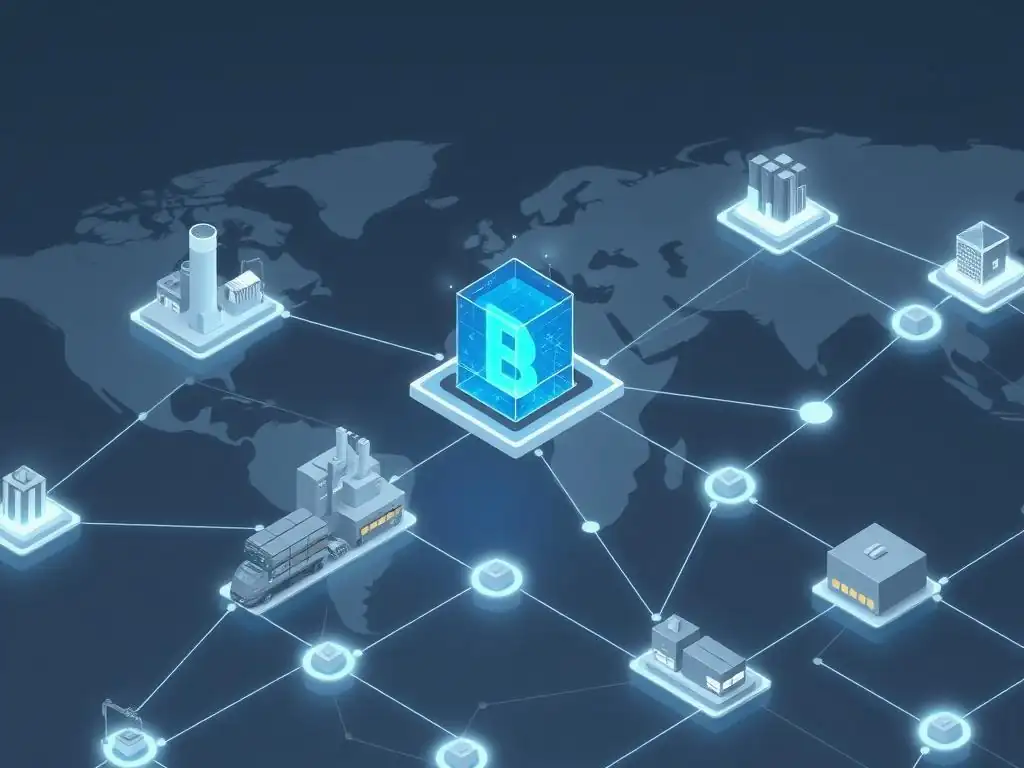
Increased Transparency and Trust: Building Confidence Among Stakeholders
One of the most significant benefits derived from blockchain supply chain innovation strategies is the dramatic increase in transparency across the network. By providing a shared, immutable ledger of transactions, all authorized participants gain access to the same, verified information about a product's journey, ownership changes, and associated data (like quality checks or temperature logs).
This eliminates information silos and reduces the potential for data manipulation or disputes over facts. For example, a retailer can verify the ethical sourcing claims of a product by tracing its history on the blockchain, or a consumer can confirm the authenticity of a luxury item.
This enhanced transparency directly fosters trust among supply chain partners who may not have prior relationships. Instead of relying solely on the word of intermediaries, they can trust the data recorded on the blockchain, which has been validated by the network. This builds stronger, more collaborative relationships and reduces the need for costly audits and third-party verification services in many cases. A survey by IBM found that 71% of companies believe blockchain can significantly increase transparency in their supply chains. This foundational trust and transparency are critical for building resilient and responsive supply chain ecosystems.
Reduced Costs and Inefficiencies: Optimizing Processes and Eliminating Waste
Implementing blockchain supply chain innovation strategies can lead to substantial reductions in operational costs and inefficiencies. By automating processes through smart contracts, companies can reduce manual data entry, paperwork, and administrative overhead. For example, automating payment triggers upon verified delivery via a smart contract eliminates manual invoice processing and reconciliation, potentially saving significant administrative costs and reducing payment delays. Streamlining documentation flow through a shared digital ledger accelerates processes like customs clearance and freight auditing.
Enhanced visibility provided by blockchain enables better inventory management, reducing the costs associated with overstocking (storage, insurance, obsolescence) and stockouts (lost sales, expedited shipping). A study by the World Economic Forum estimated that digitizing trade logistics using blockchain could potentially reduce trade transaction costs by 15%. Furthermore, reducing errors, disputes, and the need for extensive manual audits contributes to overall cost savings. By creating a more efficient and streamlined flow of goods and information, blockchain helps optimize resource utilization and eliminate waste throughout the supply chain.
Enhanced Security and Reduced Risk: Mitigating Counterfeiting and Fraud
Blockchain's inherent security features, including cryptography and immutability, significantly enhance data security and reduce various risks within the supply chain, notably counterfeiting and fraud. By creating a verifiable and tamper-evident record of a product's journey and ownership, blockchain makes it extremely difficult for counterfeit goods to enter the legitimate supply chain undetected. Each legitimate product or batch can be assigned a unique digital identity on the blockchain, allowing its history and authenticity to be verified at any point. This is particularly valuable for high-value goods, pharmaceuticals, and food products.
For instance, the global market for counterfeit goods is estimated to be worth hundreds of billions of dollars annually, impacting brand reputation, consumer safety, and revenue. De Beers' Tracr platform uses blockchain to track diamonds from mine to retailer, ensuring their authenticity and conflict-free status. This not only builds consumer confidence but also helps combat the illicit diamond trade.
Beyond counterfeiting, blockchain reduces the risk of fraudulent documentation, unauthorized product diversion, and data tampering, providing a robust layer of security that is difficult to achieve with traditional systems. Reducing these risks is a core outcome of successful blockchain supply chain innovation strategies focused on integrity and security.
Improved Compliance and Regulatory Adherence: Streamlining Reporting and Auditing
Navigating complex regulatory landscapes and demonstrating compliance is a significant burden for many supply chains. Regulations related to product safety, origin, ethical sourcing, and data privacy often require extensive record-keeping and reporting. Blockchain can significantly streamline compliance and auditing processes by providing an immutable, easily auditable record of all relevant transactions and data. Regulatory bodies or authorized auditors can be granted permission to access the relevant portions of the blockchain ledger, allowing them to verify compliance without requiring companies to manually compile disparate data from various sources.
For example, pharmaceutical companies must comply with regulations like DSCSA, which mandates tracking and tracing prescription drugs. A blockchain-based system can automatically record the required data points (like serial numbers, ownership changes, and locations) as transactions occur, creating a comprehensive and auditable history. This not only reduces the cost and effort associated with compliance but also improves the accuracy and reliability of reported data.
Furthermore, demonstrating ethical sourcing or sustainability practices becomes more credible when backed by verifiable data on an immutable ledger. Enhancing compliance capabilities is a key driver for adopting blockchain supply chain innovation strategies in regulated industries.
Challenges and Considerations for Blockchain Adoption in Supply Chains
Scalability Issues: Addressing the Capacity Limitations of Blockchain Networks
One of the major challenges facing widespread blockchain adoption in large-scale supply chains is scalability. Public blockchains, like Bitcoin and Ethereum, were not originally designed to handle the massive transaction volumes generated by global supply chains, which involve millions of transactions daily across numerous entities. While enterprise-focused permissioned blockchains offer significantly higher transaction speeds (e.g., thousands of transactions per second compared to single digits for Bitcoin), they can still face limitations when scaling to include a vast number of participants and high-frequency data updates from IoT devices.
Addressing scalability requires careful platform selection and potentially implementing solutions like off-chain transactions for high-frequency data, using sidechains, or leveraging newer blockchain architectures designed for higher throughput. For example, tracking every single item movement for billions of consumer goods could overwhelm many current blockchain networks. Strategic blockchain supply chain innovation strategies must consider the expected volume of transactions and data flow and select a platform or architecture capable of handling the load now and in the future. This often involves trade-offs between decentralization, security, and performance.
Interoperability Concerns: Ensuring Seamless Integration Between Different Blockchain Platforms
As different industries or consortia adopt various blockchain platforms for their specific needs, ensuring interoperability between these disparate networks becomes a critical challenge. A single supply chain often involves participants who may be part of different blockchain ecosystems. For example, a raw material supplier might use one platform, a manufacturer another, and a logistics provider a third. Without interoperability, the seamless flow of data across the entire supply chain is broken, defeating the purpose of a connected ledger.
Developing standards and protocols for inter-blockchain communication is essential. This could involve atomic swaps, cross-chain bridges, or standardized APIs that allow data to be securely exchanged between different networks while maintaining the integrity and immutability of the information. Industry-wide collaboration is needed to establish common data formats and communication protocols for supply chain use cases. Lack of interoperability can create new data silos, hindering the potential for end-to-end visibility and limiting the effectiveness of blockchain supply chain innovation strategies.
Lack of Standardization: Establishing Common Protocols for Blockchain Supply Chain Applications
The nascent nature of blockchain technology in supply chains means there is currently a lack of universally accepted standards for data formats, transaction types, governance models, and integration methods. Different platforms and consortia are developing their own approaches, which can lead to fragmentation and make it difficult for companies to participate in multiple blockchain networks or for solutions to scale across different industries. For instance, defining a standard way to record a 'change of custody' event or a 'quality inspection result' on the blockchain is crucial for seamless data flow and interpretation across different participants.
Establishing common standards, potentially through industry bodies or international organizations, would significantly accelerate adoption and reduce the complexity and cost for companies implementing blockchain solutions. Standardization would facilitate easier integration, improve interoperability, and allow for the development of common applications and tools that work across different compliant networks. Until such standards are widely adopted, companies must carefully consider the long-term viability and potential for integration when selecting a platform and developing their blockchain supply chain innovation strategies.
The legal and regulatory landscape surrounding blockchain technology is still evolving in many jurisdictions, creating uncertainty for businesses implementing these solutions. Issues such as the legal status of smart contracts, data ownership and privacy regulations (especially concerning immutable data), cross-border data flow, and liability in case of errors or system failures are not yet fully defined or consistent globally. This regulatory uncertainty can create hesitation for companies considering significant investments in blockchain technology.
Furthermore, industry-specific regulations (like those in pharmaceuticals, food, or finance) need to be carefully considered to ensure that blockchain implementations are compliant. For example, ensuring that the right to audit or inspect records can be exercised within a distributed ledger framework, or addressing requirements around data deletion if mandated by privacy laws. Businesses must stay informed about developing regulations, engage with legal experts, and potentially work with regulators to help shape clear guidelines. Navigating this uncertain legal environment is a key challenge that must be addressed as part of comprehensive blockchain supply chain innovation strategies.
Real-World Examples: Blockchain Success Stories in Supply Chain Management
Case Study 1: IBM Food Trust's Implementation of Blockchain for Traceability of Mangoes
One of the most widely cited real-world examples of blockchain in supply chain is IBM Food Trust, a platform built on Hyperledger Fabric. A notable pilot involved Walmart and the traceability of mangoes. Before implementing the blockchain solution, tracing a single package of mangoes back to its farm of origin typically took Walmart employees around seven days, involving extensive manual record-keeping and phone calls across multiple intermediaries. This delay posed a significant risk during foodborne illness outbreaks, where rapid tracing is critical for public safety.
With the IBM Food Trust blockchain, participants – including growers, processors, distributors, and retailers – record data points about the mangoes' journey on the shared, permissioned ledger. Each movement, handling step, and quality check becomes a transaction. In a demonstration, Walmart was able to trace a package of sliced mangoes purchased in a store back to the farm it originated from in just 2.2 seconds.
This dramatic reduction in traceability time highlights blockchain's power to enhance food safety, improve recall efficiency, and build consumer trust by providing verifiable provenance information. This case exemplifies successful blockchain supply chain innovation strategies focused on enhancing transparency and safety.
Case Study 2: De Beers' Use of Blockchain for Optimizing Diamond Provenance
De Beers, the world's leading diamond company, launched the Tracr platform, also built on Hyperledger Fabric, to provide provenance assurance for diamonds. The diamond industry has historically faced challenges related to verifying the origin of stones, ensuring they are conflict-free, and combating the trade of synthetic or illicit diamonds. Traditional paper certificates and manual tracking methods were prone to error and fraud.
Tracr assigns a unique digital identity to each rough diamond over a certain size and records its journey from the mine through cutting, polishing, wholesale, and retail on the blockchain. Key attributes, ownership changes, and certifications are registered as immutable transactions. This creates a secure and verifiable trail for each diamond, accessible to authorized participants.
By the end of 2020, Tracr had registered over 100,000 high-value diamonds. This not only provides confidence to retailers and consumers about a diamond's authenticity and ethical sourcing but also streamlines auditing and inventory management within the industry. De Beers' Tracr is a prime example of blockchain supply chain innovation strategies applied to enhance transparency, trust, and value in a high-value goods market.
Lessons Learned: Key Takeaways from Successful Blockchain Supply Chain Initiatives
These and other successful blockchain supply chain initiatives offer valuable lessons. Firstly, they demonstrate that blockchain is most impactful when applied to specific, high-value pain points, such as traceability in complex networks (food, pharma) or verifying authenticity for valuable goods (diamonds, luxury items). Simply implementing blockchain without a clear use case often leads to pilot purgatory. Secondly, successful projects involve collaboration among multiple supply chain partners; a blockchain network requires participants to share data and commit to the platform, highlighting the importance of ecosystem building.
Thirdly, permissioned blockchains are often the preferred choice for enterprise supply chains due to requirements for performance, privacy, and governance. Integration with existing legacy systems is complex but essential for operational viability. Finally, these cases show that while the technology is powerful, successful adoption requires significant change management, legal considerations, and a focus on demonstrating clear return on investment. These lessons are critical for developing effective blockchain supply chain innovation strategies.
The Future of Blockchain in Supply Chain: Trends and Predictions
The Rise of Decentralized Supply Chains: Empowering Stakeholders and Fostering Collaboration
Looking ahead, blockchain is poised to facilitate the transition towards more decentralized supply chains. In traditional models, power and information often reside with large central players (e.g., manufacturers or major retailers). Blockchain's distributed nature allows for a more equitable distribution of information and control among network participants. This empowerment can foster greater collaboration, as smaller suppliers or logistics providers can access and contribute to the shared ledger, gaining visibility and potentially participating in automated processes via smart contracts.
This shift towards decentralization doesn't necessarily mean eliminating all central coordination, but rather creating a network where data isn't controlled by a single entity, and value can be distributed more fairly based on verifiable contributions recorded on the blockchain. This could lead to more resilient networks, less susceptible to the failure or control of a single point. The development of consortium-based blockchain networks specifically for supply chain verticals exemplifies this trend, bringing together competitors and partners onto a shared infrastructure. This move towards decentralized governance and data sharing is a key aspect of future blockchain supply chain innovation strategies.
Integration with IoT and AI: Enhancing Blockchain Capabilities with Emerging Technologies
The power of blockchain in supply chains is significantly amplified when integrated with other emerging technologies, particularly the Internet of Things (IoT) and Artificial Intelligence (AI). IoT devices (sensors, GPS trackers, cameras) can automatically collect real-time data about a product's location, condition (temperature, humidity, shock), and environment.
This data can then be securely and immutably recorded on the blockchain, providing verifiable proof of handling conditions or events. For example, temperature data from an IoT sensor in a refrigerated shipment recorded on the blockchain can automatically trigger an alert or an insurance claim via a smart contract if the temperature exceeds a critical threshold.
AI can leverage the vast amount of verifiable data collected on the blockchain to perform advanced analytics, identify patterns, predict potential disruptions, optimize routes, or improve demand forecasting with higher accuracy than possible with siloed, unreliable data. AI algorithms can analyze historical blockchain data to identify fraudulent patterns or inefficiencies. The combination of IoT for data collection, blockchain for secure and transparent data recording, and AI for data analysis creates a powerful synergy that can drive significant advancements in supply chain visibility, efficiency, and automation. Integrating these technologies is crucial for advanced blockchain supply chain innovation strategies.
The Role of Blockchain in Sustainable Supply Chains: Promoting Ethical and Environmentally Friendly Practices
Increasing consumer and regulatory focus on sustainability and ethical sourcing is driving demand for greater transparency in supply chains. Blockchain is uniquely positioned to support the development of sustainable supply chains by providing verifiable proof of environmentally friendly practices, ethical labor conditions, and responsible resource management. Companies can record certifications (like organic, fair trade, or carbon neutral), audits, and data points related to energy consumption or waste disposal on the blockchain.
This allows businesses to credibly demonstrate their commitment to sustainability to consumers, investors, and regulators, combating 'greenwashing'. For example, a company could track the origin of materials to ensure they come from sustainable sources, verify fair wages paid to workers through auditable records, or track the carbon footprint associated with transportation by recording fuel consumption or emissions data linked to shipments.
By providing an immutable record of sustainable practices, blockchain builds trust and enables accountability throughout the supply chain, contributing to a more ethical and environmentally conscious global trade system. Promoting sustainability through verifiable data is becoming an increasingly important element of blockchain supply chain innovation strategies.
Conclusion: Embracing Blockchain for a More Transparent, Efficient, and Resilient Supply Chain
Blockchain: A Catalyst for Supply Chain Transformation
Blockchain technology is not merely an incremental improvement; it is a foundational technology with the potential to fundamentally transform supply chain management. By providing a decentralized, immutable, and transparent ledger, blockchain addresses core challenges related to trust, visibility, and efficiency that have plagued traditional supply chain models for decades. From enhancing product traceability and combating counterfeiting to automating processes with smart contracts and improving collaboration among disparate partners, the applications of blockchain in supply chains are vast and impactful.
Real-world examples demonstrate tangible benefits, such as dramatically reduced tracing times and enhanced provenance verification for high-value goods. Embracing blockchain is becoming increasingly essential for businesses seeking to build supply chains that are not only more efficient and cost-effective but also more transparent, secure, and resilient in the face of growing complexity and disruption.
The Importance of Strategic Planning for Successful Blockchain Implementation.
While the potential benefits of blockchain are significant, successful implementation in supply chains requires careful strategic planning and execution. It is crucial to identify specific pain points where blockchain can deliver the most value, select the appropriate platform based on enterprise needs, and develop robust strategies for integrating the blockchain solution with existing legacy systems. Addressing challenges related to scalability, interoperability, lack of standardization, and regulatory uncertainty is paramount.
Furthermore, successful blockchain supply chain innovation strategies require collaboration across the ecosystem and careful consideration of data security and privacy. As the technology matures and integrates with other innovations like IoT and AI, blockchain will continue to play a vital role in shaping the future of global supply chains, driving towards networks that are more trustworthy, efficient, sustainable, and capable of navigating the complexities of the modern world.
Frequently Asked Questions
What is the role of blockchain in next-generation supply chains?
Blockchain acts as a foundational technology by providing enhanced transparency and traceability throughout the supply chain. This leads to improved efficiency and reduces the risk of fraud and counterfeiting.
How can blockchain drive supply chain innovation beyond simple tracking?
Blockchain enables smart contracts for automated processes, decentralized data management for better collaboration, and tokenization for new financing models within the supply chain.
What are some key blockchain supply chain innovation strategies for enterprises?
Strategies include implementing permissioned blockchains for data security, leveraging IoT integration for real-time tracking, and adopting blockchain-based platforms for supply chain finance.
What are the main regulatory considerations when implementing blockchain in supply chains?
Regulatory considerations include data privacy (e.g., GDPR), compliance with industry standards, and legal implications of smart contracts and decentralized data ownership.
How will blockchain technology shape the future of decentralized supply chain systems?
Blockchain will foster greater collaboration between supply chain participants, create more resilient and efficient supply chains, and enable new decentralized business models based on trust and transparency.
Final Reflection: Embracing the Blockchain Revolution in Supply Chains
The exploration of blockchain's potential within supply chains, as detailed throughout this article, isn't just a theoretical exercise; it's a critical imperative for businesses seeking competitive advantage in today's rapidly evolving global landscape. The ability to enhance transparency, security, and efficiency through blockchain is no longer a futuristic vision, but a tangible reality reshaping how goods and information flow across the world.
This technology's impact extends far beyond mere cost savings and operational improvements. It's about fostering trust, empowering stakeholders, and building more resilient and ethical supply chains. The ability to trace a product's journey from origin to consumer, with immutable data, is revolutionizing industries and demanding a new level of accountability. The future of supply chain isn't just about efficiency; it's about building trust and transparency that benefits everyone involved.
This quote encapsulates the transformative potential of blockchain, urging us to consider its broader societal implications.
As we conclude this exploration of blockchain supply chain innovation strategies, I invite you to consider how these principles can be applied within your own sphere of influence. How can you leverage the power of decentralized technology to build more transparent, ethical, and efficient systems? The future of supply chains is being written now, and your contribution to this narrative is invaluable. Embrace the challenge, explore the possibilities, and become a catalyst for change in the next generation of supply chain innovation.
Unlock the Future: Reimagine Your Supply Chain Today!
Thank you for exploring how blockchain is transforming supply chains. You now have valuable insights into its potential to foster innovation and enhance efficiency. It's time to take actionable steps to see how these technologies can benefit your organization.
Consider starting with these actions:
- Analyze a Key Area: Identify a specific part of your supply chain where implementing blockchain could lead to immediate improvements. Develop a plan for a pilot project to test its effectiveness.
- Share the Knowledge: Spread awareness by sharing this article with colleagues or leaders responsible for operational improvements, so they can also explore its benefits.
- Join the Conversation: Engage with ongoing discussions on social media using relevant hashtags or join professional groups to connect with industry experts and peers.
What is the biggest challenge in your supply chain that blockchain could help solve? What is the first step you will take to address it? Share your thoughts below!
Leave a Reply