
Preparing Your Supply Chain for Blockchain: Readiness Assessments and Strategic Planning


Welcome to Blockchain Trends, your go-to resource for unraveling the transformative power of blockchain beyond the hype.
Is your supply chain ready to leverage the revolutionary potential of blockchain? Dive into our latest article where we explore the crucial steps involved in a blockchain supply chain readiness assessment, uncovering the key considerations for strategic planning and successful implementation. Discover how to unlock unprecedented efficiency, transparency, and resilience in your operations. What hidden vulnerabilities are lurking in your current system, and how can blockchain provide the solution? Read on to find out!
- The Future of Blockchain in Supply Chain Management: Trends and Predictions
-
Frequently Asked Questions
- How does a Blockchain supply chain readiness assessment help my business?
- What are the key components of a Blockchain supply chain readiness assessment?
- What are some common challenges businesses face when preparing their supply chain for blockchain?
- Beyond cryptocurrencies, what are the main benefits of using blockchain in supply chain management?
- How does a Blockchain supply chain readiness assessment contribute to strategic planning?
- Final Reflection: Embracing Transparency in Tomorrow's Supply Chains
- Unlock Blockchain's Potential in Your Supply Chain
The Future of Blockchain in Supply Chain Management: Trends and Predictions
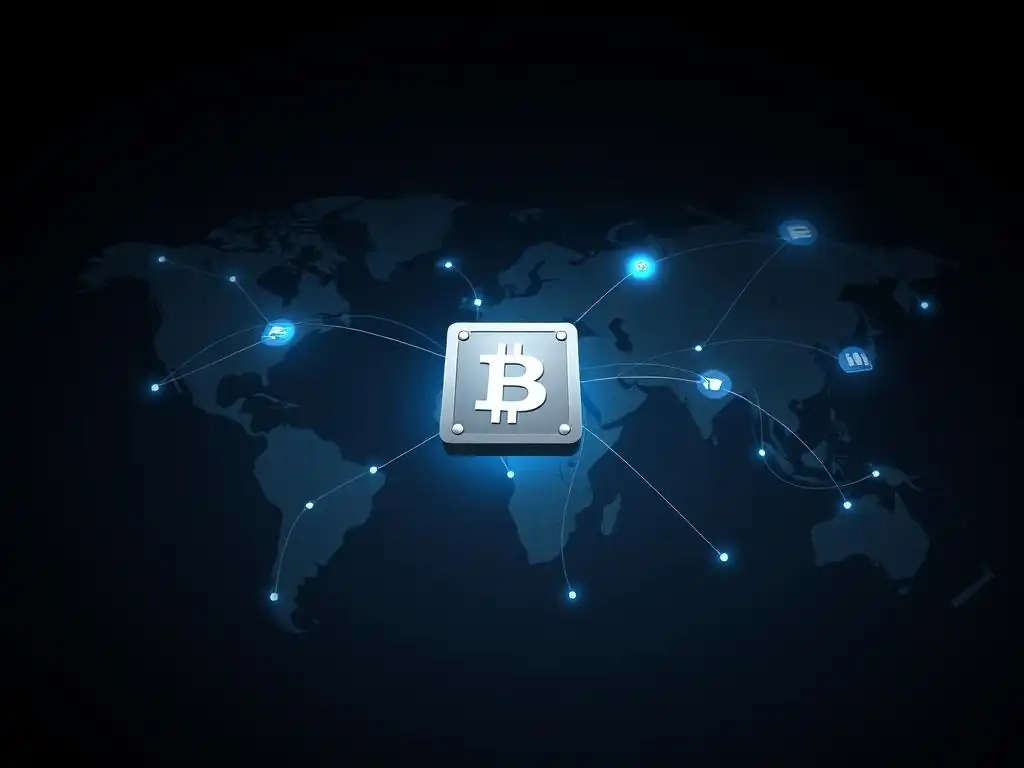
Emerging Technologies Complementing Blockchain in Supply Chains
The true power of blockchain in transforming supply chains is unlocked when it is integrated with other cutting-edge technologies. The Internet of Things (IoT), for instance, provides the crucial bridge between the physical world of goods and the digital ledger of the blockchain. IoT sensors on products or containers can automatically record data points such as location, temperature, and humidity directly onto the blockchain. This eliminates manual data entry errors and provides a near real-time, immutable record of a product's journey.
For example, tracking high-value pharmaceuticals or sensitive food items becomes significantly more reliable. Estimates suggest that the combination of IoT and blockchain could reduce tracking costs by up to 30% and improve data accuracy by over 50% in certain logistics scenarios. This synergy is critical for enhancing transparency and building trust among diverse supply chain participants.
Artificial Intelligence (AI) is another powerful complement to blockchain. While blockchain provides secure, tamper-proof data, AI can analyze this vast dataset to identify patterns, predict potential disruptions, optimize routes, and automate decision-making processes. AI algorithms can analyze blockchain transaction histories to detect fraudulent activities or identify bottlenecks in the supply chain flow.
Furthermore, AI can leverage the verifiable data from blockchain and IoT to improve forecasting accuracy, potentially reducing inventory costs by 15-20%. The combination allows for predictive maintenance of logistics assets, proactive risk management based on historical supply chain data, and the automation of complex processes, moving beyond simple tracking to intelligent, self-optimizing supply networks. Preparing for this future requires a comprehensive blockchain supply chain readiness assessment that considers the integration points with these complementary technologies.
The Role of Blockchain in Enhancing Supply Chain Resilience
Recent global events have underscored the critical need for resilient supply chains capable of withstanding disruptions. Blockchain's inherent characteristics — transparency, immutability, and decentralization — are fundamental building blocks for achieving this resilience. By providing a single, shared, tamper-proof source of truth about the movement and status of goods, blockchain allows supply chain partners to react faster and more effectively to disruptions.
If a shipment is delayed or rerouted due to unforeseen circumstances, all parties with access to the blockchain can see the updated status simultaneously, enabling quicker coordination and alternative planning. This visibility can significantly reduce the time it takes to identify the source of a problem, potentially by 50% or more in complex, multi-tier supply chains.
Furthermore, blockchain facilitates improved risk assessment and mitigation. The ability to trace the origin and history of every product or component allows companies to quickly identify which products or suppliers are affected by a disruption, such as a factory closure or a natural disaster in a specific region. This granular visibility supports more accurate impact analysis and targeted response efforts.
For instance, in the event of a recall, blockchain can pinpoint affected batches and their locations with high precision, drastically reducing the scope and cost of the recall, potentially by millions of dollars for large manufacturers. Building a truly resilient supply chain depends on having this level of verifiable data readily available, which is a key outcome of a successful blockchain supply chain readiness assessment and implementation.
Predictions for the Widespread Adoption of Blockchain in Supply Chains
Industry analysts widely predict a significant increase in blockchain adoption within supply chain management over the next few years. While early adoption was often focused on specific use cases like provenance tracking or trade finance, the focus is shifting towards end-to-end visibility and process automation across entire networks. Market reports suggest that the global blockchain in supply chain market, valued at billions in the early 2020s, is projected to grow at a compound annual growth rate (CAGR) exceeding 50% over the next five to seven years, reaching tens of billions.
This growth is driven by increasing demands for transparency, efficiency, and trust among consumers and businesses alike. Pilot projects are maturing into full-scale deployments in sectors like food and beverage, pharmaceuticals, logistics, and manufacturing.
The future will likely see blockchain becoming a foundational layer for digital supply networks. This involves not just tracking goods but also managing smart contracts for automated payments upon delivery verification, tokenizing assets for easier transfer of ownership, and creating decentralized marketplaces. Regulatory frameworks are also evolving to support blockchain use cases, further accelerating adoption.
While challenges remain, such as interoperability between different blockchain platforms and the need for industry-wide standards, the momentum is clear. Companies that have undergone a thorough blockchain supply chain readiness assessment and strategically planned their implementation are best positioned to capitalize on these trends and build the supply chains of the future.
Frequently Asked Questions
How does a Blockchain supply chain readiness assessment help my business?
A readiness assessment helps determine if your supply chain is prepared for blockchain integration. It identifies areas for improvement and highlights the potential benefits of implementing blockchain technology. This process ensures a strategic and efficient adoption.
What are the key components of a Blockchain supply chain readiness assessment?
Key components often include evaluating existing infrastructure, data management practices, stakeholder buy-in, and identifying potential use cases. It also looks at the regulatory landscape and the overall cost-benefit analysis for your specific supply chain.
What are some common challenges businesses face when preparing their supply chain for blockchain?
Common challenges include lack of understanding about blockchain, integrating with legacy systems, ensuring data privacy and security, and achieving interoperability with different blockchain networks. Stakeholder resistance and high initial investment costs can also be barriers.
Beyond cryptocurrencies, what are the main benefits of using blockchain in supply chain management?
Blockchain offers enhanced transparency and traceability throughout the supply chain. It can improve efficiency and reduce costs by automating processes and minimizing fraud. Further, it fosters trust and accountability among stakeholders.
How does a Blockchain supply chain readiness assessment contribute to strategic planning?
The assessment provides valuable insights into the feasibility and potential impact of blockchain on your supply chain. This allows for informed decision-making, strategic resource allocation, and the development of a realistic roadmap for blockchain adoption.
Final Reflection: Embracing Transparency in Tomorrow's Supply Chains
The journey of understanding and implementing blockchain within supply chains is not merely a technological upgrade, but a fundamental shift towards enhanced trust and verifiable transparency. The insights shared throughout this article highlight the critical need for organizations to proactively assess their readiness and strategically plan for this transformative technology. Ignoring this imperative risks falling behind in an increasingly interconnected and demanding global marketplace.
The impact of blockchain on supply chains extends far beyond simple tracking and tracing. It promises to revolutionize how we verify authenticity, manage risk, and foster collaboration across complex networks. This shift resonates deeply, as it speaks to a growing desire for ethical and sustainable practices in the products we consume and the processes that deliver them. The future of supply chains is not just about efficiency, but about building trust and resilience through transparency and collaboration.
- Unknown. This quote encapsulates the essence of what blockchain offers: a pathway to a more equitable and reliable global trade ecosystem.
As you consider the information presented, I encourage you to reflect on your own organization's position. Are you prepared to embrace the potential of blockchain to create a more transparent, efficient, and resilient supply chain? The time for assessment and strategic planning is now. Let's work together to build a future where every product's journey is verifiable, every transaction is secure, and every stakeholder benefits from a more trustworthy and connected world.
Unlock Blockchain's Potential in Your Supply Chain
Thank you for exploring how blockchain can transform your supply chain. We hope you've gained valuable insights into assessing your readiness and planning strategically. Now, let's translate that knowledge into action!
Here are a few steps you can take right now:
- Conduct a preliminary assessment of your organization's readiness for blockchain technology. This is a crucial first step to understanding your current position.
- Share this article with your supply chain team and initiate a discussion about possible blockchain use cases tailored to your organization. Collaboration is essential for successful implementation.
- Brainstorm at least three potential pilot projects where blockchain could solve existing challenges within your supply chain. Think creatively!
What are the biggest hurdles you anticipate in implementing blockchain within your supply chain, and what initial steps are you considering to address them? Share your thoughts below!
Leave a Reply