
RealTime Supply Chain Visibility: Achieving New Levels with Blockchain Technology

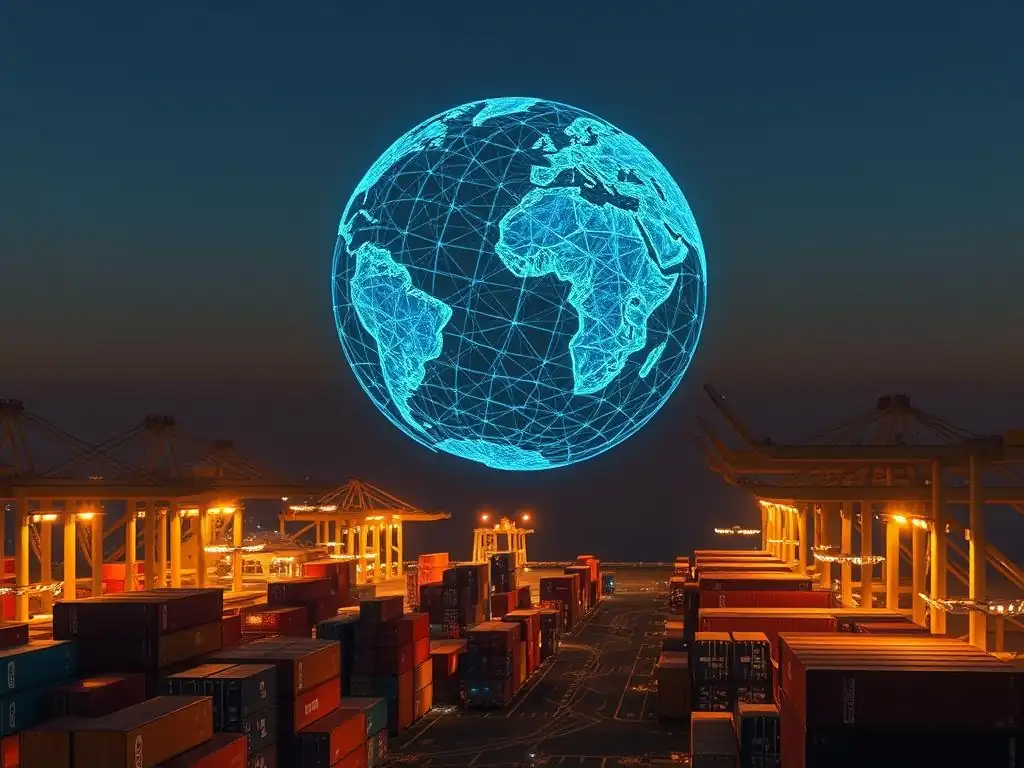
Welcome to Blockchain Trends, your guide to understanding the revolutionary power of blockchain beyond the hype! Are you ready to unlock the secrets to a more transparent and efficient future? Dive in to discover how blockchain is reshaping industries, starting with a deep dive into the blockchain supply chain visibility benefits that are transforming global logistics. Curious how this technology can revolutionize your operations? Keep reading to find out!
- Blockchain Supply Chain Visibility Benefits: A Deep Dive
-
Frequently Asked Questions
- What are the main benefits of using blockchain for supply chain visibility?
- How does blockchain improve real-time supply chain visibility?
- What are some practical applications of blockchain in supply chain management besides tracking?
- What are the regulatory challenges associated with using blockchain in supply chains?
- How can small and medium-sized enterprises (SMEs) benefit from adopting blockchain for supply chain visibility?
- Final Reflection: Embracing Transparency in the Supply Chain
- Unlock Supply Chain Efficiency: Dive Deeper!
Blockchain Supply Chain Visibility Benefits: A Deep Dive

Improved Transparency and Traceability with Blockchain
One of the most compelling blockchain supply chain visibility benefits is the unprecedented level of transparency and traceability it offers. By creating a shared, immutable ledger, blockchain allows all authorized participants in a supply chain – from raw material suppliers to end consumers – to access the same, verified information about a product's journey. This eliminates information silos and provides a single source of truth regarding origin, location, status, ownership transfers, and condition at various points. For instance, tracking the provenance of goods becomes significantly easier, allowing companies to quickly verify ethical sourcing or confirm product authenticity.
This enhanced transparency directly translates into superior traceability. If an issue arises, such as a product recall or quality concern, the blockchain record allows for rapid identification of the affected batches and pinpointing the exact stage in the supply chain where the problem occurred.
This is a major improvement over traditional systems that often rely on fragmented databases and paper records, which can take days or even weeks to reconcile. A real-world example is Walmart's use of blockchain for tracking mangoes, which reduced the time required to trace a product from farm to store from seven days to just seconds, showcasing a significant blockchain supply chain visibility benefits in terms of speed and accuracy.
Enhanced Security and Data Integrity for Supply Chain Operations
The inherent cryptographic nature of blockchain technology provides robust security and ensures data integrity, which are critical blockchain supply chain visibility benefits. Once data is recorded on the blockchain, it is virtually impossible to alter or delete it without the consensus of the network participants. Each transaction is cryptographically linked to the previous one, forming a chain that is resistant to tampering. This makes the data highly reliable and trustworthy, reducing the risk of fraud, errors, and unauthorized modifications throughout the supply chain lifecycle.
This enhanced security is particularly valuable when tracking high-value goods, sensitive materials, or items prone to counterfeiting. By creating an immutable record of every movement and handling event, companies can verify that products have not been replaced or tampered with during transit. For example, in the diamond industry, companies like De Beers are using blockchain to track diamonds from mine to retailer, creating a secure and verifiable history that assures authenticity and ethical sourcing. This security feature is a core blockchain supply chain visibility benefits, building trust among supply chain partners and with end consumers.
Reduced Costs and Streamlined Processes Through Blockchain Implementation
Implementing blockchain technology can lead to substantial reductions in operational costs and significant streamlining of supply chain processes – key blockchain supply chain visibility benefits. Automation through smart contracts eliminates the need for manual intervention in many transactional processes, such as payments triggered upon delivery confirmation or automated quality checks. This reduces administrative overhead, minimizes human errors, and accelerates workflows. The need for extensive paperwork and reconciliation across disparate systems is drastically reduced, freeing up resources.
Furthermore, the improved transparency and data integrity facilitated by blockchain lead to fewer disputes and faster resolution when they do occur, saving time and legal costs. Auditing processes also become more efficient as all relevant transactional data is readily available and verified on the shared ledger.
While initial implementation costs exist, companies often see a return on investment through reduced processing times, lower administrative expenses, and decreased losses due to fraud or errors. For instance, estimates suggest that blockchain could reduce supply chain administrative costs by 25% or more in certain industries by eliminating manual processes and improving data accuracy, highlighting a tangible blockchain supply chain visibility benefits in terms of bottom-line impact.
Frequently Asked Questions
What are the main benefits of using blockchain for supply chain visibility?
Using blockchain provides increased transparency and improved traceability throughout the supply chain. This leads to enhanced trust and reduced fraud.
How does blockchain improve real-time supply chain visibility?
Blockchain offers a shared, immutable ledger, allowing all participants to access the same information simultaneously. This real-time access ensures everyone is on the same page and reduces delays.
What are some practical applications of blockchain in supply chain management besides tracking?
Beyond tracking, blockchain facilitates smart contracts for automated payments and agreements. It also supports secure data sharing and efficient dispute resolution among partners.
What are the regulatory challenges associated with using blockchain in supply chains?
Regulations surrounding data privacy, such as GDPR, and cross-border transactions pose significant hurdles. Standardizing blockchain protocols and achieving regulatory compliance is crucial.
How can small and medium-sized enterprises (SMEs) benefit from adopting blockchain for supply chain visibility?
SMEs can leverage blockchain to enhance their reputation and gain a competitive edge by demonstrating transparency. It can also help them access new markets and build trust with larger partners.
Final Reflection: Embracing Transparency in the Supply Chain
The journey towards real-time supply chain visibility is no longer a futuristic concept, but a present-day necessity. As we've explored the transformative potential of blockchain technology, it's clear that its benefits extend far beyond mere efficiency gains. The ability to track goods from origin to consumer with unprecedented accuracy and transparency is reshaping industries and building trust in a world increasingly demanding accountability.
The impact of blockchain on supply chains is profound, influencing not only business operations but also ethical considerations. The ability to verify the provenance of goods, ensuring fair labor practices and sustainable sourcing, resonates deeply with my own commitment to responsible consumption. The supply chain is the backbone of global commerce, and blockchain is the nervous system that will bring it to life with unprecedented transparency and efficiency.
This quote encapsulates the potential for a more connected and ethical global marketplace, driven by the power of distributed ledger technology.
Now, as you consider the possibilities outlined in this article, I invite you to reflect on your own role in the supply chain ecosystem. Whether you're a consumer, a business owner, or a technology enthusiast, ask yourself: how can you leverage the principles of transparency and traceability to create a more sustainable and equitable future? The power to shape a better world, one block at a time, lies within each of us.
Unlock Supply Chain Efficiency: Dive Deeper!
Thank you for exploring how blockchain is transforming supply chain visibility. You've gained valuable insights into streamlining operations and increasing transparency. Now, it's time to take action and lead this innovative movement.
Here are some steps you can implement today:
- Identify a specific challenge in your supply chain and consider how blockchain technology could provide a solution.
- Join industry forums to connect with professionals who are already applying blockchain solutions and share your ideas.
- Subscribe to our weekly newsletter for exclusive case studies and updates on the latest blockchain innovations in supply chain management.
What is the biggest challenge your organization faces in adopting blockchain for better supply chain visibility? Share your thoughts in the comments below!
Leave a Reply