
The Rise of Decentralized Supply Chains: Is Blockchain the Answer to Global Resilience?

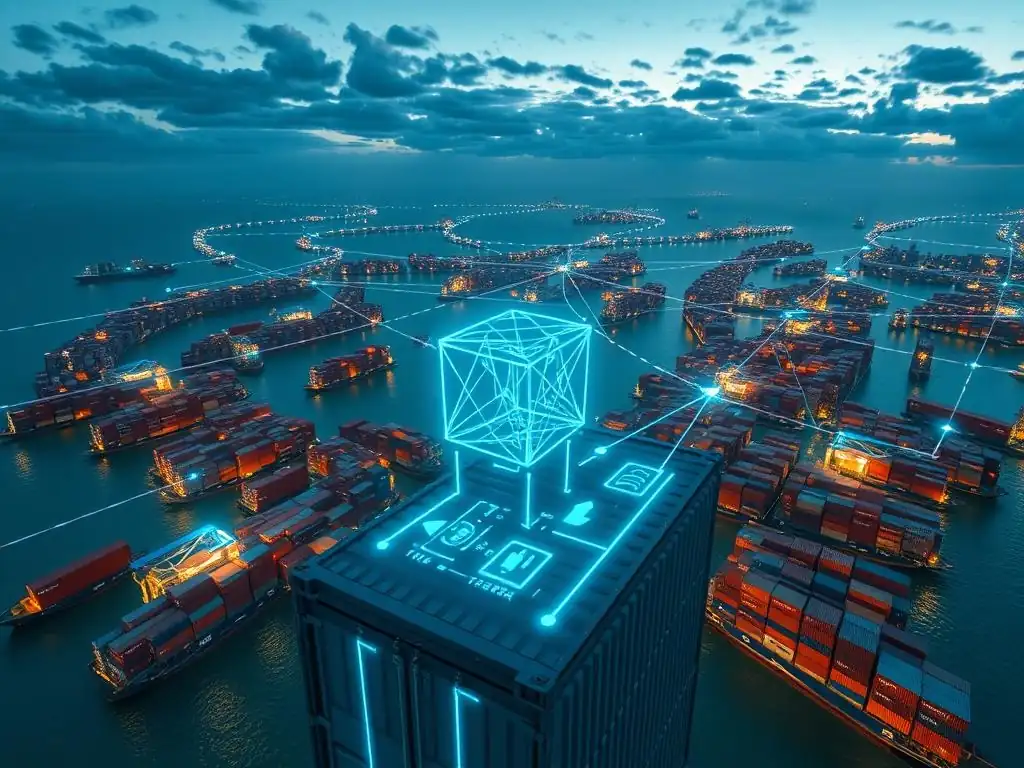
Welcome to Blockchain Trends, your compass in the ever-evolving world of decentralized technologies. Beyond the hype, we delve into the real impact of blockchain, from revolutionizing finance to reshaping industries. Intrigued by the challenges facing global supply chains? Discover how innovative blockchain supply chain resilience solutions are emerging as a powerful answer, enhancing transparency and security like never before. Read on to explore the potential and limitations of this transformative application.
- Introduction: Understanding the Need for Resilient Supply Chains
- Blockchain Supply Chain Resilience Solutions: An Overview
- How Blockchain Enhances Supply Chain Resilience: A Deep Dive
- Real-World Examples: Blockchain in Action for Supply Chain Resilience
- Addressing the Challenges of Blockchain Implementation in Supply Chains
- The Future of Blockchain in Supply Chain Resilience
- Conclusion: Embracing Blockchain for a More Resilient Global Supply Chain
-
Frequently Asked Questions
- What are some key challenges facing global supply chains today?
- How can blockchain technology enhance supply chain resilience?
- What are some real-world examples of blockchain being used in supply chain management?
- What are the regulatory considerations surrounding the use of blockchain in supply chains?
- What is the future outlook for blockchain adoption in supply chain management?
- Final Reflection: Forging a More Resilient Future
- Embrace the Future of Supply Chains!
Introduction: Understanding the Need for Resilient Supply Chains
The Vulnerability of Traditional Supply Chain Models
Traditional, linear supply chain models have long been the standard, built for efficiency and cost optimization in a relatively stable global environment. However, recent events have starkly exposed their inherent vulnerabilities. The COVID-19 pandemic, for instance, revealed how tightly coupled global networks could collapse under the strain of widespread disruptions, leading to critical shortages of everything from medical supplies to consumer electronics.
An estimated 94% of Fortune 1000 companies experienced supply chain disruptions due to the pandemic, highlighting the fragility of these complex systems. Furthermore, geopolitical tensions, natural disasters like hurricanes or earthquakes, and even localized issues such as port strikes or factory fires can send ripple effects throughout a global network, causing significant delays and financial losses. A single point of failure, whether a key manufacturing plant, a critical transportation hub, or a sole supplier, can bring an entire chain to a halt.
These traditional models often suffer from a lack of transparency and poor communication across disparate systems and organizations. Information silos are common, meaning that data about inventory levels, shipment statuses, or production delays is often fragmented and inaccessible to all necessary parties in real-time. This opacity makes it incredibly difficult to anticipate problems, react quickly when they occur, or trace the origin of issues like contaminated goods or counterfeit products.
The bullwhip effect, where small changes in consumer demand are amplified into larger and larger fluctuations further up the supply chain, is exacerbated by these delays and lack of visibility, leading to excess inventory in some places and shortages in others, ultimately increasing costs and reducing responsiveness. Building robust blockchain supply chain resilience solutions requires addressing these fundamental weaknesses.
The Promise of Decentralization in Supply Chain Management
Decentralization, a core principle of blockchain technology, offers a compelling alternative to the centralized, hierarchical structures prevalent in traditional supply chains. Instead of relying on a single point of control or a series of bilateral relationships, a decentralized network distributes information and decision-making capabilities across multiple participants. This inherent redundancy makes the system far less susceptible to failure from any single point. If one node or participant experiences an issue, the network as a whole can continue to operate, maintaining the flow of information and goods. This distributed architecture is foundational to developing effective blockchain supply chain resilience solutions.
By creating a shared, immutable ledger accessible to all authorized parties, blockchain technology can break down information silos and provide unprecedented transparency. Every transaction, movement, or status update recorded on the blockchain is visible to participants, creating a single source of truth. This shared visibility enables stakeholders – from suppliers and manufacturers to logistics providers and retailers – to have real-time insights into the state of the entire supply chain.
This enhanced collaboration and shared understanding are crucial for quickly identifying disruptions, understanding their scope, and coordinating a rapid, effective response. Decentralization, combined with transparency, forms the backbone of the resilience that blockchain can bring to complex logistical networks.
Blockchain Supply Chain Resilience Solutions: An Overview
Defining Blockchain-Based Resilience in Supply Chains
Blockchain-based resilience in supply chains refers to the capacity of a supply network, underpinned by distributed ledger technology, to withstand disruptions, adapt to changing conditions, and recover quickly from unexpected events. It moves beyond simple efficiency to prioritize robustness, transparency, and agility. At its core, it leverages the inherent properties of blockchain – immutability, transparency, security, and decentralization – to create a more reliable and trustworthy flow of goods and information.
Unlike traditional systems where information is often siloed, incomplete, or easily tampered with, a blockchain provides a single, shared, and verifiable record accessible to all permissioned participants. This foundational layer of trust and shared reality is essential for building systems capable of absorbing shocks and maintaining operations.
Implementing blockchain supply chain resilience solutions means building networks where data about transactions, movements, and conditions is recorded in a way that is tamper-evident and verifiable by all parties. This allows for rapid identification of bottlenecks or points of failure. For example, if a shipment is delayed, its last recorded location and status are immediately available on the ledger, enabling quick investigation and alternative planning.
Furthermore, smart contracts can automate responses to predefined events, such as rerouting shipments based on real-time congestion data or automatically triggering insurance claims upon verified damage. This proactive and reactive capability, built upon a foundation of trustworthy data, significantly enhances the network's ability to navigate uncertainty and maintain continuity.
Key Benefits of Blockchain for Enhanced Supply Chain Security and Stability
Blockchain technology offers several key benefits that directly contribute to enhanced supply chain security and stability, making it a powerful tool for implementing blockchain supply chain resilience solutions. Firstly, the immutability of the ledger ensures data integrity. Once a transaction or data point is recorded on the blockchain, it is extremely difficult and computationally expensive to alter or delete. This means that audit trails are reliable and transparent, making it easier to verify the authenticity of products and processes, thereby enhancing security against fraud and errors. This secure record-keeping is vital for maintaining stability, especially in complex, multi-party environments.
Secondly, blockchain enhances security through cryptography and decentralization. Data is encrypted, and access is permission-based in enterprise settings, protecting sensitive information. The distributed nature of the ledger means there is no single point of attack that can compromise the entire system, unlike centralized databases which are often prime targets for cybercriminals.
This distributed security model significantly improves the overall stability of the information infrastructure supporting the supply chain. Thirdly, the transparency offered by a shared ledger, while controlled through permissions, allows for greater accountability among participants. Discrepancies or malicious activities are more easily detected, deterring bad actors and fostering a more secure and stable operating environment for all stakeholders involved in the supply chain.
How Blockchain Enhances Supply Chain Resilience: A Deep Dive
Enhanced Transparency and Traceability with Blockchain
Tracking Products from Origin to Consumer using Blockchain Technology
One of the most significant contributions of blockchain to supply chain resilience is its ability to create an end-to-end, transparent, and immutable record of a product's journey. By assigning a unique identifier (like a QR code or serial number) to a product or batch and recording key events on a blockchain ledger at each stage – from sourcing raw materials, through manufacturing, packaging, shipping, customs clearance, warehousing, distribution, and finally to the retailer or end consumer – a complete and verifiable history is established.
Each entry typically includes details such as the location, timestamp, parties involved, and relevant certifications or conditions (e.g., temperature for perishables). This creates a digital thread that mirrors the physical flow of goods.
This detailed, step-by-step recording on an immutable ledger provides unprecedented visibility into the supply chain. Stakeholders with appropriate permissions can access this shared record to see exactly where a product has been, who handled it, and when. This level of transparency is invaluable during disruptions.
For example, if a batch of products is recalled due to a quality issue originating from a specific factory or a particular shipment route experienced a delay, the blockchain record allows for rapid identification of all affected items and their current locations. This drastically reduces the time and cost associated with recalls or investigations compared to sifting through disparate, often incomplete, paper records or centralized databases. The ability to pinpoint issues quickly and accurately is fundamental to building effective blockchain supply chain resilience solutions.
Reducing Counterfeiting and Fraud in Supply Chains
Counterfeiting and fraud pose significant threats to supply chain integrity, leading to financial losses, damage to brand reputation, and even risks to public health (e.g., in pharmaceuticals or food). Blockchain's inherent properties offer a powerful defense against these issues. By recording the origin and subsequent movements of a product or its components on an immutable ledger, blockchain creates a verifiable chain of custody.
Consumers, regulators, and businesses can potentially scan a product's unique identifier (like a QR code) and verify its authenticity by checking its history against the trusted record on the blockchain. Any attempt to introduce counterfeit goods or tamper with legitimate products would either not have a corresponding record on the blockchain or would show inconsistencies in the recorded history, making the fraud immediately apparent.
Furthermore, blockchain can secure certificates of authenticity, compliance documents, and other critical credentials associated with a product. Instead of relying on easily forgeable paper certificates, digital certificates can be hashed and stored on the blockchain, linked to the specific product identifier.
This ensures that claims about a product's origin (e.g., "organic," "fair trade"), quality, or compliance with specific standards are verifiable and cannot be easily faked. The transparency and immutability of the blockchain ledger act as a powerful deterrent to fraudulent activities throughout the supply chain, enhancing security and stability, which are key components of effective blockchain supply chain resilience solutions.
Improved Efficiency and Reduced Costs through Decentralization
Streamlining Processes with Smart Contracts in Supply Chain
Smart contracts are self-executing contracts with the terms of the agreement directly written into code. They reside on the blockchain and automatically execute predefined actions when specific conditions are met and verified by the network. In supply chains, smart contracts can automate numerous manual, time-consuming, and error-prone processes, significantly enhancing efficiency.
For example, a smart contract can be programmed to automatically release payment to a supplier as soon as a shipment is verified as received and undamaged at a destination port, based on data feeds from IoT sensors or confirmation from authorized parties recorded on the blockchain. This eliminates the need for manual invoicing, verification, and payment initiation processes, which often involve extensive paperwork and can take days or weeks.
Beyond payments, smart contracts can automate many other aspects of supply chain execution. They can automatically trigger the next step in a process, such as initiating the next leg of shipping or ordering replenishment inventory, based on real-time data updates on the blockchain. They can also automate compliance checks by verifying if necessary certifications (e.g., customs documents, quality checks) are recorded on the ledger before allowing a product to move to the next stage.
This automation reduces administrative overhead, minimizes human error, and accelerates the flow of goods and information, leading to increased efficiency and reduced operational costs. Implementing smart contracts is a key aspect of developing innovative blockchain supply chain resilience solutions.
Automating Payments and Reducing Transaction Costs
Traditional supply chain finance and payment processes are often complex, involving multiple intermediaries (banks, payment processors), lengthy reconciliation procedures, and significant transaction fees, especially in cross-border transactions. Blockchain and cryptocurrencies or stablecoins can revolutionize this by enabling peer-to-peer payments directly between parties on the network, bypassing traditional financial intermediaries. Smart contracts, as discussed, can automate these payments based on the fulfillment of contractual obligations recorded on the blockchain, such as delivery confirmation or quality inspection sign-off. This automation eliminates manual processing steps and reduces the potential for payment disputes.
Furthermore, transactions on a blockchain network can often be significantly cheaper and faster than traditional wire transfers, particularly for international payments. While public blockchains like Bitcoin or Ethereum can have variable fees and confirmation times, enterprise or permissioned blockchains designed for business applications typically offer much faster transaction speeds and lower, more predictable costs.
Reducing the friction and cost associated with financial settlements in the supply chain frees up working capital, improves cash flow for suppliers (especially small and medium-sized enterprises), and ultimately contributes to a more financially stable and resilient supply chain ecosystem. These financial efficiencies are a tangible benefit of deploying blockchain supply chain resilience solutions.
Enhanced Security and Data Integrity Using Blockchain Technology
Immutable Records for Enhanced Auditability
The immutability of blockchain records is a cornerstone of its security and a vital feature for enhancing auditability within supply chains. Once a transaction or data point is added to the blockchain, it is cryptographically linked to the previous block, forming a chain that is extremely difficult to alter or delete without the consensus of the network.
This means that every event related to a product or process, once recorded, creates a permanent, tamper-evident audit trail. If a discrepancy arises – perhaps a question about when a product was shipped, who handled it, or whether it met specific quality standards – the blockchain provides a reliable, verifiable history that all authorized parties can trust.
This enhanced auditability is crucial for compliance, dispute resolution, and continuous process improvement. Regulatory bodies can easily verify adherence to standards (e.g., food safety regulations, ethical sourcing requirements) by examining the immutable records on the blockchain. In cases of disputes between parties, the blockchain serves as an objective, shared source of truth that can quickly clarify timelines and responsibilities.
Furthermore, having a complete and trustworthy history of operations allows companies to analyze their supply chain performance with accurate data, identify bottlenecks or inefficiencies, and implement targeted improvements. This verifiable data foundation is key to building transparent and accountable blockchain supply chain resilience solutions.
Protecting Sensitive Supply Chain Data with Encryption
While blockchain is often associated with transparency, it also offers robust mechanisms for protecting sensitive data through cryptography and access control. In enterprise or permissioned blockchain networks, data is typically encrypted both in transit and at rest. Furthermore, access to specific data points or transaction details can be restricted based on predefined permissions.
Participants only see the information relevant and necessary for their role in the supply chain, ensuring confidentiality while still maintaining the integrity and shared visibility of the overall process flow. For instance, a logistics provider might only see shipping details and location updates, while a financial institution might only see payment triggers and confirmations, and a regulator might have access to compliance documentation hashes.
Sensitive commercial data, such as pricing agreements or specific manufacturing processes, does not necessarily need to be stored directly on the public blockchain. Instead, a hash (a unique digital fingerprint) of the document or data can be stored on the ledger, proving its existence and integrity at a specific time, while the actual sensitive data remains stored off-chain in secure, permissioned databases.
This hybrid approach allows organizations to leverage the security and immutability of blockchain for verification and auditability without exposing proprietary information. By combining cryptographic security, permissioned access, and flexible data storage strategies, blockchain technology can protect sensitive supply chain data effectively, building trust and enabling collaboration among parties while enhancing the overall security and stability of the network – vital aspects of comprehensive blockchain supply chain resilience solutions.
Real-World Examples: Blockchain in Action for Supply Chain Resilience
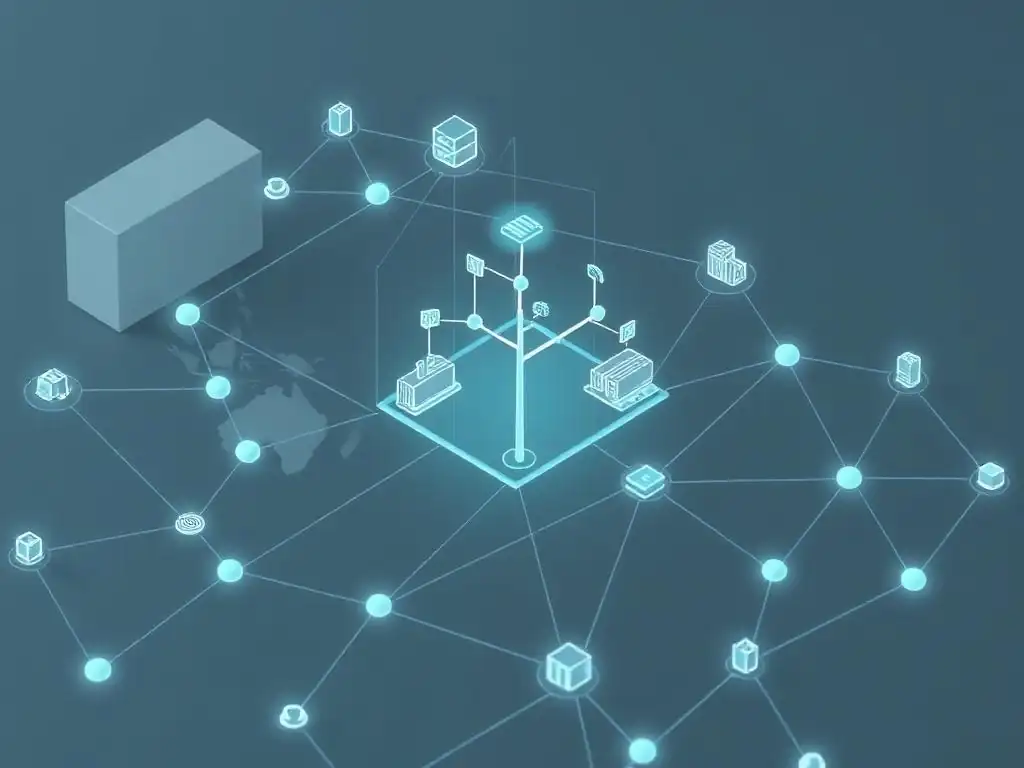
Case Study 1: Maersk & IBM - Implementing Blockchain for Increased Traceability
One of the most prominent real-world examples of blockchain being used for supply chain transformation is the TradeLens platform, a collaboration initially between Maersk, the world's largest container shipping company, and IBM. Launched in 2018, TradeLens is a blockchain-based platform designed to provide a single, shared view of containerized freight shipments across the globe.
The platform brings together shippers, shipping lines, freight forwarders, port and terminal operators, inland transportation, and customs authorities onto a shared, permissioned blockchain network built on Hyperledger Fabric. The goal was to improve the visibility, efficiency, and security of global trade, inherently building blockchain supply chain resilience solutions for maritime logistics.
Before TradeLens, tracking a container often involved complex, paper-based processes and communication across numerous disparate systems, sometimes involving up to 200 interactions and documents for a single shipment. This lack of real-time visibility and coordination led to delays, increased costs, and vulnerability to errors or fraud.
TradeLens allows all parties involved in a shipment, with appropriate permissions, to access and update immutable transaction data as the container moves through its journey. This includes details like booking confirmations, arrival/departure times, customs releases, and cargo status.
By providing a single source of truth and real-time updates, TradeLens helps participants quickly identify potential bottlenecks, react to unforeseen delays more effectively, and reduce the administrative burden associated with global shipping, making the supply chain more robust and responsive to disruptions. While the platform has faced challenges in achieving widespread adoption across the entire industry, the initial deployments demonstrated significant potential for enhancing traceability and efficiency in complex logistics.
Case Study 2: Walmart - Using Blockchain to Track Food Safety and Reduce Waste
Walmart has been a pioneer in leveraging blockchain technology to enhance food safety and traceability within its supply chain, showcasing a powerful application of blockchain supply chain resilience solutions for perishable goods. In 2018, following outbreaks of foodborne illnesses linked to contaminated produce, Walmart mandated that its leafy green suppliers implement blockchain-based tracking using IBM's Food Trust platform, also built on Hyperledger Fabric. The primary objective was to dramatically reduce the time it takes to trace the origin of contaminated food products back to the farm.
Before implementing blockchain, tracing the origin of a food product within Walmart's supply chain could take up to seven days, involving manual checks of paper records and disparate databases across multiple intermediaries. This delay meant that potentially contaminated food remained on shelves longer, increasing the risk to consumers and leading to massive product recalls and waste.
With the Food Trust blockchain, Walmart demonstrated the ability to trace the origin of a package of sliced mangoes from shelf back to the farm in just 2.2 seconds. This near-instantaneous traceability allows Walmart and public health officials to quickly identify the source of contamination, isolate affected products precisely, and remove them from sale much faster.
This not only improves food safety and protects consumers but also minimizes the scope of recalls, reducing food waste and protecting the financial stability of suppliers. This case highlights how blockchain can build critical resilience against health and safety crises in the food supply chain.
Case Study 3: De Beers - Improving Diamond Supply Chain Transparency with Blockchain
The diamond industry has historically faced challenges related to transparency, ethical sourcing, and preventing the flow of conflict diamonds. De Beers, a leading diamond company, launched the Tracr platform, a blockchain-based initiative, to address these issues and provide enhanced traceability for natural diamonds, demonstrating a specific type of blockchain supply chain resilience solution focused on provenance and ethics. Tracr assigns a unique digital identity to each rough diamond over a carat and records its journey from mine to cutter and polisher, then to the jeweler, and finally to the retailer.
The platform records immutable data points at each stage, including weight, color, clarity, cut, certification details, and ownership changes. This creates a secure and verifiable digital trail for each diamond, linking it to its origin and providing assurance of its authenticity and ethical sourcing. For consumers, this means they can potentially verify the provenance of their diamond, building trust in the purchase.
For De Beers and other participants, it enhances security against fraud and counterfeiting, improves efficiency in tracking inventory, and provides a robust system for proving compliance with ethical and regulatory standards. By bringing unprecedented transparency and auditability to a previously opaque supply chain, Tracr helps build resilience against reputational damage and regulatory scrutiny, ensuring the integrity of the diamond value chain.
Addressing the Challenges of Blockchain Implementation in Supply Chains
Scalability Issues and Potential Solutions
One of the significant technical challenges facing the widespread adoption of blockchain in complex, high-volume supply chains is scalability. Traditional blockchains, particularly public ones like Bitcoin or early Ethereum, are limited in the number of transactions they can process per second. Bitcoin, for instance, handles around 7 transactions per second (tps), while early Ethereum handled about 15 tps.
Modern supply chains often involve millions of transactions daily across numerous participants and products, requiring systems capable of handling hundreds or thousands of transactions per second. Public blockchain limitations can lead to slow processing times and high transaction fees, making them impractical for many supply chain use cases.
Fortunately, significant progress has been made in developing more scalable blockchain solutions tailored for enterprise use. Permissioned blockchains, such as Hyperledger Fabric (used by TradeLens and Food Trust) and R3 Corda, are designed with higher throughput and lower latency in mind. These platforms can achieve thousands of transactions per second by limiting participation to known, authorized entities and employing different consensus mechanisms.
Furthermore, layer 2 scaling solutions, sharding (breaking the blockchain into smaller, more manageable pieces), and specialized consensus algorithms like Proof-of-Authority or Proof-of-Stake are being explored and implemented to increase transaction capacity. While scalability remains a key consideration, ongoing technological advancements are rapidly improving the viability of blockchain supply chain resilience solutions for large-scale deployments.
Interoperability Challenges and the Need for Standards
Another hurdle for implementing comprehensive blockchain supply chain resilience solutions is interoperability. Global supply chains are vast networks involving numerous companies, each potentially using different software systems (ERP, WMS, TMS) and potentially different blockchain platforms or versions. Ensuring seamless data exchange and communication between these disparate systems and networks is complex. A shipment might start on one company's blockchain, move to another's, and interact with legacy databases and IoT devices along the way. Without established standards for data formats, communication protocols, and cross-chain interactions, information flow can become fragmented, defeating the purpose of a unified, transparent ledger.
Efforts are underway to address these interoperability challenges. Industry consortia and standards bodies are working on developing common protocols and data models for supply chain data on blockchain. Initiatives like the Global Standards for Supply Chain (GS1) are exploring how their existing identifiers (like barcodes and QR codes) and data standards can be integrated with blockchain technology.
Furthermore, technologies like cross-chain bridges, atomic swaps, and standardized APIs are being developed to enable different blockchain networks and legacy systems to communicate and share data securely. Achieving true interoperability is critical for building interconnected blockchain supply chain resilience solutions that span entire ecosystems rather than isolated company use cases.
Regulatory Hurdles and Compliance Considerations
Implementing blockchain in supply chains also navigates a complex and evolving regulatory landscape. Data privacy regulations, such as the General Data Protection Regulation (GDPR) in Europe or the California Consumer Privacy Act (CCPA) in the US, pose significant questions for a technology designed for immutability. If personal data is recorded on an immutable blockchain, how can the "right to erasure" (right to be forgotten) under GDPR be reconciled? Furthermore, regulations vary significantly across jurisdictions regarding data sovereignty, electronic signatures, and the legal status of smart contracts. Navigating these varied legal frameworks adds complexity to cross-border blockchain deployments.
Companies deploying blockchain supply chain resilience solutions must carefully consider what data is stored on-chain versus off-chain and how access is managed to comply with privacy laws. Storing hashes of documents on-chain while keeping the sensitive data off-chain in compliant databases is one strategy. Using permissioned networks where participants are identified and subject to legal agreements also helps manage compliance.
Furthermore, the legal enforceability of smart contracts is still being defined in many jurisdictions, requiring careful legal review and potentially hybrid approaches that combine smart contracts with traditional legal agreements. As governments and international bodies gain a better understanding of blockchain, clearer guidelines and potentially harmonized regulations are expected, which will facilitate broader adoption and implementation of blockchain supply chain resilience solutions.
The Future of Blockchain in Supply Chain Resilience
Emerging Trends and Innovations in Blockchain Supply Chain Technology
The field of blockchain for supply chain is rapidly evolving, with several emerging trends and innovations poised to enhance its resilience capabilities further. One significant trend is the deeper integration of Internet of Things (IoT) devices with blockchain. IoT sensors can automatically record real-time data – such as temperature, humidity, location, or shock detection – directly onto the blockchain ledger as immutable transactions.
This reduces manual data entry errors and provides a continuous, trustworthy stream of information about product conditions and location, crucial for monitoring sensitive goods and reacting quickly to deviations. For example, tracking the cold chain for vaccines or food becomes highly reliable when sensor data is immutably recorded on a blockchain, enhancing blockchain supply chain resilience solutions for perishables.
Another key innovation is the development of decentralized identifiers (DIDs) and verifiable credentials. DIDs allow entities (people, organizations, devices) to have self-sovereign digital identities managed on a blockchain, independent of any central authority. Verifiable credentials are tamper-evident digital certificates issued by trusted parties and stored or referenced on the blockchain.
Together, these technologies can revolutionize counterparty risk management and compliance in supply chains. Instead of relying on traditional, often cumbersome methods to verify a supplier's certifications (e.g., organic, fair trade, quality standard), their verifiable credentials can be instantly and cryptographically verified via the blockchain, streamlining onboarding and ensuring compliance throughout the network, thereby strengthening the overall resilience of the blockchain supply chain.
The Role of Blockchain in Building More Sustainable and Ethical Supply Chains
Beyond operational efficiency and resilience against disruptions, blockchain technology is increasingly being recognized for its potential to support the development of more sustainable and ethical supply chains. The inherent transparency and traceability offered by blockchain can provide verifiable proof of compliance with environmental and social standards.
For instance, companies can use blockchain to track the origin of raw materials and verify that they were sourced sustainably or without the use of child labor. Certificates of compliance, such as carbon footprint certifications or fair trade labels, can be recorded as verifiable credentials on the blockchain, providing consumers and regulators with trusted information about a product's ethical journey.
Blockchain can also facilitate carbon footprint tracking throughout the supply chain. By recording every movement and process step, and integrating data from energy consumption sensors or carbon accounting systems, a verifiable ledger of a product's environmental impact can be created. This enables companies to accurately measure their scope 3 emissions (emissions from their value chain), identify areas for improvement, and credibly report their sustainability efforts.
Projects are also exploring using blockchain for tracking and verifying the recycling or disposal of products at the end of their lifecycle, contributing to circular economy initiatives. By providing a trustworthy platform for recording and verifying sustainability and ethical claims, blockchain supply chain resilience solutions can help businesses build trust with stakeholders and mitigate risks associated with unethical practices or environmental damage.
Predictions for the Adoption of Blockchain Supply Chain Resilience Solutions
Experts predict significant growth in the adoption of blockchain supply chain resilience solutions in the coming years. While challenges related to scalability, interoperability, and regulation persist, the demonstrated benefits in pilot projects and early deployments are driving increasing interest. Market research reports consistently forecast substantial growth in the blockchain in supply chain market.
For example, some reports estimate the market size, which was around a few hundred million USD in the mid-2020s, could grow to several billions of USD by the late 2020s or early 2030s, representing a compound annual growth rate (CAGR) potentially exceeding 50%. This indicates a strong belief in the technology's potential.
Adoption is expected to accelerate first in industries where traceability, security, and combating counterfeiting are paramount, such as pharmaceuticals, food and beverage, luxury goods, and aerospace. As the technology matures, standards emerge, and implementation costs potentially decrease, broader adoption across manufacturing, retail, and logistics is anticipated.
The increasing frequency and severity of global supply chain disruptions (pandemics, geopolitical events, climate change impacts) are also acting as powerful drivers, pushing companies to invest in technologies that enhance resilience. While widespread, fully integrated blockchain networks across entire global supply chains may still be years away, the trajectory suggests that blockchain supply chain resilience solutions will become an increasingly standard component of future supply chain management strategies.
Conclusion: Embracing Blockchain for a More Resilient Global Supply Chain
The Transformative Potential of Blockchain in Supply Chain Management
Blockchain technology holds truly transformative potential for supply chain management, moving it from opaque, linear, and vulnerable systems towards transparent, interconnected, and highly resilient networks. By providing an immutable, shared ledger accessible to all authorized participants, blockchain fundamentally changes how information flows and how trust is established across complex ecosystems. This shift enables unparalleled traceability, allowing companies and consumers alike to verify the journey and authenticity of products from origin to destination. This enhanced visibility is critical for identifying issues quickly, whether they relate to delays, quality problems, or ethical sourcing concerns.
Furthermore, the integration of smart contracts automates complex processes, reducing manual effort, minimizing errors, and accelerating transactions, including cross-border payments. This not only drives efficiency and reduces costs but also improves cash flow for participants, strengthening the financial stability of the network. The inherent security features of blockchain – cryptography, decentralization, and immutability – build a robust defense against fraud, counterfeiting, and cyber threats, ensuring the integrity of both data and goods within the chain.
Collectively, these capabilities empower supply chains to be more agile, responsive, and capable of withstanding the shocks and disruptions that are becoming increasingly common in the global environment. The implementation of blockchain supply chain resilience solutions is not just an technological upgrade; it's a strategic imperative for the future.
Preparing for the Future: Investing in Blockchain Supply Chain Resilience Solutions
Given the clear benefits and the growing imperative for resilience, investing in blockchain supply chain resilience solutions is becoming a critical step for businesses aiming to thrive in an unpredictable global landscape. Companies should begin by assessing their current supply chain vulnerabilities and identifying specific areas where blockchain's strengths in transparency, traceability, and security can provide the most value. This might involve pilot projects focused on high-value goods, critical components, or segments of the supply chain most susceptible to disruption or fraud.
Building the necessary expertise, fostering collaboration with supply chain partners, and carefully selecting the appropriate blockchain platform (e.g., permissioned vs. public, specific industry consortia platforms) are essential steps in this journey. While challenges related to scalability, interoperability, and regulatory compliance require careful consideration and planning, the technology and ecosystem are rapidly maturing.
Embracing blockchain technology is not merely about adopting a new tool; it's about fundamentally reimagining the supply chain as a decentralized, collaborative network built on trust and transparency. Those who proactively invest in and implement robust blockchain supply chain resilience solutions will be better positioned to navigate future uncertainties, build stronger relationships with partners and customers, and gain a significant competitive advantage in the global market.
Frequently Asked Questions
What are some key challenges facing global supply chains today?
Global supply chains face significant challenges including lack of transparency, vulnerability to disruptions, and inefficiencies in tracking goods. These issues can lead to delays, increased costs, and reduced consumer trust.
How can blockchain technology enhance supply chain resilience?
Blockchain offers enhanced resilience through its decentralized and immutable ledger. This facilitates real-time tracking, improved data accuracy, and reduced reliance on single points of failure, making supply chains more resistant to disruptions.
What are some real-world examples of blockchain being used in supply chain management?
Examples include tracking food products from farm to table, verifying the authenticity of luxury goods, and managing pharmaceutical supply chains to prevent counterfeiting. These demonstrate improved traceability and enhanced trust.
What are the regulatory considerations surrounding the use of blockchain in supply chains?
Regulatory frameworks are still evolving, but key considerations include data privacy regulations (like GDPR), compliance with industry-specific standards, and ensuring interoperability between different blockchain systems.
What is the future outlook for blockchain adoption in supply chain management?
The future looks promising, with increasing adoption driven by the need for greater transparency and resilience. Expect to see more sophisticated blockchain supply chain resilience solutions and wider integration across industries.
Final Reflection: Forging a More Resilient Future
The exploration of decentralized supply chains and the potential of blockchain technology culminates in a crucial understanding: the future of global commerce hinges on resilience. The vulnerabilities exposed in recent years have made it abundantly clear that traditional, centralized systems are simply not equipped to withstand the complexities and disruptions of the modern world. Blockchain, while not a silver bullet, offers a compelling framework for building more transparent, secure, and ultimately, more resilient supply chains.
This shift towards decentralized models is not merely a technological upgrade; it represents a fundamental change in how we perceive and manage global trade. The promise of increased transparency and traceability resonates deeply, offering a pathway towards greater accountability and ethical sourcing. The supply chain is like a river: if you want to know what's downstream, you have to look upstream.
This quote encapsulates the core challenge – and the potential solution – that blockchain addresses, allowing us to trace products back to their origins and ensure responsible practices.
As we move forward, let us not simply adopt blockchain as another technological tool, but rather embrace it as a catalyst for building a more equitable and sustainable future. Consider how you, as a consumer, a business owner, or a policymaker, can contribute to the development and implementation of blockchain supply chain resilience solutions. The power to forge a more resilient and transparent world lies within our collective action.
Embrace the Future of Supply Chains!
Thank you for taking the time to explore the transformative power of decentralized supply chains and blockchain technology with us. We hope you now have a clearer understanding of how this innovation can enhance global resilience and efficiency. It's time to take action!
Here are a few steps you can take to get involved and further your knowledge:
- Dive Deeper: Explore blockchain platforms and tools that are making waves in supply chain management. Start experimenting with a project or software that resonates with you.
- Connect with Innovators: Join forums or online communities focused on blockchain in supply chains. Share your insights and learn from others who are as passionate about this topic as you are!
- Spread the Word: Discuss what you've learned with your peers or on social media. Raising awareness can inspire others to think about the potential of blockchain.
What innovative solutions do you believe could emerge from adopting decentralized supply chains in your industry? Share your thoughts below!
Leave a Reply