
The Role of Blockchain in Automotive Supply Chains: Tracking Parts and Ensuring Authenticity


Welcome to Blockchain Trends, your guide to understanding the revolutionary impact of blockchain technology. Beyond the hype of cryptocurrencies, we delve into its transformative power across various industries.
Curious about how blockchain is reshaping sectors like automotive? This week, we're focusing on Blockchain Automotive Supply Chain Tracking. Discover how this innovative application is ensuring parts authenticity, improving transparency, and revolutionizing the way vehicles are built and delivered. Explore the intricacies and potential benefits – you might be surprised by what you find!
The Role of Blockchain in Automotive Supply Chains: Tracking Parts and Ensuring Authenticity
- Introduction: Revolutionizing Automotive Supply Chains with Blockchain Technology
- Understanding the Automotive Supply Chain Landscape
- Blockchain Automotive Supply Chain Tracking: A Detailed Explanation
-
Benefits of Blockchain for Automotive Supply Chain Management
- Enhanced Traceability of Automotive Parts from Origin to Assembly
- Improved Supply Chain Efficiency and Reduced Lead Times
- Increased Transparency and Accountability Among Supply Chain Partners
- Combating Counterfeit Parts with Blockchain-Based Authentication
- Streamlined Compliance and Regulatory Reporting in the Automotive Sector
- Implementing Blockchain Solutions for Automotive Supply Chains
- Real-World Examples: Blockchain Automotive Supply Chain Use Cases
- The Future of Blockchain in Automotive Supply Chains
- Conclusion: Blockchain as a Catalyst for a More Secure and Transparent Automotive Supply Chain
-
Frequently Asked Questions
- How can blockchain technology improve the automotive supply chain?
- What are the key benefits of using blockchain for automotive parts tracking?
- How does blockchain help ensure the authenticity of automotive parts?
- What are some of the challenges in implementing blockchain in the automotive supply chain?
- What is the future outlook for blockchain adoption in the automotive supply chain?
- Final Reflection: Securing the Road Ahead with Blockchain
- Unlock the Future: Revolutionize Automotive Trust with Blockchain!
Introduction: Revolutionizing Automotive Supply Chains with Blockchain Technology
The Growing Need for Transparency in Automotive Part Sourcing
The automotive industry operates within one of the most complex and globally distributed supply chains in the world. Components often travel across multiple continents, passing through numerous intermediaries before reaching the final assembly plant. This multi-tiered structure, sometimes involving hundreds or even thousands of suppliers for a single vehicle, creates significant challenges in achieving true end-to-end visibility. Stakeholders, from original equipment manufacturers (OEMs) to regulatory bodies and ultimately consumers, increasingly demand transparency regarding the origin, quality, and ethical sourcing of parts, driven by concerns over safety, sustainability, and corporate responsibility.
Furthermore, geopolitical shifts, trade uncertainties, and the increasing complexity of vehicle technology (especially with electric vehicles and advanced electronics) amplify the need for clear, verifiable information about every component. Without robust systems for tracking parts, identifying the source of defects becomes a time-consuming and expensive process. The lack of immediate, trustworthy data hinders efficient recall management and makes it difficult to verify compliance with stringent industry standards and environmental regulations across the entire supply network.
How Blockchain Addresses Challenges in the Automotive Industry Supply Chain
Blockchain technology offers a promising solution to many of the inherent challenges within the traditional automotive supply chain. By providing a decentralized, immutable, and transparent ledger, it can create a single, shared source of truth accessible to authorized participants across the network. This shared ledger can record every transaction and movement of a part, from its raw material stage through manufacturing, assembly, distribution, and even potentially end-of-life recycling.
Implementing blockchain automotive supply chain tracking allows for real-time or near real-time visibility into the location and status of components. This enhanced visibility helps reduce lead times, optimize inventory management, and improve forecasting accuracy. Crucially, the inherent security features of blockchain, such as cryptographic hashing and consensus mechanisms, make it extremely difficult for malicious actors to alter records, thereby significantly mitigating risks associated with data manipulation and the introduction of counterfeit parts.
Understanding the Automotive Supply Chain Landscape
Complexities and Pain Points in Traditional Automotive Supply Chains
Traditional automotive supply chains are characterized by their vast scale and hierarchical structure. An OEM sits at the top, sourcing components from Tier 1 suppliers, who in turn source from Tier 2, and so on, down to the raw material providers (Tier N). A typical vehicle can have tens of thousands of parts, sourced from suppliers spread across the globe. This intricate web makes communication slow and inefficient, with information often siloed within individual companies or specific tiers.
Key pain points include a lack of real-time data exchange between tiers, making it difficult to react quickly to disruptions like natural disasters or supplier failures. Manual data entry and paper-based processes are still prevalent in many parts of the network, leading to errors, delays, and increased administrative costs. Furthermore, verifying the provenance and quality of parts, especially those from lower tiers or new suppliers, is a significant challenge, contributing to risks related to product quality and safety.
Counterfeit Parts: A Major Threat to Automotive Safety and Brand Reputation
The proliferation of counterfeit automotive parts is a critical and dangerous problem for the industry. These fake components, often produced with inferior materials and manufacturing processes, pose significant safety risks to consumers. They can lead to mechanical failures, accidents, and even fatalities. The US Department of Transportation estimates that counterfeit auto parts cost the global economy billions of dollars annually and are involved in numerous crashes each year.
Beyond the immediate safety concerns, counterfeit parts severely damage the brand reputation and financial stability of legitimate automotive companies. OEMs and genuine suppliers lose sales to counterfeiters, and the cost of dealing with warranty claims, recalls, and legal battles related to fake parts is substantial. Traditional methods of authentication, such as holograms or serial numbers, are often easily copied, highlighting the need for more secure and verifiable methods like blockchain automotive supply chain tracking.
Blockchain Automotive Supply Chain Tracking: A Detailed Explanation
How Blockchain Enables End-to-End Visibility in Automotive Manufacturing
Blockchain technology fundamentally alters how information is shared and verified within the automotive supply chain. Instead of each participant maintaining their own separate database, a blockchain creates a shared, distributed ledger where all authorized parties can record and view transactions related to a specific part or material. As a part moves from one stage to the next (e.g., from raw material supplier to component manufacturer, then to assembly plant), each transfer or transformation can be recorded as a new block of data on the chain.
This shared ledger provides unprecedented end-to-end visibility. OEMs can see not just who their direct Tier 1 supplier is, but also potentially where the raw materials for that component originated (Tier N). Logistics providers can update shipping status, quality control departments can log inspection results, and assembly plants can record installation. All this information is linked chronologically and cryptographically, creating a transparent and traceable history for every part.
Immutable Records: Ensuring Data Integrity and Traceability of Automotive Components
One of the core strengths of blockchain for automotive supply chain tracking is its immutability. Once data is recorded onto the blockchain ledger and validated by the network's consensus mechanism, it is extremely difficult, if not impossible, to alter or delete it without being detected. Each new block contains a cryptographic hash of the previous block, creating a secure, linked chain. Any attempt to tamper with a past record would break this chain, making the alteration immediately obvious to all participants.
This immutability is vital for ensuring data integrity and building trust among supply chain partners who may not have previously trusted each other's data systems. It provides a verifiable audit trail for every component, allowing stakeholders to trace its journey backward through the supply chain with complete confidence in the historical data. This level of traceability is crucial for purposes like validating regulatory compliance, managing product recalls efficiently, and verifying the authenticity of parts.
Benefits of Blockchain for Automotive Supply Chain Management
Enhanced Traceability of Automotive Parts from Origin to Assembly
Blockchain significantly enhances the traceability of automotive parts. By creating a digital twin or unique identifier for each component or batch and recording its movement and status on a shared ledger, companies can track parts from their point of origin (e.g., a specific mine for rare earth minerals) through various manufacturing stages, logistics steps, and ultimately to installation in a vehicle.
This granular level of tracking allows for precise identification of where a part has been, who handled it, and what processes it underwent. For instance, if a defect is discovered in a specific batch of components, blockchain traceability enables automotive manufacturers to quickly identify which vehicles received parts from that batch, narrowing down the scope of potential recalls from potentially millions of vehicles to a specific set, saving significant time and cost.
Improved Supply Chain Efficiency and Reduced Lead Times
The increased visibility and data integrity offered by blockchain automotive supply chain tracking can lead to substantial improvements in operational efficiency. By providing real-time or near real-time information about inventory levels, shipment status, and production milestones across the network, companies can optimize logistics, reduce buffer stock, and make more informed decisions.
Furthermore, automating processes using smart contracts – self-executing contracts with the terms of the agreement directly written into code – can streamline transactions between supply chain partners. For example, payments could be automatically triggered upon verification of goods receipt on the blockchain. This reduces administrative overhead, accelerates transaction settlement, and can help reduce lead times by eliminating delays caused by manual verification and payment processes.
Increased Transparency and Accountability Among Supply Chain Partners
A key benefit of blockchain is the creation of a shared, transparent record accessible to authorized participants. This transparency fosters greater accountability among supply chain partners. If a delay occurs or a quality issue is reported, the blockchain record provides an objective history of events, making it easier to identify where the issue originated and who was responsible.
This shared source of truth reduces disputes and builds trust within the network. Suppliers are incentivized to maintain high standards and provide accurate data because their actions are recorded immutably. OEMs gain better oversight of their extended supply network, enabling them to work more collaboratively with partners to identify bottlenecks and improve overall performance.
Combating Counterfeit Parts with Blockchain-Based Authentication
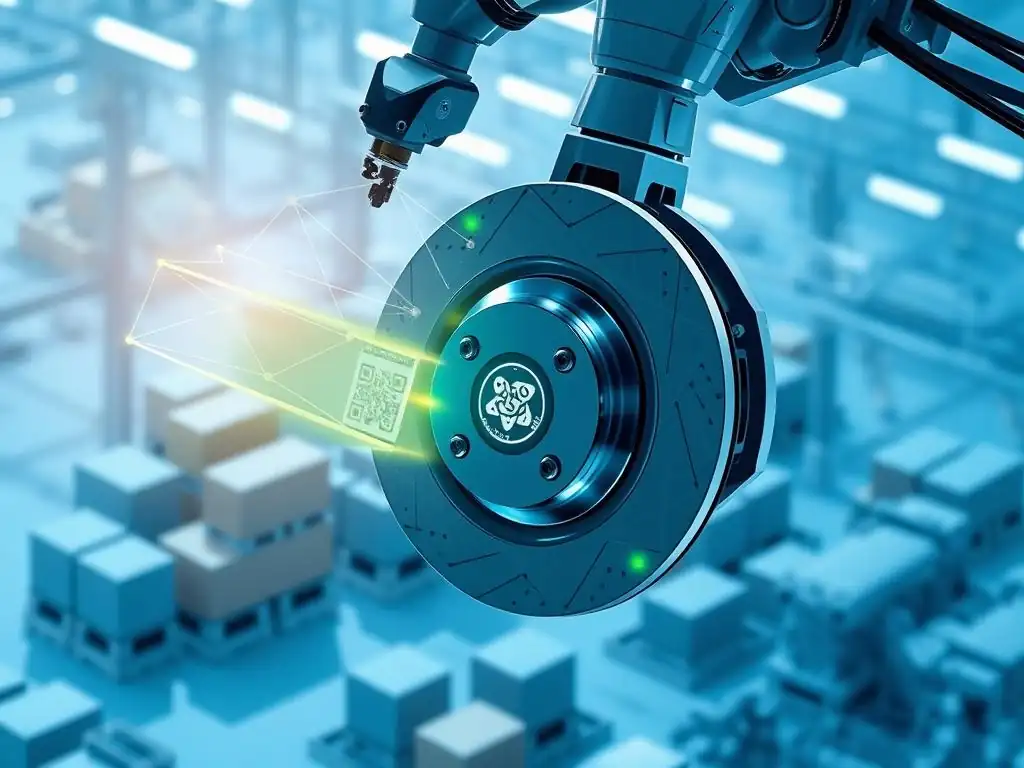
Blockchain provides a powerful tool in the fight against counterfeit automotive parts. Each genuine part can be associated with a unique digital identity recorded on the blockchain. This identity can be linked to manufacturing data, certificates of authenticity, and ownership history. When a part moves through the supply chain or is even sold in the aftermarket, its authenticity can be verified by scanning a QR code or NFC tag linked to its blockchain record.
Unlike traditional methods, this digital identity is difficult to duplicate or tamper with due to the immutability of the blockchain. Consumers or mechanics could potentially verify the authenticity of a replacement part using a simple app, checking its unique identifier against the secure blockchain ledger. This creates a transparent and verifiable chain of custody that makes it significantly harder for counterfeit parts to enter the legitimate supply stream.
Streamlined Compliance and Regulatory Reporting in the Automotive Sector
The automotive industry is subject to stringent regulations regarding safety, environmental impact, and ethical sourcing. Tracking compliance traditionally involves extensive documentation and auditing across the supply chain, which can be cumbersome and prone to errors. Blockchain can significantly streamline this process by providing an immutable and easily auditable record of compliance-related data.
Data points such as material certifications, manufacturing process adherence, labor practice verification, and conflict mineral sourcing can be recorded on the blockchain. Regulators or auditors, given appropriate access, can quickly verify compliance by reviewing the secure, transparent ledger. This reduces the burden of manual reporting and provides a higher level of assurance regarding adherence to standards like ISO 9001 or specific environmental directives.
Implementing Blockchain Solutions for Automotive Supply Chains
Choosing the Right Blockchain Platform for Automotive Tracking (Permissioned vs. Permissionless)
Selecting the appropriate blockchain platform is a critical first step for implementing blockchain automotive supply chain tracking. For complex enterprise applications like automotive supply chains, permissioned blockchains (like Hyperledger Fabric or R3 Corda) are often preferred over public, permissionless blockchains (like Bitcoin or Ethereum).
Permissioned blockchains offer greater control over who can participate in the network and what level of information they can access. This is essential in a competitive industry where sensitive data needs to be shared only among authorized partners. They also typically offer higher transaction speeds and lower costs compared to public blockchains, which are important considerations for managing the high volume of transactions in a global supply chain. The choice depends on the specific requirements for privacy, scalability, and governance.
Integrating Blockchain with Existing Automotive ERP and SCM Systems
Integrating blockchain technology with existing enterprise resource planning (ERP) and supply chain management (SCM) systems is crucial for successful adoption. Most automotive companies already rely heavily on these legacy systems for managing inventory, production, logistics, and financials. A blockchain solution must be able to seamlessly exchange data with these systems to avoid creating new data silos and ensure smooth workflow transitions.
This integration typically involves developing APIs (Application Programming Interfaces) or middleware that can extract relevant data from ERP/SCM systems (e.g., purchase orders, shipment confirmations, quality inspection results) and record it onto the blockchain. Conversely, data from the blockchain (e.g., verified part provenance, status updates) might need to be fed back into the ERP/SCM systems for internal processing and decision-making. This requires careful planning and potential adjustments to existing IT infrastructure.
Key Considerations for Successful Blockchain Implementation in Automotive
Successful blockchain implementation in the automotive sector requires addressing several key considerations. First, establishing a clear governance model is paramount. This involves defining who owns the network, how decisions are made, who has access to what data, and how disputes are resolved. Given the multi-stakeholder nature of the supply chain, this requires collaboration and agreement among participating companies.
Second, data standardization is essential. All participants must agree on common data formats and standards for recording information on the blockchain to ensure interoperability and data consistency. Third, scalability and performance must be evaluated to ensure the chosen platform can handle the immense volume of transactions generated by tracking millions of parts.
Fourth, addressing privacy concerns is vital, ensuring that sensitive commercial data is protected while still leveraging the benefits of shared transparency. Fifth, securing buy-in and training for all supply chain partners, from large Tier 1 suppliers to smaller Tier N providers, is necessary for network adoption and success.
- Define governance model
- Standardize data formats
- Assess scalability and performance
- Address data privacy
- Gain stakeholder buy-in and provide training
Real-World Examples: Blockchain Automotive Supply Chain Use Cases
Tracking Battery Components for Electric Vehicle Production
The production of electric vehicle (EV) batteries involves a complex supply chain for critical raw materials like cobalt, lithium, and nickel. Ensuring the ethical sourcing and sustainability of these materials is a major concern for automotive manufacturers. Several initiatives are exploring blockchain automotive supply chain tracking specifically for battery components.
For instance, some projects aim to track cobalt from mines in regions like the Democratic Republic of Congo, where ethical sourcing and labor practices are under scrutiny. By recording each step of the supply chain – from mining and refining to component manufacturing and battery assembly – on a blockchain, companies can create a verifiable record of the material's origin and journey. This provides assurance to manufacturers and consumers about the sustainability and ethical credentials of their EV batteries, improving transparency and potentially enabling premium pricing for ethically sourced materials.
Preventing Counterfeit Semiconductors in Automotive Electronics
Modern vehicles rely heavily on sophisticated electronic components and semiconductors. The proliferation of counterfeit semiconductors in the global market poses a significant threat to the automotive industry, potentially leading to critical system failures (e.g., in braking or airbag systems). Identifying and preventing these fakes from entering the supply chain is a major challenge.
Blockchain automotive supply chain tracking can be used to create a secure digital identity for each semiconductor or batch. As these components move from the chip manufacturer through distributors and assembly plants, their unique identifier and status can be recorded on a blockchain. Before installation in a vehicle, the component's authenticity can be verified against its immutable blockchain record. This makes it significantly more difficult for counterfeit chips, which lack this verifiable digital history, to be integrated into legitimate automotive systems.
Optimizing Tire Supply Chain Logistics
The tire industry faces challenges related to tracking products from manufacturing to distribution, managing warranties, dealing with recalls, and ensuring proper disposal or recycling at the end of a tire's life. Blockchain technology is being explored to improve transparency and efficiency in the tire supply chain.
By assigning a unique digital identity to each tire (perhaps linked to its serial number or a RFID tag) and recording its journey on a blockchain, manufacturers and distributors can gain better visibility. This allows for more accurate inventory management, optimized logistics routing, and streamlined warranty claims processing by verifying the tire's purchase date and service history. Furthermore, tracking tires through their lifecycle on a blockchain could support circular economy initiatives by ensuring they are properly collected and recycled, providing a verifiable record of sustainable practices.
The Future of Blockchain in Automotive Supply Chains
Emerging Trends and Innovations in Blockchain-Based Automotive Solutions
The application of blockchain in automotive supply chains is still evolving, with several emerging trends and innovations on the horizon. One significant area is the integration of Internet of Things (IoT) devices with blockchain. Sensors on parts, containers, or vehicles can automatically record data (like location, temperature, or impact) onto the blockchain, creating a richer, more automated, and highly accurate tracking system.
Another trend is the use of zero-knowledge proofs, a cryptographic technique that allows one party to prove that a statement is true to another party without revealing any information beyond the validity of the statement itself. In the automotive supply chain, this could allow partners to verify compliance with certain standards or the ethical sourcing of materials without revealing sensitive proprietary data about their processes or suppliers. Furthermore, consortiums like MOBI continue to develop standards and use cases for blockchain across the automotive ecosystem, including supply chain applications.
Potential for Blockchain to Enable Circular Economy Initiatives in the Automotive Industry
Blockchain holds significant potential to support the automotive industry's transition towards a more circular economy. Tracking components and materials throughout their lifecycle, as enabled by blockchain automotive supply chain tracking, is fundamental to enabling circular models. By creating a verifiable history for parts – including their composition, origin, and previous use – blockchain can facilitate efficient repair, remanufacturing, and recycling processes.
For example, tracking high-value components like electric motors or battery packs on a blockchain can provide essential data for determining their remaining lifespan or suitability for remanufacturing. Similarly, tracking the materials used in vehicle production can aid in identifying and recovering valuable resources at the end of a vehicle's life, ensuring they are directed to appropriate recycling streams rather than landfills. This verifiable tracking supports regulatory requirements for recycling rates and helps companies demonstrate their commitment to sustainability.
Overcoming Challenges to Widespread Adoption of Blockchain in Automotive
Despite the significant potential, widespread adoption of blockchain in automotive supply chains faces several challenges. First, achieving industry-wide collaboration and agreement on standards and governance is complex, requiring buy-in from numerous competing companies and their vast supplier networks. Second, the initial investment in technology, integration with legacy systems, and training can be substantial.
Third, scalability remains a concern for some blockchain platforms when dealing with the sheer volume of transactions in a global automotive supply chain. Fourth, regulatory clarity around blockchain technology and data privacy (like GDPR) needs to evolve to support broader implementation. Fifth, ensuring the quality and accuracy of data entered onto the blockchain is paramount, as "garbage in, garbage out" applies even to an immutable ledger; establishing reliable data input mechanisms is critical. Overcoming these hurdles requires continued industry collaboration, technological advancements, and successful pilot programs demonstrating tangible ROI.
Conclusion: Blockchain as a Catalyst for a More Secure and Transparent Automotive Supply Chain
Key Takeaways: The Transformative Power of Blockchain in Automotive
The automotive industry is undergoing a significant transformation, driven by new technologies, sustainability demands, and increasing regulatory scrutiny. Blockchain technology emerges as a powerful catalyst for revolutionizing its complex supply chains. Key takeaways highlight the transformative potential of blockchain automotive supply chain tracking:
- It provides unprecedented end-to-end visibility into the movement and status of parts.
- Its immutability ensures data integrity and creates a trustworthy audit trail.
- It significantly enhances traceability, crucial for managing recalls and verifying origins.
- It improves operational efficiency by streamlining processes and reducing lead times.
- It offers a robust defense against counterfeit parts through verifiable authentication.
- It simplifies compliance reporting by providing accessible, verifiable records.
These benefits collectively address long-standing pain points, leading to a more resilient, efficient, and trustworthy supply network.
Blockchain's Role in Building Trust and Resilience in the Automotive Industry
Ultimately, blockchain's most significant contribution to the automotive industry supply chain lies in its ability to build trust and enhance resilience. In a network characterized by numerous independent actors, trust is often built slowly and can be easily eroded. Blockchain provides a technological foundation for trust by offering a shared, transparent, and tamper-proof record of transactions and data. This shared truth fosters collaboration and reduces the need for costly intermediaries or bilateral audits between every pair of partners.
Furthermore, the enhanced visibility and data integrity provided by blockchain automotive supply chain tracking significantly improve the network's resilience. Companies can detect disruptions faster, identify affected parts and vehicles with greater accuracy, and respond more effectively to crises, whether they are quality issues, supplier failures, or external shocks. By enabling better tracking and verification, blockchain empowers the automotive industry to move towards a future of greater security, transparency, and sustainability.
Frequently Asked Questions
How can blockchain technology improve the automotive supply chain?
Blockchain offers enhanced transparency and traceability by creating an immutable record of each part's journey, from origin to assembly. This helps combat counterfeiting and ensures the authenticity of components.
What are the key benefits of using blockchain for automotive parts tracking?
The main advantages include increased efficiency, reduced risk of counterfeit parts entering the supply chain, and improved supply chain visibility for all stakeholders.
How does blockchain help ensure the authenticity of automotive parts?
Blockchain's immutable ledger creates a verifiable record of a part's origin and history, making it difficult to introduce counterfeit components undetected. This builds trust and verifies provenance.
What are some of the challenges in implementing blockchain in the automotive supply chain?
Challenges include scalability concerns, the need for industry-wide collaboration and standardization, and integration with existing legacy systems.
What is the future outlook for blockchain adoption in the automotive supply chain?
The future looks promising, with increased adoption expected as companies seek to improve supply chain resilience, reduce fraudulent parts, and gain a competitive advantage through enhanced transparency.
Final Reflection: Securing the Road Ahead with Blockchain
The journey through the intricacies of blockchain's application in automotive supply chains reveals a powerful truth: transparency and trust are no longer luxuries, but necessities in a globalized world. The ability to meticulously track parts and verify authenticity, as detailed in this exploration, is not just about efficiency; it's about safeguarding consumer safety and building a more resilient and ethical industry.
The potential of blockchain to revolutionize automotive supply chains extends far beyond simple tracking. It touches upon fundamental issues of accountability and sustainability, shaping the future of manufacturing and consumption. This technology offers a pathway to a more responsible and transparent future, one where the origins and integrity of every component are verifiable. The future of supply chains is not just about speed and cost, but also about trust and resilience. Blockchain provides the foundation for building that trust.
- Don Tapscott, Blockchain Revolution.
As we conclude this exploration, consider the implications of this technology for your own choices and actions. How can you, as a consumer, a professional, or a member of society, advocate for greater transparency and accountability in the products you use and the systems you support? Embrace the potential of blockchain to build a more secure, ethical, and sustainable future for the automotive industry and beyond.
Unlock the Future: Revolutionize Automotive Trust with Blockchain!
Thank you for exploring how blockchain is transforming automotive supply chains and verifying the authenticity of parts. Now that you have gained valuable insights into this innovative technology, it's time to take action.
Here's how you can get started:
- Implement a pilot project: Begin with a small-scale trial within your organization or collaborate with a trusted partner to track a specific component using a permissioned blockchain. This hands-on experience will showcase the tangible benefits.
- Explore open-source blockchain solutions designed for supply chain management on platforms like GitHub. Contributing to these communities can help accelerate adoption and innovation.
- Join the discussion! Share this article with your professional network on LinkedIn and Twitter to spark conversations about how blockchain can enhance trust and transparency in the automotive industry.
What particular challenge related to verifying the authenticity of automotive parts do you think blockchain is best suited to address? What initial steps would you recommend for companies interested in adopting this technology?
Leave a Reply