
The Role of Layer 2 Solutions in Scaling Blockchain for Global Supply Chains

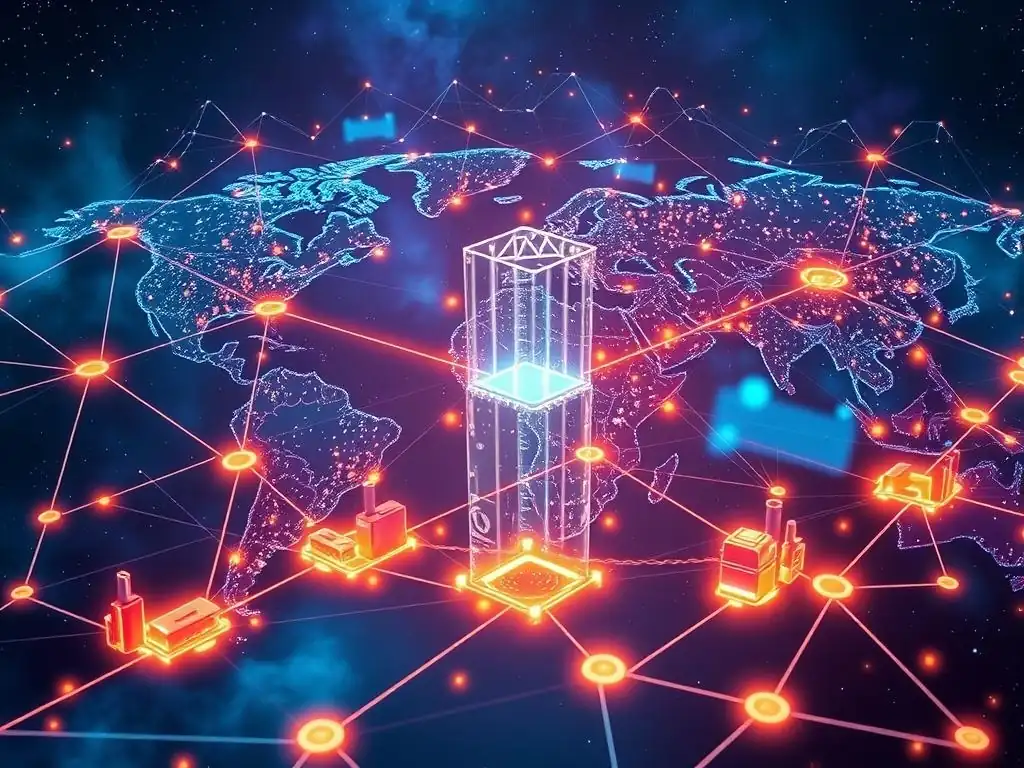
Welcome to Blockchain Trends, your go-to source for navigating the dynamic world of blockchain technology. Beyond the headlines, we delve into the real-world applications that are reshaping industries. This week, we're tackling a critical challenge: scalability. Discover how Layer 2 scaling solutions are poised to unlock the full potential of blockchain, particularly within global supply chains. But can these solutions truly handle the complexity and demands of modern logistics? Read on to explore the innovative approaches that are paving the way for a more efficient and transparent future.
- Understanding Layer 2 Scaling Solutions in Blockchain Technology
-
Frequently Asked Questions
- What are Layer 2 scaling solutions, and why are they important for global supply chains using blockchain?
- How do Layer 2 solutions specifically address the challenges of slow transaction speeds in blockchain-based supply chains?
- What are some examples of Layer 2 scaling solutions being implemented in global supply chains right now?
- What are the potential regulatory hurdles for implementing Layer 2 scaling solutions in global supply chains, and how can companies navigate them?
- What is the future of Layer 2 scaling solutions in the context of global supply chains, and what innovations can we expect to see?
- Final Reflection: Embracing Scalable Supply Chains
- Unlock the Future of Supply Chains: Start Building Today!
Understanding Layer 2 Scaling Solutions in Blockchain Technology
Defining Layer 2 Protocols and Their Importance
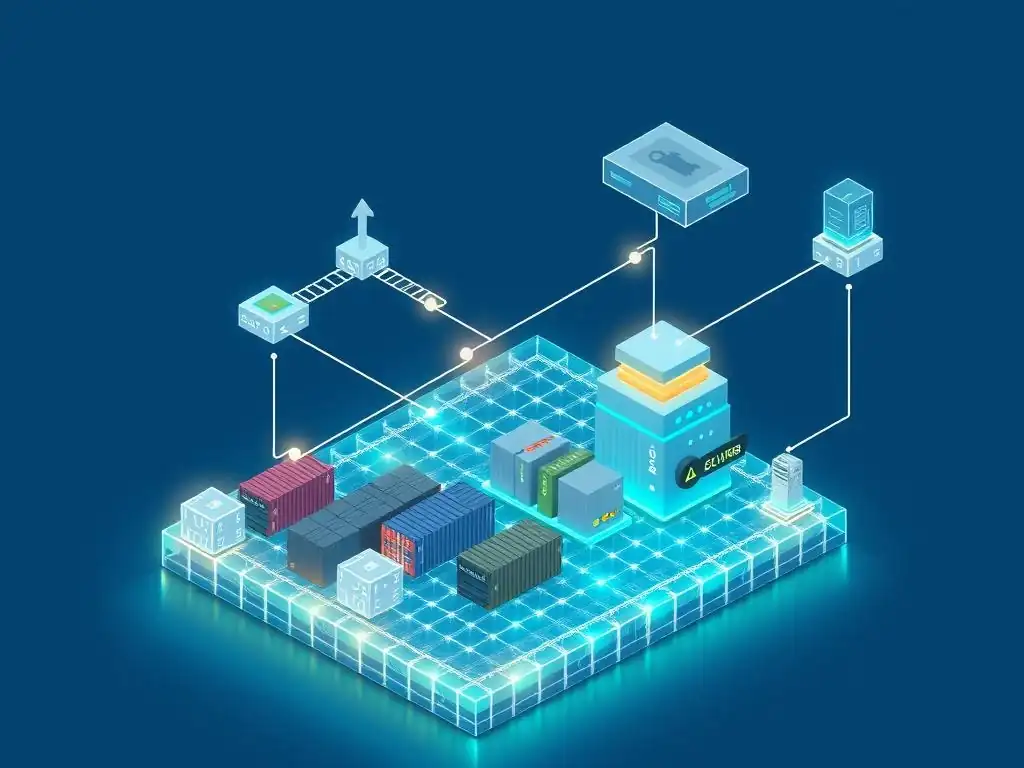
Layer 2 scaling solutions represent a crucial evolution in blockchain technology, designed to address the inherent limitations of base-layer blockchains (Layer 1) regarding transaction throughput and cost. These protocols operate on top of an existing blockchain, processing transactions off-chain and only using the main chain for final settlement or dispute resolution.
This approach significantly reduces the load on the underlying blockchain, allowing for a much higher volume of transactions to be processed quickly and economically. For applications requiring high frequency and low cost, such as managing intricate global supply chains with millions of daily data points, Layer 2 scaling solutions are not merely beneficial; they are essential for practical implementation.
The importance of Layer 2 solutions stems directly from the 'blockchain trilemma,' which posits that a blockchain can only achieve two out of three properties: decentralization, security, and scalability. While Layer 1 blockchains like Bitcoin and Ethereum prioritize decentralization and security, they often sacrifice scalability, leading to slow transaction speeds (e.g., Bitcoin handles about 7 transactions per second, Ethereum around 15-30) and high fees during peak network activity.
Layer 2 solutions offer a path to achieve scalability without compromising the security and decentralization guarantees of the underlying Layer 1, making blockchain viable for enterprise-level applications like tracking goods across complex international logistics networks, where throughput needs can reach thousands or even tens of thousands of transactions per second.
Key Features of Layer 2 Scaling Solutions for Blockchain Networks
Several core features define Layer 2 scaling solutions and make them particularly suitable for demanding applications like global supply chain management. Primarily, they dramatically increase transaction throughput.
Solutions like optimistic rollups and zero-knowledge rollups on Ethereum, for instance, aim to increase transaction capacity from tens to potentially thousands or even tens of thousands of transactions per second, processing batches of transactions off-chain before submitting a single proof or summary transaction to the Layer 1. This leap in capacity is fundamental for handling the sheer volume of data generated by a modern supply chain, including tracking individual items, verifying shipments, and recording payment milestones.
Another critical feature is the significant reduction in transaction costs. By processing transactions off-chain and only interacting with the Layer 1 blockchain periodically or in aggregate, Layer 2 solutions drastically lower the 'gas fees' or transaction costs typically associated with Layer 1 networks. This cost efficiency is paramount for supply chain use cases, where numerous small transactions (e.g., updating location data for a specific pallet) occur frequently.
A typical Layer 1 transaction fee on a congested network could range from a few dollars to tens or even hundreds of dollars, making high-frequency updates prohibitively expensive. Layer 2 scaling solutions can reduce these costs to fractions of a cent, making granular tracking and extensive data recording economically feasible for businesses operating on thin margins.
Differentiating Layer 1 and Layer 2: Why Scaling Matters
The fundamental difference between Layer 1 and Layer 2 lies in their architecture and role within the blockchain ecosystem. Layer 1 refers to the base blockchain itself – the main network where transactions are validated and recorded permanently in a distributed ledger. Examples include Bitcoin, Ethereum, Solana, and others.
These networks are designed for security and decentralization, relying on consensus mechanisms like Proof-of-Work or Proof-of-Stake to validate transactions across a wide network of participants. However, processing every single transaction directly on this base layer leads to bottlenecks as network usage grows, resulting in slow confirmations and high fees, a phenomenon often referred to as network congestion.
Layer 2 scaling solutions are built on top of Layer 1, acting as secondary frameworks or protocols that handle transactions off the main chain. They leverage the security of the underlying Layer 1 blockchain without requiring every transaction to be processed by its consensus mechanism. Transactions are conducted rapidly and cheaply on the Layer 2 network, with periodic summaries or proofs of these transactions settled on the Layer 1.
This division of labor is why scaling matters immensely for enterprise adoption. Without effective Layer 2 scaling solutions, implementing blockchain for large-scale operations like managing complex, global supply chains – involving millions of participants, billions of products, and constant data flows – would be impractical due to the limitations of Layer 1 in terms of speed, cost, and capacity. Layer 2 enables blockchain to move beyond niche applications and into mainstream, high-volume business processes.
Frequently Asked Questions
What are Layer 2 scaling solutions, and why are they important for global supply chains using blockchain?
Layer 2 solutions are protocols built on top of existing blockchains to improve transaction speed and reduce costs. They are crucial for supply chains because they address the scalability limitations of blockchain, enabling faster and more efficient tracking of goods.
How do Layer 2 solutions specifically address the challenges of slow transaction speeds in blockchain-based supply chains?
Layer 2 solutions like state channels and rollups process transactions off-chain, only committing the final state to the main blockchain. This significantly reduces congestion and speeds up transaction times compared to processing every transaction directly on the main chain.
What are some examples of Layer 2 scaling solutions being implemented in global supply chains right now?
While widespread adoption is still evolving, some companies are exploring solutions like Polygon (MATIC) and Optimism for tasks such as tracking product provenance and managing inventory. These platforms enable faster and cheaper transactions for supply chain partners.
Regulatory clarity around data privacy and cross-border transactions is still developing. Companies should focus on compliance with existing regulations and actively engage with regulatory bodies to shape future frameworks.
What is the future of Layer 2 scaling solutions in the context of global supply chains, and what innovations can we expect to see?
We can expect to see more sophisticated Layer 2 solutions that offer greater flexibility and interoperability. Innovations like zero-knowledge proofs will further enhance privacy and security in supply chain management on blockchain.
Final Reflection: Embracing Scalable Supply Chains
The journey through understanding Layer 2 scaling solutions reveals a profound truth: the future of global supply chains hinges on their ability to adapt and scale efficiently. The limitations of traditional blockchain infrastructure are undeniable, but the innovative solutions discussed here offer a tangible path towards a more transparent, secure, and ultimately, more effective global trade ecosystem.
The impact of these technologies extends far beyond mere efficiency gains. They represent a fundamental shift in how we perceive and interact with global commerce, fostering trust and accountability at every stage of the supply chain. The key to successful leadership today is influence, not authority.
- Ken Blanchard. This quote perfectly encapsulates the shift Layer 2 solutions enable - moving from centralized authority to decentralized influence, driven by transparent and verifiable data.
As we conclude this exploration, I invite you to consider the implications of these advancements in your own sphere of influence. How can you advocate for the adoption of Layer 2 scaling solutions to improve transparency, reduce costs, and build more resilient supply chains? The future of global trade is being written now, and your understanding and engagement are crucial to shaping a more equitable and efficient world.
Unlock the Future of Supply Chains: Start Building Today!
Thank you for exploring how Layer 2 solutions can revolutionize global supply chains. We hope this article has shown how these technologies can address scalability challenges and lead to more efficient, transparent, and resilient supply networks. Now, it's time to turn this knowledge into action.
Consider these ways to help shape the future of blockchain in supply chain management:
- Identify a specific bottleneck in your current supply chain and explore which Layer 2 solution—such as payment channels, sidechains, or rollups—could help resolve it. Taking this step is a practical move toward implementation.
- Share your insights: Discuss this article and the potential of Layer 2 solutions with colleagues and industry peers. Foster brainstorming sessions to discover innovative applications.
- Explore unexpected benefits: Investigate how implementing Layer 2 solutions in supply chain management can open new opportunities for creating customer-centric solutions and enhancing brand awareness.
What unique challenges do you believe Layer 2 solutions can help overcome in your supply chain? Share your thoughts in the comments below!
Leave a Reply