
The Role of Oracles in Bridging the Gap Between Blockchain and RealWorld Supply Chains

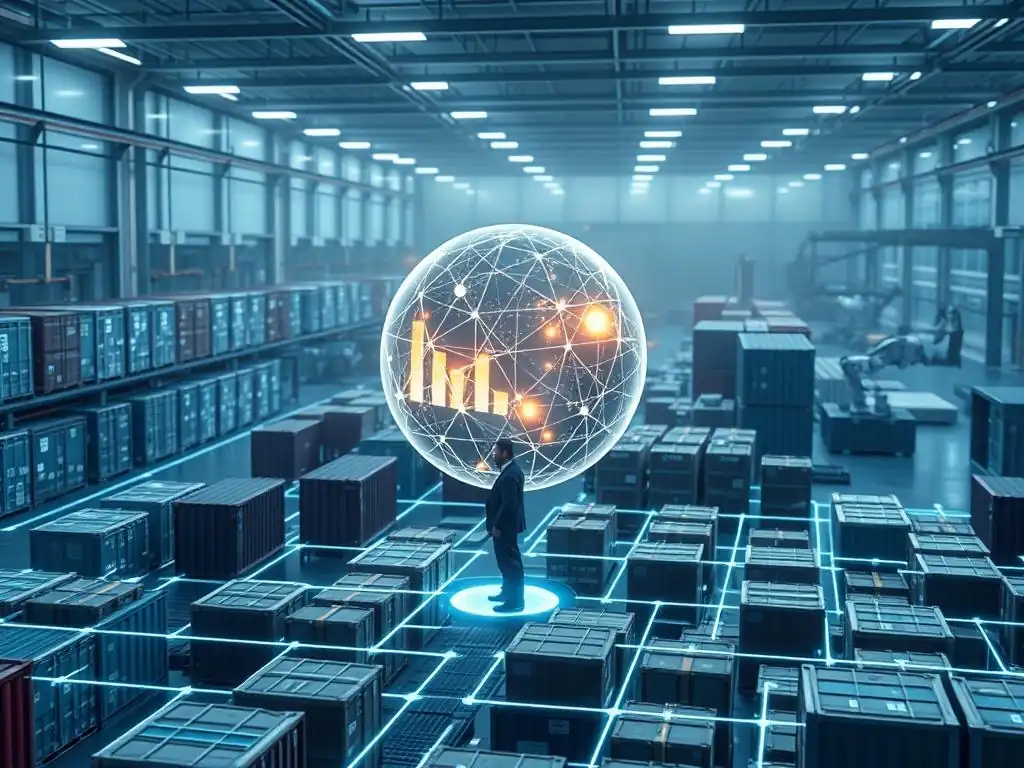
Welcome to Blockchain Trends, your premier destination for unraveling the transformative power of blockchain technology. Dive into the fascinating world beyond cryptocurrencies, where we explore the future of decentralized systems, DeFi, enterprise applications, and evolving regulations. Curious about how to revolutionize supply chains? This week, we delve into a critical component: discover how blockchain supply chain oracles are bridging the gap between digital ledgers and the tangible world, unlocking unprecedented transparency and efficiency. Intrigued? Keep reading to uncover the complexities and potential of this groundbreaking application.
The Role of Oracles in Bridging the Gap Between Blockchain and Real-World Supply Chains
- Introduction: Blockchain Supply Chain Oracles Explained
- What are Blockchain Oracles in the Context of Supply Chain?
- Types of Blockchain Oracles Used in Supply Chain Solutions
- Benefits of Using Blockchain Oracles in Supply Chain Management
- Real-World Applications of Blockchain Oracles in Supply Chain
- Challenges and Considerations When Implementing Blockchain Supply Chain Oracles
- The Future of Blockchain Supply Chain Oracles
- Conclusion: Harnessing the Power of Oracles for a More Transparent and Efficient Blockchain Supply Chain
-
Frequently Asked Questions
- What are blockchain supply chain oracles, and why are they needed?
- How do blockchain supply chain oracles improve transparency in supply chains?
- What are some common types of data that blockchain supply chain oracles provide?
- What are the potential risks associated with using blockchain supply chain oracles?
- How is the use of blockchain supply chain oracles impacting the future of decentralized systems?
- Final Reflection: Embracing Transparency in a Connected World
- Unlock the Future: Transform Your Supply Chain Today!
Introduction: Blockchain Supply Chain Oracles Explained
Understanding the Limitations of Blockchain in Supply Chain Management
While blockchain technology offers inherent benefits like immutability, transparency, and decentralization, its core functionality is primarily confined to the digital realm. A blockchain network operates based on data stored within its distributed ledger and the logic encoded in smart contracts. This creates a significant limitation when attempting to track physical goods, monitor environmental conditions, or integrate with legacy systems and external databases that exist outside the blockchain itself. For a technology aiming to revolutionize supply chains, which are inherently physical and interconnected with diverse external systems, this on-chain limitation is a fundamental hurdle.
Consider a smart contract designed to automatically release payment upon the delivery of goods. The blockchain knows the state of the smart contract and the digital assets involved (like cryptocurrency), but it has no intrinsic way of knowing if the physical goods have actually arrived at their destination, if they are in good condition, or if they meet specific quality standards.
This critical gap between the digital ledger and the physical reality of the supply chain prevents blockchain from fully automating complex processes or providing complete end-to-end visibility without an external mechanism to feed it real-world information. Bridging this gap is essential for unlocking the full potential of blockchain supply chain oracles explained in this article.
The Critical Need for External Data: Introducing Blockchain Oracles
To enable blockchain technology to interact with the real world and power sophisticated supply chain applications, it requires a reliable mechanism to securely and accurately feed external data into the network. This is where blockchain oracles become indispensable.
An oracle acts as a bridge or middleware, fetching information from off-chain sources – such as sensors, APIs, or human input – and delivering it to the blockchain in a format that smart contracts can understand and utilize. Without oracles, smart contracts remain isolated, unable to react to real-world events like changes in temperature during transit, customs clearance status, or proof of delivery.
The need for external data is paramount for creating truly automated and intelligent supply chain solutions on the blockchain. Imagine a smart contract that manages cold chain logistics for perishable goods. It needs real-time temperature data to trigger alerts or automatic compensation if temperatures exceed a critical threshold during transport.
Similarly, a smart contract managing international freight requires updates on customs status, shipping vessel location, and port arrival times. Oracles provide this vital link, ensuring that the blockchain ledger reflects the actual state of the physical supply chain, thereby enabling smart contracts to execute based on verifiable, real-world conditions. Understanding the role of blockchain supply chain oracles explained here is key.
What are Blockchain Oracles in the Context of Supply Chain?
Defining Blockchain Oracles for Supply Chain Transparency
In the context of supply chain management, a blockchain oracle is a third-party service that provides smart contracts with external information. Unlike data stored directly on the blockchain, which is inherently trusted by the network's consensus mechanism, external data from the real world is not automatically verifiable by the blockchain itself. Oracles act as trusted data feeds, retrieving information from off-chain sources – such as enterprise resource planning (ERP) systems, Internet of Things (IoT) sensors, weather services, or traditional databases – and securely transmitting it onto the blockchain.
The primary function of these oracles is to ensure transparency and accuracy by bringing verifiable real-world data into the decentralized ledger. For instance, an oracle might provide a smart contract with the GPS coordinates of a shipment, a timestamp of its arrival at a warehouse, or the temperature readings inside a refrigerated container.
This influx of external data allows the blockchain to maintain a transparent and immutable record that accurately mirrors the physical movement and condition of goods, enhancing visibility for all authorized participants in the supply chain network. This is fundamental to blockchain supply chain oracles explained in detail.
How Supply Chain Oracles Provide Real-World Data to Smart Contracts
The process by which supply chain oracles provide real-world data to smart contracts typically involves several steps. First, a smart contract on the blockchain sends a request for specific off-chain data. This request is picked up by an oracle node or network. The oracle then queries the relevant external data source – this could be an API from a shipping company, a network of IoT sensors, or a traditional database containing product information. Once the data is retrieved, the oracle formats it appropriately for the blockchain and signs it cryptographically to verify its origin and integrity.
Finally, the oracle transmits the signed data back to the requesting smart contract on the blockchain. The smart contract can then use this data to execute its predefined logic, such as triggering a payment, updating the status of a shipment, or initiating an alert. For example, a smart contract tracking a high-value asset might request location data from a GPS oracle every hour.
When the oracle provides data showing the asset has arrived at a specific geofenced location, the smart contract could automatically update the asset's status on the ledger and notify relevant parties. This seamless flow of information is central to how blockchain supply chain oracles explained here operate.
Types of Blockchain Oracles Used in Supply Chain Solutions
Hardware Oracles: Tracking Physical Goods in the Supply Chain
Hardware oracles are devices physically present in the real world that collect data and transmit it to the blockchain, often via a software layer or gateway. In supply chain contexts, these are typically IoT devices attached to goods, vehicles, or infrastructure. They are crucial for monitoring physical conditions and locations that directly impact the state and security of shipments. These oracles provide objective, sensor-based data, reducing reliance on manual reporting which can be prone to errors or manipulation. The insights provided by hardware oracles are vital for automating processes and ensuring the integrity of products throughout their journey.
The data collected by hardware oracles can include location, temperature, humidity, light exposure, shock, and even air quality. For a supply chain dealing with sensitive pharmaceuticals, for instance, continuous temperature monitoring via a hardware oracle is essential to ensure compliance with regulations and prevent spoilage. This data, when securely transmitted to a blockchain via an oracle, creates an immutable record of the environmental conditions a product experienced, verifiable by all parties. This application highlights the tangible impact of blockchain supply chain oracles explained through physical tracking.
GPS Tracking and Location Data Oracles
GPS tracking oracles utilize Global Positioning System (GPS) technology to provide accurate location data for shipments or assets in real time. These oracles involve GPS receivers attached to containers, pallets, or vehicles, which transmit their coordinates periodically.
This location data is then relayed by the oracle mechanism to the blockchain, where it can be used by smart contracts. For example, a smart contract managing freight logistics might use GPS data to confirm that a truck has arrived at a designated pickup or delivery point, triggering the next step in the process, such as loading or unloading instructions, or even payment initiation.
Real-time location tracking via GPS oracles offers unprecedented visibility into the movement of goods across complex global supply chains. Companies can monitor routes, detect potential delays or deviations, and provide precise estimated times of arrival (ETAs) to customers and partners. This data is also critical for geofencing applications, where smart contracts are triggered when an asset enters or leaves a predefined geographical area.
For example, a high-value asset's smart contract might issue an alert if it moves outside an authorized route, enhancing security and preventing theft. This level of detail is key to understanding blockchain supply chain oracles explained through practical tracking.
Temperature and Environmental Sensor Oracles
Temperature and environmental sensor oracles are vital for supply chains handling temperature-sensitive or fragile goods, such as food, pharmaceuticals, or chemicals. These hardware oracles consist of sensors that monitor conditions like temperature, humidity, light, or shock during transit and storage. The sensors collect this data continuously and transmit it to the oracle service, which then feeds it to the blockchain. This provides an immutable record of the environmental conditions the product was subjected to throughout its journey.
For example, pharmaceutical companies transporting vaccines, which require strict temperature control between 2°C and 8°C, rely heavily on these oracles. If sensor data transmitted by the oracle indicates that the temperature inside a container exceeded 8°C for a sustained period, a smart contract could automatically flag the batch as potentially compromised, trigger quality control checks, or even initiate an insurance claim. This ensures product integrity, regulatory compliance, and consumer safety, demonstrating a crucial function of blockchain supply chain oracles explained in the context of product quality.
Software Oracles: Integrating Digital Supply Chain Data
Software oracles connect blockchains to digital sources of information, such as websites, databases, enterprise systems, and other blockchains. They are essential for bringing a vast array of digital data into the supply chain ledger that isn't generated by physical sensors. This includes information like order details, customs documentation, payment confirmations, supplier credentials, market prices, or even weather forecasts that might impact logistics. Software oracles are flexible and can pull data from virtually any accessible digital source, provided the necessary APIs or access methods are available.
These oracles are fundamental for automating processes that rely on diverse data points scattered across different digital systems. For instance, a smart contract managing supplier payments might need to verify invoice details from an ERP system, check payment status from a banking API, and confirm delivery via a shipping carrier's API. Software oracles facilitate this integration, allowing the blockchain to orchestrate complex workflows based on accurate and timely digital information. This highlights the versatility of blockchain supply chain oracles explained across digital integration.
API-Based Oracles for Supply Chain Visibility
API-based oracles are a common type of software oracle that retrieves data from Application Programming Interfaces (APIs) provided by external services and systems. Many businesses in the supply chain industry, such as shipping carriers (e.g., FedEx, UPS), logistics providers, customs agencies, and weather services, offer APIs to access real-time information like shipment tracking status, delivery confirmations, customs clearance updates, or localized weather conditions.
An API-based oracle can query these APIs based on a request from a smart contract. For example, a smart contract tracking an international shipment might call an oracle that queries a shipping carrier's API using the tracking number. The oracle retrieves the current status (e.g., "In Transit," "Delivered," "Customs Hold") and feeds this data back to the smart contract. This enables automated updates on the blockchain, providing stakeholders with real-time visibility into the shipment's progress without manual intervention. This functionality is core to blockchain supply chain oracles explained through system connectivity.
Data Aggregation Oracles for Supply Chain Analytics
Data aggregation oracles collect information from multiple sources, process it, and then provide a single, consolidated data feed to the blockchain. In supply chain management, this is particularly useful for gaining a holistic view or performing analytics that require combining data from various points. For instance, a data aggregation oracle might pull current market prices for raw materials from several exchanges, freight costs from different logistics providers, and production volumes from manufacturing facilities.
By aggregating and potentially processing (e.g., averaging, filtering) this data off-chain before feeding it to the blockchain, these oracles reduce the amount of data that needs to be stored or processed directly on the ledger, improving efficiency and reducing transaction costs. Smart contracts can then utilize this aggregated data for complex tasks like dynamic pricing based on real-time costs, optimizing inventory levels across multiple locations, or assessing overall supply chain performance metrics. Understanding how blockchain supply chain oracles explained through data consolidation adds value is crucial.
Human Oracles: Verification and Validation in Supply Chain Processes
While automated oracles (hardware and software) are ideal for objective, sensor-based, or API-driven data, some situations in supply chains require human judgment, verification, or subjective assessment. Human oracles involve individuals or groups of people who observe real-world events or verify off-chain information and then submit this data to the blockchain. This type of oracle is used when automated data sources are unavailable, unreliable, or when a level of human expertise or discretion is necessary to validate an outcome.
The use of human oracles introduces potential risks, as human input can be subjective or malicious. To mitigate this, decentralized human oracle networks often employ mechanisms like reputation systems, staking, or consensus mechanisms among multiple human validators to ensure data accuracy and integrity. Despite the challenges, human oracles can be invaluable for bridging the gap in complex or less standardized supply chain processes where automated data collection is not feasible or sufficient. This aspect of blockchain supply chain oracles explained covers the human element.
The Role of Human Input in Complex Supply Chain Scenarios
Human input via oracles is particularly relevant in complex or less standardized supply chain scenarios where automated data capture is difficult or impossible. Examples include verifying the quality of perishable goods upon arrival, confirming the completion of a service (like equipment maintenance at a remote site), assessing damage to goods during transit, or validating complex customs documentation that requires expert review. In these cases, a smart contract might require a human oracle to provide the necessary input before proceeding.
For instance, a smart contract for a high-value art shipment might require a certified appraiser (acting as a human oracle) to verify the condition of the artwork upon delivery before releasing the final payment. The appraiser submits their assessment and potentially photographic evidence through a secure interface connected to the oracle network.
The oracle network then validates this input (perhaps through a multi-party consensus if using a decentralized model) and submits the verified outcome to the blockchain, allowing the smart contract to execute based on this human-validated data point. This demonstrates the practical application of blockchain supply chain oracles explained with human oversight.
Benefits of Using Blockchain Oracles in Supply Chain Management
Enhanced Supply Chain Transparency and Traceability with Oracles
One of the most significant benefits of integrating blockchain technology with supply chains is enhanced transparency and traceability. Blockchain provides an immutable ledger of transactions and events. When augmented by oracles, this ledger can include verified, real-world data about the movement, condition, and status of goods at every step of their journey. For example, a consumer scanning a QR code on a product could potentially access blockchain data showing the product's origin, manufacturing date, temperature history during transit (via temperature oracles), and timestamps of its passage through different distribution centers (via location oracles).
This level of detailed, verifiable information creates a transparent record accessible to authorized parties across the supply chain – from manufacturers and logistics providers to retailers and end consumers. This eliminates information silos and provides a single source of truth regarding the product's history.
According to some industry reports, enhanced traceability can reduce supply chain costs by up to 15% and improve visibility by over 30% in certain sectors. Such transparency, powered by blockchain supply chain oracles explained through data feeds, builds trust and allows for rapid identification of issues, such as the source of a contamination or the location of counterfeit goods.
Improved Efficiency and Automation Through Oracle-Driven Smart Contracts
Blockchain oracles enable smart contracts to automate processes based on real-world conditions, significantly improving efficiency and reducing manual effort in supply chain management. Smart contracts can be programmed to execute automatically when specific criteria, verified by oracle data, are met. For instance, a smart contract could automatically release payment to a carrier as soon as a location oracle confirms the goods have arrived at the destination warehouse. Another smart contract might trigger a reorder process when an inventory level, reported by a warehouse management system oracle, drops below a certain threshold.
This automation minimizes delays associated with manual approvals, paperwork, and verification steps. It also reduces the risk of human error and potential disputes, as the execution is based on objective, verifiable data provided by the oracle. McKinsey reported that automating supply chain processes can lead to a 10-15% reduction in operational costs. By linking physical events to digital execution on the blockchain, oracles facilitate a more streamlined, faster, and cost-effective supply chain operation, showcasing the power of blockchain supply chain oracles explained through automation.
Reduced Supply Chain Fraud and Counterfeiting with Oracle Verification
Fraud and counterfeiting are major challenges in global supply chains, costing industries billions annually. Blockchain's immutability makes it difficult to tamper with records once they are on the ledger. When combined with reliable oracles providing verifiable data about product authenticity, origin, and journey, blockchain becomes a powerful tool against illicit activities. Oracles can provide data points that prove a product's legitimacy, such as sensor readings confirming it was handled according to specifications, or API data linking it to a verified batch record from the manufacturer.
For example, in the luxury goods or pharmaceutical industries, oracles can track unique product identifiers linked to the blockchain. A hardware oracle embedded in packaging might confirm the product hasn't been opened or tampered with. A software oracle could verify the product's serial number against the manufacturer's database. If any oracle data contradicts the expected journey or condition, the blockchain record can flag the item as potentially fraudulent or compromised. This multi-layered verification, facilitated by blockchain supply chain oracles explained through security measures, significantly enhances trust and makes it harder for counterfeit goods to infiltrate the legitimate supply chain.
Increased Trust and Collaboration Among Supply Chain Participants
Supply chains often involve numerous participants – manufacturers, suppliers, logistics providers, distributors, retailers, financiers – who may not have established trust relationships or shared IT systems. Blockchain provides a shared, immutable ledger accessible to all authorized parties, creating a foundation of transparency. Oracles build upon this by injecting verifiable, real-world data into this shared ledger, ensuring that all participants are operating based on the same accurate and up-to-date information.
This shared source of truth, powered by oracle data, reduces information asymmetry and fosters greater trust among stakeholders. Disputes over shipment status, delivery times, or product condition can be quickly resolved by referencing the immutable, oracle-verified data on the blockchain. This enhanced transparency and trust can lead to stronger partnerships, more efficient collaboration, and the ability to onboard new partners more easily. A study by Deloitte suggested that improved collaboration through shared platforms can reduce lead times by up to 25%. This collaborative benefit is a direct result of blockchain supply chain oracles explained as trust-building mechanisms.
Real-World Applications of Blockchain Oracles in Supply Chain
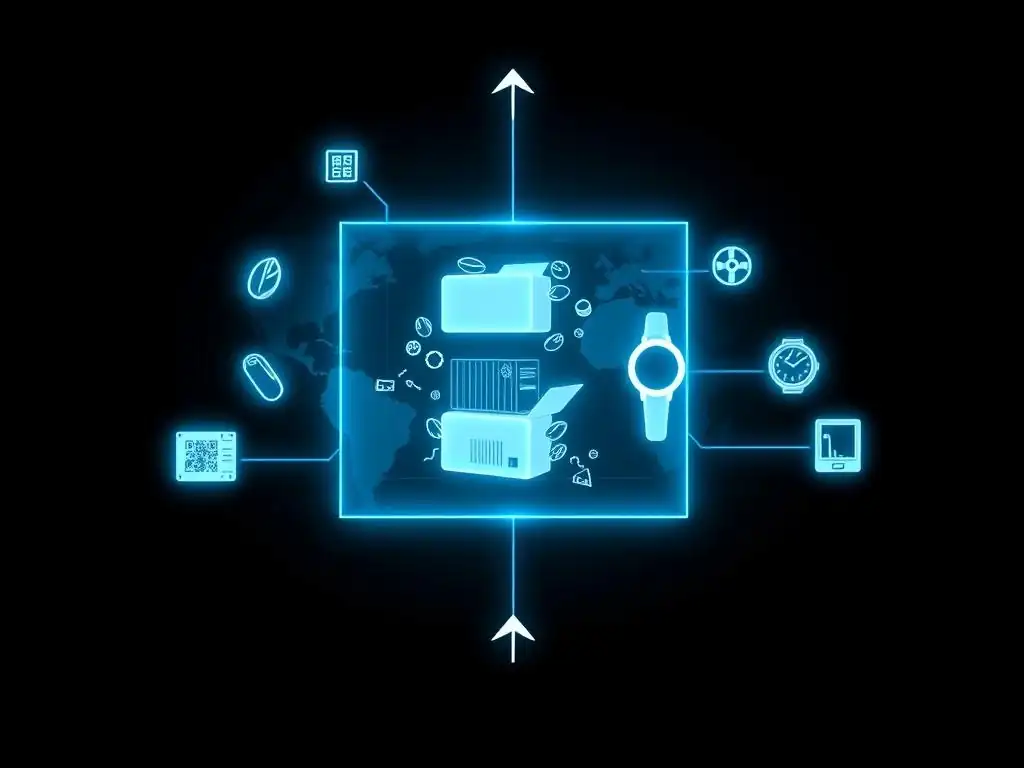
Tracking Food Supply Chains for Safety and Authenticity
Oracles play a crucial role in enhancing safety and authenticity in food supply chains, from farm to fork. By using hardware oracles like temperature and humidity sensors throughout cultivation, processing, storage, and transportation, blockchain networks can maintain an immutable record of the environmental conditions of perishable goods. Software oracles can integrate data from farming logs, processing plant certifications, and shipping manifests.
For example, IBM Food Trust utilizes blockchain and incorporates oracle-like functionality to track produce. Suppliers, distributors, and retailers can upload data about provenance, processing dates, and shipping information. While not solely reliant on decentralized oracles, the system illustrates how bringing off-chain data (like farm location, harvest date, and processing facility) onto a shared ledger improves traceability.
If a foodborne illness outbreak occurs, oracle-verified data on the blockchain allows for rapid tracing of contaminated items back to their source, reducing the time from weeks to seconds in some pilot cases, minimizing the impact and protecting consumers. This application showcases blockchain supply chain oracles explained through food tracking.
Pharmaceutical Supply Chain Integrity and Oracle Verification
Ensuring the integrity and authenticity of pharmaceuticals is critical to prevent counterfeiting and maintain efficacy, especially for temperature-sensitive drugs. Blockchain, combined with oracles, provides a robust solution. Hardware oracles, specifically temperature and shock sensors, can be attached to pharmaceutical shipments to monitor conditions during transit. This data is fed to the blockchain, creating a verifiable history of handling.
For instance, systems are being developed where drug packages have unique identifiers linked to a blockchain. Temperature oracles continuously report data, and smart contracts monitor this data against regulatory requirements (e.g., maintaining a specific temperature range). If the oracle reports a breach of temperature limits, the smart contract can automatically flag the batch, potentially triggering alerts for disposal or further quality checks.
Software oracles can also verify prescription data against pharmacy records or integrate with regulatory databases. This multi-layered approach, powered by blockchain supply chain oracles explained through integrity checks, helps combat the estimated $200 billion global market for counterfeit drugs.
Optimizing Logistics and Transportation with Real-Time Oracle Data
Real-time data from oracles is transforming logistics and transportation within supply chains. Location oracles provide precise GPS data, allowing logistics providers to track the exact position of vehicles and shipments. This enables dynamic route optimization, better scheduling, and more accurate ETAs. Software oracles can pull data from traffic APIs, weather services, or port schedules to inform routing decisions and proactively manage potential delays.
Consider a logistics smart contract managing intermodal transport (e.g., truck to ship to train). Location oracles track the container's movement, confirming its arrival at the port and successful loading onto the vessel. Software oracles can verify the vessel's departure time and estimated arrival at the next port by querying shipping line APIs.
This constant stream of verified data allows for automated updates, real-time visibility for all stakeholders, and the ability for smart contracts to trigger actions like customs pre-clearance processes or arranging the next leg of the journey as soon as previous milestones are confirmed by oracle data. This optimization is a prime example of blockchain supply chain oracles explained through logistics efficiency.
Streamlining Trade Finance and Supply Chain Payments with Oracles
Trade finance and payments in supply chains often involve complex processes, multiple intermediaries, and significant delays. Blockchain can streamline these by enabling automated payments via smart contracts. However, these payments need to be triggered by real-world events, which is where oracles are essential. A smart contract for trade finance might release funds based on oracle-verified data confirming shipment loading, successful customs clearance, or final delivery at the destination.
For example, a smart contract between an importer and exporter could stipulate payment upon proof of delivery. A location oracle confirms the goods arrived at the importer's warehouse, and a human oracle (or sensor) confirms the seals are intact. Once both conditions are verified by the oracles and fed to the blockchain, the smart contract automatically executes the payment in cryptocurrency or stablecoins.
This eliminates the need for traditional, time-consuming letters of credit and manual verification processes, significantly speeding up cash flow for suppliers. This efficiency gain, driven by blockchain supply chain oracles explained through financial automation, is a major benefit for global trade.
Challenges and Considerations When Implementing Blockchain Supply Chain Oracles
Data Security and Oracle Reliability Concerns
One of the primary challenges when implementing blockchain supply chain oracles is ensuring the security and reliability of the data they provide. A smart contract is only as reliable as the data it receives. If an oracle is compromised, provides inaccurate information, or is manipulated, the smart contract could execute incorrectly, leading to significant financial losses or supply chain disruptions. This is often referred to as the "oracle problem." Centralized oracles represent a single point of failure and trust.
To mitigate these risks, decentralized oracle networks (DONs) are being developed. These networks use multiple independent nodes to source, verify, and aggregate data, reducing reliance on a single source. Techniques like staking, reputation systems, and cryptographic proofs are employed to incentivize honest behavior and penalize malicious actors. However, building and maintaining robust, decentralized oracle infrastructure that can handle the diverse data needs of complex supply chains remains a significant technical and economic challenge. Ensuring the integrity of blockchain supply chain oracles explained here is paramount.
Oracle Selection and Integration Complexity
Selecting the appropriate oracle solution and integrating it seamlessly with existing supply chain systems and the chosen blockchain network can be complex. Supply chains involve a heterogeneous mix of legacy systems, diverse data formats, and various communication protocols (e.g., EDI, APIs, sensor networks). An oracle solution needs to be capable of reliably connecting to these disparate sources and translating the data into a format usable by smart contracts on the specific blockchain being used (e.g., Ethereum, Hyperledger Fabric, VeChain).
Furthermore, the requirements for oracles vary depending on the specific use case – real-time location tracking needs different oracle capabilities than verifying customs documents or monitoring warehouse temperature. Choosing the right type of oracle (hardware, software, human, or a combination) and ensuring its compatibility and interoperability with the entire supply chain ecosystem requires careful planning and technical expertise. The complexity of this integration phase is a significant hurdle in deploying blockchain supply chain oracles explained for enterprise use.
Scalability and Performance Considerations for Blockchain Supply Chain Oracles
Scalability is another critical consideration. Modern supply chains generate vast amounts of data – from millions of individual sensor readings to thousands of shipment updates daily. The oracle infrastructure must be capable of handling this high volume of data requests and securely transmitting the information to the blockchain without causing delays or overwhelming the network. The frequency at which data is required by smart contracts (e.g., real-time tracking versus daily status updates) also impacts the performance requirements for the oracle system.
Feeding large volumes of data onto some blockchains can also be expensive due to transaction fees (gas costs). Efficient oracle designs that aggregate data off-chain or utilize layer-2 scaling solutions are necessary to manage costs and improve performance. Ensuring that the combined blockchain and oracle solution can scale to meet the demands of enterprise-level supply chain operations is a key challenge that requires careful architectural design and optimization of blockchain supply chain oracles explained through performance metrics.
The Importance of Oracle Standardization and Interoperability
The lack of widespread standardization and interoperability among different oracle solutions and blockchain platforms presents challenges for building interconnected supply chain networks. Different oracle providers may use varying data formats, security models, and integration methods. Similarly, different blockchain platforms have their own smart contract languages and data structures. This fragmentation can make it difficult to integrate data from multiple oracle sources or connect different blockchain-based supply chain initiatives.
Developing industry standards for oracle data formats, communication protocols, and security practices is crucial for fostering interoperability. This would allow different companies using different blockchain platforms or oracle providers to share data and collaborate more easily. Initiatives aimed at creating common frameworks and APIs for oracle services are necessary to reduce vendor lock-in and facilitate the widespread adoption of blockchain supply chain oracles explained in the context of industry-wide collaboration.
The Future of Blockchain Supply Chain Oracles
The Evolution of Oracle Technology for Supply Chain Applications
The technology underpinning blockchain oracles is continuously evolving, driven by the increasing demand for reliable real-world data in decentralized applications, including supply chains. Future oracle solutions are likely to become more sophisticated, offering enhanced data verification mechanisms, greater resilience against manipulation, and improved efficiency. We can expect to see more advanced decentralized oracle networks (DONs) that utilize cryptoeconomic incentives, secure hardware enclaves, and multi-party computation to ensure data integrity and confidentiality.
Furthermore, the development of specialized oracles tailored specifically for supply chain use cases is anticipated. This could include oracles designed for specific types of sensors, integration with particular legacy systems, or compliance with industry-specific data standards (e.g., GS1). As blockchain adoption grows in supply chain, the oracle layer will become more robust, standardized, and capable of handling the complex and diverse data requirements of global trade, further solidifying the role of blockchain supply chain oracles explained through technological advancement.
The Impact of AI and IoT on Blockchain Oracle Functionality in Supply Chains
The convergence of Artificial Intelligence (AI) and the Internet of Things (IoT) will profoundly impact the functionality of blockchain oracles in supply chains. IoT devices are the source of much of the real-world data needed (location, temperature, etc.). As IoT networks become more pervasive and generate even larger volumes of data, oracles will need to handle this influx efficiently and securely. AI can be integrated into the oracle process to analyze raw sensor data, identify anomalies (e.g., predicting potential equipment failure based on vibration data), and provide more intelligent, processed insights to smart contracts.
AI can also enhance oracle reliability by identifying patterns of potentially malicious data submissions or predicting the trustworthiness of different data sources. For instance, an AI algorithm could analyze historical data from multiple temperature sensors and flag readings that seem inconsistent with typical transit conditions or deviate significantly from other sensors on the same shipment. This synergy between AI, IoT, and blockchain oracles will enable more predictive, automated, and resilient supply chains, demonstrating a key future trend for blockchain supply chain oracles explained through technology convergence.
Enhanced Security and Privacy in Blockchain Supply Chain Oracles
Security and privacy will remain critical areas of focus for future blockchain supply chain oracles. While DONs improve reliability, ensuring the privacy of sensitive supply chain data (e.g., specific shipment routes, customer names) while still providing verifiable data to the blockchain is a challenge. Future oracle designs are likely to incorporate advanced cryptographic techniques such as zero-knowledge proofs (ZKPs) to allow oracles to prove the validity of data without revealing the underlying sensitive information.
Secure hardware enclaves (like Trusted Execution Environments - TEEs) can also be used to process sensitive data within the oracle node itself, protecting it from the oracle operator. Furthermore, advancements in blockchain privacy solutions (e.g., confidential transactions, permissioned ledgers) will work in conjunction with oracles to create supply chain solutions that are both transparent to authorized parties and protect competitively sensitive information. These advancements will be essential for building truly secure and private blockchain supply chain oracles explained with a focus on data protection.
Conclusion: Harnessing the Power of Oracles for a More Transparent and Efficient Blockchain Supply Chain
The Transformative Potential of Blockchain Oracles in Reshaping Supply Chains
Blockchain technology holds immense promise for transforming supply chains, offering unparalleled transparency, security, and efficiency. However, this potential can only be fully realized by effectively bridging the gap between the blockchain's digital ledger and the dynamic, data-rich reality of physical supply chain operations. This is precisely the critical role played by blockchain supply chain oracles explained throughout this article. By acting as secure and reliable bridges, oracles inject the essential real-world data – from GPS locations and temperature readings to customs updates and payment confirmations – that smart contracts need to automate processes and create verifiable records.
The implementation of hardware, software, and even human oracles enables capabilities ranging from real-time tracking and condition monitoring of goods to automated payments triggered by verified delivery. While challenges related to data security, integration complexity, and scalability exist, ongoing developments in oracle technology, coupled with the integration of AI and IoT, are paving the way for more robust, intelligent, and trustworthy oracle solutions.
Harnessing the power of reliable blockchain supply chain oracles explained here is not just an option but a necessity for businesses looking to leverage blockchain to build more resilient, transparent, and efficient supply chains capable of meeting the demands of the future global economy.
Frequently Asked Questions
What are blockchain supply chain oracles, and why are they needed?
Blockchain supply chain oracles are third-party services that provide external data to smart contracts on a blockchain. They are needed because blockchains inherently cannot access real-world data independently, hindering their use in supply chain management.
How do blockchain supply chain oracles improve transparency in supply chains?
Oracles allow real-time tracking of goods and processes by feeding data from sensors, IoT devices, and databases into the blockchain. This creates an immutable record of events, increasing transparency and accountability.
What are some common types of data that blockchain supply chain oracles provide?
Common data types include location information, temperature readings, shipment statuses, and quality certifications. These data points ensure that smart contracts accurately reflect the state of the supply chain.
What are the potential risks associated with using blockchain supply chain oracles?
The biggest risk is oracle failure or manipulation, which can lead to inaccurate data being recorded on the blockchain. This can undermine the integrity of the system and result in contractual disputes.
How is the use of blockchain supply chain oracles impacting the future of decentralized systems?
By enabling trustworthy data integration, oracles are expanding the application of blockchain technology beyond cryptocurrencies. They are paving the way for more sophisticated and efficient decentralized supply chain solutions.
Final Reflection: Embracing Transparency in a Connected World
The journey of understanding blockchain supply chain oracles explained reveals a profound truth: the future of supply chains hinges on verifiable trust. What began as a technological exploration now stands as a crucial element in ensuring authenticity, efficiency, and ethical practices across global networks. The ability to seamlessly connect real-world data with the immutable ledger of the blockchain is no longer a futuristic concept, but a tangible solution reshaping industries today.
The impact of these oracles extends far beyond mere technological advancement. They represent a fundamental shift towards greater transparency and accountability, empowering consumers and businesses alike. The ability to trace a product's journey from origin to delivery, verifying its authenticity and ethical sourcing, is a powerful force for positive change. As the saying goes, Transparency breeds trust, and trust is the foundation of any successful relationship.
This applies not only to business partnerships but also to the relationship between producers and consumers, fostering a more conscious and responsible marketplace.
Now, as you consider the potential of blockchain supply chain oracles, I invite you to reflect on your own role in this evolving landscape. How can you leverage this technology to promote greater transparency in your own life, whether as a consumer demanding ethical sourcing or as a business leader striving for operational excellence? The power to build a more trustworthy and efficient world is within our reach. Let us embrace it and shape a future where every product tells a story of integrity and authenticity.
Unlock the Future: Transform Your Supply Chain Today!
Thank you for exploring how oracles are revolutionizing supply chain management with Blockchain Trends. You've gained valuable insights into leveraging this technology to create more transparent and efficient processes. It's time to put that knowledge into action!
Here are a few steps you can take to dive deeper and contribute to this exciting field:
- Identify an area within your current supply chain where implementing oracles could lead to the greatest improvements in transparency and efficiency. Start brainstorming solutions!
- Explore open-source blockchain oracle projects to understand their practical applications. Don't hesitate to experiment with the code!
- Share this article with a colleague who might also benefit from learning about oracles. Help expand awareness of this vital technology.
What unexpected challenges do you foresee when integrating oracles into real-world supply chains, and how might you address them? Share your thoughts in the comments below!
Leave a Reply