
The Role of Smart Packaging in BlockchainEnabled Supply Chain Tracking

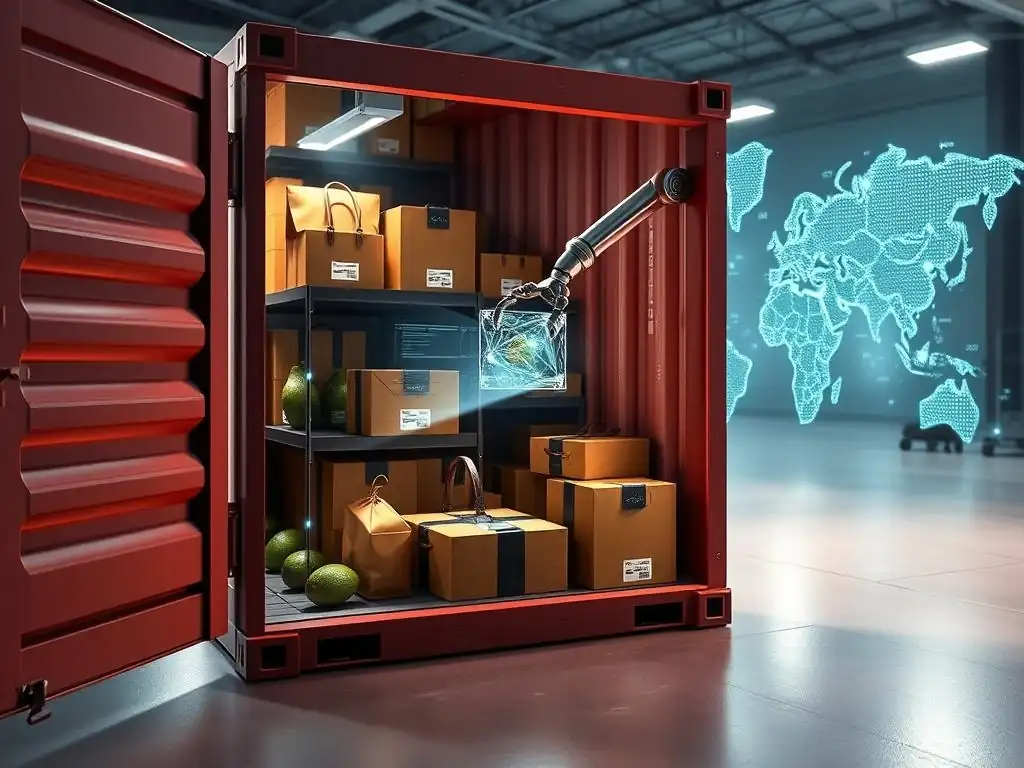
Welcome to Blockchain Trends, your go-to source for understanding the revolutionary impact of blockchain technology.
Dive into the world beyond cryptocurrency and discover how blockchain is reshaping industries. Ever wondered how to guarantee product authenticity and traceability? Our latest article explores the fascinating intersection of blockchain supply chain smart packaging and how it's revolutionizing the way we track goods from origin to consumer. Uncover the potential of this innovative approach and learn how it's forging a more transparent and efficient future for supply chains. Intrigued? Read on to explore the possibilities!
Enhancing Pharmaceutical Supply Chain Integrity with Blockchain and Smart Packaging
- Introduction: Addressing Challenges in Pharmaceutical Distribution
- Blockchain for Pharmaceutical Supply Chain Management: Ensuring Data Integrity
- Smart Packaging: Extending Tracking to the Individual Dosage Level
- Blockchain and Smart Packaging: A Synergistic Approach to Pharmaceutical Security
- Implementing Blockchain-Enabled Smart Packaging: Key Considerations
- Benefits of Integrating Smart Packaging into Blockchain Pharmaceutical Supply Chains
- Challenges and Opportunities in Blockchain-Enabled Smart Packaging for Pharmaceuticals
- The Future of Blockchain and Smart Packaging in Pharmaceutical Tracking
- Case Studies: Real-World Examples of Blockchain and Smart Packaging in Pharmaceuticals
- Conclusion: Transforming Pharmaceutical Supply Chains with Blockchain and Smart Packaging
-
Frequently Asked Questions
- What is smart packaging and how does it relate to blockchain technology?
- How does blockchain smart packaging improve supply chain transparency?
- What are the main benefits of using blockchain smart packaging for businesses?
- What are some potential challenges in implementing blockchain smart packaging solutions?
- How will blockchain smart packaging shape the future of supply chains?
- Final Reflection: Embracing Transparency Through Smart Packaging
- Dive Deeper: Revolutionize Your Supply Chain Today!
Introduction: Addressing Challenges in Pharmaceutical Distribution
The Complexities and Vulnerabilities of Pharmaceutical Supply Chains
The global pharmaceutical supply chain is a vast and intricate network, involving manufacturers, distributors, wholesalers, pharmacies, and ultimately, patients. This complexity, coupled with high-value goods and sensitive handling requirements (like temperature control), creates significant vulnerabilities. Estimates suggest that the global market for counterfeit drugs is substantial, potentially reaching hundreds of billions of dollars annually, posing a dire threat to public health and safety. Furthermore, issues like diversion, theft, and spoilage of legitimate medications due to improper storage or handling contribute to significant financial losses for the industry and erode trust among stakeholders.
Managing inventory across diverse geographical locations and numerous handoffs is inherently challenging. The lack of a unified, transparent tracking system makes it difficult to pinpoint the exact location and condition of a drug at any given time. This opacity hinders efficient recalls, complicates regulatory compliance, and makes the supply chain susceptible to infiltration by counterfeit products. The sheer volume of transactions and participants necessitates a robust, secure, and verifiable method to ensure product integrity from production line to patient, a critical need that current systems often struggle to meet effectively.
The Potential of Blockchain and Smart Packaging for Enhanced Security
Emerging technologies like blockchain and smart packaging offer a powerful combination to address these systemic weaknesses in the pharmaceutical supply chain. Blockchain's distributed ledger technology provides an immutable and transparent record of every transaction and movement within the chain, creating a single source of truth accessible to authorized parties. This inherent security and transparency make it incredibly difficult for counterfeit products to enter or for legitimate products to be diverted without detection.
Integrating smart packaging with blockchain takes this capability a step further. Smart packaging, equipped with sensors and unique identifiers, can capture granular, real-time data about a product's condition (e.g., temperature, humidity) and location at the individual item level. When this data is recorded on a blockchain, it creates a verifiable, tamper-proof history for each package. This Blockchain supply chain smart packaging synergy allows for unprecedented visibility, security, and integrity throughout the pharmaceutical distribution network.
Defining Smart Packaging in the Context of Pharmaceuticals
In the pharmaceutical context, smart packaging refers to packaging solutions that incorporate advanced technologies to provide functions beyond traditional containment and protection. This includes features like unique serial numbers (often via 2D barcodes like DataMatrix or RFID/NFC tags), sensors to monitor environmental conditions (temperature, humidity, light exposure), and tamper-evident mechanisms that can be digitally verified. The goal is to make the packaging an active participant in the supply chain tracking process.
These technologies enable individual units or batches of medication to be uniquely identified, tracked, and monitored throughout their journey. For example, an NFC tag embedded in a drug box can be scanned at various points to record its location and ownership transfer on a blockchain. Simultaneously, an integrated temperature sensor can log data points that are also recorded on the ledger, providing proof of proper cold chain management. This level of item-level data capture and secure, verifiable recording is fundamental to building a truly resilient and transparent pharmaceutical supply chain using Blockchain supply chain smart packaging solutions.
Blockchain for Pharmaceutical Supply Chain Management: Ensuring Data Integrity
How Blockchain Improves Transparency and Reduces Counterfeiting
Blockchain technology fundamentally enhances transparency in the pharmaceutical supply chain by creating a shared, distributed ledger where all participants can record and verify transactions. Unlike traditional centralized databases, a blockchain's data is replicated across multiple nodes, making it highly resistant to manipulation. When a pharmaceutical product moves from manufacturer to distributor, and then to a pharmacy, each handover and status update can be recorded as a block on the chain. This forms an auditable, visible trail for all permissioned network members.
This increased transparency significantly reduces opportunities for counterfeiting. Since every legitimate product is associated with a unique identifier recorded on the blockchain at the point of manufacture, any product entering the supply chain without a corresponding, verifiable entry can be flagged as suspicious. Participants downstream, like pharmacies or even patients (via scanning a code on the packaging), can verify the product's authenticity and provenance by querying the blockchain data, making it much harder for fake drugs to pass undetected.
Benefits of Immutable Records for Tracking Drug Provenance
One of the core strengths of blockchain is the immutability of its records. Once data is added to a block and verified, it cannot be altered or deleted without consensus from the network, which is practically impossible on a well-designed blockchain. In the context of pharmaceuticals, this means that the history of a drug – from its manufacturing batch details, expiration date, and serialization data to every subsequent transfer of ownership and location – is permanently recorded. This creates an irrefutable record of provenance.
This immutable provenance tracking is vital for several reasons. Firstly, it provides undeniable proof of a drug's origin and journey through the supply chain, critical for regulatory compliance and audits. Secondly, in the event of a quality issue or recall, the immutable record allows for rapid and precise identification of affected batches and their current locations, significantly speeding up the recall process and minimizing patient exposure to potentially harmful drugs. The reliability of these records built by Blockchain supply chain smart packaging systems fosters trust among regulators, healthcare providers, and consumers.
Combating Diversion and Gray Market Activities with Blockchain
Diversion, where legitimate pharmaceuticals are redirected from their intended path (e.g., from a hospital to the black market), and gray market activities, involving unauthorized distribution channels, pose significant threats. Blockchain's ability to track the chain of custody with high precision helps combat these issues. Every transfer of ownership or possession can be recorded on the ledger, creating a clear line of accountability. If a product appears in an unexpected location or outside its authorized distribution path, the discrepancy is immediately visible on the blockchain.
By linking unique product identifiers to specific transactions on the blockchain, authorities and legitimate supply chain partners can monitor the authorized flow of goods. For instance, if a batch of medication intended for a hospital in one state appears in a pharmacy in another state without a recorded transaction between authorized distributors on the blockchain, it raises a red flag for potential diversion. This level of granular, verifiable tracking provided by Blockchain supply chain smart packaging solutions makes it significantly riskier and harder for illicit activities like diversion to go unnoticed.
Smart Packaging: Extending Tracking to the Individual Dosage Level
Smart packaging in pharmaceuticals often involves integrating technologies directly into the primary, secondary, or tertiary packaging. Near Field Communication (NFC) tags are a common example, offering a simple, contactless way to uniquely identify and interact with individual drug packages. These small, inexpensive tags can store a unique serial number and potentially a link to blockchain-based provenance data. A simple tap with a smartphone or scanner can retrieve this information.
Beyond identification, smart packaging incorporates various sensors. Temperature sensors are crucial for drugs requiring a cold chain, like vaccines or biologics. Humidity sensors can detect exposure to moisture, which can degrade many medications. Light sensors can monitor exposure for light-sensitive drugs. Tamper-evident sensors or seals, which change state if the package is opened, can also be integrated and digitally linked to the package's unique ID. These integrated components are key to capturing the environmental and physical state data that complements the transactional data on the blockchain, forming the basis of effective Blockchain supply chain smart packaging.
Monitoring Temperature, Humidity, and Tamper Evidence in Real-Time
The ability to monitor environmental conditions in real-time is critical for maintaining the efficacy and safety of many pharmaceutical products. Smart packaging equipped with sensors can continuously log temperature, humidity, or other relevant data points throughout the supply chain journey. This data is stored locally on the sensor or tag and can be uploaded to the blockchain at various checkpoints or upon delivery. For example, a sensor might record temperature readings every hour. If the temperature exceeds a predefined threshold (e.g., above 8°C for a refrigerated vaccine), this excursion is logged.
When integrated with a blockchain, these sensor logs become part of the immutable product history. This provides verifiable proof that the cold chain was maintained or highlights exactly where and when a temperature excursion occurred. Similarly, a digitally-linked tamper-evident seal can record its status (sealed/opened) on the blockchain upon scanning, providing proof that the package was not compromised in transit. This granular, real-time monitoring capability, enabled by smart packaging and recorded via Blockchain supply chain smart packaging, offers a level of quality assurance previously unattainable.
Enhancing Patient Safety through Authentication and Verification
Ultimately, the goal of securing the pharmaceutical supply chain is to ensure patient safety. Smart packaging plays a direct role in this by enabling easy authentication and verification at the point of care or even by the patient. Each smart package has a unique identifier (e.g., a serial number linked to an NFC tag or a scannable code). This identifier is the key to accessing the product's history on the blockchain.
A pharmacist dispensing medication, or a patient receiving it, could use a simple smartphone app to scan the package's smart feature. The app queries the blockchain using the unique ID, retrieving the full, verifiable history: manufacturing details, shipment route, environmental conditions encountered, and chain of custody. This allows instant verification that the product is genuine, has followed the correct path, and has been stored properly. This final-mile verification layer, facilitated by smart packaging and underpinned by Blockchain supply chain smart packaging, empowers stakeholders to detect potentially compromised or counterfeit products before they reach the patient.
Blockchain and Smart Packaging: A Synergistic Approach to Pharmaceutical Security
Combining Blockchain's Security with Smart Packaging's Granular Data
The true power of Blockchain supply chain smart packaging lies in the synergy between the two technologies. Blockchain provides the secure, transparent, and immutable platform for recording data, while smart packaging provides the mechanism to generate granular, item-level data from the physical world. Blockchain alone can track transactions between parties, but it doesn't inherently know the condition or exact location of a specific package. Smart packaging alone can collect sensor data and identify individual items, but this data is vulnerable to manipulation if stored in a traditional database.
By combining them, the unique identifier and sensor data from each smart package are recorded as transactions or attributes on the blockchain. This means that not only is the transfer of ownership recorded securely, but also the temperature profile during transit, the time and location of scans, and the status of tamper-evident seals. This integrated approach ensures that the physical state and journey of the product are inextricably linked to a secure, verifiable digital record, creating a robust system for Blockchain supply chain smart packaging.
Creating a Tamper-Proof Audit Trail from Manufacturer to Patient
This combination creates an unprecedented, tamper-proof audit trail that spans the entire journey of a pharmaceutical product, from the moment it's manufactured and serialized to when it's dispensed to the patient. Every significant event – packaging, aggregation into cases/pallets, shipment from factory to warehouse, transfer between distributors, arrival at pharmacy, and even dispensing – can be recorded on the blockchain, linked to the unique serial numbers on the smart packaging.
If a package experiences a temperature deviation, if its tamper seal is broken, or if it appears in an unauthorized location, these events can be logged via the smart packaging and recorded on the blockchain. Because the blockchain record is immutable, this history cannot be erased or altered to hide issues. This comprehensive, verifiable audit trail is invaluable for regulatory compliance (like DSCSA in the US or FMD in the EU), investigations into supply chain breaches, and demonstrating product integrity, showcasing the benefits of Blockchain supply chain smart packaging.
Use Cases: Vaccine Distribution, Controlled Substances, Personalized Medicine
The synergy of Blockchain supply chain smart packaging is particularly impactful in several critical pharmaceutical use cases.
- Vaccine Distribution: Many vaccines require strict cold chain maintenance (e.g., -70°C for some COVID-19 vaccines, 2-8°C for others). Smart packaging with temperature sensors combined with blockchain tracking provides continuous, verifiable proof that temperature requirements were met throughout the complex distribution network, ensuring vaccine efficacy upon administration.
- Controlled Substances: Drugs like opioids are highly susceptible to diversion. Item-level tracking via smart packaging and immutable chain-of-custody records on a blockchain can provide granular visibility into the movement of each unit, helping to prevent and detect diversion by creating a clear line of accountability at every step.
- Personalized Medicine: As treatments become more tailored to individual patients, ensuring the right medication reaches the right person is paramount. Smart packaging with unique identifiers linked to patient prescription data on a secure (potentially private) blockchain can verify the authenticity and intended recipient of highly specific, often high-value, medications, enhancing both security and patient safety in these complex distribution scenarios.
Implementing Blockchain-Enabled Smart Packaging: Key Considerations
Selecting a Permissioned Blockchain Platform for Data Control and Privacy
When implementing Blockchain supply chain smart packaging in the pharmaceutical sector, choosing the right blockchain platform is crucial. Given the sensitive nature of pharmaceutical data (including potentially HIPAA or GDPR-regulated information), a public, permissionless blockchain like Bitcoin or Ethereum is generally unsuitable due to lack of privacy and control. Permissioned blockchains (like Hyperledger Fabric, R3 Corda, or a private Ethereum instance) are preferred.
These platforms allow organizations to control who can join the network, who can write data to the ledger, and who can access specific types of data. This is essential for maintaining data privacy, complying with regulations, and ensuring that commercially sensitive information (like pricing or customer details) is only shared with authorized parties. A robust governance model for the consortium operating the permissioned blockchain is also necessary to define rules for data sharing, access, and dispute resolution.
Choosing Sensors and Packaging Materials Compliant with Regulatory Standards
The selection of smart packaging components – including sensors, tags, inks, and adhesives – must meet stringent pharmaceutical regulatory standards (e.g., FDA, EMA). Materials must be non-toxic, not leach chemicals into the product, and be suitable for the specific storage conditions of the drug (e.g., low temperatures, high humidity). Sensors must be accurate, reliable, and calibrated, with clear specifications on their performance range and limitations.
Furthermore, the integration process itself must not compromise the sterility or integrity of the primary drug packaging. Compliance with standards like ISO 13485 (Medical Devices Quality Management) or relevant pharmaceutical GMP (Good Manufacturing Practice) guidelines is paramount. The chosen smart packaging elements and their integration process must be validated and documented thoroughly to satisfy regulatory requirements for pharmaceutical products utilizing Blockchain supply chain smart packaging.
Data Integration with Existing Pharmaceutical Inventory Management Systems
Integrating a new Blockchain supply chain smart packaging system with existing enterprise resource planning (ERP) and inventory management systems (WMS) is a significant technical challenge. Pharmaceutical companies rely on complex, often legacy, systems for managing manufacturing, warehousing, distribution, and order fulfillment. The blockchain and smart packaging data streams need to flow seamlessly into and out of these existing systems to provide a unified view of the supply chain.
This typically requires developing APIs and middleware to connect the blockchain ledger and smart packaging data capture points (e.g., scanning stations) with the traditional IT infrastructure. Ensuring data consistency, avoiding duplication, and managing the transition of data ownership between systems are critical aspects of this integration. A phased implementation approach, starting with a pilot program for a specific product line or region, can help manage the complexity and mitigate risks associated with integrating Blockchain supply chain smart packaging solutions.
Benefits of Integrating Smart Packaging into Blockchain Pharmaceutical Supply Chains

Improved Traceability and Faster Recall Processes
Integrating smart packaging with blockchain provides unparalleled item-level traceability. Every unique package has a verifiable history recorded on the immutable ledger. This means that in the event of a recall, affected products can be identified and located with far greater speed and precision than with traditional batch-level tracking. Instead of recalling an entire manufacturing batch from potentially thousands of locations, companies can pinpoint exactly which serialized units from the affected batch went to which distributors, pharmacies, or even clinics.
This granular traceability significantly reduces the scope and cost of recalls, minimizes waste of unaffected products, and, most importantly, accelerates the removal of potentially harmful drugs from the market, protecting patients. The ability to quickly and accurately trace the entire journey of a specific drug unit is a major advantage offered by Blockchain supply chain smart packaging.
Enhanced Patient Safety and Reduced Risk of Counterfeit Drugs
The primary driver for securing the pharmaceutical supply chain is patient safety. Blockchain supply chain smart packaging directly enhances this by making it significantly harder for counterfeit or substandard drugs to reach consumers. The verifiable provenance data on the blockchain, accessible via scanning the smart packaging, allows pharmacists, healthcare providers, and patients to authenticate a product's legitimacy at the point of dispensing or use.
If a product's serial number doesn't exist on the blockchain, or if its recorded history shows inconsistencies (e.g., it was shipped from an unauthorized location, or its cold chain was broken), it can be flagged as potentially fake or compromised. This provides a crucial last line of defense against dangerous counterfeit medications, which the WHO estimates cause thousands of deaths annually globally.
Reduced Losses Due to Theft, Diversion, and Spoilage
Beyond counterfeiting, pharmaceutical companies face substantial financial losses from theft, diversion, and spoilage. The enhanced visibility and accountability provided by Blockchain supply chain smart packaging help mitigate these issues. Item-level tracking makes it easier to identify where products are lost or diverted in the chain, enabling companies to pinpoint weak points and improve security.
Real-time environmental monitoring via smart packaging prevents spoilage by alerting stakeholders to temperature excursions or other adverse conditions before the drug is compromised. For example, a refrigerated shipment of insulin might be rerouted or inspected immediately if temperature sensor data uploaded to the blockchain shows it's warming up. This proactive monitoring and the immutable record of conditions reduce financial losses and ensure that only viable products reach the market.
Increased Transparency and Trust with Healthcare Providers and Patients
Implementing a transparent and verifiable Blockchain supply chain smart packaging system builds trust among all stakeholders. Healthcare providers can have higher confidence in the authenticity and quality of the medications they administer, knowing they can verify the product's history. This can streamline processes like receiving and inventory management.
Patients, too, can be empowered to verify the drugs they receive, increasing their confidence in the healthcare system and the pharmaceutical industry. Providing access to verifiable provenance and condition data creates a level of transparency that fosters trust and demonstrates a commitment to quality and safety that goes beyond traditional assurances.
Challenges and Opportunities in Blockchain-Enabled Smart Packaging for Pharmaceuticals
Cost of Implementation and Integration with Legacy Systems
One of the primary challenges in adopting Blockchain supply chain smart packaging is the significant upfront cost. This includes the expense of the blockchain platform itself (especially for private/permissioned networks), developing or acquiring the necessary software for data integration, purchasing and implementing scanning and data capture hardware, and the cost of the smart packaging components (NFC tags, sensors) which are typically more expensive per unit than traditional packaging.
Furthermore, integrating these new technologies with complex, often decades-old, legacy IT systems within pharmaceutical companies and across their supply chain partners presents a substantial technical and operational hurdle. This requires significant investment in IT infrastructure, development resources, and change management to ensure smooth operation and data flow across the entire network.
Data Privacy and Security Compliance with HIPAA and GDPR
Pharmaceutical supply chain data, while primarily focused on product movement, can sometimes intersect with protected health information (PHI) or personally identifiable information (PII), especially in use cases involving personalized medicine or direct-to-patient shipments. Ensuring compliance with strict data privacy regulations like HIPAA in the United States and GDPR in Europe is paramount.
While blockchain's immutability is a strength, it also means that sensitive data, if improperly recorded, is permanently stored. Designing the system to ensure privacy requires careful consideration of what data is stored on-chain versus off-chain, robust access controls within the permissioned blockchain, and potentially employing privacy-enhancing technologies like zero-knowledge proofs. The architecture of a Blockchain supply chain smart packaging solution must be meticulously planned to meet these complex legal and ethical requirements.
Regulatory Hurdles and Need for Industry-Wide Standards
While regulatory bodies like the FDA have shown interest in blockchain for supply chain security (e.g., the DSCSA pilot programs), there is still a lack of specific, comprehensive regulations governing the use of blockchain and smart packaging in pharmaceuticals. The absence of established industry-wide standards for data formats, interoperability between different blockchain platforms, and technical specifications for smart packaging components can hinder widespread adoption.
Achieving true end-to-end traceability requires collaboration and standardization across the entire industry, including manufacturers, distributors, pharmacies, and potentially healthcare providers and regulators. Developing common protocols and data models is essential to ensure that different participants using different systems can seamlessly share and verify information on a Blockchain supply chain smart packaging network. This requires significant coordination and agreement among diverse stakeholders.
Opportunities for Innovation in Drug Delivery and Patient Adherence
Despite the challenges, Blockchain supply chain smart packaging opens significant opportunities for innovation. Beyond security and traceability, smart packaging can become an interactive tool. For example, NFC tags can link patients to educational materials about their medication, provide dosage reminders, or facilitate direct communication with healthcare providers.
The verifiable data collected on the blockchain regarding dispensing and patient interaction could potentially be used (with appropriate consent and anonymization) to monitor medication adherence patterns on a population level, informing public health strategies. In the future, integrating blockchain with smart packaging could support novel drug delivery models, such as tracking highly sensitive or personalized therapies delivered directly to the patient's home, ensuring their integrity and authenticity throughout the final mile.
The Future of Blockchain and Smart Packaging in Pharmaceutical Tracking
Emerging Trends in Serialization and Track-and-Trace Technologies
The pharmaceutical industry is already moving towards greater serialization under mandates like the US Drug Supply Chain Security Act (DSCSA), which requires unit-level traceability by 2023 (though enforcement timelines have been adjusted). This regulatory push is accelerating the adoption of unique product identifiers and electronic tracking. Future trends will likely see increased integration of these serialization efforts with advanced technologies.
We can expect to see more sophisticated 2D codes, potentially combined with overt and covert security features. The cost and capabilities of RFID and NFC tags are improving, making their widespread use on individual packages more feasible. Furthermore, the development of smaller, cheaper, and more robust sensors capable of monitoring a wider range of environmental factors will enhance the data captured by smart packaging, further strengthening the potential of Blockchain supply chain smart packaging.
The Role of AI in Predictive Analytics for Supply Chain Optimization
The vast amount of data generated by Blockchain supply chain smart packaging – including transaction histories, location data, sensor readings, and timestamps – provides a rich dataset for analysis. Artificial intelligence (AI) and machine learning can leverage this data for predictive analytics. For example, AI algorithms could analyze historical temperature data and transit times to predict potential cold chain risks on specific routes or with certain carriers.
AI could also be used to identify anomalous patterns indicative of potential diversion or counterfeiting attempts by analyzing transaction flows and location data on the blockchain. This predictive capability allows pharmaceutical companies to move from reactive problem-solving to proactive risk mitigation, optimizing logistics, preventing losses, and further enhancing the security and efficiency of the supply chain powered by Blockchain supply chain smart packaging.
Predictions for Global Adoption of Blockchain-Enabled Smart Packaging in Pharma
While full global adoption of Blockchain supply chain smart packaging is likely several years away due to the challenges of cost, integration, and standardization, pilot programs and regional implementations are expected to expand significantly. Regulatory pressures for enhanced traceability, coupled with the increasing threat of counterfeit drugs, will continue to drive investment in these technologies.
It is probable that initial widespread adoption will occur for high-value, high-risk, or temperature-sensitive products like biologics, vaccines, and controlled substances, where the return on investment for enhanced security and traceability is clearest. As the technology matures, costs decrease, and industry standards emerge, Blockchain supply chain smart packaging is poised to become a standard practice across a broader range of pharmaceutical products, fundamentally transforming how drugs are tracked and verified worldwide.
Case Studies: Real-World Examples of Blockchain and Smart Packaging in Pharmaceuticals
Tracking COVID-19 Vaccine Distribution with Blockchain and Temperature Monitoring
The global effort to distribute COVID-19 vaccines, many of which require ultra-cold or strict refrigerated storage, highlighted the critical need for robust cold chain tracking. Several initiatives and pilot programs leveraged blockchain to track vaccine shipments. For instance, companies explored using IoT sensors within shipping containers or attached to packaging that continuously monitored temperature.
This temperature data, along with location and handling information, was securely recorded on blockchain ledgers. Supply chain participants, from manufacturers to distribution centers and vaccination sites, could access this immutable record to verify that temperature requirements were met throughout the journey. While not always down to individual dose smart packaging initially, these efforts demonstrated the feasibility and value of combining verifiable data logging (akin to sensor data from smart packaging) with blockchain for critical pharmaceutical distribution like vaccines.
Preventing Counterfeiting of Opioids with Blockchain and Tamper-Evident Packaging
The opioid crisis has spurred efforts to secure the supply chain for controlled substances. Pilot programs have explored using serialization, tamper-evident packaging with unique identifiers, and blockchain technology to track opioids from manufacturing to dispensing. Each bottle or package is serialized and linked to a blockchain entry upon production.
Tamper-evident seals that are designed to be difficult to counterfeit and whose status can be verified upon scanning (sometimes digitally linked via smart packaging features) add another layer of security. The immutable blockchain record tracks every transfer of custody. If a sealed package is opened and the tamper evidence is triggered, this event can be recorded. If a package appears in a location inconsistent with its blockchain history, or if its recorded chain of custody is broken, it signals potential diversion or counterfeiting, aiding authorities in investigations and preventing illicit products from reaching patients.
High-value injectable medications, particularly those used in hospitals or clinics, are targets for counterfeiting and theft. Using smart packaging with embedded NFC tags is being explored to enhance their security. Each syringe or vial package is fitted with a unique NFC tag linked to its blockchain record.
At the point of use in a hospital pharmacy or by a nurse administering the medication, the NFC tag can be scanned with a standard mobile device. This scan queries the blockchain, instantly providing the drug's full provenance, authentication details, and potentially expiration date and storage history. This rapid, easy verification step ensures that healthcare professionals are administering genuine, unexpired, and properly handled medications, adding a critical layer of safety enabled by Blockchain supply chain smart packaging at the point of care.
Conclusion: Transforming Pharmaceutical Supply Chains with Blockchain and Smart Packaging
Summarizing the Key Benefits and Challenges for the Pharmaceutical Industry
The pharmaceutical industry faces persistent challenges with counterfeiting, diversion, spoilage, and maintaining trust across complex global supply chains. Blockchain supply chain smart packaging offers a transformative solution by combining the security, transparency, and immutability of blockchain with the granular, real-time data capture capabilities of smart packaging. Key benefits include vastly improved item-level traceability, significantly enhanced patient safety through authentication and verification, reduced losses from theft and spoilage, and increased trust among all stakeholders.
However, implementing these solutions is not without significant challenges. High costs, the complexity of integrating with existing legacy systems, the need to navigate stringent data privacy regulations like HIPAA and GDPR, and the current lack of comprehensive industry-wide standards are considerable hurdles that require careful planning and investment. Overcoming these challenges is crucial for unlocking the full potential of Blockchain supply chain smart packaging.
The Potential for Improving Patient Outcomes and Reducing Healthcare Costs
Ultimately, the successful implementation of Blockchain supply chain smart packaging has the potential to dramatically improve patient outcomes. By ensuring that patients receive authentic, high-quality, and properly handled medications, the risk of adverse effects from counterfeit or compromised drugs is significantly reduced. Faster and more accurate recalls minimize patient exposure to unsafe products.
Furthermore, reducing losses due to spoilage, theft, and diversion leads to greater efficiency in the supply chain, potentially reducing costs that might otherwise be passed on. While the initial investment is substantial, the long-term benefits in terms of patient safety, reduced waste, increased efficiency, and enhanced trust position Blockchain supply chain smart packaging as a critical technology for the future of pharmaceutical distribution and potentially contributing to lower overall healthcare costs associated with supply chain failures.
Blockchain and Smart Packaging: A Powerful Combination for Secure Pharmaceutical Distribution
The synergy between blockchain technology and smart packaging represents a powerful combination poised to revolutionize pharmaceutical supply chain security. By creating a verifiable, tamper-proof record of a drug's entire journey and condition at the item level, Blockchain supply chain smart packaging addresses fundamental vulnerabilities that have plagued the industry for decades. While the path to widespread adoption involves navigating significant technical, cost, and regulatory challenges, the clear benefits in terms of traceability, patient safety, and supply chain integrity make this combined approach a crucial area of focus for the pharmaceutical industry's future. This integrated solution is set to build a more secure, transparent, and trustworthy system for delivering life-saving medications to patients worldwide.
Frequently Asked Questions
What is smart packaging and how does it relate to blockchain technology?
Smart packaging utilizes sensors and digital technology to monitor a product's condition. When integrated with blockchain, it creates a secure and transparent record of the product's journey through the supply chain, enhancing traceability.
How does blockchain smart packaging improve supply chain transparency?
By linking smart packaging data to a blockchain, every stage of a product's journey is recorded immutably. This creates a single, verifiable source of truth, accessible to authorized parties, fostering greater supply chain transparency and trust.
What are the main benefits of using blockchain smart packaging for businesses?
It offers several benefits, including improved product authentication, reduced counterfeiting, enhanced inventory management, and increased customer trust. It also allows for better tracking of product conditions, like temperature, during transport.
What are some potential challenges in implementing blockchain smart packaging solutions?
Challenges include the initial cost of implementing the technology, the need for industry-wide standardization to ensure interoperability, and concerns surrounding data privacy and security, especially with sensitive product information.
How will blockchain smart packaging shape the future of supply chains?
It will likely lead to more efficient and resilient supply chains, with reduced risks of fraud and counterfeiting. Expect increased automation, real-time visibility, and greater collaboration among supply chain stakeholders, driven by decentralized and trusted data.
Final Reflection: Embracing Transparency Through Smart Packaging
The insights explored throughout this article highlight the transformative potential of blockchain supply chain smart packaging, a synergy that's no longer a futuristic concept but a tangible solution addressing critical issues in today's globalized world. From combating counterfeiting to ensuring product integrity, the convergence of these technologies offers unprecedented transparency and accountability, reshaping how we perceive and interact with the products we consume.
This integration profoundly influences the cultural landscape by fostering trust and empowering consumers with verifiable information. The ability to trace a product's journey from origin to consumption, knowing its authenticity and condition, is a powerful shift towards conscious consumerism. Trust is built with consistency.
This quote underscores the core value proposition of blockchain-enabled smart packaging: providing a consistent, immutable record that builds trust between producers, distributors, and consumers.
As we move forward, let us embrace the possibilities that blockchain supply chain smart packaging offers. Consider how you can champion transparency and accountability in your own sphere of influence, whether as a consumer demanding more information, a business seeking to optimize your supply chain, or an innovator pushing the boundaries of technology. The future of supply chains is transparent, traceable, and trustworthy – a future we can all contribute to building.
Okay, I'm ready to craft a Call to Action (CTA) based on the article title: "The Role of Smart Packaging in Blockchain-Enabled Supply Chain Tracking" for Blockchain Trends (blockchaintrends.org). Here it is:
Dive Deeper: Revolutionize Your Supply Chain Today!
Thank you for exploring how smart packaging and blockchain are transforming supply chain tracking. We hope you found this information insightful and valuable in understanding the future of supply chain management. Now, let's put that knowledge into action!
Here are some immediate steps you can take:
- Explore implementing smart packaging solutions in your organization’s supply chain to enhance traceability and security. This is the most impactful step to see real change.
- Share this article with your colleagues and industry peers to spark discussions about the potential of blockchain in supply chain management.
- Research and identify potential pilot projects integrating blockchain technology and IoT sensors for real-time tracking and monitoring.
What innovative uses of smart packaging and blockchain are you most excited to explore? Share your thoughts in the comments below!
Leave a Reply