
Supply Chain 3.0: How Blockchain is Forging a More Transparent and Efficient Future

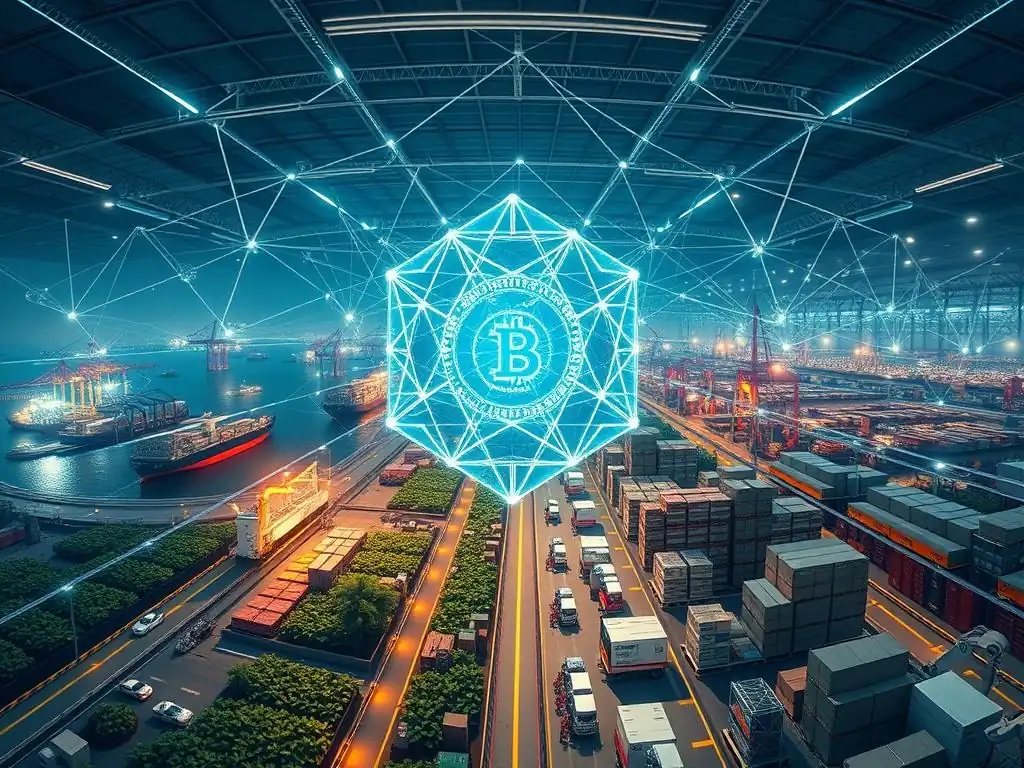
Welcome to Blockchain Trends, your guide to understanding the revolution beyond cryptocurrencies!
Imagine a world where every product's journey, from origin to delivery, is recorded immutably and transparently. Our latest exploration delves into the groundbreaking ways blockchain is reshaping supply chains, unlocking unprecedented efficiency and trust. Discover the blockchain supply chain transparency benefits that are transforming industries and building a more accountable future. Are you ready to explore the next evolution of supply chain management? Let's dive in!
- Blockchain Supply Chain Transparency: A Competitive Advantage
-
Frequently Asked Questions
- How does blockchain enhance supply chain transparency?
- What are the primary benefits of using blockchain for supply chain management?
- What is Supply Chain 3.0, and how does blockchain fit into this concept?
- How can blockchain help combat counterfeiting in the supply chain?
- What are some potential challenges in implementing blockchain for supply chain transparency?
- Final Reflection: Embracing Blockchain's Transparent Future
- Revolutionize Your Supply Chain: Take Action Today!
Blockchain Supply Chain Transparency: A Competitive Advantage
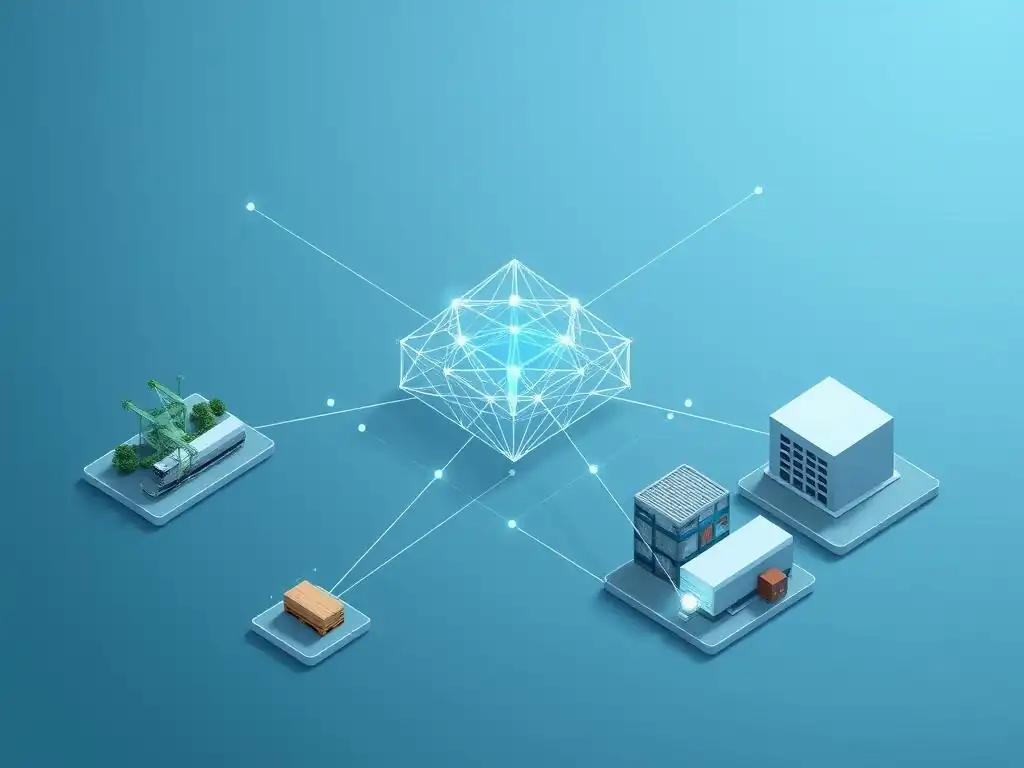
Building Consumer Trust and Brand Loyalty
In today's market, consumers are increasingly demanding transparency from the brands they support. They want to know where their products come from, how they were made, and the journey they took before arriving on the shelf or at their door. This growing demand for visibility is not just a trend; it's becoming a fundamental expectation that influences purchasing decisions and fosters brand loyalty. Implementing blockchain technology in the supply chain directly addresses this need by providing an immutable, verifiable record of a product's lifecycle.
By leveraging blockchain, companies can share a level of detail about their products that was previously impossible or prohibitively expensive. For instance, a consumer scanning a QR code on a product could access a transparent ledger showing its origin, manufacturing date, handling history, and even quality control checks. This verifiable history, secured by cryptographic principles, builds significant trust.
A study by Label Insight indicated that a vast majority of consumers (around 94%) are more likely to be loyal to a brand that offers complete transparency. This demonstrates a clear correlation between supply chain visibility provided by blockchain and the ability to cultivate a loyal customer base.
Meeting Increasing Demands for Ethical and Sustainable Products
The focus on ethical sourcing and sustainability has moved from niche concern to mainstream priority for many consumers and regulators. Buyers are not only interested in the final product but also the social and environmental impact of its creation and journey. This includes ensuring fair labor practices, reducing carbon footprints, and sourcing materials responsibly. Traditional supply chains often lack the granular visibility needed to definitively prove adherence to these standards across multiple tiers of suppliers.
Blockchain offers a robust solution by creating a transparent and auditable trail for ethical and sustainable attributes. Companies can record certifications (like Fair Trade or organic), track carbon emissions at various stages, document labor conditions, and verify the origin of materials. This data, once added to the blockchain, is tamper-proof, providing credible evidence of ethical and sustainable practices.
Reports suggest a significant portion of consumers (some studies citing over 60%) are willing to pay more for products from companies committed to positive social and environmental impact. By using blockchain to prove these commitments, businesses can tap into this market segment and build a reputation as responsible corporate citizens, leveraging the blockchain supply chain transparency benefits to meet evolving market demands.
Gaining a Competitive Edge in the Global Marketplace
In a competitive global economy, efficiency, reliability, and trust are paramount. Early adopters of transformative technologies like blockchain in their supply chains are positioned to gain a significant advantage. Enhanced transparency leads to faster identification and resolution of issues, reduced costs associated with disputes or recalls, and improved relationships with suppliers and partners who also value visibility and trust.
Furthermore, the ability to offer demonstrable transparency through blockchain can attract new business partners and customers who prioritize supply chain integrity. For example, major retailers and food service companies are increasingly requiring suppliers to use blockchain-based traceability systems to mitigate risk and ensure product safety.
Projects like IBM's Food Trust network have shown how supply chain transparency can reduce the time it takes to trace a product from days or weeks to seconds, drastically cutting potential losses during a recall. This operational efficiency, coupled with the ability to build a reputation for trustworthiness and ethical sourcing through verifiable data, offers a powerful competitive differentiator derived directly from the blockchain supply chain transparency benefits.
Frequently Asked Questions
How does blockchain enhance supply chain transparency?
Blockchain provides an immutable and shared ledger, allowing all participants in the supply chain to access the same information. This increased visibility tracks product origin, ownership, and movement, fostering trust and accountability.
What are the primary benefits of using blockchain for supply chain management?
The key benefits include enhanced traceability, improved efficiency through automation, and reduced fraud by verifying product authenticity. Furthermore, it strengthens consumer confidence by providing verifiable product history.
What is Supply Chain 3.0, and how does blockchain fit into this concept?
Supply Chain 3.0 represents the next evolution, leveraging technologies like blockchain to create a more connected, transparent, and resilient supply chain. Blockchain enables decentralized data management, replacing traditional, siloed systems.
How can blockchain help combat counterfeiting in the supply chain?
By assigning a unique digital identity to each product and recording its journey on the blockchain, it becomes significantly harder to introduce counterfeit goods. The system allows verification of authenticity at any point in the supply chain, ensuring product integrity.
What are some potential challenges in implementing blockchain for supply chain transparency?
Challenges include scalability issues, integration with existing systems, and the need for industry-wide collaboration to establish common standards. Overcoming these hurdles is crucial for widespread adoption and realizing the full potential of blockchain.
Final Reflection: Embracing Blockchain's Transparent Future
The journey through the evolution of supply chains, culminating in the promise of Blockchain 3.0, reveals a profound shift towards unprecedented transparency and efficiency. No longer a distant aspiration, the benefits of blockchain in supply chain management are actively reshaping industries, offering a glimpse into a future where trust and accountability are not just ideals, but inherent features of the system. This transformation is not merely technological; it's a fundamental reimagining of how we produce, distribute, and consume goods.
The ripple effects of this shift are already being felt, influencing consumer behavior and demanding greater ethical responsibility from businesses. The ability to trace a product's journey from origin to consumer empowers individuals to make informed choices and holds companies accountable for their practices. Transparency is not about exposing everything; it's about creating a culture of trust and accountability.
This quote perfectly encapsulates the core value proposition of blockchain in supply chains: building a system where trust is earned through verifiable data, not blind faith.
As we stand on the cusp of this new era, it's imperative that we embrace the potential of blockchain to forge a more sustainable and equitable future. Let us not simply be passive observers, but active participants in shaping this transformation. Consider how you, as a consumer, a business owner, or a policymaker, can champion the adoption of blockchain technology to promote Blockchain supply chain transparency benefits and build a world where every product tells a story of integrity and responsibility.
Revolutionize Your Supply Chain: Take Action Today!
Thank you for exploring the future of supply chains with us! We hope you've gained valuable insights into how blockchain technology can enhance transparency and efficiency. Now, it's time to put that knowledge into action.
Start by researching blockchain-based solutions tailored to your specific supply chain challenges. Don't wait—begin exploring today as your first step toward optimization. Consider joining our online forum to share your thoughts on implementing blockchain in supply chains and to learn from industry experts and peers. This will deepen your understanding and prepare you for upcoming trends. Additionally, subscribe to our newsletter for a curated selection of the latest blockchain innovations, case studies, and expert opinions. Stay informed and open the door to future insights!
What is the first obstacle in your supply chain that you would address with blockchain technology, and why? Share your ideas in the comments below!
Leave a Reply