
Supply Chain Resilience in a Volatile World: Blockchain as a Strategic Imperative


Welcome to Blockchain Trends, where we delve into the revolutionary world of blockchain technology, far beyond the hype of cryptocurrencies.
In today's volatile global landscape, are your supply chains truly prepared for disruption? This question is at the heart of our exploration into blockchain supply chain resilience strategies. Discover how this powerful technology is emerging as a strategic imperative, offering unprecedented transparency, security, and efficiency. Intrigued? Dive in to uncover the secrets to building a more robust and agile supply chain with blockchain.
Supply Chain Resilience in a Volatile World: Blockchain as a Strategic Imperative
- Introduction: Navigating Supply Chain Volatility with Blockchain
- Understanding Supply Chain Resilience and its Challenges
- Blockchain's Role in Building Supply Chain Resilience
-
Blockchain Supply Chain Resilience Strategies: A Deep Dive
- Strategy 1: Enhanced Tracking and Provenance using Blockchain
- Strategy 2: Streamlined Logistics and Reduced Delays with Distributed Ledger Technology (DLT)
- Strategy 3: Mitigating Risks and Ensuring Business Continuity Through Decentralization
- Strategy 4: Improving Supply Chain Finance and Payment Efficiency
- Real-World Examples of Blockchain-Enabled Supply Chain Resilience
- Overcoming the Barriers to Blockchain Adoption in Supply Chains
- The Future of Blockchain in Supply Chain Resilience: Trends and Predictions
- Conclusion: Blockchain as a Cornerstone of Future-Proof Supply Chains
-
Frequently Asked Questions
- How can blockchain enhance supply chain resilience?
- What are the key benefits of implementing blockchain for supply chain management?
- What are some real-world examples of blockchain-based supply chain solutions?
- What are the main challenges associated with adopting blockchain for supply chain resilience?
- How does blockchain help mitigate risks in a volatile supply chain environment?
- Final Reflection: Embracing Blockchain for Supply Chain Fortitude
- Fortify Your Future: Embrace Blockchain Resilience!
The Growing Need for Resilient Supply Chains in the Face of Disruption
The global supply chain landscape has become increasingly complex and susceptible to shocks. Events like the COVID-19 pandemic, geopolitical conflicts such as the situation in Ukraine, and extreme weather events driven by climate change have exposed significant vulnerabilities, leading to widespread disruptions, product shortages, and substantial financial losses for businesses across industries.
A report by McKinsey in 2020 estimated that companies could expect disruptions lasting a month or longer every 3.7 years on average, resulting in a potential annual EBITDA loss equivalent to 30% to 50% of one year's earnings every decade. This underscores the urgent need for organizations to move beyond efficiency-focused models and prioritize building robust supply chain resilience strategies capable of withstanding unforeseen challenges and ensuring business continuity.
Traditional linear supply chain models, often optimized for cost reduction and speed, lack the transparency and flexibility required to adapt quickly when faced with sudden shifts in demand, supplier failures, or logistical bottlenecks. The interconnectedness of modern global supply chains means that a disruption in one node can cascade rapidly, affecting multiple partners downstream. Building blockchain supply chain resilience strategies is no longer a theoretical exercise but a critical business imperative for survival and competitive advantage in an era defined by constant volatility and uncertainty.
How Blockchain Technology Addresses Supply Chain Vulnerabilities
Blockchain technology, with its inherent characteristics of decentralization, transparency, immutability, and security, offers a compelling solution to many of the fundamental weaknesses plaguing traditional supply chains. By providing a shared, tamper-proof ledger across multiple participants, blockchain can create a single source of truth for transactions and data, eliminating information silos and fostering greater trust among disparate entities. This enhanced visibility and data integrity are foundational for building effective blockchain supply chain resilience strategies.
Unlike centralized databases that are vulnerable to single points of failure and manipulation, a distributed ledger ensures that critical supply chain information is replicated and secured across a network. This architectural resilience makes the data itself more resistant to disruption. Furthermore, the ability to automate processes and enforce contractual agreements through smart contracts introduces a layer of efficiency and reliability that can help supply chains react more swiftly and predictably to changing conditions. Exploring how blockchain can be leveraged for supply chain resilience involves understanding these core technological advantages and applying them to specific operational challenges.
Understanding Supply Chain Resilience and its Challenges
Defining Supply Chain Resilience: Adaptability and Recovery
Supply chain resilience is fundamentally about a system's ability to prepare for, respond to, and recover from disruptions, while maintaining continuity of operations at a desired level. It encompasses both the capacity to absorb shocks (robustness) and the ability to adapt and reconfigure operations in the face of significant disruptions (adaptability). A resilient supply chain can quickly detect potential issues, assess their impact, activate contingency plans, and ultimately return to a stable or improved state post-disruption. This requires a proactive approach to risk management, fostering strong relationships with supply chain partners, and implementing flexible operational models.
Defining and measuring supply chain resilience is complex, often involving metrics related to lead time variability, inventory buffer levels, supplier network diversity, and the speed of recovery following a disruption event. The goal is not merely to bounce back to the original state but, ideally, to emerge stronger and more capable of handling future challenges. Developing effective blockchain supply chain resilience strategies contributes directly to improving these metrics by enhancing visibility, speeding up information flow, and enabling more dynamic responses.
Key Challenges to Supply Chain Resilience: Geopolitical Instability, Climate Change, and Cyberattacks
Modern supply chains face a confluence of complex and often interconnected threats. Geopolitical instability, ranging from trade wars and sanctions to regional conflicts, can disrupt shipping routes, affect raw material availability, and create unpredictable market conditions. For example, the conflict in Ukraine significantly impacted the global supply of grains, energy, and certain industrial materials, causing price volatility and shortages. Simultaneously, the escalating impacts of climate change, including more frequent and intense natural disasters like hurricanes, floods, and wildfires, pose direct physical threats to infrastructure, production facilities, and transportation networks.
Cyberattacks represent another critical vulnerability. As supply chains become more digitized and interconnected, they become prime targets for cybercriminals seeking to disrupt operations, steal sensitive data, or extort ransoms. A major cyberattack on a logistics provider or port authority can paralyze the movement of goods across vast regions. Addressing these multifaceted challenges requires innovative approaches that go beyond traditional risk management tools. Implementing blockchain supply chain resilience strategies offers a path to building more secure, transparent, and adaptable networks capable of mitigating risks from these diverse sources.
The Limitations of Traditional Supply Chain Management Systems
Traditional supply chain management systems, often relying on disparate, siloed databases and manual processes, struggle to provide the real-time, end-to-end visibility necessary for effective resilience. Information is frequently fragmented across different departments and trading partners, leading to delays, inaccuracies, and a lack of trust. For instance, tracking the exact location and condition of goods in transit often involves multiple intermediaries and systems that don't communicate seamlessly, making it difficult to quickly identify and respond to disruptions like a delayed shipment or damaged cargo.
Furthermore, verifying the authenticity and provenance of products can be challenging in traditional systems, increasing the risk of counterfeit goods entering the supply chain. The lack of a shared, immutable record also makes it difficult to reconcile discrepancies, resolve disputes, and conduct efficient audits. These limitations hinder the ability of organizations to proactively identify risks, quickly assess the impact of disruptions, and coordinate rapid responses across their extended network. Overcoming these inherent weaknesses is a primary driver for exploring technologies like blockchain to build more robust blockchain supply chain resilience strategies.
Blockchain's Role in Building Supply Chain Resilience
Blockchain's Core Features: Transparency, Security, and Immutability
At its core, blockchain technology provides a distributed, immutable ledger that records transactions or data across a network of participants. Transparency is achieved because all authorized participants on the network can access the same shared ledger, seeing the history of transactions relevant to them.
While privacy can be maintained through pseudonymity or permissioned networks, the process and existence of transactions are transparent. Security is built-in through cryptographic hashing and the distributed nature of the ledger; altering a record would require changing the block on the current node and all subsequent blocks on a majority of nodes in the network, which is computationally infeasible for public blockchains and highly detectable in permissioned ones.
Immutability means that once data is recorded on the blockchain and confirmed, it cannot be altered or deleted. This creates a permanent, verifiable audit trail of every event or transaction within the supply chain. These three features—transparency, security, and immutability—are foundational for building trust and reliability in complex, multi-party environments like global supply chains. They directly support the development of robust blockchain supply chain resilience strategies by providing a trustworthy source of truth for critical information.
Enhancing Supply Chain Visibility with Blockchain Technology
One of the most significant contributions of blockchain to supply chain resilience is the dramatic improvement in end-to-end visibility. By recording key events—such as a product leaving a manufacturing plant, changing hands at a distribution center, or arriving at a port—on a shared ledger accessible to authorized parties, blockchain eliminates information silos. Participants across the supply chain, from raw material suppliers to final retailers and even consumers, can gain near real-time insight into the status and location of goods, provided the data is accurately captured and entered into the blockchain system.
Enhanced visibility allows companies to detect potential disruptions earlier. For instance, if a shipment is delayed, all relevant parties can see the updated status immediately on the shared ledger, rather than waiting for manual updates or tracking requests. This allows for quicker assessment of the impact on downstream operations and faster activation of contingency plans. Improved visibility is a cornerstone of effective blockchain supply chain resilience strategies, enabling proactive decision-making and better coordination during crises.
Improving Traceability and Accountability Through Blockchain
Blockchain's immutable ledger creates an unparalleled level of traceability for products as they move through the supply chain. Every step a product takes, every time ownership changes, and every quality check performed can be recorded as a transaction on the blockchain, creating a complete and verifiable history from origin to destination. This granular traceability is crucial for several aspects of supply chain resilience. In the event of a product recall, for example, companies can instantly trace affected batches back to their source, limiting the scope of the recall and minimizing potential damage.
Furthermore, the shared, immutable record enhances accountability. Because every action is recorded and linked to a specific participant's identity (or pseudonym), it is clear who was responsible for a product at any given point in time. This reduces disputes, encourages best practices, and makes it easier to identify the source of issues like delays, damage, or quality problems. This level of traceability and accountability is a powerful component of building robust blockchain supply chain resilience strategies.
Blockchain Supply Chain Resilience Strategies: A Deep Dive
Strategy 1: Enhanced Tracking and Provenance using Blockchain
Implementing Blockchain for End-to-End Product Tracking
Implementing blockchain for end-to-end product tracking involves creating a digital twin of physical goods on the blockchain as they move through the supply chain. This process typically begins at the point of origin, where products are tagged (e.g., with QR codes, NFC tags, or IoT sensors) and registered on the blockchain. As the product progresses through manufacturing, packaging, distribution, and retail, each significant event or transfer of ownership is recorded as a transaction on the shared ledger.
This creates a continuous, tamper-proof history accessible to authorized participants. Companies like De Beers have used blockchain (the Tracr platform) to track high-value diamonds from mine to retailer, recording over 25% of their rough diamond production value on the platform by late 2019, ensuring provenance and reducing concerns about conflict diamonds.
This detailed tracking provides unprecedented visibility into the location, status, and handling of goods at any given moment. In the face of a disruption, such as a natural disaster affecting a specific region, companies can quickly identify which shipments are impacted, reroute logistics where possible, or inform customers about expected delays. This enhanced tracking capability is a fundamental element of effective blockchain supply chain resilience strategies, allowing for rapid assessment and response during crises.
Verifying Product Authenticity and Combating Counterfeiting
Blockchain's ability to create an immutable record of a product's origin and journey makes it a powerful tool for verifying authenticity and combating the pervasive issue of counterfeiting. By registering genuine products on the blockchain at the point of manufacture and tracking their movement, consumers and businesses can verify that a product is legitimate by scanning a code linked to its blockchain record.
This record contains verifiable information about its source, production date, and journey through the authorized supply chain. The global trade in counterfeit goods is estimated to be worth hundreds of billions of dollars annually, impacting various sectors from luxury goods and pharmaceuticals to electronics and automotive parts.
Companies in industries plagued by counterfeiting, such as pharmaceuticals and luxury goods, are exploring blockchain solutions to build trust and protect their brands. For example, some pharmaceutical companies are piloting blockchain systems to track prescription drugs, ensuring they haven't been tampered with or replaced with fakes during transit. This not only protects consumers but also builds greater resilience in the supply chain against the risks posed by illicit trade. Integrating authenticity verification into blockchain supply chain resilience strategies helps secure both the product flow and consumer safety.
Strategy 2: Streamlined Logistics and Reduced Delays with Distributed Ledger Technology (DLT)
Automating Processes with Smart Contracts in Logistics
Smart contracts, self-executing contracts with the terms of the agreement directly written into code, can automate various processes within supply chain logistics, significantly reducing delays and manual errors. These contracts reside on the blockchain and automatically trigger actions when predefined conditions are met.
For instance, a smart contract could automatically initiate payment to a carrier upon verification of goods delivery at a specific location, as confirmed by an IoT sensor or a digital signature on the blockchain. This eliminates the need for manual invoicing and payment approvals, which can often take days or weeks, thereby speeding up cash flow and operational efficiency.
Beyond payments, smart contracts can automate customs documentation, trigger insurance claims based on verified events (like temperature excursions for perishable goods), or even manage inventory replenishment based on real-time stock levels recorded on the blockchain. Maersk and IBM's TradeLens platform, though facing adoption challenges, demonstrated the potential of DLT and smart contracts to streamline shipping documentation and processes across multiple parties, aiming to reduce the time and cost associated with international trade logistics. Automating these critical functions through smart contracts is a key pillar of leveraging blockchain for supply chain resilience, enabling faster, more reliable operations.
Real-Time Data Sharing and Improved Communication Among Stakeholders
Traditional supply chains often suffer from poor communication and delayed data sharing between different parties – manufacturers, suppliers, logistics providers, distributors, etc. This lack of real-time information flow hinders coordinated responses during disruptions. Blockchain, by providing a shared, secure ledger, facilitates near real-time data sharing among authorized stakeholders. As soon as an event is recorded on the blockchain, it is visible to all relevant parties simultaneously. This immediate access to a single, verifiable source of truth drastically improves communication and coordination.
For example, if a port experiences congestion due to unforeseen circumstances, logistics providers and receiving warehouses can instantly see the updated status of affected shipments on the blockchain, allowing them to adjust schedules, re-route vehicles, or prepare for delays proactively. This eliminates the delays associated with phone calls, emails, or disparate tracking systems. Improved data sharing fostered by blockchain technology is essential for building adaptable and responsive blockchain supply chain resilience strategies, enabling quicker collaborative action when disruptions occur.
Strategy 3: Mitigating Risks and Ensuring Business Continuity Through Decentralization
Diversifying Supply Sources and Reducing Dependence on Single Points of Failure
Supply chain resilience is significantly enhanced by diversifying suppliers and reducing reliance on single points of failure, such as a sole supplier for a critical component or a single manufacturing plant in a disaster-prone region. While blockchain doesn't create new suppliers, it facilitates the management of a more complex, diversified supplier network by providing transparency and trust. With a blockchain record of supplier performance, quality certifications, and transaction history, companies can more confidently onboard and manage relationships with a wider pool of global suppliers, including smaller or less-established ones that might otherwise be deemed too risky.
Furthermore, in a diversified network, blockchain can help quickly identify alternative sources during a disruption. If a primary supplier is affected, the transparent record of available inventory and capabilities across other registered suppliers on the network can facilitate rapid sourcing decisions. Managing a highly diversified network without a shared, trustworthy data layer like blockchain would be exponentially more complex and prone to errors. This ability to support and leverage a distributed supplier base is a vital aspect of building blockchain supply chain resilience strategies.
Creating Resilient Data Storage and Backup Systems
Beyond tracking physical goods, blockchain's distributed nature inherently provides a resilient method for storing critical supply chain data. Instead of relying on a single centralized database that could be compromised by a cyberattack, hardware failure, or natural disaster at a specific location, data on a blockchain is replicated across multiple nodes in the network. If one node goes down, the data remains available and secure on the other nodes. This decentralized architecture makes the supply chain's information backbone significantly more resistant to data loss or inaccessibility.
While not a replacement for all traditional backup systems, using blockchain for key transactional data ensures that the core history of goods movement, ownership changes, and verified events remains intact and accessible even if a company's internal systems are compromised. This data resilience is crucial for maintaining operational continuity and trust among partners during and after a disruption. Incorporating distributed data storage principles via blockchain enhances the fundamental robustness of blockchain supply chain resilience strategies.
Strategy 4: Improving Supply Chain Finance and Payment Efficiency
Streamlining Trade Finance with Blockchain-Based Platforms
Trade finance, the funding of international trade, is notoriously complex, involving multiple banks, documents, and intermediaries. This complexity leads to delays, high costs, and increased risk, particularly in volatile environments. Blockchain-based platforms are emerging to streamline trade finance processes, such as issuing letters of credit, invoice financing, and supply chain financing.
By digitizing documents and transactions on a shared ledger, these platforms reduce the need for manual verification and paper-based processes, which are susceptible to delays and fraud. Platforms like Contour and TradeFlow have demonstrated the potential to reduce transaction times for letters of credit from weeks to days, and sometimes even hours.
Faster and more efficient access to trade finance is crucial for supply chain resilience, especially for small and medium-sized enterprises (SMEs) who may struggle to access traditional financing during disruptions. Streamlined processes also reduce counterparty risk because all parties are operating from the same set of verified data on the blockchain. This integration of finance with the physical flow of goods on the blockchain enhances overall supply chain stability. Improving financial flows is a critical, often overlooked, element of comprehensive blockchain supply chain resilience strategies.
Reducing Transaction Costs and Improving Payment Security
Cross-border payments within supply chains often involve multiple intermediaries, currency conversions, and fees, leading to high transaction costs and processing delays. Using blockchain technology for payments can significantly reduce these costs and improve security. Cryptocurrencies or stablecoins running on blockchain networks can enable faster, peer-to-peer payments directly between buyers and suppliers, bypassing traditional banking intermediaries. This can be particularly beneficial for international transactions.
Furthermore, integrating payment triggers with the blockchain record of goods movement via smart contracts (as discussed earlier) can automate payments upon verified delivery or milestones, reducing payment disputes and ensuring timely compensation for suppliers. This financial efficiency not only lowers operational costs but also strengthens relationships with suppliers, who are more likely to prioritize reliable partners, thereby adding another layer to blockchain supply chain resilience strategies. Reduced financial friction makes the entire network more agile and less susceptible to payment-related disruptions.
Real-World Examples of Blockchain-Enabled Supply Chain Resilience
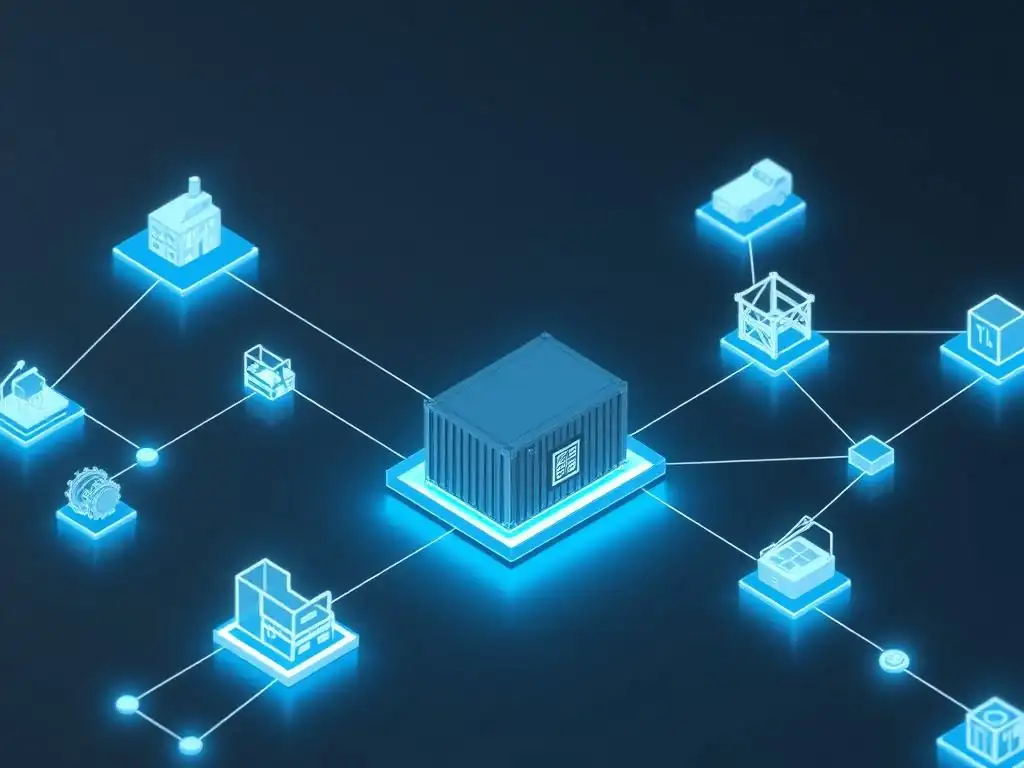
Case Study 1: Merck - Implementing Blockchain for Pharmaceutical Supply Chain Security
Merck, a leading pharmaceutical company, has explored blockchain technology to enhance the security and traceability of its drug supply chain, a sector highly vulnerable to counterfeiting and regulatory complexities. The U.S. Drug Supply Chain Security Act (DSCSA) mandates stricter tracing requirements for prescription drugs. Merck has participated in various pilots using blockchain to comply with these regulations and improve overall supply chain integrity. One focus area has been creating an immutable record of drug ownership and movement, ensuring that drugs are handled by authorized parties and haven't been tampered with.
Implementing blockchain helps Merck build resilience against the threat of counterfeit drugs entering the legitimate supply chain, which poses a severe risk to patient safety and the company's reputation. By providing a verifiable history of each drug package, from manufacturing through distribution to the pharmacy, blockchain adds a critical layer of security and trust. This case demonstrates how blockchain supply chain resilience strategies are being applied in highly regulated industries where security and authenticity are paramount.
Case Study 2: Walmart - Leveraging Blockchain for Food Traceability and Safety
Walmart is a prominent example of a company that has successfully implemented blockchain technology to improve food traceability and safety within its supply chain. Facing the challenge of quickly tracing the origin of food products during outbreaks of foodborne illness, Walmart mandated its leafy green suppliers to implement the IBM Food Trust blockchain solution. The goal was to reduce the time it takes to trace a product back to its farm from weeks or days to mere seconds.
During a food safety event, rapid tracing is critical to identify the source of contamination, remove affected products from shelves, and prevent further illness. Walmart's blockchain implementation allows them to quickly access the history of a product's journey through the supply chain, significantly enhancing their ability to respond effectively and minimize the impact of such disruptions. This initiative is a clear demonstration of how blockchain contributes directly to building supply chain resilience by enabling faster, data-driven responses to safety crises.
Case Study 3: Provenance - Using Blockchain to Enhance Transparency in the Seafood Industry
Provenance is a platform using blockchain to enable transparency and traceability in various supply chains, with a notable focus on the seafood industry. The seafood supply chain is notoriously complex and opaque, making it difficult to verify claims about sustainability, ethical sourcing, and authenticity, contributing to issues like illegal fishing and mislabeling. Provenance's solution allows fishermen, distributors, and retailers to record data points about the catch—such as location, date, species, and processing information—on the blockchain.
This verifiable history is then accessible to consumers, often by scanning a QR code on the packaging, allowing them to see the journey of their fish from 'boat to plate'. By bringing transparency to this complex supply chain, Provenance helps build resilience against risks associated with illegal practices, fraud, and reputational damage for businesses. It empowers consumers to make informed choices and encourages better practices throughout the industry, showcasing how blockchain supply chain resilience strategies can address ethical and sustainability concerns alongside operational ones.
Overcoming the Barriers to Blockchain Adoption in Supply Chains
Addressing Scalability and Interoperability Challenges
Despite its potential, widespread blockchain adoption in supply chains faces significant technical hurdles, primarily related to scalability and interoperability. Current blockchain networks can process a limited number of transactions per second compared to traditional payment or database systems. While solutions like layer-2 scaling and sharding are being developed, handling the sheer volume of transactions generated by massive global supply chains remains a challenge for some blockchain architectures. Public blockchains, in particular, may struggle with enterprise-level transaction throughput.
Interoperability is another major barrier. Different companies or consortia may adopt different blockchain platforms (e.g., Hyperledger Fabric, Ethereum, Corda), creating fragmented ecosystems. For a supply chain spanning multiple partners using different systems, the inability of these blockchains to communicate and exchange data seamlessly hinders end-to-end visibility. Industry initiatives are working towards standards and protocols to enable cross-chain communication, but achieving true interoperability across diverse blockchain and legacy systems is a complex undertaking. Overcoming these technical challenges is crucial for the successful implementation of blockchain supply chain resilience strategies at scale.
The regulatory landscape surrounding blockchain technology is still evolving globally, creating uncertainty for businesses looking to adopt it in their supply chains. Issues such as data privacy regulations (like GDPR), cross-border data flow restrictions, and the legal status of smart contracts vary significantly between jurisdictions. For instance, determining legal liability when a smart contract automatically executes based on potentially flawed data recorded on the blockchain can be complex.
Furthermore, industry-specific regulations, such as those in pharmaceuticals or food safety, must be carefully considered when designing and implementing blockchain solutions. Ensuring that blockchain systems comply with existing traceability mandates, data retention requirements, and audit standards is essential. Companies must navigate this complex regulatory environment, potentially involving legal and compliance experts, to implement blockchain supply chain resilience strategies that are both effective and legally sound.
Building Trust and Collaboration Among Supply Chain Partners
Implementing a blockchain solution requires collaboration and trust among multiple, often competing, supply chain partners. All participants must agree on the platform to use, the data to share, the governance rules for the network, and how costs and benefits will be distributed. This can be challenging in relationships where partners have historically operated in silos and may be hesitant to share data, even on a permissioned network. Building consensus and fostering a collaborative spirit among diverse stakeholders is critical for the success of any shared blockchain initiative.
Establishing clear governance models for the blockchain network is key. Who manages the network? How are disputes resolved? How are updates implemented? Addressing these questions upfront helps build trust and ensures the sustainability of the initiative. Without the willingness of partners to participate and share relevant data, the full benefits of blockchain for supply chain resilience cannot be realized. Facilitating this multi-party collaboration is perhaps the most significant non-technical hurdle to widespread adoption of blockchain supply chain resilience strategies.
The Future of Blockchain in Supply Chain Resilience: Trends and Predictions
The Rise of Blockchain-as-a-Service (BaaS) for Supply Chain Management
The technical complexity and cost associated with setting up and managing a proprietary blockchain network can be prohibitive for many companies, especially SMEs. This is driving the growth of Blockchain-as-a-Service (BaaS) offerings specifically tailored for supply chain use cases. Major cloud providers and specialized blockchain companies are offering BaaS platforms that allow businesses to leverage blockchain technology without needing deep technical expertise or significant infrastructure investments. These services provide pre-configured network setups, development tools, and management interfaces.
BaaS simplifies the process of joining a blockchain network or launching a pilot project, lowering the barrier to entry for companies wanting to explore blockchain supply chain resilience strategies. This trend is expected to accelerate adoption, making blockchain more accessible to a wider range of businesses across different tiers of the supply chain. As BaaS solutions mature, they will likely offer more industry-specific templates and integrations, further streamlining implementation.
The Integration of Blockchain with IoT and AI for Smart Supply Chains
The true power of blockchain in supply chains will be unlocked through its integration with other emerging technologies, particularly the Internet of Things (IoT) and Artificial Intelligence (AI). IoT devices (sensors, GPS trackers, smart tags) can automatically capture real-time data about a product's condition (temperature, humidity, location) and status, feeding this objective data directly onto the blockchain.
This eliminates manual data entry errors and provides a verifiable, automated record of physical events. For example, an IoT sensor could record a temperature excursion for a shipment of vaccines, automatically triggering an alert and recording the event immutably on the blockchain for insurance or regulatory purposes.
AI can then analyze the vast amounts of data collected on the blockchain via IoT sensors to identify patterns, predict potential disruptions before they occur, optimize routes in real-time based on verified traffic or weather data, and automate decision-making through smart contracts. AI algorithms can analyze historical blockchain data to predict supplier reliability or identify potential bottlenecks.
The combination of IoT for automated data capture, blockchain for secure and transparent data storage, and AI for intelligent analysis and automation will lead to the development of truly "smart," self-optimizing, and highly resilient supply chains. This convergence represents the next frontier for blockchain supply chain resilience strategies.
Preparing for the Next Generation of Blockchain-Enabled Supply Chain Resilience
As blockchain technology matures and integrates with IoT and AI, the next generation of supply chains will be characterized by unprecedented levels of visibility, automation, and intelligence. Preparing for this future requires companies to invest not only in the technology itself but also in developing the necessary skills and organizational structures. This includes training staff on blockchain technology, data analytics, and smart contract development, as well as fostering a culture of collaboration and data sharing among supply chain partners.
Businesses should start exploring pilot projects now to gain practical experience and understand the potential and limitations of blockchain within their specific operations. Identifying critical pain points related to visibility, traceability, or risk management can help prioritize use cases. The future of supply chain resilience lies in leveraging these interconnected technologies to create networks that are not only resistant to disruption but also capable of adapting and evolving autonomously. Proactive preparation is key to harnessing the full potential of blockchain supply chain resilience strategies.
Conclusion: Blockchain as a Cornerstone of Future-Proof Supply Chains
Embracing Blockchain for a More Resilient and Sustainable Future
In a world of increasing volatility and uncertainty, building resilient supply chains is no longer optional but a strategic imperative. Blockchain technology offers a powerful framework for achieving this goal by enhancing transparency, security, and trust across complex networks. From improving end-to-end traceability and combating counterfeiting to streamlining logistics with smart contracts and securing critical data, blockchain addresses fundamental weaknesses in traditional supply chain management.
Embracing blockchain technology is a crucial step towards creating supply chains that can withstand shocks, recover quickly, and continue to deliver value even in the face of significant disruption. Furthermore, enhanced transparency can support sustainability efforts by providing verifiable data on ethical sourcing and environmental impact.
The Strategic Imperative of Investing in Blockchain Supply Chain Solutions
Investing in blockchain supply chain solutions is a strategic imperative for businesses seeking to future-proof their operations. While challenges related to scalability, interoperability, and ecosystem collaboration exist, the potential benefits in terms of resilience, efficiency, and trust are significant. Early adopters are already demonstrating tangible improvements in traceability, safety, and operational speed.
As the technology matures and integrates with IoT and AI, the capabilities of blockchain-enabled supply chains will only grow. Companies that proactively explore and implement blockchain supply chain resilience strategies will be better positioned to navigate future disruptions, gain competitive advantage, and build more robust, efficient, and sustainable global networks. The time to act is now to ensure your supply chain is resilient in a volatile world.
Frequently Asked Questions
How can blockchain enhance supply chain resilience?
Blockchain provides enhanced transparency and traceability within the supply chain. This immutable record helps identify vulnerabilities and quickly resolve disruptions, leading to greater resilience.
What are the key benefits of implementing blockchain for supply chain management?
The primary benefits include improved visibility, reduced fraud, and enhanced efficiency throughout the supply chain. This leads to greater trust and collaboration between participants.
What are some real-world examples of blockchain-based supply chain solutions?
Several companies are using blockchain to track products from origin to consumer, like food traceability systems and pharmaceutical supply chain monitoring. These examples demonstrate the practical application of the technology.
What are the main challenges associated with adopting blockchain for supply chain resilience?
Challenges include interoperability issues between different blockchain platforms and legacy systems, high initial investment costs, and the need for industry-wide collaboration and standardization.
How does blockchain help mitigate risks in a volatile supply chain environment?
Blockchain's decentralized nature allows for greater data security and redundancy, reducing the risk of data breaches and single points of failure. This contributes to a more robust and resilient supply chain.
Final Reflection: Embracing Blockchain for Supply Chain Fortitude
The preceding exploration of blockchain's potential within supply chain management underscores a critical truth: resilience is no longer a luxury, but a necessity in today's volatile global landscape. The strategies outlined, from enhanced traceability to decentralized risk management, are not merely theoretical exercises; they represent a proactive response to the ever-increasing complexities and disruptions that define modern commerce. Ignoring these advancements risks leaving organizations vulnerable to unforeseen shocks and competitive disadvantages.
The transformative power of blockchain extends beyond mere efficiency gains; it fosters a new paradigm of trust and transparency, fundamentally reshaping how we interact within global supply networks. This shift towards verifiable data and collaborative ecosystems is particularly poignant in a world grappling with ethical sourcing concerns and the need for greater accountability. The future of supply chains is not just about moving goods faster; it's about moving information more securely and transparently.
This quote encapsulates the essence of blockchain's potential to build more resilient and responsible supply chains, benefiting both businesses and consumers alike.
Now, consider the implications of these insights for your own organization and your role within it. How can you champion the adoption of blockchain-based solutions to enhance your supply chain's resilience? What steps can you take to foster a culture of transparency and collaboration within your network? The future of supply chain management hinges on our collective willingness to embrace innovation and build systems that are not only efficient but also robust and adaptable. Let us strive to create supply chains that can weather any storm, ensuring a more sustainable and equitable future for all.
Fortify Your Future: Embrace Blockchain Resilience!
Thank you for exploring the vital role of blockchain in strengthening supply chain resilience. You now have valuable insights into how this technology can help navigate today's unpredictable environment. Are you ready to turn knowledge into action?
Here’s where to begin:
- Develop a plan to implement blockchain solutions within your supply chain to improve transparency, security, and efficiency—start with a small-scale pilot project.
- Research blockchain platforms and identify potential partners to collaborate on creating more resilient supply chain systems. Don’t just learn about it—take the first step toward building it.
- Share this article with colleagues and initiate discussions on how blockchain can transform your organization’s approach to supply chain management. Let’s foster a community focused on resilience.
What is the first concrete step you will take this week to explore blockchain solutions for a more resilient supply chain? Share your plans in the comments below!
Leave a Reply