
Supply Chain Security 2.0: Upgrading to Blockchain for AntiCounterfeiting

Welcome to Blockchain Trends, your gateway to understanding the real-world impact of blockchain technology. Beyond the hype, blockchain is revolutionizing industries, and we're here to guide you through it.
Ever wondered how blockchain can guarantee the authenticity of products you buy? In this article, we delve into blockchain supply chain anticounterfeiting solutions, exploring how this technology is forging a new era of transparency and trust. Discover how these solutions combat fraud and secure supply chains, and what the future holds for this groundbreaking application. Keep reading to unlock the power of decentralized security!
Supply Chain Security: Enhancing Anticounterfeiting with Blockchain
- Introduction: The Evolution of Supply Chain Security
- Understanding Blockchain-Based Anticounterfeiting Solutions
- Key Benefits of Blockchain-Based Systems
- Implementing Blockchain for Anticounterfeiting
- Real-World Examples of Blockchain Anticounterfeiting
- Overcoming Implementation Challenges
- The Future of Blockchain in Anticounterfeiting
- Conclusion: Securing the Supply Chain with Blockchain
-
Frequently Asked Questions
- How does blockchain technology improve supply chain security to combat counterfeiting?
- What are some key features of blockchain-based anti-counterfeiting solutions in supply chains?
- What are the advantages of using blockchain over traditional methods for anti-counterfeiting?
- What industries can benefit most from blockchain supply chain anti-counterfeiting solutions?
- What are some of the challenges in implementing blockchain for anti-counterfeiting in supply chains?
- Final Reflection: Securing Trust in a Decentralized World
- Unlock the Future: Secure Your Supply Chain Now!
Introduction: The Evolution of Supply Chain Security
The Threat of Counterfeit Goods in Global Supply Chains
Counterfeit goods represent a significant and growing threat to global supply chains, impacting industries from pharmaceuticals and luxury goods to electronics and food. The International Chamber of Commerce (ICC) estimated the value of international trade in counterfeit and pirated goods at \$1.7 trillion by 2015, projecting it could reach \$2.8 trillion by 2022, though precise recent figures are difficult to consolidate globally. This illicit trade undermines legitimate businesses, erodes consumer trust, and, in critical sectors like healthcare, poses severe public health risks.
For instance, the World Health Organization (WHO) estimated that 1 in 10 medical products in low- and middle-income countries is substandard or falsified, leading to potential treatment failures and even death. The complexity and global nature of modern supply chains provide numerous entry points for counterfeiters, making detection and prevention increasingly challenging for traditional systems.
The proliferation of e-commerce platforms has further exacerbated the problem, providing counterfeiters with direct access to consumers worldwide. While platforms implement measures, the sheer volume of listings makes comprehensive vetting difficult. A 2020 report by the US Department of Homeland Security highlighted that online marketplaces are particularly vulnerable to the influx of counterfeit products.
The economic impact extends beyond lost sales for brands; it includes costs associated with recalls, legal battles, reputational damage, and the resources spent by governments and law enforcement agencies attempting to combat the issue. Effectively addressing this multifaceted threat requires innovative Blockchain supply chain anticounterfeiting solutions that can provide robust security and transparency across the entire product journey.
Limitations of Traditional Security Measures
Traditional supply chain security measures often rely on a combination of physical deterrents, such as holograms, security labels, and tamper-evident packaging, alongside centralized databases for tracking and verification. While these methods offer some level of protection, they have inherent vulnerabilities. Physical security features can often be replicated by sophisticated counterfeiters, and their effectiveness diminishes significantly once the product leaves the initial point of authentication.
Furthermore, centralized databases, while useful for internal tracking, are susceptible to single points of failure, data manipulation by insiders, or cyberattacks, compromising the integrity of the information they hold. Sharing data across disparate systems and organizational silos within a complex supply chain is also notoriously difficult and inefficient.
The lack of a universally trusted, immutable record of product movement and ownership across multiple stakeholders in the supply chain represents a fundamental weakness in traditional systems. Each participant typically maintains their own records, which may not align with those of others, creating blind spots and opportunities for illicit activities. Verifying the authenticity of a product often requires manual checks or querying multiple, disconnected systems, a process that is slow, costly, and prone to errors.
This fragmented approach makes it difficult to gain comprehensive visibility into the product's history from origin to consumer, leaving ample room for counterfeit goods to infiltrate the supply chain undetected. This highlights the need for more integrated and secure Blockchain supply chain anticounterfeiting solutions.
Blockchain Technology: A New Approach to Anticounterfeiting
Blockchain technology offers a paradigm shift in how supply chain security and anticounterfeiting can be managed. At its core, a blockchain is a distributed, immutable ledger that records transactions across many computers. Once a transaction (such as a product moving from manufacturer to distributor) is recorded on the blockchain, it is extremely difficult to alter or delete without the consensus of the network participants.
This inherent immutability provides a level of data integrity and trust that is simply not possible with traditional centralized databases. By assigning unique digital identities or tokens to products and tracking their movement and ownership changes on a blockchain, companies can create a transparent and verifiable history for each item.
Implementing Blockchain supply chain anticounterfeiting solutions allows for a shared, single source of truth regarding a product's journey. Each step in the supply chain, from raw material sourcing to manufacturing, packaging, shipping, and final sale, can be recorded as a transaction on the ledger. This creates an unalterable digital footprint for every product.
Consumers or stakeholders can then potentially scan a QR code or NFC tag on the product to access this blockchain record, verifying its authenticity, origin, and journey, thereby gaining confidence that the product is genuine. This distributed and transparent nature fundamentally disrupts the methods used by counterfeiters, making it significantly harder for fake goods to pass as legitimate within a blockchain-enabled system.
Understanding Blockchain-Based Anticounterfeiting Solutions
Enhancing Traceability and Transparency with Blockchain
One of the primary benefits of using blockchain technology for anticounterfeiting is the significant enhancement of traceability and transparency throughout the supply chain. By creating a digital twin or unique identifier for each product, such as a serialized QR code or an NFC chip linked to a blockchain record, companies can track its movement from its origin to its final destination.
Each time the product changes hands or reaches a new checkpoint (e.g., leaving the factory, arriving at a distribution center, being shipped to a retailer), this event is recorded as a transaction on the distributed ledger. This chain of transactions forms a complete, chronological, and verifiable history of the product.
This granular level of traceability provides unprecedented visibility into the supply chain. Stakeholders, with appropriate permissions, can access the blockchain to see exactly where a product has been, who has handled it, and when these events occurred. This shared, transparent ledger eliminates information silos and reduces reliance on manual record-keeping, which is prone to errors and fraud.
For instance, in the food industry, tracing a contaminated product back to its source, which might take days or weeks with traditional methods, can potentially be done in minutes or hours using a blockchain-based system. This rapid traceability is crucial not only for recalls but also for pinpointing where counterfeit goods might have entered the legitimate supply chain, thereby strengthening Blockchain supply chain anticounterfeiting solutions.
Immutability and Data Integrity in Blockchain Security
The core strength of blockchain technology, particularly in the context of security and anticounterfeiting, lies in its inherent immutability and the robust data integrity it provides. Once a transaction is recorded on the blockchain and confirmed by the network, it is cryptographically linked to the previous transaction, forming a block in the chain.
Changing any piece of information in a historical block would require altering that block and all subsequent blocks, a task that is computationally infeasible, especially on public or large consortium blockchains, as it would require the consensus of a majority of the network participants. This makes the data on the blockchain highly resistant to tampering, whether malicious or accidental.
For Blockchain supply chain anticounterfeiting solutions, this immutability means that the history of a product, including its origin, manufacturing details, and journey through the supply chain, is permanently and securely recorded. Counterfeiters cannot easily insert fake product information or alter legitimate records to pass off fraudulent goods as genuine. Any attempt to tamper with the data would be immediately evident to other participants on the network because the cryptographic hashes would no longer align.
This provides a high level of trust in the authenticity and integrity of the data associated with each product, significantly enhancing the effectiveness of anticounterfeiting efforts. The reliable nature of the data ensures that verification checks performed by businesses, regulators, or consumers are based on a secure and trustworthy source.
Decentralization and Distributed Ledger Technology (DLT)
Decentralization is a fundamental characteristic of blockchain technology and a key factor in its strength as an anticounterfeiting tool. Unlike traditional databases that reside on a single server or a small number of servers controlled by a central authority, a blockchain's ledger is distributed across multiple nodes or computers within the network. Each participant node typically holds a copy of the entire or relevant portion of the ledger.
This distributed nature eliminates single points of failure; if one node goes offline or is compromised, the network and the data remain available and intact on other nodes. There is no central database for counterfeiters or malicious actors to target and corrupt to undermine the entire system.
Furthermore, decisions regarding adding new blocks or validating transactions often require consensus among the network participants, depending on the specific consensus mechanism used (e.g., Proof of Work, Proof of Stake, Proof of Authority). This distributed consensus mechanism makes it extremely difficult for any single entity to control the ledger or unilaterally approve fraudulent transactions.
This collective validation process adds an extra layer of security and trust. By distributing control and data storage, Blockchain supply chain anticounterfeiting solutions become inherently more resilient to fraud and manipulation than centralized systems, fostering greater confidence among all stakeholders in the supply chain regarding the authenticity and provenance of goods.
Key Benefits of Blockchain-Based Systems
Enhanced Product Authentication and Verification
One of the most direct and impactful benefits of implementing Blockchain supply chain anticounterfeiting solutions is the significant enhancement of product authentication and verification processes. By assigning a unique digital identity to each item, linked to its blockchain record, businesses and consumers gain a reliable method to confirm whether a product is genuine.
This digital identity, often accessed via a scannable QR code or NFC tag on the product packaging, allows users to query the blockchain and retrieve the product's history, including its manufacturing date, batch number, origin, and a log of its journey through the supply chain. This verifiable digital footprint makes it incredibly difficult for counterfeit products, which lack this authenticated record, to pass as legitimate.
Consumers can use mobile apps provided by brands or third parties to scan the product's identifier and instantly receive information pulled directly from the secure, immutable ledger. This empowers consumers to become active participants in the anticounterfeiting process, providing them with confidence in their purchase. For businesses, this means they can offer a transparent verification method that builds trust and loyalty.
Unlike physical security features that can be copied or centralized databases that can be compromised, the cryptographic security and distributed nature of the blockchain make spoofing a product's digital identity and history extremely challenging. This enhanced capability for real-time, reliable authentication is a powerful deterrent against the trade of fake goods.
Improved Supply Chain Visibility and Monitoring
Implementing blockchain technology provides businesses with significantly improved visibility and monitoring capabilities across their complex supply chains. As products move from one point to another, each transaction is recorded on the distributed ledger, creating a transparent and comprehensive log of the product's journey. This allows companies to track the location, status, and handling of goods in near real-time, providing an end-to-end view that was previously difficult or impossible to achieve with fragmented, traditional systems. This enhanced visibility is crucial for identifying bottlenecks, improving logistics, and, critically, detecting anomalies that might indicate the presence of counterfeit goods or diversion.
For example, if a batch of products appears in a location or is handled by an entity not recorded on the blockchain for that specific batch, it could trigger an alert, indicating potential counterfeiting or unauthorized distribution. This proactive monitoring allows companies to investigate suspicious activities promptly and take corrective action.
Improved visibility also aids in better inventory management, demand forecasting, and optimizing supply chain operations. By providing a single, shared source of truth accessible to authorized participants, Blockchain supply chain anticounterfeiting solutions streamline communication and coordination among stakeholders, from suppliers and manufacturers to distributors and retailers, creating a more efficient and secure network.
Reduced Risks of Counterfeit Products
Ultimately, the primary goal of deploying Blockchain supply chain anticounterfeiting solutions is to substantially reduce the risks associated with counterfeit products entering the legitimate market. By establishing a secure, transparent, and immutable record of each product's lifecycle, blockchain makes it significantly harder for fake goods to be introduced and passed off as genuine.
The difficulty in replicating the unique digital identity linked to a verifiable blockchain history acts as a powerful deterrent to counterfeiters. Unlike physical security features that can be copied or centralized databases that can be hacked, the distributed consensus and cryptographic security of blockchain present a much higher barrier to entry for illicit activities.
Furthermore, the enhanced traceability allows companies to quickly identify the point of entry for any suspected counterfeit goods that do manage to infiltrate the supply chain. This rapid identification enables targeted investigations and enforcement actions, preventing the widespread distribution of fakes. For example, a pharmaceutical company using blockchain might quickly trace a suspicious batch back to a specific distributor or logistics partner, allowing them to isolate the issue without recalling products across an entire region.
This focused approach minimizes disruption and cost while maximizing the impact of anticounterfeiting efforts. The combined effect of deterrence, detection, and rapid response significantly mitigates the financial, reputational, and safety risks posed by counterfeit products.
Increased Consumer Trust and Brand Protection
In an era where consumers are increasingly concerned about the authenticity and ethical sourcing of the products they purchase, the transparency offered by blockchain technology directly contributes to building trust. By providing consumers with a simple and reliable way to verify the authenticity and provenance of goods using a blockchain-enabled system, brands can instill confidence in their customer base.
Knowing that they can independently confirm that a product is genuine, has not been tampered with, and potentially meets certain standards (e.g., organic, fair trade) fosters a stronger connection between the consumer and the brand. This transparency goes beyond simply preventing counterfeits; it speaks to the brand's commitment to quality and integrity.
Protecting a brand's reputation is paramount, and counterfeit goods are a direct threat to this. Fake products, often of inferior quality or potentially harmful, can damage consumer perception of the legitimate brand, leading to lost sales and long-term reputational damage. By actively implementing Blockchain supply chain anticounterfeiting solutions, companies demonstrate a proactive approach to safeguarding their brand and their customers. This commitment enhances brand value and protects against the erosion of trust caused by the proliferation of fakes. In competitive markets, offering verifiable authenticity through blockchain can become a key differentiator, attracting consumers who prioritize genuine and trustworthy products.
Implementing Blockchain for Anticounterfeiting
Assessing Supply Chain Vulnerabilities
The first critical step in implementing Blockchain supply chain anticounterfeiting solutions is conducting a thorough assessment of the existing supply chain to identify its specific vulnerabilities to counterfeiting and fraud. This involves mapping out the entire product journey, from raw materials to the end consumer, and identifying points where illicit goods could potentially enter or where legitimate products could be diverted. This assessment should involve all key stakeholders, including suppliers, manufacturers, distributors, logistics providers, and retailers. Analyzing historical data on counterfeit incidents, customer complaints, and market intelligence is crucial to pinpointing high-risk areas, products, or geographies.
Understanding where traditional security measures are failing or are insufficient is also a key part of this assessment. For example, are there weak points in tracking during international transit? Are certain distribution channels more susceptible to infiltration? Is the current product authentication method easily compromised? A comprehensive vulnerability assessment provides a clear picture of the challenges that the blockchain solution must address and helps prioritize which parts of the supply chain should be targeted first. Without a deep understanding of the specific risks, the implementation of a blockchain solution might not effectively target the most critical points of vulnerability.
Selecting a Blockchain Platform
Choosing the right blockchain platform is a pivotal decision when developing Blockchain supply chain anticounterfeiting solutions. Numerous platforms exist, each with different characteristics, consensus mechanisms, and suitability for enterprise use cases.
Options range from public blockchains like Ethereum (though often permissioned versions like Enterprise Ethereum are used for supply chain) to consortium blockchains like Hyperledger Fabric or R3 Corda, and private blockchains. The selection criteria should include factors such as scalability (ability to handle a high volume of transactions), cost-effectiveness (transaction fees, development costs), privacy requirements (control over who can view data), ease of integration with existing systems, security features, and the level of decentralization required.
For supply chain applications, particularly those involving multiple companies, consortium or private blockchains are often preferred due to their ability to control access, manage permissions, and potentially offer higher transaction throughput and lower latency compared to public chains. However, public blockchains can offer greater transparency and immutability if that is a higher priority and scalability issues can be managed.
Evaluating pilot programs, requesting demos, and consulting with blockchain experts are recommended steps during the platform selection process. The chosen platform must be robust enough to support the volume of transactions generated by the supply chain and flexible enough to accommodate the specific needs of the anticounterfeiting strategy.
Integrating Blockchain with Existing Systems
Integrating the new blockchain solution with existing legacy systems is often one of the most complex aspects of deploying Blockchain supply chain anticounterfeiting solutions. Supply chains rely on a variety of systems, including Enterprise Resource Planning (ERP), Warehouse Management Systems (WMS), Transportation Management Systems (TMS), and Customer Relationship Management (CRM).
The blockchain platform needs to seamlessly communicate with these systems to receive and record relevant data, such as product identifiers, movement updates, and ownership changes, without disrupting current operations. This typically involves developing APIs (Application Programming Interfaces) or middleware to facilitate data exchange between the legacy systems and the blockchain.
Challenges during integration can include data format inconsistencies, system compatibility issues, and the need to maintain data synchronization across different platforms. A phased approach to integration, starting with a pilot program on a specific product line or segment of the supply chain, can help identify and resolve issues before a full-scale rollout.
It is crucial to ensure that the data flowing onto the blockchain is accurate and reliable, as the principle of "garbage in, garbage out" still applies; immutable incorrect data is just as problematic as mutable incorrect data. Successful integration requires close collaboration between IT teams, supply chain operators, and blockchain developers to ensure data flows smoothly and accurately across the entire ecosystem.
Establishing Data Standards and Protocols
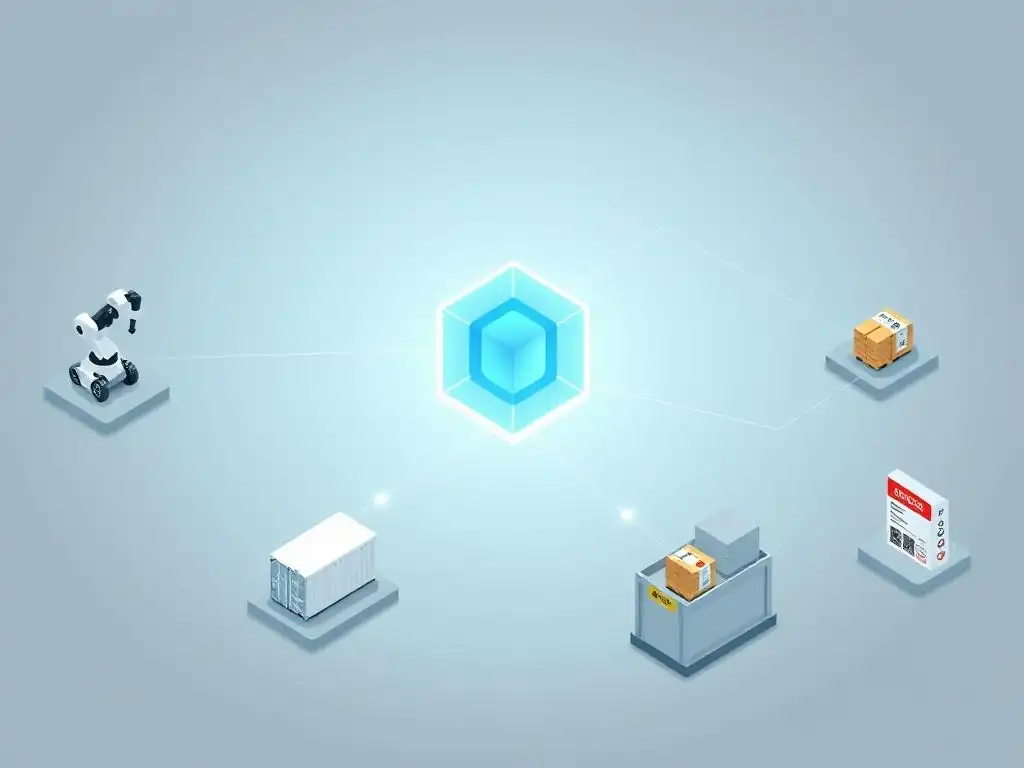
For Blockchain supply chain anticounterfeiting solutions to be effective, establishing clear data standards and protocols is essential, especially when multiple participants are involved. All parties in the supply chain need to agree on what data will be recorded on the blockchain, how it will be formatted, and when it will be submitted.
This includes defining standards for unique product identifiers (e.g., serialization standards like GS1), event types (e.g., manufacturing, shipping, receiving, sale), location identifiers, and the format for associated metadata (e.g., batch numbers, expiration dates, sensor readings). Without standardized data, the information on the blockchain could be inconsistent and difficult to interpret or utilize effectively for verification and traceability.
Developing clear protocols for data submission and validation is also crucial. Who is responsible for entering specific data points? What are the validation rules? How are discrepancies handled?
These protocols ensure data accuracy and consistency across the distributed ledger. For example, a protocol might dictate that a distributor must record the receipt of a shipment within a specific timeframe and that the recorded quantity must match the quantity recorded by the manufacturer upon dispatch, with any deviation flagged for investigation. Establishing these standards and protocols upfront, involving all stakeholders, ensures that the blockchain serves as a reliable and trustworthy source of information for anticounterfeiting efforts.
Training and Onboarding Stakeholders
Successful implementation of Blockchain supply chain anticounterfeiting solutions requires the active participation and understanding of all stakeholders involved in the supply chain. This necessitates comprehensive training and onboarding programs for employees at every touchpoint, from manufacturing line workers who might apply serialization labels to warehouse staff scanning products, logistics personnel updating shipment statuses, and retail staff or customer service representatives assisting with product verification. Training should cover not only the technical aspects of using the new system but also the importance of data accuracy and the role each person plays in maintaining the integrity of the blockchain record.
Stakeholders need to understand why the blockchain solution is being implemented – emphasizing the benefits for security, efficiency, and customer trust, as well as the risks posed by counterfeiting. Providing clear instructions, user-friendly interfaces, and ongoing support is vital for ensuring adoption and correct usage.
For external partners like suppliers and distributors, onboarding might involve setting up their access to the platform, providing necessary hardware (like scanners), and training their staff. A well-executed training and onboarding process minimizes user errors, encourages compliance with new protocols, and ensures that the blockchain system functions effectively across the entire network, thereby maximizing its potential as an anticounterfeiting tool.
Real-World Examples of Blockchain Anticounterfeiting
Case Study 1: Blockchain for Pharmaceutical Security
The pharmaceutical industry faces a critical challenge with counterfeit drugs, which pose severe health risks. Several initiatives have explored or implemented Blockchain supply chain anticounterfeiting solutions to enhance drug traceability and verify authenticity. For instance, the MediLedger Project, a consortium involving major pharmaceutical companies like Pfizer, Amgen, and McKesson, has developed a blockchain network focused on meeting the requirements of the U.S. Drug Supply Chain Security Act (DSCSA). The DSCSA mandates an electronic, interoperable system to identify and trace certain prescription drugs as they are distributed in the United States.
The MediLedger network uses a permissioned blockchain to track the ownership and movement of serialized drug packages between trading partners. When a drug package changes hands, the transaction is recorded on the blockchain, creating an immutable history.
This system allows participants to verify if a product identifier has already been sold or if it's associated with a legitimate trading partner, helping to detect counterfeit products or diversions. Pilot programs have demonstrated the feasibility of using blockchain for verifying product identifiers and ensuring data integrity across the complex pharmaceutical distribution network, offering a significant step forward from traditional track-and-trace systems that may lack interoperability or be susceptible to data manipulation.
Case Study 2: Blockchain for Luxury Goods Authentication
The luxury goods market is particularly susceptible to counterfeiting, leading to billions in losses annually and significant damage to brand reputation. Brands like LVMH (owner of Louis Vuitton, Christian Dior, etc.) have pioneered the use of Blockchain supply chain anticounterfeiting solutions to authenticate high-value items. LVMH, in partnership with Prada and Cartier (Richemont), launched the Aura Blockchain Consortium. This platform provides a blockchain-powered solution for luxury brands to track their products and provide proof of authenticity to consumers.
Each luxury item is given a unique digital certificate or identity stored on the blockchain, linked to a physical tag (like an NFC chip or QR code). When a product is manufactured, details about its origin, materials, and craftsmanship are recorded. As the product moves through the supply chain and eventually to the customer, its journey can be logged on the blockchain.
Consumers can scan the tag to access this secure history, verifying the product's authenticity and ownership details. This not only combats counterfeiting but also enhances the customer experience and enables services like secure second-hand sales verification. The Aura platform is designed to be open to all luxury brands, aiming to create a shared standard for product authentication in the sector.
Case Study 3: Blockchain for Food Supply Chain Traceability
Ensuring the safety and authenticity of food products is paramount, and blockchain technology is being adopted to improve traceability and combat food fraud. Walmart has been a notable early adopter, utilizing Blockchain supply chain anticounterfeiting solutions to enhance the traceability of food items, starting with produce like leafy greens. In response to foodborne illness outbreaks, Walmart mandated its suppliers of leafy greens to upload their data onto the IBM Food Trust blockchain platform.
Using this platform, Walmart and other participants can trace the origin of a product from farm to store shelf in seconds, compared to the days or weeks it could take with traditional paper-based or fragmented electronic systems. Each step in the supply chain – farming, processing, shipping, retailing – is recorded on the immutable ledger.
This rapid traceability is crucial for quickly identifying the source of contaminated food during an outbreak, enabling targeted recalls and minimizing the spread of illness. While primarily focused on safety and efficiency, this enhanced traceability inherently acts as an anticounterfeiting measure by creating a verifiable record of the product's journey, making it harder to introduce fake or mislabeled food products into the legitimate supply chain.
Overcoming Implementation Challenges
Addressing Scalability Issues
Scalability remains a significant challenge for many blockchain platforms, especially when dealing with the massive volume of transactions generated by global supply chains. Recording every single product movement for millions or billions of items can quickly overwhelm the processing capacity of some blockchain networks, leading to slow transaction speeds and high costs. Public blockchains, particularly older ones, have faced limitations in transactions per second (TPS). While newer public chains and layer-2 solutions are emerging, enterprise-grade Blockchain supply chain anticounterfeiting solutions often rely on permissioned or consortium blockchains specifically designed for higher throughput and lower latency.
Addressing scalability requires careful platform selection and potentially implementing strategies like off-chain processing for less critical data, only recording key events or batches on the blockchain, or utilizing sharding or other scaling technologies. Pilot programs are essential to test the platform's capacity under realistic load conditions before full deployment. As the technology matures, platforms are continuously improving their scalability, but organizations must carefully evaluate a platform's ability to handle their specific transaction volume and growth projections to ensure the blockchain solution remains performant and cost-effective as the supply chain expands.
Ensuring Interoperability
Interoperability, the ability for different blockchain networks and traditional systems to communicate and exchange data, is another key challenge for Blockchain supply chain anticounterfeiting solutions. Global supply chains are complex ecosystems involving numerous companies, each potentially using different internal systems or even different blockchain platforms. For a product's journey to be fully traceable from end-to-end, data needs to flow seamlessly across these disparate systems and networks. Lack of interoperability can create data silos, undermining the goal of a single, transparent view of the supply chain.
Efforts are underway to develop standards and protocols for blockchain interoperability, such as the work being done by organizations like the IEEE and industry-specific consortia. Solutions include developing middleware, using cross-chain communication protocols, or establishing industry-wide consortium blockchains that all participants agree to join. When implementing a blockchain solution, it is crucial to consider its ability to integrate with existing systems and its potential to interoperate with other networks that trading partners might use in the future. Choosing platforms that adhere to emerging standards or offer robust API capabilities can help mitigate this challenge.
Implementing Blockchain supply chain anticounterfeiting solutions requires careful consideration of various regulatory requirements, which can differ significantly across industries and geographies. Regulations related to data privacy (like GDPR or CCPA), data retention, industry-specific compliance mandates (like DSCSA in pharmaceuticals or food safety regulations), and cross-border data flow rules all impact how blockchain solutions must be designed and operated. While blockchain offers benefits like immutability, it also raises questions about the "right to be forgotten" under privacy laws, as data on a public blockchain is generally permanent.
Organizations must ensure that their blockchain implementation complies with all relevant legal frameworks. This might involve using permissioned blockchains where data access is controlled, storing sensitive personal data off-chain while using the blockchain for verification hashes, or designing solutions that allow for the handling of data corrections or deletions in compliance with legal requirements, even if it involves specific protocols for invalidating or referencing outdated data on the ledger. Consulting with legal and compliance experts early in the design phase is essential to navigate the complex regulatory landscape and ensure the blockchain solution is legally sound and sustainable.
Data Privacy and Security Considerations
While blockchain is inherently designed for security and data integrity, specific data privacy and security considerations must be addressed when implementing Blockchain supply chain anticounterfeiting solutions. Not all information about a product's journey or the parties involved is necessarily meant for public view. Details about pricing, customer information, proprietary manufacturing processes, or sensitive transaction volumes need to be protected. Using public blockchains for all data might expose commercially sensitive information.
Therefore, most enterprise supply chain blockchain solutions utilize permissioned or private networks where participation and data access are restricted to authorized parties. Techniques like zero-knowledge proofs can allow verification of data validity without revealing the underlying data itself. Storing sensitive data off-chain in secure databases while using the blockchain only for hashes or proof of existence is another common approach.
Robust access control mechanisms, encryption of data both in transit and at rest, and secure key management practices are paramount. Organizations must implement comprehensive security protocols extending beyond the blockchain itself to protect the entire ecosystem and ensure compliance with data privacy regulations while leveraging the blockchain's immutability for critical verification points.
The Future of Blockchain in Anticounterfeiting
Convergence of Blockchain with IoT and AI
The future of Blockchain supply chain anticounterfeiting solutions lies significantly in their convergence with other advanced technologies, particularly the Internet of Things (IoT) and Artificial Intelligence (AI). IoT devices, such as sensors tracking temperature, humidity, location, or even physical tampering, can generate real-time data about a product's condition and environment as it moves through the supply chain.
Integrating these IoT data streams directly onto the blockchain provides an even richer, more dynamic, and verifiable history for each item. For example, a sensor could detect if a shipment of pharmaceuticals exceeded a safe temperature range, and this event would be immutably recorded on the blockchain, providing crucial information for quality control and authenticity verification.
AI can further enhance these integrated systems by analyzing the vast amounts of data collected from IoT devices and recorded on the blockchain. AI algorithms can identify patterns indicative of fraudulent activity or potential counterfeiting attempts that might not be obvious through simple data queries.
For instance, AI could detect unusual shipping routes, inconsistent sensor data compared to historical norms for a product type, or suspicious transaction volumes associated with a particular entity. By leveraging AI for predictive analysis and anomaly detection based on immutable blockchain data and real-time IoT feeds, companies can move from reactive responses to proactive prevention of counterfeiting.
The Role of NFTs in Product Authentication
Non-Fungible Tokens (NFTs), which are unique digital assets recorded on a blockchain, are emerging as a promising tool for product authentication, especially for high-value or limited-edition goods. While initially popularized for digital art, NFTs can be linked to physical products, serving as a verifiable digital certificate of authenticity and ownership. Unlike standard blockchain transactions that might track a product's movement, an NFT represents the unique identity and provenance of a specific item itself. This offers a new approach within Blockchain supply chain anticounterfeiting solutions.
By issuing an NFT tied to a luxury watch, a piece of art, or a collector's item, brands can provide customers with a digital asset that proves the item's legitimacy and tracks its ownership history on the blockchain. This NFT can contain detailed information about the product's attributes, manufacturing, and provenance, making it virtually impossible to counterfeit the item's identity.
The transfer of ownership of the physical item can be mirrored by the transfer of the NFT on the blockchain, creating a transparent and verifiable chain of custody that enhances trust in the secondary market as well. This application of NFTs provides a secure, digital counterpart to the physical product, adding a powerful layer of authentication.
Development of New Anticounterfeiting Platforms
The landscape of Blockchain supply chain anticounterfeiting solutions is continuously evolving with the development of new platforms and specialized solutions. Beyond general-purpose blockchain frameworks, there is a growing trend towards creating industry-specific or use-case-specific blockchain platforms tailored to the unique needs and regulatory environments of sectors like pharmaceuticals, food and beverage, fashion, and electronics. These platforms often incorporate features specifically designed for serialization, data privacy within regulated industries, and integration with common supply chain technologies used in those sectors.
Furthermore, innovation is occurring in how product identifiers are linked to the blockchain, exploring advanced physical-digital bridges like secure NFC tags, embedded chips, and even invisible markers that can be scanned to access the blockchain record. The development of more user-friendly interfaces and mobile applications is also crucial to ensure that consumers and supply chain partners can easily interact with the blockchain system for verification.
As the technology matures and adoption grows, we can expect to see more sophisticated, scalable, and interoperable blockchain platforms emerge, making Blockchain supply chain anticounterfeiting solutions more accessible and effective for businesses of all sizes.
Conclusion: Securing the Supply Chain with Blockchain
Blockchain: A Tool for Combating Counterfeiting
The threat of counterfeit goods is a persistent and escalating challenge for global commerce, imposing significant economic costs and posing serious risks to public safety and brand integrity. Traditional methods of supply chain security and product authentication, while important, have proven insufficient against increasingly sophisticated counterfeit operations. Their limitations in providing end-to-end visibility, ensuring data integrity, and preventing data manipulation create vulnerabilities that counterfeiters exploit. Addressing this requires a fundamental shift in how product authenticity and supply chain security are managed.
Blockchain technology offers a robust and transformative solution to this problem. By providing a decentralized, immutable, and transparent ledger for tracking products and recording their journey, Blockchain supply chain anticounterfeiting solutions create a verifiable history for each item from its origin to the consumer. This enhanced traceability, combined with the inherent security and data integrity of the blockchain, makes it significantly harder for counterfeit goods to infiltrate legitimate supply chains and for their fake identities to go undetected.
Real-world examples across diverse industries like pharmaceuticals, luxury goods, and food demonstrate the practical application and effectiveness of blockchain in combating counterfeiting. While implementation challenges related to scalability, interoperability, and regulation exist, ongoing technological advancements and the development of specialized platforms are continuously addressing these hurdles.
Ultimately, blockchain is not just a trend but a powerful tool revolutionizing supply chain security, offering businesses and consumers alike greater confidence in the authenticity and provenance of the products they interact with. Implementing Blockchain supply chain anticounterfeiting solutions is becoming an essential strategy for companies serious about protecting their brand, their customers, and the integrity of the global supply chain.
Frequently Asked Questions
How does blockchain technology improve supply chain security to combat counterfeiting?
Blockchain provides an immutable ledger that tracks products from origin to consumer, ensuring transparency and traceability. This makes it significantly harder for counterfeit goods to enter the supply chain undetected.
What are some key features of blockchain-based anti-counterfeiting solutions in supply chains?
Key features include product authentication, tamper-proof records, and real-time tracking. These capabilities allow stakeholders to verify product authenticity at any point in the supply chain.
What are the advantages of using blockchain over traditional methods for anti-counterfeiting?
Blockchain offers enhanced security and transparency compared to traditional methods. It minimizes the risk of data manipulation and provides a single source of truth for all participants.
What industries can benefit most from blockchain supply chain anti-counterfeiting solutions?
Industries dealing with high-value or easily counterfeited goods, such as pharmaceuticals, luxury goods, and electronics, stand to benefit the most. Blockchain helps protect brand reputation and consumer safety.
What are some of the challenges in implementing blockchain for anti-counterfeiting in supply chains?
Challenges include scalability, interoperability with existing systems, and the need for industry-wide collaboration. Overcoming these hurdles is crucial for widespread adoption.
Final Reflection: Securing Trust in a Decentralized World
The journey through the intricacies of blockchain supply chain anticounterfeiting solutions reveals more than just technological advancements; it underscores a fundamental shift in how we perceive and secure trust in a globalized world. The vulnerabilities exposed by traditional supply chains demand innovative solutions, and blockchain emerges not merely as a tool, but as a paradigm shift towards verifiable authenticity and enhanced consumer confidence.
The impact of counterfeiting extends far beyond financial losses; it erodes consumer trust and poses significant risks to public health and safety. Witnessing the potential of blockchain to combat this pervasive issue is deeply inspiring, highlighting the power of technology to create a more transparent and ethical marketplace. Trust, but verify.
This adage, often attributed to Ronald Reagan, resonates deeply in the context of supply chain security, emphasizing the need for verifiable data and immutable records – precisely what blockchain offers.
As we look to the future, let us embrace the transformative potential of blockchain to build more secure and resilient supply chains. Consider how you, as a consumer, a business owner, or a policymaker, can advocate for and implement these solutions. The fight against counterfeiting is a collective endeavor, and by embracing blockchain, we can collectively forge a future where authenticity reigns supreme, and trust is not just given, but earned and verified.
Unlock the Future: Secure Your Supply Chain Now!
Thanks for diving into the world of blockchain and its potential to revolutionize supply chain security! You've gained valuable insights into how this technology can combat counterfeiting and enhance trust. Now, let's put that knowledge into action!
Here are some steps you can take to further explore and implement blockchain solutions in your supply chain:
- Initiate a pilot project: Identify a specific product line or segment of your supply chain and launch a small-scale blockchain implementation. This allows you to test the technology, gather data, and refine your strategy before a full-scale rollout.
- Explore open-source blockchain platforms: Research and experiment with different open-source platforms suitable for supply chain management, focusing on permissioned blockchains for enhanced control and security.
- Share your thoughts on blockchain integration: Discuss potential barriers and opportunities for blockchain adoption in supply chain security with peers, experts, and industry forums to gain diverse perspectives and insights.
What concrete step will you take today to begin exploring blockchain for your supply chain, and what impact do you hope it will have on your brand's integrity?
Leave a Reply