
Traceability Transformed: Blockchain's Impact on Product Origin Verification

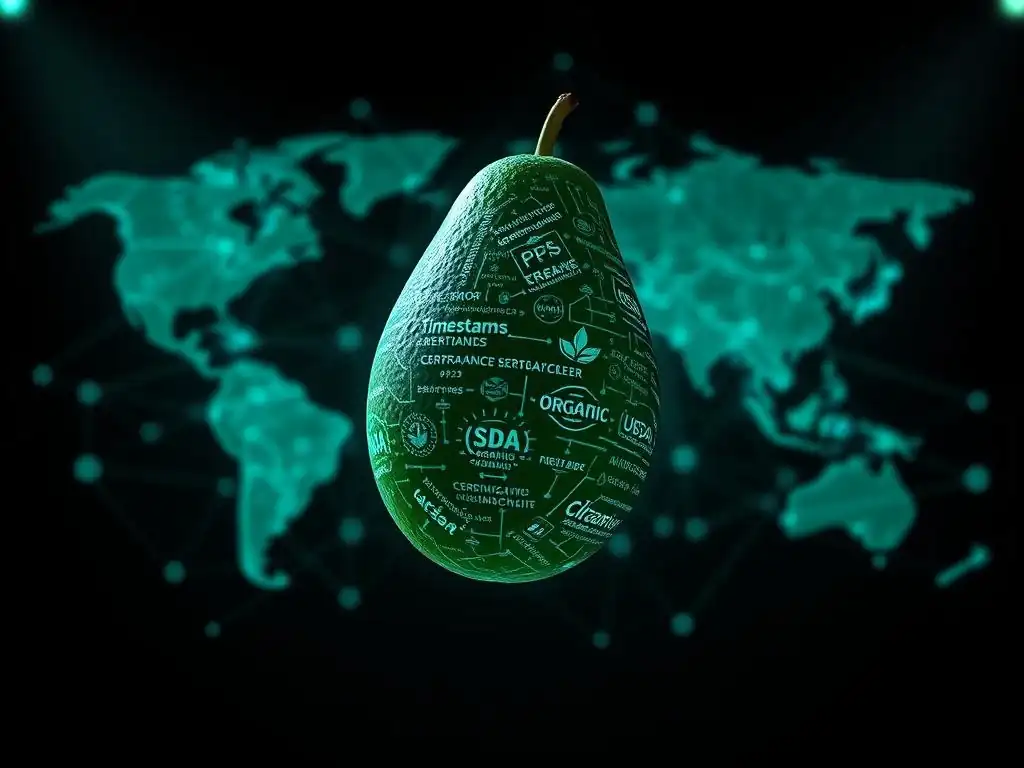
Welcome to Blockchain Trends, your go-to source for understanding the real-world impact of blockchain technology! Beyond the hype of cryptocurrencies, discover how this revolutionary technology is transforming industries. Intrigued by the promise of transparency and authenticity? Dive into our latest article exploring blockchain product origin verification and uncover how it's reshaping supply chains and building consumer trust. Read on to learn how this innovative solution is combating counterfeiting and ensuring the integrity of products, from farm to table.
Traceability Transformed: Blockchain's Impact on Product Origin Verification
- Introduction: Revolutionizing Product Provenance with Blockchain Technology
- Understanding Blockchain for Product Origin Tracking
- Blockchain Product Origin Verification: A Deep Dive
- Use Cases: Real-World Applications of Blockchain in Product Origin
- Implementing Blockchain for Product Origin: Key Considerations
- Overcoming Challenges in Blockchain Adoption for Traceability
- The Future of Blockchain in Product Origin Verification
- Measuring the Impact: Quantifying the Benefits of Blockchain Product Origin Verification
- Conclusion: Blockchain as a Catalyst for Trust and Transparency in Product Provenance
-
Frequently Asked Questions
- How does blockchain enhance product origin verification?
- What are the key benefits of using blockchain for product origin verification compared to traditional methods?
- What industries can benefit most from blockchain-based product origin verification?
- How is blockchain helping to combat counterfeit products using product origin verification?
- What are some challenges to widespread adoption of blockchain for product origin verification?
- Final Reflection: Embracing Transparency Through Trust
- Unleash the Power of Provenance!
Introduction: Revolutionizing Product Provenance with Blockchain Technology
Traceability, the ability to track the history, location, or application of an item by means of recorded identifications, is a critical function across diverse industries. From food safety to luxury goods, ensuring the provenance of products is essential for consumer trust, regulatory compliance, and supply chain integrity. Traditional methods often rely on fragmented, paper-based systems or centralized databases that are vulnerable to errors, tampering, and lack interoperability, making comprehensive and trustworthy product origin verification a significant challenge.
Blockchain technology, initially popularized by cryptocurrencies, offers a fundamentally new approach to recording and managing data. Its decentralized, immutable, and transparent ledger system presents a compelling solution to the long-standing problems of traceability. By creating a shared, verifiable history of a product's journey from source to consumer, blockchain enables a level of confidence in product origin verification previously unattainable with conventional systems. This transformative potential is driving adoption across various sectors seeking enhanced transparency and security.
The Growing Need for Transparent Product Origin Verification
Consumers today are increasingly demanding transparency regarding the products they purchase. They want to know where their food comes from, if their electronics contain ethically sourced minerals, or if their luxury goods are authentic. Reports indicate that consumer willingness to pay more for products with clear traceability is on the rise, with some studies suggesting a premium of 10-20% for verifiable origin and sustainability claims. This consumer demand is amplified by global supply chains that have become incredibly complex, involving numerous intermediaries across different jurisdictions.
Furthermore, regulatory bodies worldwide are imposing stricter requirements for product tracking, especially in industries like pharmaceuticals, food and beverage, and chemicals, to ensure safety and combat illicit trade. For instance, the EU's Falsified Medicines Directive requires unique identifiers on prescription drug packaging to prevent counterfeits. The global trade in counterfeit goods is estimated to be worth hundreds of billions of dollars annually, according to the OECD, impacting brand reputation, consumer safety, and legitimate businesses. This escalating threat underscores the urgent need for robust and transparent product origin verification systems.
How Blockchain Addresses Challenges in Supply Chain Traceability
Traditional supply chains often operate in silos, with each participant maintaining their own separate records. This leads to data inconsistencies, delays in information sharing, and a lack of a single, authoritative source of truth about a product's journey. When issues arise, such as a recall due to contamination, tracing the origin quickly and accurately can be incredibly difficult and time-consuming, potentially leading to widespread harm and significant financial losses.
Blockchain technology overcomes these challenges by providing a shared, append-only ledger accessible to all authorized participants. Each transaction or event in the product's lifecycle – from sourcing raw materials to manufacturing, shipping, and retail – can be recorded as a block on the chain. Once a block is added, it cannot be altered or deleted without the consensus of the network participants, making the data highly secure and tamper-proof. This inherent immutability and transparency build trust among supply chain partners and provide consumers with verifiable proof of product origin, significantly enhancing blockchain product origin verification processes.
Understanding Blockchain for Product Origin Tracking
What is Blockchain and How Does it Work?
At its core, a blockchain is a distributed ledger technology (DLT) that securely records transactions across a network of computers. Instead of storing data in a single, centralized database, copies of the ledger are maintained and synchronized across multiple nodes. Transactions are grouped into "blocks," which are then cryptographically linked together in a chronological chain. Each block contains a hash of the previous block, creating a secure and immutable history.
When a new transaction occurs, it is broadcast to the network. Participating nodes validate the transaction based on predefined rules (consensus mechanisms). Once validated, the transaction is added to a new block, which is then added to the chain across all nodes. This distributed consensus mechanism makes it extremely difficult for any single party to alter the ledger retroactively, ensuring the integrity and trustworthiness of the recorded data, which is fundamental to robust blockchain product origin verification.
Key Benefits of Blockchain in Supply Chain Management
Implementing blockchain in supply chain management unlocks several significant advantages. Firstly, it dramatically increases transparency by providing a shared, accessible record of all product movements and transformations. This visibility allows stakeholders, including consumers, to track a product's journey from its source. Secondly, it enhances security and reduces fraud; the immutable nature of the ledger makes it exceptionally difficult to tamper with records of origin or authenticity.
Furthermore, blockchain can improve efficiency by streamlining processes and reducing the need for manual data entry and reconciliation across different systems. It can also build trust among supply chain partners who may not have previously collaborated closely, as they share a common, verifiable source of information. Finally, it provides a verifiable record for compliance and audits, simplifying regulatory reporting and demonstrating adherence to standards, all contributing to more reliable blockchain product origin verification.
The Concept of Immutable Records and its Importance
Immutability is arguably the most critical feature of blockchain technology for applications like product origin verification. It means that once data is recorded on the blockchain and a block is added to the chain, it cannot be changed or deleted. This property is achieved through cryptographic hashing and the distributed consensus mechanism. Any attempt to alter data in a past block would require recalculating the hash of that block and all subsequent blocks, a computationally infeasible task on a sufficiently large and distributed network.
For product origin verification, immutability is paramount because it guarantees the integrity of the historical data. If a record states that a product component was sourced from a specific ethical supplier on a certain date, that information is permanently recorded and verifiable. This prevents malicious actors from altering records to hide unethical sourcing, substitute counterfeit parts, or falsify origin claims. This unwavering reliability of the data forms the bedrock of trust in blockchain-based traceability systems and is central to effective blockchain product origin verification.
Blockchain Product Origin Verification: A Deep Dive
How Blockchain Ensures Authenticity and Prevents Counterfeiting
Blockchain combats counterfeiting by creating a unique, digital identity for each product or batch at its point of origin. This identity can be linked to verifiable attributes such as manufacturing date, location, materials used, and quality control data. As the product moves through the supply chain, each transfer of ownership or significant event (like packaging or customs clearance) is recorded on the blockchain, linked to the product's digital identity.
Consumers or authorized parties can then scan a QR code or use a unique identifier on the product to access this blockchain record. By verifying the complete, unbroken chain of custody from origin to point of sale against the immutable ledger, they can confirm the product's authenticity and trace its journey. Any discrepancy or missing link in the chain would indicate a potential counterfeit or diversion, enabling rapid detection and prevention of fraudulent goods entering the market, thereby strengthening blockchain product origin verification.
Creating a Secure and Transparent Supply Chain Ledger
A blockchain-based supply chain ledger provides a single source of truth for all participants. Unlike traditional systems where each company maintains its own siloed database, a blockchain allows for a shared, distributed database where all authorized parties can view the same information simultaneously. While the ledger is shared, privacy can be maintained through permissioned blockchains, where access is restricted to known participants, and data can be encrypted or hashed to protect sensitive business information while still verifying the integrity of the transaction.
This transparency fosters collaboration and accountability among supply chain partners. If a shipment is delayed, all parties can see the same timestamped record of when it was supposed to arrive at a certain point. This shared visibility reduces disputes and improves coordination. The security comes from the cryptographic linking of blocks and the consensus mechanism, making it virtually impossible for any single entity to unilaterally alter the history of transactions, establishing a secure foundation for blockchain product origin verification.
Smart Contracts for Automated Verification Processes
Smart contracts are self-executing contracts with the terms of the agreement directly written into code. They run on the blockchain and automatically execute predefined actions when specific conditions are met. In the context of product origin verification, smart contracts can automate various processes, reducing manual effort and potential for error.
For example, a smart contract could automatically release payment to a supplier once a shipment is verified as received at a distribution center based on the blockchain record. Another smart contract could trigger an alert if a product batch deviates from its expected route or if a product is scanned in a location that doesn't match its recorded journey. This automation streamlines operations, enforces business rules consistently, and adds an extra layer of automated verification to the blockchain product origin verification process, increasing efficiency and trust.
Use Cases: Real-World Applications of Blockchain in Product Origin
Coffee Industry: Tracking Bean Origin and Fair Trade Practices
The coffee industry is a prime example where blockchain is being used to enhance traceability and ensure ethical sourcing. Projects like Farmer Connect utilize blockchain to track coffee beans from individual farms to the consumer's cup. By recording details such as the farmer's name, location, farming practices, and export data on the blockchain, consumers can scan a QR code on the coffee package and see the journey of the beans.
This level of transparency helps verify claims of fair trade, organic farming, or specific regional origin. For instance, customers can confirm that the premium they paid for 'single-origin Ethiopian Yirgacheffe' coffee actually came from that specific region and that a portion of the price reached the farmer. This empowers consumers and helps build trust in brands committed to ethical sourcing, demonstrating effective blockchain product origin verification in action.
Diamonds: Ensuring Conflict-Free Sourcing and Authenticity
The diamond industry has long faced challenges related to 'blood diamonds' and counterfeiting. Blockchain offers a robust solution by creating an immutable record for each stone. Platforms like Everledger assign a unique digital identity to each diamond, recording its characteristics (carat, cut, color, clarity), origin, and ownership history on the blockchain.
As the diamond changes hands – from mine to cutter, polisher, jeweler, and finally to the consumer – each transaction is added to the stone's digital record. This provides verifiable proof that the diamond is conflict-free and authentic. According to Everledger's data, they have already traced millions of diamonds on their platform, providing unprecedented transparency and confidence in the authenticity and ethical sourcing of these high-value goods through blockchain product origin verification.
Electronics: Verifying Component Origin and Ethical Manufacturing
The electronics supply chain is notoriously complex, involving components sourced from numerous suppliers worldwide. Verifying the origin of these components is crucial for quality control, compliance with regulations regarding conflict minerals, and ensuring ethical labor practices. Companies are exploring blockchain solutions to create a transparent ledger of electronic components.
For example, Intel has piloted blockchain projects to trace materials used in their processors, aiming to verify that minerals like tin, tantalum, tungsten, and gold are sourced responsibly. By recording the origin and chain of custody of these materials on a blockchain, manufacturers can provide verifiable proof to consumers and regulators, mitigating risks associated with conflict minerals and enhancing their corporate responsibility profile through detailed blockchain product origin verification.
Implementing Blockchain for Product Origin: Key Considerations
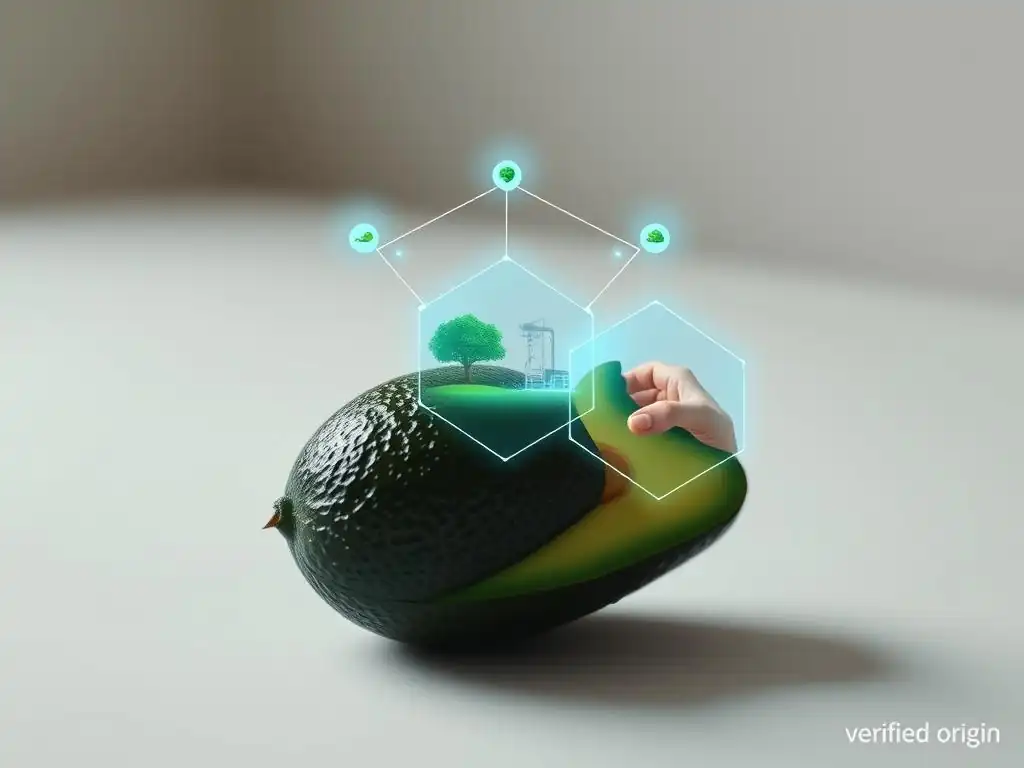
Choosing the Right Blockchain Platform
Selecting the appropriate blockchain platform is a critical first step. Options range from public blockchains like Ethereum (though often private/permissioned layers are used for enterprise supply chains) to consortium blockchains like Hyperledger Fabric or R3 Corda, and private blockchains. The choice depends on factors such as the required level of privacy, scalability needs, transaction costs, and the ecosystem of partners involved.
Permissioned blockchains are often preferred for supply chain applications as they allow companies to control who can participate in the network and access sensitive data, while still maintaining the benefits of immutability and transparency among known parties. Evaluating the platform's ability to handle the volume of transactions, its ease of integration with existing systems, and the availability of developer support are essential criteria for successful blockchain product origin verification implementation.
Integrating Blockchain with Existing Supply Chain Systems
Blockchain is rarely a standalone solution; it needs to integrate seamlessly with existing enterprise resource planning (ERP), warehouse management systems (WMS), and other supply chain software. This integration is crucial for capturing data about product movements and status updates in real-time and feeding it into the blockchain ledger.
Integration can be complex, requiring APIs (Application Programming Interfaces) or middleware to connect disparate systems. Ensuring data consistency between the legacy systems and the blockchain is paramount. A phased approach, starting with a pilot project on a specific product line or a segment of the supply chain, can help identify and address integration challenges before a full-scale rollout, facilitating effective blockchain product origin verification.
Data Privacy and Compliance Considerations
While blockchain is known for transparency, supply chain data often contains commercially sensitive information, such as pricing, supplier details, or manufacturing processes. Therefore, privacy needs must be carefully balanced with the goal of transparency. Permissioned blockchains offer a solution by restricting participation and data access to authorized members.
Furthermore, data recorded on the blockchain must comply with relevant data privacy regulations, such as GDPR in Europe. While blockchain data is immutable, the source of the data and personal information associated with it still fall under regulatory scrutiny. Strategies like hashing data on-chain while storing the sensitive details off-chain, or using zero-knowledge proofs, can help ensure compliance while leveraging blockchain for product origin verification. Legal frameworks around blockchain data ownership and liability are also evolving and must be considered.
Overcoming Challenges in Blockchain Adoption for Traceability
Scalability Issues and Potential Solutions
One of the significant challenges for blockchain adoption, especially in large-scale supply chains with millions of products and transactions daily, is scalability. Some blockchain platforms can process only a limited number of transactions per second compared to traditional centralized databases. Public blockchains, in particular, can face congestion and high transaction fees (gas costs) during periods of high network activity.
Solutions to scalability issues are being developed and implemented. These include using more efficient consensus mechanisms (like Proof-of-Stake or Proof-of-Authority), implementing layer-2 scaling solutions (like state channels or sidechains), and optimizing blockchain architecture for specific enterprise needs (e.g., using private or consortium blockchains). Many enterprise-focused platforms are designed with higher throughput in mind to handle the demands of robust blockchain product origin verification.
Interoperability Between Different Blockchain Networks
As different companies and industries adopt various blockchain platforms, the challenge of interoperability arises. A product's journey might involve multiple supply chains, each potentially using a different blockchain. For comprehensive end-to-end traceability, these separate networks need to be able to communicate and share information securely.
Efforts are underway to develop standards and protocols for blockchain interoperability. Projects focus on cross-chain communication mechanisms that allow data or assets to be transferred or verified across different ledgers. APIs and middleware can also play a role in translating data between networks. Achieving seamless interoperability is key to unlocking the full potential of blockchain product origin verification across complex, multi-party ecosystems.
Cost and Complexity of Implementation
Implementing a blockchain solution for product origin verification can involve significant upfront costs and complexity. This includes the cost of developing or acquiring the software platform, integrating it with existing systems, training personnel, and potentially setting up new hardware infrastructure (though cloud-based solutions are common). The technical expertise required to design, deploy, and maintain blockchain networks is also a factor.
Companies need to carefully evaluate the return on investment (ROI) of blockchain implementation, considering the potential savings from reduced counterfeiting, improved efficiency, enhanced brand reputation, and increased consumer trust. Starting with pilot projects in specific, high-value areas can help demonstrate the benefits and build internal expertise before committing to a broader rollout, managing the complexity of introducing blockchain product origin verification.
The Future of Blockchain in Product Origin Verification
Emerging Trends and Innovations
The field of blockchain for supply chain traceability is rapidly evolving. One emerging trend is the use of tokenization, where physical products are represented by unique digital tokens on the blockchain. This can simplify tracking ownership and authenticity. Another innovation is the development of more privacy-preserving technologies within blockchain, such as zero-knowledge proofs, which allow verification of data without revealing the underlying sensitive information.
Furthermore, advancements in consensus mechanisms are improving scalability and energy efficiency. Interoperability solutions are becoming more mature, promising seamless data flow across different networks. These trends suggest a future where blockchain product origin verification becomes more efficient, private, and interconnected, facilitating broader adoption across industries.
The Role of IoT and AI in Enhancing Blockchain Traceability
The combination of blockchain with other technologies like the Internet of Things (IoT) and Artificial Intelligence (AI) promises to significantly enhance product origin verification. IoT devices, such as sensors, GPS trackers, and smart tags, can automatically record data about a product's condition (temperature, humidity) and location in real-time and securely feed this data onto the blockchain. This reduces manual entry errors and provides a more dynamic and accurate record.
AI can be used to analyze the vast amounts of data collected on the blockchain and from IoT devices. AI algorithms can identify anomalies or patterns that might indicate potential fraud, deviations from standard procedures, or quality issues. For example, AI could flag a shipment whose route deviates suspiciously based on its GPS data recorded on the blockchain. This intelligent analysis complements the secure recording capabilities of blockchain, making blockchain product origin verification more proactive and insightful.
Predictions for the Future of Supply Chain Transparency
Experts predict that blockchain technology will become increasingly integral to supply chain operations over the next decade. Adoption is expected to grow significantly as platforms mature, costs decrease, and regulatory pressures for transparency increase. We are likely to see consortiums of companies within specific industries collaborate on shared blockchain networks for traceability, creating industry-wide standards for blockchain product origin verification.
Consumer demand for ethical and sustainable products with verifiable provenance will continue to drive the need for transparent systems. Blockchain, combined with IoT and AI, is poised to become the standard infrastructure for achieving this transparency. While challenges remain, the trajectory points towards a future where end-to-end visibility and trust in product origin are the norm, fundamentally transformed by blockchain technology.
Measuring the Impact: Quantifying the Benefits of Blockchain Product Origin Verification
Reduced Counterfeiting Rates
One of the most tangible benefits of implementing blockchain for product origin verification is the potential for significantly reducing counterfeiting rates. While precise global figures are hard to isolate solely for blockchain impact, companies piloting blockchain solutions have reported promising results. For instance, luxury goods companies using blockchain for authentication have seen a notable decrease in the number of fakes detected in their supply chains or presented for resale, estimated by some reports to be a reduction of 15-25% in test cases within specific pilot programs.
By making it significantly harder and riskier for counterfeiters to inject fake goods into the legitimate supply chain without detection, blockchain acts as a powerful deterrent. The immutable record makes it easy to spot products without a verifiable history or with inconsistent data. This reduction in illicit trade not only protects brand reputation and revenue but also safeguards consumer safety, highlighting a key impact of blockchain product origin verification.
Improved Consumer Trust and Confidence
Blockchain-powered transparency directly translates into increased consumer trust. When consumers can independently verify the origin and journey of a product by simply scanning a QR code, it builds confidence in the brand's authenticity and ethical claims. A survey by Provenance, a platform using blockchain for transparency, found that showing verifiable impact data on products increased consumer engagement and willingness to pay a premium.
Brands that openly share their supply chain journey via blockchain can differentiate themselves in the market. This transparency fosters a stronger connection with consumers who value authenticity, sustainability, and ethical production. This improved trust is a significant, albeit sometimes hard-to-quantify, benefit of robust blockchain product origin verification.
Increased Supply Chain Efficiency and Transparency
Beyond combating counterfeiting and building trust, blockchain improves operational efficiency within the supply chain itself. By providing a single, shared source of truth, it reduces disputes among partners, streamlines audits, and accelerates the flow of information. For example, resolving issues like delayed shipments or verifying compliance becomes much faster when all parties have access to the same, immutable timestamped records.
Increased transparency throughout the supply chain can also help identify bottlenecks, inefficiencies, or areas for improvement that were previously obscured by fragmented data systems. This leads to better planning, reduced waste, and potentially lower operational costs. While specific efficiency gains vary greatly by industry and implementation scope, pilot programs have shown potential reductions in administrative overhead and dispute resolution times, demonstrating the broad impact of blockchain product origin verification.
Conclusion: Blockchain as a Catalyst for Trust and Transparency in Product Provenance
The Transformative Power of Blockchain for Product Origin
Blockchain technology is fundamentally transforming how we approach product origin verification. By providing a decentralized, immutable, and transparent ledger, it addresses the core weaknesses of traditional traceability systems – fragmentation, lack of trust, and vulnerability to tampering. It enables the creation of a verifiable, end-to-end history for products, offering unprecedented levels of confidence in their authenticity and provenance.
From ensuring the ethical sourcing of conflict minerals to verifying the journey of organic produce, blockchain empowers businesses to build more resilient, transparent, and trustworthy supply chains. It shifts the paradigm from opaque, centralized control to a shared, verifiable record accessible to all authorized participants, including the end consumer. This is the transformative power of blockchain product origin verification.
Embracing Blockchain for a More Secure and Authentic Supply Chain
While challenges related to scalability, interoperability, and implementation complexity exist, the benefits of adopting blockchain for product origin verification are compelling. The ability to effectively combat counterfeiting, build deep consumer trust, and enhance operational efficiency presents a strong case for investment. As the technology matures and supporting ecosystems grow, these challenges will likely become more manageable.
Embracing blockchain is not just about adopting a new technology; it's about committing to a future of greater transparency and integrity in global commerce. For businesses aiming to build secure supply chains, protect their brand, meet regulatory demands, and connect with increasingly conscious consumers, robust blockchain product origin verification is becoming an essential strategic imperative. The journey towards a more secure and authentic global supply chain is being paved by the immutable blocks of blockchain.
Frequently Asked Questions
How does blockchain enhance product origin verification?
Blockchain provides a tamper-proof and transparent ledger to track a product's journey from creation to consumer. This immutable record makes it extremely difficult to counterfeit or misrepresent a product's origin. It fosters consumer trust and accountability.
What are the key benefits of using blockchain for product origin verification compared to traditional methods?
Traditional methods often rely on centralized databases, which are vulnerable to manipulation. Blockchain offers decentralization and enhanced security. It also provides real-time visibility and improved efficiency in tracking product provenance.
What industries can benefit most from blockchain-based product origin verification?
Industries with complex supply chains and high risks of counterfeiting, such as food and beverage, pharmaceuticals, and luxury goods, stand to gain significantly. The ability to verify authenticity and track ingredients is crucial.
How is blockchain helping to combat counterfeit products using product origin verification?
By creating a verifiable and auditable history of a product, blockchain makes it easier to identify and prevent counterfeit goods from entering the market. Consumers can scan a QR code to see the product's entire journey.
What are some challenges to widespread adoption of blockchain for product origin verification?
Challenges include the need for industry-wide collaboration, the cost of implementation, and the lack of standardization across different blockchain platforms. Overcoming these hurdles is crucial for widespread adoption.
Final Reflection: Embracing Transparency Through Trust
The journey through blockchain's impact on product origin verification reveals a profound shift in how we perceive trust and transparency in global supply chains. No longer are we bound by opaque systems; instead, we stand on the cusp of an era where immutable records empower consumers and businesses alike to verify the authenticity and ethical sourcing of the products they interact with daily.
The transformative power of blockchain extends far beyond mere technological innovation. It fundamentally alters the cultural landscape of consumerism, fostering a demand for accountability and ethical practices. This shift resonates deeply, reminding us that our purchasing decisions have far-reaching consequences, impacting communities and ecosystems across the globe. Transparency is not about exposing everything; it's about creating a culture where people can ask questions and get honest answers.
- John Mackey, co-founder of Whole Foods Market. This quote encapsulates the essence of what blockchain-enabled traceability strives to achieve: a world where informed choices drive positive change.
As we look to the future, let us embrace the potential of blockchain to build a more sustainable and equitable world. Consider how you, as a consumer, a business owner, or simply a concerned citizen, can champion the adoption of blockchain product origin verification. Demand transparency, support ethical sourcing, and empower yourself with the knowledge to make informed choices. The future of product origin verification is not just about technology; it's about building a world where trust and accountability are the cornerstones of every transaction.
Unleash the Power of Provenance!
Thank you for exploring how blockchain is revolutionizing product traceability. We hope you now have a clearer understanding of how this technology can foster trust and transparency in supply chains. Are you ready to take action?
Here are some ways to get started:
- Explore further: Investigate how blockchain traceability impacts a product you use daily. Examine its sourcing, manufacturing, and distribution processes to see how blockchain could enhance them.
- Share your thoughts: Discuss this article with colleagues or friends interested in supply chain efficiency. Start a conversation about how blockchain can benefit various industries.
- Get involved: If you have expertise in blockchain or supply chain management, consider contributing to the community and sharing your insights.
How will you leverage blockchain to verify product origins and create a more transparent world? Share your ideas in the comments below!
Leave a Reply