
Transparency Triumphs: Blockchain's Open Ledger for AntiCounterfeiting

Welcome to Blockchain Trends, your compass in the rapidly evolving world of decentralized innovation! Are you ready to see how blockchain is revolutionizing industries beyond just cryptocurrency?
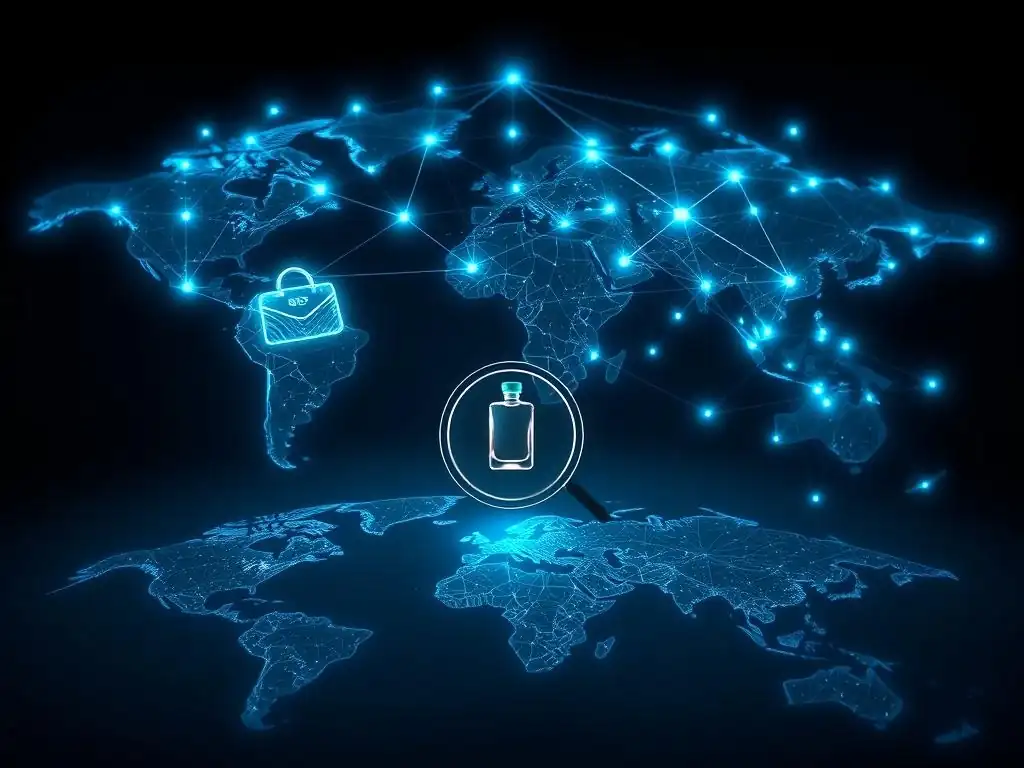
This week, we delve into a crucial application: the blockchain anticounterfeiting supply chain. Imagine a world where counterfeit goods are relics of the past. Discover how blockchain's transparent and immutable ledger is leading the charge against fake products, securing supply chains, and building trust. Intrigued? Let's explore the future of authenticity, one block at a time.
Blockchain for Anticounterfeiting: Securing Supply Chains
- The Threat of Counterfeit Goods and the Need for Supply Chain Security
- Blockchain Technology: Enhancing Supply Chain Security
- Implementing Blockchain for Anticounterfeiting
- Use Cases: Blockchain Anticounterfeiting Solutions
- Benefits of Blockchain Anticounterfeiting
- Challenges and Considerations for Blockchain Adoption
- The Future of Blockchain in Anticounterfeiting
- Conclusion: Blockchain for Secure and Transparent Supply Chains
-
Frequently Asked Questions
- What specific problem does blockchain address in anticounterfeiting within the supply chain?
- How does blockchain's decentralized nature contribute to preventing counterfeiting?
- What are some examples of enterprise applications using blockchain for anticounterfeiting?
- What role do regulations play in promoting or hindering blockchain-based anticounterfeiting solutions?
- How might blockchain anticounterfeiting solutions evolve in the future?
- Final Reflection: Embracing Authenticity in a Digital Age
- Unlock Authentic Solutions: Embrace Blockchain's Power!
The Threat of Counterfeit Goods and the Need for Supply Chain Security
The Economic Impact of Counterfeiting
Counterfeiting is a pervasive global issue with staggering economic consequences. It undermines legitimate businesses, harms consumers, and funds illicit activities. According to a 2019 report by the OECD and the European Union Intellectual Property Office (EUIPO), trade in counterfeit and pirated goods amounted to \$509 billion in 2016, representing 3.3% of world trade. This figure is a conservative estimate, focusing only on internationally traded physical goods and excluding domestically produced counterfeits or digital piracy, suggesting the true economic impact is significantly higher, potentially reaching trillions of dollars annually.
The financial losses extend beyond lost sales for businesses. They include brand damage, litigation costs, supply chain disruption, and job losses in legitimate industries. For consumers, counterfeit goods pose serious risks, ranging from poorly manufactured products that fail quickly to dangerous items like fake pharmaceuticals or automotive parts that can cause injury or death. Addressing this requires robust measures, and securing the supply chain against counterfeits is paramount. The development of effective blockchain anticounterfeiting supply chain solutions is becoming increasingly critical for global commerce.
Supply Chain Vulnerabilities
Modern supply chains are complex, global networks involving numerous parties, including manufacturers, suppliers, distributors, logistics providers, and retailers. This inherent complexity creates multiple points of vulnerability that counterfeiters can exploit. Products often change hands several times before reaching the end consumer, making it difficult to maintain a clear, unbroken chain of custody.
Lack of real-time visibility and fragmented data sharing across different stakeholders are significant weaknesses. Each entity in the supply chain often uses its own systems, leading to data silos and a lack of a single, trusted source of truth about a product's origin, movements, and authenticity status. Counterfeiters can introduce fake goods at various points along this opaque path, leveraging forged documents or simply replacing genuine items with fakes during transit or storage, highlighting the urgent need for enhanced blockchain anticounterfeiting supply chain strategies.
Limitations of Current Anticounterfeiting Measures
Traditional anticounterfeiting methods, while useful, often have significant limitations when applied across complex supply chains. Physical security features like holograms, watermarks, and special inks can be replicated by sophisticated counterfeiters. Serial numbers or QR codes printed on packaging can be copied or applied to fake products.
Furthermore, centralized databases used for tracking and authentication are susceptible to tampering or hacking. If a central ledger is compromised, the integrity of the entire system is jeopardized. These methods often rely on trust between parties and lack the immutable, transparent record needed to definitively prove a product's journey and authenticity from origin to destination. This underscores why existing approaches are insufficient for building a truly secure blockchain anticounterfeiting supply chain.
Blockchain Technology: Enhancing Supply Chain Security
Blockchain Principles: Immutability and Transparency
At its core, blockchain is a distributed, immutable ledger that records transactions across a network of computers. Each block of transactions is cryptographically linked to the previous one, forming a chain. Once a transaction is added to the blockchain and validated by the network's consensus mechanism, it is extremely difficult to alter or delete, making the ledger effectively immutable.
This immutability, combined with the distributed nature of the ledger (copies exist on multiple nodes), provides a high degree of transparency. While the identity of participants can be pseudonymous or permissioned, the record of transactions related to a specific asset is visible to authorized parties on the network. This inherent transparency and resistance to tampering make blockchain an ideal technology for creating a trustworthy record of a product's journey through the supply chain, forming the foundation for a robust blockchain anticounterfeiting supply chain.
Blockchain for Traceability and Visibility
Blockchain excels at creating a secure and transparent record of every event in a product's lifecycle, from manufacturing and packaging to shipping, distribution, and even recycling. By assigning a unique digital identity (often linked to a physical tag like a QR code, NFC chip, or RFID tag) to each product or batch, every movement and status change can be recorded as a transaction on the blockchain.
This creates an end-to-end audit trail that is accessible and verifiable by all authorized participants in the network. For instance, a record could show when a product was manufactured, where it was shipped, who received it, and when it was verified. This level of granularity and shared visibility allows stakeholders to quickly identify anomalies or suspicious activities, significantly enhancing traceability within the blockchain anticounterfeiting supply chain. Consumers can potentially even scan a product's code to verify its origin and history.
Decentralized Ledgers in Combating Counterfeits
Unlike traditional centralized databases, a blockchain ledger is distributed across multiple nodes in the network. There is no single point of failure that can be easily targeted by counterfeiters or hackers seeking to alter product records. To tamper with a record on a blockchain, an attacker would need to gain control of a majority of the network's computing power, a feat that becomes exponentially more difficult as the network grows.
This decentralized architecture makes the ledger highly resilient and trustworthy. By recording product provenance and movements on such a ledger, businesses can create an undeniable proof of authenticity. If a product's recorded history on the blockchain matches its physical attributes and location, it provides strong evidence that it is genuine. Conversely, if a product lacks a valid blockchain record or if its physical state contradicts the digital record, it is likely a counterfeit, making decentralized ledgers a powerful tool in the blockchain anticounterfeiting supply chain.
Implementing Blockchain for Anticounterfeiting
Identifying Key Assets and Data Points
Successful implementation of a blockchain anticounterfeiting supply chain begins with a clear understanding of which assets need tracking and what data points are critical to their authenticity and journey. This involves identifying unique products, batches, or even individual components that are high-value, prone to counterfeiting, or critical for safety (like pharmaceuticals).
Key data points to record on the blockchain could include:
- Manufacturing date and location
- Batch number
- Unique serial number or digital ID
- Raw material sources
- Quality control checks
- Packaging details
- Shipping dates and routes
- Recipient information at each handover point
- Verification scans by distributors, retailers, or consumers
- Customs clearance information
Defining these data points precisely is crucial, as only relevant and verifiable information should be permanently recorded on the immutable ledger.
Selecting a Blockchain Platform
Choosing the right blockchain platform is a critical step. Different platforms offer varying features, consensus mechanisms, scalability, and privacy options. Public blockchains (like Ethereum or VeChain) offer high transparency but may have lower transaction throughput and higher costs depending on usage. Permissioned or private blockchains (like Hyperledger Fabric or R3 Corda) offer more control over participants, higher transaction speeds, and greater data privacy, making them often more suitable for enterprise supply chain applications.
Factors to consider when selecting a platform include:
- Required transaction speed and volume
- Need for data privacy and access control
- Cost of transactions or network operation
- Ease of integration with existing systems
- Platform maturity and community support
- Compliance requirements (e.g., data residency)
Many blockchain anticounterfeiting supply chain solutions are built on enterprise-focused platforms that allow businesses to manage who can participate in the network and what data they can see.
Integrating Blockchain with Existing Systems
Integrating a new blockchain system with a company's existing legacy systems – such as Enterprise Resource Planning (ERP), Warehouse Management Systems (WMS), and Customer Relationship Management (CRM) – is often the most technically challenging part of implementation. Data from these systems needs to be accurately captured and fed onto the blockchain ledger in a secure and automated manner.
APIs (Application Programming Interfaces) and middleware are typically used to facilitate this data exchange. For instance, when a product is scanned into a WMS at a distribution center, this event triggers an API call that records the transfer transaction on the blockchain. Ensuring data integrity at the point of capture is paramount, as inaccurate data entered onto the blockchain is difficult to correct. This integration complexity requires careful planning and execution to ensure a seamless blockchain anticounterfeiting supply chain.
Data Governance and Access Controls
While blockchain offers transparency, not all data in a supply chain is suitable for public view. Implementing robust data governance policies and access controls is essential, especially with permissioned blockchains. This involves defining:
- What data is recorded on the blockchain
- Who is responsible for submitting and verifying data at each stage
- Which participants on the network have access to specific types of data
- How sensitive information (e.g., pricing, customer details) is handled (e.g., kept off-chain or encrypted)
Smart contracts can play a key role in automating access control and ensuring that data is only shared with authorized parties based on pre-defined rules. Establishing clear governance frameworks ensures that the blockchain anticounterfeiting supply chain operates securely and compliantly.
[ ] Define data schema for product tracking
[ ] Establish consensus mechanism rules for the network
[ ] Grant permissions to supply chain partners
[ ] Develop APIs for system integration
[ ] Plan data verification processes
Use Cases: Blockchain Anticounterfeiting Solutions
Pharmaceutical Anticounterfeiting
The pharmaceutical industry is a prime target for counterfeiters, with fake drugs posing severe health risks to consumers. The World Health Organization (WHO) estimates that 10% of medical products in low- and middle-income countries are substandard or falsified. In some areas, this figure can exceed 50%. Blockchain offers a way to track pharmaceuticals from manufacturer to pharmacy, ensuring their authenticity and safe handling.
Solutions like MediLedger, a consortium blockchain project, aim to meet regulations such as the U.S. Drug Supply Chain Security Act (DSCSA) by creating an immutable record of ownership and transaction history for prescription drugs. Each bottle or package can be serialized and its journey recorded on the blockchain. This allows pharmacies and distributors to verify the legitimacy of a product before it reaches patients, significantly strengthening the blockchain anticounterfeiting supply chain in healthcare.
Luxury Goods Authentication
The luxury goods market, including high-end fashion, watches, jewelry, and art, suffers billions in losses annually due to counterfeiting. Authenticity is paramount for brand value and consumer trust. Blockchain provides a secure way to create a digital passport for each luxury item, recording its origin, materials, craftsmanship details, and ownership history.
Companies like LVMH (Louis Vuitton Moët Hennessy) have launched blockchain platforms (e.g., Aura) to provide traceability and proof of authenticity for their products. By scanning a code on the product, consumers can access its verifiable history on the blockchain, confirming it is genuine. This not only combats fakes but also enhances the value proposition of luxury goods by providing transparency into their provenance and journey, showcasing the effectiveness of blockchain anticounterfeiting supply chain applications in high-value markets.
Food Supply Chain Integrity
Ensuring the safety and authenticity of food products is critical for public health and consumer confidence. Counterfeiting and food fraud, such as mislabeling origin or ingredients, are significant issues. Blockchain can track food items from farm to fork, recording details about sourcing, processing, transportation, and storage conditions.
Walmart famously piloted a blockchain solution with IBM Food Trust to trace mangoes from growers in Mexico to stores in the U.S. They found that the time to trace a package of mangoes went from seven days using traditional methods down to just 2.2 seconds with blockchain. This rapid traceability is invaluable for quickly identifying the source of contaminated food during an outbreak or verifying the origin of products claiming specific certifications (e.g., organic, fair trade), demonstrating blockchain's power in securing the food blockchain anticounterfeiting supply chain.
Benefits of Blockchain Anticounterfeiting
Improved Product Authentication
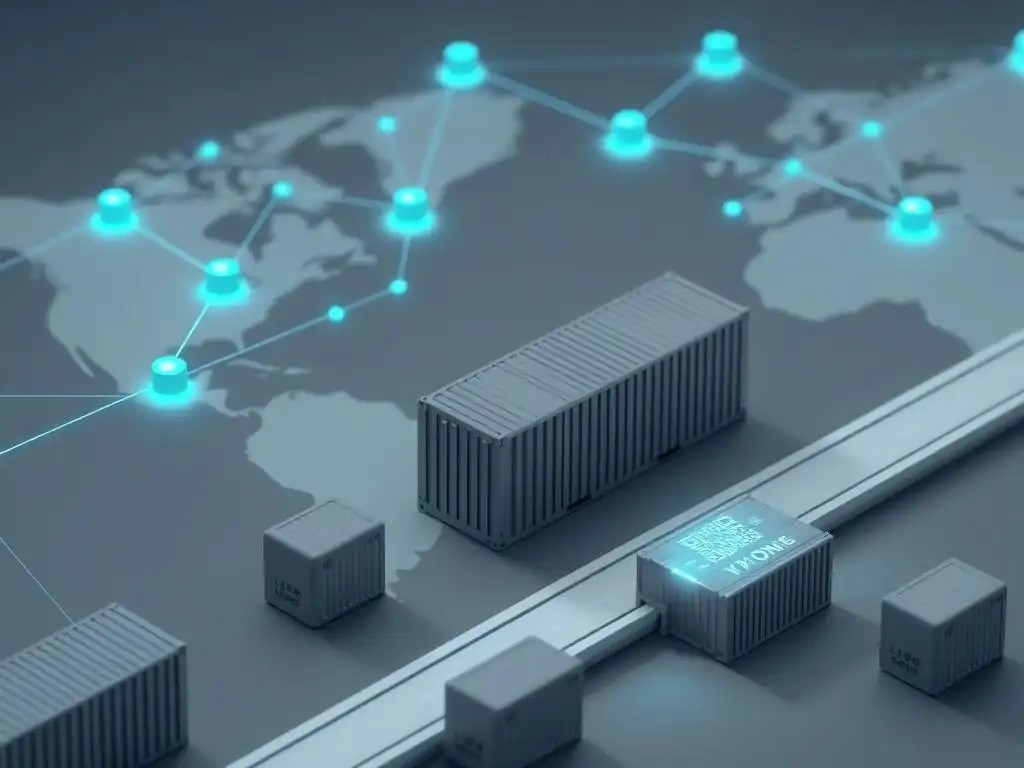
By creating a secure, verifiable digital history for each product, blockchain makes it significantly harder for counterfeiters to introduce fake goods into the legitimate supply chain. Consumers, retailers, and distributors can use blockchain-based systems to scan products and instantly check their provenance and authenticity against an immutable record. This provides a higher level of assurance than easily forgeable physical certificates or labels.
Block quote: Blockchain's immutable ledger provides an unprecedented level of trust in a product's journey, allowing stakeholders to definitively authenticate items at any point in the supply chain.
Enhanced Supply Chain Transparency
Blockchain provides a shared, transparent view of the supply chain for authorized participants. This eliminates data silos and provides real-time visibility into product movements, status changes, and custody transfers. This enhanced transparency allows businesses to spot inefficiencies, identify potential points of compromise, and react quickly to issues, making the entire blockchain anticounterfeiting supply chain more efficient and secure.
Reduced Counterfeit Goods and Losses
Implementing a blockchain anticounterfeiting supply chain solution directly impacts the proliferation of fake goods. By making it difficult to pass off counterfeits as genuine and enabling rapid identification of suspicious items, businesses can significantly reduce the number of fakes reaching the market. This leads to substantial cost savings by preventing lost sales, avoiding recall expenses associated with fakes, and protecting brand reputation. While precise figures vary by industry, companies using blockchain for traceability report notable reductions in counterfeit incidents in pilot programs.
Increased Consumer Trust and Brand Protection
In an era where consumers are increasingly concerned about product origin, safety, and ethical sourcing, transparency is key to building trust. A blockchain-powered system allows brands to share verifiable product information with consumers, demonstrating their commitment to quality and authenticity. This transparency enhances brand reputation and builds consumer loyalty. Consumers who can easily verify a product's legitimacy are more confident in their purchases, strengthening the brand's position in the market and fostering a more secure blockchain anticounterfeiting supply chain ecosystem.
Challenges and Considerations for Blockchain Adoption
Scalability
One of the significant challenges for widespread blockchain adoption, particularly in high-volume industries, is scalability. Public blockchains like Ethereum have faced limitations in transaction speed (transactions per second, or TPS) and high transaction costs (gas fees) during periods of high network congestion. Enterprise-focused permissioned blockchains generally offer much higher TPS, often reaching thousands, which is more suitable for large-scale supply chain operations. However, ensuring the chosen platform can handle the sheer volume of transactions generated by tracking millions or billions of individual items remains a key consideration for building an effective blockchain anticounterfeiting supply chain.
Data Privacy and Security
While blockchain is inherently secure due to cryptography and decentralization, privacy is a concern, especially on public ledgers where transaction data is visible to all. For sensitive supply chain information (e.g., supplier identities, specific shipment details, costs), businesses need solutions that offer privacy. Permissioned blockchains address this by restricting network participation and data visibility.
Techniques like zero-knowledge proofs or private transactions can also be used to verify data without revealing the underlying details. Ensuring data accuracy at the point of entry is also critical; the principle "garbage in, garbage out" still applies – even an immutable ledger is useless if the initial data is incorrect or fraudulent.
Interoperability
The global supply chain involves numerous companies using different systems and potentially different blockchain platforms. Achieving seamless communication and data exchange between these disparate systems and networks is a significant challenge. Lack of interoperability between different blockchain protocols or between blockchain and legacy systems can create new data silos. Industry-wide standards and open protocols are needed to ensure that products can be tracked across complex, multi-party supply chains that may involve various blockchain implementations, facilitating a truly connected blockchain anticounterfeiting supply chain.
Regulatory Compliance
The regulatory landscape for blockchain technology is still evolving in many jurisdictions. Businesses implementing blockchain solutions must navigate various legal and compliance issues, including data protection regulations (like GDPR), supply chain specific laws (like DSCSA in the U.S. for pharmaceuticals), and potential requirements around data residency or immutability (e.g., "right to be forgotten"). Ensuring that a blockchain solution meets current and future regulatory requirements is crucial for long-term viability and trust in the blockchain anticounterfeiting supply chain.
[ ] Assess platform TPS requirements
[ ] Implement data privacy measures (e.g., encryption, permissioned access)
[ ] Plan for integration with partner systems
[ ] Review relevant industry and data privacy regulations
The Future of Blockchain in Anticounterfeiting
Blockchain-Based Digital Twins
The concept of a digital twin – a virtual replica of a physical product or system – is gaining traction. Integrating blockchain with digital twins can create a powerful tool for anticounterfeiting. A blockchain-based digital twin would not only store the immutable history and attributes of a physical product but also potentially link to real-time data streams from sensors or other sources. This allows for continuous monitoring and verification of the product's condition and environment throughout its lifecycle. Any deviation from the expected state or history could trigger an alert, indicating potential tampering or counterfeiting.
IoT Integration for Enhanced Tracking
Combining blockchain with Internet of Things (IoT) devices promises to significantly enhance supply chain tracking and verification. IoT sensors (e.g., temperature, humidity, location trackers) can be embedded in packaging or shipping containers to automatically record environmental conditions and location data directly onto the blockchain ledger as transactions. This provides automated, tamper-evident proof of a product's journey and handling conditions, reducing reliance on manual data entry which is prone to errors or fraud. This integration strengthens the blockchain anticounterfeiting supply chain by providing verifiable, real-time data.
AI and Machine Learning Integration
Artificial intelligence (AI) and machine learning (ML) can complement blockchain anticounterfeiting solutions by analyzing the vast amounts of data recorded on the ledger. AI algorithms can identify patterns or anomalies in product movements, transaction histories, or verification scans that might indicate fraudulent activity more effectively than human analysis. For example, AI could flag a batch of products that are being scanned for verification in an unusual location or frequency. This integration allows for proactive detection of potential counterfeiting attempts, making the blockchain anticounterfeiting supply chain more intelligent and responsive.
Conclusion: Blockchain for Secure and Transparent Supply Chains
Embracing Blockchain for Anticounterfeiting
The fight against counterfeit goods requires innovative and robust solutions. Traditional methods, while foundational, are increasingly insufficient against sophisticated counterfeiters operating within complex global supply chains. Blockchain technology offers a transformative approach by providing a decentralized, immutable, and transparent ledger to record the entire lifecycle of a product. Embracing blockchain for anticounterfeiting enables businesses to create a single, trustworthy source of truth about product provenance and authenticity, fundamentally changing how supply chain security is achieved.
Blockchain's Role in Building Trust
Ultimately, the success of any blockchain anticounterfeiting supply chain solution hinges on its ability to build trust among all stakeholders – from manufacturers and logistics providers to retailers and end consumers. By providing verifiable proof of authenticity and unprecedented transparency into a product's journey, blockchain empowers businesses to protect their brands, ensures product safety, and fosters greater confidence across the entire value chain. As the technology matures and adoption grows, blockchain is set to become an indispensable tool in securing global supply chains against the persistent threat of counterfeiting.
Frequently Asked Questions
What specific problem does blockchain address in anticounterfeiting within the supply chain?
Blockchain provides a transparent and immutable ledger, making it difficult for counterfeit goods to enter the verified supply chain. This enhanced traceability builds consumer trust and protects brand reputation.
How does blockchain's decentralized nature contribute to preventing counterfeiting?
Decentralization eliminates a single point of failure, meaning there's no central authority that can be compromised to introduce fake product information. Every transaction is verified across the network, enhancing data integrity.
What are some examples of enterprise applications using blockchain for anticounterfeiting?
Companies are using blockchain to track products from origin to consumer, using unique identifiers and recording each step. This allows for easy verification and immediate identification of suspicious activity.
What role do regulations play in promoting or hindering blockchain-based anticounterfeiting solutions?
Clear regulations can establish industry standards and legal frameworks for blockchain use, fostering wider adoption. Ambiguity and legal uncertainty, however, can discourage investment and innovation.
How might blockchain anticounterfeiting solutions evolve in the future?
Future developments may include integration with IoT devices for real-time tracking and authentication. Furthermore, advancements in smart contracts could automate the process of identifying and flagging counterfeit products.
Final Reflection: Embracing Authenticity in a Digital Age
The journey through blockchain's potential in anti-counterfeiting reveals a powerful truth: transparency is no longer a luxury, but a necessity. In a world saturated with imitations, the open ledger of blockchain offers a beacon of trust, illuminating the path towards verifiable authenticity and empowering consumers to make informed choices. This isn't just about protecting brands; it's about safeguarding the integrity of products and the well-being of individuals.
The impact of blockchain on supply chain transparency extends far beyond mere tracking; it's reshaping consumer expectations and fostering a culture of accountability. The ability to trace a product's journey from origin to purchase, knowing its authenticity is immutably recorded, is transformative. This shift demands a re-evaluation of our relationship with goods and services, urging us to prioritize ethical sourcing and genuine craftsmanship. Trust is the glue of life. It's the most essential ingredient in effective communication. It's the foundational principle that holds all relationships.
- Stephen Covey. Blockchain, in essence, is building that trust in the digital realm.
As we stand at the cusp of a more transparent future, let us embrace the power of blockchain to combat counterfeiting and champion authenticity. Consider how you can support businesses that prioritize transparency and traceability. Reflect on the products you consume and the stories behind them. Let us all strive to be more informed consumers, demanding accountability and contributing to a world where authenticity triumphs over deception.
Unlock Authentic Solutions: Embrace Blockchain's Power!
Thank you for exploring how blockchain technology can transform anti-counterfeiting efforts. We hope this article has highlighted how transparent digital ledgers can help verify product authenticity. Now, it's time to take action.
Here are a few ways you can get involved and make a real impact:
- Explore Blockchain-Based Anti-Counterfeiting Platforms. Research solutions like VeChain or OriginTrail and consider how their technologies could be applied to industries you are passionate about.
- Join the Conversation: Share this article with your network to spark discussions about the future of authenticity and the role of decentralized technology. Let’s spread the message!
- Think Beyond the Usual: Consider how blockchain could be used to verify the authenticity of art, event tickets, or even used car parts.
Which industry do you believe would benefit most from blockchain-based anti-counterfeiting solutions, and why? We’d love to hear your thoughts in the comments below!
Leave a Reply