
Unlocking Authenticity: Blockchain's Potential to Revolutionize Product Verification


Welcome to Blockchain Trends, your compass in the rapidly evolving world of decentralized technology. Beyond the hype of cryptocurrencies, we delve into the real-world applications of blockchain, from DeFi innovations to enterprise solutions.
But can blockchain truly guarantee authenticity? Dive into our latest article, "Unlocking Authenticity: Blockchain's Potential to Revolutionize Product Verification," where we explore how blockchain is poised to transform supply chain management and revolutionize blockchain product verification authenticity, and what challenges and opportunities lie ahead. Curious to see how this technology is changing the game? Let's explore...
Unlocking Authenticity: Blockchain's Potential to Revolutionize Product Verification
- Introduction: The Growing Need for Authentic Product Verification
- Blockchain for Product Verification: A Deep Dive
-
Use Cases: Blockchain Revolutionizing Product Authentication Across Industries
- Luxury Goods: Combating Counterfeiting with Blockchain-Based Provenance Tracking
- Pharmaceuticals: Ensuring Drug Safety and Preventing Counterfeit Medications with Blockchain
- Food Industry: Enhancing Food Safety and Traceability Through Blockchain-Secured Supply Chains
- Art and Collectibles: Verifying Authenticity and Ownership of Digital and Physical Art Assets
- Electronics: Tracking Components and Preventing Counterfeit Electronics in the Supply Chain
- Implementing Blockchain for Product Verification: A Step-by-Step Guide
- Benefits of Blockchain-Based Product Verification Authenticity
-
Challenges and Considerations for Widespread Adoption of Blockchain Product Verification
- Scalability and Interoperability of Blockchain Solutions
- Regulatory Landscape and Compliance Requirements for Blockchain Technology
- Data Privacy and Security Concerns in Blockchain Implementations
- Cost of Implementation and Maintenance of Blockchain Systems
- Overcoming Resistance to Change and Fostering Collaboration
- The Future of Product Verification: Blockchain and Emerging Technologies
- Conclusion: Blockchain as a Catalyst for Authentic and Transparent Supply Chains
-
Frequently Asked Questions
- How can blockchain technology improve product verification authenticity?
- What are the key benefits of using blockchain for product verification?
- What are some potential challenges in implementing blockchain-based product verification systems?
- What types of products are best suited for blockchain product verification?
- How does blockchain help with regulatory compliance in product verification?
- Final Reflection: Embracing Trust in a Decentralized World
Introduction: The Growing Need for Authentic Product Verification
The Pervasive Problem of Counterfeit Goods in Global Supply Chains
The global trade in counterfeit and pirated goods is a monumental and escalating issue, posing significant threats to economies, businesses, and consumer safety. Estimates from various international bodies place the value of this illicit trade in the hundreds of billions of US dollars annually. For instance, the OECD and the EUIPO estimated that trade in counterfeit and pirated goods amounted to €464 billion (around $509 billion) in 2019, representing 2.5% of world trade. This figure highlights the sheer scale of the challenge, impacting everything from luxury items and pharmaceuticals to electronics and food products.
Beyond the direct financial losses to legitimate businesses and governments (through lost taxes and duties), counterfeiting erodes brand value, stifles innovation, and, critically, endangers consumers. Counterfeit medications, for example, can contain incorrect dosages, harmful substances, or no active ingredients at all, leading to ineffective treatment, serious health complications, or even death. Similarly, counterfeit electronics can pose fire hazards, and fake food items can contain toxic contaminants. The widespread availability of counterfeit goods, amplified by e-commerce platforms, underscores an urgent need for robust, reliable methods of product verification authenticity.
Understanding the Limitations of Traditional Product Verification Methods
Traditional methods for verifying product authenticity often rely on physical identifiers, centralized databases, or manual inspection processes, each with inherent vulnerabilities. Techniques like holograms, security threads, QR codes linked to central servers, or serial numbers can be replicated or tampered with by sophisticated counterfeiters. These methods often lack a comprehensive, immutable record of a product's journey through the supply chain, making it difficult to pinpoint where counterfeiting or diversion occurred.
Furthermore, traditional systems frequently operate in silos. Different stakeholders in the supply chain—manufacturers, distributors, retailers, and consumers—may use disparate tracking systems that do not easily share information. This fragmentation creates blind spots, hindering end-to-end visibility and making it challenging to definitively prove a product's origin and legitimacy at any given point. The lack of a single, verifiable source of truth makes achieving reliable blockchain product verification authenticity a significant hurdle with conventional approaches.
How Blockchain Technology Offers a Solution for Product Authenticity
Blockchain technology presents a compelling solution to many of the limitations faced by traditional product verification methods. At its core, a blockchain is a distributed, immutable ledger that can record transactions—or in the context of supply chains, events related to a product's lifecycle—in a transparent and verifiable manner. Each event, such as a product being manufactured, shipped, or sold, can be logged as a transaction on the blockchain, creating a permanent, timestamped record.
By assigning a unique digital identity (often linked via a physical tag like a QR code or NFC chip) to each product and recording its movement and handling on a blockchain, stakeholders can access a shared, tamper-evident history. This distributed ledger approach eliminates reliance on single, vulnerable databases and provides a high degree of assurance regarding the integrity of the recorded data. This inherent design makes blockchain a powerful tool for enhancing product verification authenticity across complex supply chains.
Blockchain for Product Verification: A Deep Dive
What is Blockchain and How Does it Ensure Data Integrity?
A blockchain is a decentralized, distributed ledger technology that records transactions across many computers. Instead of storing data in a single database, identical copies of the ledger are maintained and updated simultaneously across a network of nodes. Transactions are grouped into "blocks," which are then cryptographically linked together in chronological order, forming a "chain" of blocks. Each block contains a hash of the previous block, creating a digital fingerprint that connects it to the entire history of the chain.
Data integrity is a fundamental feature of blockchain technology, primarily ensured through cryptographic hashing and the consensus mechanism. Every transaction and block is secured using complex cryptographic algorithms. If any data within a block is altered, its unique hash changes, breaking the link to the next block and alerting the network to the tampering attempt.
Furthermore, for a new block to be added to the chain, the majority of the network participants (nodes) must agree on the validity of the transactions within that block through a consensus process (like Proof-of-Work or Proof-of-Stake). This distributed agreement makes it extremely difficult and computationally expensive for a single entity to alter the ledger retrospectively, thereby ensuring the integrity and trustworthiness of the recorded data for blockchain product verification authenticity.
Key Features of Blockchain that Enhance Product Traceability and Verification
Several core features of blockchain technology are particularly relevant for improving product traceability and verification. Firstly, its distributed nature means that data is not stored in a single location, making it resistant to single points of failure and censorship. Secondly, its cryptographic security ensures that records are secure and verifiable. Each entry is linked to the previous one using cryptographic hashes, making any unauthorized alteration immediately detectable.
Thirdly, and perhaps most importantly for authenticity, blockchain is designed to be immutable. Once data is recorded on the blockchain and a block is added to the chain, it is virtually impossible to change or delete that data without the consensus of the network, which is highly improbable for historical transactions.
This provides a permanent, audit-trail of a product's journey. Finally, depending on the type of blockchain, it can offer transparency, allowing authorized parties (or even consumers, in public blockchains) to view the transaction history of a specific product identifier, thereby enhancing trust and enabling robust blockchain product verification authenticity.
Immutability and Transparency: Cornerstones of Blockchain-Based Authentication
Immutability and transparency are the bedrock principles that make blockchain technology uniquely suited for product authentication. Immutability ensures that once a record is created on the blockchain—detailing, for example, the origin of a raw material, the manufacturing date of a product, or its transfer between supply chain partners—that record cannot be retrospectively altered or deleted.
This creates an unalterable history, preventing fraudulent claims about provenance or handling. For a luxury watch, for instance, an immutable record of its creation, transfer to a distributor, sale to a retailer, and even subsequent ownership changes creates a definitive digital passport that is incredibly difficult for counterfeiters to fake.
Transparency, on the other hand, allows authorized participants (and potentially consumers) to view this immutable history. While sensitive data might be permissioned in a private or consortium blockchain, the fact that the existence and order of transactions are visible provides a level of accountability previously unattainable. A consumer scanning a QR code on a product could potentially see a simplified version of its journey: Manufactured -> Shipped -> Received by Retailer -> Sold. This shared, verifiable ledger builds trust and empowers stakeholders to verify the product's history directly, providing a high degree of confidence in its blockchain product verification authenticity.
Use Cases: Blockchain Revolutionizing Product Authentication Across Industries
Luxury Goods: Combating Counterfeiting with Blockchain-Based Provenance Tracking
The luxury goods market is particularly hard hit by counterfeiting, with estimates suggesting billions in losses annually. High-value items like designer handbags, watches, and jewelry are prime targets. Blockchain offers a powerful solution by creating a digital twin or passport for each item, linked to a physical tag. This passport records the item's entire lifecycle, from the sourcing of materials and manufacturing details to its distribution and sale.
Companies can implement systems where each significant event—like a watch moving from the workshop to distribution—is logged on a blockchain. This creates an irrefutable chain of custody. When a consumer purchases the item, they can scan a QR code or NFC tag embedded in or on the product to access this blockchain record, verifying its origin and history. This provides tangible proof of authenticity, significantly undermining the market for fakes and enhancing the perceived value and trust associated with the genuine product, thereby improving blockchain product verification authenticity in this sector.
Pharmaceuticals: Ensuring Drug Safety and Preventing Counterfeit Medications with Blockchain
Counterfeit pharmaceuticals are a critical global health threat. The World Health Organization (WHO) estimates that 1 in 10 medical products circulating in low- and middle-income countries is substandard or falsified. Blockchain can significantly enhance drug safety and prevent the infiltration of fakes into the legitimate supply chain. By assigning a unique serial number to each package and recording its movement across manufacturers, wholesalers, pharmacies, and hospitals on a blockchain, a secure, transparent, and immutable ledger is created.
Serialization regulations, such as the US Drug Supply Chain Security Act (DSCSA) and the EU's Falsified Medicines Directive (FMD), aim to improve traceability, and blockchain can provide the underlying secure infrastructure for compliance. If a suspicious product is identified, its history can be quickly traced back through the blockchain ledger to identify its origin and path, enabling rapid isolation and recall. This enhances accountability across the supply chain and provides a strong defense against counterfeit drugs reaching patients, bolstering the blockchain product verification authenticity for life-saving medications.
Food Industry: Enhancing Food Safety and Traceability Through Blockchain-Secured Supply Chains
Food safety incidents, whether from contamination or mislabeling, can have severe public health and economic consequences. Tracing the origin of food products through complex global supply chains using traditional methods can be slow and inefficient, sometimes taking days or weeks. Blockchain offers the potential to reduce this time to seconds. By recording data points such as farm origin, processing location, shipment details, temperature logs, and quality certifications on a blockchain, a comprehensive and accessible history is created for each food item or batch.
Major retailers and food producers have piloted blockchain solutions to track produce, meat, and other goods. For example, one major retailer reportedly reduced the time to trace a package of mangoes from a store back to its farm from days to just seconds using a blockchain-based system. This rapid traceability is crucial for containing outbreaks, conducting targeted recalls, and providing consumers with verifiable information about the food they purchase, significantly improving food safety and the blockchain product verification authenticity of edibles.
Art and Collectibles: Verifying Authenticity and Ownership of Digital and Physical Art Assets
Verifying the authenticity and provenance of art and collectibles, both physical and digital, has long been a challenge prone to forgery and disputed ownership. Blockchain, particularly through the use of Non-Fungible Tokens (NFTs), has emerged as a powerful tool in this space. For physical art, a digital certificate of authenticity linked to a blockchain can record the artwork's creation, exhibition history, ownership transfers, and restoration details. This digital record, ideally coupled with physical anti-counterfeiting measures, provides a secure and verifiable history that is difficult to falsify.
For digital art and collectibles, NFTs represent a unique digital asset whose ownership and transaction history are recorded on a blockchain (commonly Ethereum or similar platforms). While the digital file itself can often be copied, the NFT represents verifiable ownership of the specific token on the blockchain. This provides a mechanism for creators to authenticate their digital works and for collectors to prove ownership, revolutionizing the market for digital assets and providing unprecedented blockchain product verification authenticity for digital creations.
Electronics: Tracking Components and Preventing Counterfeit Electronics in the Supply Chain
The electronics industry faces significant challenges with counterfeit components and finished goods, which can lead to device failures, security vulnerabilities, and financial losses. Counterfeit components, such as semiconductors, are often substandard or refurbished but sold as new, posing risks in critical applications like aerospace or medical devices. Blockchain can help track electronic components from their origin at the manufacturer, through distributors and assemblers, to the final product.
Implementing a system where each component or batch is assigned a unique identifier recorded on a blockchain allows for a transparent and immutable audit trail. When a device is manufactured, the identifiers of its components can be linked on the blockchain. This enables companies to verify the source and legitimacy of parts used in their products and allows for more efficient recalls if a faulty or counterfeit batch is discovered. This granular tracking capability enhances the overall reliability and blockchain product verification authenticity within the complex electronics supply chain.
Implementing Blockchain for Product Verification: A Step-by-Step Guide
Choosing the Right Blockchain Platform for Product Authentication
Selecting the appropriate blockchain platform is a critical first step in implementing a product verification system. The choice depends on several factors, including the required level of privacy, scalability needs, transaction costs, and the ecosystem of participants. Options include public blockchains (like Ethereum or Bitcoin, though Bitcoin is less suited for complex data recording), private blockchains, and consortium blockchains.
Public blockchains offer maximum transparency and decentralization but can have higher transaction costs and lower throughput, potentially making them less ideal for tracking millions of low-value items. Private blockchains are controlled by a single entity, offering high speed and privacy but sacrificing decentralization. Consortium blockchains, governed by a group of predefined participants (e.g., supply chain partners), strike a balance, offering controlled access, higher performance than public chains, and greater decentralization than private ones. For most enterprise-level blockchain product verification authenticity solutions, consortium or private blockchains are often preferred due to performance and privacy requirements.
Developing a Blockchain-Based Product Verification System: Key Considerations
Developing a blockchain-based product verification system involves several key technical and operational considerations. Firstly, defining the data model is crucial: what information about each product or event needs to be recorded on the blockchain? This typically includes unique identifiers, timestamps, locations, ownership transfers, and relevant certifications or sensor data. Secondly, designing the smart contracts is essential. Smart contracts are self-executing contracts with the terms of the agreement directly written into code; they automate the logic for recording, verifying, and querying data on the blockchain based on predefined rules.
Another critical aspect is determining how physical products will be linked to their digital identities on the blockchain. This often involves using physical identifiers like serialized QR codes, NFC tags, RFID tags, or even biometric markers, which are then associated with the unique digital token or record on the ledger. Ensuring the security of these physical-to-digital links is paramount, as a compromised physical tag can undermine the entire system's blockchain product verification authenticity. The system must also define access permissions, determining which participants (manufacturers, distributors, retailers, consumers) can add or view specific types of data.
Integrating Blockchain with Existing Supply Chain Management Systems
Integrating a new blockchain system with existing legacy supply chain management (SCM), Enterprise Resource Planning (ERP), and Warehouse Management Systems (WMS) is a significant technical challenge. Most companies rely on established software infrastructure, and the blockchain layer needs to interact seamlessly with these systems to pull relevant data (like shipment confirmations or inventory updates) and push verification data.
This integration typically requires Application Programming Interfaces (APIs) that translate data between the traditional systems and the blockchain platform. Middleware might be necessary to handle data formatting, validation, and secure transmission. A well-designed integration strategy minimizes disruption to existing workflows and ensures that the blockchain system receives accurate, real-time data from various points in the supply chain. Successful integration is key to leveraging the benefits of blockchain product verification authenticity without requiring a complete overhaul of existing IT infrastructure.
Data Security and Privacy Considerations in Blockchain Product Verification
While blockchain is inherently secure in terms of data immutability and integrity, implementing a product verification system still requires careful consideration of data security and privacy. Not all data related to a product's journey is suitable or permissible for public visibility. Competitive sensitive information, customer personal data, or internal operational details must be protected.
Using private or consortium blockchains with permissioned access controls is one approach to manage data privacy, allowing only authorized parties to view specific transaction details. Techniques like zero-knowledge proofs can also be employed, allowing one party to prove that a statement is true to another party without revealing any information beyond the validity of the statement itself.
Furthermore, the data stored on the blockchain should be carefully curated, perhaps only storing hashes of documents or minimal necessary details, while the sensitive data remains off-chain in secure, traditional databases, linked cryptographically to the blockchain record. Adhering to data protection regulations like GDPR or CCPA is paramount when designing the system to ensure compliance while enhancing blockchain product verification authenticity.
Benefits of Blockchain-Based Product Verification Authenticity
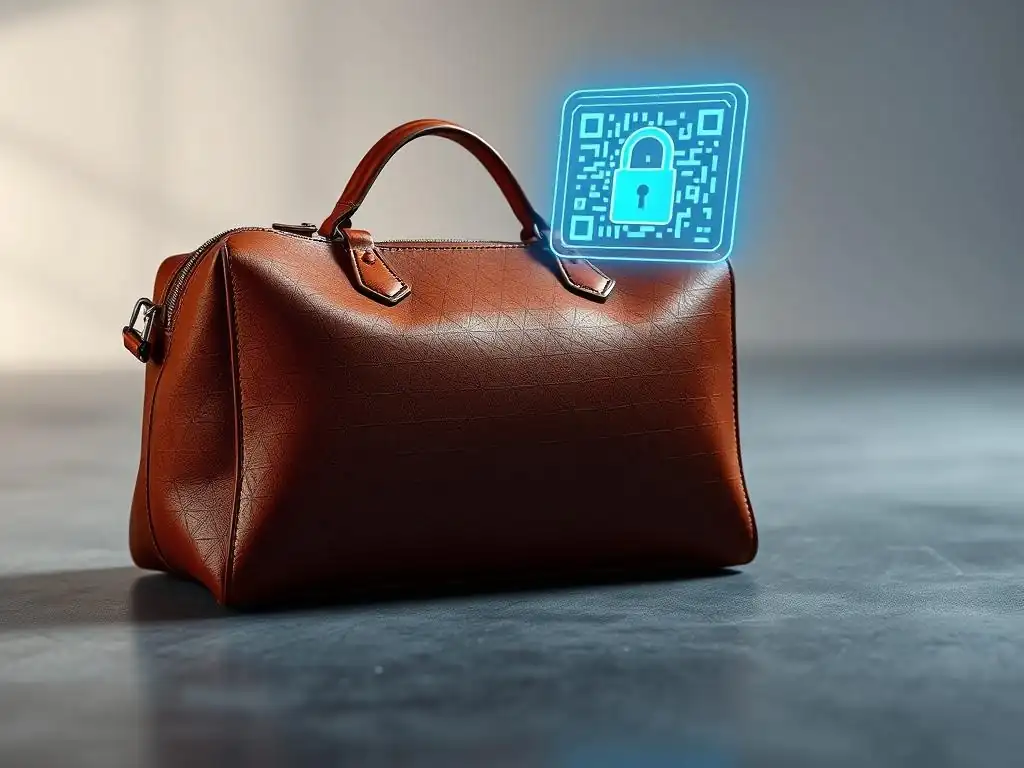
Enhanced Transparency and Traceability Throughout the Supply Chain
One of the most significant benefits of blockchain-based product verification is the dramatic increase in transparency and traceability it provides. By creating a shared, immutable ledger of a product's journey from origin to consumption, all authorized participants in the supply chain—and potentially consumers—gain unprecedented visibility. This contrasts sharply with opaque, siloed traditional systems.
Supply chain partners can verify the provenance of goods received, retailers can assure customers about the legitimacy of products on their shelves, and consumers can gain confidence by verifying details directly. This enhanced transparency helps build trust among stakeholders and allows for swift identification of issues, such as the source of contamination or the point of diversion for counterfeit goods. This clear, verifiable trail is fundamental to achieving robust blockchain product verification authenticity.
Improved Consumer Trust and Confidence in Product Authenticity
In an era where consumers are increasingly concerned about the origin, safety, and authenticity of the products they buy, blockchain provides a powerful tool for building trust. By offering a simple way for consumers to verify a product's history—often by scanning a QR code that links to the blockchain record—companies can provide tangible proof of authenticity.
This direct line of verification empowers consumers and differentiates genuine products from fakes. Knowing that a product's journey is recorded on a secure, tamper-evident ledger instills confidence in its legitimacy and the brand behind it. This improved consumer trust can lead to increased sales, brand loyalty, and a stronger market position for companies that adopt blockchain product verification authenticity solutions.
Reduced Counterfeiting and Product Diversion
By making it significantly harder and riskier to introduce counterfeit goods into the legitimate supply chain, blockchain technology acts as a powerful deterrent. The immutable and transparent nature of the ledger means that any attempt to insert a fake product with a falsified history would be easily detectable by comparing its recorded journey against legitimate supply chain events.
Similarly, product diversion—where genuine products are sold through unauthorized channels (e.g., selling goods intended for one market in another at a different price point)—can be identified and prevented. The blockchain record can track where a product was intended to go, making it evident if it appears elsewhere. While blockchain doesn't physically stop fakes from being made, it severely disrupts their ability to infiltrate and move undetected within legitimate distribution networks, thereby reducing overall counterfeiting and enhancing blockchain product verification authenticity.
Streamlined Supply Chain Operations and Reduced Costs
Beyond combating counterfeiting, implementing blockchain product verification can lead to significant operational efficiencies and cost reductions within the supply chain. The enhanced transparency and real-time data sharing can reduce administrative overhead associated with manual tracking, paperwork, and reconciliation across different systems.
Furthermore, faster and more accurate traceability enables quicker responses to issues like recalls or quality control problems, minimizing the impact and cost of such events. Reduced instances of counterfeiting and diversion also mean fewer losses from illicit trade and less spending on reactive anti-counterfeiting measures. The overall effect is a more streamlined, efficient, and cost-effective supply chain operation built on verifiable blockchain product verification authenticity.
Building a More Secure and Resilient Supply Chain Ecosystem
Ultimately, blockchain technology contributes to building a more secure and resilient supply chain ecosystem. The distributed nature of the ledger makes it less susceptible to cyberattacks targeting single databases. The immutability ensures that historical data cannot be altered, providing a reliable foundation for audits and investigations.
By fostering greater trust and collaboration among supply chain partners who share access to the verifiable ledger, blockchain helps create a more cohesive and robust network. This enhanced security and resilience mean supply chains are better equipped to withstand disruptions, combat illicit activities, and ensure the integrity of goods moving from production to consumption, underpinning the goal of verifiable blockchain product verification authenticity.
Challenges and Considerations for Widespread Adoption of Blockchain Product Verification
Scalability and Interoperability of Blockchain Solutions
One of the significant challenges for widespread adoption of blockchain in supply chains is scalability. Public blockchains, while decentralized, can have limitations on the number of transactions they can process per second, which might be insufficient for tracking billions of individual low-value items moving through a global supply chain. Private and consortium blockchains offer better performance but might still face scalability hurdles as the number of participants and transactions grows exponentially.
Interoperability is another key concern. The supply chain ecosystem involves numerous companies using different internal systems and potentially different blockchain platforms. For a product to be tracked seamlessly from raw material supplier to end consumer across multiple companies, different blockchain networks and traditional systems need to be able to communicate and share data effectively. Establishing standards and protocols for interoperability between various blockchain platforms and legacy systems is crucial for achieving end-to-end blockchain product verification authenticity on a global scale.
Regulatory Landscape and Compliance Requirements for Blockchain Technology
The regulatory landscape surrounding blockchain technology is still evolving in many jurisdictions, creating uncertainty for businesses looking to implement solutions. Regulations related to data privacy (e.g., GDPR, CCPA), data sovereignty, and the legal status of data recorded on a blockchain vary widely. For instance, the "right to be forgotten" under GDPR presents a challenge for the immutability principle of some blockchain designs if personal data is directly stored on the chain.
Companies must navigate these complex and sometimes conflicting regulations when designing and deploying blockchain product verification systems. Ensuring compliance requires careful consideration of what data is stored on-chain versus off-chain, how access is managed, and how the system aligns with existing legal frameworks governing supply chain operations and data handling. Clarity in regulation is needed to accelerate the adoption of blockchain product verification authenticity solutions.
Data Privacy and Security Concerns in Blockchain Implementations
While blockchain offers inherent security features, implementations are not immune to data privacy and security risks. Smart contract vulnerabilities can be exploited, leading to data breaches or manipulation. Poorly designed access controls in permissioned blockchains can expose sensitive information to unauthorized parties. Furthermore, the security of the "oracles"—the mechanisms that feed real-world data (like shipment scans or temperature readings) onto the blockchain—is critical, as compromised oracle data can lead to inaccurate or fraudulent records on the ledger.
Protecting sensitive commercial data, such as pricing, customer lists, or proprietary manufacturing processes, while enabling necessary transparency for product verification requires careful architectural design. As mentioned earlier, strategies like storing hashes of sensitive data on-chain while keeping the data itself in secure off-chain databases, coupled with robust access management and rigorous smart contract auditing, are essential to mitigate privacy and security risks and ensure the reliability of blockchain product verification authenticity.
Cost of Implementation and Maintenance of Blockchain Systems
Implementing a blockchain-based product verification system can involve significant upfront costs. These include expenses related to platform selection and licensing, system design and development, integration with existing IT infrastructure, physical tagging technologies (like secure QR codes or NFC chips), and training personnel. The complexity of migrating or connecting existing data and processes to a new blockchain system can also be substantial.
Ongoing maintenance costs, including network fees (depending on the platform), software updates, security monitoring, and managing the network of participants, also need to be considered. While the long-term benefits in terms of reduced losses from counterfeiting and improved efficiency can outweigh these costs, the initial investment can be a barrier, particularly for smaller businesses. Demonstrating a clear return on investment is crucial for driving wider adoption of blockchain product verification authenticity solutions.
Overcoming Resistance to Change and Fostering Collaboration
Implementing a blockchain solution requires collaboration and coordination among multiple parties within a supply chain, who may be competitors or have different levels of technological readiness. Overcoming resistance to change, skepticism about a new technology, and reluctance to share data (even in a controlled, permissioned manner) are significant organizational and human challenges.
Building consensus among diverse stakeholders, establishing clear governance models for the blockchain network, and demonstrating the mutual benefits of participation are essential for successful adoption. A phased approach, starting with pilot projects involving a limited number of trusted partners, can help build confidence and refine the system before a broader rollout. Fostering a collaborative ecosystem is key to unlocking the full potential of blockchain product verification authenticity across an industry.
The Future of Product Verification: Blockchain and Emerging Technologies
Integration of Blockchain with IoT for Real-Time Product Tracking
The combination of blockchain and the Internet of Things (IoT) holds immense potential for the future of product verification. IoT devices, such as sensors, GPS trackers, and smart labels, can collect real-time data about a product's condition and location as it moves through the supply chain—e.g., temperature for perishable goods, humidity levels, or geofencing data.
Integrating these IoT data streams directly with a blockchain ledger allows for automated recording of verifiable, real-time events. A smart contract could be triggered if a temperature sensor records a reading outside an acceptable range, automatically flagging a potential issue on the blockchain. This combination provides a highly accurate, automated, and tamper-evident system for tracking product conditions and movements, significantly enhancing the reliability of blockchain product verification authenticity with dynamic data.
The Role of AI and Machine Learning in Enhancing Blockchain-Based Verification
Artificial intelligence (AI) and machine learning (ML) can play a complementary role in enhancing blockchain-based product verification systems. AI algorithms can analyze the vast amounts of data recorded on the blockchain, identifying patterns that might indicate fraudulent activity or anomalies that warrant investigation. For example, ML models could detect unusual shipping routes, sudden changes in handling times, or suspicious clusters of verification requests that deviate from normal patterns, even if individual blockchain entries appear valid.
AI can also be used to optimize smart contract execution, predict potential supply chain disruptions based on blockchain data, or improve the accuracy of data being fed into the blockchain from external sources. By adding an intelligent layer of analysis on top of the secure, immutable blockchain data, AI/ML can make the product verification process more proactive, efficient, and intelligent, further strengthening blockchain product verification authenticity.
Blockchain-Based Digital Identities for Products and Supply Chain Actors
A key element in future supply chains will be robust digital identities not just for products but also for all actors involved: manufacturers, distributors, retailers, and even individual logistics personnel. Blockchain can provide a decentralized and verifiable system for managing these digital identities. Each entity could have a unique, cryptographically secured identity on the blockchain, associated with their reputation and transaction history.
This allows for enhanced trust and accountability. When a product moves from one party to another, the transfer is recorded between their verified digital identities on the blockchain. This creates a clear chain of responsibility. Furthermore, products themselves can have increasingly sophisticated digital identities, acting as digital twins that accumulate data about their history, usage, and maintenance throughout their lifecycle, providing a rich, verifiable dataset for long-term blockchain product verification authenticity and lifecycle management.
The Metaverse and the Authentication of Digital Assets Using Blockchain
As the concept of the metaverse evolves, involving persistent virtual worlds and digital economies, the need for authenticating digital assets within these spaces becomes paramount. Blockchain, particularly through NFTs, is already foundational to establishing ownership and verifiable authenticity for digital items in early metaverse applications.
Whether it's a piece of digital fashion, virtual real estate, or in-game items, blockchain provides the underlying technology to ensure that these digital assets are unique, owned by a specific individual, and have a verifiable history. This extends the concept of product verification authenticity from the physical world into emerging digital realms, ensuring trust and value in entirely new classes of assets using blockchain technology.
Conclusion: Blockchain as a Catalyst for Authentic and Transparent Supply Chains
Recap of Blockchain's Potential to Revolutionize Product Verification Authenticity
The pervasive problem of counterfeit goods and the limitations of traditional methods highlight a critical need for more robust product verification authenticity. Blockchain technology offers a transformative solution by providing a decentralized, immutable, and transparent ledger for tracking products throughout their lifecycle. Its core features—immutability, transparency, and cryptographic security—create a tamper-evident record that significantly enhances trust and verifiability.
From luxury goods and pharmaceuticals to food and electronics, blockchain is being adopted or piloted across diverse industries to combat counterfeiting, improve safety, and build consumer confidence. Implementing these systems involves careful consideration of platform choice, integration with existing systems, data privacy, and cost, but the benefits in terms of enhanced transparency, reduced losses, and streamlined operations are substantial, fundamentally revolutionizing blockchain product verification authenticity.
The Importance of Collaboration and Standardization in Blockchain Adoption
Achieving widespread adoption of blockchain for product verification requires significant collaboration among all stakeholders in the supply chain ecosystem. Manufacturers, logistics providers, retailers, technology vendors, and even regulatory bodies need to work together to define standards, establish governance models for shared networks, and ensure interoperability between different systems and blockchains.
Standardization of data formats, protocols for linking physical items to digital identities, and frameworks for data sharing and access control are crucial to enable seamless end-to-end traceability across complex, multi-party supply chains. Collaborative pilot programs and industry-wide initiatives are essential steps in building the necessary infrastructure and trust for scaling blockchain product verification authenticity solutions.
Looking Ahead: The Future of Blockchain-Enabled Supply Chain Management
The future of product verification and supply chain management is increasingly intertwined with blockchain technology. As blockchain solutions mature, they will likely integrate more deeply with other emerging technologies like IoT for real-time tracking, AI for data analysis and fraud detection, and digital identities for enhanced accountability. The expansion into authenticating digital assets in the metaverse also demonstrates the technology's versatility.
While challenges remain, particularly around scalability, regulation, and adoption friction, the fundamental capabilities of blockchain to provide verifiable, immutable records make it an indispensable tool in the ongoing fight against counterfeiting and the pursuit of truly transparent and resilient supply chains. Continued innovation, collaboration, and clear regulatory frameworks will pave the way for a future where blockchain product verification authenticity is the standard, ensuring the integrity and safety of goods globally.
Frequently Asked Questions
How can blockchain technology improve product verification authenticity?
Blockchain provides a tamper-proof and transparent ledger to track a product's journey from origin to consumer. This immutable record ensures authenticity and prevents counterfeiting.
What are the key benefits of using blockchain for product verification?
The main advantages include increased transparency, enhanced trust among consumers, and a reduction in counterfeit goods, leading to improved brand reputation and revenue.
What are some potential challenges in implementing blockchain-based product verification systems?
Challenges include the complexity of integrating with existing supply chains, the need for industry-wide adoption, and the initial investment costs associated with implementation.
What types of products are best suited for blockchain product verification?
High-value items susceptible to counterfeiting, such as pharmaceuticals, luxury goods, and electronics, benefit most from blockchain's ability to guarantee provenance and authenticity.
How does blockchain help with regulatory compliance in product verification?
Blockchain provides an audit trail that can be easily accessed by regulators, ensuring compliance with industry standards and reducing the risk of fraud or non-compliance issues.
Final Reflection: Embracing Trust in a Decentralized World
The journey through the potential of blockchain for product verification reveals a profound truth: authenticity is no longer a luxury, but a necessity. In a world saturated with counterfeits and misleading claims, the immutable ledger offered by blockchain presents a powerful solution, ensuring consumers can confidently trust the products they purchase and the brands they support. This shift towards verifiable truth is not just a technological advancement; it's a cultural imperative.
The impact of blockchain product verification extends far beyond simple supply chain tracking. It fundamentally alters the relationship between producers and consumers, fostering transparency and accountability. This movement towards radical transparency resonates deeply, reminding us that trust, once eroded, is difficult to rebuild. Trust is the glue of life. It's the most essential ingredient in effective communication. It's the foundational principle that holds all relationships together.
- Stephen Covey. The ability to verify a product's origin and journey empowers us to make informed choices, supporting ethical practices and sustainable production.
As we stand at the cusp of this technological revolution, let us embrace the potential of blockchain to unlock a new era of authenticity. Consider how you can demand greater transparency from the brands you support and explore the ways in which blockchain can empower you to make more informed and ethical purchasing decisions. The future of commerce hinges on trust, and blockchain offers a powerful tool to build that trust, one verified product at a time.
I'm ready. Please provide the article content so I can craft a compelling call to action that aligns with its theme.
Leave a Reply