
Vegetable Verification: A Blockchain Case Study in Ensuring Origin and Quality in the Vegetable Supply Chain

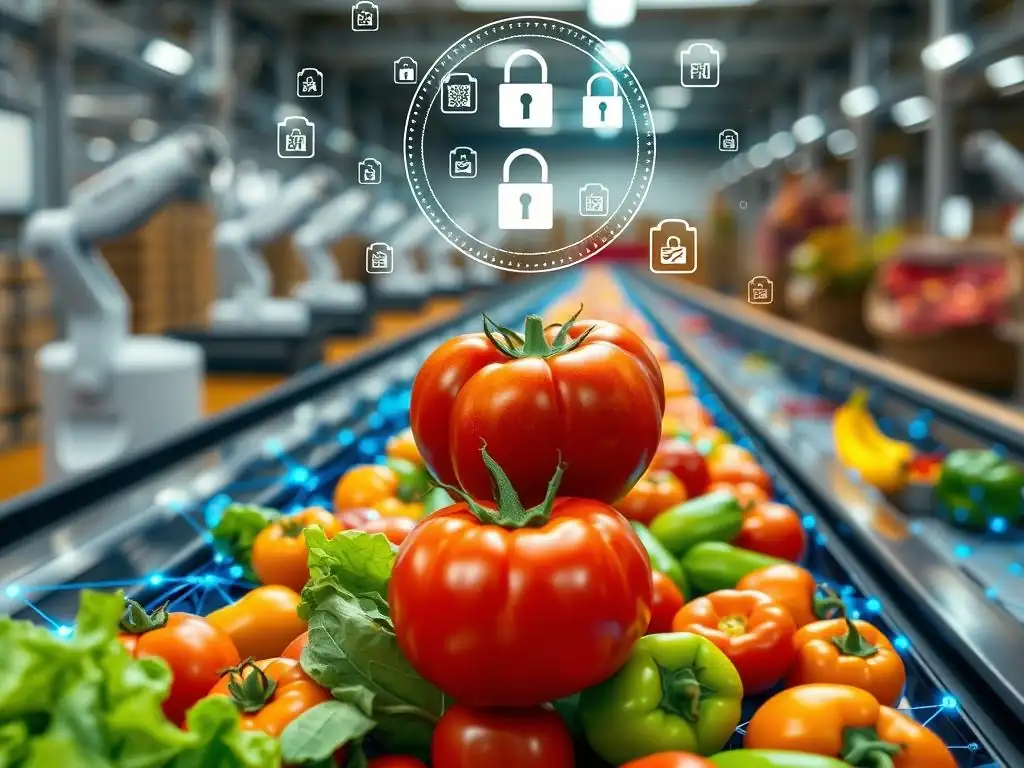
Welcome to Blockchain Trends, your go-to source for understanding the real-world applications of blockchain technology. Beyond the hype, we delve into how this revolutionary technology is reshaping industries.
Intrigued by how blockchain can guarantee the freshness and authenticity of your food? This week, we explore a compelling case study: Blockchain vegetable supply chain verification. Discover how this innovative approach is ensuring origin and quality, and what it means for the future of food safety and transparency. Dive in to uncover the details and see how blockchain is changing the way we track our food from farm to table.
Lettuce Ledger: A Blockchain Case Study in Ensuring Origin and Quality in the Lettuce Supply Chain
- Introduction: The Need for Transparency in the Lettuce Supply Chain
- Case Study Overview: Tanimura & Antle and Blockchain Implementation
- Blockchain Solution for Lettuce Supply Chain Tracking
- Implementation Process: Step-by-Step Guide
- Results and Benefits of Blockchain Lettuce Verification
- Challenges and Lessons Learned
- Future Implications of Blockchain in Lettuce Supply Chains
- Conclusion: Blockchain as a Catalyst for Trust and Efficiency in the Lettuce Industry
-
Frequently Asked Questions
- How does blockchain help verify the origin of vegetables?
- What are the key benefits of using blockchain for vegetable supply chain verification?
- What challenges are involved in implementing blockchain in the vegetable supply chain?
- How does blockchain improve food safety and reduce food waste in the vegetable supply chain?
- What is the future of blockchain in the vegetable industry and beyond?
- Final Reflection: Sowing Seeds of Trust
- Cultivate Trust: Dig Deeper into Blockchain's Agricultural Revolution!
Introduction: The Need for Transparency in the Lettuce Supply Chain
Challenges in Traditional Lettuce Supply Chains
Traditional supply chains for perishable goods like lettuce are notoriously complex and fragmented. A single head of lettuce might pass through numerous hands – from the farm where it's grown to harvesting crews, cooling facilities, packers, distributors, wholesalers, and finally, retailers or food service providers. This multi-layered system makes it incredibly difficult to quickly and accurately trace the origin of a product in the event of a food safety issue, such as contamination.
When an outbreak occurs, like the numerous E. coli incidents linked to romaine lettuce over the years, identifying the specific source farm or even the particular batch can take days or even weeks. This delay leads to massive, widespread recalls, significant economic losses for the entire industry, and a severe erosion of consumer trust, far beyond the actual source of the problem.
Moreover, verifying claims about a product's origin, growing practices (e.g., organic, pesticide-free), or quality certifications is challenging within these opaque systems. Paper-based records or disparate digital databases often lack standardization, are prone to errors, or can be intentionally manipulated.
This lack of verifiable information hinders effective quality control throughout the journey and prevents consumers from making informed choices based on accurate data about their food. The absence of a single, trusted source of truth for tracing the path of lettuce from farm to fork underscores the urgent need for a more robust and transparent system for blockchain vegetable supply chain verification.
The Promise of Blockchain for Enhanced Traceability and Transparency
Blockchain technology offers a compelling solution to the inherent challenges of traditional supply chain traceability. By providing a distributed, immutable, and transparent ledger, blockchain can record every transaction and movement of a product as it progresses through the supply chain. Each step – from planting and harvesting to packing, shipping, and receiving – can be logged as a block on the chain, cryptographically linked to the previous one.
This creates an unbroken, verifiable history that is accessible to authorized parties across the network. This inherent transparency significantly reduces the time and effort required to trace a product back to its origin.
For the lettuce industry, implementing a blockchain vegetable supply chain verification system means that in the event of a food safety incident, the affected product can potentially be traced back to its source within seconds, rather than days. This rapid traceability allows for targeted recalls, minimizing the scope and economic impact compared to broad, precautionary measures.
Furthermore, the immutable nature of the blockchain ensures that the recorded data – such as harvest dates, temperatures during transport, or quality inspection results – cannot be altered once entered, building a higher level of trust in the information shared among supply chain partners and ultimately with consumers. This forms the foundation for reliable blockchain vegetable supply chain verification.
Case Study Overview: Tanimura & Antle and Blockchain Implementation
Background: Tanimura & Antle and Their Commitment to Quality
Tanimura & Antle is one of the largest and most well-known grower-shippers of fresh produce in North America, with a history dating back to 1982. Based in Salinas, California, often referred to as the "Salad Bowl of the World," the company cultivates a wide variety of vegetables, including a significant volume of lettuce, across extensive farming operations.
They are recognized for their commitment to quality, food safety, and innovation in agricultural practices. With a vertically integrated structure that includes farming, harvesting, cooling, and packing, Tanimura & Antle controls a substantial portion of their supply chain, yet they still face the complexities of distribution and retail that require interaction with numerous external partners.
The company has consistently emphasized the importance of stringent food safety protocols and maintaining high standards throughout their operations. However, even with robust internal processes, the inherent limitations of traditional, fragmented traceability systems meant that linking a specific product on a store shelf back to the exact field and harvest crew quickly remained a significant challenge. This challenge was amplified when dealing with co-mingled products or those distributed through various channels, highlighting the need for a more advanced, industry-wide solution for blockchain vegetable supply chain verification.
Problem Statement: Addressing E. coli Outbreaks and Traceability Gaps in Lettuce Distribution
The fresh produce industry, particularly leafy greens like lettuce, has unfortunately been susceptible to outbreaks of foodborne illnesses, most notably E. coli O157:H7. These outbreaks have not only caused serious health issues for consumers but have also inflicted substantial financial damage on the industry.
A single outbreak can lead to widespread advisories against consuming certain types of lettuce, resulting in millions of dollars in lost sales, disposal of safe product, and increased testing and compliance costs. A major E. coli outbreak linked to romaine lettuce in late 2018, for example, resulted in a broad consumer warning and significant disruption across the entire market, impacting growers far removed from the source.
During such crises, the existing traceability systems often proved too slow and inefficient to pinpoint the origin of the contamination rapidly. Tracing affected product from a retailer back through distribution centers and packers to the specific farm and harvest lot could take days, sometimes even weeks. This delay necessitated large-scale, often unnecessary, recalls and eroded public trust in the safety of lettuce.
Tanimura & Antle recognized that improving this traceability gap was critical not only for public health but also for protecting their brand and the stability of the industry. They sought a solution that could provide near-instantaneous, verifiable tracing capability – a core function of effective blockchain vegetable supply chain verification.
Objectives: Implementing Blockchain for Lettuce Verification
Tanimura & Antle's primary objective in exploring blockchain technology was to significantly enhance the speed and accuracy of traceability for their lettuce products. They aimed to reduce the time it takes to trace a product from potentially days or weeks down to mere seconds or minutes. This rapid trace capability was seen as essential for enabling more targeted recalls in the event of a food safety issue, thereby minimizing waste and economic disruption.
Beyond rapid traceability, the company also sought to leverage blockchain for greater transparency across their supply chain. They aimed to create a shared, immutable record accessible to authorized participants, including distributors and retailers, providing verifiable data on the product's journey and handling. This increased transparency was intended to build greater confidence among supply chain partners and ultimately assure consumers about the origin and safety of the lettuce they purchase. Implementing robust blockchain vegetable supply chain verification was central to achieving these critical food safety and transparency goals.
Blockchain Solution for Lettuce Supply Chain Tracking
Choosing the Right Blockchain Platform: IBM Food Trust
To implement their blockchain vegetable supply chain verification system, Tanimura & Antle collaborated with IBM and chose the IBM Food Trust platform. This platform is a permissioned blockchain network specifically designed for the food industry, focusing on improving traceability, transparency, and efficiency. IBM Food Trust operates on the Hyperledger Fabric framework, which is well-suited for enterprise applications due to its ability to handle private transactions and its modular architecture.
The decision to use IBM Food Trust was based on several factors. Firstly, its focus on the food industry meant it was built with the specific needs and complexities of food supply chains in mind, including the need for rapid traceability and handling diverse data types.
Secondly, as a permissioned network, it allows participants to control who sees their data while still providing the benefits of blockchain's immutability and shared ledger. Finally, the platform was already gaining traction with other major food industry players, offering the potential for future interoperability and network effects as more companies joined the network for blockchain vegetable supply chain verification.
Data Points Tracked on the Blockchain: From Seed to Salad
The blockchain solution implemented by Tanimura & Antle tracks a comprehensive set of data points for each batch of lettuce, creating a detailed digital history from the farm to the distribution center. This chain of custody includes critical information captured at various stages:
- Farm Level:
- Farm location (specific field or block)
- Planting date
- Seed variety
- Harvest date and time
- Harvest crew identification
- Lot number assigned at harvest
- Packing/Cooling Level:
- Packing facility location
- Cooling date and time
- Temperature logs during cooling
- Packaging type and size
- Case/pallet quantity and unique identifier (e.g., GS1 serial shipping container code - SSCC)
- Distribution/Shipping Level:
- Shipment date and time
- Shipping location (origin and destination)
- Carrier information
- Temperature logs during transport
- Receiving date and time at the next point in the chain
Each of these data points is recorded as a transaction on the blockchain, linked to the specific lot or case identifier. This granular level of detail ensures that the history of any given package of lettuce is readily available and verifiable through the blockchain vegetable supply chain verification system.
Smart Contracts for Automated Quality Control and Compliance
While the primary use case is traceability, the IBM Food Trust platform supports the use of smart contracts, which can automate certain processes based on the data recorded on the blockchain. Although specific details for Tanimura & Antle's initial deployment focused heavily on tracing, smart contracts offer significant potential for enhancing quality control and compliance within a blockchain vegetable supply chain verification system.
For instance, a smart contract could be programmed to automatically flag a shipment if temperature data recorded during transit exceeds a predefined threshold, indicating a potential breach in the cold chain. This automated alert could trigger immediate investigation or rejection of the shipment upon arrival, preventing potentially compromised product from reaching consumers. Similarly, smart contracts could verify compliance with specific certifications (e.g., organic status) by checking recorded inputs or trigger payments upon successful delivery and verification of product data on the blockchain. These automated functions reduce the need for manual checks and add another layer of trust and efficiency.
Key Features of the Blockchain-Based Lettuce Verification System
The blockchain-based system implemented for Tanimura & Antle's lettuce verification offers several key features that enhance traditional supply chain management:
- Rapid Traceability: The ability to trace a product back to its origin in seconds, significantly faster than traditional methods which could take days.
- Data Immutability: Once data is recorded on the blockchain, it cannot be altered, providing a tamper-proof history of the product's journey.
- Permissioned Access: Data is shared only with authorized participants in the supply chain network, maintaining necessary business privacy while enabling collaboration.
- Interoperability: The platform is designed to allow different participants (growers, packers, distributors, retailers) to connect and share data using standardized formats.
- Enhanced Data Accuracy: The system encourages accurate data entry at the source, as incorrect information is difficult to rectify later on the chain.
These features collectively contribute to a robust system for blockchain vegetable supply chain verification, offering unprecedented visibility and trust compared to legacy systems.
Implementation Process: Step-by-Step Guide
Integrating Blockchain with Existing Farm Management Systems
Integrating a new blockchain platform with existing farm and supply chain management systems presents a significant technical challenge. Tanimura & Antle, like many large agricultural operations, already utilized various software systems for managing planting schedules, harvest data, inventory, and logistics. The blockchain implementation required establishing data pipelines to feed information from these disparate systems into the IBM Food Trust platform in a standardized format.
This process involved developing APIs (Application Programming Interfaces) or other middleware to connect the existing databases and software applications to the blockchain network. For example, data captured electronically by harvest crews or packing house scanning systems needed to be automatically formatted and transmitted to the blockchain ledger. This integration phase required close collaboration between Tanimura & Antle's IT team, IBM's technical experts, and potentially third-party software providers to ensure seamless and automated data flow, critical for effective blockchain vegetable supply chain verification.
Training Farmers and Distributors on the New System
Adoption of any new technology hinges on user buy-in and proper training. For the blockchain vegetable supply chain verification system to be effective, personnel at every step of the chain, from field workers and supervisors to packing house staff, logistics managers, and distribution center employees, needed to understand how to interact with the new system. This included understanding what data needed to be captured, how it should be entered (whether manually via an interface or automatically via integrated systems), and the importance of accuracy and timeliness.
Training programs were developed to educate staff on the purpose of the blockchain platform, the specific data points they were responsible for, and how to use the relevant interfaces or equipment (like scanners or mobile apps). Overcoming initial resistance to change and demonstrating the benefits of the system, such as simplified data entry or quicker problem resolution, were crucial aspects of the training process. Ensuring consistent and accurate data capture at the source is paramount for the integrity of the entire blockchain record.
Data Input and Validation Procedures
Maintaining data integrity is fundamental to the value of a blockchain. The system relies on accurate data being entered at the point of origin or transaction. For the lettuce supply chain, this means ensuring correct lot numbers are assigned at harvest, precise weight and count data are recorded at packing, and accurate shipping details are logged before transport. Procedures were established to define who is responsible for data input at each stage and to implement validation checks where possible.
While blockchain ensures that data cannot be changed once recorded, it does not inherently guarantee the accuracy of the initial input. Therefore, the implementation included protocols for data validation before it is committed to the ledger. This might involve cross-referencing data with other systems, using automated checks for format or range errors, or implementing manual verification steps for critical data points. Establishing clear, documented procedures for data input and validation was a key component of building a reliable blockchain vegetable supply chain verification system.
Ensuring Data Security and Immutability on the Blockchain
Security and immutability are core tenets of blockchain technology, and ensuring these were maintained was critical for the Tanimura & Antle project. The IBM Food Trust platform, built on Hyperledger Fabric, provides a permissioned network where participants are known and verified, adding a layer of security compared to public, anonymous blockchains. Access controls were implemented to ensure that only authorized users from participating companies could view or add specific types of data relevant to their role in the supply chain.
The cryptographic nature of the blockchain ensures immutability. Each block of transaction data is hashed, and this hash is included in the next block, creating a secure chain. If any data in a block were tampered with, the hash would change, breaking the chain and immediately signaling that the record is invalid. This feature provides a high degree of confidence in the history recorded on the ledger, making it a trustworthy source for blockchain vegetable supply chain verification and reducing the risk of fraud or error going undetected.
Results and Benefits of Blockchain Lettuce Verification
Improved Traceability and Origin Verification
One of the most significant and immediate results of implementing the blockchain system was a dramatic improvement in traceability speed. Before the blockchain, tracing a carton of lettuce from a retailer back to the specific farm and harvest date could take days, often involving phone calls, emails, and sifting through paper records and disparate databases. With the blockchain vegetable supply chain verification system, this same trace could be completed in a matter of seconds by querying the distributed ledger.
For example, in simulated trace-back scenarios, the time required to identify the origin of a specific lot was reduced from an estimated 2-7 days to just a few seconds. This near-instantaneous traceability allows companies like Tanimura & Antle and their retail partners to quickly identify potentially affected products and isolate them, rather than initiating broad, costly recalls that impact safe products. The verifiable record on the blockchain also provides undeniable proof of origin, enhancing confidence in the authenticity of the product.
Enhanced Food Safety and Quality Control
The rapid traceability enabled by blockchain directly enhances food safety. In the event of a suspected contamination, the ability to quickly identify the source allows for swift, targeted action, such as removing only the specific affected lots from circulation. This minimizes the risk of consumers being exposed to contaminated product and limits the scope of necessary public health warnings. The transparent and immutable record also encourages better adherence to food safety protocols throughout the supply chain, as every step is recorded and verifiable.
Furthermore, the system facilitates improved quality control. By tracking key data points like temperature during transport, companies can proactively identify potential issues before product reaches the consumer. If temperature excursions are recorded on the blockchain, quality checks can be triggered upon arrival, or shipments can be rejected. This proactive approach, supported by verifiable data on the blockchain vegetable supply chain verification platform, helps maintain product quality and reduces spoilage.
Increased Consumer Trust and Transparency
In an era where consumers are increasingly concerned about where their food comes from and how it is produced, blockchain offers a pathway to increased trust and transparency. While the initial implementation focused on business-to-business traceability, the underlying data on the blockchain can potentially be shared with consumers (perhaps via a QR code on packaging linking to a simplified view of the product's journey).
Providing consumers with access to verifiable information about the origin of their lettuce, harvest date, and even handling temperatures can build significant confidence. Knowing that the information is stored on an immutable blockchain ledger provides a higher level of assurance compared to relying solely on brand claims. This enhanced transparency, facilitated by robust blockchain vegetable supply chain verification, empowers consumers and strengthens the relationship between food producers and the public.
Reduction in Supply Chain Fraud and Waste
The immutable nature of the blockchain record makes it significantly harder to commit fraud within the supply chain. Altering records of origin, quantities, or handling conditions becomes virtually impossible without detection. This reduces opportunities for activities like substituting product from a different source, misrepresenting organic or other certifications, or falsely claiming product was handled under proper conditions.
Faster and more targeted recalls also lead to a significant reduction in waste. Instead of disposing of entire inventories of lettuce from multiple regions during a broad advisory, only the specific affected product needs to be removed. Estimates suggest that broad recalls can lead to millions of pounds of safe food being wasted annually. By enabling precise targeting, blockchain vegetable supply chain verification helps reduce this unnecessary food waste, offering both economic and environmental benefits.
Cost Savings and Efficiency Gains in Lettuce Distribution
While there are initial implementation costs, the long-term benefits of blockchain vegetable supply chain verification include potential cost savings and efficiency gains. The dramatic reduction in time required for traceability translates directly into saved labor costs during investigations or recalls. Furthermore, preventing large, untargeted recalls avoids the significant financial impact associated with disposing of safe product and the logistical nightmare of managing such widespread events.
Improved data accuracy and visibility across the supply chain can also lead to operational efficiencies. Better tracking of inventory, clearer communication between partners via the shared ledger, and automated checks (potentially via smart contracts) can streamline processes, reduce administrative overhead, and optimize logistics. While quantifying the exact savings can be complex, the potential for reduced waste, minimized recall costs, and improved operational flow contributes to a stronger bottom line.
Challenges and Lessons Learned
Overcoming Resistance to Technology Adoption
Introducing a new technology like blockchain into a traditional industry like agriculture and food distribution inevitably faces resistance. Supply chain partners, from farmers to truckers to distribution center staff, may be hesitant to adopt new systems, change established routines, or share data. This resistance can stem from a lack of understanding of the technology, concerns about data privacy, skepticism about the benefits, or simply inertia.
Overcoming this challenge requires clear communication, comprehensive training, and demonstrating the tangible benefits of the system to all stakeholders. Highlighting how the system can protect their business during a food safety event, simplify data entry in the long run, or improve overall efficiency can help gain buy-in. Piloting the system on a smaller scale before full rollout can also help build confidence and identify potential roadblocks early in the blockchain vegetable supply chain verification journey.
Ensuring Interoperability with Existing Systems
Integrating the blockchain platform with the diverse array of existing legacy systems used by different supply chain partners is a significant technical hurdle. Farms might use one type of management software, packing houses another, and distributors yet another. These systems often use different data formats and communication protocols. For the blockchain to function as a single source of truth, data from all these systems must be seamlessly and accurately fed into the shared ledger.
This requires developing robust integration layers, potentially using APIs or middleware, and establishing industry-wide data standards. Ensuring that data flows correctly and reliably from the source system to the blockchain is critical. This interoperability challenge is not unique to Tanimura & Antle but is a common barrier to the widespread adoption of blockchain in complex, multi-party supply chains. Successful blockchain vegetable supply chain verification relies on robust integration.
Addressing Data Privacy Concerns
While blockchain is often touted for its transparency, businesses naturally have concerns about sharing sensitive proprietary data with competitors or even partners. On a permissioned blockchain like IBM Food Trust, data access can be controlled, meaning participants only see the data they are authorized to see. However, defining and managing these permissions requires careful planning and agreement among network participants.
Companies need assurance that commercially sensitive information, such as pricing, customer lists, or highly detailed production yields, will not be exposed to unauthorized parties. The design of the network, including the use of private transactions or channels within the blockchain framework, is crucial for addressing these privacy concerns while still enabling the necessary data sharing for traceability and verification. Balancing the need for transparency with the need for business confidentiality is a key consideration in implementing blockchain vegetable supply chain verification.
Maintaining Data Integrity and Accuracy
As mentioned previously, while blockchain ensures immutability after data is recorded, it does not validate the data before it is entered. If incorrect or fraudulent data is initially committed to the ledger, the immutable record will simply reflect that inaccurate information. This highlights the critical importance of ensuring data accuracy at the source, whether that's a harvest crew scanning a bin or a packing house weighing cases.
Implementing robust data capture processes, utilizing automated systems where possible (like IoT sensors for temperature), providing thorough training, and establishing validation procedures are essential safeguards. While blockchain provides the trustworthy platform for the data, the integrity of the data itself depends on the processes and people involved in capturing it at the source. Continuous monitoring and auditing of data input are necessary to maintain the reliability of the blockchain vegetable supply chain verification system.
Future Implications of Blockchain in Lettuce Supply Chains
Scaling the Solution to Other Leafy Greens and Regions
The success demonstrated in verifying lettuce origin and quality using blockchain can serve as a blueprint for implementing similar systems for other leafy greens and perishable produce. The challenges faced by lettuce – rapid spoilage, complex supply chains, and susceptibility to food safety issues – are common to many other vegetables. Adapting the data points and processes developed for lettuce verification to spinach, kale, or mixed greens is a logical next step.
Furthermore, the model can be scaled geographically. As more growers, packers, distributors, and retailers in different regions join the network, the value of the blockchain vegetable supply chain verification system increases exponentially. A broader network enables end-to-end traceability across national and potentially international borders, creating a more resilient and transparent global food system. Expanding the network requires onboarding new participants and ensuring interoperability across different operations and potentially different regulatory environments.
Integrating with IoT Devices for Real-Time Monitoring
The power of blockchain for supply chain management is amplified when combined with other technologies like the Internet of Things (IoT). IoT devices, such as temperature sensors placed in shipping containers or humidity sensors in storage facilities, can automatically collect data in real-time. This data can then be fed directly into the blockchain ledger, providing an automated, objective, and immutable record of environmental conditions throughout the supply chain.
For blockchain vegetable supply chain verification, integrating IoT sensors means having verifiable, continuous data on critical factors like temperature, which directly impacts product quality and safety. This reduces the reliance on manual data entry, minimizes the potential for human error or manipulation, and provides a richer dataset for analysis. Real-time monitoring via IoT, recorded on the blockchain, enables proactive interventions and provides indisputable evidence of proper handling conditions.
Exploring the Use of Blockchain for Sustainable Farming Practices
Beyond traceability and food safety, blockchain can also play a role in verifying and promoting sustainable farming practices. Data related to water usage, pesticide application, soil health metrics, or labor practices could be recorded on the blockchain. This provides a verifiable record for certifications (e.g., organic, fair trade, water usage efficiency) and allows companies to transparently demonstrate their commitment to environmental and social responsibility.
Consumers and retailers are increasingly demanding sustainably produced food. Using blockchain vegetable supply chain verification to back up sustainability claims provides a level of trust that traditional paper-based certifications or internal reports often lack. This can create a premium market for growers who adopt sustainable practices and provide verifiable proof via the blockchain ledger, incentivizing environmentally conscious agriculture.
Potential for Collaboration and Data Sharing Across the Industry
One of the most significant long-term implications is the potential for increased collaboration and data sharing across the entire food industry. A shared, permissioned blockchain network creates a neutral platform where competing companies can securely exchange necessary information (like traceability data) for the benefit of public health and supply chain efficiency, without compromising competitive intelligence.
This collaborative environment, facilitated by blockchain vegetable supply chain verification platforms, can lead to industry-wide improvements in food safety protocols, best practices for handling and transport, and collective responses to industry-wide challenges. The network effect of more participants joining the blockchain creates a more robust and valuable system for everyone involved, moving the industry towards a more connected, transparent, and trustworthy future.
Conclusion: Blockchain as a Catalyst for Trust and Efficiency in the Lettuce Industry
The Future of Food Traceability and Security
The case study of Tanimura & Antle's implementation of blockchain for lettuce verification highlights the transformative potential of this technology for enhancing food traceability and security. The ability to trace a product from farm to fork in seconds, compared to days, is a paradigm shift that significantly improves response capabilities during food safety events. This rapid, accurate traceability is fundamental to conducting targeted recalls, minimizing the impact on both public health and the economic stability of the industry.
Furthermore, the immutable and transparent nature of the blockchain ledger builds a foundation of trust that is currently lacking in complex, fragmented supply chains. For consumers, this means increased confidence in the origin and safety of the food they purchase. For businesses, it means a more resilient, efficient, and verifiable supply chain. The future of food traceability and security will increasingly rely on distributed ledger technologies like blockchain to provide the necessary transparency and accountability.
Key Takeaways from the Tanimura & Antle Case Study
Several key takeaways emerge from Tanimura & Antle's experience with blockchain vegetable supply chain verification. Firstly, blockchain is not a silver bullet but requires careful integration with existing systems and processes. The technical challenge of connecting disparate databases and ensuring data flow is significant. Secondly, technology adoption is as much a human challenge as a technical one; training and gaining buy-in from personnel across the supply chain are crucial for success.
Thirdly, the value of the network increases with the number of participants. While Tanimura & Antle demonstrated significant internal benefits, the full potential of a blockchain for supply chain verification is realized when multiple players – growers, packers, distributors, retailers, and even regulatory bodies – join the network and share data. Finally, while initial focus is often on traceability, the platform offers potential for broader applications, including quality control via smart contracts and verification of sustainability claims.
The Transformative Potential of Blockchain for Supply Chain Management
The Tanimura & Antle case study serves as a compelling example of the transformative potential of blockchain technology for supply chain management, particularly in industries dealing with perishable goods and complex logistics. By providing a shared, immutable, and transparent record of a product's journey, blockchain addresses fundamental issues of trust, efficiency, and safety.
Beyond lettuce, the principles of blockchain vegetable supply chain verification can be applied to a vast array of products, from other produce and meats to pharmaceuticals and luxury goods. As the technology matures, integration becomes easier, and more industry participants join these networks, blockchain is set to become an essential tool for creating more resilient, transparent, and trustworthy supply chains globally. The journey of a head of lettuce on the ledger demonstrates a powerful step towards this future.
Frequently Asked Questions
How does blockchain help verify the origin of vegetables?
Blockchain creates a transparent and immutable ledger that tracks vegetables from farm to consumer. Each stage, like planting, harvesting, and shipping, is recorded as a verified transaction on the blockchain, ensuring traceability. This reduces fraud and builds trust.
What are the key benefits of using blockchain for vegetable supply chain verification?
The main benefits include increased transparency, improved food safety, and enhanced consumer trust. Blockchain allows for quick identification of contamination sources and strengthens brand reputation by demonstrating commitment to quality.
What challenges are involved in implementing blockchain in the vegetable supply chain?
Challenges include the cost of implementation, the need for industry collaboration, and ensuring data accuracy at each stage. Educating farmers and other stakeholders about blockchain technology is also crucial.
How does blockchain improve food safety and reduce food waste in the vegetable supply chain?
By providing a clear audit trail, blockchain enables quick identification of contaminated products, allowing for targeted recalls. This prevents widespread illness and reduces food waste by preventing unnecessary disposal of unaffected batches.
What is the future of blockchain in the vegetable industry and beyond?
Blockchain's role will expand beyond verification to include smart contracts for payments, automated logistics, and improved supply chain efficiency. Its application will likely extend to other agricultural products and industries requiring supply chain transparency and accountability.
Final Reflection: Sowing Seeds of Trust
The journey of vegetables from farm to table is often obscured by layers of complexity, making traceability and authenticity paramount in today's food system. This exploration of blockchain technology as a solution for vegetable supply chain verification highlights not only the potential for increased transparency but also the urgent need for consumer confidence in the food they consume.
The promise of a blockchain-verified vegetable supply chain extends far beyond simple tracking; it represents a fundamental shift in how we perceive and interact with our food. Knowing the origin and journey of our vegetables empowers us to make informed choices and supports ethical and sustainable farming practices. The future of food is traceability. Consumers want to know where their food comes from, how it was produced, and that it is safe to eat.
- Cathy Burns, CEO of the Produce Marketing Association. This quote underscores the growing demand for transparency and the potential of blockchain to meet this demand.
As we conclude this exploration, consider the power you hold as a consumer. By demanding transparency and supporting initiatives that prioritize traceability, you can cultivate a future where the vegetables on your plate are not only nutritious but also represent a commitment to ethical sourcing and sustainable practices. Let us all strive to sow seeds of trust in our food system, one verified vegetable at a time.
Cultivate Trust: Dig Deeper into Blockchain's Agricultural Revolution!
Thank you for exploring how blockchain is transforming the vegetable supply chain and bringing transparency to your plate. Now that you’ve gained insights into this innovative technology, it’s your turn to take action and help shape the future of food.
Here’s how you can get involved:
- Demand transparency! Ask your local grocery store or farmers market about their produce sourcing and whether they use blockchain technology. Let them know you value knowing exactly where your food comes from.
- Explore the possibilities: Research other successful blockchain applications in agriculture and related industries. Sharing this knowledge can inspire important conversations.
- Join the community: Follow relevant social media channels to connect with experts, share your thoughts, and stay updated on the latest advancements.
What questions do you have about blockchain’s role in the future of food, and what practical steps can you take this week to promote greater transparency in your local food system?
Leave a Reply