
Beyond Silos: How CrossChain Protocols are Revolutionizing Blockchain Communication


Welcome to Blockchain Trends, your premier source for understanding the transformative potential of blockchain technology.
Ever wondered how different blockchains can truly connect and collaborate? This week, we delve into the fascinating world of CrossChain protocol communication benefits. Discover how these innovative protocols are breaking down silos and unlocking unprecedented levels of interoperability. Ready to explore a future where blockchains work seamlessly together? Let's dive in and unlock the possibilities.
- Beyond Silos: Revolutionizing Blockchain Communication with Cross-Chain Protocols
- Cross-Chain Protocol Communication Benefits: Unlocking Blockchain's Potential
- Types of Cross-Chain Protocols: A Comparative Analysis
- Key Components of Cross-Chain Protocol Architecture
- Use Cases: Real-World Applications of Cross-Chain Protocols
- Challenges and Considerations for Cross-Chain Protocol Implementation
- The Future of Cross-Chain Communication: A Vision for a Connected Blockchain Ecosystem
- Conclusion: Embracing the Cross-Chain Revolution for a More Interoperable Blockchain Future
-
Frequently Asked Questions
- How do CrossChain protocols enhance blockchain interoperability?
- What are the primary benefits of CrossChain protocol communication for decentralized finance (DeFi)?
- In what ways can enterprises leverage CrossChain protocols?
- What are some key regulatory considerations surrounding CrossChain protocols?
- What is the future outlook for CrossChain protocol communication in the decentralized space?
- Final Reflection: Embracing the Interconnected Future
- Unlock the Future: Dive Deeper into Cross-Chain Innovation!
Beyond Silos: Revolutionizing Blockchain Communication with Cross-Chain Protocols
Introduction: The Need for Cross-Chain Interoperability
The blockchain landscape, while revolutionary, is currently characterized by a multitude of independent networks operating in isolation. Each blockchain, from Bitcoin and Ethereum to newer platforms like Solana and Polkadot, functions as a distinct silo, with limited communication or interaction with others. This fragmentation presents a significant hurdle to the widespread adoption and realization of blockchain's full potential. Imagine the internet if websites could not link to each other – the value and utility would be drastically reduced. Similarly, the true power of blockchain technology hinges on seamless communication and data exchange between different networks.
Cross-chain interoperability is the key to breaking down these blockchain silos. It refers to the ability of different blockchains to interact, communicate, and share data and value with each other. This interoperability is not just a technical nicety; it's a fundamental requirement for creating a truly interconnected and efficient blockchain ecosystem. Without cross-chain solutions, the benefits of decentralization, security, and transparency remain confined within individual networks, hindering innovation and limiting the scope of blockchain applications. The need for cross-chain solutions is becoming increasingly urgent as the blockchain space matures and the demand for diverse functionalities and specialized blockchains grows.
Understanding Blockchain Silos and Their Limitations
Blockchain silos arise from the inherent design of most blockchain networks. Each blockchain operates with its own consensus mechanism, data structures, and governance rules. This deliberate separation, while beneficial for security and autonomy, creates barriers to communication and data sharing. Imagine a global company with departments using entirely incompatible software systems – data cannot flow freely, workflows are inefficient, and the overall productivity suffers. Blockchain silos present a similar challenge to the broader blockchain ecosystem.
These limitations manifest in several ways. Firstly, asset fragmentation becomes a major issue. Value locked in one blockchain cannot be easily utilized in another, limiting liquidity and hindering the development of cross-chain applications. For example, Bitcoin holders cannot directly participate in DeFi protocols built on Ethereum without complex and often centralized bridging solutions. Secondly, innovation is stifled.
Developers are often forced to choose a single blockchain ecosystem, limiting their access to the diverse functionalities and user bases of other networks. This can lead to redundant development efforts and slower overall progress. Finally, user experience suffers. Navigating between different blockchain ecosystems can be complex and cumbersome, requiring users to manage multiple wallets, tokens, and interfaces. Breaking down these silos is crucial to unlock the true potential of blockchain technology and create a more unified and user-friendly experience.
What are Cross-Chain Protocols? A Deep Dive
Cross-chain protocols are technologies and mechanisms designed to enable communication and data transfer between different blockchain networks. Think of them as translators and connectors in the blockchain world, allowing disparate blockchains to understand and interact with each other. These protocols facilitate a range of interactions, from simple token transfers to more complex smart contract calls and data sharing. They operate on the fundamental principle of establishing trust and security in a decentralized manner, ensuring that information and value exchanged across blockchains are valid and tamper-proof.
At their core, cross-chain protocols address the challenge of differing consensus mechanisms and data structures across blockchains. They achieve this through various techniques, including message passing, cryptographic proofs, and intermediary chains. The complexity of cross-chain protocols can vary significantly, ranging from simple atomic swaps for direct token exchange to sophisticated bridge architectures that enable complex smart contract interactions. The development of robust and secure cross-chain protocols is paramount for realizing the vision of a truly interconnected blockchain ecosystem, where value and information can flow seamlessly across different networks, unlocking new possibilities for innovation and collaboration.
Cross-Chain Protocol Communication Benefits: Unlocking Blockchain's Potential
Enhanced Interoperability Between Blockchains
The primary benefit of cross-chain protocols is enhanced interoperability. By enabling communication and data exchange between different blockchains, these protocols break down the existing silos and foster a more connected and collaborative blockchain ecosystem. This enhanced interoperability allows for the creation of applications that leverage the unique strengths of multiple blockchains. For instance, an application could utilize the high transaction throughput of Solana for processing transactions and the robust security of Bitcoin for anchoring value.
This interconnectedness unlocks a new level of flexibility and efficiency in the blockchain space. Developers are no longer confined to a single blockchain and can design applications that span multiple networks, choosing the best platform for each specific functionality. Users benefit from a more seamless and integrated experience, being able to interact with a wider range of blockchain services without the friction of navigating isolated ecosystems.
The improved interoperability facilitated by cross-chain protocols is a fundamental step towards realizing the full potential of blockchain technology and creating a more unified and user-friendly decentralized web. This is a core example of CrossChain protocol communication benefits.
Improved Scalability and Efficiency Through Cross-Chain Solutions
Cross-chain protocols contribute significantly to improved scalability and efficiency within the blockchain ecosystem. Instead of relying on a single blockchain to handle all transactions and applications, cross-chain solutions enable the distribution of workloads across multiple specialized networks. This distributed approach can alleviate congestion and improve the overall throughput of the blockchain ecosystem. Imagine a city's traffic system being improved by building new highways and connecting different road networks – cross-chain protocols act similarly for blockchains.
By allowing applications to leverage the specific strengths of different blockchains, cross-chain protocols facilitate a more efficient allocation of resources. For example, computationally intensive tasks could be offloaded to blockchains optimized for processing power, while value storage and security could be handled by chains with robust consensus mechanisms. This specialization and distribution not only enhance scalability but also reduce transaction costs and improve overall network performance.
Furthermore, cross-chain solutions can enable the creation of layer-2 scaling solutions that operate across multiple blockchains, further amplifying scalability benefits and making blockchain technology more accessible and efficient for a wider range of applications. These are tangible CrossChain protocol communication benefits impacting performance.
Streamlined Asset Transfers and Data Sharing
Cross-chain protocols revolutionize asset transfers and data sharing across different blockchain networks. Traditionally, moving assets between blockchains has been a complex and often centralized process, involving intermediaries and introducing risks. Cross-chain protocols enable direct and decentralized asset transfers, allowing users to seamlessly move tokens and cryptocurrencies between different blockchains without relying on centralized exchanges or custodians. This streamlined process enhances efficiency, reduces costs, and improves security.
Beyond asset transfers, cross-chain protocols also facilitate secure and efficient data sharing between blockchains. This capability is crucial for applications that require access to data residing on different networks. For example, a supply chain management system could track goods as they move across different blockchains managed by various stakeholders, ensuring data integrity and transparency throughout the supply chain.
Similarly, in healthcare, cross-chain protocols could enable secure sharing of patient data between different healthcare providers and institutions, improving care coordination and efficiency while maintaining patient privacy. The ability to seamlessly transfer assets and share data is a significant CrossChain protocol communication benefit, unlocking new possibilities for cross-blockchain applications and collaborations.
Fostering Innovation and Collaboration in the Blockchain Ecosystem
Perhaps one of the most significant, yet often overlooked, CrossChain protocol communication benefits is their role in fostering innovation and collaboration within the blockchain ecosystem. By breaking down silos and enabling interoperability, cross-chain protocols create a more open and interconnected environment where developers and projects can collaborate more effectively. This interconnectedness encourages the sharing of ideas, resources, and functionalities, accelerating the pace of innovation and leading to the development of more sophisticated and impactful blockchain applications.
Cross-chain protocols empower developers to build applications that leverage the best features of multiple blockchains, rather than being limited to the capabilities of a single network. This freedom fosters experimentation and creativity, leading to the emergence of novel use cases and solutions that were previously impossible in a fragmented blockchain landscape. Furthermore, cross-chain interoperability encourages collaboration between different blockchain communities and projects, fostering a more unified and synergistic ecosystem. This collaborative environment is essential for driving the continued growth and evolution of blockchain technology and realizing its full potential to transform various industries and aspects of our lives.
Types of Cross-Chain Protocols: A Comparative Analysis
Atomic Swaps: Direct Peer-to-Peer Transactions
Atomic swaps represent a foundational type of cross-chain protocol enabling direct, peer-to-peer exchange of cryptocurrencies between different blockchains without the need for intermediaries. They leverage cryptographic hash-locking and time-locking mechanisms to ensure that either both legs of the swap occur, or neither does, hence the "atomic" nature. Imagine two individuals wanting to trade Bitcoin for Litecoin. With an atomic swap protocol, they can execute this trade directly, peer-to-peer, without relying on a centralized exchange.
The key advantage of atomic swaps is their trustless and decentralized nature. By eliminating intermediaries, they reduce counterparty risk and transaction fees. However, atomic swaps are typically limited to simple token exchanges and require both blockchains to support the necessary cryptographic functionalities. Furthermore, finding a counterparty willing to trade the desired assets at the right time and price can be a challenge. Despite these limitations, atomic swaps are a crucial building block in the cross-chain space, demonstrating the feasibility of decentralized peer-to-peer asset exchange and laying the groundwork for more complex cross-chain protocols.
Hash-Locking: Securing Cross-Chain Asset Transfers
Hash-locking is a cryptographic technique fundamental to many cross-chain protocols, particularly those involving asset transfers. It ensures the secure and conditional transfer of assets across blockchains by using cryptographic hash functions and time-locks. In essence, hash-locking creates a conditional payment where the recipient can only claim the funds by providing a cryptographic "secret" that corresponds to a pre-determined hash. This secret is revealed on one blockchain, triggering the release of funds on another.
Consider a scenario where Alice wants to transfer Bitcoin to Bob on the Bitcoin blockchain, and in return, Bob needs to transfer Ethereum to Alice on the Ethereum blockchain. Using hash-locking, Alice can lock her Bitcoin with a secret hash. Bob, upon seeing this locked Bitcoin, locks his Ethereum with the same hash.
To claim the Bitcoin, Bob needs to reveal the secret, which is then also used by Alice to claim her Ethereum. The time-lock mechanism ensures that if either party fails to fulfill their part of the agreement within a set timeframe, the locked funds are returned to their original owners. Hash-locking provides a secure and decentralized way to coordinate conditional asset transfers across different blockchains, forming the basis for various cross-chain bridge designs.
Relays and Sidechains: Expanding Blockchain Functionality
Relays and sidechains are more complex cross-chain protocol architectures that aim to extend the functionality and scalability of a main blockchain by connecting it to a separate, but interoperable, chain. Relays act as message brokers, verifying and relaying information between the main chain and the sidechain. Sidechains, on the other hand, are independent blockchains that run in parallel to the main chain and are linked to it through a two-way peg mechanism. This peg allows assets to be moved between the main chain and the sidechain.
Sidechains offer a way to experiment with new features and functionalities without directly impacting the main blockchain. They can also improve scalability by offloading transaction processing from the main chain. For example, Liquid Network is a Bitcoin sidechain designed for faster and more private Bitcoin transactions.
However, sidechains often introduce their own consensus mechanisms and security assumptions, which may differ from the main chain. Relays play a crucial role in ensuring the security and validity of cross-chain communication in sidechain architectures, verifying transactions and state transitions between the main chain and the sidechain. They represent a more sophisticated approach to cross-chain interoperability, enabling the expansion of blockchain functionality and scalability.
Bridges: Connecting Different Blockchain Networks
Bridges are perhaps the most widely recognized type of cross-chain protocol, designed to connect fundamentally different blockchain networks and facilitate the transfer of assets and data between them. They act as intermediaries, translating and verifying information between disparate blockchains that may have different consensus mechanisms, smart contract languages, and data structures. Bridges can vary significantly in their architecture and level of decentralization, ranging from centralized bridges operated by custodians to more decentralized and trustless bridge designs.
A common type of bridge involves a "lock-and-mint" mechanism. When a user wants to move assets from blockchain A to blockchain B, they lock their assets on blockchain A within the bridge contract. The bridge then verifies this lock and mints a corresponding representation of those assets on blockchain B.
To move assets back, the process is reversed: the minted assets on blockchain B are burned, and the original assets are unlocked on blockchain A. Bridges are essential for enabling interoperability between diverse blockchain ecosystems, facilitating the flow of value and information, and paving the way for cross-chain applications that span multiple networks. However, the security of bridges is a critical concern, as they often represent a central point of vulnerability in the cross-chain ecosystem.
Key Components of Cross-Chain Protocol Architecture
Message Passing and Verification Mechanisms
At the heart of any cross-chain protocol lies the mechanism for message passing and verification between blockchains. Since blockchains operate independently, a reliable and secure method is needed to transmit information from one chain to another and to ensure the validity of that information. Message passing mechanisms define how data is transmitted across chains, while verification mechanisms ensure that the received messages are authentic and have not been tampered with.
Various techniques are employed for message passing, including relays, oracles, and light clients. Relays act as intermediaries that forward messages between chains. Oracles, while often used for feeding external data to smart contracts, can also be adapted for cross-chain communication by attesting to events on one blockchain for another.
Light clients are simplified versions of blockchain clients that can verify the state of a blockchain without downloading the entire chain. Verification mechanisms often rely on cryptographic proofs, such as Merkle proofs or zero-knowledge proofs, to demonstrate the validity of cross-chain messages without requiring full trust in intermediaries. Robust message passing and verification are crucial for ensuring the integrity and security of cross-chain interactions.
Consensus Mechanisms for Cross-Chain Transactions
Achieving consensus across different blockchains for cross-chain transactions is a complex challenge. Each blockchain has its own consensus mechanism for validating transactions within its network. When transactions span multiple blockchains, a cross-chain consensus mechanism is needed to ensure atomicity and consistency across all participating chains. This means that a cross-chain transaction should either be successfully executed on all involved blockchains or fail entirely, preventing inconsistent states.
Different approaches exist for achieving cross-chain consensus. One approach involves using a trusted third party or a federation of validators to oversee cross-chain transactions. However, this introduces centralization risks. More decentralized approaches leverage cryptographic techniques, such as multi-signature schemes and threshold signatures, to require consensus from a distributed set of validators before a cross-chain transaction is finalized. Another approach involves optimistic consensus, where transactions are initially assumed to be valid and are only challenged if fraud is detected. The choice of cross-chain consensus mechanism significantly impacts the security, performance, and decentralization of cross-chain protocols.
Smart Contract Integration for Cross-Chain Automation
Smart contracts play a vital role in enabling cross-chain automation and more complex cross-chain interactions. By deploying smart contracts on different blockchains and designing them to communicate with each other through cross-chain protocols, developers can create decentralized applications that span multiple networks and automate cross-chain workflows. Smart contracts can be used to govern cross-chain asset transfers, execute cross-chain swaps, and coordinate complex multi-chain operations.
For instance, a decentralized exchange (DEX) operating across multiple blockchains can utilize smart contracts to facilitate cross-chain trading. Smart contracts on each blockchain can manage the local aspects of the trade, while cross-chain protocols enable communication and coordination between these contracts to ensure atomic settlement of trades across chains.
Similarly, in supply chain management, smart contracts can automate the tracking of goods across different blockchains, triggered by events and data exchanged through cross-chain protocols. Smart contract integration empowers developers to build sophisticated and automated cross-chain applications, expanding the possibilities of blockchain technology and creating more efficient and interconnected decentralized systems.
Use Cases: Real-World Applications of Cross-Chain Protocols
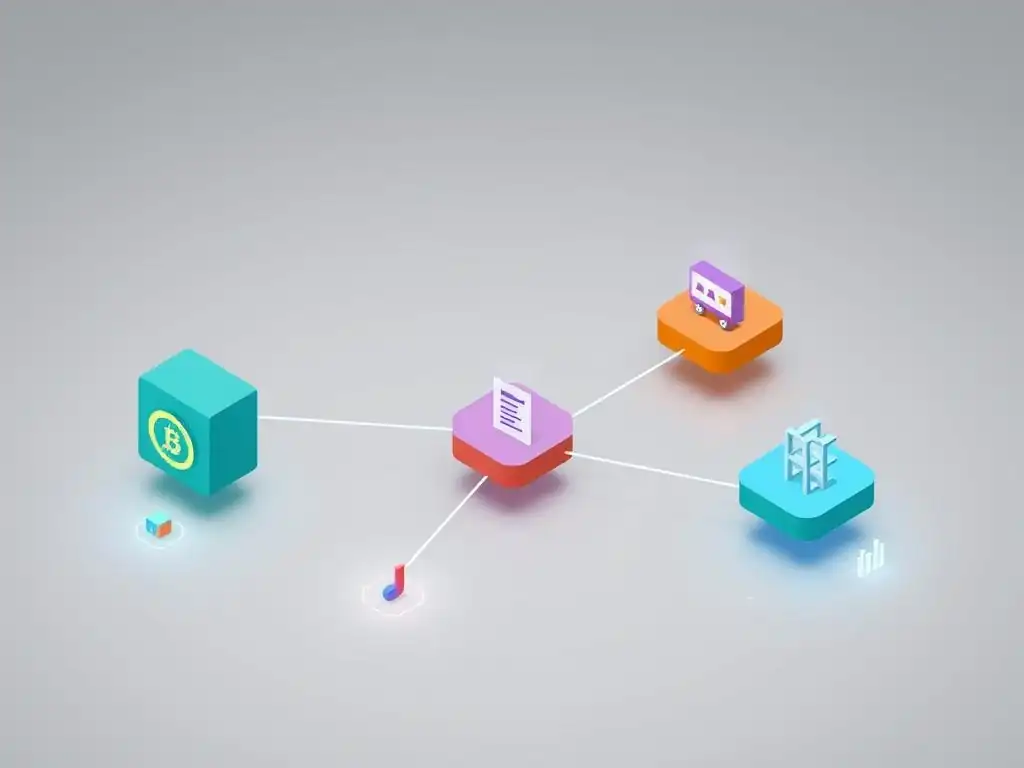
Decentralized Finance (DeFi): Enabling Cross-Chain Lending and Borrowing
Decentralized Finance (DeFi) is one of the most promising areas for cross-chain protocol applications. Currently, DeFi ecosystems are largely fragmented, with liquidity and opportunities concentrated within individual blockchains like Ethereum. Cross-chain protocols can break down these barriers and create a more unified and efficient DeFi landscape. Imagine users being able to lend Bitcoin on a Bitcoin-based lending platform and borrow stablecoins on an Ethereum-based platform, all seamlessly and without intermediaries.
Cross-chain lending and borrowing platforms are emerging, leveraging bridges and other cross-chain protocols to connect different DeFi ecosystems. These platforms allow users to access a wider range of assets and opportunities, regardless of the blockchain they are natively issued on. For example, projects like Ren Protocol and Interlay are working on bringing Bitcoin to DeFi on Ethereum, enabling Bitcoin holders to participate in Ethereum-based DeFi protocols.
Cross-chain DeFi has the potential to unlock significant liquidity, enhance capital efficiency, and create a more interconnected and robust financial ecosystem. This is a prime example of real-world applications benefiting from CrossChain protocol communication benefits.
Supply Chain Management: Tracking Assets Across Different Blockchains
Supply chain management is another sector where cross-chain protocols can offer significant improvements. Global supply chains often involve multiple stakeholders and systems operating on different blockchains. For instance, a manufacturer might use a private blockchain to track production, while a logistics provider uses a different blockchain for shipment tracking, and a retailer uses yet another for inventory management. Cross-chain protocols can enable seamless data exchange and interoperability between these disparate blockchain systems, creating a more transparent and efficient supply chain.
By connecting these different blockchain networks, cross-chain solutions can provide a unified view of the entire supply chain, from origin to consumer. This enhanced visibility can improve traceability, reduce fraud, and optimize logistics. Imagine tracking a shipment of goods as it moves across different countries and through various stages of the supply chain, with each stage recorded on a different blockchain, but all seamlessly linked and accessible through cross-chain protocols. This level of transparency and interoperability can significantly enhance the efficiency and resilience of global supply chains. This illustrates the practical CrossChain protocol communication benefits in supply chain.
Healthcare: Securely Sharing Medical Data Between Institutions
Healthcare is a highly sensitive and regulated industry where secure and private data sharing is crucial. Different healthcare institutions often use disparate systems for managing patient data, hindering efficient collaboration and care coordination. Blockchain technology offers a potential solution for secure and transparent data sharing in healthcare, and cross-chain protocols can further enhance this by enabling interoperability between different healthcare blockchain networks.
Imagine a patient receiving treatment at multiple hospitals, each using a different blockchain-based medical record system. Cross-chain protocols can enable secure and authorized sharing of patient data between these hospitals, ensuring that healthcare providers have a complete and up-to-date view of the patient's medical history. This improved data sharing can lead to better diagnoses, more effective treatments, and improved patient outcomes.
Furthermore, blockchain and cross-chain technologies can enhance patient privacy and control over their medical data, empowering individuals and fostering trust in the healthcare system. Secure medical data sharing is a critical application showing CrossChain protocol communication benefits in healthcare.
Governance: Facilitating Cross-Chain Voting and Decision-Making
Governance is becoming increasingly important in decentralized ecosystems, and cross-chain protocols can play a key role in facilitating cross-chain voting and decision-making. In a multi-chain world, projects and organizations may need to make decisions that impact multiple blockchains or communities. Cross-chain governance mechanisms can enable stakeholders across different chains to participate in voting and decision-making processes in a transparent and decentralized manner.
Imagine a decentralized autonomous organization (DAO) that manages assets and operations across multiple blockchains. Cross-chain governance protocols can allow token holders on different chains to participate in proposals and votes related to the DAO's operations, ensuring that governance decisions reflect the collective will of the entire community, regardless of which blockchain they primarily interact with. This cross-chain governance can foster more inclusive and representative decision-making processes in decentralized ecosystems, promoting decentralization and community ownership across multiple blockchain networks. Enhanced governance through CrossChain protocol communication benefits strengthens decentralized systems.
Challenges and Considerations for Cross-Chain Protocol Implementation
Security Risks and Vulnerabilities in Cross-Chain Bridges
Security is paramount in the blockchain space, and cross-chain bridges, while enabling valuable interoperability, also introduce new security risks and vulnerabilities. Bridges often act as central points of value concentration and complex code, making them attractive targets for attacks. A vulnerability in a bridge can lead to significant financial losses, as demonstrated by several high-profile bridge exploits in recent years, resulting in hundreds of millions of dollars in stolen funds.
Common security risks in bridges include smart contract vulnerabilities, relay attacks, and consensus mechanism flaws. Smart contract bugs can be exploited to drain funds from bridge contracts. Relay attacks involve malicious actors manipulating or falsifying messages relayed between chains. Weaknesses in the bridge's consensus mechanism can allow attackers to compromise the bridge's security and steal assets.
Addressing these security challenges is crucial for the widespread adoption of cross-chain bridges. This requires rigorous security audits, robust monitoring systems, and the development of more secure and resilient bridge architectures. These risks highlight the need for careful consideration of security when implementing CrossChain protocol communication benefits.
Scalability Limitations and Performance Bottlenecks
While cross-chain protocols aim to improve scalability at the ecosystem level, individual protocols and bridges can also face their own scalability limitations and performance bottlenecks. The efficiency of cross-chain communication often depends on the underlying mechanisms used for message passing and verification. Some cross-chain protocols may introduce latency and overhead, impacting the speed and throughput of cross-chain transactions.
For example, bridges that rely on complex cryptographic proofs or require extensive on-chain verification can be slower and less scalable than simpler bridge designs. Furthermore, the scalability of a bridge is often limited by the scalability of the slowest participating blockchain. If one of the connected blockchains has low transaction throughput, it can become a bottleneck for cross-chain transactions. Addressing these scalability limitations requires ongoing research and development of more efficient cross-chain communication techniques and bridge architectures. Performance considerations are crucial for realizing the full CrossChain protocol communication benefits in practice.
Regulatory Uncertainty and Compliance Requirements
The regulatory landscape for blockchain technology is still evolving, and cross-chain protocols face additional regulatory uncertainty and compliance challenges. Cross-chain transactions and bridges can involve multiple jurisdictions and regulatory frameworks, making compliance complex and potentially burdensome. Regulators are increasingly scrutinizing cross-chain activities, particularly in areas like anti-money laundering (AML) and know-your-customer (KYC) compliance.
Bridges that facilitate the transfer of regulated assets or operate across jurisdictions with different regulatory requirements may face significant compliance hurdles. Navigating these regulatory complexities requires careful legal analysis, robust compliance frameworks, and proactive engagement with regulators. The lack of clear regulatory guidance in many jurisdictions can create uncertainty and hinder the development and adoption of cross-chain protocols. Addressing regulatory uncertainty is essential for fostering a sustainable and compliant cross-chain ecosystem. Regulatory aspects are a key consideration when evaluating CrossChain protocol communication benefits.
Transactional Complexity and Data Consistency
Cross-chain transactions inherently involve greater complexity compared to single-chain transactions. Coordinating transactions across multiple blockchains, ensuring atomicity, and maintaining data consistency across disparate systems present significant technical challenges. Cross-chain protocols need to handle potential failures, network disruptions, and inconsistencies that may arise during cross-chain operations.
Ensuring data consistency across different blockchains is particularly challenging, as each chain may have its own data model and consistency guarantees. Cross-chain protocols need to implement mechanisms to reconcile data discrepancies and ensure that the state of different blockchains remains consistent after cross-chain transactions. Managing this transactional complexity and ensuring data consistency requires sophisticated protocol designs, robust error handling mechanisms, and careful attention to detail in implementation. Addressing these technical complexities is crucial for building reliable and robust cross-chain solutions. Complexity management is vital for realizing practical CrossChain protocol communication benefits.
The Future of Cross-Chain Communication: A Vision for a Connected Blockchain Ecosystem
Advancements in Cross-Chain Technology and Standardization
The field of cross-chain technology is rapidly evolving, with ongoing research and development focused on improving security, scalability, and efficiency. Advancements in cryptography, consensus mechanisms, and distributed systems are paving the way for more robust and sophisticated cross-chain protocols. Researchers are exploring new bridge architectures, such as light client bridges and zero-knowledge bridges, that aim to minimize trust assumptions and enhance security.
Standardization efforts are also gaining momentum in the cross-chain space. Establishing common standards for cross-chain communication protocols, data formats, and interfaces is crucial for fostering interoperability and reducing fragmentation. Initiatives like the Interchain Foundation and the Web3 Foundation are working on developing cross-chain standards and frameworks to promote interoperability and collaboration across the blockchain ecosystem. These advancements and standardization efforts are essential for realizing the full potential of cross-chain communication and creating a truly interconnected blockchain ecosystem. Future progress will amplify CrossChain protocol communication benefits.
The Role of Cross-Chain Protocols in Web3 and the Metaverse
Cross-chain protocols are poised to play a pivotal role in the development of Web3 and the Metaverse. Web3 envisions a decentralized internet built on blockchain technology, while the Metaverse aims to create immersive and interconnected virtual worlds. Both Web3 and the Metaverse require seamless interoperability and data exchange across different blockchain networks to achieve their full potential.
Cross-chain protocols will be essential for enabling users to move their digital assets, identities, and data seamlessly between different Web3 applications and Metaverse environments. Imagine using a single digital identity across multiple Metaverse platforms or transferring in-game assets between different blockchain-based games. Cross-chain interoperability is crucial for creating a user-centric and interconnected Web3 and Metaverse experience. The future of Web3 and Metaverse heavily relies on CrossChain protocol communication benefits.
Increased Adoption of Cross-Chain Solutions in Enterprise Environments
While cross-chain protocols are gaining traction in the decentralized space, their adoption in enterprise environments is also expected to increase significantly in the coming years. Enterprises are increasingly exploring blockchain technology for various applications, such as supply chain management, finance, and data management. However, enterprise blockchain deployments often involve private or consortium blockchains, which may operate in silos.
Cross-chain solutions can enable interoperability between these private enterprise blockchains and public blockchains, unlocking new opportunities for collaboration and data exchange. For example, a company using a private blockchain for internal operations could use cross-chain protocols to connect with public blockchains for supply chain tracking or payment processing. Increased adoption of cross-chain solutions in enterprise environments will drive further innovation and integration of blockchain technology across various industries. Enterprise adoption will further validate the CrossChain protocol communication benefits.
Conclusion: Embracing the Cross-Chain Revolution for a More Interoperable Blockchain Future
The journey towards a truly interconnected blockchain ecosystem is underway, and cross-chain protocols are at the forefront of this revolution. By breaking down blockchain silos and enabling seamless communication and data exchange, these protocols are unlocking the immense potential of blockchain technology. From enhanced interoperability and scalability to streamlined asset transfers and fostered innovation, the benefits of cross-chain communication are undeniable.
While challenges remain in terms of security, scalability, and regulation, ongoing advancements and standardization efforts are paving the way for a more robust and user-friendly cross-chain future. As Web3 and the Metaverse take shape and enterprise adoption of blockchain accelerates, cross-chain protocols will become increasingly critical for realizing a truly interconnected and efficient blockchain ecosystem.
Embracing the cross-chain revolution is not just a technical necessity; it is a strategic imperative for unlocking the full transformative power of blockchain and building a more decentralized, collaborative, and interconnected digital world. The future of blockchain is undeniably cross-chain, and the CrossChain protocol communication benefits will continue to shape the landscape for years to come.
Frequently Asked Questions
How do CrossChain protocols enhance blockchain interoperability?
CrossChain protocols enable seamless data and asset transfer between different blockchains. This eliminates silos and fosters a more interconnected blockchain ecosystem.
What are the primary benefits of CrossChain protocol communication for decentralized finance (DeFi)?
CrossChain communication unlocks new DeFi opportunities by allowing users to access assets and services across multiple chains. This leads to increased liquidity and potentially higher returns.
In what ways can enterprises leverage CrossChain protocols?
Enterprises can use CrossChain protocols to streamline supply chain management, improve data sharing, and enhance overall operational efficiency across diverse blockchain networks.
What are some key regulatory considerations surrounding CrossChain protocols?
Regulation is still evolving, but key concerns include security risks, compliance with anti-money laundering (AML) laws, and ensuring cross-border data privacy when utilizing these protocols.
What is the future outlook for CrossChain protocol communication in the decentralized space?
The future looks promising as CrossChain protocols are expected to become increasingly prevalent, driving greater adoption of blockchain technology and unlocking new use cases beyond traditional cryptocurrencies.
Final Reflection: Embracing the Interconnected Future
The exploration of CrossChain protocols reveals more than just technological advancements; it highlights the burgeoning need for interoperability in a fragmented digital world. The benefits of CrossChain communication, as discussed, are not merely theoretical; they represent the very foundation upon which a more efficient, collaborative, and ultimately, more powerful blockchain ecosystem will be built.
The impact of CrossChain technology extends far beyond the realm of cryptocurrency and decentralized finance. It represents a fundamental shift towards a more interconnected and collaborative future, where data and value can flow seamlessly between disparate systems. The future of blockchain is not about individual chains competing, but about them working together.
This sentiment underscores the transformative potential of CrossChain protocols to unlock unprecedented levels of innovation and efficiency across various industries.
As we stand at the cusp of this interconnected future, I invite you to reflect on the possibilities that CrossChain communication unlocks. Consider how breaking down silos, both in the digital and physical worlds, can foster greater collaboration, innovation, and ultimately, a more interconnected and prosperous future for all. Embrace the potential of CrossChain protocols and become a part of building a world where information and value flow freely, empowering individuals and organizations alike.
Unlock the Future: Dive Deeper into Cross-Chain Innovation!
Thank you for exploring the transformative potential of cross-chain protocols. We hope this article has highlighted how these innovations are breaking down barriers and fostering greater interoperability within the blockchain ecosystem. Now, let's put that knowledge into action.
Here are a few ways you can stay ahead of the curve:
- Try out a cross-chain-enabled decentralized application! Find one that excites you and experience the future of decentralized interaction firsthand.
- Read the whitepapers of leading cross-chain projects to understand their technical architecture in detail.
- Share this article with your network! Help spread awareness about the importance of cross-chain communication for the future of blockchain technology.
Ready to start bridging the gaps in the blockchain world? Which cross-chain project are you most excited about, and why? Let’s discuss in the comments below!
Leave a Reply