
Comparing Sharding Approaches: A Look at Different Blockchain Implementations


Welcome to Blockchain Trends, your compass in the evolving world of decentralized technologies! Beyond the hype of cryptocurrencies, we delve into the real-world applications and future potential of blockchain. Ever wondered how to overcome blockchain's scalability limitations? Dive in to explore the intricacies of blockchain sharding implementation strategies and discover how different approaches are shaping the next generation of decentralized systems. This is just the beginning – unlock the secrets to a more scalable and efficient blockchain future!
Comparing Sharding Approaches: A Look at Different Blockchain Implementations
- Introduction to Blockchain Sharding and Scalability
- Sharding Implementation Strategies: A Comparative Analysis
- Examining Different Blockchain Sharding Implementations
- Comparing Sharding Approaches: Advantages and Disadvantages
- Performance Benchmarks and Scalability Results
- The Future of Blockchain Sharding: Trends and Innovations
- Conclusion: Choosing the Right Sharding Implementation Strategy
-
Frequently Asked Questions
- What is blockchain sharding and why is it needed?
- How do different blockchain sharding implementation strategies differ?
- What are some examples of blockchain sharding implementation strategies being used today?
- What are the main challenges associated with implementing blockchain sharding implementation strategies?
- How will blockchain sharding implementation strategies impact the future of decentralized systems?
- Final Reflection: Embracing the Scalable Future of Blockchain
- Unlock the Future: Start Applying Sharding Insights Now!
Introduction to Blockchain Sharding and Scalability
The Blockchain Scalability Problem: A Bottleneck for Adoption
The promise of blockchain technology to revolutionize various industries hinges significantly on its ability to scale. Early blockchain designs, like Bitcoin and Ethereum 1.0, while groundbreaking in their decentralization and security, face inherent scalability limitations. These limitations manifest as slow transaction processing speeds and high transaction fees, particularly during periods of network congestion. For instance, Bitcoin's network, on average, processes around 7 transactions per second (TPS), and Ethereum 1.0 hovers around 15-20 TPS.
This pales in comparison to traditional payment processors like Visa, which can handle thousands of TPS. This bottleneck directly impacts user experience, making blockchain platforms less practical for mass adoption in applications requiring high throughput, such as global payments, high-frequency trading, or social media platforms built on decentralized frameworks. The inability to handle a growing volume of transactions efficiently creates a barrier to wider acceptance and practical deployment in real-world scenarios.
Furthermore, the scalability problem is not just about transaction speed; it also impacts the cost of using the blockchain. As network demand increases and transaction processing times lengthen, users often have to pay higher transaction fees to prioritize their transactions and ensure faster confirmation. In periods of peak activity on the Ethereum network, for example, transaction fees have surged to tens or even hundreds of dollars for simple token transfers.
These exorbitant fees make blockchain transactions prohibitively expensive for everyday users and smaller transactions, effectively excluding a significant portion of the potential user base. Addressing the scalability challenge is therefore crucial for blockchain technology to move beyond niche applications and become a truly mainstream and accessible infrastructure for global services and applications.
What is Blockchain Sharding? Enhancing Throughput and Efficiency
Blockchain sharding is a database partitioning technique adapted to distribute the computational and storage workload across a network of nodes, significantly enhancing transaction throughput and overall efficiency. Imagine a traditional blockchain as a single highway where all traffic must pass. As traffic increases, congestion occurs, leading to slower speeds and higher tolls. Sharding, in this analogy, is like building parallel highways.
Instead of every node processing every transaction, the network is divided into smaller, manageable groups called shards. Each shard processes only a fraction of the network's transactions in parallel with other shards. This parallel processing dramatically increases the total number of transactions the blockchain can handle.
By dividing the blockchain into shards, each shard maintains its own independent state, meaning it has its own subset of the overall blockchain data. Nodes are assigned to specific shards and are responsible for processing transactions and validating blocks only within their assigned shard. This reduces the computational burden on individual nodes and allows the network to process a much larger volume of transactions concurrently.
For example, if a blockchain is sharded into 10 shards, and each shard can process 100 TPS, the theoretical total throughput of the sharded blockchain becomes 1000 TPS, a tenfold increase compared to a non-sharded chain with the same per-shard processing capacity. Sharding represents a critical strategy to overcome the scalability limitations of traditional blockchains, paving the way for broader adoption and more demanding applications.
Importance of Diverse Sharding Implementation Strategies
The pursuit of blockchain scalability through sharding isn't a one-size-fits-all endeavor. Different blockchain projects are exploring diverse sharding implementation strategies, each with its own set of trade-offs and advantages. This diversity is crucial because different applications and blockchain architectures have varying requirements and priorities.
For instance, a blockchain focused on high-frequency trading might prioritize transaction speed and low latency, potentially favoring a sharding approach that optimizes for these metrics, even if it means making certain trade-offs in other areas like security or decentralization. Conversely, a blockchain designed for secure data storage might prioritize robust security and data integrity, potentially opting for a sharding strategy that emphasizes these aspects, even at the expense of some throughput.
Furthermore, the nascent stage of blockchain sharding technology necessitates exploration and experimentation with different approaches. There is no universally accepted "best" sharding implementation strategy yet, and the optimal approach may depend on various factors, including the consensus mechanism used, the network topology, and the specific use case.
The existence of diverse strategies, like state sharding, transaction sharding, and network sharding, implemented in projects like Ethereum 2.0, Zilliqa, and Near Protocol, reflects this ongoing exploration. Comparing and contrasting these different approaches is essential to understand their respective strengths and weaknesses, ultimately leading to the development of more robust, efficient, and adaptable sharding solutions for the future of blockchain technology.
Database Sharding Principles Applied to Blockchain
The concept of sharding in blockchain draws heavily from established database sharding principles. In traditional databases, sharding is a technique used to horizontally partition large datasets across multiple machines to improve query performance and manageability. The fundamental goal is to divide a large database into smaller, faster, and more easily managed pieces, or shards.
This is typically achieved by partitioning data based on a shard key, which determines which shard a particular piece of data resides in. Common sharding techniques in databases include range-based sharding, where data is distributed based on ranges of the shard key, and hash-based sharding, where a hash function is used to map data to shards. These techniques aim to distribute data and query load evenly across shards, preventing hotspots and ensuring efficient data access.
Applying these principles to blockchain, sharding involves partitioning the blockchain's state, transactions, or network responsibilities across multiple shards. Similar to database sharding, a shard key or sharding function is used to determine which shard is responsible for processing specific transactions or storing specific data. For instance, in transaction sharding, transactions are assigned to shards based on the sender or receiver address. In state sharding, the blockchain's state (account balances, smart contract code, etc.)
is partitioned across shards. The adaptation of database sharding principles to blockchain presents unique challenges due to the decentralized and consensus-driven nature of blockchains. Maintaining data consistency, ensuring secure cross-shard communication, and preventing attacks that target individual shards are critical considerations in blockchain sharding implementations.
Key Considerations for Implementing Blockchain Sharding
Implementing blockchain sharding is a complex undertaking that requires careful consideration of several key factors to ensure security, efficiency, and decentralization are maintained. One primary consideration is shard security. Since each shard handles a subset of the total network activity, it becomes crucial to ensure that individual shards are not more vulnerable to attacks than the original, non-sharded chain.
A smaller shard might be easier for a malicious actor to control if the number of validators per shard is insufficient. Therefore, mechanisms like validator shuffling, where validators are periodically reassigned to different shards, are employed to enhance security and prevent collusion within a single shard. Furthermore, robust consensus mechanisms within each shard are essential to maintain data integrity and prevent malicious activities.
Another critical aspect is cross-shard communication. In a sharded blockchain, transactions may need to interact with data or smart contracts residing in different shards. Efficient and secure cross-shard communication protocols are necessary to enable these interactions without compromising performance or security. Challenges arise in maintaining atomicity and consistency across shards when processing cross-shard transactions. Solutions like atomic cross-shard transactions and asynchronous communication protocols are being explored to address these challenges.
Finally, shard management and scalability are paramount. The sharding scheme should be designed to dynamically adapt to changes in network load and membership. Mechanisms for adding or removing shards, managing shard membership, and ensuring load balancing across shards are crucial for the long-term scalability and resilience of a sharded blockchain system. The complexity of these considerations underscores the diverse approaches and ongoing research in blockchain sharding implementation strategies.
Examining Different Blockchain Sharding Implementations
Ethereum 2.0: Sharding for Scalable Consensus
Ethereum 2.0, now simply referred to as the consensus layer of Ethereum after The Merge, represents a significant architectural overhaul aimed at addressing Ethereum's scalability limitations. Sharding is a cornerstone of this upgrade, designed to dramatically increase Ethereum's transaction throughput and reduce network congestion. Initially planned as a multi-phase rollout, the sharding implementation in Ethereum has evolved.
While the originally envisioned full state sharding with 64 shards in Phase 2 has been re-evaluated and simplified, the core concept of distributing workload across multiple shards remains central to Ethereum's scalability roadmap. The current focus is on data sharding to increase data availability for Layer-2 rollups, which are now considered the primary scaling solution for Ethereum in the short to medium term.
The strategic shift towards data sharding for rollups reflects the evolving understanding of Ethereum's scaling needs. Layer-2 rollups, such as Optimism and Arbitrum, already offer significant scalability improvements by processing transactions off-chain and only posting transaction data to the Ethereum mainnet.
Data sharding enhances the scalability of these rollups by providing more on-chain data availability, reducing data contention and further increasing the throughput of the entire Ethereum ecosystem. Although full execution sharding as initially planned is not the immediate focus, the ongoing development and refinement of data sharding in Ethereum demonstrate a commitment to leveraging sharding principles to achieve substantial scalability gains and support the growing demands of the Ethereum network and its expanding ecosystem of decentralized applications.
Ethereum 2.0 Sharding Architecture and Design
The architecture of Ethereum's sharding, focusing on data availability for rollups, is designed around the concept of data shards. Instead of creating shards that independently process transactions and maintain state, these data shards primarily serve to increase the bandwidth for data storage and retrieval on the Ethereum network. This architecture is optimized to support the data needs of Layer-2 rollups.
Each data shard will be responsible for storing a portion of the total data, and nodes in the Ethereum network will be able to access and verify this data, ensuring its availability and integrity. This data availability sampling technique allows for efficient verification of data availability without requiring every node to download and store the entire data set.
The design incorporates mechanisms like data availability sampling and erasure coding to ensure data redundancy and fault tolerance. Erasure coding allows for the reconstruction of data even if a portion of it is lost or unavailable. Data availability sampling enables nodes to probabilistically verify that data is available without downloading the entire shard, significantly reducing the bandwidth and storage requirements for individual nodes.
This architecture aims to strike a balance between scalability and security, ensuring that the increased data capacity does not come at the cost of reduced decentralization or security. By focusing on data sharding for rollups, Ethereum's current sharding strategy leverages the strengths of Layer-2 scaling solutions while providing a robust and scalable foundation for data availability on the underlying consensus layer.
Challenges and Progress of Ethereum 2.0 Sharding
Ethereum 2.0 sharding, even in its current data sharding focused iteration, has faced and continues to navigate several challenges, although significant progress has been made. One of the primary challenges historically was the complexity of implementing state sharding and ensuring secure cross-shard communication while maintaining Ethereum's robust security model. This complexity led to the shift in focus towards data sharding for rollups, a more pragmatic approach that leverages existing Layer-2 scaling solutions.
Even with this simplified approach, ensuring data availability and efficient data sampling across a large number of shards presents technical hurdles. Developing and rigorously testing the data availability sampling and erasure coding mechanisms are crucial to guarantee the reliability and security of the data sharding implementation.
Despite these challenges, Ethereum's sharding development has seen considerable progress. Significant research and development efforts have been dedicated to refining the data sharding architecture and developing the necessary client software. Testnets and simulations are continuously being conducted to evaluate the performance and security of the proposed sharding mechanisms.
The Ethereum Foundation and the broader Ethereum developer community are actively working on implementing and integrating data sharding into the Ethereum roadmap. While the timeline for full sharding deployment is subject to ongoing development and testing, the progress made demonstrates a strong commitment to enhancing Ethereum's scalability through sharding principles and solidifying its position as a leading platform for decentralized applications.
Zilliqa: Pioneering Sharding in a Public Blockchain
Zilliqa is recognized as one of the first public blockchains to successfully implement sharding on its mainnet. Launched in 2019, Zilliqa pioneered the use of network sharding and transaction sharding to achieve significant scalability improvements compared to non-sharded blockchains. Zilliqa's sharding implementation is designed to linearly scale transaction throughput as the network size increases.
This approach contrasts with many other blockchain projects that were still in the research and development phase of sharding at the time of Zilliqa's mainnet launch. Zilliqa's early adoption of sharding provides valuable real-world data and insights into the practical implementation and performance of sharded blockchain systems.
Zilliqa's architecture distinguishes itself by combining network sharding and transaction sharding. Network sharding divides the network nodes into smaller groups, or shards, where each shard is responsible for processing a subset of transactions. Transaction sharding further divides incoming transactions and assigns them to specific shards for processing based on a deterministic sharding key, often derived from the transaction sender's address.
This two-pronged approach allows Zilliqa to parallelize both transaction processing and network communication, leading to substantial gains in throughput. Zilliqa's pioneering work in sharding has served as an inspiration and a valuable case study for other blockchain projects exploring sharding as a scalability solution.
Zilliqa's Sharding Protocol: Network and Transaction Sharding
Zilliqa's sharding protocol is built upon a combination of network sharding and transaction sharding, working in concert to achieve scalability. Network sharding is the foundation, dividing the entire Zilliqa network into several smaller consensus groups, or shards. These shards operate largely independently, each capable of processing transactions and producing blocks concurrently.
The number of shards in the Zilliqa network dynamically adjusts based on the total number of nodes participating in the network. As the network grows, more shards are created, theoretically allowing for linear scalability of transaction processing capacity. This dynamic sharding mechanism ensures that the network can adapt to increasing demand and maintain efficient transaction processing.
Transaction sharding complements network sharding by routing incoming transactions to the appropriate shard for processing. When a transaction is submitted to the Zilliqa network, it is analyzed to determine its shard assignment based on the sender's address. A deterministic sharding key, derived from the address, ensures that transactions related to specific accounts are consistently processed by the same shard.
This shard assignment allows each shard to focus on processing its assigned subset of transactions in parallel with other shards. Within each shard, a consensus mechanism, based on Practical Byzantine Fault Tolerance (pBFT), is used to validate transactions and produce blocks. The combination of network and transaction sharding in Zilliqa's protocol enables parallel processing and significantly enhances the overall transaction throughput of the blockchain.
Zilliqa's Performance and Scalability Metrics
Zilliqa has demonstrated impressive performance and scalability metrics, attributed to its pioneering sharding implementation. In test environments, Zilliqa has showcased transaction throughput exceeding 2,800 transactions per second (TPS). While real-world mainnet performance may vary depending on network conditions and transaction complexity, Zilliqa consistently achieves significantly higher TPS compared to non-sharded blockchains like Bitcoin and Ethereum 1.0. This increased throughput translates to faster transaction confirmation times and lower transaction fees, especially during periods of high network activity.
Furthermore, Zilliqa's architecture is designed to scale linearly with network size. As the number of nodes participating in the Zilliqa network increases, the number of shards can be dynamically adjusted, theoretically leading to a proportional increase in transaction processing capacity. This linear scalability is a key advantage of Zilliqa's sharding approach, positioning it to handle growing transaction volumes and support applications requiring high throughput. While ongoing monitoring and optimization are essential, Zilliqa's performance metrics provide tangible evidence of the effectiveness of sharding as a scalability solution for public blockchains and offer a valuable benchmark for other sharding implementations.
Near Protocol: Nightshade Sharding for Dynamic Throughput
Near Protocol employs a unique sharding approach called Nightshade, designed to achieve dynamic throughput and high scalability while maintaining a single blockchain. Unlike traditional sharding methods that divide the blockchain into fully independent shards, Nightshade operates with a single, unified blockchain where each shard produces a fraction of the block. This approach is often referred to as "validating a chunk" or "collation" sharding. Nightshade aims to combine the scalability benefits of sharding with the simplicity and data consistency of a single chain, avoiding some of the complexities associated with cross-shard communication in traditional sharding models.
Nightshade's architecture allows Near Protocol to dynamically adjust throughput based on network demand. As transaction volume increases, the network can increase the number of shards participating in block production, thereby increasing the overall transaction processing capacity. Conversely, when network demand is low, the number of shards can be reduced, optimizing resource utilization. This dynamic sharding capability allows Near Protocol to efficiently adapt to fluctuating network conditions and maintain high performance even under heavy load. Nightshade represents an innovative approach to sharding, seeking to simplify implementation and enhance scalability while preserving the integrity of a single blockchain.
Nightshade: A Unique Approach to Sharding
Nightshade distinguishes itself through its unique approach to sharding, often described as "collation" or "chunk" sharding. In Nightshade, the blockchain is not divided into fully independent shards with separate states. Instead, it maintains a single, unified state, but the responsibility for producing blocks is distributed across shards.
Each shard in Nightshade is responsible for producing a "chunk" or "collation" of the next block. These chunks collectively form a complete block that is added to the single Near Protocol blockchain. This means that while processing is sharded, the resulting blockchain remains a single, cohesive entity, simplifying data consistency and cross-shard interactions compared to traditional sharding models.
The process of block production in Nightshade involves each shard independently processing transactions and generating a chunk of the block. These chunks are then aggregated and finalized to form the complete block. Validators in the Near Protocol network can participate in validating any shard, enhancing security and flexibility.
This design allows for parallel processing of transactions within shards while maintaining the security and data consistency of a single chain. Nightshade's approach aims to mitigate some of the complexities associated with cross-shard communication and data synchronization found in traditional sharding architectures, offering a potentially simpler and more efficient path to blockchain scalability.
Near Protocol's Scalability and Developer Ecosystem
Near Protocol, leveraging Nightshade sharding, is designed for high scalability and aims to support a growing ecosystem of decentralized applications. Performance benchmarks on Near Protocol have demonstrated transaction throughput in the thousands of TPS range, with the potential to scale further as the number of shards increases dynamically. The dynamic sharding capability of Nightshade allows Near Protocol to adapt to varying network loads and maintain high performance even during peak usage. This scalability is crucial for supporting demanding applications like decentralized finance (DeFi), gaming, and social media platforms.
Beyond scalability, Near Protocol also prioritizes developer experience and ecosystem growth. It offers a developer-friendly environment with tools and resources designed to simplify the development and deployment of decentralized applications. Near Protocol supports popular programming languages like Rust and AssemblyScript, making it accessible to a wide range of developers.
Furthermore, Near Protocol emphasizes interoperability and cross-chain compatibility, aiming to connect with other blockchains and facilitate the flow of assets and data across different ecosystems. This focus on developer experience, interoperability, and scalability positions Near Protocol as a platform capable of supporting a thriving ecosystem of decentralized applications and contributing to the broader adoption of blockchain technology.
Polkadot: Heterogeneous Sharding through Parachains
Polkadot takes a unique approach to sharding through its parachain architecture, enabling heterogeneous sharding and interoperability between different blockchains. Unlike other sharding implementations that focus on scaling a single blockchain, Polkadot is designed as a multi-chain platform where multiple independent blockchains, called parachains, connect to and are secured by a central relay chain.
Each parachain is essentially a shard, but it is also a fully functional, customizable blockchain with its own governance, token, and use case. This heterogeneous sharding model allows for specialization and optimization of parachains for specific applications, while benefiting from the shared security and interoperability provided by the Polkadot relay chain.
Polkadot's parachain architecture enables a high degree of scalability and flexibility. By offloading transaction processing and application logic to parachains, the relay chain remains focused on security and coordination. The parallel processing of transactions across multiple parachains significantly increases the overall throughput of the Polkadot network. Furthermore, the heterogeneous nature of parachains allows for diverse blockchain designs and functionalities to coexist within the Polkadot ecosystem, fostering innovation and catering to a wide range of use cases. Polkadot's approach represents a departure from monolithic blockchain scaling, embracing a multi-chain paradigm for scalability and interoperability.
Polkadot's Parachain Architecture and Interoperability
Polkadot's parachain architecture is centered around a central relay chain that provides shared security and interoperability for connected parachains. The relay chain is responsible for consensus, network security, and cross-chain message passing. Parachains, on the other hand, are independent blockchains that connect to the relay chain and inherit its security. Each parachain can be customized and optimized for specific use cases, allowing for diverse functionalities and architectures within the Polkadot ecosystem. This separation of concerns between the relay chain and parachains is key to Polkadot's scalability and flexibility.
Interoperability is a core design principle of Polkadot. Parachains can communicate with each other through the relay chain's cross-chain messaging system (XCMP). This enables seamless transfer of assets and data between different parachains, fostering a network of interconnected blockchains. Bridges to external blockchains, like Ethereum and Bitcoin, are also being developed to further enhance interoperability and connect Polkadot to the broader blockchain ecosystem. Polkadot's architecture aims to create a scalable and interoperable multi-chain ecosystem, where different blockchains can collaborate and contribute to a unified vision of a decentralized web.
Benefits of Polkadot's Heterogeneous Sharding Model
Polkadot's heterogeneous sharding model, based on parachains, offers several distinct benefits compared to homogeneous sharding approaches. Firstly, specialization and customization are key advantages. Parachains can be designed and optimized for specific use cases, allowing developers to build blockchains tailored to their application requirements. This contrasts with homogeneous sharding, where shards typically have identical functionalities and are primarily focused on scaling a single type of blockchain application. For example, a parachain could be optimized for DeFi, another for supply chain management, and yet another for identity management, all within the same Polkadot ecosystem.
Secondly, interoperability is inherent to Polkadot's design. The relay chain facilitates seamless communication and data exchange between parachains, enabling cross-chain applications and services. This built-in interoperability eliminates the need for complex bridging solutions often required in other sharding models to connect different shards or blockchains.
Thirdly, shared security from the relay chain reduces the security burden on individual parachains, especially for new or smaller projects. Parachains benefit from the robust security of the Polkadot relay chain, making it easier and more secure to launch new blockchains. These benefits of specialization, interoperability, and shared security position Polkadot's heterogeneous sharding model as a powerful and versatile approach to blockchain scalability and ecosystem development.
Harmony: Deep Sharding for Trustless Networks
Harmony Protocol implements "deep sharding," encompassing network sharding, transaction sharding, and even blockchain state sharding, to achieve high throughput and fast finality. Harmony's sharding architecture is designed to scale linearly with the number of shards, aiming to provide a highly scalable and efficient platform for decentralized applications. Deep sharding in Harmony goes beyond simply partitioning transactions and network nodes; it also divides the blockchain state across shards, further reducing the workload on individual shards and enhancing overall performance.
Harmony emphasizes fast finality and low latency, essential for applications requiring quick transaction confirmations, such as payments and gaming. It achieves this through its Fast Byzantine Fault Tolerance (FBFT) consensus mechanism within each shard and efficient cross-shard communication protocols. Harmony's design prioritizes both scalability and usability, aiming to provide a platform that is both performant and easy to build on. The "deep sharding" approach, combined with its focus on fast finality, distinguishes Harmony as a blockchain platform designed for high-performance, decentralized applications.
Harmony's Sharding and Finality Mechanisms
Harmony's sharding architecture is comprehensive, implementing network, transaction, and state sharding. Network sharding divides validators into smaller committees, or shards, each responsible for validating transactions and producing blocks for its assigned shard. Transaction sharding routes incoming transactions to specific shards based on the sender's address, ensuring that transactions are processed in parallel by different shards. State sharding further partitions the blockchain's state, including account balances and smart contract data, across shards. This deep sharding approach minimizes the workload on each shard and maximizes parallel processing capabilities.
For consensus, Harmony utilizes a modified version of Practical Byzantine Fault Tolerance called Fast Byzantine Fault Tolerance (FBFT). FBFT is designed to achieve fast consensus and low latency within each shard. Combined with sharding, FBFT enables Harmony to achieve transaction finality in approximately one to two seconds. This fast finality is crucial for applications requiring near-instant transaction confirmations. Harmony's sharding and FBFT consensus mechanisms work synergistically to deliver both high throughput and low latency, making it suitable for a wide range of performance-sensitive decentralized applications.
Harmony's Scalability and Cross-Shard Transactions
Harmony's deep sharding architecture is designed to provide linear scalability. As the number of shards in the Harmony network increases, the transaction processing capacity is intended to scale proportionally. In test environments, Harmony has demonstrated transaction throughput exceeding thousands of TPS, with the potential to scale further by adding more shards. This scalability is essential for supporting a growing number of users and applications on the Harmony platform.
Cross-shard transactions are a necessary component of any sharded blockchain, allowing users and applications to interact with assets and smart contracts across different shards. Harmony implements efficient cross-shard communication protocols to enable these interactions. Cross-shard transactions in Harmony are designed to be atomic, ensuring that either the entire transaction across shards is successful, or none of it is.
While cross-shard transactions typically introduce some latency compared to intra-shard transactions, Harmony aims to minimize this latency through optimized routing and communication mechanisms. The scalability and efficient cross-shard transaction capabilities of Harmony contribute to its suitability for building and deploying high-performance decentralized applications.
Comparing Sharding Approaches: Advantages and Disadvantages
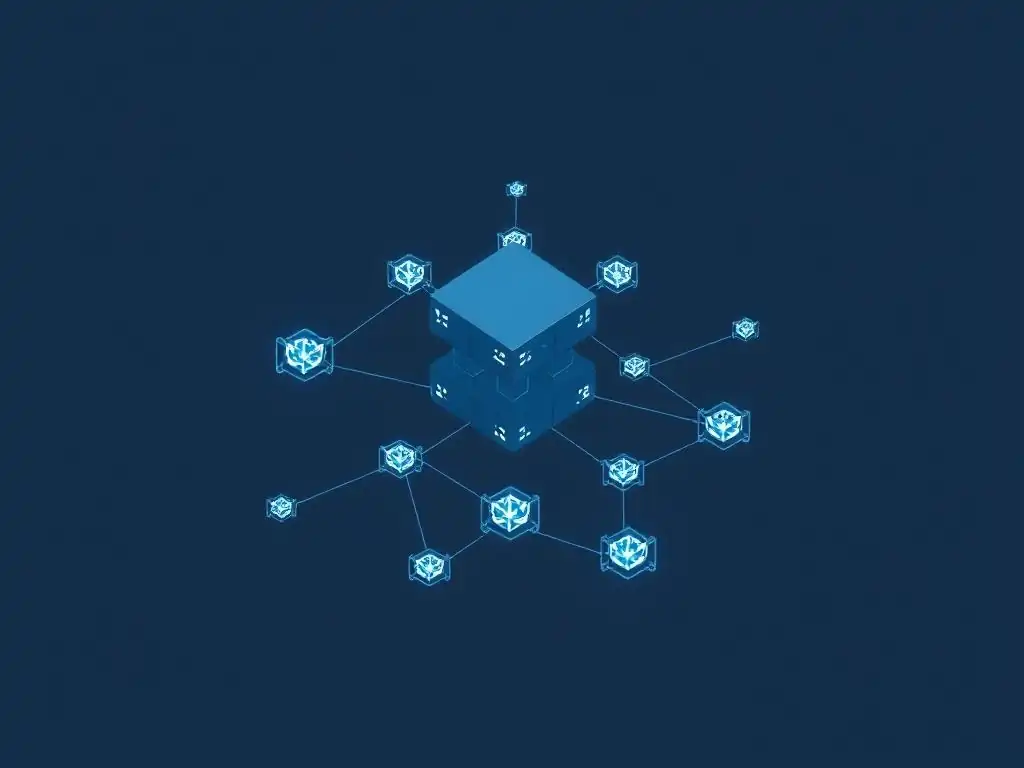
Security Considerations in Different Sharding Models
Security is a paramount concern in all sharding models, but different approaches present unique security challenges and trade-offs. One major consideration is the security per shard. With sharding, the validator set is divided across shards, potentially reducing the security of individual shards compared to a non-sharded chain with the same total number of validators.
If a shard has too few validators, it might become vulnerable to attacks, such as 51% attacks, where malicious actors could gain control of a shard and manipulate its state. Strategies to mitigate this risk include increasing the validator set size, implementing validator shuffling, and employing robust consensus mechanisms within each shard.
Another security aspect is cross-shard attack vectors. Sharded blockchains introduce new attack surfaces related to cross-shard communication and interactions. Malicious actors might attempt to exploit vulnerabilities in cross-shard communication protocols to manipulate data or disrupt network operations. Ensuring the security and atomicity of cross-shard transactions is crucial to prevent these attacks.
Furthermore, data availability and consistency across shards are critical security considerations. Mechanisms to guarantee data availability and prevent data corruption or inconsistencies in a sharded environment are essential to maintain the overall security and integrity of the blockchain. Different sharding models employ varying techniques to address these security challenges, each with its own strengths and weaknesses.
Transaction Routing and Cross-Shard Communication
Transaction routing and cross-shard communication are fundamental aspects of sharded blockchains, impacting both performance and complexity. Transaction routing refers to the mechanism by which transactions are directed to the appropriate shard for processing. Efficient transaction routing is crucial for ensuring even load distribution across shards and minimizing latency. Different sharding models employ various routing strategies, often based on hashing or address-based sharding keys. The routing mechanism must be deterministic and efficient to avoid bottlenecks and ensure transactions are processed by the correct shard.
Cross-shard communication becomes necessary when transactions involve interactions between different shards, such as transferring assets or invoking smart contracts across shards. Cross-shard communication protocols introduce complexities related to data consistency, atomicity, and latency. Different approaches to cross-shard communication include synchronous and asynchronous communication models.
Synchronous communication typically involves locking mechanisms to ensure atomicity but can introduce higher latency. Asynchronous communication allows for parallel processing but requires more complex mechanisms for managing data consistency and handling potential conflicts. The design and efficiency of transaction routing and cross-shard communication protocols are critical factors in the overall performance and usability of sharded blockchains.
Shard management and consensus mechanisms are intertwined aspects of sharded blockchain design, impacting both scalability and security. Shard management encompasses the processes of creating, managing, and maintaining shards within the network. Dynamic sharding, where the number of shards can adjust based on network load, requires sophisticated shard management mechanisms. These mechanisms must handle shard creation, merging, splitting, and node assignment to shards efficiently and securely. Load balancing across shards is also a key aspect of shard management, ensuring that no single shard becomes overloaded and performance remains consistent across the network.
Consensus mechanisms within each shard and across the entire sharded network are crucial for maintaining data integrity and security. Different sharding models employ various consensus algorithms, ranging from variations of Proof-of-Work (PoW) and Proof-of-Stake (PoS) to Byzantine Fault Tolerance (BFT) based protocols. The choice of consensus mechanism impacts performance, security, and energy efficiency. Furthermore, consensus across shards, especially for cross-shard transactions, requires coordination and agreement among shards to ensure data consistency and prevent conflicting states. The effectiveness of shard management and consensus mechanisms directly influences the scalability, security, and overall robustness of a sharded blockchain system.
Decentralization vs. Scalability Trade-offs in Sharding
Blockchain sharding, while primarily aimed at enhancing scalability, often involves trade-offs with decentralization. The very act of dividing the network into shards can potentially reduce the overall level of decentralization if not carefully managed. If the number of validators per shard becomes too small, individual shards might become more centralized and vulnerable to manipulation.
Balancing the number of shards with the validator set size is crucial to maintain a reasonable level of decentralization while achieving scalability gains. Furthermore, the complexity of sharding implementation can also impact decentralization. More complex sharding architectures might be harder to implement and audit, potentially leading to vulnerabilities or unintended centralization points.
The design choices in sharding implementation directly influence the decentralization-scalability trade-off. For example, sharding models that rely on a smaller number of larger shards might achieve higher throughput but potentially at the expense of reduced decentralization per shard. Conversely, sharding models with a larger number of smaller shards might enhance decentralization but could introduce complexities in shard management and cross-shard communication.
Finding the optimal balance between decentralization and scalability in sharding is an ongoing challenge and a key consideration in the design and evaluation of different sharding implementation strategies. The choice of sharding approach often reflects a project's priorities in navigating this inherent trade-off.
Performance Benchmarks and Scalability Results
Comparing Transaction Throughput Across Sharded Blockchains
Comparing transaction throughput across different sharded blockchains is complex due to varying methodologies, network conditions, and transaction types used in benchmarks. However, reported figures provide a general understanding of the scalability potential of different approaches. Zilliqa, as an early adopter of sharding, has demonstrated throughput exceeding 2,800 TPS in test environments.
Near Protocol, with its Nightshade sharding, also reports throughput in the thousands of TPS range, with dynamic scalability allowing for further increases. Harmony Protocol, implementing deep sharding, similarly claims throughput in the thousands of TPS, aiming for linear scalability with shard count. Ethereum 2.0, while initially focused on data sharding for rollups, aims to significantly enhance the overall Ethereum ecosystem throughput, including Layer-2 solutions.
It's important to note that these are often peak throughput figures achieved under controlled test conditions. Real-world mainnet performance may vary depending on factors like network congestion, transaction complexity, and node hardware. Furthermore, different benchmarks may measure throughput in different ways, making direct comparisons challenging. However, the reported figures consistently indicate that sharding can achieve significantly higher transaction throughput compared to non-sharded blockchains, often by orders of magnitude. These performance benchmarks highlight the potential of sharding as a viable solution to address blockchain scalability limitations and enable support for more demanding applications.
Latency and Finality in Sharded Environments
Latency and finality are critical performance metrics in sharded blockchains, especially for applications requiring fast transaction confirmations. Latency refers to the time it takes for a transaction to be propagated across the network and included in a block. Finality refers to the time it takes for a transaction to be considered irreversible and securely confirmed. Sharding can potentially impact both latency and finality compared to non-sharded chains. Cross-shard transactions, in particular, can introduce additional latency due to the need for inter-shard communication and coordination.
Different sharding models and consensus mechanisms impact latency and finality. Harmony Protocol, with its FBFT consensus, aims for fast finality of around one to two seconds within shards. Zilliqa, using pBFT within shards, also achieves relatively low latency and fast finality.
Near Protocol's Nightshade and Polkadot's parachain models also strive for efficient consensus and finality within their respective architectures. While sharding introduces complexities that can potentially increase latency compared to ideal non-sharded scenarios, well-designed sharding implementations aim to minimize latency and maintain acceptable finality times, particularly for intra-shard transactions. For cross-shard transactions, trade-offs between latency and consistency are often considered, and different models employ various techniques to optimize this balance.
Resource Utilization Analysis of Different Sharding Implementations
Resource utilization is an important consideration when evaluating different sharding implementations. Sharding aims to distribute computational and storage workload across the network, reducing the resource burden on individual nodes. However, the efficiency of resource utilization can vary depending on the specific sharding model and its implementation. Network sharding, transaction sharding, and state sharding each have different implications for resource utilization. State sharding, in particular, can significantly reduce the storage requirements for individual nodes, as they only need to store a portion of the blockchain state.
Analyzing resource utilization involves considering factors like CPU usage, memory consumption, network bandwidth, and storage requirements for nodes participating in different sharding models. Efficient sharding implementations should aim to minimize resource overhead and allow for participation by a wider range of nodes, potentially including nodes with lower hardware specifications. Dynamic sharding models, like Near Protocol's Nightshade, can potentially optimize resource utilization by dynamically adjusting the number of shards based on network load.
Comparing resource utilization across different sharding implementations requires detailed performance analysis and benchmarking, considering various network conditions and workloads. Optimizing resource utilization is crucial for achieving sustainable and scalable blockchain networks that can accommodate a growing number of users and applications.
The Future of Blockchain Sharding: Trends and Innovations
Advances in Sharding Protocols and Technologies
The field of blockchain sharding is continuously evolving, with ongoing research and development focused on improving sharding protocols and technologies. One key area of advancement is in cross-shard communication efficiency and security. Researchers are exploring novel protocols to minimize latency and enhance the security of cross-shard transactions, including optimistic cross-shard communication and zero-knowledge proofs for cross-shard state verification. Another area of innovation is dynamic sharding and adaptive shard management. Developing more sophisticated mechanisms for dynamically adjusting the number of shards and efficiently managing shard membership is crucial for optimizing scalability and resource utilization in response to fluctuating network demand.
Improved security models for sharded blockchains are also a focus of ongoing research. This includes developing more robust consensus mechanisms within shards, enhancing validator shuffling techniques, and exploring cryptographic techniques to strengthen shard security and prevent cross-shard attacks. Furthermore, integration of sharding with other scalability solutions is gaining attention.
Combining sharding with Layer-2 technologies, such as rollups and state channels, is seen as a promising approach to achieve multi-layered scalability and address different scalability needs for various applications. These advances in sharding protocols and technologies are paving the way for more efficient, secure, and scalable blockchain networks in the future.
Sharding and Layer-2 solutions are increasingly viewed as complementary and synergistic approaches to blockchain scalability. While sharding enhances the base layer (Layer-1) scalability by increasing on-chain throughput, Layer-2 solutions build on top of Layer-1 to further scale specific functionalities or applications. Layer-2 solutions, such as rollups, sidechains, and state channels, offload transaction processing and computation from the main chain, significantly increasing transaction throughput and reducing fees for specific use cases. However, Layer-2 solutions often rely on the security and data availability of the underlying Layer-1 blockchain.
Sharding can enhance the capabilities of Layer-2 solutions by providing a more scalable and robust base layer. For example, data sharding, as implemented in Ethereum's roadmap, is specifically designed to increase data availability for rollups, further boosting their scalability potential. Similarly, sharding can improve the throughput and security of sidechains and state channels by providing a more scalable and secure main chain infrastructure. The synergistic combination of sharding and Layer-2 solutions represents a multi-layered approach to scalability, addressing different aspects of scalability and providing a comprehensive path towards achieving truly scalable blockchain networks capable of supporting mass adoption.
The Role of Sharding in Decentralized Finance (DeFi)
Sharding is poised to play a crucial role in the future of Decentralized Finance (DeFi). DeFi applications, with their increasing complexity and user adoption, are placing significant demands on blockchain infrastructure. Scalability limitations of current blockchains can lead to network congestion, high transaction fees, and slow confirmation times, hindering the growth and usability of DeFi platforms. Sharding offers a potential solution to address these scalability challenges and unlock the full potential of DeFi. By increasing transaction throughput and reducing fees, sharding can make DeFi more accessible and efficient for a wider range of users and applications.
Sharding can enable DeFi platforms to handle larger transaction volumes, support more complex financial instruments, and facilitate faster and cheaper transactions. For instance, sharded blockchains can support high-frequency trading in decentralized exchanges (DEXs), enable scalable lending and borrowing platforms, and facilitate the development of more sophisticated DeFi protocols. Furthermore, sharding can improve the user experience of DeFi applications by reducing transaction latency and lowering gas fees, making DeFi more competitive with traditional financial systems. As DeFi continues to evolve and mature, sharding is likely to become an increasingly important technology for enabling its scalability and widespread adoption.
Conclusion: Choosing the Right Sharding Implementation Strategy
Key Takeaways on Blockchain Sharding Implementation Strategies
Blockchain sharding implementation strategies are diverse, each with its own set of trade-offs and suitability for different use cases. Transaction sharding focuses on partitioning transactions, while network sharding divides the validator network. State sharding further partitions the blockchain's state, and data sharding enhances data availability. Projects like Zilliqa pioneered network and transaction sharding, while Near Protocol utilizes Nightshade for dynamic throughput, and Polkadot employs heterogeneous sharding through parachains. Ethereum's current sharding roadmap prioritizes data sharding to support Layer-2 rollups. Harmony implements deep sharding encompassing network, transaction, and state sharding.
Security, cross-shard communication, shard management, and the decentralization-scalability trade-off are key considerations when comparing sharding approaches. Performance benchmarks indicate that sharding can significantly increase transaction throughput, but real-world performance and latency can vary. The future of sharding involves advances in protocols, synergistic approaches with Layer-2 solutions, and a crucial role in enabling the scalability of Decentralized Finance (DeFi). Choosing the right sharding implementation strategy depends on the specific requirements and priorities of the blockchain project and its intended applications.
Evaluating Sharding Approaches Based on Specific Needs
Evaluating different sharding approaches requires careful consideration of specific needs and priorities. For applications requiring extremely high throughput and fast finality, such as high-frequency trading or gaming, sharding models like Harmony's deep sharding or Near Protocol's Nightshade, optimized for performance, might be more suitable. For projects prioritizing interoperability and customization, Polkadot's heterogeneous sharding through parachains offers a compelling approach. For existing blockchains like Ethereum, a phased approach, starting with data sharding to enhance Layer-2 scalability, might be a pragmatic strategy.
Security requirements are also crucial. Projects prioritizing robust security might opt for sharding models that emphasize validator shuffling, robust consensus mechanisms within shards, and secure cross-shard communication protocols. Decentralization goals should also be considered. Sharding models need to balance scalability gains with maintaining a sufficient level of decentralization per shard and across the network. Ultimately, the optimal sharding implementation strategy is not universal but rather depends on a careful evaluation of the specific application requirements, security considerations, decentralization goals, and the trade-offs inherent in each sharding approach.
Blockchain Sharding: A Critical Component for Future Scalability
Blockchain sharding is a critical component for achieving the future scalability required for widespread blockchain adoption. As blockchain technology matures and its applications expand into more demanding domains, scalability limitations become increasingly pronounced. Sharding offers a promising path to overcome these limitations and unlock the true potential of blockchain technology. By distributing workload and enabling parallel processing, sharding can significantly increase transaction throughput, reduce latency, and lower transaction fees, making blockchain platforms more practical and accessible for a broader range of use cases.
While sharding implementation presents complexities and trade-offs, ongoing research and development are continuously improving sharding protocols and addressing challenges. The synergistic combination of sharding with Layer-2 solutions offers a multi-faceted approach to scalability, capable of meeting the diverse needs of different applications. As blockchain technology continues to evolve, sharding is expected to play an increasingly vital role in enabling the scalability, efficiency, and widespread adoption of decentralized systems and applications across various industries and use cases.
Frequently Asked Questions
What is blockchain sharding and why is it needed?
Sharding is a database partitioning technique applied to blockchains to improve scalability. It divides the blockchain into smaller, more manageable pieces, allowing for parallel processing of transactions.
How do different blockchain sharding implementation strategies differ?
Strategies vary primarily in how they divide the blockchain state, how they assign nodes to shards, and the mechanisms they use for cross-shard communication. These differences impact security, complexity, and efficiency.
What are some examples of blockchain sharding implementation strategies being used today?
Examples include state sharding, transaction sharding, and computational sharding. Each has its own strengths and weaknesses regarding throughput and security. Ethereum 2.0's Beacon Chain is a notable example.
What are the main challenges associated with implementing blockchain sharding implementation strategies?
Key challenges include ensuring data availability across shards, maintaining cross-shard consistency, and preventing security vulnerabilities arising from the divided nature of the blockchain.
How will blockchain sharding implementation strategies impact the future of decentralized systems?
Effective sharding is crucial for enabling mass adoption of blockchain technology. It allows for higher transaction throughput and lower fees, making decentralized systems more competitive with centralized solutions.
Final Reflection: Embracing the Scalable Future of Blockchain
The exploration of different blockchain sharding implementation strategies underscores a critical truth: scalability is no longer a future aspiration, but a present necessity for blockchain technology to achieve mainstream adoption. The diverse approaches examined, from state sharding to transaction sharding, highlight the ingenuity and ongoing innovation driving the evolution of decentralized systems. The ability to process transactions efficiently and securely, without compromising decentralization, is paramount in a world increasingly reliant on digital solutions.
This relentless pursuit of scalability has profoundly influenced the cultural and social landscape surrounding blockchain. The promise of a truly decentralized and accessible financial system, powered by scalable blockchain solutions, continues to inspire developers and entrepreneurs worldwide. The future of finance is decentralized, and blockchain technology is the key to unlocking that future.
This vision fuels the ongoing research and development, pushing the boundaries of what's possible and shaping the next generation of internet infrastructure.
As we conclude this comparative analysis, I invite you to reflect on the potential impact of these blockchain sharding implementation strategies. Consider how these advancements might reshape industries, empower individuals, and foster a more equitable and transparent digital world. The future of blockchain is not predetermined; it is being actively shaped by the choices we make today. Let us embrace the challenge of building a scalable, secure, and decentralized future, together.
Unlock the Future: Start Applying Sharding Insights Now!
Thank you for exploring blockchain sharding with us! We hope you've gained valuable insights into different approaches and their implications. Now it’s time to put that knowledge into action.
Ready to take the next step?
- Dive deep: Explore the implementation details of a specific sharding approach that caught your interest. Start with the whitepaper and code repository.:
- Share your thoughts: What aspects are still unclear? Contribute to discussions on your favorite blockchain forums about scalability challenges and sharding solutions you've discovered.
- Think ahead: Consider potential applications of sharding beyond increasing transaction speed. Could it improve data privacy or support new governance models?
Which sharding implementation are you most eager to explore further, and what immediate questions do you have about its real-world use? Share your thoughts in the comments below!
Leave a Reply