
CrossLayer2 Communication: Enabling Interactions Between Scaling Solutions

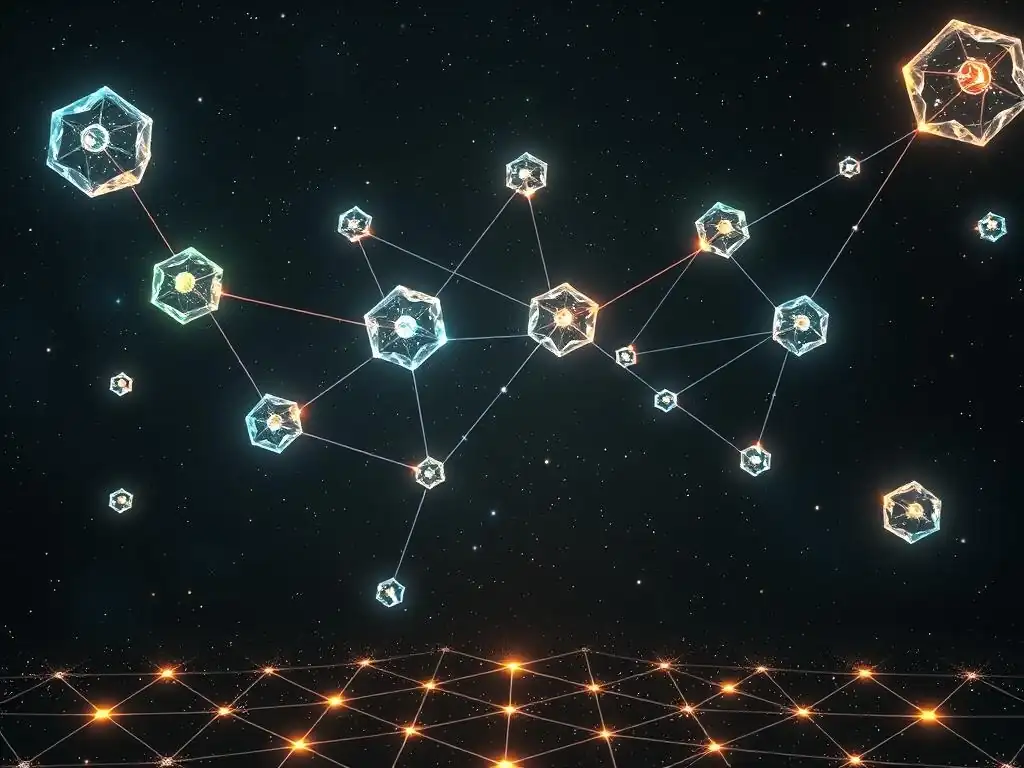
Welcome to Blockchain Trends, your guide to understanding the real-world impact of blockchain technology. Forget the hype – we delve into the practical applications that are reshaping industries. Ever wondered how different blockchain scaling solutions can actually talk to each other? This article dives deep into the intricacies of blockchain scaling solutions communication protocols, revealing how these critical components are unlocking the true potential of a decentralized future. Discover the challenges and innovative solutions that are forging a more connected and efficient blockchain ecosystem. Read on to explore the future of cross-chain communication!
Cross-Layer 2 Communication: Enabling Interactions Between Scaling Solutions
- Introduction: The Need for Interoperability in Blockchain Scaling Solutions
-
Frequently Asked Questions
- How does CrossLayer2 communication enhance blockchain scalability?
- What are some examples of communication protocols used in CrossLayer2 solutions?
- Why is interoperability between different Layer 2 scaling solutions important?
- What are the main challenges in developing effective CrossLayer2 communication protocols?
- How does CrossLayer2 communication contribute to the future of decentralized systems?
- Final Reflection: Bridging the Blockchain Divide
- Ignite Your Layer 2 Journey!
Introduction: The Need for Interoperability in Blockchain Scaling Solutions
Addressing Blockchain's Scalability Challenges with Layer-2 Solutions
Blockchain technology, since its inception with Bitcoin, has promised decentralization, security, and transparency. However, the initial blockchain designs faced significant scalability limitations. Bitcoin, for instance, can only process around 7 transactions per second (TPS), and even Ethereum, while more advanced, still struggles to handle the transaction volume required for mass adoption, typically managing around 15-30 TPS.
This inherent constraint creates network congestion, leading to slow transaction times and soaring gas fees, particularly during periods of high demand. These scalability issues have become a major bottleneck hindering the widespread application of blockchain technology in various industries, from finance and supply chain management to social media and gaming.
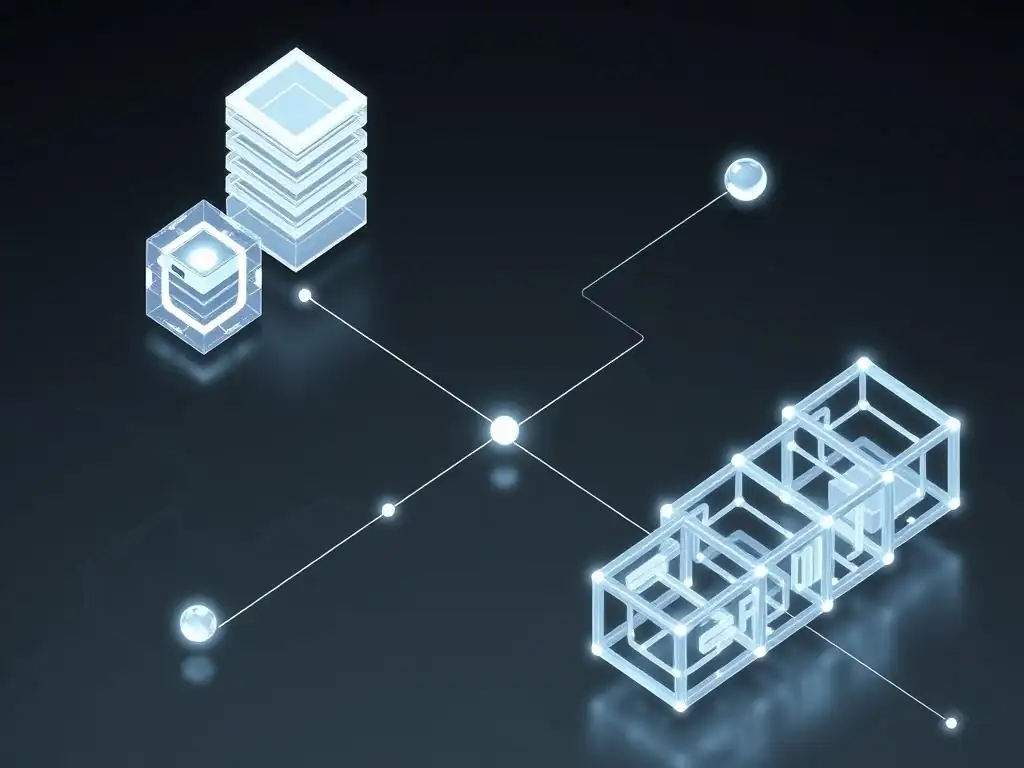
To overcome these limitations and unlock the full potential of blockchain, developers and researchers have focused on creating scaling solutions. Layer-2 solutions have emerged as a prominent approach. These protocols operate "on top" of a main blockchain (Layer-1), like Bitcoin or Ethereum, to handle transactions off-chain, thereby reducing the load on the primary network.
By processing transactions separately and only posting summarized or batched transaction data back to the main chain for security and finality, Layer-2 solutions significantly increase transaction throughput and reduce costs. This approach allows blockchains to handle a much larger volume of transactions without compromising their core security and decentralization principles.
The Growing Landscape of Layer-2 Scaling Protocols
The Layer-2 scaling solutions landscape has rapidly diversified, with numerous protocols emerging, each employing different architectures and methodologies to enhance blockchain scalability. Rollups, for example, are a popular category that aggregates multiple transactions into a single batch and submits them to the Layer-1.
Within rollups, there are Optimistic Rollups, which assume transactions are valid unless proven otherwise, and Zero-Knowledge Rollups (zk-Rollups), which use cryptographic proofs to ensure transaction validity before submission to the main chain. Validium is another type of Layer-2 solution that, similar to zk-Rollups, uses validity proofs but stores transaction data off-chain, potentially offering even higher scalability at the cost of different security trade-offs.
Beyond rollups and validiums, other Layer-2 solutions include state channels and sidechains. State channels allow participants to conduct multiple transactions off-chain and only interact with the main chain to open and close the channel, ideal for applications requiring frequent interactions between a limited number of parties.
Sidechains are independent blockchains that run parallel to the main chain and are connected to it via a two-way bridge, offering a separate environment for applications with specific scalability or functionality needs. The proliferation of these diverse Layer-2 protocols highlights the dynamic innovation within the blockchain space, each solution tailored to address specific scalability challenges and application requirements.
The Critical Role of Cross-Layer 2 Communication for a Unified Blockchain Ecosystem
While Layer-2 solutions effectively address the scalability limitations of individual blockchains, their proliferation has inadvertently introduced a new challenge: fragmentation. Each Layer-2 network often operates in isolation, creating silos of liquidity and data.
Imagine a user with assets locked in a zk-Rollup on Ethereum who wants to interact with a DeFi application built on an Optimistic Rollup; currently, this interaction is often complex, inefficient, or even impossible without bridging back to the Layer-1 and then to the other Layer-2, incurring significant costs and delays. This lack of interoperability between Layer-2 scaling solutions hinders the creation of a truly unified and seamless blockchain ecosystem.
Cross-Layer 2 communication protocols are crucial to overcome this fragmentation and realize the full potential of blockchain technology. These protocols aim to enable seamless and efficient interaction between different Layer-2 networks, allowing users and applications to move assets and data freely across various scaling solutions.
By fostering interoperability, cross-Layer 2 communication can unlock network effects across the entire blockchain ecosystem, enhancing composability, reducing liquidity fragmentation, and creating a more user-friendly and developer-friendly environment. This interconnected ecosystem is essential for the widespread adoption of blockchain and its transformative applications across various sectors, paving the way for a truly scalable and interoperable blockchain future.
Frequently Asked Questions
How does CrossLayer2 communication enhance blockchain scalability?
CrossLayer2 communication allows different Layer 2 scaling solutions to interact and transfer assets, removing the limitations of isolated systems. This leads to a more efficient and scalable blockchain network.
What are some examples of communication protocols used in CrossLayer2 solutions?
Examples include generalized state channels, atomic swaps, and interoperability protocols designed to facilitate secure and trustless communication between Layer 2 networks.
Why is interoperability between different Layer 2 scaling solutions important?
Interoperability avoids fragmentation of liquidity and user base across various Layer 2 solutions. This promotes a more unified and user-friendly blockchain ecosystem.
What are the main challenges in developing effective CrossLayer2 communication protocols?
Challenges include ensuring security and atomicity of cross-chain transactions, dealing with varying consensus mechanisms, and managing the complexity of different Layer 2 architectures.
How does CrossLayer2 communication contribute to the future of decentralized systems?
It enables the creation of complex and interconnected decentralized applications that can leverage the benefits of multiple Layer 2 scaling solutions. This paves the way for a more robust and scalable decentralized future.
Final Reflection: Bridging the Blockchain Divide
The exploration of cross-Layer2 communication underscores a critical need in the evolving blockchain landscape: interoperability is no longer a luxury, but a necessity for widespread adoption. The fragmented nature of current scaling solutions, while offering individual performance gains, ultimately hinders the creation of a truly unified and accessible decentralized ecosystem. Without seamless communication between these solutions, the potential of blockchain technology remains partially realized, trapped within isolated silos.
The quest for effective blockchain scaling solutions communication protocols has profoundly shaped the development of decentralized applications and continues to influence the future of Web3. Witnessing the emergence of these protocols, and the challenges they address, has reinforced the importance of collaboration and open standards in fostering innovation. The strength of the chain lies in the strength of its weakest link.
This quote, often attributed to Thomas Reid, resonates deeply with the need for robust and reliable communication between all layers of the blockchain ecosystem.
As we stand at the cusp of a more interconnected blockchain future, let us not forget the lessons learned from the pursuit of cross-Layer2 communication. Consider how you can contribute to building bridges, fostering collaboration, and advocating for open standards within the decentralized world. The future of blockchain depends on our collective ability to connect, communicate, and create a truly unified and accessible ecosystem for all.
Ignite Your Layer 2 Journey!
Thanks for exploring the fascinating world of cross-layer 2 communication and unlocking its potential for a more interconnected blockchain ecosystem! Now that you're equipped with this knowledge, let's take action and shape the future of scaling solutions:
- Dive Deeper into Layer 2 Development: Start exploring the development frameworks and tools for building and connecting Layer 2 applications. Find a specific platform that interests you and begin experimenting!
- Share this article with fellow blockchain enthusiasts. Spread the word about the importance of cross-layer 2 communication. Let's spark more conversations!
- Explore the latest research on secure and efficient bridging solutions. Stay at the cutting edge of Layer 2 interoperability.
What exciting cross-layer 2 applications do you envision building or using in the near future? Share your ideas in the comments below!
Leave a Reply