
Fuel Network: Modular Execution Layer for UltraFast Transactions


Welcome to Blockchain Trends, your compass in the rapidly evolving world of decentralized technologies.
Ever wondered how blockchain can transcend cryptocurrencies and revolutionize entire industries? Dive in to explore the transformative potential shaping the future, from DeFi to enterprise solutions. This month, we're focusing on Blockchain Scalability & Interoperability, and our featured article delves into the exciting possibilities presented by the Fuel Network, specifically examining its impact on achieving ultra-fast Fuel Network DeFi transactions. Discover how this modular execution layer is poised to unlock unprecedented speed and efficiency in the decentralized finance landscape. Intrigued? Read on to learn more!
- Fuel Network: A Modular Execution Layer for Ultra-Fast DeFi Transactions
- Fuel Network's Architecture: A Technical Overview
- Fuel Network's Advantages for DeFi Applications
- Fuel Network vs. Other Layer-2 Scaling Solutions
- Use Cases: Applications Benefiting from Fuel Network's Speed
- FuelVM: The Execution Environment Powering Fuel Network
- The Future of Fuel Network and DeFi Scalability
-
Frequently Asked Questions
- What is the Fuel Network and what is its primary focus?
- How does the Fuel Network facilitate faster DeFi transactions compared to other blockchains?
- What are the potential benefits of using the Fuel Network for DeFi developers?
- Beyond DeFi, what other potential applications could benefit from the Fuel Network's technology?
- What is the current regulatory landscape surrounding modular blockchains like the Fuel Network?
- Final Reflection: Unleashing the Potential of Fuel Network DeFi Transactions
- Unleash the Power of UltraFast Transactions!
Fuel Network: A Modular Execution Layer for Ultra-Fast DeFi Transactions
The Bottleneck in DeFi: Addressing Scalability Challenges
Decentralized Finance (DeFi) has emerged as a transformative force within the blockchain space, offering innovative financial services like lending, borrowing, and trading without intermediaries. However, the rapid growth and increasing adoption of DeFi have exposed critical scalability limitations in underlying blockchain networks, primarily Ethereum. These limitations manifest as network congestion, leading to slow transaction processing times and exorbitant gas fees. During periods of high network activity, such as during popular token launches or market volatility, transaction fees on Ethereum can surge to hundreds of dollars, effectively barring smaller participants and hindering the seamless operation of DeFi protocols.
The current scalability constraints directly impact the user experience and limit the potential of DeFi. For instance, executing a simple token swap on a Decentralized Exchange (DEX) during peak hours can become prohibitively expensive. This not only discourages participation but also restricts the development of more complex and sophisticated DeFi strategies that require frequent and low-cost transactions.
The inability to handle a high volume of transactions efficiently acts as a significant barrier to the mass adoption of DeFi, preventing it from reaching its full potential as a truly accessible and inclusive financial system. The industry urgently needs solutions that can drastically improve transaction throughput and reduce costs to unlock the next phase of DeFi growth.
Introducing Fuel Network: Enhancing Transaction Speed and Efficiency
Fuel Network emerges as a compelling Layer-2 scaling solution meticulously designed to overcome the scalability challenges plaguing DeFi. Unlike monolithic blockchains, Fuel Network adopts a modular approach, specializing as an execution layer optimized for unparalleled transaction speed and efficiency.
This focus allows Fuel Network to significantly enhance the performance of DeFi applications built on top of it, offering a drastically improved user experience compared to transacting directly on congested Layer-1 blockchains. By processing transactions off-chain and then settling them on the main chain, Fuel Network effectively offloads computational burden, leading to substantial gains in transaction throughput and a dramatic reduction in gas fees.
Fuel Network's architecture is specifically tailored to address the demands of high-performance DeFi applications. It aims to provide a foundation for DeFi that can handle a massive influx of users and transactions without compromising speed or security. Through innovative technologies like parallel transaction execution and a UTXO-based model, Fuel Network promises to deliver a seamless and cost-effective environment for DeFi users and developers alike. This focus on speed and efficiency positions Fuel Network as a key infrastructure component for the future of DeFi, enabling more complex applications and wider adoption by making DeFi transactions faster and more affordable.
Fuel Network's Architecture: A Technical Overview
Modular Execution Layer: Design for Scalability
Fuel Network's core innovation lies in its modular execution layer design. This modularity is a fundamental departure from traditional monolithic blockchain architectures, where execution, consensus, and data availability are tightly coupled. By separating the execution layer, Fuel Network can specialize and optimize specifically for transaction processing, leaving consensus and data availability to the underlying Layer-1 blockchain, such as Ethereum. This separation of concerns allows for greater flexibility and scalability, as each module can be independently improved and scaled without impacting the others.
The modular execution layer of Fuel Network is designed to handle a high volume of transactions with remarkable efficiency. This is achieved through a combination of architectural choices, including parallel transaction execution and a UTXO-based data model, which we will explore in more detail in subsequent sections.
This design philosophy allows Fuel Network to focus on optimizing transaction throughput and reducing latency, which are crucial for demanding DeFi applications. By specializing as an execution layer, Fuel Network offers a dedicated and highly performant environment for DeFi, effectively addressing the scalability bottlenecks inherent in monolithic blockchain designs and paving the way for a more scalable DeFi ecosystem.
Parallel Transaction Execution: Optimizing Transaction Processing
A key architectural element that sets Fuel Network apart is its implementation of parallel transaction execution. Traditional blockchains typically process transactions sequentially, one after another. This sequential processing becomes a major bottleneck when transaction volume increases, leading to longer confirmation times and higher fees. Fuel Network overcomes this limitation by enabling the parallel execution of transactions. This means that multiple transactions can be processed simultaneously, dramatically increasing the overall transaction throughput of the network.
Fuel Network achieves parallel execution through its UTXO-based model and a sophisticated transaction dependency analysis. By analyzing transaction inputs and outputs, Fuel Network can identify transactions that are independent of each other and can be processed concurrently. This parallelization significantly reduces transaction processing time and increases the number of transactions that can be handled per second. For DeFi applications, this translates to faster transaction confirmations, reduced congestion, and the ability to execute complex strategies that require rapid and high-volume transactions. This optimized transaction processing is a critical factor in Fuel Network's ability to deliver ultra-fast DeFi transactions.
UTXO-Based Model: Concurrency and Security Benefits
Fuel Network leverages the Unspent Transaction Output (UTXO) model, a departure from the account-based model commonly used by Ethereum. The UTXO model, popularized by Bitcoin, offers inherent advantages in terms of concurrency and security. In a UTXO-based system, each transaction consumes specific, previously unspent outputs and creates new outputs. This explicit tracking of transaction outputs facilitates parallel transaction processing, as transactions that do not spend the same UTXOs can be processed independently and simultaneously.
Furthermore, the UTXO model enhances security by providing a clearer audit trail and reducing the risk of certain types of attacks prevalent in account-based systems. The immutability and explicit nature of UTXOs make it easier to track the flow of funds and verify transaction validity.
For Fuel Network, the adoption of the UTXO model is a strategic choice that directly contributes to its scalability and security goals. It enables the efficient parallel transaction execution that is central to its design and provides a robust foundation for building secure and high-performance DeFi applications, making Fuel Network DeFi transactions more reliable and secure.
Fuel Network's Advantages for DeFi Applications
Reduced Transaction Costs: Making DeFi Accessible
One of the most significant advantages of Fuel Network for DeFi applications is the dramatic reduction in transaction costs. By operating as a Layer-2 scaling solution, Fuel Network processes transactions off the main Ethereum chain, thereby mitigating the impact of Ethereum's congestion and high gas fees. This off-chain processing results in significantly lower transaction fees on Fuel Network compared to transacting directly on Layer-1. These reduced costs are crucial for making DeFi accessible to a wider audience, particularly smaller users who are often priced out by exorbitant gas fees on Ethereum.
Lower transaction costs on Fuel Network unlock several key benefits for DeFi users. Firstly, it allows for more frequent and smaller value transactions, enabling use cases like micro-lending, frequent trading, and cost-effective participation in yield farming. Secondly, reduced fees make DeFi protocols more economically viable, encouraging greater adoption and innovation. For example, users can execute complex DeFi strategies without incurring prohibitive gas costs, fostering a more vibrant and inclusive DeFi ecosystem. Fuel Network's focus on cost reduction directly addresses a major barrier to DeFi adoption and promotes wider participation in decentralized finance.
Increased Transaction Throughput: Enabling Complex DeFi Strategies
Fuel Network's architecture is engineered to deliver significantly increased transaction throughput compared to Layer-1 blockchains. This enhanced throughput is a game-changer for DeFi applications, enabling the execution of more complex and sophisticated strategies that were previously impractical or impossible due to network limitations. With faster transaction processing, DeFi protocols built on Fuel Network can handle a much larger volume of transactions, accommodating a greater number of users and more intricate financial operations.
The increased transaction throughput unlocks new possibilities for DeFi. High-frequency trading on decentralized exchanges becomes feasible, allowing traders to capitalize on fleeting market opportunities. Complex DeFi composability, where multiple protocols interact in a single transaction, becomes more practical and efficient. Furthermore, the higher throughput supports the development of more advanced DeFi products and services that require rapid and reliable transaction processing. Fuel Network's ability to handle a high volume of transactions is essential for scaling DeFi to meet the demands of a growing user base and enabling the next generation of sophisticated decentralized financial applications.
Improved User Experience: Facilitating Seamless DeFi Interactions
Beyond reduced costs and increased throughput, Fuel Network significantly enhances the overall user experience in DeFi. Faster transaction confirmation times translate to a more seamless and responsive user experience. Users no longer have to endure long waiting times for their transactions to be processed, leading to a smoother and more intuitive interaction with DeFi applications. This improved responsiveness is critical for user satisfaction and encourages greater engagement with DeFi platforms.
Fuel Network's focus on user experience extends beyond just speed. The reduced gas fees also contribute to a more predictable and less frustrating experience. Users can engage with DeFi protocols without constantly worrying about unpredictable and potentially exorbitant gas costs. This improved user experience is paramount for driving mass adoption of DeFi. By making DeFi interactions faster, cheaper, and more seamless, Fuel Network lowers the barrier to entry and makes decentralized finance more appealing and accessible to a broader audience, ultimately facilitating smoother Fuel Network DeFi transactions for everyone.
Fuel Network vs. Other Layer-2 Scaling Solutions
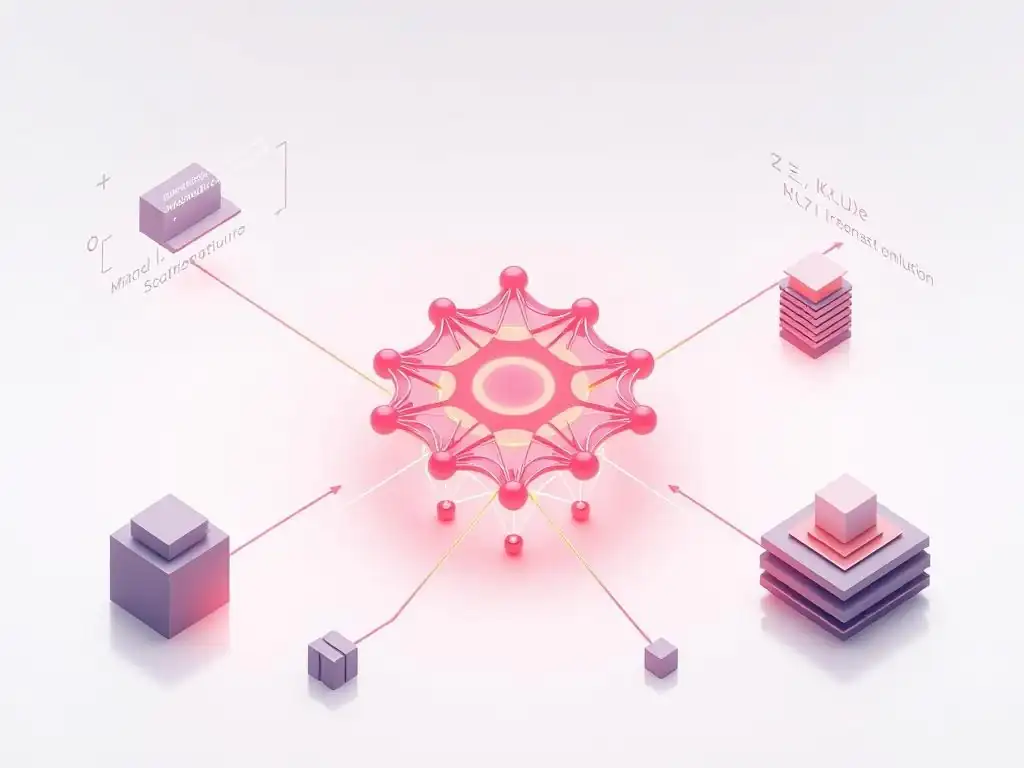
Fuel Network vs. Optimistic Rollups: Performance and Security Considerations
Optimistic Rollups and Fuel Network represent distinct approaches to Layer-2 scaling, each with its own set of performance and security trade-offs. Optimistic Rollups, as the name suggests, optimistically assume transactions are valid and only challenge them if fraud is suspected. This optimistic approach allows for higher throughput and lower fees compared to Layer-1, but introduces a challenge period, typically 7 days, for withdrawals to the main chain. This delay is a significant drawback for users who require fast access to their funds.
Fuel Network, on the other hand, prioritizes speed and concurrency through its modular design and parallel transaction execution. While Optimistic Rollups offer scalability gains, Fuel Network aims for even greater performance improvements, potentially exceeding the throughput of Optimistic Rollups. In terms of security, both solutions rely on the security of the underlying Layer-1 chain (like Ethereum).
Optimistic Rollups inherit Ethereum's security directly, while Fuel Network also benefits from Ethereum's security for settlement and data availability. However, the fraud-proof mechanism of Optimistic Rollups and the unique architecture of Fuel Network present different security profiles that are continuously being analyzed and refined within the blockchain community.
Fuel Network vs. ZK-Rollups: Exploring Trade-offs in Scalability Solutions
ZK-Rollups, or Zero-Knowledge Rollups, offer another compelling Layer-2 scaling solution, utilizing cryptographic proofs to ensure transaction validity without the need for a challenge period. This allows ZK-Rollups to offer faster withdrawals compared to Optimistic Rollups, often with similar or even better transaction throughput. However, ZK-Rollups are generally more complex to implement and computationally intensive, particularly for general-purpose smart contracts.
Fuel Network distinguishes itself from ZK-Rollups through its modular design and focus on parallel execution using a UTXO-based model. While ZK-Rollups excel in data compression and validity proofs, Fuel Network's architecture aims for maximal transaction throughput through parallelization. ZK-Rollups often require specialized hardware and can have higher computational overhead for proof generation.
Fuel Network, while also technologically sophisticated, takes a different approach, focusing on optimizing execution through modularity and parallel processing. The choice between Fuel Network and ZK-Rollups often depends on the specific application requirements, with Fuel Network potentially offering advantages in scenarios demanding extremely high transaction speeds and concurrency, while ZK-Rollups might be preferred for applications prioritizing rapid finality and data privacy features.
Fuel Network's Approach to Scalability: A Unique Perspective
Fuel Network's approach to scalability stands out due to its unique combination of modularity, parallel execution, and UTXO-based model. Unlike some Layer-2 solutions that focus primarily on data compression or validity proofs, Fuel Network tackles scalability at the execution layer itself. This focus on execution optimization differentiates Fuel Network and positions it as a Layer-2 solution specifically designed for high-performance DeFi applications that demand ultra-fast transactions.
The modular architecture allows Fuel Network to specialize as an execution layer, enabling it to be highly optimized for transaction processing. Parallel transaction execution, enabled by the UTXO model, maximizes throughput and minimizes latency. This combination of features results in a Layer-2 solution that is not just about reducing fees but also about dramatically increasing transaction speed and efficiency. Fuel Network's unique perspective on scalability, centered on execution layer optimization, offers a powerful and distinct approach to addressing the challenges of scaling DeFi and unlocking its full potential.
Use Cases: Applications Benefiting from Fuel Network's Speed
High-Frequency Trading on Decentralized Exchanges (DEXs)
Fuel Network's ultra-fast transaction speeds and high throughput are particularly advantageous for high-frequency trading (HFT) on Decentralized Exchanges (DEXs). Traditional DEXs on Layer-1 blockchains often suffer from slow transaction confirmation times and gas fee volatility, making HFT strategies impractical or unprofitable. Fuel Network overcomes these limitations, providing an environment where HFT on DEXs becomes not only feasible but also highly efficient. Traders can execute rapid-fire buy and sell orders, capitalize on fleeting market opportunities, and implement sophisticated algorithmic trading strategies that demand low latency and high transaction volume.
The ability to perform high-frequency trading on Fuel Network DEXs has significant implications for market efficiency and liquidity. Increased trading activity and tighter spreads can benefit all users of the DEX, not just HFT firms. Furthermore, it opens up new possibilities for market makers and arbitrageurs who rely on speed to execute their strategies effectively. Fuel Network's speed and efficiency can transform the landscape of decentralized trading, making DEXs more competitive with centralized exchanges in terms of performance and functionality, especially for users engaging in high-volume or time-sensitive trading activities.
Complex DeFi Composability: Unlocking New Possibilities
Fuel Network's enhanced transaction speed and throughput are crucial for unlocking the full potential of DeFi composability. DeFi composability refers to the ability of different DeFi protocols to seamlessly interact and build upon each other, creating complex and innovative financial applications. However, the limitations of Layer-1 blockchains often hinder complex composability due to slow transaction times and high gas fees, making intricate multi-step DeFi strategies cumbersome and expensive.
Fuel Network, with its ultra-fast transactions, removes these barriers and enables a new level of DeFi composability. Users can execute multi-step transactions across different DeFi protocols in a single, rapid sequence, without incurring prohibitive costs or delays. This opens the door to more sophisticated DeFi strategies, such as complex yield farming techniques, automated portfolio rebalancing across multiple protocols, and intricate arbitrage opportunities spanning various DeFi platforms. Fuel Network's speed empowers developers to build more complex and interconnected DeFi applications, fostering greater innovation and creating a more robust and versatile decentralized financial ecosystem.
Scalable Payment Solutions: Micropayments and Beyond
Beyond DeFi trading and complex applications, Fuel Network's scalability makes it well-suited for building scalable payment solutions, including micropayments. Traditional blockchain networks often struggle with micropayments due to high transaction fees that can exceed the value of the payment itself. Fuel Network's drastically reduced transaction costs and high throughput make micropayments economically viable and practically feasible. This opens up possibilities for new payment models and use cases that were previously impractical with blockchain technology.
Fuel Network can facilitate a wide range of scalable payment applications, from content monetization and pay-per-use services to in-app purchases and machine-to-machine payments. The low transaction fees enable businesses to process numerous small payments efficiently and cost-effectively. Furthermore, the fast transaction speeds ensure a smooth and seamless payment experience for users. Fuel Network's scalability can contribute to the broader adoption of cryptocurrency payments by making them practical for everyday transactions, including small-value payments, paving the way for a more decentralized and efficient payment infrastructure.
FuelVM: The Execution Environment Powering Fuel Network
FuelVM's Capabilities: Smart Contract Execution and Beyond
FuelVM is the custom-built virtual machine that serves as the execution environment for Fuel Network. It is specifically designed and optimized to leverage Fuel Network's unique architecture and maximize performance. FuelVM is not just a standard smart contract execution engine; it is engineered to handle parallel transaction execution and is tailored to support the UTXO-based model of Fuel Network. This specialized design allows FuelVM to achieve significantly higher performance and efficiency compared to general-purpose virtual machines used in other blockchain platforms.
Beyond basic smart contract execution, FuelVM is designed to support a wider range of functionalities and optimizations relevant to Fuel Network's goals. It is built to be highly efficient in processing transactions concurrently and managing the UTXO state. FuelVM's capabilities are continuously evolving to further enhance performance and security, ensuring that Fuel Network remains at the forefront of Layer-2 scaling technology. Its specialized design is a key factor in Fuel Network's ability to deliver ultra-fast DeFi transactions and support complex, high-throughput applications.
Optimizing for Performance: FuelVM's Design Choices
FuelVM's design is heavily focused on performance optimization, reflecting Fuel Network's core mission of delivering ultra-fast transactions. Several key design choices contribute to FuelVM's performance capabilities. One crucial aspect is its tight integration with Fuel Network's parallel execution engine. FuelVM is specifically built to efficiently process transactions in parallel, taking full advantage of Fuel Network's architecture. This parallel processing capability is a significant departure from traditional virtual machines that are designed for sequential execution.
Furthermore, FuelVM is optimized for the UTXO-based model, which allows for more efficient state management and transaction verification compared to account-based models. The design choices in FuelVM also prioritize minimizing computational overhead and maximizing execution speed. This includes efficient memory management, optimized opcode execution, and a streamlined architecture. These performance-focused design decisions collectively contribute to FuelVM's ability to execute smart contracts and process transactions with exceptional speed and efficiency, making it a crucial component of Fuel Network's high-performance Layer-2 solution.
Sway Language: A Domain-Specific Language for FuelVM
To further optimize the development experience and performance within the Fuel Network ecosystem, Sway has been introduced as a domain-specific language (DSL) for FuelVM. Sway is a smart contract language designed specifically for FuelVM, offering advantages over general-purpose languages like Solidity in terms of performance, security, and developer ergonomics within the Fuel Network environment. Sway is inspired by Rust and aims to provide a safer, more efficient, and developer-friendly language for building smart contracts on FuelVM.
The use of Sway allows developers to write smart contracts that are naturally optimized for FuelVM's architecture and capabilities. Sway's design emphasizes safety and security, incorporating features that help prevent common smart contract vulnerabilities. Furthermore, Sway is designed to be more performant than general-purpose languages when compiled and executed on FuelVM. By using a domain-specific language tailored to FuelVM, Fuel Network aims to provide developers with the best possible tools to build high-performance and secure DeFi applications that can fully leverage the speed and efficiency of the Fuel Network platform.
The Future of Fuel Network and DeFi Scalability
Fuel Network's Roadmap: Upcoming Features and Developments
Fuel Network is continuously evolving, with an active roadmap focused on further enhancing its capabilities and expanding its ecosystem. Upcoming features and developments are aimed at solidifying Fuel Network's position as a leading Layer-2 scaling solution for DeFi. While specific details are subject to change and announcements should be monitored through official Fuel Network channels, the roadmap generally includes advancements in network performance, developer tooling, and ecosystem growth.
Future developments may include further optimizations to FuelVM, enhancements to parallel transaction execution, and the introduction of new features to improve developer experience and application functionality. Expansion of the Fuel Network ecosystem is also a key focus, with efforts to onboard more DeFi projects and integrate with other blockchain platforms. The roadmap reflects Fuel Network's commitment to continuous improvement and its vision of providing a robust and scalable infrastructure for the future of DeFi. Staying informed about the latest updates through official Fuel Network channels is recommended to track the progress and upcoming features of this evolving Layer-2 solution.
Fuel Network's Role in the Blockchain Ecosystem
Fuel Network is poised to play a significant role in the broader blockchain ecosystem, particularly within the rapidly growing DeFi sector. As a specialized execution layer focused on speed and scalability, Fuel Network addresses a critical bottleneck in current blockchain infrastructure. Its ability to deliver ultra-fast transactions and reduced fees can unlock new possibilities for DeFi and contribute to the mass adoption of decentralized financial services. Fuel Network's modular approach also offers flexibility and interoperability, allowing it to potentially integrate with various Layer-1 blockchains in the future.
Fuel Network's impact extends beyond just DeFi. Its scalable architecture can also benefit other blockchain applications that require high transaction throughput, such as gaming, social media, and various enterprise solutions. By providing a high-performance execution layer, Fuel Network contributes to the overall scalability and efficiency of the blockchain ecosystem. Its focus on modularity and specialization represents a significant trend in blockchain architecture, paving the way for more scalable and adaptable decentralized systems. Fuel Network's role is to provide crucial infrastructure that empowers the next generation of blockchain applications and drives wider adoption.
Fuel Network: Paving the Way for Mass Adoption of DeFi
Ultimately, Fuel Network's primary goal is to pave the way for mass adoption of DeFi. By addressing the critical challenges of scalability and transaction costs, Fuel Network removes significant barriers that have hindered the wider uptake of decentralized finance. Its ultra-fast transaction speeds, reduced fees, and improved user experience make DeFi more accessible, efficient, and appealing to a broader audience. Fuel Network is not just about technological innovation; it is about making DeFi practical and usable for everyday users.
Fuel Network's contribution to DeFi mass adoption is multifaceted. It enables more complex and sophisticated DeFi applications, fosters greater user participation through lower fees, and provides a seamless and responsive user experience.
By creating a high-performance and user-friendly environment for DeFi, Fuel Network empowers developers to build innovative solutions and users to engage with decentralized finance more easily and effectively. Fuel Network's vision is to be a catalyst for the widespread adoption of DeFi, transforming the financial landscape and bringing the benefits of decentralized finance to the masses, making Fuel Network DeFi transactions a cornerstone of the future of finance.
Frequently Asked Questions
What is the Fuel Network and what is its primary focus?
The Fuel Network is a modular execution layer designed to provide ultra-fast transactions. Its primary focus is on improving the speed and efficiency of decentralized applications, particularly within the DeFi space.
How does the Fuel Network facilitate faster DeFi transactions compared to other blockchains?
Fuel utilizes a modular architecture and parallel transaction execution to achieve higher throughput. This allows for increased transaction speeds within DeFi applications compared to traditional blockchains.
What are the potential benefits of using the Fuel Network for DeFi developers?
Developers can benefit from faster transaction processing, lower gas fees, and improved scalability. This can lead to a better user experience and more efficient DeFi protocols.
Beyond DeFi, what other potential applications could benefit from the Fuel Network's technology?
The Fuel Network's capabilities extend beyond DeFi. It can be applied to other areas requiring high transaction speeds and scalability, such as gaming, supply chain management, and enterprise solutions.
What is the current regulatory landscape surrounding modular blockchains like the Fuel Network?
The regulatory landscape is still evolving. Regulators are actively examining the implications of modular blockchains and decentralized systems, with potential implications for compliance and operation.
Final Reflection: Unleashing the Potential of Fuel Network DeFi Transactions
The promise of decentralized finance hinges on speed and scalability, and Fuel Network's modular execution layer directly addresses the bottlenecks that have hindered widespread adoption. The ability to process DeFi transactions at unprecedented speeds isn't just a technical achievement; it's a gateway to a future where financial services are truly accessible and efficient for everyone.
The impact of Fuel Network on the DeFi landscape is already palpable, fostering innovation and attracting developers eager to build the next generation of decentralized applications. Witnessing this evolution firsthand underscores the transformative power of technology to reshape our financial systems. The future of finance is decentralized, and the future of decentralization is fast.
This quote encapsulates the urgency and potential of projects like Fuel Network to revolutionize how we interact with digital assets.
As we stand on the cusp of this new era, I invite you to consider the implications of ultra-fast DeFi transactions. How can you leverage this technology to empower yourself and your community? What new opportunities will arise when financial interactions are seamless and instantaneous? The future of DeFi is being built today, and your participation is essential to shaping its trajectory.
Unleash the Power of UltraFast Transactions!
Thanks for diving into the world of Fuel Network! We hope you found this overview helpful in understanding its potential to revolutionize transaction speeds on the blockchain. Now, let's put that knowledge into action!
Here's how you can explore Fuel and be part of its growth:
- Dive into the Fuel Network documentation: Start building on Fuel! Understanding the technical details is the best way to unlock its potential.
- Join the Fuel Network community on Discord and engage in discussions with developers and enthusiasts. Share your insights and learn from others!
- Share this article on your favorite social media platform to help spread the word about Fuel and its game-changing technology!
What exciting use cases for ultra-fast transactions do you envision building on Fuel? Share your ideas in the comments below!
Leave a Reply