
The Future of Blockchain Sharding: Roadmaps and Emerging Trends


Welcome to Blockchain Trends, your go-to resource for understanding the revolution beyond digital currencies. Ever wondered how blockchain can truly scale to meet the demands of a decentralized future? Dive into our latest analysis as we unpack the crucial Blockchain sharding roadmap strategies, exploring how they're poised to reshape the landscape of blockchain scalability and interoperability. Discover the emerging trends and challenges that lie ahead, and unlock the potential of this transformative technology. Ready to peek into the future of faster, more efficient blockchains?
The Future of Blockchain Sharding: Roadmaps and Emerging Trends
- Introduction: Understanding Blockchain Sharding and its Importance for Scalability
-
Blockchain Sharding Roadmap Strategies: A Deep Dive
- Analyzing Key Blockchain Sharding Roadmap Strategies
- Layer-1 Sharding Solutions: Native Protocol Modifications and their Implications
- Layer-2 Sharding Approaches: Building Scalability on Existing Blockchains
- Cross-Shard Communication: Challenges and Solutions for Inter-Shard Transactions
- Shard Security and Data Availability: Ensuring Robustness in Sharded Blockchains
-
Emerging Trends in Blockchain Sharding Technology
- Dynamic Sharding: Adapting to Network Conditions and Transaction Volume
- Adaptive Shard Allocation: Optimizing Resource Utilization in Sharded Systems
- The Role of AI in Sharding: Predicting and Mitigating Potential Issues
- Integration with Other Scalability Solutions: Sharding and Rollups
- Sharding for Enterprise Blockchains: Tailoring Solutions for Specific Use Cases
- The Impact of Regulatory Landscape on Blockchain Sharding Development
- Case Studies: Real-World Applications and Performance Analysis of Blockchain Sharding
-
Challenges and Opportunities in the Future of Blockchain Sharding
- Overcoming the Challenges of Data Consistency and Security in Sharded Blockchains
- Addressing the Complexity of Cross-Shard Communication
- Exploring New Opportunities for Innovation and Development in Sharding Technology
- The Future of Decentralized Applications (dApps) with Sharding: A Scalable Ecosystem
- Conclusion: The Potential of Blockchain Sharding to Revolutionize Decentralized Systems
-
Frequently Asked Questions
- What is blockchain sharding, and why is it important?
- What are some key challenges in implementing blockchain sharding?
- What are some common blockchain sharding roadmap strategies?
- How does blockchain sharding relate to other scaling solutions like Layer-2 solutions?
- What is the future outlook for blockchain sharding and its impact on decentralized systems?
- Final Reflection: Embracing the Future of Blockchain Sharding
- Unearth the Power of Scalable Blockchains!
Introduction: Understanding Blockchain Sharding and its Importance for Scalability
The Bottleneck Problem: Why Blockchain Scalability Matters
Blockchain technology, since its inception with Bitcoin, has promised a decentralized and secure future for various applications, from finance to supply chain management. However, a fundamental challenge hindering widespread adoption is scalability. Traditional blockchains, in their original design, process transactions sequentially. This linear processing creates a bottleneck, limiting the number of transactions the network can handle per second.
For example, Bitcoin's network historically processes around 7 transactions per second (TPS), and Ethereum, before its major upgrades, hovered around 15-25 TPS. These figures pale in comparison to centralized payment processors like Visa, which can handle thousands of TPS, theoretically up to 24,000 TPS. This disparity in transaction throughput directly impacts user experience, leading to slower transaction confirmation times and higher transaction fees, especially during periods of network congestion.
The scalability bottleneck is not just a theoretical concern; it has real-world implications for the usability and cost-effectiveness of blockchain applications. Consider a decentralized application (dApp) aiming for mass adoption, such as a decentralized social media platform or a high-frequency decentralized exchange (DEX). If the underlying blockchain cannot handle the volume of transactions generated by a large user base, the dApp will become slow, expensive to use, and ultimately, unattractive compared to centralized alternatives.
Furthermore, the energy consumption of some blockchain consensus mechanisms, like Proof-of-Work, exacerbates the scalability issue, as increasing the block size to accommodate more transactions can lead to even greater energy consumption without proportionally increasing TPS. Therefore, addressing blockchain scalability is paramount for realizing the full potential of decentralized technologies and enabling their mainstream adoption across diverse industries.
Defining Blockchain Sharding: A Solution to Transaction Throughput Limitations
Blockchain sharding is a database partitioning technique adapted to the decentralized ledger context to address the scalability bottleneck. Inspired by distributed database systems, sharding breaks down the blockchain into smaller, manageable pieces called "shards." Instead of every node in the network processing every single transaction, nodes are divided into groups, and each group (shard) is responsible for processing only a fraction of the network's transactions.
This parallel processing significantly increases the overall transaction throughput of the blockchain network. Think of it like dividing a busy highway into multiple lanes; each lane handles a portion of the traffic, allowing more cars to pass through simultaneously.
In a sharded blockchain, the network's state, which includes the transaction history and account balances, is also divided across shards. Each shard maintains its own independent ledger and processes transactions relevant to its assigned portion of the state. When a transaction is initiated, it is routed to the appropriate shard based on certain criteria, such as the sender's and receiver's addresses or the type of transaction.
This distribution of workload across multiple shards allows the network to process transactions concurrently, leading to substantial improvements in TPS. Crucially, sharding aims to maintain the core principles of blockchain technology – decentralization, security, and transparency – while achieving significantly enhanced scalability. The complexity lies in designing sharding mechanisms that ensure data consistency, secure cross-shard communication, and prevent attacks that target individual shards, which are all critical aspects of effective blockchain sharding roadmap strategies.
Current Sharding Implementations: A Brief Overview of Existing Approaches
Several blockchain projects have explored and implemented sharding in various forms, each with its own approach and trade-offs. One of the most prominent examples is Ethereum 2.0's planned sharding implementation, initially envisioned to significantly boost the network's capacity. While the precise roadmap for Ethereum sharding has evolved, the core concept involves creating multiple shards that operate in parallel, increasing the overall transaction processing power of the Ethereum network. Although full sharding on Ethereum has been delayed and refocused, the underlying research and development have contributed significantly to the understanding of sharding complexities.
Another notable example is Zilliqa, which implemented network sharding on its mainnet in 2019. Zilliqa shards its network at the transaction level, meaning different shards process different sets of transactions concurrently. This approach has demonstrated significant scalability improvements in practice.
Projects like Near Protocol also employ sharding, utilizing a "Nightshade" sharding design, which aims for a simpler and more efficient sharding architecture. Furthermore, Polkadot, while not strictly implementing sharding itself in the same way as Ethereum or Zilliqa, uses a parachain architecture that can be considered a form of sharding at the blockchain level, where multiple independent blockchains (parachains) operate in parallel and connect to a central relay chain. These diverse implementations showcase the ongoing exploration and evolution of blockchain sharding techniques, highlighting the different approaches being taken to tackle the challenge of scalability and informing the development of future blockchain sharding roadmap strategies.
Blockchain Sharding Roadmap Strategies: A Deep Dive
Analyzing Key Blockchain Sharding Roadmap Strategies
Developing effective blockchain sharding roadmap strategies requires careful consideration of various factors, including the desired level of scalability, security trade-offs, complexity of implementation, and compatibility with existing blockchain infrastructure. One fundamental strategic decision is the type of sharding to implement. Common sharding approaches include state sharding, transaction sharding, and network sharding, each with its own advantages and disadvantages.
State sharding, the most complex but potentially most scalable, divides the blockchain's state across shards. Transaction sharding, as implemented by Zilliqa, focuses on parallelizing transaction processing. Network sharding divides the network nodes into shards, which can be combined with state or transaction sharding.
Another crucial aspect of sharding roadmap strategies is the approach to cross-shard communication. When transactions involve accounts or data residing in different shards, mechanisms are needed to enable secure and efficient communication between shards. Strategies for cross-shard communication range from synchronous approaches, which can introduce latency, to asynchronous methods, which require more complex concurrency control mechanisms. Furthermore, security considerations are paramount.
Sharding introduces new attack vectors, such as single-shard takeovers, where malicious actors could attempt to compromise a single shard. Therefore, robust security mechanisms, including random shard assignment and fraud-proof systems, are essential components of any viable blockchain sharding roadmap strategy. The choice of consensus mechanism within each shard and across the entire sharded network also plays a significant role in the overall performance and security of the sharded blockchain.
Layer-1 Sharding Solutions: Native Protocol Modifications and their Implications
Layer-1 sharding solutions involve making fundamental modifications to the base protocol of a blockchain to implement sharding. This approach offers the potential for the most significant scalability gains, as sharding is directly integrated into the core architecture of the blockchain. Ethereum's ongoing development towards sharding represents a prominent example of a Layer-1 sharding strategy.
The initial vision of Ethereum 2.0 sharding aimed to distribute the network's workload across numerous shards, drastically increasing transaction throughput without relying on secondary layers or external solutions. However, Layer-1 sharding is inherently complex to implement and requires significant protocol upgrades and coordination across the entire network.
One of the major implications of Layer-1 sharding is the need for hard forks or substantial protocol changes, which can be disruptive and require community consensus. Furthermore, ensuring the security and data availability across all shards in a Layer-1 sharding implementation presents significant technical challenges. For instance, maintaining data consistency across shards and preventing double-spending attacks in a sharded environment requires sophisticated consensus mechanisms and cross-shard communication protocols.
Despite these complexities, Layer-1 sharding remains a highly promising approach for achieving true blockchain scalability, as it directly addresses the limitations of the base protocol and paves the way for handling massive transaction volumes natively within the blockchain network. The long-term success of Layer-1 sharding hinges on overcoming the technical and coordination challenges associated with implementing such fundamental protocol modifications.
Layer-2 Sharding Approaches: Building Scalability on Existing Blockchains
Layer-2 sharding approaches offer an alternative strategy by building sharding solutions on top of existing Layer-1 blockchains without requiring fundamental protocol modifications. This approach leverages the security and established infrastructure of the underlying Layer-1 blockchain while adding a sharding layer to enhance scalability. Examples of Layer-2 scalability solutions that can be adapted for sharding concepts include state channels and sidechains. While not sharding in the purest sense, these Layer-2 techniques can partition the transaction processing and state management, effectively achieving some of the scalability benefits of sharding without altering the base Layer-1 protocol.
Layer-2 sharding solutions offer several advantages, including faster deployment and reduced risk of disrupting the main blockchain network. They can be implemented incrementally and tested in a less critical environment before potentially being integrated more deeply into the Layer-1 protocol. However, Layer-2 solutions often introduce trade-offs in terms of security and decentralization compared to native Layer-1 sharding.
For instance, relying on sidechains for sharding might introduce new trust assumptions and dependencies on the sidechain operators. Furthermore, the scalability gains achievable with Layer-2 sharding might be limited compared to the potential scalability offered by Layer-1 sharding, as Layer-2 solutions are still ultimately constrained by the transaction throughput of the underlying Layer-1 blockchain. Despite these limitations, Layer-2 sharding approaches provide a pragmatic and potentially quicker path to improving blockchain scalability, especially for blockchains that are hesitant to undergo radical Layer-1 protocol changes.
Cross-Shard Communication: Challenges and Solutions for Inter-Shard Transactions
Cross-shard communication is a critical aspect of blockchain sharding, as it enables transactions and interactions between different shards. When users or applications need to interact with data or accounts located in separate shards, mechanisms are required to facilitate secure and efficient communication between these shards. This introduces significant challenges in terms of maintaining data consistency, preventing double-spending across shards, and minimizing latency in cross-shard transactions. One of the primary challenges is ensuring atomicity in cross-shard transactions, meaning that either the entire transaction across multiple shards succeeds, or it completely fails, preventing inconsistent states.
Various solutions are being explored to address cross-shard communication challenges. One approach is to use atomic cross-shard transactions protocols, which ensure atomicity but can introduce complexity and latency. Another strategy involves asynchronous cross-shard communication, where transactions are processed independently in each shard and then reconciled asynchronously.
Asynchronous approaches can improve performance but require careful design to handle potential concurrency issues and ensure data consistency. Furthermore, techniques like "receipts" or "proofs" can be used to verify the validity of transactions in other shards, enabling secure cross-shard interactions without requiring direct synchronous communication for every transaction. The development of efficient and secure cross-shard communication mechanisms is essential for the practical viability of sharded blockchains and remains a key area of ongoing research and development in blockchain sharding roadmap strategies.
Security and data availability are paramount concerns in sharded blockchains. Sharding, by dividing the network into smaller units, can potentially introduce new vulnerabilities if not carefully designed. One major security challenge is the risk of "single-shard takeover" attacks, where malicious actors could concentrate their resources to compromise a single shard, which might be easier than attacking the entire un-sharded network.
To mitigate this risk, robust shard security mechanisms are essential, including techniques like random shard assignment, where nodes are randomly assigned to shards to prevent attackers from targeting specific shards. Furthermore, mechanisms to detect and respond to malicious activity within shards are crucial for maintaining the overall security of the sharded blockchain.
Data availability is another critical aspect. In a sharded blockchain, each shard only stores a portion of the overall blockchain data. It is essential to ensure that the data within each shard is reliably available and that no single shard can withhold data, which could compromise the integrity of the entire blockchain.
Data availability sampling techniques are being explored to address this challenge, allowing nodes to verify data availability without downloading the entire shard data. Furthermore, redundancy mechanisms, such as data replication across multiple nodes or shards, can enhance data availability and fault tolerance. Ensuring both shard security and data availability requires a comprehensive approach, combining cryptographic techniques, robust consensus mechanisms within shards, and network-level security protocols to maintain the overall robustness and trustworthiness of sharded blockchain systems.
Emerging Trends in Blockchain Sharding Technology
Dynamic Sharding: Adapting to Network Conditions and Transaction Volume
Dynamic sharding represents an advanced approach to blockchain sharding that aims to adapt the sharding configuration in response to changing network conditions and transaction volume. Traditional static sharding configurations, where the number of shards and shard assignments are fixed, might not be optimal in dynamic environments where transaction loads fluctuate significantly.
Dynamic sharding seeks to address this limitation by allowing the network to automatically adjust the number of shards, shard sizes, and node assignments based on real-time network demand and resource availability. For example, during periods of high transaction volume, the network could dynamically increase the number of shards to handle the increased load, and conversely, reduce the number of shards during periods of low activity to optimize resource utilization.
Implementing dynamic sharding introduces significant complexity, as it requires sophisticated mechanisms for monitoring network conditions, triggering shard splits or merges, and re-assigning nodes to shards without disrupting network operations. However, the potential benefits of dynamic sharding are substantial, including improved resource efficiency, enhanced scalability under varying loads, and greater resilience to network congestion.
Research in dynamic sharding is exploring various techniques, such as adaptive shard splitting and merging algorithms, dynamic node re-sharding protocols, and decentralized control mechanisms for managing shard configurations. Dynamic sharding represents a cutting-edge trend in blockchain sharding technology, aiming to create more flexible, efficient, and scalable blockchain networks that can adapt to the ever-changing demands of decentralized applications and user activity.
Adaptive Shard Allocation: Optimizing Resource Utilization in Sharded Systems
Adaptive shard allocation focuses on optimizing the distribution of nodes and resources across shards in a sharded blockchain system. In a statically sharded network, nodes might be unevenly distributed across shards, leading to resource imbalances and potentially underutilization of network capacity. Adaptive shard allocation aims to address this by dynamically adjusting the assignment of nodes to shards based on factors such as shard load, node capacity, and network topology. The goal is to achieve a more balanced distribution of resources, ensuring that shards are neither overloaded nor underutilized, and that the overall network capacity is efficiently leveraged.
Adaptive shard allocation strategies can consider various metrics for optimization, including transaction processing load per shard, node processing power, network latency between nodes and shards, and even node reputation or stake in the network. Algorithms for adaptive shard allocation might employ techniques from distributed resource management, load balancing, and optimization theory to determine the optimal assignment of nodes to shards.
Implementing adaptive shard allocation requires mechanisms for monitoring shard loads and node resources, algorithms for calculating optimal re-allocations, and protocols for securely and efficiently re-assigning nodes to different shards without compromising network security or availability. Adaptive shard allocation is a crucial emerging trend in blockchain sharding, aiming to enhance resource efficiency and optimize the performance of sharded blockchain networks.
The Role of AI in Sharding: Predicting and Mitigating Potential Issues
Artificial intelligence (AI) is increasingly being explored for its potential role in enhancing blockchain sharding technologies. AI techniques, particularly machine learning, can be applied to various aspects of sharding, including predicting network congestion, optimizing shard allocation, detecting and mitigating security threats, and improving cross-shard communication efficiency. For instance, AI algorithms can be trained to analyze historical network data and real-time network metrics to predict periods of high transaction volume or potential network bottlenecks. This predictive capability can enable dynamic sharding systems to proactively adjust shard configurations in anticipation of increased load, improving overall network responsiveness and scalability.
AI can also play a role in optimizing shard allocation by learning patterns in transaction routing and node performance to dynamically assign nodes to shards in a way that balances load and maximizes resource utilization. Furthermore, AI-powered security systems can be used to detect anomalous activity within shards or across the network, potentially identifying and mitigating security threats more effectively than traditional rule-based security mechanisms.
For example, machine learning models can be trained to recognize patterns of malicious behavior or identify potential single-shard takeover attempts. The integration of AI into blockchain sharding is still in its early stages, but the potential benefits for enhancing performance, security, and adaptability are significant, making it a promising area of future research and development.
Integration with Other Scalability Solutions: Sharding and Rollups
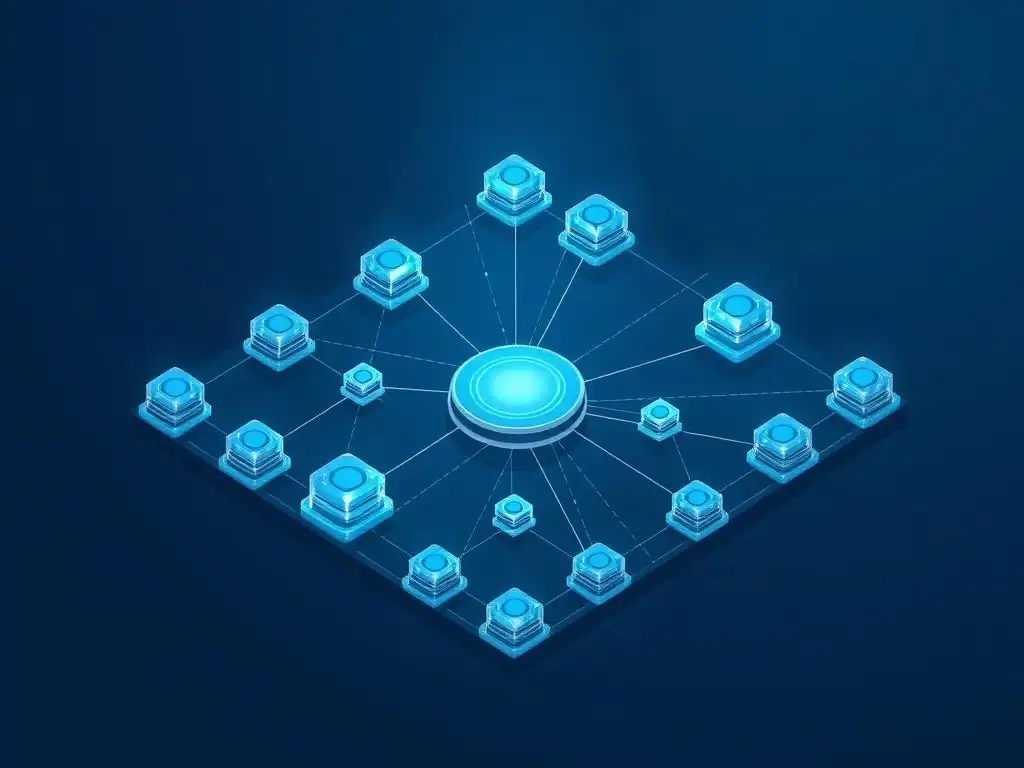
Sharding is often considered alongside other Layer-2 scalability solutions, such as rollups, as complementary approaches to achieving massive blockchain scalability. Rollups, which process transactions off-chain and then post compressed transaction data and state roots to the main chain, offer significant scalability improvements by reducing the computational burden on the Layer-1 blockchain. Integrating sharding with rollups can potentially create a synergistic effect, further enhancing scalability beyond what either technology could achieve independently. For example, in a sharded blockchain, each shard could support multiple rollups, allowing for parallel processing of rollup transactions across different shards.
This combined approach, sometimes referred to as "shard chains" with rollups, could enable blockchain networks to handle extremely high transaction volumes, potentially reaching levels comparable to centralized payment systems. The integration of sharding and rollups also allows for a layered scalability architecture, where rollups handle the bulk of transaction processing off-chain, while sharding provides the underlying infrastructure for scaling the Layer-1 blockchain and anchoring the rollup transactions securely.
Exploring the optimal ways to combine sharding and rollups, including different rollup types (e.g., optimistic rollups, zero-knowledge rollups) and sharding architectures, is an active area of research and development, with the potential to unlock truly massive scalability for blockchain technology.
While much of the focus on blockchain sharding has been on public, permissionless blockchains, sharding also holds significant potential for enterprise blockchain applications. Enterprise blockchains, often permissioned or private, have different scalability requirements and priorities compared to public blockchains. Enterprises may need to handle high transaction volumes within their internal networks or across consortiums, but they might also have specific security, privacy, and compliance requirements.
Sharding solutions for enterprise blockchains can be tailored to address these specific needs. For example, in a permissioned setting, shard assignment and access control can be managed more centrally, potentially simplifying the implementation of sharding and enhancing security within the enterprise context.
Furthermore, enterprise blockchain sharding solutions can be optimized for specific use cases, such as supply chain management, financial transactions, or healthcare data sharing. For instance, in a supply chain application, shards could be organized geographically or by supply chain participant, optimizing transaction processing and data access for specific segments of the supply chain.
Enterprises might also prioritize certain features in their sharding solutions, such as strong data privacy controls, compliance with regulatory requirements, and integration with existing enterprise IT systems. The development of sharding solutions tailored for enterprise blockchains is an emerging trend, recognizing the distinct needs and opportunities within the enterprise blockchain space and exploring how sharding can enable scalable and efficient enterprise-grade blockchain deployments.
The Impact of Regulatory Landscape on Blockchain Sharding Development
The regulatory landscape surrounding blockchain technology remains evolving and often uncertain, and this uncertainty has significant implications for the development and deployment of blockchain sharding implementations. Different jurisdictions have varying approaches to regulating cryptocurrencies and blockchain-based systems, and these regulations can impact the design and operation of sharded blockchains.
For example, regulations related to data privacy, such as GDPR in Europe, might require specific considerations in how data is partitioned and managed across shards, especially if shards are geographically distributed. Similarly, regulations related to anti-money laundering (AML) and know-your-customer (KYC) compliance might necessitate mechanisms for tracking transactions and user identities across shards, adding complexity to sharding implementations.
Navigating this regulatory uncertainty requires blockchain developers and projects to closely monitor regulatory developments in different jurisdictions and design sharding solutions that are adaptable to evolving regulatory requirements. This might involve incorporating privacy-preserving technologies into sharding designs, implementing robust identity management and compliance mechanisms, and ensuring that sharded blockchain systems can operate within the bounds of applicable regulations.
Regulatory clarity and harmonization across jurisdictions would significantly benefit the development and adoption of blockchain sharding, providing a more predictable and stable environment for innovation and deployment. However, in the absence of complete regulatory clarity, a proactive and adaptable approach to regulatory compliance is crucial for ensuring the long-term viability and legality of blockchain sharding technologies.
Compliance Considerations: Ensuring Sharding Solutions Meet Regulatory Standards
Compliance considerations are paramount for ensuring that blockchain sharding solutions meet regulatory standards and can be legally deployed and operated. Sharding, while enhancing scalability, also introduces new complexities from a compliance perspective.
For instance, data residency requirements, which mandate that certain types of data must be stored and processed within specific geographical boundaries, can be challenging to address in a sharded blockchain where data is distributed across multiple shards, potentially located in different jurisdictions. Similarly, regulations related to data access and auditability might require specific mechanisms for accessing and auditing transaction data and state information across shards, while maintaining data privacy and security.
Ensuring compliance in sharded blockchains requires a multi-faceted approach, involving careful design of the sharding architecture, implementation of robust data governance and access control mechanisms, and adherence to relevant regulatory frameworks. This might include incorporating privacy-enhancing technologies, such as zero-knowledge proofs or secure multi-party computation, to protect sensitive data within shards and during cross-shard communication.
Furthermore, sharding solutions need to be designed to facilitate auditing and reporting, allowing regulators and auditors to verify compliance with applicable regulations. Proactive engagement with regulatory bodies and industry standards organizations is also crucial for understanding evolving compliance requirements and shaping the development of sharding solutions that meet these standards.
The Role of Standards: Fostering Interoperability and Adoption of Sharding Technologies
Standards play a crucial role in fostering interoperability and accelerating the adoption of blockchain sharding technologies. As sharding implementations proliferate, the need for interoperability between different sharded blockchains and between sharded and non-sharded blockchains becomes increasingly important. Standards can define common protocols, data formats, and interfaces for cross-shard communication, shard management, and security mechanisms, enabling different sharded blockchain systems to interact seamlessly and exchange data or assets. Interoperability standards can reduce fragmentation in the blockchain ecosystem and facilitate the development of cross-shard applications and services.
Furthermore, standards can promote best practices in sharding design and implementation, ensuring a baseline level of security, performance, and reliability across different sharding solutions. Standardization efforts can also address regulatory compliance requirements, providing a common framework for developers and projects to build sharding solutions that meet regulatory expectations.
Industry consortia, standards development organizations, and open-source communities all have a role to play in developing and promoting blockchain sharding standards. The development and adoption of robust and widely accepted standards are essential for unlocking the full potential of blockchain sharding and enabling its widespread adoption across various industries and use cases.
Case Studies: Real-World Applications and Performance Analysis of Blockchain Sharding
Examining Successful Sharding Deployments: Lessons Learned and Best Practices
While large-scale, fully sharded public blockchains are still under development and refinement, several projects have implemented sharding or sharding-inspired techniques, providing valuable insights and lessons learned. Zilliqa's implementation of transaction sharding on its mainnet since 2019 represents a significant real-world deployment. Zilliqa has demonstrated substantial improvements in transaction throughput compared to non-sharded blockchains, showcasing the practical scalability benefits of transaction sharding.
Analysis of Zilliqa's performance and operational experience provides valuable data on the effectiveness of transaction sharding in a live blockchain environment. Lessons learned from Zilliqa's deployment include the importance of robust shard management protocols, efficient cross-shard communication mechanisms, and security considerations specific to sharded networks.
Another relevant case study is Near Protocol's "Nightshade" sharding design, which emphasizes simplicity and practicality in sharding implementation. Near Protocol's approach focuses on state sharding with a simplified architecture, aiming to reduce the complexity and overhead associated with more intricate sharding designs. Examining Near Protocol's implementation and performance metrics can provide insights into the trade-offs between sharding complexity and scalability gains.
Furthermore, projects like Harmony, with its "Effective Proof-of-Stake" (EPoS) and sharding architecture, also offer practical examples of sharding in action. Analyzing these existing sharding deployments, their performance benchmarks, and the challenges they have encountered provides valuable real-world data and best practices for guiding the future development and deployment of blockchain sharding technologies.
Case Study 1: Sharding in a Decentralized Exchange (DEX)
Decentralized exchanges (DEXs) are a prime use case for blockchain sharding due to their inherent need for high transaction throughput and low latency. Traditional DEXs built on non-sharded blockchains often suffer from scalability limitations, leading to slow order execution, high gas fees, and poor user experience, especially during periods of high trading activity. Implementing sharding in a DEX can significantly improve its scalability and performance, enabling it to handle a much larger volume of trades and users.
Imagine a DEX utilizing state sharding, where different shards manage different trading pairs or asset pools. This would allow for parallel processing of trades across shards, drastically increasing the DEX's capacity.
For example, a DEX sharded into 10 shards could theoretically process 10 times the number of trades compared to a non-sharded DEX, assuming efficient cross-shard communication for trades involving assets across different shards. Cross-shard communication in a DEX context would be crucial for enabling users to trade assets that are managed by different shards. Furthermore, sharding can improve the responsiveness of the DEX, as transactions are processed in parallel, leading to faster order confirmations and a smoother trading experience.
A sharded DEX could potentially compete with centralized exchanges in terms of performance and scalability while maintaining the core principles of decentralization, transparency, and user custody of funds. Performance analysis of a sharded DEX would focus on metrics such as trade execution speed, transaction throughput (trades per second), order book depth, and latency, demonstrating the scalability gains achieved through sharding compared to traditional DEX architectures.
Case Study 2: Sharding for a Global Payment Network
A global payment network built on blockchain technology requires immense scalability to handle the volume of transactions associated with worldwide payments. Traditional payment systems like Visa and Mastercard process thousands of transactions per second globally. To compete with these systems and offer a decentralized alternative, a blockchain-based global payment network needs to achieve comparable scalability. Sharding provides a potential pathway to achieve this level of scalability. Consider a global payment network sharded geographically, where shards are responsible for processing transactions within specific regions or countries. This geographic sharding could optimize transaction routing and reduce latency for regional payments.
Alternatively, sharding could be implemented based on transaction types or account types, further optimizing processing efficiency. Cross-shard communication would be essential for international payments, enabling transactions to be routed and processed across different geographic shards. Security and data privacy are also critical considerations for a global payment network.
Sharding security mechanisms would need to be robust to prevent attacks and ensure the integrity of the payment network. Furthermore, compliance with data privacy regulations in different jurisdictions would need to be addressed in the sharding design. Performance benchmarks for a sharded global payment network would include transaction throughput (payments per second), transaction settlement time, network latency, and transaction costs, demonstrating the scalability and efficiency gains compared to non-sharded blockchain payment systems and traditional payment networks.
Performance Benchmarks: Evaluating the Scalability Gains of Sharding
Performance benchmarks are crucial for evaluating the effectiveness of blockchain sharding and quantifying the scalability gains achieved. Key performance metrics for sharded blockchains include transaction throughput (TPS), transaction latency (confirmation time), and resource utilization (CPU, memory, network bandwidth). Comparing these metrics for sharded blockchains to non-sharded blockchains provides a direct measure of the scalability improvements offered by sharding.
For example, Zilliqa has reported achieving significantly higher TPS compared to non-sharded blockchains like Ethereum (before its transition to Proof-of-Stake), demonstrating the practical scalability benefits of transaction sharding. Performance benchmarks often involve stress testing sharded blockchains under high transaction loads to assess their capacity limits and identify potential bottlenecks.
Furthermore, benchmarks can compare different sharding architectures and configurations, evaluating the trade-offs between different sharding approaches, such as state sharding versus transaction sharding, or different cross-shard communication protocols. Realistic performance benchmarks should also consider the overhead introduced by sharding mechanisms, such as shard management, cross-shard communication, and security protocols.
The goal of performance benchmarking is not just to achieve high TPS in ideal lab conditions but to evaluate the real-world scalability and performance of sharded blockchains under various network conditions and workloads. Standardized benchmarking methodologies and publicly available performance data are essential for objectively comparing different sharding solutions and guiding the ongoing development and optimization of blockchain sharding technologies.
Challenges and Opportunities in the Future of Blockchain Sharding
Overcoming the Challenges of Data Consistency and Security in Sharded Blockchains
Data consistency and security remain significant challenges in the future development of sharded blockchains. Ensuring data consistency across multiple shards, particularly during cross-shard transactions and network partitions, requires sophisticated consensus mechanisms and concurrency control protocols. Maintaining strong data consistency while maximizing scalability is a delicate balancing act. Traditional consensus mechanisms, like Byzantine Fault Tolerance (BFT), can become less efficient as the number of shards increases, potentially limiting the scalability gains of sharding. Research is ongoing to develop more scalable and efficient consensus mechanisms specifically designed for sharded blockchains, such as probabilistic consensus protocols or hybrid consensus approaches.
Security challenges in sharded blockchains include the risk of single-shard takeover attacks, data availability issues, and vulnerabilities related to cross-shard communication. Mitigating these security risks requires robust security mechanisms, including random shard assignment, fraud-proof systems, data availability sampling, and secure cross-shard communication protocols. Furthermore, formal verification and rigorous security audits are essential for ensuring the security and robustness of sharded blockchain implementations.
Addressing the challenges of data consistency and security is crucial for building trustworthy and reliable sharded blockchain systems that can be deployed in real-world applications and gain widespread adoption. Overcoming these challenges represents a key focus of ongoing research and development in blockchain sharding.
Addressing the Complexity of Cross-Shard Communication
The complexity of cross-shard communication is a major hurdle in realizing the full potential of blockchain sharding. Efficient and secure cross-shard communication is essential for enabling transactions and interactions between different shards, but it introduces significant technical challenges. Maintaining atomicity in cross-shard transactions, minimizing latency, and preventing double-spending across shards require sophisticated protocols and mechanisms. Synchronous cross-shard communication can introduce latency and reduce overall throughput, while asynchronous approaches require complex concurrency control and data consistency management. Developing practical and efficient cross-shard communication solutions is a key area of ongoing research and development.
Various approaches are being explored, including atomic cross-shard transaction protocols, asynchronous communication with optimistic concurrency control, and sharding architectures that minimize the need for frequent cross-shard interactions. Furthermore, the design of cross-shard communication protocols needs to consider security implications, ensuring that cross-shard messages are authenticated, integrity-protected, and resistant to malicious manipulation. Simplifying the complexity of cross-shard communication and developing robust and efficient solutions are critical for making sharded blockchains more practical and deployable in real-world applications. Addressing this complexity is essential for unlocking the scalability benefits of sharding without introducing unacceptable performance overhead or security vulnerabilities.
Exploring New Opportunities for Innovation and Development in Sharding Technology
Despite the challenges, blockchain sharding presents numerous opportunities for innovation and further development. Areas ripe for innovation include dynamic sharding, adaptive shard allocation, AI-enhanced sharding, and integration with other scalability solutions like rollups. Dynamic sharding offers the potential to create more flexible and efficient blockchain networks that can adapt to changing network conditions and transaction loads.
Adaptive shard allocation can optimize resource utilization and improve overall network performance. AI techniques can be leveraged to predict network congestion, detect security threats, and optimize sharding parameters. Integration with rollups and other Layer-2 solutions can create synergistic scalability gains, pushing the boundaries of blockchain scalability even further.
Furthermore, research into new sharding architectures, consensus mechanisms tailored for sharded environments, and more efficient cross-shard communication protocols continues to be crucial. Exploration of sharding for specific use cases, such as enterprise blockchains, decentralized finance (DeFi), and the Internet of Things (IoT), can drive innovation in tailored sharding solutions optimized for particular application domains. The ongoing development of blockchain sharding is a dynamic and evolving field, with significant opportunities for researchers, developers, and entrepreneurs to contribute to the advancement of this critical scalability technology and unlock the full potential of decentralized systems.
The Future of Decentralized Applications (dApps) with Sharding: A Scalable Ecosystem
The advent of blockchain sharding has the potential to revolutionize the landscape of decentralized applications (dApps) by enabling the creation of a truly scalable ecosystem. Current dApps often face scalability limitations on non-sharded blockchains, hindering their ability to handle large user bases and complex functionalities.
Sharding removes these scalability bottlenecks, paving the way for dApps that can rival the performance and user experience of centralized applications while retaining the benefits of decentralization, transparency, and security. With sharding, dApps can handle massive transaction volumes, support complex smart contracts, and accommodate millions of users without sacrificing performance or increasing transaction costs excessively.
The future of dApps with sharding envisions a vibrant ecosystem of decentralized services and applications spanning various domains, from decentralized finance (DeFi) and social media to gaming and supply chain management. Sharding can enable the development of more sophisticated and feature-rich dApps, pushing the boundaries of what's possible in the decentralized space.
Furthermore, sharding can foster greater interoperability between dApps, as different dApps can potentially operate on different shards of the same sharded blockchain, facilitating seamless communication and data exchange. The scalability unlocked by sharding is essential for realizing the vision of a truly decentralized internet and a future where dApps become mainstream alternatives to centralized applications, empowering users and fostering innovation in a more open and transparent digital world.
Conclusion: The Potential of Blockchain Sharding to Revolutionize Decentralized Systems
Summarizing the Key Trends and Roadmap Strategies in Blockchain Sharding
Blockchain sharding stands as a pivotal technology in addressing the scalability challenges that have long hindered the widespread adoption of blockchain technology. Key trends in blockchain sharding roadmap strategies include the exploration of both Layer-1 and Layer-2 sharding solutions, each with its own set of trade-offs and implementation complexities. Layer-1 sharding offers the potential for fundamental scalability gains through native protocol modifications, while Layer-2 approaches provide more pragmatic and incremental paths to scalability.
Cross-shard communication remains a critical area of focus, with ongoing research dedicated to developing efficient and secure mechanisms for inter-shard transactions. Security and data availability are paramount considerations, requiring robust mechanisms to prevent single-shard takeovers and ensure data integrity across sharded networks.
Emerging trends in sharding technology include dynamic sharding, adaptive shard allocation, and the integration of AI to optimize sharding performance and security. The regulatory landscape also plays a significant role in shaping sharding development, necessitating compliance considerations and the need for adaptable sharding solutions that can navigate regulatory uncertainty. Case studies of existing sharding deployments, such as Zilliqa and Near Protocol, provide valuable real-world insights and best practices.
Performance benchmarks are essential for quantifying the scalability gains of sharding and comparing different sharding architectures. Challenges remain in data consistency, security, and cross-shard communication complexity, but these challenges are also driving innovation and opening up new opportunities for development in sharding technology.
The Long-Term Vision: Sharding as a Cornerstone of Future Blockchain Infrastructure
The long-term vision for blockchain technology positions sharding as a cornerstone of future blockchain infrastructure. As blockchain adoption continues to grow and decentralized applications become more prevalent, the need for scalable blockchain networks will become even more critical. Sharding offers a promising path towards achieving the massive scalability required to support mainstream blockchain adoption and enable the vision of a decentralized internet. Sharded blockchains have the potential to handle transaction volumes comparable to centralized payment systems, unlocking new possibilities for decentralized finance, global payment networks, and a wide range of other applications.
Sharding is not just a short-term fix for scalability limitations; it represents a fundamental architectural shift in blockchain design, enabling blockchain networks to scale horizontally and adapt to increasing demand. As sharding technology matures and becomes more widely adopted, it is expected to become an integral part of the underlying infrastructure for future blockchain platforms, providing the scalability foundation for a decentralized and more efficient digital world.
The ongoing research and development in sharding are paving the way for a future where blockchain technology can truly realize its transformative potential and become a ubiquitous and essential component of the global digital infrastructure.
Call to Action: Encouraging Collaboration and Standardization in Blockchain Sharding
To fully realize the potential of blockchain sharding, collaboration and standardization are crucial. Collaboration among researchers, developers, industry stakeholders, and regulatory bodies is essential for addressing the remaining challenges, fostering innovation, and ensuring the responsible and secure development of sharding technologies. Open-source initiatives, industry consortia, and academic partnerships can play a vital role in driving collaborative research and development efforts.
Standardization is also critical for promoting interoperability between different sharded blockchains and facilitating the widespread adoption of sharding technologies. Developing and adopting common standards for cross-shard communication, security protocols, and data formats can reduce fragmentation in the blockchain ecosystem and enable seamless integration of sharded blockchains into existing systems and applications.
A concerted effort towards collaboration and standardization is needed to accelerate the maturation of blockchain sharding, address regulatory concerns, and unlock the full potential of this transformative technology. By working together, the blockchain community can pave the way for a future where sharding becomes a foundational element of a scalable, secure, and interoperable decentralized ecosystem, revolutionizing various industries and empowering users in a more open and transparent digital world.
Frequently Asked Questions
What is blockchain sharding, and why is it important?
Blockchain sharding is a scaling technique that divides a blockchain into smaller, more manageable pieces called shards. This increases transaction throughput and reduces the burden on individual nodes, making the network faster and more efficient.
What are some key challenges in implementing blockchain sharding?
Implementing sharding presents challenges like ensuring data availability across shards, maintaining cross-shard communication securely, and preventing single-shard attacks where a malicious actor controls a single shard.
What are some common blockchain sharding roadmap strategies?
Roadmap strategies often involve phased implementations, starting with state sharding, then moving to transaction sharding, and finally computation sharding. Each phase addresses different aspects of scalability and complexity.
How does blockchain sharding relate to other scaling solutions like Layer-2 solutions?
Blockchain sharding aims to improve scalability at the base layer (Layer-1), while Layer-2 solutions operate on top of the base layer. They can be complementary, with sharding providing a foundation for further scaling.
What is the future outlook for blockchain sharding and its impact on decentralized systems?
Blockchain sharding is expected to play a crucial role in the mass adoption of blockchain technology. It will enable faster and more scalable decentralized applications, potentially transforming industries beyond just cryptocurrencies.
Final Reflection: Embracing the Future of Blockchain Sharding
The evolution of blockchain technology is not just a trend; it is a transformative force shaping our digital landscape. As we explore the intricacies of blockchain sharding roadmap strategies, it becomes increasingly clear that these innovations are pivotal in addressing scalability and efficiency challenges. The future of blockchain is bright, and understanding sharding is essential for anyone looking to navigate this rapidly changing environment.
Cultural and social landscapes are being reshaped by the adoption of blockchain technology, and sharding plays a crucial role in this transformation. The ability to enhance transaction speeds and reduce congestion on networks is not merely a technical improvement; it represents a shift towards a more decentralized and equitable digital economy. As we witness this evolution, we are reminded of the words of Vitalik Buterin: The future is not something we enter. The future is something we create.
This sentiment underscores the importance of our collective efforts in shaping the future of blockchain.
As we stand at the crossroads of innovation and implementation, I invite you to reflect on how blockchain sharding can impact your life and work. Consider how you can engage with these emerging trends, whether through education, investment, or advocacy. The journey towards a more scalable and efficient blockchain ecosystem is not just for developers and technologists; it is a shared responsibility that invites everyone to participate. Let us embrace this opportunity to contribute to a future where technology serves the greater good, fostering a more connected and empowered world.
Unearth the Power of Scalable Blockchains!
Thank you for exploring the world of blockchain sharding and its exciting possibilities. We hope you found this overview of roadmaps and emerging trends insightful. Now, take the next step and contribute to shaping the future of scalable blockchain technology.
Here are a few actions you can take today:
- Get involved by contributing to an open-source sharding project and help build the future of blockchain.
- Review whitepapers of various sharding solutions to compare their approaches and details.
- Share this article with your network to start a conversation about the importance of scalability for broader blockchain adoption.
Which sharding projects are you most excited about, and why? Share your thoughts in the comments below!
Leave a Reply