
Gaming on the Blockchain: How Layer2 Enables Immersive Experiences

Welcome to Blockchain Trends, your compass in the rapidly evolving world of decentralized technology! Dive into the transformative potential of blockchain beyond cryptocurrency.
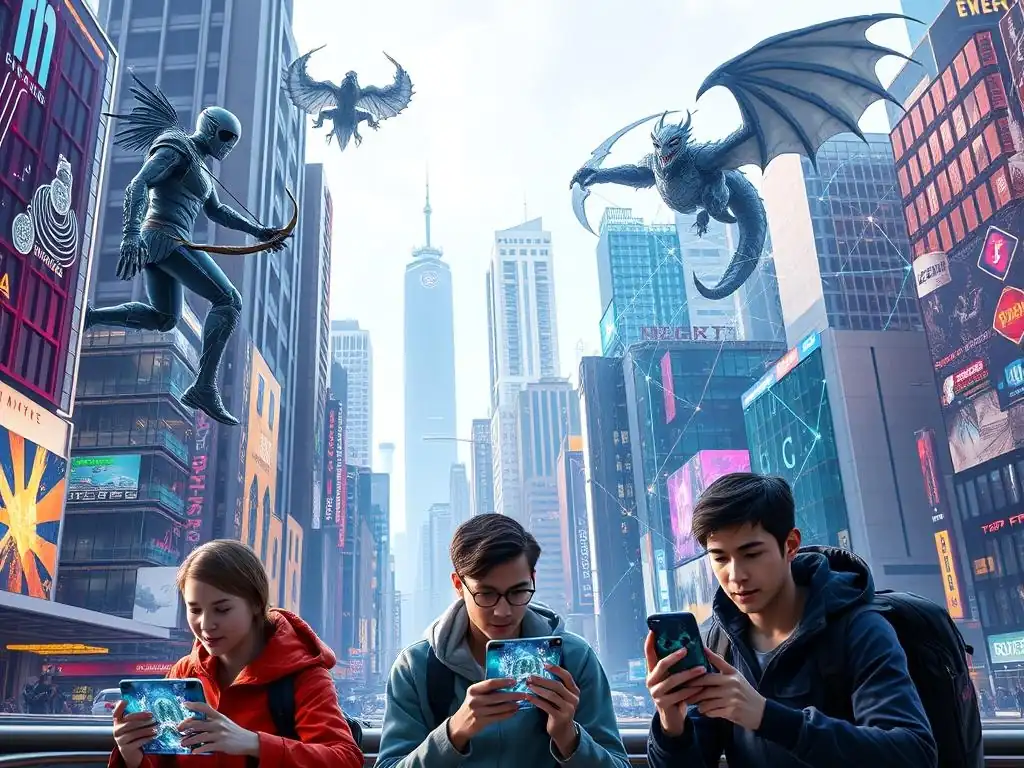
Ever wondered how to unlock truly immersive gaming experiences on the blockchain? Our latest deep dive explores the groundbreaking role of Blockchain Gaming Layer 2 solutions. Discover how these innovations are revolutionizing the gaming landscape and paving the way for a new era of decentralized entertainment. Prepare to level up your understanding!
Gaming on the Blockchain: How Layer 2 Enables Immersive Experiences
- Introduction: The Promise of Blockchain Gaming and its Scalability Challenges
- What is Layer 2 Scaling for Blockchain Games?
- Popular Layer 2 Solutions for Blockchain Gaming
- How Layer 2 Enhances Immersive Gaming Experiences
- The Future of Blockchain Gaming with Layer 2 Scaling
- Case Studies: Blockchain Games Leveraging Layer 2
- Overcoming the Challenges of Blockchain Gaming Layer 2 Adoption
- Conclusion: Layer 2 as the Key to Unlocking the Full Potential of Blockchain Gaming
-
Frequently Asked Questions
- How does Layer 2 technology improve the gaming experience on the blockchain?
- What are some examples of Layer 2 solutions being used in blockchain gaming?
- Why is scalability so important for blockchain gaming?
- What are the benefits of using blockchain in gaming besides just decentralized ownership?
- What regulatory challenges might arise as blockchain gaming becomes more popular?
- Final Reflection: Unlocking the Future of Immersive Play
- Dive Deeper: Unlock Next-Level Blockchain Gaming!
Introduction: The Promise of Blockchain Gaming and its Scalability Challenges
Exploring the Potential of Blockchain Gaming: Ownership, Interoperability, and New Economies
Blockchain gaming is rapidly evolving from a niche concept to a potentially transformative force in the gaming industry. At its core, blockchain technology promises to revolutionize gaming by introducing true digital ownership. Unlike traditional games where in-game assets are controlled by developers, blockchain games empower players with ownership of their digital items, often represented as Non-Fungible Tokens (NFTs). This ownership extends beyond the game itself, allowing players to trade, sell, or even use their assets across different gaming ecosystems, fostering unprecedented interoperability.
Moreover, blockchain gaming is pioneering new economic models, most notably Play-to-Earn (P2E). This model incentivizes players to participate and contribute to the game ecosystem by rewarding them with cryptocurrency or NFTs that have real-world value. This paradigm shift moves away from the traditional pay-to-play or free-to-play models, creating opportunities for players to earn income while engaging in their favorite pastime. Early successes, although sometimes controversial, have demonstrated the immense potential of these new player-centric economies and their ability to attract and retain large player bases, especially in regions where traditional income opportunities are limited.
Understanding the Scalability Bottleneck: Why Blockchain Needs Layer 2 for Gaming
Despite the exciting potential, the widespread adoption of blockchain gaming faces significant hurdles, primarily related to scalability. Traditional blockchains, especially Layer 1 networks like Ethereum, were not designed to handle the high transaction volume and low latency required for seamless gaming experiences. Consider a popular online game with thousands of concurrent players performing actions – buying items, battling, trading – each of which, on a base layer blockchain, would need to be processed and validated. This would lead to network congestion, slow transaction speeds, and exorbitant gas fees, making gameplay clunky and prohibitively expensive.
For instance, during peak periods, the Ethereum network has experienced transaction processing times exceeding several minutes and gas fees reaching upwards of $50 per transaction. Imagine paying such fees for every in-game item purchase or action in a fast-paced game. This scalability bottleneck directly undermines the immersive experience that gamers expect and hinders the mass adoption of blockchain gaming. Therefore, to realize the vision of truly immersive and widely accessible blockchain games, efficient scaling solutions are indispensable. This is where Layer 2 scaling solutions come into play, offering a crucial pathway to overcome these limitations.
What is Layer 2 Scaling for Blockchain Games?
Defining Layer 2 Solutions: Off-Chain Transactions and Enhanced Throughput
Layer 2 solutions are protocols built on top of an existing blockchain (Layer 1) to increase transaction throughput and reduce costs without compromising security. Instead of processing every transaction directly on the main blockchain, Layer 2 solutions handle transactions off-chain, meaning they occur on a separate, interconnected network. These off-chain transactions are then periodically or conditionally settled on the main Layer 1 blockchain, leveraging its security and decentralization while significantly boosting efficiency.
Think of Layer 1 as a major highway – secure and reliable but prone to traffic jams during peak hours. Layer 2 solutions are like express lanes or parallel roads built alongside the highway. They offload much of the traffic, allowing for faster movement while still benefiting from the security and infrastructure of the main highway. This approach dramatically increases the number of transactions that can be processed per second (TPS) and reduces the cost per transaction, making blockchain technology viable for applications requiring high throughput and low latency, such as gaming.
Key Benefits of Layer 2 in Gaming: Speed, Cost, and User Experience
The integration of Layer 2 solutions into blockchain gaming brings a multitude of benefits, primarily centered around speed, cost, and user experience. Speed is paramount in gaming; players expect near-instantaneous feedback and responsiveness. Layer 2 solutions achieve this by processing transactions much faster than Layer 1 blockchains. For instance, some Layer 2 solutions can process thousands of transactions per second, compared to Layer 1 networks which might handle only tens or hundreds. This speed translates to real-time gameplay, seamless in-game interactions, and faster asset trading within games.
Cost is another critical factor. High gas fees on Layer 1 blockchains can deter players, especially for microtransactions common in games. Layer 2 solutions drastically reduce gas fees, often to fractions of a cent per transaction.
This cost reduction makes blockchain gaming accessible to a wider audience, including players in regions with lower average incomes, and enables game developers to implement more complex in-game economies without transaction costs becoming a barrier. Finally, improved user experience is the ultimate goal. By abstracting away the complexities of blockchain and providing faster, cheaper transactions, Layer 2 solutions create a smoother and more enjoyable gaming experience, bringing blockchain games closer to the seamlessness of traditional games.
Popular Layer 2 Solutions for Blockchain Gaming
Rollups: Optimistic and ZK-Rollups for Scalable Game Transactions
Rollups are a prominent type of Layer 2 scaling solution that aggregates multiple transactions into a single batch and submits them to the Layer 1 blockchain. There are two main types of rollups: Optimistic Rollups and Zero-Knowledge (ZK) Rollups. Optimistic Rollups assume transactions are valid by default and only perform computation on the main chain in case of a dispute.
This optimistic approach allows for high throughput and lower gas fees. Examples like Arbitrum and Optimism are popular and can be adapted for gaming, though they typically have a challenge period (around 7 days) for withdrawals to Layer 1, which might be less ideal for immediate asset transfers in gaming contexts.
ZK-Rollups, on the other hand, use cryptographic proofs called zero-knowledge proofs to verify the validity of transactions off-chain before submitting them to Layer 1. This method provides even higher security and faster finality compared to Optimistic Rollups because there is no challenge period. ZK-Rollups like StarkWare's StarkEx and zkSync are gaining traction in blockchain gaming due to their ability to handle a massive number of transactions with near-instant finality and lower gas costs, making them particularly suitable for games requiring frequent and rapid in-game actions and asset exchanges.
Sidechains: Independent Blockchains for Dedicated Gaming Ecosystems
Sidechains are independent blockchains that run parallel to the main Layer 1 blockchain and are connected to it via a bridge. They operate with their own consensus mechanisms and block parameters, allowing for greater flexibility and customization tailored to specific application needs, such as gaming. Sidechains offer significant scalability improvements as they process transactions independently from the main chain, reducing congestion and increasing throughput. A well-known example in blockchain gaming is Ronin, a sidechain built specifically for Axie Infinity.
Ronin allows for near-instantaneous and virtually gas-free transactions within the Axie Infinity ecosystem, enabling smooth gameplay and a thriving in-game economy. While sidechains offer scalability benefits, they introduce a different security model compared to rollups. Security in sidechains relies on their own consensus mechanism, which may be less decentralized or robust than the Layer 1 chain they are bridged to. However, for dedicated gaming ecosystems like Axie Infinity, the performance and cost benefits of sidechains often outweigh the security trade-offs, especially when designed with security considerations in mind.
State Channels: Direct Communication for Real-Time Gameplay
State channels are Layer 2 solutions that enable direct, off-chain communication and transaction processing between participants. They work by locking up a portion of the blockchain state (e.g., cryptocurrency or NFTs) in a multi-signature contract on Layer 1. Participants can then conduct numerous transactions off-chain, updating the state within the channel without broadcasting each transaction to the main blockchain. Once the interaction is complete, the final state is settled back on Layer 1.
State channels are particularly well-suited for applications requiring frequent interactions between a limited number of parties, such as real-time gameplay scenarios. They offer extremely low latency and high throughput as transactions occur directly between participants without blockchain confirmation for each step.
However, state channels are generally less flexible than rollups or sidechains as they are typically designed for specific, pre-defined interactions between known participants and may not be ideal for handling open, permissionless gaming environments with many players and dynamic interactions. Examples like Connext and Raiden Network illustrate the state channel concept, although their direct application in large-scale blockchain gaming is still evolving.
How Layer 2 Enhances Immersive Gaming Experiences
Faster Transaction Speeds: Enabling Real-Time Gameplay and Interactions
The most immediate impact of Layer 2 solutions on blockchain gaming is the dramatic increase in transaction speeds. Traditional Layer 1 blockchains often have transaction processing times measured in seconds or even minutes, which is unacceptable for real-time gaming experiences. Layer 2 solutions, particularly ZK-Rollups and sidechains, can reduce transaction confirmation times to sub-second levels. This speed enhancement unlocks the potential for truly real-time gameplay, where player actions and interactions are processed and reflected almost instantaneously within the game world.
Imagine a fast-paced action game or a competitive strategy game where every move, attack, or trade needs to be registered on the blockchain. Without Layer 2, delays in transaction confirmation would lead to lag, disrupted gameplay, and a frustrating user experience. With Layer 2, players can experience the responsiveness and fluidity comparable to traditional web2 games, making blockchain games significantly more engaging and immersive. This capability is crucial for attracting and retaining a mainstream gaming audience accustomed to high-performance gaming experiences.
Reduced Gas Fees: Making Blockchain Gaming Accessible to a Wider Audience
High gas fees on Layer 1 blockchains have been a major barrier to entry for many potential blockchain gamers. For casual players or those in regions with lower economic means, paying several dollars in gas fees for every in-game transaction is simply not feasible. Layer 2 solutions effectively address this issue by significantly reducing gas fees. By processing transactions off-chain and batching them onto Layer 1, Layer 2 solutions can lower transaction costs by orders of magnitude, sometimes reducing fees to fractions of a cent.
This dramatic reduction in gas fees opens up blockchain gaming to a much wider audience. It allows for microtransactions, such as buying small in-game items or participating in frequent in-game events, to become economically viable. Furthermore, lower fees encourage greater player participation in blockchain-based game economies, fostering more active trading, crafting, and other in-game economic activities. By removing the financial barrier imposed by high gas fees, Layer 2 solutions democratize access to blockchain gaming and pave the way for mass adoption.
Improved User Experience: Seamless Integration and Enhanced Gameplay
Beyond speed and cost, Layer 2 solutions contribute to a significantly improved user experience in blockchain gaming. By abstracting away the complexities of interacting directly with Layer 1 blockchains, Layer 2 solutions can provide a more seamless and user-friendly gaming environment. Players can interact with blockchain games without constantly being confronted with the technicalities of crypto wallets, gas fees, and transaction confirmations on the main chain.
Many Layer 2 solutions are designed to integrate seamlessly with existing gaming platforms and user interfaces. This means players can potentially onboard into blockchain games with minimal friction, using familiar gaming interfaces and payment methods. The enhanced speed and reduced costs enabled by Layer 2 also translate directly into smoother gameplay, fewer interruptions, and a more enjoyable overall gaming experience. This focus on user experience is critical for bridging the gap between traditional gamers and the world of blockchain gaming and making it accessible and appealing to a broader audience.
Axie Infinity on Ronin: Scaling Play-to-Earn with a Dedicated Sidechain
Axie Infinity, one of the pioneering and most successful Play-to-Earn blockchain games, provides a compelling example of how Layer 2 solutions can enable large-scale blockchain gaming. Initially built on the Ethereum mainnet, Axie Infinity quickly faced scalability challenges as its popularity surged. High gas fees and slow transaction times on Ethereum hindered gameplay and made the in-game economy less accessible. To address these issues, Axie Infinity developed Ronin, a dedicated sidechain specifically designed for its ecosystem.
Ronin acts as a custom-built Layer 2 solution, allowing Axie Infinity players to conduct transactions – such as breeding Axies, trading NFTs, and claiming rewards – with near-instantaneous confirmation and negligible gas fees. The migration to Ronin was instrumental in enabling Axie Infinity's explosive growth and sustaining its vibrant Play-to-Earn economy. By leveraging a sidechain, Axie Infinity demonstrated the power of Layer 2 solutions in overcoming scalability limitations and creating a truly immersive and economically viable blockchain gaming experience for millions of players worldwide.
The Future of Blockchain Gaming with Layer 2 Scaling
Enabling Complex Game Mechanics and Metaverse Integration
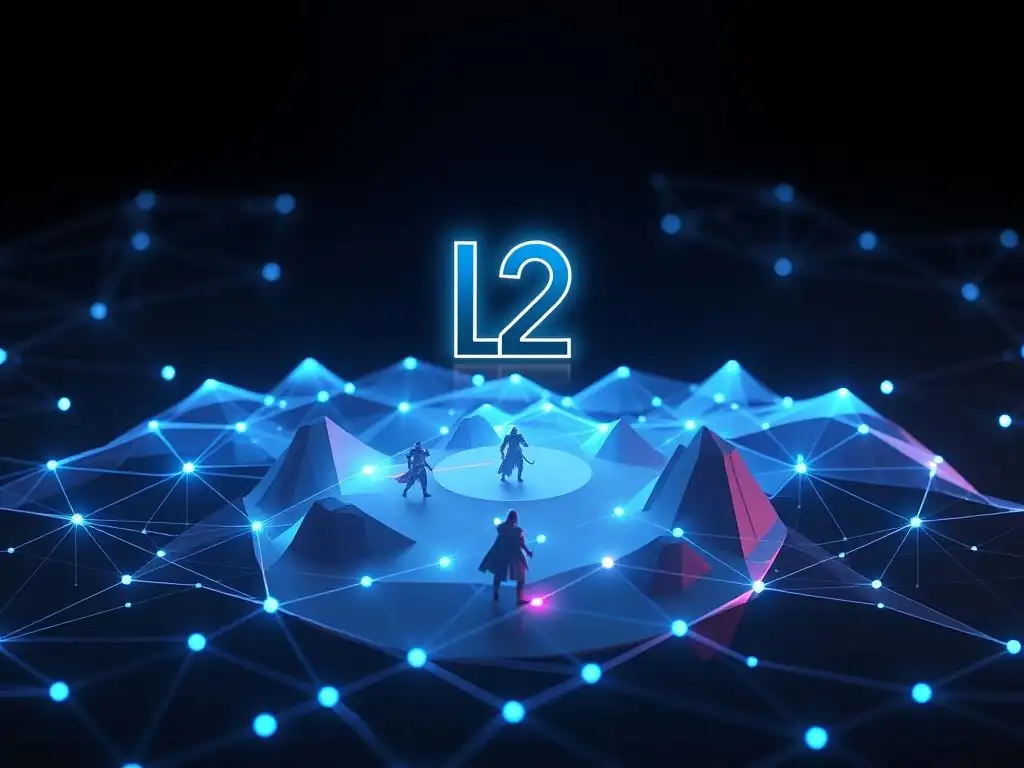
Layer 2 scaling solutions are not just about improving the current state of blockchain gaming; they are essential for unlocking its future potential. With the scalability limitations addressed by Layer 2, game developers can explore and implement far more complex and ambitious game mechanics. Imagine massively multiplayer online role-playing games (MMORPGs) with thousands of concurrent players, dynamic and persistent game worlds, and intricate in-game economies powered by blockchain. These types of complex games, which were previously impractical due to blockchain scalability issues, become increasingly feasible with Layer 2.
Furthermore, Layer 2 scaling is crucial for the integration of blockchain gaming into the metaverse. Metaverse environments are envisioned as vast, interconnected virtual worlds requiring seamless interaction, high transaction throughput, and low latency. Blockchain technology, particularly with Layer 2 scaling, can provide the infrastructure for metaverse economies, digital asset ownership within virtual worlds, and interoperability between different metaverse platforms. As the metaverse evolves, Layer 2 scaled blockchain gaming is poised to play a central role in creating immersive and interconnected virtual experiences.
Fostering Decentralized Game Development and Community Ownership
Beyond technical enhancements, Layer 2 scaling can also contribute to a more decentralized and community-driven future for game development. Lower transaction costs and increased accessibility enabled by Layer 2 can empower independent game developers and smaller studios to build and deploy blockchain games without the financial barriers associated with Layer 1. This can lead to a more diverse and innovative gaming landscape, with a greater variety of game genres and styles emerging in the blockchain space.
Moreover, Layer 2 can facilitate greater community ownership and governance in blockchain games. With lower gas fees, it becomes more practical for players to participate in decentralized governance mechanisms, vote on game updates, and have a greater say in the direction of game development. This shift towards community ownership can foster stronger player engagement, loyalty, and a sense of shared investment in the game's success, creating more sustainable and thriving blockchain gaming ecosystems.
Addressing Security Considerations in Layer 2 Gaming Solutions
While Layer 2 solutions offer significant scalability benefits, it is crucial to address security considerations. Different Layer 2 solutions have varying security models and trade-offs compared to Layer 1 blockchains. For example, Optimistic Rollups rely on fraud proofs and a challenge period, while ZK-Rollups utilize cryptographic proofs for enhanced security. Sidechains have their own consensus mechanisms, which may or may not be as robust as the Layer 1 chain.
When choosing a Layer 2 solution for blockchain gaming, developers and players need to carefully evaluate the security implications. Factors to consider include the maturity and audit history of the Layer 2 protocol, the decentralization of its operators, and the mechanisms in place to protect against vulnerabilities. As Layer 2 technology matures and best practices evolve, security will continue to be a paramount concern to ensure the long-term viability and trustworthiness of blockchain gaming ecosystems built on these scaling solutions.
Case Studies: Blockchain Games Leveraging Layer 2
Gods Unchained on Immutable X - Examining the impact on user adoption and game performance
Gods Unchained, a popular trading card game on the blockchain, faced similar scalability challenges on Ethereum as Axie Infinity. To overcome these limitations, Gods Unchained partnered with Immutable X, a Layer 2 scaling solution specifically designed for NFTs on Ethereum, utilizing ZK-Rollup technology. Immutable X provides near-instantaneous trading of Gods Unchained cards with zero gas fees for trading and minting.
The integration of Immutable X has had a significant impact on Gods Unchained. User adoption has increased as the gas-free trading environment makes the game more accessible and appealing to a wider audience. Game performance has also improved dramatically, with players able to trade cards and participate in the in-game marketplace seamlessly without experiencing network congestion or high transaction costs. Gods Unchained's experience highlights the effectiveness of ZK-Rollups like Immutable X in enabling performant and user-friendly blockchain gaming experiences, particularly for NFT-based games.
Decentraland on Polygon - Analyzing the benefits and challenges
Decentraland, a virtual world platform built on the blockchain, utilizes Polygon (formerly Matic Network), a Layer 2 scaling solution, to enhance its performance and user experience. Polygon is a sidechain that provides faster and cheaper transactions compared to the Ethereum mainnet, enabling smoother interactions within the Decentraland metaverse, including land trading, in-world transactions, and participation in virtual events.
By leveraging Polygon, Decentraland has benefited from reduced gas fees, making it more affordable for users to engage in the virtual world's economy and participate in various activities. However, Decentraland's experience also highlights some challenges associated with Layer 2 adoption. While Polygon offers scalability, it operates as a separate chain, which can introduce complexities related to bridging assets between Layer 1 and Layer 2 and potential security considerations associated with sidechains. Nevertheless, Polygon has significantly improved the usability and accessibility of Decentraland, demonstrating the benefits of Layer 2 scaling for metaverse-style blockchain games.
Overcoming the Challenges of Blockchain Gaming Layer 2 Adoption
Addressing Security Risks and Vulnerabilities
While Layer 2 solutions offer tremendous potential for blockchain gaming, addressing security risks and vulnerabilities is paramount for widespread adoption. As Layer 2 technologies are still relatively nascent compared to Layer 1 blockchains, they may present new attack vectors and security challenges. Thorough security audits, robust testing, and continuous monitoring are essential to identify and mitigate potential vulnerabilities in Layer 2 protocols and implementations used in gaming.
Furthermore, user education on the security aspects of Layer 2 is crucial. Players need to understand the security models of different Layer 2 solutions and take necessary precautions to protect their assets and accounts. Transparency from Layer 2 developers and game studios regarding security measures and potential risks is also vital for building trust and fostering a secure blockchain gaming ecosystem. Ongoing research and development in Layer 2 security are essential to ensure the long-term safety and reliability of these scaling solutions.
Improving User Education and Onboarding
User education and onboarding remain significant hurdles for mainstream blockchain gaming adoption, even with Layer 2 solutions simplifying the user experience. Many traditional gamers are still unfamiliar with blockchain concepts, crypto wallets, and Layer 2 technologies. Game studios and the blockchain gaming community need to invest in creating user-friendly onboarding processes, educational resources, and intuitive interfaces that abstract away the technical complexities of blockchain.
Simplified wallet integration, in-game tutorials on blockchain mechanics, and clear explanations of the benefits of blockchain gaming are crucial for attracting and retaining mainstream gamers. Making the user experience as seamless and intuitive as possible, comparable to traditional gaming experiences, is key to overcoming the education and onboarding challenges and driving wider adoption of blockchain gaming enabled by Layer 2 solutions.
Fostering Interoperability Between Different Layer 2 Solutions
As the Layer 2 landscape continues to evolve, fostering interoperability between different Layer 2 solutions is becoming increasingly important. Currently, assets and data are often siloed within specific Layer 2 ecosystems, limiting cross-game interoperability and composability. Developing standards and protocols that enable seamless asset transfers and communication between different Layer 2 solutions would unlock greater potential for blockchain gaming.
Interoperability would allow players to use their in-game assets across multiple games built on different Layer 2 solutions, creating a more interconnected and open metaverse gaming ecosystem. It would also foster greater innovation and competition among Layer 2 providers, driving the development of more versatile and user-friendly scaling solutions for blockchain gaming. Efforts to promote Layer 2 interoperability are crucial for realizing the full potential of blockchain gaming and creating a truly open and decentralized gaming future.
Conclusion: Layer 2 as the Key to Unlocking the Full Potential of Blockchain Gaming
The Transformative Impact of Blockchain Gaming Layer 2 on the Industry
Layer 2 scaling solutions are not merely incremental improvements; they represent a transformative leap forward for blockchain gaming. By overcoming the critical scalability bottlenecks of Layer 1 blockchains, Layer 2 solutions unlock the true potential of blockchain technology to revolutionize the gaming industry. They enable faster transaction speeds, significantly reduce gas fees, and improve user experience, paving the way for immersive, accessible, and economically viable blockchain games that can attract a mainstream gaming audience.
The impact of Layer 2 extends beyond technical improvements. It empowers game developers to create more complex and ambitious games, fosters decentralized game development and community ownership, and facilitates the integration of blockchain gaming into the emerging metaverse. Layer 2 is the essential infrastructure layer that is enabling blockchain gaming to move from a niche experiment to a potentially dominant force in the future of interactive entertainment.
Looking Ahead: The Future of Immersive and Scalable Blockchain Games
The future of blockchain gaming is inextricably linked to the continued development and adoption of Layer 2 scaling solutions. As Layer 2 technologies mature, become more secure, and achieve greater interoperability, we can expect to see a surge in innovation and adoption of blockchain gaming. We are likely to witness the emergence of increasingly sophisticated and immersive blockchain games that rival or surpass the quality and engagement of traditional AAA titles.
Layer 2 will enable the creation of vast, persistent, and interconnected metaverse gaming worlds, powered by blockchain economies and player-owned assets. The combination of blockchain technology and Layer 2 scaling has the potential to fundamentally reshape the gaming industry, empowering players, fostering new economic models, and creating truly decentralized and immersive gaming experiences that were previously unimaginable. The journey of blockchain gaming is just beginning, and Layer 2 solutions are the key to unlocking its most exciting and transformative chapters.
Frequently Asked Questions
How does Layer 2 technology improve the gaming experience on the blockchain?
Layer 2 solutions address scalability issues inherent in blockchain, enabling faster transaction speeds and lower gas fees. This leads to a more seamless and responsive gaming experience.
What are some examples of Layer 2 solutions being used in blockchain gaming?
Examples include rollups, sidechains, and validium. These technologies facilitate increased throughput and reduced transaction costs, making blockchain gaming more accessible.
Why is scalability so important for blockchain gaming?
Blockchain games often involve frequent transactions for in-game items and actions. Scalability is crucial to handle this volume without causing network congestion or high gas fees, negatively impacting the user experience.
What are the benefits of using blockchain in gaming besides just decentralized ownership?
Blockchain offers verifiable scarcity of in-game assets, enhanced security, and the potential for cross-game interoperability. This allows players to truly own their assets and use them across different gaming platforms.
What regulatory challenges might arise as blockchain gaming becomes more popular?
Regulatory bodies are grappling with issues such as virtual asset ownership, gambling regulations, and data privacy. Clear guidelines are needed to foster innovation while protecting players and ensuring compliance with existing laws.
Final Reflection: Unlocking the Future of Immersive Play
The exploration of Blockchain gaming layer 2 solutions reveals not just a technological advancement, but a fundamental shift in how we perceive ownership, interaction, and immersion within virtual worlds. The promise of seamless, scalable, and truly decentralized gaming experiences is no longer a distant dream, but a rapidly approaching reality, poised to revolutionize the industry and empower players in unprecedented ways.
The rise of blockchain gaming, fueled by layer 2 technologies, is profoundly reshaping the cultural landscape of gaming. It's about more than just playing games; it's about owning a piece of the game, participating in its economy, and shaping its future. This paradigm shift fosters a deeper connection between players and the games they love, creating communities built on shared ownership and collaborative creation. Gaming is undergoing a transformation, moving from a passive consumption model to an active participation model, where players are not just consumers but also creators and stakeholders.
As we stand on the cusp of this new era, let us embrace the potential of blockchain gaming layer 2 to unlock truly immersive and equitable experiences. Consider how you can participate in this evolution, whether as a player, developer, or investor. Explore the possibilities, engage with the community, and contribute to building a future where gaming is not just entertainment, but a powerful force for creativity, connection, and empowerment.
Dive Deeper: Unlock Next-Level Blockchain Gaming!
Thanks for exploring the exciting world of blockchain gaming and how Layer2 solutions are paving the way for truly immersive experiences! Now that you understand the potential, it's time to elevate your involvement.
Here are a few ways to continue your journey:
- Start playing! Download a blockchain game built on Layer2 to experience seamless gameplay and true asset ownership firsthand. Look for projects mentioned in the article or explore popular game marketplaces.
- Join the conversation! Share your thoughts and experiences with Layer2 gaming on social media using the hashtag #BlockchainGamingTrends. Let's build the community!
- Explore the technology! Dive into the documentation of a Layer2 scaling solution to understand the infrastructure powering the next generation of blockchain games.
What are your initial thoughts on the future of blockchain gaming, and which Layer2 solutions are you most excited about? Share your opinions in the comments below!
Leave a Reply