
State Channels for Enterprise: RealWorld Applications and Use Cases


Welcome to Blockchain Trends, your compass in the evolving world of decentralized technology. The future of blockchain extends far beyond cryptocurrency, touching every industry imaginable. Intrigued by how businesses are leveraging this technology to revolutionize their operations? Dive into our latest article, "State Channels for Enterprise: Real-World Applications and Use Cases," where we explore how blockchain state channels are unlocking unprecedented efficiency and scalability for enterprise applications. Discover the potential and the practicalities, and see how this innovation is shaping the future of blockchain.
- Blockchain State Channels: Enterprise Applications Revolution
- Real-World Applications of State Channels in Enterprise
- Implementing State Channels for Enterprise: Key Considerations
- Benefits of Blockchain State Channels for Enterprise Adoption
- The Future of State Channels in Enterprise Blockchain
-
Frequently Asked Questions
- What are blockchain state channels, and why are they relevant to enterprise applications?
- How do state channels improve efficiency compared to traditional on-chain blockchain transactions?
- What are some real-world enterprise use cases for blockchain state channels?
- What are the primary challenges in implementing blockchain state channels for enterprise solutions?
- How does the use of state channels impact the regulatory landscape for enterprise blockchain applications?
- Final Reflection: Unlocking Enterprise Potential with State Channels
- Unlock the Power of State Channels: Revolutionize Your Enterprise!
Blockchain State Channels: Enterprise Applications Revolution
What are Blockchain State Channels? A Scalability Solution
Blockchain state channels represent a layer-two scaling solution designed to enhance the transaction throughput and efficiency of blockchain networks, especially relevant for enterprise blockchain applications. In essence, state channels allow participants to conduct multiple transactions off-chain, while only committing the opening and closing states to the main blockchain. This mechanism significantly reduces congestion on the main chain, leading to faster transaction speeds and lower transaction fees.
Imagine a highway where most local traffic is diverted to side roads, leaving the main highway free for essential long-distance travel. State channels operate similarly, handling high-volume, frequent interactions off the main blockchain, thereby optimizing its overall performance.
To illustrate, consider a scenario where two companies engage in frequent transactions over a blockchain network. Instead of recording every single transaction directly on the blockchain, they can open a state channel. This channel acts as a temporary, private ledger between them.
Within this channel, they can exchange numerous transactions instantly and at virtually no cost. Only the initial state of opening the channel and the final state upon closing it are recorded on the main blockchain. This approach drastically reduces the load on the main blockchain and increases transaction speed, making it a powerful tool for enterprises seeking scalable blockchain solutions.
Enterprise Blockchain Needs: Scalability, Speed, and Cost Efficiency
Enterprises exploring blockchain technology often face unique challenges compared to public blockchain use cases, particularly concerning scalability, speed, and cost efficiency. Traditional public blockchains, while secure and decentralized, can struggle to handle the high transaction volumes and speed required for many enterprise applications. For instance, global supply chains, financial institutions, and large-scale data management systems demand transaction processing capabilities far exceeding the capacity of many first-generation blockchains. Bitcoin, for example, can process approximately 7 transactions per second, while Ethereum handles around 15. These figures are often insufficient for enterprise-grade applications requiring hundreds or even thousands of transactions per second.
Furthermore, the cost of transactions on public blockchains can be a significant barrier for enterprises. During periods of network congestion, transaction fees can spike dramatically, making frequent or high-volume transactions economically unfeasible. Enterprises need blockchain solutions that can offer predictable and low transaction costs, coupled with rapid transaction finality. State channels directly address these pain points by offloading a significant portion of transaction processing off-chain, thereby dramatically improving scalability and reducing both transaction latency and costs. This makes blockchain technology more attractive and viable for a wider range of enterprise use cases that demand high performance and cost-effectiveness.
How State Channels Address Enterprise Challenges
State channels provide a targeted solution to the scalability, speed, and cost challenges faced by enterprises adopting blockchain technology. By enabling off-chain transactions, state channels significantly reduce the burden on the main blockchain network. This offloading mechanism directly translates to improved transaction throughput, as the main chain is no longer required to process every single interaction.
Instead, it only needs to handle the opening and closing of channels, which are relatively infrequent events compared to the volume of transactions that can occur within a channel. This approach can potentially increase transaction throughput by orders of magnitude, making blockchain suitable for high-volume enterprise applications.
Moreover, state channels drastically reduce transaction costs. Since transactions within a channel are off-chain, they do not incur the typical transaction fees associated with blockchain networks. This cost reduction is particularly beneficial for enterprises dealing with frequent microtransactions or high volumes of data exchange.
For example, in a supply chain scenario involving numerous updates to product location or status, using state channels can eliminate the prohibitive costs of recording each update on the main blockchain. The near-instantaneous nature of off-chain transactions within state channels also addresses the speed requirements of many enterprise applications, providing faster settlement times compared to on-chain transactions, which typically require block confirmations.
Real-World Applications of State Channels in Enterprise
Supply Chain Management: Enhanced Traceability and Efficiency with State Channels
State channels offer a powerful tool to revolutionize supply chain management by providing enhanced traceability and efficiency. In complex global supply chains, tracking goods from origin to consumer can be challenging, often involving multiple intermediaries and paper-based processes that are prone to errors and delays. Blockchain, in general, offers improved transparency and security in supply chains, but its scalability limitations can hinder its widespread adoption for real-time tracking of large volumes of goods. State channels provide the necessary scalability boost to make blockchain-based supply chain management systems more practical and efficient for enterprises.
Use Case: Tracking Goods from Origin to Consumer
Consider a multinational corporation that manufactures and distributes goods globally. Using state channels, the company can establish channels with various stakeholders in its supply chain, including suppliers, manufacturers, logistics providers, and distributors. As goods move through the supply chain, updates on their location, condition, and ownership can be recorded within these state channels in real-time.
For instance, when a shipment leaves a factory, this event is recorded within the channel shared between the manufacturer and the logistics provider. Upon arrival at a distribution center, another update is recorded in the channel shared between the logistics provider and the distributor. Only the final, aggregated state of these transactions, or in case of disputes, the relevant channel data, needs to be anchored to the main blockchain for immutable record-keeping and dispute resolution.
Benefits: Reduced Fraud and Increased Transparency
Implementing state channels in supply chain management yields significant benefits, primarily reduced fraud and increased transparency. By providing a secure and auditable record of goods movement within state channels, businesses can minimize the risk of counterfeit products entering the supply chain. The real-time tracking capabilities also enhance transparency, allowing all authorized stakeholders to monitor the journey of goods and identify potential bottlenecks or delays promptly.
For example, if a shipment is delayed, the state channel provides a transparent audit trail to pinpoint the location and cause of the delay, enabling faster issue resolution. This enhanced transparency and traceability build trust among supply chain partners and ultimately improve overall supply chain efficiency and resilience.
Payments and Microtransactions: Instant and Cost-Effective Enterprise Solutions
For enterprises dealing with high volumes of payments and microtransactions, state channels offer an attractive solution by enabling instant and cost-effective transaction processing. Traditional payment systems can be slow and expensive, particularly for cross-border transactions and microtransactions. Blockchain-based payment systems offer improvements in transparency and security, but their scalability limitations can impact their practicality for high-frequency payment scenarios. State channels overcome these limitations, making blockchain a viable option for enterprise-grade payment solutions.
Use Case: Automated B2B Payments
Imagine a large manufacturing company that regularly makes payments to hundreds of suppliers. Using state channels, the company can establish payment channels with each supplier. Instead of processing each payment individually on the main blockchain, payments are executed off-chain within these channels.
For instance, as goods are received from a supplier, automated payments can be triggered and settled instantly within the state channel. At the end of a predefined period, or when a certain transaction volume is reached, the net balance is settled on the main blockchain, recording only a single transaction for potentially numerous individual payments. This greatly simplifies and speeds up the payment process while significantly reducing transaction costs.
Benefits: Lower Transaction Fees and Faster Settlement Times
The primary benefits of using state channels for enterprise payments and microtransactions are lower transaction fees and faster settlement times. By processing payments off-chain, enterprises can avoid the often-substantial transaction fees associated with blockchain networks, particularly during peak usage times. Furthermore, transactions within state channels are near-instantaneous, eliminating the delays inherent in on-chain transaction confirmations.
This speed and cost efficiency are particularly crucial for businesses operating in industries with high transaction volumes, such as e-commerce, retail, and manufacturing. State channels enable enterprises to leverage the benefits of blockchain for payments without being constrained by scalability limitations or high transaction costs, facilitating smoother and more cost-effective financial operations.
Identity Management: Secure and Streamlined User Authentication
State channels can be leveraged to create secure and streamlined identity management systems for enterprises, enhancing user authentication and reducing administrative overhead. Traditional identity management systems often rely on centralized databases, which can be vulnerable to breaches and require significant administrative effort for user provisioning and management. Blockchain-based decentralized identity solutions offer enhanced security and user control, but scalability challenges can hinder their adoption in large enterprises with numerous users and frequent authentication requests. State channels address these scalability concerns, making decentralized identity management more practical for enterprise environments.
Use Case: Decentralized Digital Identity for Enterprise Employees
Consider a large corporation with thousands of employees accessing various internal systems and applications. Using state channels, the corporation can implement a decentralized digital identity system for its employees. Each employee is issued a digital identity that is anchored on the blockchain, and state channels are used to manage authentication and access control.
When an employee attempts to access a system, a state channel is opened between the employee's device and the system. Authentication credentials are exchanged and verified off-chain within this channel, and access is granted or denied based on predefined policies. Only the initial setup of the digital identity and any significant changes to access rights need to be recorded on the main blockchain.
Benefits: Enhanced Security and Reduced Administrative Overhead
Implementing state channels for enterprise identity management offers significant benefits, primarily enhanced security and reduced administrative overhead. Decentralized digital identities, secured by blockchain, are inherently more resistant to hacking and data breaches compared to centralized systems. State channels further enhance security by minimizing on-chain exposure of authentication data.
Moreover, by automating authentication and access control within state channels, enterprises can significantly reduce the administrative burden associated with user management. Tasks such as password resets, access provisioning, and de-provisioning can be streamlined and automated, freeing up IT resources and improving overall operational efficiency. This approach provides a more secure and efficient identity management solution, crucial for protecting sensitive enterprise data and streamlining user access.
Data Sharing and Collaboration: Secure and Efficient Data Exchange
State channels can facilitate secure and efficient data sharing and collaboration within and between enterprises, particularly in industries where data privacy and security are paramount. Traditional data sharing methods often involve complex agreements, data silos, and security risks. Blockchain-based data sharing platforms offer improved security and transparency, but scalability limitations can restrict their practicality for high-volume data exchange and real-time collaboration. State channels provide the necessary scalability to make blockchain-based data sharing solutions viable for enterprise-level collaboration.
Use Case: Collaborative Data Analysis in Healthcare
Consider a healthcare consortium comprising multiple hospitals and research institutions that need to collaborate on patient data analysis for research purposes. Using state channels, these institutions can establish secure channels for sharing and analyzing anonymized patient data. Data is exchanged and processed off-chain within these channels, ensuring data privacy and compliance with regulations like HIPAA.
For example, researchers from different institutions can collaboratively analyze patient data sets within a state channel, gaining insights without directly accessing or transferring the raw data on the main blockchain. Only the aggregated results of the analysis or proof of data integrity needs to be recorded on the main blockchain for auditability and verification.
Benefits: Improved Data Privacy and Reduced Data Silos
The benefits of using state channels for data sharing and collaboration in enterprises are improved data privacy and reduced data silos. By enabling secure off-chain data exchange and processing, state channels help maintain data privacy and comply with data protection regulations. Sensitive data can be processed and analyzed collaboratively without exposing it to unnecessary risks on the main blockchain.
Furthermore, state channels facilitate breaking down data silos by enabling seamless and secure data exchange between different departments or organizations. This improved data accessibility and collaboration can lead to better decision-making, faster innovation, and more efficient operations across the enterprise ecosystem. In industries like healthcare, finance, and research, where data privacy and security are critical, state channels provide a powerful mechanism for secure and efficient data collaboration.
Implementing State Channels for Enterprise: Key Considerations
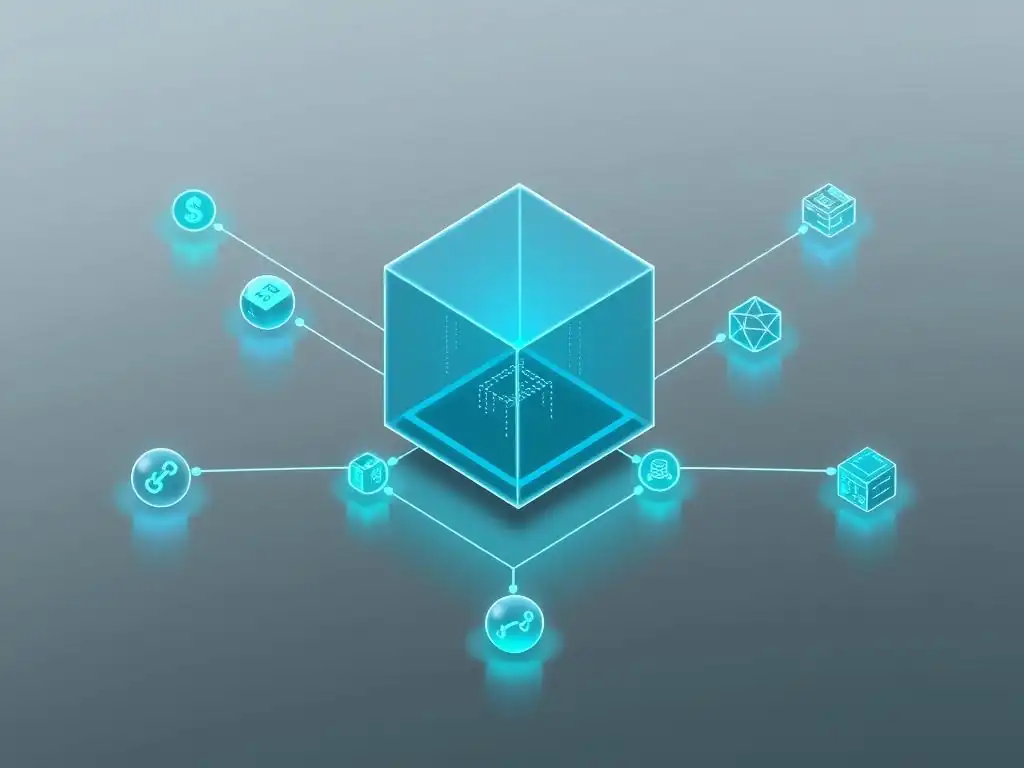
Choosing the Right State Channel Platform for Your Business
Selecting the appropriate state channel platform is crucial for successful enterprise implementation. Several platforms and frameworks offer state channel capabilities, each with its own strengths and weaknesses. Factors to consider include the platform's maturity, security features, interoperability with existing systems, developer support, and the specific blockchain protocol it is built upon. For instance, platforms built on Ethereum might offer a wider range of developer tools and community support, while platforms designed for specific enterprise blockchains might provide tighter integration and tailored features.
Enterprises should carefully evaluate their specific needs and requirements before choosing a platform. Consider factors such as the type of applications they intend to build, the scale of transactions they expect to handle, the required level of security, and the expertise of their development team. A thorough assessment of different platforms, including proof-of-concept testing, can help enterprises identify the platform that best aligns with their business objectives and technical capabilities. Choosing a platform that is well-suited to the enterprise's specific context is a critical step in ensuring successful state channel implementation and realizing the intended benefits.
Security Considerations for Enterprise State Channel Implementations
Security is paramount when implementing state channels in enterprise environments. While state channels inherently enhance privacy by moving transactions off-chain, they also introduce new security considerations that must be carefully addressed. Properly securing state channels requires robust cryptographic protocols, secure key management practices, and thorough security audits. Enterprises must ensure that the chosen state channel platform and implementation adhere to industry best practices for security and data protection. For example, secure multi-signature schemes are essential for protecting channel funds and preventing unauthorized access.
Furthermore, enterprises need to consider the security implications of off-chain data storage and processing within state channels. While off-chain transactions are not recorded on the public blockchain, the data exchanged within channels may still contain sensitive information that requires robust security measures. Implementing end-to-end encryption, access control mechanisms, and regular security assessments are crucial steps to mitigate potential security risks associated with state channel implementations. A proactive and comprehensive approach to security is essential to ensure the integrity and confidentiality of data and transactions within enterprise state channel systems.
Integration with Existing Enterprise Systems: Challenges and Solutions
Integrating state channels with existing enterprise systems presents both challenges and opportunities. Many enterprises have complex IT infrastructures with legacy systems, databases, and applications. Seamlessly integrating state channel solutions with these existing systems is crucial for achieving widespread adoption and maximizing the benefits of blockchain technology. Challenges can include data compatibility issues, integration complexities with legacy APIs, and the need for specialized expertise in blockchain and state channel technologies.
To address these challenges, enterprises should adopt a phased approach to integration. Start with pilot projects that focus on specific use cases and gradually expand the integration as experience and expertise grow. Leverage middleware and integration platforms to bridge the gap between state channel platforms and existing systems.
Consider using API gateways and data transformation tools to ensure data compatibility and seamless communication between different systems. Investing in training and development to build in-house expertise in blockchain and state channel technologies is also crucial for successful integration. A well-planned and executed integration strategy is essential to unlock the full potential of state channels within the enterprise IT landscape.
Benefits of Blockchain State Channels for Enterprise Adoption
Improved Scalability and Transaction Throughput
State channels offer a significant improvement in scalability and transaction throughput for enterprise blockchain applications. By enabling off-chain transactions, state channels drastically reduce the load on the main blockchain, allowing it to handle a much higher volume of transactions. This scalability boost is crucial for enterprises that require high transaction processing speeds and low latency. For example, in payment systems, supply chain management, and data sharing platforms, state channels can enable enterprises to process thousands of transactions per second, far exceeding the capabilities of traditional on-chain blockchain solutions.
This enhanced scalability makes blockchain technology more viable for a wider range of enterprise use cases that demand high performance and responsiveness. Enterprises can leverage state channels to build applications that can scale to meet the demands of large user bases and high transaction volumes, without compromising on security or decentralization. The improved transaction throughput translates directly to faster processing times and a more efficient overall system, making state channels a key enabler of enterprise blockchain adoption.
Reduced Transaction Costs and Increased Efficiency
The reduction in transaction costs and increased efficiency are major benefits of state channels for enterprise adoption. Off-chain transactions within state channels incur significantly lower fees compared to on-chain transactions, often approaching near-zero costs. This cost reduction is particularly attractive for enterprises dealing with high volumes of microtransactions or frequent data exchanges. For example, in supply chain tracking, where numerous updates might be required for each product, state channels can eliminate the prohibitive costs of recording every update on the main blockchain.
Furthermore, the near-instantaneous nature of off-chain transactions within state channels enhances operational efficiency. Faster transaction settlement times reduce delays and improve the overall speed and responsiveness of business processes. This combination of reduced costs and increased efficiency makes state channels a compelling solution for enterprises seeking to optimize their operations and gain a competitive advantage through blockchain technology.
Enhanced Security and Data Privacy
State channels can enhance both security and data privacy for enterprise blockchain applications. While often perceived as solely a scalability solution, state channels also offer security benefits by minimizing the exposure of sensitive data to the public blockchain. Transactions and data exchanged within state channels are kept off-chain, reducing the risk of public exposure and potential vulnerabilities associated with on-chain data storage. This enhanced privacy is particularly important for enterprises dealing with sensitive data, such as financial transactions, personal information, or proprietary business data.
Moreover, state channels can be designed with robust security features, such as multi-signature schemes and end-to-end encryption, to further protect data and transactions. By carefully implementing security best practices within state channel implementations, enterprises can leverage state channels to build blockchain applications that are both scalable and highly secure, addressing key concerns related to data privacy and security in enterprise environments.
Increased Transparency and Auditability
Despite operating off-chain for the majority of transactions, state channels can still contribute to increased transparency and auditability within enterprise systems. While individual transactions within a channel are private, the opening and closing states, as well as any dispute settlements, are recorded on the main blockchain, providing an immutable audit trail. This hybrid approach allows enterprises to maintain a balance between privacy and transparency, offering visibility into key events and overall system integrity.
The on-chain records of channel states and dispute resolutions provide an auditable history of channel activity, which can be valuable for compliance, regulatory reporting, and internal audits. Enterprises can leverage this auditability to enhance trust and accountability within their operations and with external stakeholders. State channels, therefore, offer a mechanism to achieve both scalability and a degree of transparency, catering to the diverse needs of enterprise blockchain applications.
The Future of State Channels in Enterprise Blockchain
Emerging Trends and Innovations in State Channel Technology
The field of state channel technology is continuously evolving, with several emerging trends and innovations shaping its future in enterprise blockchain. One key trend is the development of more sophisticated state channel protocols that offer enhanced flexibility, efficiency, and security. Researchers and developers are exploring new cryptographic techniques, such as advanced multi-signature schemes and zero-knowledge proofs, to improve the security and privacy of state channels. Innovations are also focused on making state channels more interoperable with different blockchain platforms and easier to integrate with existing enterprise systems.
Another emerging trend is the integration of state channels with other layer-two scaling solutions, such as rollups and sidechains, to create hybrid scaling approaches that combine the strengths of different technologies. For example, combining state channels with rollups could provide even greater scalability and efficiency for certain enterprise use cases. The ongoing research and development in state channel technology promise to further enhance its capabilities and broaden its applicability in enterprise blockchain environments.
State Channels and the Broader Enterprise Blockchain Ecosystem
State channels are poised to play an increasingly important role in the broader enterprise blockchain ecosystem. As enterprises continue to explore and adopt blockchain technology, the need for scalable and efficient solutions will become more critical. State channels, along with other layer-two scaling solutions, are essential for overcoming the scalability limitations of traditional blockchains and making blockchain technology viable for a wider range of enterprise applications. The integration of state channels with enterprise blockchain platforms and frameworks will likely become more seamless and standardized, further facilitating their adoption.
Moreover, as the enterprise blockchain ecosystem matures, the focus will shift towards building more complex and interconnected applications that require interoperability and scalability. State channels, with their ability to enable efficient off-chain interactions, will be crucial for building these next-generation enterprise blockchain solutions. Their role in facilitating secure data sharing, efficient payment systems, and scalable supply chain management will become increasingly prominent as enterprise blockchain adoption accelerates.
Predictions for the Adoption of State Channels in Enterprise
Predictions for the adoption of state channels in enterprise are optimistic, with increasing recognition of their value in addressing key challenges related to scalability, cost, and efficiency. As enterprises become more familiar with blockchain technology and its potential benefits, the demand for scalable solutions like state channels is expected to grow significantly. Early adopters in industries such as finance, supply chain, and healthcare are already exploring and implementing state channel solutions, demonstrating their practical applicability and benefits.
Over the next few years, we can anticipate wider adoption of state channels across various enterprise sectors. As state channel platforms mature, integration becomes easier, and more successful use cases emerge, the adoption rate is likely to accelerate. State channels are positioned to become a fundamental component of enterprise blockchain architectures, enabling enterprises to build scalable, efficient, and secure blockchain applications that can drive real business value and transform various industries. The future of state channels in enterprise blockchain is bright, with significant potential to unlock the full promise of this transformative technology.
Frequently Asked Questions
What are blockchain state channels, and why are they relevant to enterprise applications?
State channels are off-chain scaling solutions that allow parties to conduct multiple transactions without immediately recording them on the main blockchain, leading to faster and cheaper interactions. This is crucial for enterprise applications requiring high transaction throughput.
How do state channels improve efficiency compared to traditional on-chain blockchain transactions?
State channels significantly improve efficiency by processing transactions off-chain, reducing transaction fees and latency. This is especially beneficial for high-volume enterprise scenarios where speed and cost are critical factors.
What are some real-world enterprise use cases for blockchain state channels?
Real-world use cases include supply chain management, enabling faster and more efficient tracking of goods; payment channels, facilitating microtransactions between businesses; and loyalty programs, rewarding customers with minimal transaction costs.
What are the primary challenges in implementing blockchain state channels for enterprise solutions?
Challenges include complexity in design and implementation, ensuring security against malicious actors, and the need for compatibility with existing enterprise systems. These challenges often require specialized expertise.
How does the use of state channels impact the regulatory landscape for enterprise blockchain applications?
State channels can complicate the regulatory landscape as transactions occur off-chain. Enterprises must ensure compliance with data privacy regulations and maintain audit trails to address regulatory requirements related to transaction history and data integrity.
Final Reflection: Unlocking Enterprise Potential with State Channels
The exploration of state channels within the enterprise context reveals a powerful tool for enhancing efficiency and scalability in blockchain applications. The potential for real-world impact is undeniable, offering solutions to challenges that have previously hindered widespread blockchain adoption in enterprise settings. From streamlining supply chain management to enabling faster and more cost-effective micro-payments, state channels are poised to revolutionize how businesses interact and transact in the digital age.
This technology's influence extends beyond mere efficiency gains; it fosters a more collaborative and transparent ecosystem. The ability to conduct off-chain transactions while maintaining the security and auditability of the blockchain fundamentally changes how trust is established and maintained between parties. The future of business is about creating more value, not just extracting it.
This quote encapsulates the essence of state channels, which empower businesses to build stronger relationships and unlock new opportunities through decentralized collaboration.
As we conclude this exploration, consider the transformative potential of state channels within your own organization. How can this technology be leveraged to streamline processes, reduce costs, and foster greater collaboration? Embrace the opportunity to explore the possibilities and become a pioneer in the adoption of blockchain state channels for enterprise applications. The future of enterprise blockchain is being written now, and your contribution can help shape a more efficient, transparent, and collaborative world.
Unlock the Power of State Channels: Revolutionize Your Enterprise!
Thank you for exploring the potential of state channels and their ability to enhance efficiency and reduce costs for your business. Now that you understand their benefits, it's time to take action.
Here’s how you can proceed:
- Explore: Consider integrating a state channel solution into an existing workflow. Start with a pilot project to evaluate its effectiveness.
- Research: Examine various platforms and protocols to identify the best fit for your specific needs. Pay attention to scalability, security, and compatibility.
- Share: Discuss the advantages of state channels with colleagues and industry peers. Foster conversations and collaborate on innovative applications.
What particular challenge in your organization could be most improved by the speed and efficiency of state channels? Share your ideas in the comments below!
Leave a Reply