
State Channels: A Key Technology in the Blockchain Scalability Landscape


Welcome to Blockchain Trends, your go-to source for understanding the real impact of blockchain technology. Forget just cryptocurrencies – we're diving deep into DeFi, enterprise applications, and the evolving regulatory landscape. Ever wondered how blockchain can truly scale to meet global demands? Let's unlock the secrets behind blockchain state channels scalability solutions, a crucial component in achieving a truly decentralized future. Intrigued? Read on to discover how this technology is reshaping the possibilities of blockchain.
State Channels: A Key Technology in the Blockchain Scalability Landscape
- Introduction to Blockchain Scalability Challenges
- What are Blockchain State Channels?
- The Mechanics of State Channels: A Step-by-Step Explanation
- Benefits of Using Blockchain State Channels for Scalability
- Use Cases of State Channels in Blockchain Applications
- State Channels vs. Other Blockchain Scaling Solutions
-
Challenges and Limitations of State Channels
- Channel Management Complexity: Challenges of Multi-Hop Routing and HTLCs
- Limited Applicability: Suitability for Frequent, Bilateral Interactions
- Dependency on Channel Participants: Requiring Online Availability for Dispute Resolution
- Potential for Disputes: Complexity in Handling Concurrent State Updates
- Examples of Blockchain Projects Utilizing State Channels
- The Future of State Channels in the Blockchain Ecosystem
- Conclusion: State Channels as a Vital Tool for Blockchain Scaling
-
Frequently Asked Questions
- How do state channels contribute to blockchain scalability?
- What are the primary benefits of using state channels over on-chain transactions?
- What are some limitations or drawbacks of state channels?
- How do state channels differ from other blockchain scaling solutions, like Layer-2 solutions?
- What are some potential use cases for state channels beyond simple payments?
- Final Reflection: Embracing the Scalable Future of Blockchain
- Unlock the Potential: Start Exploring State Channels Today!
Introduction to Blockchain Scalability Challenges
Understanding the Blockchain Trilemma: Security, Decentralization, and Scalability
The blockchain trilemma, a term coined within the cryptocurrency and blockchain space, highlights the inherent difficulty in achieving three desirable properties simultaneously: security, decentralization, and scalability. This concept, often attributed to Vitalik Buterin, suggests that blockchain architectures typically must sacrifice one of these pillars to optimize for the other two. For instance, a blockchain prioritizing decentralization and security might struggle with transaction throughput, leading to scalability issues. This limitation arises because processing and validating every transaction across a large, distributed network inherently takes time and resources.
Security in the context of blockchain refers to the network's ability to resist attacks and manipulations, ensuring the integrity of the ledger. Decentralization aims to distribute control and data across numerous nodes, reducing reliance on central authorities and enhancing censorship resistance.
Scalability, on the other hand, addresses the network's capacity to handle a growing number of transactions and users efficiently, without compromising speed or increasing transaction costs prohibitively. The challenge lies in designing a blockchain that can maintain high levels of security and decentralization while also scaling to accommodate mainstream adoption and high transaction volumes, similar to traditional payment processing networks like Visa or Mastercard, which handle thousands of transactions per second.
The Need for Layer-2 Scaling Solutions like State Channels
The inherent limitations in blockchain scalability have spurred the development of various layer-2 scaling solutions. Layer-2 solutions are protocols built on top of an existing blockchain (layer-1) to enhance its capabilities, primarily focusing on increasing transaction throughput and reducing costs without altering the core blockchain protocol. These solutions operate off-chain for most transactions, leveraging the security and decentralization of the underlying layer-1 blockchain only when necessary, such as for dispute resolution or final settlement. Examples of layer-2 solutions include state channels, plasma, rollups, and sidechains.
The necessity for layer-2 solutions arises from the practical limitations of processing every transaction directly on the main blockchain. For example, Bitcoin's blockchain, while highly secure and decentralized, typically processes around 7 transactions per second (TPS). Ethereum, another major blockchain, can handle slightly more, but still falls significantly short of the transaction volumes required for global-scale applications.
This bottleneck leads to network congestion, increased transaction fees, and slower confirmation times, hindering the widespread adoption of blockchain technology. Layer-2 solutions like state channels offer a promising avenue to overcome these limitations by enabling efficient and cost-effective off-chain transaction processing, thereby significantly improving the scalability of blockchain networks.
What are Blockchain State Channels?
Defining State Channels: Off-Chain Transactions with On-Chain Security
State channels are a layer-2 scaling solution designed to enhance blockchain transaction throughput by enabling participants to conduct multiple transactions off the main blockchain while still maintaining the security guarantees of the underlying layer-1. In essence, a state channel allows two or more participants to open a channel by locking up funds on the main chain.
Once the channel is established, they can interact and transact directly with each other off-chain, updating their balances and state without needing to broadcast every transaction to the entire blockchain network. Only the opening and closing transactions of the channel are recorded on the main chain, significantly reducing congestion and fees.
The security of state channels is rooted in the on-chain commitment made at the channel's initiation. This commitment typically involves a multi-signature contract or a similar mechanism that ensures that funds within the channel are secured by the blockchain's consensus rules. If any dispute arises or when the participants decide to finalize their interactions, they can close the channel by submitting the final agreed-upon state back to the main blockchain.
The blockchain then enforces the terms defined in the initial commitment, ensuring that the off-chain transactions are ultimately backed by the security of the on-chain ledger. This approach allows for fast, frequent, and low-cost transactions between channel participants while relying on the main blockchain for security and dispute resolution.
How State Channels Differ from On-Chain Transactions
The fundamental difference between state channels and on-chain transactions lies in where the majority of transaction processing and validation occurs. On-chain transactions are broadcast to the entire blockchain network, validated by all participating nodes, and permanently recorded on the public ledger. This process ensures transparency and immutability but inherently limits transaction throughput and increases costs due to the computational and network resources required for each transaction. For example, a typical Bitcoin transaction might take around 10 minutes to confirm and incur a fee that fluctuates based on network congestion, sometimes reaching several dollars.
In contrast, state channels facilitate transactions primarily off-chain. Once a channel is opened on-chain, participants can exchange numerous transactions directly between themselves, without involving the main blockchain network for each individual transaction. These off-chain transactions are typically much faster and cheaper since they bypass the global consensus mechanism.
The main chain is only involved at the beginning to secure the channel's funds and at the end to settle the final state and distribute the funds according to the agreed-upon terms. This off-chain approach drastically reduces the load on the main blockchain, enabling significantly higher transaction throughput and lower fees for transactions within the channel. Therefore, state channels are particularly well-suited for scenarios involving frequent interactions between a defined set of participants.
Core Components of a State Channel: Commitment Transactions and Update Mechanisms
State channels rely on several core components to function effectively, primarily commitment transactions and update mechanisms. Commitment transactions are special types of transactions used to establish and secure the state channel on the main blockchain. When a channel is opened, participants typically create a commitment transaction that locks up funds in a multi-signature address or smart contract. This transaction represents the initial state of the channel and is recorded on the main chain, providing the foundational security for all subsequent off-chain interactions.
Update mechanisms are the protocols and methods used by channel participants to exchange and agree upon new states within the channel without broadcasting each update to the blockchain. These mechanisms often involve digitally signed messages that represent updated balances and states. For instance, in a payment channel, each transaction within the channel would be represented by a signed message indicating the transfer of value between participants.
These signed messages serve as updated commitment transactions, and participants typically exchange the latest signed state among themselves. The crucial aspect is that only the latest agreed-upon state needs to be potentially submitted to the main chain for settlement. This combination of on-chain commitment transactions and efficient off-chain update mechanisms is what enables state channels to achieve scalability while maintaining blockchain-level security.
The Mechanics of State Channels: A Step-by-Step Explanation
Channel Initialization: Opening a State Channel on the Blockchain
The process of opening a state channel begins with channel initialization, which involves setting up the channel on the main blockchain. Typically, this involves two or more participants who wish to transact frequently with each other. Let's consider a scenario with two participants, Alice and Bob, wanting to open a state channel on a blockchain like Ethereum. First, Alice and Bob agree on the initial parameters of the channel, such as the duration of the channel, the total amount of funds to be locked in, and the conditions for closure.
Next, they create a multi-signature contract or a similar smart contract on the Ethereum blockchain. This contract requires signatures from both Alice and Bob to authorize any spending of the funds locked within it. Alice and Bob then each contribute funds to this multi-signature contract.
For example, Alice might deposit 5 ETH, and Bob might deposit 3 ETH, totaling 8 ETH locked within the channel. The transaction that deploys and funds this multi-signature contract is broadcast to the Ethereum network and recorded on the blockchain. This on-chain transaction signifies the opening of the state channel and establishes the initial state, securing the funds under the control of the multi-signature contract, ready for off-chain transactions.
Off-Chain Transaction Execution: Performing Transactions Within the Channel
Once the state channel is initialized and open, Alice and Bob can begin executing transactions off-chain. These transactions occur directly between Alice and Bob, without needing to broadcast each one to the Ethereum blockchain. For example, Alice might want to pay Bob 1 ETH for a service. Instead of creating an on-chain Ethereum transaction, Alice and Bob engage in an off-chain exchange of signed messages to update their balances within the channel.
To execute the payment, Alice creates a new "state update" message indicating that 1 ETH should be transferred from her balance to Bob's within the channel. This message is digitally signed by Alice to prove its authenticity and intent. Alice then sends this signed message to Bob. Bob verifies Alice's signature and updates his local view of the channel's state to reflect the new balances.
Critically, this transaction is not broadcast to the blockchain network. Alice and Bob can continue to exchange numerous such signed state updates for various transactions, all happening instantly and without incurring on-chain transaction fees. They only need to keep track of the latest agreed-upon state of the channel, represented by the most recent set of signed messages.
State Updates and Commitment Transactions: Ensuring Data Integrity
Ensuring data integrity in state channels relies on the concept of state updates and commitment transactions. As Alice and Bob transact off-chain, they are essentially creating a series of updated commitment transactions, though these are not broadcast to the main chain until channel closure or dispute resolution. Each transaction or interaction within the channel results in a new proposed state, which is represented by updated balances and is cryptographically signed by both participants. This signing process ensures that each party agrees to the new state and cannot later unilaterally deny or alter it.
For instance, if Alice pays Bob 1 ETH, they both sign a message that reflects Alice's balance decreasing by 1 ETH and Bob's increasing by 1 ETH from the previous state. This signed message becomes the latest commitment to the channel's state. Participants typically keep track of the most recent validly signed state, as this represents the current agreed-upon balances.
In case of a dispute or when closing the channel, the latest mutually signed state can be presented to the on-chain smart contract. The cryptographic signatures on these state updates provide non-repudiation and ensure that the final settled state accurately reflects the series of off-chain transactions, maintaining data integrity throughout the channel's lifecycle.
Channel Closure: Settling the Final State On-Chain
Channel closure is the process of finalizing the state channel interactions and settling the funds on the main blockchain according to the agreed-upon final state. When Alice and Bob have completed their transactions within the state channel, or if they decide to close the channel for any reason, they initiate the closure process. Ideally, in a cooperative closure, Alice and Bob agree on the final state of the channel, meaning they agree on the final balances reflecting all the off-chain transactions they conducted.
To close the channel, Alice and Bob jointly create and sign a "closing transaction". This transaction takes the latest mutually agreed-upon state – represented by the latest set of signed state updates – and uses it to instruct the multi-signature contract on the blockchain to distribute the funds accordingly.
For example, if after several transactions, the final state is Alice has 4 ETH and Bob has 4 ETH remaining from the initial 8 ETH, the closing transaction will instruct the contract to send 4 ETH to Alice's on-chain address and 4 ETH to Bob's on-chain address. This closing transaction is then broadcast to the Ethereum network and, once confirmed, settles the channel on the main blockchain, distributing the funds as per the final agreed state.
In case of a non-cooperative closure, mechanisms are in place, often involving timeout periods and dispute resolution via the on-chain contract, to ensure fair settlement based on the latest provable state.
Benefits of Using Blockchain State Channels for Scalability
Enhanced Transaction Throughput: Processing Many Transactions Off-Chain
State channels significantly enhance transaction throughput by enabling a large number of transactions to be processed off the main blockchain. Traditional on-chain transactions are limited by the block time and block size of the blockchain, resulting in constrained transaction processing capabilities. For instance, Bitcoin's blockchain can handle approximately 7 transactions per second, while Ethereum can process around 15-20 TPS. These figures are far from the throughput required for mass adoption, especially for applications needing high transaction volumes.
State channels overcome this bottleneck by allowing participants to conduct numerous transactions directly between themselves without involving the blockchain for each transaction. Within a state channel, transaction speed is limited only by the communication speed between participants, which is typically very fast. It's estimated that systems using state channels can potentially achieve thousands or even millions of transactions per second within a channel.
For example, the Lightning Network, a state channel implementation on Bitcoin, has demonstrated the capability to process thousands of payments per second, dramatically increasing Bitcoin's payment throughput capacity. This enhanced throughput makes blockchain technology viable for applications requiring high transaction frequency, such as micropayments, gaming, and high-volume trading platforms.
Reduced Transaction Fees: Lowering Costs Compared to On-Chain Transactions
One of the primary benefits of state channels is the substantial reduction in transaction fees compared to on-chain transactions. On-chain transaction fees on blockchains like Bitcoin and Ethereum can fluctuate significantly depending on network congestion. During peak times, fees can become prohibitively expensive, especially for small-value transactions. For example, during periods of high network activity, a simple Bitcoin transaction fee could rise to several US dollars or even tens of dollars.
State channels drastically reduce these fees because only the channel opening and closing transactions are recorded on the main blockchain. All transactions conducted within the channel are off-chain and do not incur per-transaction blockchain fees. The cost associated with using state channels is primarily the initial on-chain fee to open the channel and the final fee to close it, which are spread across potentially numerous off-chain transactions.
This results in significantly lower average transaction costs, making state channels ideal for use cases involving frequent, low-value transactions where high on-chain fees would be impractical. For micropayments, in particular, state channels can make transactions economically feasible where on-chain fees would render them too expensive.
Improved Transaction Speed: Faster Confirmation Times Than the Main Chain
State channels offer significantly improved transaction speed compared to the confirmation times of main blockchain transactions. On-chain transactions on blockchains like Bitcoin and Ethereum require confirmation from the network, which can take several minutes to over an hour, depending on network congestion and block times. Bitcoin, for instance, has an average block time of 10 minutes, meaning a transaction typically takes at least 10 minutes for a single confirmation and longer for higher security. Ethereum's block times are faster, around 15 seconds, but confirmation times can still vary.
Transactions within a state channel, however, are virtually instant. Since these transactions occur directly between channel participants off-chain, the confirmation time is limited only by the speed of communication between them, which is typically milliseconds. When Alice pays Bob through a state channel, the transaction is confirmed almost immediately upon Bob receiving and verifying Alice's signed state update.
This near-instant transaction speed is crucial for applications requiring real-time interactions, such as online gaming, high-frequency trading, and point-of-sale systems, where users expect immediate transaction confirmations. The speed advantage of state channels makes blockchain technology more practical for real-time applications demanding quick transaction settlements.
Increased Privacy: Keeping Transaction Details Off the Public Blockchain
State channels enhance transaction privacy by keeping the details of individual transactions off the public blockchain. All on-chain transactions are inherently transparent and publicly auditable, meaning transaction amounts, sender and receiver addresses, and timestamps are recorded on the public ledger and accessible to anyone. While this transparency is a core feature of blockchain technology, it may not be desirable for all use cases, particularly those requiring financial privacy or confidentiality.
State channels offer a layer of privacy because only the channel opening and closing transactions are visible on the main blockchain. The numerous transactions conducted within the channel are exchanged directly between participants and are not broadcast to the entire network or recorded on the public ledger. Only the aggregate effect of these transactions is reflected in the final state settled on-chain when the channel closes.
This off-chain transaction activity provides significant privacy for users, as the specifics of their transactions, such as transaction amounts and frequencies within the channel, remain confidential between the channel participants. This enhanced privacy makes state channels attractive for applications where transaction details need to be kept private, such as confidential payments, business-to-business transactions, and sensitive financial operations.
Use Cases of State Channels in Blockchain Applications
Micropayments: Enabling Small-Value Transactions Efficiently
Micropayments, very small-value transactions, are a prime use case for state channels. On-chain transaction fees on many blockchains often make micropayments impractical. For example, if a user wants to pay a fraction of a cent for accessing a piece of content or using a service, the on-chain transaction fee could easily exceed the value of the payment itself, making such transactions uneconomical.
State channels overcome this limitation by drastically reducing transaction fees. Since transactions within a channel are off-chain, the cost per transaction becomes negligible, making micropayments feasible. Imagine a pay-per-article website where users pay a tiny amount for each article they read.
Using state channels, users could open a channel with the website and make numerous micropayments for each article accessed, all while incurring minimal fees. This enables new business models and applications that rely on frequent, low-value transactions, such as content monetization, pay-per-use services, and machine-to-machine payments in IoT networks. The efficiency and low cost of state channels unlock the potential of micropayments in various industries.
Gaming: Facilitating Real-Time Interactions and Asset Transfers
The gaming industry can greatly benefit from state channels, particularly for enabling real-time interactions and efficient asset transfers within games. Traditional online games often rely on centralized servers to manage in-game transactions and asset ownership. Blockchain-based games can offer true digital ownership of in-game assets, but on-chain transactions for every in-game action would be too slow and expensive for a smooth gaming experience.
State channels provide a solution by allowing players to conduct fast and low-cost transactions within the game environment. For example, players could use state channels to trade in-game items, make bets, or participate in real-time battles where frequent micro-transactions are needed. Imagine a multiplayer online game where players trade virtual weapons or currencies.
Using state channels, these trades can be executed instantly and with minimal fees, enhancing the gaming experience. Furthermore, state channels can facilitate complex interactions, such as peer-to-peer battles with real-time wagering and prize distribution, all handled efficiently off-chain. This makes blockchain-based gaming more responsive and engaging, bridging the gap between blockchain security and the real-time demands of gaming applications.
Decentralized Exchanges (DEXs): Boosting Trading Speed and Liquidity
Decentralized Exchanges (DEXs) can leverage state channels to improve trading speed and liquidity, addressing some of the limitations of early DEX models. Traditional on-chain DEXs, where every trade is executed and settled on the blockchain, often suffer from slow transaction speeds and higher fees compared to centralized exchanges. This can lead to a less responsive trading experience and lower liquidity, especially for high-frequency trading.
State channels can be integrated into DEX architectures to enable faster and cheaper off-chain order matching and execution. For example, users could open state channels with a DEX or with each other to conduct trades off-chain. Order matching could occur off-chain, and only the net settlement of trades would be recorded on the main blockchain when the channel is closed. This approach can significantly increase trading speeds, reduce transaction costs, and potentially enhance liquidity on DEXs.
Imagine a DEX using state channels to facilitate high-frequency trading pairs. Traders could open channels and execute numerous trades rapidly and cost-effectively, improving the overall efficiency and competitiveness of the decentralized exchange. State channels can help bridge the performance gap between DEXs and centralized exchanges, fostering wider adoption of decentralized trading platforms.
IoT Applications: Managing High-Frequency Data Streams Securely
The Internet of Things (IoT) generates massive amounts of data from numerous connected devices, often requiring secure and efficient data management and micro-transactions. Traditional cloud-based IoT platforms can face scalability and security challenges when dealing with the volume and velocity of data from millions of devices. Blockchain technology offers potential solutions for secure data management in IoT, but on-chain transactions for every data point would be impractical.
State channels provide a mechanism for handling high-frequency data streams and micro-transactions in IoT applications efficiently. IoT devices could open state channels with data aggregators or other devices to stream data and conduct micro-payments for data access or services. For example, in a smart city application, sensors could stream environmental data through state channels, and micro-payments could be automatically triggered based on data volume or quality. Imagine a network of smart sensors monitoring air quality.
Each sensor could use a state channel to continuously stream data to a central platform, with micro-payments being exchanged for each data packet. This enables secure and cost-effective data exchange in IoT networks, supporting applications like smart grids, supply chain tracking, and industrial automation. State channels can help unlock the potential of blockchain in managing the vast data streams and micro-transactions inherent in IoT ecosystems.
State Channels vs. Other Blockchain Scaling Solutions
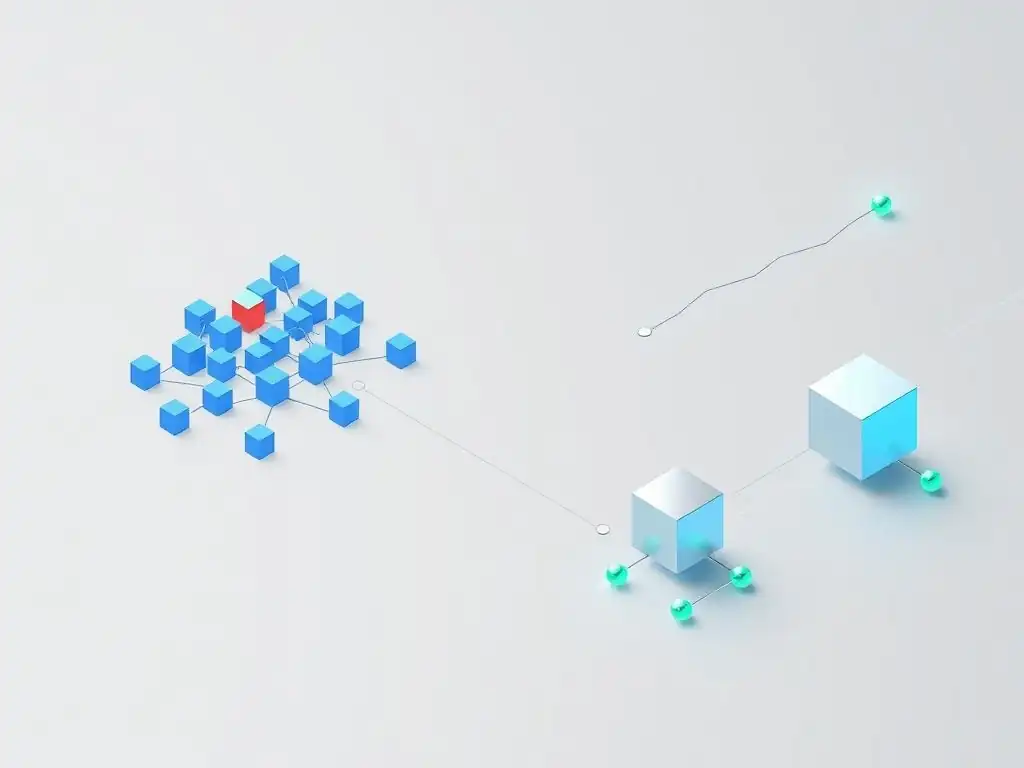
State Channels vs. Plasma: Comparing Layer-2 Approaches
State channels and Plasma are both layer-2 scaling solutions for blockchains, but they employ different approaches to achieve scalability. State channels focus on enabling private, bilateral or multi-party interactions off-chain, with security derived from on-chain commitments. They are well-suited for scenarios involving frequent transactions between a known set of participants, like micropayments or gaming interactions. State channels offer high transaction throughput, low fees, and enhanced privacy for channel participants. However, they are typically limited to participants who have established a channel and require participants to be online for active channel management and dispute resolution.
Plasma, on the other hand, is a layer-2 scaling solution that aims to create "child chains" that are anchored to the main blockchain. Plasma chains are essentially smaller blockchains that operate independently but periodically commit their state to the main chain, leveraging the main chain's security.
Plasma is designed to scale more general-purpose applications and can theoretically handle a larger number of users and transactions than state channels. Plasma chains can process transactions in parallel and offer increased scalability for applications like decentralized applications (dApps) and exchanges.
However, Plasma implementations can be more complex than state channels, and they may introduce latency due to the need for periodic on-chain commitments and potential challenges related to data availability and exit games during disputes. Plasma is generally more suitable for scaling complex applications with a larger user base, while state channels excel in scenarios requiring frequent interactions among a smaller, defined group of participants.
State Channels vs. Sidechains: Understanding the Differences
State channels and sidechains are both layer-2 solutions aimed at improving blockchain scalability, but they differ significantly in their architecture and functionality. State channels operate entirely off-chain for transaction processing, relying on the main chain only for channel opening and closing, and dispute resolution. They are designed for fast, private, and low-cost transactions between channel participants and are tightly coupled to the main chain's security for fund security and dispute settlement. State channels are best suited for use cases requiring frequent interactions between a limited number of participants.
Sidechains, in contrast, are independent blockchains that run parallel to the main chain and have their own consensus mechanisms and block structures. They are connected to the main chain through a two-way peg, allowing assets to be transferred between the main chain and the sidechain. Sidechains offer scalability by offloading transaction processing from the main chain to the sidechain.
They can have different characteristics than the main chain, potentially optimizing for speed or specific functionalities. However, sidechains have their own security models, which may be weaker than the main chain's security, and they introduce complexities related to cross-chain asset transfers and maintaining interoperability. Sidechains are more suitable for scaling general-purpose applications and introducing new features or functionalities to a blockchain ecosystem, while state channels are more focused on enhancing transaction throughput and reducing fees for specific interactions.
State Channels vs. Rollups: A Comparative Analysis of Scalability Solutions
State channels and rollups are both layer-2 scaling solutions for blockchains, but they represent distinct approaches with different trade-offs. State channels, as discussed, enable off-chain transaction processing between participants within a channel, focusing on speed, low fees, and privacy for these interactions. They are ideal for scenarios with frequent, bilateral or multi-party transactions but have limitations in terms of general-purpose scalability and require active channel management.
Rollups, on the other hand, are layer-2 solutions that process transactions off-chain but post transaction data (or a summary of it) back to the main chain. There are two main types of rollups: Optimistic Rollups and Zero-Knowledge Rollups (zk-Rollups). Optimistic Rollups assume transactions are valid unless proven otherwise and rely on fraud proofs to challenge invalid transactions.
They offer good scalability and are relatively easier to implement but have withdrawal delays due to the fraud-proof challenge period. zk-Rollups use cryptographic proofs (zero-knowledge proofs) to ensure transaction validity, providing stronger security and faster withdrawals compared to Optimistic Rollups. Rollups, in general, offer higher scalability than state channels and are more versatile for scaling general-purpose applications and smart contracts.
They inherit the security of the main chain more directly than state channels or sidechains. However, rollups can be more complex to implement, especially zk-Rollups, and may introduce some latency compared to the near-instant transactions within state channels. Rollups are generally considered a more broadly applicable scaling solution for dApps and smart contracts, while state channels remain highly effective for specific use cases like micropayments and real-time interactions.
Challenges and Limitations of State Channels
Channel Management Complexity: Challenges of Multi-Hop Routing and HTLCs
While state channels offer significant scalability benefits, they also present challenges related to channel management complexity, particularly when considering multi-hop routing and Hash Time-Locked Contracts (HTLCs). For direct, two-party channels, management is relatively straightforward. However, to enable payments across a network of state channels, multi-hop routing becomes necessary. This involves finding a path of channels between the payer and payee when a direct channel doesn't exist. Routing algorithms need to efficiently discover and select optimal paths, considering factors like channel capacity and fees. This introduces complexity in network topology management and pathfinding.
HTLCs are crucial for enabling secure multi-hop payments in state channel networks like the Lightning Network. HTLCs ensure that in a multi-hop payment, either the payment reaches the final recipient, or the funds are returned to the original payer. They achieve this through cryptographic time locks and hash locks, adding considerable complexity to the payment process and channel management. Managing HTLCs requires careful coordination between nodes in the routing path and can introduce potential failure points if any node becomes unresponsive or uncooperative during the HTLC settlement process.
Furthermore, managing channel liquidity across a multi-hop network is challenging. Channels need to be sufficiently funded to handle payment routing, and imbalances in channel liquidity can lead to routing failures and reduced network efficiency. Addressing these channel management complexities, especially in large, dynamic state channel networks, is an ongoing area of research and development.
Limited Applicability: Suitability for Frequent, Bilateral Interactions
State channels are most effective and efficiently applicable in scenarios characterized by frequent and bilateral (or multi-party among a small group) interactions between participants who expect to transact with each other repeatedly. They are ideally suited for use cases like micropayments between users and content providers, frequent in-game transactions between players, or recurring payments between businesses. However, state channels are less practical for scenarios where interactions are infrequent, sporadic, or involve a large, constantly changing set of participants.
Setting up a state channel involves an initial on-chain transaction and requires participants to maintain the channel open and actively manage its state. If interactions are rare, the overhead of channel setup and maintenance may outweigh the benefits. For instance, if a user only needs to make a single payment to a merchant, opening a state channel might be less efficient than simply making a direct on-chain transaction, especially if on-chain fees are low at that moment.
Furthermore, state channels are inherently designed for interactions among a defined set of participants within the channel. Scaling to scenarios requiring interactions with a large, open, and dynamic user base can be challenging.
While multi-hop routing attempts to address this, it adds complexity and may not be as efficient as other scaling solutions for broad, general-purpose applications. Therefore, the applicability of state channels is somewhat limited to use cases that align with their strengths in handling frequent, focused interactions.
Dependency on Channel Participants: Requiring Online Availability for Dispute Resolution
A significant limitation of state channels is their dependency on the online availability of channel participants, particularly for dispute resolution and cooperative channel management. State channels typically rely on participants being online and responsive to sign state updates, process transactions, and participate in channel closure procedures. If a participant becomes offline or unresponsive, it can hinder the channel's operation and potentially complicate dispute resolution.
In case of disputes or non-cooperative channel closures, participants may need to submit the latest agreed-upon state to the on-chain smart contract for settlement. This process often involves time-sensitive actions and requires participants to be online to respond to challenges or provide necessary information. If a participant is offline for an extended period, it could delay or complicate the dispute resolution process and potentially lead to less favorable outcomes for the offline party.
Furthermore, for certain channel management operations, such as cooperative channel closure or rebalancing, online interaction between participants is typically required. This online dependency can be a limitation in scenarios where participants may have intermittent internet connectivity or are not always available to actively manage their channels. Ensuring robust mechanisms for handling offline participants and minimizing the reliance on constant online presence is an ongoing challenge in state channel technology.
Potential for Disputes: Complexity in Handling Concurrent State Updates
Despite the mechanisms for ensuring data integrity, state channels are not immune to disputes, and handling concurrent state updates can introduce complexities. Ideally, state updates are exchanged sequentially and agreed upon by all participants before a new transaction begins. However, in real-world scenarios, there's potential for concurrent state updates or disagreements about the channel's current state, especially in multi-party channels or scenarios with network latency.
If participants have conflicting views of the latest channel state, resolving these disputes can become complex. The dispute resolution process typically involves reverting to the latest mutually signed state. However, determining the truly "latest" and valid state can be challenging if there are concurrent updates or if participants have not properly synchronized their state views. For instance, in a fast-paced environment, two participants might attempt to send conflicting state updates simultaneously.
Mechanisms are needed to handle such situations, potentially involving dispute resolution protocols within the on-chain smart contract or arbitration processes. Furthermore, malicious participants might attempt to exploit ambiguities in state update synchronization to gain an unfair advantage. Designing robust protocols and mechanisms to prevent and efficiently resolve disputes arising from concurrent state updates is crucial for the reliability and security of state channel systems.
Examples of Blockchain Projects Utilizing State Channels
Lightning Network: Scaling Bitcoin Payments
The Lightning Network is a prominent example of a state channel implementation, specifically designed to scale Bitcoin payments. Bitcoin, while being the first and most well-known cryptocurrency, has limitations in transaction throughput and speed. The Lightning Network addresses these limitations by enabling off-chain Bitcoin transactions through state channels. It allows users to open payment channels with each other by locking up Bitcoin on the main Bitcoin blockchain. Once channels are established, users can transact Bitcoin instantly and with very low fees within these channels, without requiring every transaction to be recorded on the main chain.
The Lightning Network utilizes HTLCs to facilitate secure multi-hop payments across the network, allowing users to transact with others even if they don't have a direct channel open. It has significantly improved Bitcoin's payment capabilities, making it more practical for everyday transactions and micropayments.
As of late 2023, the Lightning Network has grown to include thousands of nodes and channels, processing a growing volume of Bitcoin transactions off-chain. Projects and applications building on top of the Lightning Network include point-of-sale systems, online marketplaces, and micropayment platforms, demonstrating the practical impact of state channels on enhancing Bitcoin's scalability and usability as a payment system.
Raiden Network: Enabling Off-Chain Ethereum Transactions
The Raiden Network is an attempt to bring state channel technology to the Ethereum blockchain, aiming to enable fast, cheap, and scalable off-chain Ether and ERC20 token transfers. Similar to the Lightning Network for Bitcoin, Raiden Network allows users to open payment channels on Ethereum, enabling them to conduct numerous transactions off-chain, reducing congestion and fees on the main Ethereum network. Raiden Network is designed to support not only simple payments but also more complex state channel applications on Ethereum.
While the Raiden Network project has faced development challenges and has not achieved the same level of adoption as the Lightning Network, it represents a significant effort to apply state channel principles to the Ethereum ecosystem. It aims to provide a layer-2 scaling solution for Ethereum that can handle a high volume of transactions, particularly for applications involving frequent payments or token transfers.
Early demonstrations and test networks of Raiden have shown the potential for significant improvements in transaction speed and cost compared to on-chain Ethereum transactions. Although still under development, Raiden Network illustrates the ongoing interest in and exploration of state channels as a scaling solution for Ethereum and its ecosystem of tokens and decentralized applications.
Celer Network: Providing a General-Purpose Layer-2 Platform
Celer Network is a more general-purpose layer-2 scaling platform that utilizes state channels as one of its core scaling technologies, alongside other layer-2 techniques. Unlike Lightning and Raiden, which are primarily focused on payments, Celer Network aims to provide a broader infrastructure for building scalable decentralized applications (dApps). It uses a technology called "cChannel," which is a generalized state channel that supports not only payment channels but also general-purpose state channels for various types of applications.
Celer Network's architecture is designed to support various layer-2 scaling solutions, including state channels, rollups, and sidechains, providing developers with a flexible platform to choose the most appropriate scaling method for their dApps. It aims to address not only transaction throughput but also other aspects of dApp performance, such as latency and user experience.
Projects building on Celer Network include decentralized games, financial applications, and other dApps requiring high scalability and responsiveness. Celer Network represents an attempt to move beyond payment-focused state channels towards a more versatile layer-2 platform that leverages state channels as a component of a broader suite of scaling solutions for the blockchain ecosystem.
The Future of State Channels in the Blockchain Ecosystem
Ongoing Development and Innovation in State Channel Technology
State channel technology is still undergoing active development and innovation, with ongoing research and engineering efforts focused on addressing current limitations and expanding its capabilities. One key area of development is improving channel management complexity, particularly in multi-hop networks. Researchers are working on more efficient routing algorithms, enhanced HTLC protocols, and better liquidity management strategies to make large-scale state channel networks more robust and user-friendly. For example, advancements in probabilistic payment routing and source routing are being explored to optimize payment paths and reduce routing failures.
Another area of innovation is in generalizing state channels beyond payment applications. Projects like Celer Network are exploring general-purpose state channels that can support a wider range of dApp functionalities, not just payments. This involves developing frameworks and tools that make it easier for developers to build state channel applications for various use cases beyond simple value transfer.
Furthermore, research is being conducted on improving the privacy aspects of state channels, exploring techniques like zero-knowledge proofs and confidential transactions to enhance user privacy within state channel networks. The ongoing development and innovation in these areas are crucial for realizing the full potential of state channels as a vital scaling solution for the blockchain ecosystem.
Integration with Other Scaling Solutions: A Hybrid Approach to Blockchain Scalability
The future of blockchain scalability is likely to involve a hybrid approach, combining different layer-2 scaling solutions, including state channels, rollups, sidechains, and Plasma, rather than relying on a single "silver bullet" technology. State channels are well-suited for specific use cases, particularly those requiring frequent, private interactions between a defined set of participants. However, for broader, general-purpose scalability, other solutions like rollups and sidechains may be more appropriate. Therefore, the integration of state channels with other scaling solutions is becoming increasingly important.
For example, state channels could be used in conjunction with rollups. A dApp might use rollups for general transaction processing and smart contract execution, while leveraging state channels for specific functionalities requiring real-time interactions or enhanced privacy, such as in-game transactions or private messaging within the dApp. Similarly, state channels could be combined with sidechains, where a sidechain provides a more scalable environment for certain functionalities, and state channels are used within the sidechain for further optimization of specific interactions.
This hybrid approach allows developers to leverage the strengths of each scaling solution, creating more versatile and efficient blockchain applications. The interoperability and seamless integration of different layer-2 technologies will be crucial for achieving truly scalable and robust blockchain ecosystems.
The Role of State Channels in the Evolution of Decentralized Applications
State channels are poised to play a significant role in the evolution of decentralized applications (dApps) by enabling new types of applications and enhancing the user experience of existing ones. By providing fast, low-cost, and private off-chain transactions, state channels can overcome some of the key limitations that have hindered the widespread adoption of dApps. They can enable dApps to offer real-time interactions, micropayments, and enhanced privacy features that were previously impractical with on-chain transactions alone.
For example, state channels can facilitate the development of blockchain-based games that are as responsive and engaging as traditional online games. They can also enable new business models based on micropayments for content, services, and machine-to-machine interactions in IoT networks. Furthermore, the enhanced privacy offered by state channels can make blockchain technology more appealing for applications requiring confidentiality, such as enterprise solutions and financial services.
As state channel technology matures and becomes more integrated into dApp development frameworks, we can expect to see a new wave of dApps that leverage state channels to offer improved performance, user experience, and functionality. State channels are likely to be a key enabler in the ongoing evolution of dApps towards wider adoption and mainstream usage.
Conclusion: State Channels as a Vital Tool for Blockchain Scaling
Recap of the Benefits and Limitations of State Channels
State channels offer a compelling approach to blockchain scaling, providing several key benefits. They enhance transaction throughput by processing transactions off-chain, reduce transaction fees significantly, improve transaction speed to near-instant confirmation times, and increase privacy by keeping transaction details off the public blockchain. These advantages make state channels particularly well-suited for use cases like micropayments, gaming, decentralized exchanges, and IoT applications requiring frequent, fast, and low-cost transactions.
However, state channels also have limitations. They introduce channel management complexity, especially in multi-hop networks, and are most applicable to scenarios with frequent, bilateral interactions. They depend on the online availability of channel participants, and there is potential for disputes, particularly in handling concurrent state updates. Despite these limitations, state channels represent a valuable tool in the blockchain scaling toolkit, offering a distinct set of advantages for specific types of applications and interactions.
The Significance of State Channels in Addressing Blockchain Scalability Issues
State channels hold significant importance in addressing blockchain scalability issues. By enabling off-chain transaction processing, they bypass the inherent throughput limitations of main blockchains, allowing for a substantial increase in the number of transactions that can be processed without congesting the main chain. This is crucial for enabling blockchain technology to scale to meet the demands of mainstream applications and global adoption. State channels offer a practical and relatively mature layer-2 scaling solution that has already been implemented in projects like the Lightning Network, demonstrating its real-world effectiveness in enhancing blockchain scalability.
While not a universal solution for all scaling challenges, state channels address a critical aspect of scalability, particularly for use cases requiring high transaction frequency and low latency. They provide a valuable complement to other scaling solutions, contributing to a more comprehensive and multi-faceted approach to overcoming blockchain scalability limitations. As blockchain technology continues to evolve, state channels are likely to remain a significant and relevant scaling technique, especially for applications that can leverage their unique strengths.
Final Thoughts on the Future Potential of State Channel Technology for Interoperable Blockchain Networks
The future potential of state channel technology extends beyond scaling individual blockchains. State channels can also play a role in fostering interoperability between different blockchain networks. By establishing state channels across different blockchains, it could become possible to facilitate cross-chain transactions and data exchange in a more efficient and scalable manner. Imagine a future where users can seamlessly transact and interact with applications across multiple blockchain networks through interconnected state channel networks.
This vision of interoperable blockchain networks, enabled in part by state channel technology, could unlock new possibilities for decentralized ecosystems and cross-chain applications. While cross-chain state channels are still in early stages of development, the underlying principles and technologies are being explored. As research and development continue, state channel technology may contribute to building a more interconnected and interoperable blockchain landscape, further enhancing the utility and reach of decentralized technologies.
Frequently Asked Questions
How do state channels contribute to blockchain scalability?
State channels allow parties to conduct multiple off-chain transactions, only interacting with the main blockchain to open and close the channel. This significantly reduces the blockchain's transaction load and improves speed.
What are the primary benefits of using state channels over on-chain transactions?
State channels offer faster transaction speeds due to bypassing blockchain confirmation times. They also reduce transaction fees as only channel opening and closing require blockchain interaction. Furthermore, they enhance user privacy by keeping transaction details off the public ledger.
What are some limitations or drawbacks of state channels?
State channels require all involved parties to agree and cooperate. If any party becomes unresponsive or malicious, resolving disputes might require on-chain intervention, potentially negating some scalability benefits. They are also best suited for scenarios with predefined participants.
How do state channels differ from other blockchain scaling solutions, like Layer-2 solutions?
State channels involve direct interaction between participants off-chain, while other Layer-2 solutions like sidechains or rollups use different mechanisms to process transactions off the main chain. Each solution has its own trade-offs in terms of security, trust assumptions, and complexity.
What are some potential use cases for state channels beyond simple payments?
Beyond payments, state channels can be used in applications requiring frequent interactions such as online gaming, micro-transactions, and instant messaging. They are particularly useful where low latency and high throughput are critical.
Final Reflection: Embracing the Scalable Future of Blockchain
The exploration of state channels reveals more than just a technical solution; it highlights the urgent need for scalable blockchain solutions in a world increasingly reliant on decentralized technologies. As blockchain adoption grows, the limitations of traditional on-chain transactions become ever more apparent, underscoring the critical role state channels play in unlocking the true potential of this revolutionary technology.
The impact of state channels extends far beyond mere transaction speed. They represent a fundamental shift in how we interact with blockchain, enabling micro-transactions, instant payments, and complex interactions without clogging the main chain. This shift is crucial for the widespread adoption of blockchain in everyday applications, from gaming to supply chain management. The beauty of state channels lies in their ability to offload the burden from the main chain, allowing for faster, cheaper, and more private transactions.
Now, as you consider the potential of blockchain state channels, I invite you to reflect on the role you can play in shaping this future. Consider how these scalability solutions can be applied to solve real-world problems, and how you can contribute to the development and adoption of these transformative technologies. The future of blockchain is not just about technology; it's about empowering individuals and creating a more decentralized and equitable world. Embrace the challenge, explore the possibilities, and become a part of the blockchain revolution.
Unlock the Potential: Start Exploring State Channels Today!
Thank you for exploring the world of state channels! We hope you now have a clearer understanding of how this technology can transform blockchain scalability. It's time to turn that knowledge into action.
Here are some ways you can further delve into and engage with state channels:
- Conduct research on existing projects that utilize state channels. Learn about their use cases and how they address scalability challenges. This is your primary step toward gaining practical insight.
- Brainstorm innovative applications: How might state channels be applied within your industry or projects? Think beyond traditional use cases to creative solutions.
- Share this article with colleagues or friends interested in blockchain technology. Let's foster discussion and deepen understanding of this vital advancement!
What is one innovative application of state channels that you believe could significantly impact the industry? Share your ideas in the comments below!
Leave a Reply