
State Channels and the Lightning Network: Similarities and Differences in Scaling Solutions


Welcome to Blockchain Trends, your definitive resource for navigating the revolutionary world of blockchain technology! Beyond the buzzwords of cryptocurrency, we delve into the real-world applications and transformative potential of this groundbreaking technology.
Curious about how blockchain can truly revolutionize industries? This week, we're diving deep with a Blockchain scaling solutions comparison, focusing on State Channels and the Lightning Network. Discover the key similarities and crucial differences that make them vital components of a scalable and decentralized future. What are the trade-offs? Which solution is best for your needs? Let's explore!
- Understanding Blockchain Scalability Challenges and Layer-2 Solutions
-
Frequently Asked Questions
- What are State Channels and how do they contribute to blockchain scaling?
- How does the Lightning Network differ from general State Channels?
- What are the key similarities between State Channels and the Lightning Network?
- What are the main limitations of using State Channels and the Lightning Network?
- Where can I find a Blockchain scaling solutions comparison to understand which solution is best for my needs?
- Final Reflection: Embracing the Future of Scalable Blockchains
- Ignite Your Blockchain Knowledge!
Understanding Blockchain Scalability Challenges and Layer-2 Solutions
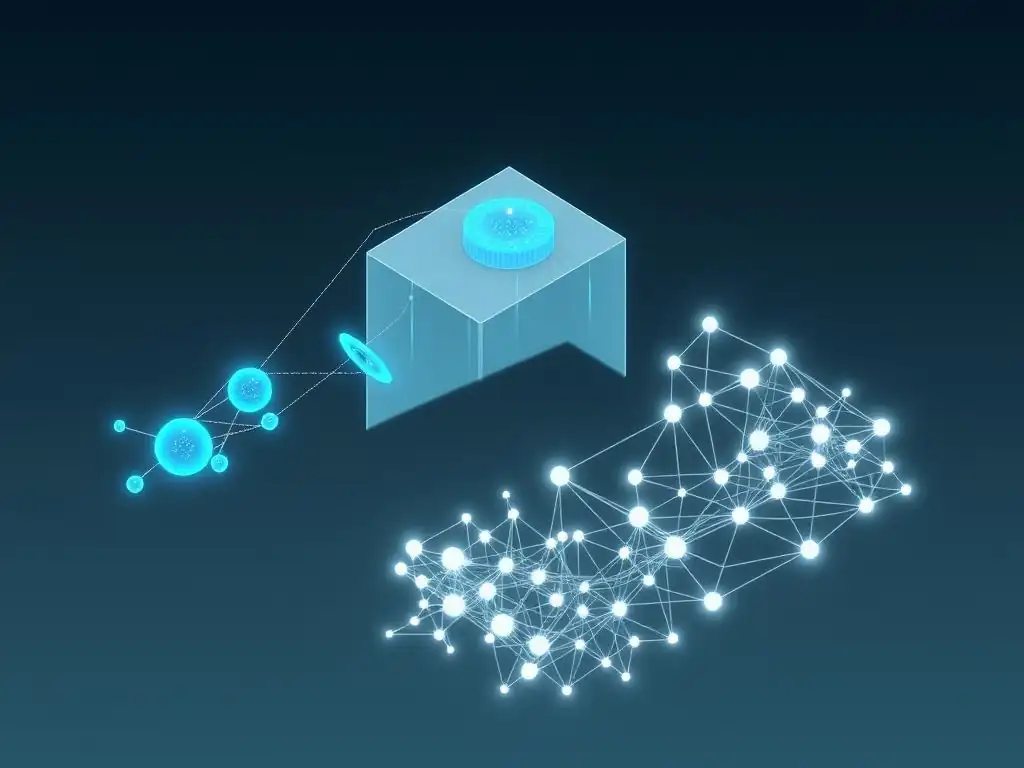
The Need for Scalable Blockchain Networks
Blockchain technology, since its inception with Bitcoin, has promised a decentralized and secure way to manage digital assets and data. However, the initial blockchain designs, particularly Bitcoin and Ethereum, have faced significant hurdles in achieving widespread adoption due to scalability limitations. Scalability in this context refers to the ability of a blockchain network to handle a growing number of transactions per second (TPS) without experiencing performance degradation, such as increased transaction fees and slower confirmation times.
For instance, Bitcoin's main chain can process approximately 7 transactions per second, while Ethereum's original architecture manages around 15 TPS. These figures are considerably lower than traditional payment processors like Visa, which can handle thousands of transactions per second.
The limited throughput of base layer blockchains creates bottlenecks that hinder their usability for mass-market applications. Imagine a decentralized social media platform or a global payment system built directly on a blockchain that can only process a handful of transactions per second. User experience would be severely compromised by slow transaction confirmations and escalating fees, especially during periods of high network activity.
For blockchain to truly become a foundational technology for various industries – from finance and supply chain management to voting systems and digital identity – it must overcome these scalability challenges. Therefore, developing effective blockchain scaling solutions is not merely an optimization, but a critical requirement for realizing the full potential of decentralized technologies and enabling them to compete with, and potentially surpass, existing centralized systems in terms of efficiency and user-friendliness.
Introduction to Layer-2 Scaling Approaches
To address the inherent scalability limitations of layer-1 blockchains (the base blockchain layer itself), the blockchain community has developed a variety of layer-2 scaling solutions. These solutions operate "on top" of the main blockchain, effectively offloading a significant portion of transaction processing away from the congested main chain. Layer-2 solutions aim to increase transaction throughput and reduce fees without compromising the security and decentralization principles of the underlying layer-1 blockchain.
They achieve this by employing various techniques to process transactions off-chain, and then periodically anchoring or settling the results back onto the main chain. This approach minimizes the load on the primary blockchain, allowing it to function more efficiently and securely.
Layer-2 solutions can be broadly categorized into several types, including state channels, sidechains, rollups, and plasma. State channels and the Lightning Network, a specific implementation of state channels for Bitcoin, represent a prominent category focused on enabling direct, off-chain transaction pathways between users. Sidechains are independent blockchains that run parallel to the main chain and have their own consensus mechanisms, but are linked to the main chain, allowing for asset transfers.
Rollups, on the other hand, bundle multiple transactions into a single transaction on the main chain, increasing throughput while inheriting the security of the layer-1. Plasma aims to create "child" blockchains that are anchored to the main chain, handling specific types of transactions off-chain.
Each of these layer-2 approaches offers different trade-offs in terms of security, complexity, and scalability, and the choice of the most suitable solution often depends on the specific use case and requirements of the blockchain application. Understanding these different layer-2 strategies is crucial for navigating the evolving landscape of blockchain scaling and appreciating the unique contributions of state channels and the Lightning Network.
Frequently Asked Questions
What are State Channels and how do they contribute to blockchain scaling?
State Channels are off-chain pathways that allow participants to conduct multiple transactions without submitting each one to the main blockchain. They improve scaling by reducing on-chain congestion.
How does the Lightning Network differ from general State Channels?
The Lightning Network is a specific implementation of State Channels tailored for micropayments and quick transactions on Bitcoin. It uses Hash Time-Locked Contracts (HTLCs) to facilitate secure, multi-hop payments.
What are the key similarities between State Channels and the Lightning Network?
Both are layer-2 scaling solutions that aim to increase transaction throughput. They both involve moving transactions off the main blockchain to reduce fees and speed up processing.
What are the main limitations of using State Channels and the Lightning Network?
State Channels often require on-chain deposits and withdrawals, and participants need to be online and cooperative. The Lightning Network can suffer from routing issues and requires sufficient liquidity in channels.
Where can I find a Blockchain scaling solutions comparison to understand which solution is best for my needs?
Numerous online resources, including articles on Blockchain Trends, offer a Blockchain scaling solutions comparison. These comparisons often evaluate factors like transaction speed, security, and implementation complexity.
Final Reflection: Embracing the Future of Scalable Blockchains
The exploration of state channels and the Lightning Network reveals more than just technical nuances; it underscores the urgent need for scalable blockchain solutions in a world increasingly reliant on decentralized technologies. The limitations of traditional blockchain architectures are becoming increasingly apparent, hindering widespread adoption and demanding innovative approaches to transaction processing. The future of blockchain hinges on effectively addressing these scalability challenges, making the insights gained from comparing these solutions profoundly relevant today.
The ongoing evolution of blockchain technology, fueled by the pursuit of scalability, has profoundly shaped the digital landscape. Witnessing the development and refinement of solutions like state channels and the Lightning Network underscores the ingenuity and dedication of the blockchain community. The future of finance is decentralized, and the future of decentralization is scalable.
This quote encapsulates the driving force behind these innovations, highlighting the transformative potential of blockchain when freed from the constraints of slow transaction speeds and high fees.
As we conclude this comparison, I invite you to consider the implications of these scaling solutions for your own engagement with blockchain technology. How can you leverage these advancements to build more efficient and accessible decentralized applications? What role will you play in shaping the future of a scalable and decentralized world? The answers to these questions lie within your own exploration and application of these powerful tools.
Ignite Your Blockchain Knowledge!
Thanks for exploring the intricacies of state channels and the Lightning Network with us! We hope this article has clarified the landscape of layer-2 scaling solutions. Now it's time to put that newfound knowledge into action!
Here are a few ways to deepen your understanding and contribute to the future of blockchain scalability:
- Dive Deeper: Try deploying a simple Lightning Network node. This hands-on experience will help you understand its practical applications.
- Explore: Share this article with your network to spark a discussion about the advantages and disadvantages of different scaling solutions. Let's learn from each other!
- Expand: Research emerging layer-2 technologies beyond state channels and the Lightning Network. What new approaches are being developed to address blockchain scalability challenges?
Which scaling solution do you believe holds the most promise for the future of blockchain adoption, and why? Share your thoughts in the comments below!
Leave a Reply