
Unlocking Scalability for NFTs: Can State Channels Enhance NFT Platforms?

Welcome to Blockchain Trends, your go-to source for understanding the real-world impact of blockchain technology! Curious about how NFTs can break free from current limitations? Dive into our exploration of NFT state channel scalability and discover how this innovative approach is poised to revolutionize NFT platforms and unlock unprecedented potential. Read on to learn how state channels could be the key to a faster, more efficient, and scalable future for NFTs!
Unlocking Scalability for NFTs: Can State Channels Enhance NFT Platforms?
- Introduction: The NFT Scalability Challenge
- Understanding NFTs and Their Limitations
- State Channels: A Layer-2 Scaling Solution Explained
- NFT State Channel Scalability: A Deep Dive
- Potential Use Cases for NFT State Channels
-
Technical Considerations and Implementation Challenges
- State Channel Design and Implementation for NFTs
- Security Considerations: Ensuring the Integrity of Off-Chain NFT Transactions
- Smart Contract Integration: Bridging On-Chain and Off-Chain Worlds
- Channel State Management: Ensuring Data Consistency and Preventing Disputes
- Liquidity Provision: Enabling Efficient Trading Within State Channels
- Comparing NFT State Channels with Other Scaling Solutions
- The Future of NFT Scalability: State Channels and Beyond
- Conclusion: Are State Channels the Key to NFT Scalability?
-
Frequently Asked Questions
- What are NFT state channels and how do they relate to scalability?
- How do NFT state channels improve the user experience on NFT platforms?
- What are some potential challenges in implementing NFT state channels?
- How do NFT state channels differ from other scalability solutions like Layer-2 rollups?
- What role does regulation play in the adoption of NFT state channel solutions?
- Final Reflection: Embracing Scalable NFT Futures
- Ignite Your NFT Revolution: Explore State Channels Now!
Introduction: The NFT Scalability Challenge
Exploring the Bottleneck: NFT Transaction Congestion
The rise of Non-Fungible Tokens (NFTs) has brought digital ownership and unique digital assets to the forefront of blockchain technology. From digital art and collectibles to virtual real estate and in-game items, NFTs represent a diverse and rapidly growing market. However, the increasing popularity of NFTs has exposed a critical bottleneck: scalability.
Many blockchain networks, particularly Ethereum, which hosts a significant portion of the NFT ecosystem, struggle to handle the high transaction volumes generated by NFT marketplaces and activities. This congestion leads to slow transaction processing times and soaring gas fees, hindering the user experience and limiting wider NFT adoption.
The issue of transaction congestion is not merely a temporary inconvenience; it's a fundamental challenge to the sustained growth of the NFT space. When a popular NFT collection launches or a highly anticipated virtual land sale commences, the network can become overwhelmed. For instance, during peak periods on platforms like OpenSea or LooksRare, users often experience significant delays in listing, buying, or transferring NFTs.
These delays, sometimes stretching from minutes to hours, disrupt the seamless flow of NFT transactions and can lead to frustration among users and potential loss of opportunities in fast-moving markets. The unpredictable nature of gas fees, spiking during congestion, adds another layer of complexity and cost, making NFT interactions less accessible and more expensive for the average user.
Why Scalability Matters for NFT Adoption
Scalability is paramount for the long-term viability and mainstream adoption of NFTs. Imagine a future where NFTs are integrated into everyday applications – from ticketing and loyalty programs to digital identity and supply chain management. For NFTs to reach this potential, the underlying infrastructure must be capable of handling massive transaction volumes efficiently and cost-effectively. Without addressing scalability, the NFT space risks remaining niche, confined to high-value collectibles and speculative trading, rather than becoming a broadly accessible and useful technology.
Poor scalability directly impacts several critical aspects of the NFT ecosystem. Firstly, high gas fees act as a significant barrier to entry, particularly for new users or those interested in lower-value NFTs. The cost of minting, buying, selling, or transferring an NFT can sometimes outweigh the value of the NFT itself, rendering many potential use cases economically unfeasible.
Secondly, slow transaction times erode the user experience, making NFT platforms feel sluggish and unresponsive. In dynamic markets, delays can lead to missed opportunities for buyers and sellers alike. Finally, the limitations of current scalability solutions constrain the types of applications that can be built on top of NFTs.
Real-time interactions, microtransactions, and high-frequency trading, common in gaming or social media, become challenging or impossible to implement on congested blockchains. Therefore, unlocking scalability is not just about improving current platforms; it's about paving the way for the next wave of NFT innovation and broader integration into the digital economy.
Understanding NFTs and Their Limitations
What are Non-Fungible Tokens (NFTs)? A Primer
Non-Fungible Tokens (NFTs) are cryptographic assets on a blockchain with unique identification codes and metadata that distinguish them from each other. Unlike cryptocurrencies like Bitcoin or Ether, which are fungible (interchangeable), each NFT represents a unique item. This uniqueness is crucial and is what gives NFTs their value in representing ownership of digital or even physical assets.
NFTs are typically created using smart contracts on blockchain platforms, most commonly Ethereum, but also Solana, Flow, and others. The smart contract defines the properties of the NFT, including its metadata, which can point to a file containing the actual digital asset, such as an image, video, audio file, or even a 3D model.
The concept of non-fungibility is key to understanding NFTs. Imagine a limited edition print of a famous artwork. Each print is unique, even though they are all copies of the same original. NFTs operate similarly in the digital realm.
While a digital file itself can be copied endlessly, the NFT represents verifiable ownership of a specific, unique instance of that file. This proof of ownership is recorded on the blockchain, making it transparent, immutable, and publicly verifiable. The metadata associated with an NFT can include details about the asset, its creator, its history of ownership, and other relevant information, further enhancing its uniqueness and value. This ability to represent and trade unique digital items has opened up new possibilities across various industries, from art and collectibles to gaming and beyond.
Current NFT Platforms: Architecture and Scalability Issues
Most current NFT platforms, such as OpenSea, Rarible, and Magic Eden, are built on blockchain networks that, while decentralized and secure, were not originally designed for the transaction throughput demanded by the burgeoning NFT market. These platforms typically operate on a model where every NFT transaction – minting, listing, bidding, buying, transferring – is recorded directly on the main blockchain layer. This "on-chain" approach, while ensuring transparency and security, becomes a bottleneck when transaction volumes surge.
The architectural limitations stem from the inherent constraints of the underlying blockchains. For example, Ethereum, a dominant platform for NFTs, has a limited block size and block creation time. This restricts the number of transactions that can be processed within a given timeframe. When NFT activity spikes, the network becomes congested as transactions compete to be included in the next block.
This competition drives up gas fees, as users bid higher fees to incentivize miners or validators to prioritize their transactions. Furthermore, the sequential nature of blockchain processing means that transactions are processed one after another. As the transaction queue grows, processing times increase, leading to delays and a degraded user experience. While some platforms have implemented off-chain order books or centralized components to improve speed, the fundamental settlement of NFT ownership still relies on the underlying blockchain, inheriting its scalability limitations.
High Gas Fees and Slow Transaction Times: The User Experience Problem
The direct consequence of the scalability issues in current NFT platforms is a poor user experience characterized by high gas fees and slow transaction times. For users, this translates into a frustrating and often expensive process for interacting with NFTs. Consider a user attempting to purchase a popular NFT during a hyped drop. They might encounter transaction failures due to network congestion, be forced to pay exorbitant gas fees to ensure their transaction is processed, and still face significant delays before the NFT is transferred to their wallet.
High gas fees disproportionately impact users engaging in lower-value NFT transactions. If the gas fee to purchase a $20 NFT is $30, the transaction becomes economically irrational. This effectively prices out many potential users and limits the accessibility of NFTs to those willing to pay premium costs. Slow transaction times also create friction and uncertainty.
In fast-paced NFT markets, delays can mean missing out on buying opportunities or experiencing significant slippage when selling. Moreover, the unpredictable nature of gas fees adds another layer of complexity. Users must constantly monitor gas prices and adjust their bids accordingly, making the process cumbersome and less user-friendly. This degraded user experience hinders wider NFT adoption and undermines the potential for NFTs to become a mainstream technology.
State Channels: A Layer-2 Scaling Solution Explained
How State Channels Work: Off-Chain Transactions, On-Chain Settlement
State channels represent a Layer-2 scaling solution designed to enhance the transaction throughput of blockchain networks by enabling transactions to occur off the main blockchain, while still maintaining security and trust. In essence, state channels allow participants to conduct multiple transactions between themselves off-chain, and only interact with the main chain to open and close the channel, as well as in case of disputes. This significantly reduces the load on the main blockchain, leading to faster and cheaper transactions for participants within the channel.
The process begins with participants agreeing to open a state channel. This typically involves locking up funds or assets in a smart contract on the main chain. This on-chain transaction establishes the initial state of the channel and acts as a commitment from all participants.
Once the channel is open, participants can exchange multiple transactions directly with each other, off-chain. These off-chain transactions are essentially signed messages that update the state of the channel, reflecting changes in asset ownership or balances. Since these transactions occur off-chain, they are significantly faster and cheaper than on-chain transactions, as they bypass the need for blockchain consensus and gas fees.
When participants are finished transacting, or if they decide to close the channel, they submit the final state of the channel to the main chain. The smart contract then verifies the final state and executes the agreed-upon settlement, distributing funds or assets according to the latest off-chain state. In case of disputes, participants can present evidence of the off-chain transaction history to the smart contract for resolution, leveraging the security and immutability of the main chain.
Key Benefits of State Channels: Speed, Cost-Effectiveness, and Privacy
State channels offer several compelling benefits that make them an attractive scaling solution for blockchain applications, including enhanced speed, cost-effectiveness, and improved privacy. The most immediate benefit is the significant increase in transaction speed. Since transactions within a state channel occur off-chain, they are not subject to the block times and confirmation delays of the main blockchain. Transactions can be processed almost instantaneously, limited only by the communication speed between participants. This speed advantage is crucial for applications requiring real-time interactions or high-frequency transactions, which are often impractical or impossible on congested main chains.
Cost-effectiveness is another major advantage. By moving transactions off-chain, state channels drastically reduce gas fees. Participants only incur on-chain gas costs when opening and closing the channel, and potentially in case of disputes. The numerous transactions conducted within the channel are essentially free from gas fees, making state channels highly efficient for applications involving frequent interactions.
Furthermore, state channels can offer improved privacy compared to on-chain transactions. While the opening and closing of channels are recorded on the public blockchain, the details of transactions conducted within the channel can be kept private between participants. Only the final settled state is revealed on-chain, offering a degree of confidentiality for transactional data. These combined benefits of speed, cost, and privacy make state channels a powerful tool for scaling various blockchain applications, including, as we will explore, NFT platforms.
Applying State Channels to Blockchain Scaling: A General Overview
State channels are not exclusive to NFT scaling; they represent a broader approach to enhancing the scalability of blockchain technology across various applications. Their core principle of off-chain transactions with on-chain settlement can be applied to any scenario where frequent interactions occur between a defined set of participants. Consider payment channels, a specific type of state channel, which have been explored extensively for scaling cryptocurrency payments, most notably with the Bitcoin Lightning Network.
In this context, payment channels allow users to conduct numerous Bitcoin transactions off-chain, settling only the net balance on the main Bitcoin blockchain. This significantly increases the transaction throughput for Bitcoin payments and reduces transaction fees.
Beyond payments, state channels can be applied to various other blockchain use cases. For instance, in decentralized exchanges (DEXs), state channels could facilitate faster and cheaper trading by enabling traders to conduct multiple trades off-chain, settling only the final balances on the main chain. Similarly, in supply chain management, state channels could streamline the tracking and transfer of goods by enabling participants to update the status of shipments off-chain, recording only key milestones on the main blockchain.
The versatility of state channels stems from their ability to decouple frequent interactions from the constraints of the main chain, while still leveraging its security and finality for settlement and dispute resolution. This makes them a valuable tool in the broader toolkit of Layer-2 scaling solutions aimed at making blockchain technology more efficient and accessible for a wider range of applications.
NFT State Channel Scalability: A Deep Dive
Leveraging State Channels for NFT Transactions: A Conceptual Framework
Applying state channels to NFTs involves adapting the core principles of off-chain transactions and on-chain settlement to the specific context of non-fungible assets. The conceptual framework revolves around enabling NFT transfers and interactions to occur within state channels, minimizing the need for costly and time-consuming on-chain transactions for every NFT activity. Imagine a scenario where two users, Alice and Bob, want to trade multiple NFTs. Instead of conducting each trade on-chain, incurring gas fees and delays for each transaction, they can open a state channel.
Within this channel, Alice and Bob can exchange NFTs multiple times, updating the ownership state of these digital assets through off-chain messages. These messages are essentially signed agreements between Alice and Bob, reflecting the transfer of NFTs. Crucially, these off-chain NFT transfers are instant and gas-free, significantly improving the trading experience. The state channel keeps track of the evolving ownership of NFTs as Alice and Bob trade.
When they are finished trading, they close the channel. The final state of NFT ownership, as agreed upon within the channel, is then settled on the main blockchain through a single on-chain transaction. This on-chain settlement ensures the finality and public verifiability of NFT ownership, while the majority of trading activity occurs efficiently off-chain. This framework significantly reduces the burden on the main blockchain and unlocks the potential for faster, cheaper, and more scalable NFT platforms.
Reduced Gas Fees for NFT Trading: The Cost-Saving Potential
One of the most significant advantages of utilizing state channels for NFT platforms is the dramatic reduction in gas fees associated with NFT trading. As discussed previously, high gas fees are a major pain point for NFT users, making transactions expensive and hindering wider adoption.
State channels directly address this issue by moving the majority of NFT trading activity off-chain. Instead of paying gas fees for each NFT listing, bid, purchase, or transfer, users primarily incur gas fees only when opening and closing a state channel, and potentially during dispute resolution, which are infrequent events compared to the volume of trades in active NFT marketplaces.
The cost-saving potential is substantial. Consider a user who frequently trades NFTs on a platform like OpenSea. They might execute dozens of transactions per week, each incurring gas fees that can range from a few dollars to hundreds of dollars, depending on network congestion. By using a state channel-enabled NFT platform, this user could potentially reduce their gas fees by orders of magnitude.
The savings become even more pronounced for platforms facilitating high-frequency NFT trading, such as marketplaces for gaming NFTs or digital collectibles. In these scenarios, the cumulative gas fees from numerous on-chain transactions can be prohibitive. State channels offer a viable path to drastically lower these costs, making NFT trading more accessible and affordable for a broader user base, and particularly enabling microtransactions and smaller value NFT exchanges that are currently economically infeasible on main chains.
Faster NFT Transfers and Interactions: Improving User Experience
Beyond cost savings, state channels significantly enhance the user experience on NFT platforms by enabling faster NFT transfers and interactions. The delays associated with on-chain NFT transactions, often caused by network congestion, can be frustrating and disruptive, especially in fast-paced NFT markets. State channels eliminate these delays for transactions occurring within the channel. NFT transfers and other interactions within a state channel are executed almost instantly, limited only by the speed of communication between participants. This near-instantaneous transaction speed provides a much smoother and more responsive user experience.
Imagine a user participating in a real-time auction for a rare NFT within a state channel-enabled platform. They can place bids, receive updates, and potentially win the auction without experiencing the lag and uncertainty associated with on-chain transactions. Similarly, in NFT-based games, players could trade in-game assets, equip items, or interact with the game world in real-time, without waiting for blockchain confirmations.
This responsiveness is crucial for creating engaging and immersive NFT experiences. The improved transaction speed not only makes NFT platforms more user-friendly but also unlocks new possibilities for real-time applications and interactive NFT experiences that are currently limited by the constraints of on-chain transaction processing.
Enhanced Throughput for NFT Marketplaces: Handling High Transaction Volumes
State channels directly address the scalability bottleneck of NFT marketplaces by dramatically increasing their transaction throughput capacity. Current NFT marketplaces, relying on on-chain transactions, are often limited by the transaction processing capacity of the underlying blockchain. When transaction volumes surge, these platforms experience congestion, leading to slow performance and high fees. State channels effectively bypass this limitation by offloading a significant portion of transaction volume from the main blockchain. By enabling users to conduct numerous NFT transactions off-chain within state channels, the load on the main chain is substantially reduced.
This reduction in on-chain transaction load translates directly into increased throughput for NFT marketplaces. Platforms utilizing state channels can handle significantly higher transaction volumes without experiencing congestion or performance degradation. This scalability is crucial for accommodating the growing demand for NFTs and supporting the expansion of the NFT ecosystem.
Enhanced throughput not only improves the performance of existing NFT marketplaces but also enables the development of new types of NFT platforms and applications that require high transaction volumes, such as high-frequency trading platforms for digital collectibles or large-scale NFT-based games with active in-game economies. By unlocking scalability, state channels pave the way for NFT marketplaces to handle mainstream adoption and support the continued growth of the NFT space.
Potential Use Cases for NFT State Channels
Gaming NFTs: Enabling Real-Time Interactions and Microtransactions
The gaming industry presents a particularly compelling use case for NFT state channels. Modern online games often involve complex in-game economies with frequent trading of virtual assets, items, and characters. Traditional blockchain-based gaming solutions, relying solely on on-chain transactions, often struggle to handle the high volume of microtransactions and real-time interactions required for a seamless gaming experience. State channels offer a solution by enabling players to trade and interact with in-game NFTs within off-chain channels, facilitating real-time gameplay and efficient microtransactions.
Imagine a massively multiplayer online role-playing game (MMORPG) utilizing NFT state channels. Players could trade in-game items, such as weapons, armor, and resources, instantly and without gas fees within state channels. This would allow for a dynamic and thriving in-game economy where players can freely buy, sell, and trade assets.
Furthermore, state channels can enable real-time interactions with NFTs within the game world. For example, a player could instantly equip a newly acquired NFT item or use an NFT-based ability without waiting for blockchain confirmations. This responsiveness is crucial for creating immersive and engaging gameplay experiences.
State channels can also facilitate microtransactions within games, allowing players to purchase small in-game items or consumables for very low costs, which is often impractical with on-chain transactions due to gas fees. By enabling real-time interactions and efficient microtransactions, state channels can unlock the full potential of NFTs in gaming, paving the way for richer and more engaging blockchain-based games.
Collectibles Marketplaces: Facilitating High-Frequency Trading
Collectibles marketplaces, particularly those dealing with digital collectibles, represent another significant use case where NFT state channels can provide substantial benefits. Digital collectibles, such as trading cards, digital art pieces, or virtual memorabilia, often experience high-frequency trading, especially during periods of high demand or market volatility. Current NFT marketplaces, reliant on on-chain transactions, can become congested and inefficient during these periods, leading to slow transaction times and high gas fees, hindering trading activity. State channels can address this by enabling collectors to engage in high-frequency trading of NFTs within off-chain channels, ensuring fast and cost-effective transactions.
For example, a marketplace for digital trading cards utilizing state channels could allow collectors to quickly buy and sell cards, build collections, and participate in trading competitions without being hampered by network congestion or exorbitant gas fees. The near-instantaneous transaction speeds enabled by state channels would be particularly beneficial for day traders or those engaging in arbitrage opportunities in the collectibles market. Furthermore, state channels can support more complex trading strategies and interactions within collectibles marketplaces.
For instance, platforms could implement features like conditional orders or automated trading bots that rely on fast and cheap transactions, which are facilitated by state channels. By enabling high-frequency trading and reducing transaction costs, state channels can enhance the liquidity and efficiency of digital collectibles marketplaces, making them more attractive to both casual collectors and serious traders.
Digital Art Platforms: Supporting Scalable Content Distribution
Digital art platforms are increasingly embracing NFTs to enable artists to monetize their work and collectors to own unique digital artworks. However, the scalability limitations of current NFT platforms can hinder the distribution and accessibility of digital art, especially for emerging artists or those creating lower-priced pieces. State channels offer a solution by enabling scalable content distribution and more efficient transactions for digital art platforms. Artists could potentially use state channels to distribute limited edition digital artworks to a large number of collectors without incurring high minting and transaction fees for each piece.
For example, a digital art platform could allow artists to mint NFTs representing their artwork on-chain, but then utilize state channels for the actual distribution and trading of these NFTs. Collectors could acquire and trade digital artworks within state channels, benefiting from faster and cheaper transactions. This would make digital art more accessible to a wider audience, including those who might be deterred by high gas fees associated with traditional on-chain NFT transactions.
Furthermore, state channels could facilitate new models for digital art distribution, such as subscription services or micro-sales of digital art pieces, which are currently economically challenging with on-chain transactions. By supporting scalable content distribution and reducing transaction costs, state channels can empower digital artists and expand the reach of digital art platforms to a broader audience.
In-Game Asset Trading: Powering Decentralized Economies in Games
In-game asset trading represents a significant aspect of the gaming industry, with players often spending considerable time and resources acquiring, trading, and managing virtual assets. NFTs offer a way to tokenize these in-game assets, providing players with true ownership and enabling decentralized in-game economies. However, for these decentralized economies to thrive, efficient and scalable trading mechanisms are essential. State channels can play a crucial role in powering decentralized economies in games by providing a scalable and cost-effective solution for in-game asset trading.
Games integrating NFTs and state channels could create truly decentralized in-game economies where players have full control over their assets and can freely trade them with each other. Players could earn, buy, and sell in-game items, currencies, and virtual land within state channels, creating dynamic and player-driven economies. The low transaction fees and fast transaction speeds enabled by state channels would facilitate frequent trading and microtransactions within these in-game economies.
Furthermore, state channels can support more complex economic interactions within games, such as decentralized marketplaces, in-game auctions, and player-to-player lending of assets. By powering decentralized economies in games, state channels can enhance player agency, create new forms of player engagement, and unlock the potential for truly player-owned virtual worlds.
Technical Considerations and Implementation Challenges
State Channel Design and Implementation for NFTs
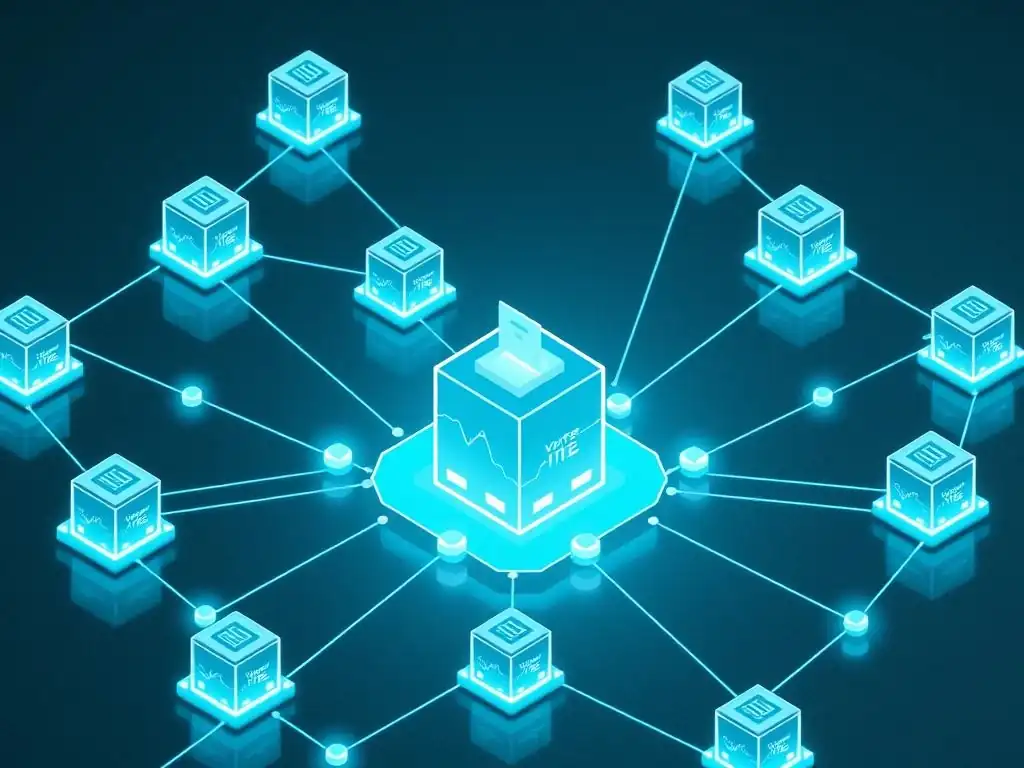
Designing and implementing state channels for NFTs presents unique technical considerations that must be addressed to ensure efficiency, security, and usability. One key consideration is the representation of NFTs within state channels. NFTs, being unique assets, require careful management of ownership and transfer within the off-chain channel environment.
Smart contracts that govern the state channel must be designed to correctly track and update NFT ownership as transactions occur within the channel. This may involve defining specific message formats for NFT transfers, ensuring proper validation of NFT ownership, and implementing mechanisms to prevent double-spending or unauthorized transfers of NFTs within the channel.
Another important aspect is the state management within the channel. The channel state, which includes the current ownership of NFTs and other relevant data, needs to be consistently maintained and updated as transactions occur. Efficient data structures and protocols are required to manage the state and ensure that all participants have a consistent view of the channel state. Furthermore, the implementation must consider how to handle different types of NFTs and their specific properties within the state channel.
NFTs can have varying metadata, functionalities, and associated smart contract logic. The state channel design should be flexible enough to accommodate these variations and ensure compatibility with diverse NFT standards and implementations. Careful consideration of these design and implementation aspects is crucial for building robust and functional NFT state channel solutions.
Security Considerations: Ensuring the Integrity of Off-Chain NFT Transactions
Security is paramount when implementing state channels for NFTs, as off-chain transactions must be protected against manipulation and fraud to maintain the integrity of NFT ownership. One key security consideration is ensuring the authenticity and integrity of off-chain messages representing NFT transactions. Digital signatures are typically used to verify the sender of a message and ensure that it has not been tampered with.
Robust cryptographic protocols must be employed to secure message signing and verification processes within the state channel. Furthermore, mechanisms are needed to prevent replay attacks, where malicious actors attempt to reuse old messages to fraudulently transfer NFTs. Techniques like nonces or timestamps can be incorporated into message structures to mitigate replay attacks.
Another critical security aspect is dispute resolution. While state channels are designed for cooperative interactions, disputes can arise. The system must provide a secure and reliable mechanism for resolving disputes based on the off-chain transaction history. This typically involves submitting evidence of the channel state and transaction logs to the on-chain smart contract for adjudication.
The smart contract must be designed to fairly and impartially resolve disputes based on the presented evidence. Furthermore, the security of the on-chain smart contract itself is crucial. The smart contract must be thoroughly audited and tested to prevent vulnerabilities that could be exploited to compromise the security of the state channel system. Addressing these security considerations is essential for building trust and ensuring the reliable operation of NFT state channels.
Smart Contract Integration: Bridging On-Chain and Off-Chain Worlds
Seamless integration between on-chain smart contracts and off-chain state channels is crucial for the effective functioning of NFT state channel solutions. The on-chain smart contract serves as the anchor for the state channel, managing channel opening, closing, and dispute resolution. It also acts as the authoritative record of NFT ownership when the channel is closed.
Careful design is needed to ensure smooth communication and data exchange between the on-chain and off-chain components. The smart contract must be able to accurately interpret and validate the off-chain state and transaction data submitted by channel participants. Conversely, the off-chain channel logic must be able to interact with the on-chain smart contract to initiate channel opening and closing procedures, as well as to trigger dispute resolution mechanisms.
Efficient data serialization and deserialization formats are important for minimizing gas costs associated with on-chain interactions. The amount of data submitted to the smart contract during channel opening and closing should be optimized to reduce transaction fees. Furthermore, the smart contract logic should be designed to be gas-efficient to minimize the cost of on-chain operations.
The integration should also consider error handling and fault tolerance. Robust mechanisms are needed to handle situations where communication between on-chain and off-chain components is disrupted or when errors occur during transaction processing. Ensuring smooth and reliable smart contract integration is vital for the usability and practicality of NFT state channel solutions.
Channel State Management: Ensuring Data Consistency and Preventing Disputes
Effective channel state management is fundamental to the operation of NFT state channels, ensuring data consistency among participants and minimizing the potential for disputes. All participants in a state channel must maintain a consistent and up-to-date view of the channel state, which includes the current ownership of NFTs and other relevant information. Robust protocols are needed to ensure that state updates are propagated reliably and efficiently among participants.
This may involve using techniques like state synchronization protocols or distributed ledger technologies to maintain consensus on the channel state. Furthermore, mechanisms are required to handle situations where participants go offline or become unresponsive. The system should be designed to ensure that the channel state remains consistent even in the presence of participant failures.
Versioning and history tracking of the channel state can also be beneficial for dispute resolution and auditing purposes. Maintaining a history of state updates allows for reconstructing the sequence of transactions and verifying the final state in case of disagreements. Immutable logs or versioned data structures can be used to track the state history.
Furthermore, clear protocols and procedures for handling channel closure and settlement are essential to prevent disputes. Participants should have a clear understanding of the channel closure process and the mechanisms for settling the final state on-chain. Well-defined channel state management practices are crucial for ensuring the smooth and reliable operation of NFT state channels and minimizing the risk of disputes.
Liquidity Provision: Enabling Efficient Trading Within State Channels
Liquidity provision is a critical factor for the success of any trading platform, including NFT marketplaces utilizing state channels. Liquidity refers to the ease with which NFTs can be bought and sold on the platform. Sufficient liquidity ensures that traders can quickly execute their orders at fair prices.
In the context of NFT state channels, liquidity provision involves ensuring that there are enough participants actively trading NFTs within the channels to facilitate efficient transactions. One challenge is that state channels are typically bilateral or multilateral, involving a limited number of participants in each channel. This can potentially fragment liquidity across different channels.
Strategies are needed to aggregate liquidity and ensure that traders have access to a wide range of NFTs and trading opportunities within the state channel ecosystem. One approach is to design state channel networks that allow for inter-channel routing and liquidity sharing. This would enable traders in different channels to access a larger pool of NFTs and liquidity. Market makers and liquidity providers can also play a crucial role in enhancing liquidity within NFT state channels.
These entities can commit NFTs and capital to state channels to facilitate trading and provide liquidity to the market. Incentive mechanisms and reward systems may be needed to attract and retain market makers and liquidity providers. Addressing liquidity provision challenges is essential for ensuring that NFT state channel platforms offer a vibrant and efficient trading environment.
Comparing NFT State Channels with Other Scaling Solutions
NFT State Channels vs. Layer-2 Rollups
When considering scaling solutions for NFT platforms, it's important to compare state channels with other prominent Layer-2 technologies, particularly rollups. Rollups, such as Optimistic Rollups and ZK-Rollups, are another leading Layer-2 scaling approach that aims to improve blockchain scalability by executing transactions off-chain and then "rolling up" or summarizing these transactions into a single transaction on the main chain. While both state channels and rollups are Layer-2 solutions, they differ significantly in their architecture, trade-offs, and suitability for different use cases.
Rollups typically offer higher throughput potential than state channels, as they can process a larger volume of transactions off-chain in a more aggregated manner. However, rollups often introduce a delay in finality, particularly Optimistic Rollups, which have a challenge period for fraud proofs. ZK-Rollups offer faster finality but are generally more complex to implement.
State channels, on the other hand, provide near-instant finality for transactions within the channel, as transactions are directly agreed upon by participants. They also offer better privacy for transactions within the channel, as only the channel opening and closing are recorded on-chain. However, state channels are typically more suited for scenarios with frequent interactions between a limited set of participants, whereas rollups are better suited for scaling general-purpose applications with a large and diverse user base.
For NFT platforms, the choice between state channels and rollups depends on the specific requirements of the platform. State channels may be more advantageous for platforms focused on high-frequency trading or real-time interactions, while rollups might be more suitable for platforms prioritizing high overall throughput and scaling to a massive user base.
NFT State Channels vs. Sidechains for NFT Platforms
Sidechains represent another category of scaling solutions for blockchain applications, and it's relevant to compare them with state channels in the context of NFT platforms. Sidechains are essentially independent blockchains that run parallel to the main chain and are connected to it through a two-way bridge. Transactions on the sidechain are processed independently of the main chain, allowing for increased throughput and scalability.
Sidechains can be customized and optimized for specific use cases, such as NFT platforms, potentially offering greater flexibility in terms of transaction processing and feature implementation compared to state channels. However, sidechains typically have their own consensus mechanisms and security models, which may differ from the main chain. This introduces a trade-off in terms of security, as sidechains are often considered to be less secure than the main chain they are anchored to.
State channels, in contrast, inherit the security of the main chain, as they rely on the main chain for settlement and dispute resolution. Sidechains also introduce complexities in terms of interoperability and bridging assets between the main chain and the sidechain. Moving NFTs between the main chain and a sidechain typically involves bridge mechanisms that can introduce delays and potential security risks.
State channels, being Layer-2 solutions, operate directly on top of the main chain, avoiding these interoperability challenges. For NFT platforms, the choice between state channels and sidechains depends on the priorities of the platform. Sidechains may be considered for platforms seeking maximum customization and throughput, while state channels might be preferred for platforms prioritizing security and seamless integration with the main chain.
Trade-offs and Advantages of Each Approach
Each scaling solution – state channels, rollups, and sidechains – presents its own set of trade-offs and advantages when applied to NFT platforms. State channels offer advantages in terms of speed, cost-effectiveness for frequent interactions, and privacy within channels. They are particularly well-suited for use cases like gaming NFTs, collectibles marketplaces, and in-game asset trading, where real-time interactions and high-frequency transactions are common. However, state channels may have limitations in terms of overall throughput compared to rollups and may be less suitable for scaling general-purpose NFT platforms with a massive user base.
Rollups, on the other hand, offer higher throughput potential and are better suited for scaling general-purpose applications. They are advantageous for NFT platforms prioritizing scalability to a large user base and can handle a higher volume of diverse NFT transactions. However, rollups may introduce delays in finality and may be more complex to implement than state channels.
Sidechains offer the greatest flexibility and customization potential, allowing for tailored solutions for specific NFT platform requirements. They can provide high throughput and scalability, but introduce trade-offs in terms of security and interoperability. Sidechains may be considered for platforms seeking maximum control over their scaling solution and willing to manage the complexities of sidechain operation and security.
Ultimately, the optimal scaling solution for an NFT platform depends on a careful evaluation of the platform's specific needs, priorities, and trade-off considerations. Factors such as transaction volume, user base size, security requirements, desired level of customization, and implementation complexity should all be taken into account when choosing between state channels, rollups, sidechains, or potentially a hybrid approach combining different scaling technologies.
The Future of NFT Scalability: State Channels and Beyond
The Evolving Landscape of NFT Scaling Solutions
The landscape of NFT scaling solutions is rapidly evolving, with ongoing research and development efforts exploring various approaches to address the scalability challenges of NFT platforms. State channels represent one promising Layer-2 solution, but they are not the only technology being explored. Rollups, both Optimistic and ZK-Rollups, are gaining traction as viable scaling solutions for NFTs, with ongoing development focused on improving their performance, reducing finality times, and simplifying implementation.
Validium, another Layer-2 technology, similar to ZK-Rollups but with data availability off-chain, is also being considered for NFT scaling. Furthermore, Layer-1 blockchain platforms specifically designed for high throughput and scalability, such as Solana, Flow, and Polygon, are also emerging as alternatives for building NFT platforms that can handle higher transaction volumes natively.
Beyond Layer-2 and Layer-1 solutions, other innovative approaches are being explored, including sharding, which aims to divide the blockchain into smaller, more manageable shards to improve scalability, and inter-blockchain communication protocols, which enable NFTs to be transferred and traded across different blockchain networks, potentially distributing transaction load across multiple chains. The future of NFT scalability is likely to involve a combination of these different technologies, with different solutions being adopted for different types of NFT platforms and use cases.
The ongoing innovation in this space suggests that significant advancements in NFT scalability are on the horizon, paving the way for wider adoption and more diverse applications of NFTs.
Potential Synergies Between State Channels and Other Technologies
The future of NFT scalability may not rely solely on any single scaling solution, but rather on potential synergies and combinations of different technologies working together. State channels, for instance, can potentially be combined with other scaling solutions to enhance their effectiveness. For example, state channels could be deployed on top of a Layer-2 rollup to further improve scalability and reduce transaction costs.
Rollups could handle the overall aggregation of transactions, while state channels could provide faster and cheaper transactions for specific interactions within the rollup environment. Similarly, state channels could be integrated with sidechains to provide a hybrid scaling approach. Sidechains could offer a dedicated environment for NFT platforms with high throughput needs, while state channels could be used within the sidechain to further optimize transaction speed and cost for specific use cases.
Interoperability between different scaling solutions and blockchain networks is also crucial for the future of NFT scalability. Protocols and bridges that enable NFTs to be seamlessly transferred and traded across different Layer-2 solutions and Layer-1 chains can help to aggregate liquidity and create a more interconnected and efficient NFT ecosystem.
Furthermore, advancements in zero-knowledge proofs and other cryptographic techniques could lead to new and improved scaling solutions that offer both high scalability and strong privacy guarantees. Exploring these potential synergies and combinations of different technologies is key to unlocking the full potential of NFT scalability and creating a more robust and versatile NFT ecosystem.
The Role of State Channels in Mainstream NFT Adoption
State channels, despite being just one piece of the evolving NFT scaling puzzle, hold a significant role in the journey towards mainstream NFT adoption. Their ability to drastically reduce gas fees and improve transaction speed directly addresses two of the major barriers hindering wider NFT adoption. By making NFT transactions more affordable and user-friendly, state channels can make NFTs accessible to a broader audience, including casual users and those interested in lower-value NFTs.
This increased accessibility can unlock new use cases and applications for NFTs that are currently economically unfeasible due to high gas fees. Furthermore, the real-time transaction capabilities of state channels can enable more engaging and interactive NFT experiences, particularly in gaming, collectibles, and virtual worlds. These improved user experiences can attract more users to the NFT space and foster greater adoption.
While state channels may not be a silver bullet solution for all NFT scaling challenges, they represent a valuable tool in the arsenal of scaling technologies. Their strengths in speed, cost-effectiveness for frequent interactions, and privacy make them particularly well-suited for specific NFT use cases that are crucial for mainstream adoption. As the NFT ecosystem continues to evolve and mature, state channels are likely to play an increasingly important role in enabling scalable, user-friendly, and cost-effective NFT platforms, contributing significantly to the broader adoption of NFTs in various industries and applications.
Conclusion: Are State Channels the Key to NFT Scalability?
Recap of the Benefits and Challenges of NFT State Channel Scalability
NFT state channels offer a compelling approach to addressing the scalability challenges faced by NFT platforms. Their primary benefits include significantly reduced gas fees for NFT transactions, faster transfer speeds and interactions, and enhanced throughput for NFT marketplaces. These advantages directly translate into a better user experience, increased accessibility to NFTs, and the enablement of new use cases that require real-time interactions and high-frequency trading. State channels are particularly well-suited for applications like gaming NFTs, collectibles marketplaces, digital art platforms, and in-game asset trading, where frequent transactions and microtransactions are common.
However, NFT state channels also present certain challenges and considerations. Implementation complexity, security considerations for off-chain transactions, the need for robust smart contract integration, and the management of channel state are all important technical aspects that require careful attention. Liquidity provision within state channels is another challenge that needs to be addressed to ensure efficient trading. Furthermore, state channels may not be the optimal scaling solution for all types of NFT platforms. For general-purpose NFT marketplaces with massive user bases and diverse transaction types, rollups or other scaling solutions may offer better overall throughput.
Final Thoughts on the Potential of State Channels for NFT Platforms
While state channels may not be the sole key to unlocking NFT scalability for all scenarios, they undoubtedly represent a significant and valuable tool in the scaling toolkit for specific types of NFT platforms, particularly those focused on high-frequency trading, real-time interactions, and applications requiring low transaction fees. Their strengths in speed, cost-effectiveness, and privacy make them a powerful solution for enhancing the user experience and enabling new use cases in key NFT sectors like gaming and collectibles. As the NFT ecosystem continues to mature and diversify, state channels are poised to play a crucial role in enabling scalable, efficient, and user-friendly NFT platforms, contributing significantly to the broader adoption and mainstream integration of Non-Fungible Tokens. The future of NFT scalability is likely to be multi-faceted, involving a combination of different technologies, and state channels are undoubtedly a vital piece of this evolving puzzle.
Frequently Asked Questions
What are NFT state channels and how do they relate to scalability?
NFT state channels are a layer-2 scaling solution that allows parties to transact NFTs off-chain, bypassing the main blockchain. This significantly reduces transaction fees and increases transaction throughput, addressing scalability issues on congested networks.
How do NFT state channels improve the user experience on NFT platforms?
By enabling faster and cheaper transactions, NFT state channels enhance the user experience. Users experience less waiting time and lower gas fees, making NFT platforms more accessible and user-friendly.
What are some potential challenges in implementing NFT state channels?
Implementing NFT state channels can be complex, requiring careful design and security considerations. Ensuring compatibility across different NFT standards and wallets also presents a significant challenge.
How do NFT state channels differ from other scalability solutions like Layer-2 rollups?
While both aim to improve scalability, NFT state channels involve direct, off-chain interactions between parties before settling on-chain. Rollups, on the other hand, batch transactions together and submit them to the main chain, offering a different trade-off between speed and security.
What role does regulation play in the adoption of NFT state channel solutions?
Regulatory clarity around NFTs and layer-2 solutions is crucial for widespread adoption. Clear guidelines can foster innovation and investor confidence, enabling the safe and responsible development of NFT state channel technologies.
Final Reflection: Embracing Scalable NFT Futures
The exploration of state channels as a solution for NFT state channel scalability reveals a critical juncture in the evolution of digital ownership. The limitations of current NFT platforms, burdened by high transaction fees and slow processing times, threaten to stifle innovation and widespread adoption. By embracing technologies like state channels, we can unlock the true potential of NFTs, transforming them from speculative assets into powerful tools for creators, collectors, and communities alike.
The promise of seamless, low-cost NFT transactions is not just a technical improvement; it's a cultural shift. It's about empowering artists to connect directly with their audiences, enabling new forms of digital art and collectibles, and fostering vibrant online communities. The future of NFTs lies in their ability to be more than just digital collectibles; they need to become building blocks for new digital experiences.
This vision requires a scalable infrastructure, and state channels offer a compelling pathway towards realizing that future.
As we stand on the cusp of this new era, I invite you to consider the implications of scalable NFTs. How can you, as a creator, collector, or developer, contribute to this evolution? Let us embrace the challenge of building a more accessible, efficient, and vibrant NFT ecosystem, one that empowers individuals and unlocks the boundless potential of digital ownership.
Ignite Your NFT Revolution: Explore State Channels Now!
Thank you for exploring the potential of state channels to enhance NFT scalability. We hope this article has provided valuable insights into overcoming some of the key challenges in the NFT space. Now, it's time to take action and explore the exciting possibilities.
Here's how you can move forward:
- Investigate a specific state channel solution and consider how it could be applied to NFT transactions. Hands-on research will help you understand its practical benefits.
- Share this article with fellow NFT enthusiasts and developers to foster discussions about innovative scaling solutions. Collaboration is essential for advancing the NFT ecosystem.
- Think creatively about new NFT use cases that could benefit from the near-instant, low-cost nature of state channel technology. What unique applications can you envision?
Are you ready to imagine a future where NFTs are traded instantly and affordably across state channels? What groundbreaking NFT project will you create using this powerful technology? Share your ideas in the comments!
Leave a Reply