
Validium: Secure and Scalable Layer2 for Enterprise Solutions


Welcome to Blockchain Trends, your go-to source for understanding the evolving world of blockchain technology. Forget just cryptocurrencies; we delve deep into its transformative potential across industries. Are you ready to unlock the secrets of secure and scalable blockchain for your enterprise? Dive into our latest article exploring Validium layer2 enterprise solutions and discover how this groundbreaking technology is revolutionizing data management and transaction processing. What if you could dramatically improve efficiency and security without compromising on scalability? Let's explore the possibilities...
Validium: Secure and Scalable Layer2 for Enterprise Supply Chains
- Understanding Layer-2 Scaling Solutions for Enterprise Blockchain Adoption
- What is Validium? A Deep Dive into the Technology
- Validium's Security Model: Ensuring Data Integrity and Trust
-
Benefits of Validium for Enterprise Supply Chains
- Enhanced Scalability: Handling High Transaction Throughput for Tracking Events
- Improved Transaction Costs: Reducing Gas Fees for Supply Chain Operations
- Data Privacy and Compliance: Meeting Regulatory Requirements for Sensitive Supply Chain Data
- Security Advantages: Minimizing the Risk of Counterfeiting and Fraud
- Use Cases of Validium in Enterprise Supply Chains
- Implementing Validium: Considerations for Enterprise Deployment
- The Future of Validium: Trends and Developments
- Conclusion: Validium as a Key Enabler for Enterprise Blockchain Adoption in Supply Chains
-
Frequently Asked Questions
- What is a Validium and how does it relate to Layer2 scaling?
- How does a Validium enhance security for enterprise blockchain applications?
- What are the key advantages of using Validium Layer2 solutions for enterprise applications compared to other scaling solutions?
- What types of enterprise applications are best suited for Validium Layer2 solutions?
- How does regulation impact the adoption of Validium Layer2 enterprise solutions?
- Final Reflection: Embracing the Validium Revolution
- Unlock the Potential of Validium: Take Control of Your Enterprise Scalability!
Understanding Layer-2 Scaling Solutions for Enterprise Blockchain Adoption
The Need for Scalable Blockchain Solutions in Enterprise Supply Chains
Enterprise supply chains are complex ecosystems involving numerous stakeholders, intricate processes, and vast amounts of data. Traditional supply chain systems often suffer from inefficiencies, lack of transparency, and limited interoperability. Blockchain technology offers a promising solution to address these challenges by providing a shared, immutable, and transparent ledger for tracking goods and information across the supply chain.
However, the inherent limitations of layer-1 blockchains, particularly in terms of scalability and transaction throughput, hinder their widespread adoption in enterprise-grade supply chains. Public blockchains like Ethereum, while secure and decentralized, can struggle to handle the high transaction volumes and data loads characteristic of large-scale supply chain operations.
Consider a global pharmaceutical company tracking millions of drug shipments across continents. Each movement, temperature reading, and custody transfer could potentially require a blockchain transaction. If each transaction takes several seconds to process and gas fees are high due to network congestion, implementing a supply chain solution directly on a layer-1 blockchain becomes economically and operationally impractical. The need for faster transaction processing, lower costs, and the ability to handle massive datasets becomes paramount for enterprises seeking to leverage blockchain’s benefits within their supply chain networks. This scalability bottleneck necessitates the exploration and adoption of layer-2 scaling solutions.
Introduction to Layer-2 Technologies: Addressing Blockchain Limitations
Layer-2 technologies are innovative protocols and frameworks built on top of existing layer-1 blockchains to enhance their scalability and efficiency without compromising security or decentralization. These solutions operate "off-chain" for transaction processing and data management, while still leveraging the security and consensus mechanisms of the underlying layer-1 blockchain for final settlement and dispute resolution. This separation of concerns allows layer-2 solutions to achieve significantly higher transaction throughput, lower latency, and reduced transaction costs compared to processing everything directly on the main blockchain.
Various layer-2 approaches have emerged, each with its own trade-offs and characteristics. Examples include state channels, sidechains, rollups (both optimistic and zero-knowledge, like zk-Rollups and Validium), and plasma. State channels, for instance, allow participants to conduct multiple transactions off-chain and only record the final state on the main chain.
Sidechains are independent blockchains that run parallel to the main chain and can be customized for specific applications. Rollups, on the other hand, bundle multiple transactions into a single batch that is then submitted to the layer-1 blockchain, significantly increasing throughput. These diverse layer-2 solutions cater to different needs and use cases, offering enterprises a range of options to overcome the scalability limitations of layer-1 blockchains and unlock the full potential of blockchain technology for supply chain management.
Validium as a Promising Layer-2 Solution for Enterprise Supply Chains
Among the array of layer-2 solutions, Validium stands out as a particularly promising option for enterprise supply chains due to its unique approach to data availability and security. Validium, a type of zero-knowledge rollup, offers a compelling combination of scalability, security, and data privacy, making it well-suited for the demanding requirements of complex enterprise networks. Unlike other scaling solutions that might compromise on data availability or rely on trust assumptions, Validium ensures that transaction data remains available and verifiable while still achieving significant scaling gains.
For supply chain applications where data integrity, auditability, and confidentiality are critical, Validium's features are especially relevant. Consider the need to track sensitive product information, such as origin, manufacturing details, and custody history, across a global supply chain.
Validium allows enterprises to process a high volume of transactions related to this tracking data off-chain, significantly reducing costs and improving speed, while simultaneously guaranteeing the security and verifiability of the data on the underlying layer-1 blockchain. This balance of scalability and robust security positions Validium as a powerful tool for enabling the broader adoption of blockchain technology in enterprise supply chain management and other data-sensitive applications.
What is Validium? A Deep Dive into the Technology
Definition of Validium: Data Availability and Off-Chain Computation
Validium is a specific type of layer-2 scaling solution that leverages zero-knowledge proofs (ZKPs) to achieve scalability while maintaining a high level of security and data availability. At its core, Validium performs transaction computation and state updates off-chain, much like other rollups. However, what distinguishes Validium is its approach to data availability.
In a Validium system, transaction data is not posted on the main layer-1 blockchain as call data, which is the case in zk-Rollups. Instead, data availability is ensured by an external committee or data availability providers, which are responsible for storing and making transaction data accessible when needed.
This distinction is crucial because it allows Validium to achieve even greater scalability compared to zk-Rollups. By not posting transaction data on-chain, Validium significantly reduces the data load on the layer-1 blockchain, leading to lower gas costs and higher transaction throughput. The security of Validium is still anchored in the layer-1 blockchain through the use of ZKPs.
For each batch of off-chain transactions, a validity proof is generated using ZK-SNARKs or ZK-STARKs and posted on the layer-1 chain. This proof cryptographically verifies the correctness of the off-chain computations, ensuring that even though the data is not directly on-chain, the integrity of the Validium state is guaranteed by the underlying blockchain's security.
How Validium Works: Technical Architecture and Key Components
The architecture of a Validium system typically involves several key components working in concert. First, there are the Validium Operators, also sometimes referred to as block producers or sequencers. These operators are responsible for executing transactions submitted by users, updating the Validium state off-chain, and batching these transactions together. Second, there is the Data Availability Committee (DAC) or Data Availability Providers (DAPs). This committee is responsible for storing the transaction data associated with the Validium chain and ensuring its availability. The DAC usually consists of multiple independent entities to enhance redundancy and security.
Third, the ZK-Proof Generator is a crucial component that generates zero-knowledge proofs for each batch of transactions processed by the Validium Operators. These proofs, typically ZK-SNARKs or ZK-STARKs, cryptographically demonstrate that the state transitions performed by the operators were valid and followed the predefined rules of the Validium system. Finally, the Smart Contract on Layer-1 acts as the verification point.
This contract receives the validity proofs from the ZK-Proof Generator and verifies them. Upon successful verification, the layer-1 contract acknowledges the state update of the Validium chain, anchoring the security of the Validium system to the robust security of the underlying layer-1 blockchain. This interplay of off-chain computation, data availability guarantees, and on-chain proof verification forms the core of Validium's technical architecture.
Validium vs. Other Layer-2 Solutions: zk-Rollups, Optimistic Rollups, and Sidechains
When comparing Validium to other layer-2 scaling solutions, it's important to consider the trade-offs between scalability, security, and data availability. zk-Rollups, like Validium, also use zero-knowledge proofs for security and off-chain computation. However, zk-Rollups post transaction data on-chain as call data. This ensures data availability directly on the layer-1 blockchain but can limit scalability compared to Validium.
Optimistic Rollups achieve scalability through fraud proofs. They assume transactions are valid unless challenged within a certain period. While optimistic rollups offer good scalability, they introduce a challenge period for withdrawals, typically around 7 days, which can be a significant delay. They also rely on economic incentives for fraud detection, which introduces a different security model compared to the cryptographic certainty of ZKPs.
Sidechains, on the other hand, are independent blockchains that run parallel to the main chain and have their own consensus mechanisms. They offer high scalability and customization but often sacrifice some security compared to rollups, as they are secured by their own validators rather than inheriting the security of the layer-1 blockchain directly. In contrast to all these, Validium offers a unique balance.
It achieves higher scalability than zk-Rollups by moving data availability off-chain while maintaining a strong security model through ZKPs. It avoids the withdrawal delays of optimistic rollups and aims for stronger security guarantees than sidechains by anchoring its security to the layer-1 blockchain through validity proofs. This makes Validium a compelling choice for enterprise applications that prioritize both high throughput and robust security with verifiable data availability, especially in scenarios where on-chain data posting becomes a bottleneck.
Validium's Security Model: Ensuring Data Integrity and Trust
Data Availability Challenges and Validium's Approach
Data availability (DA) is a critical aspect of blockchain security, ensuring that transaction data is accessible and verifiable by all participants. In layer-1 blockchains, data availability is typically guaranteed by the network nodes storing and distributing transaction data. However, in layer-2 solutions like Validium, where computation and some data management are moved off-chain, ensuring data availability becomes a more nuanced challenge. If transaction data is not available, users cannot verify the correctness of the Validium state, potentially undermining the security and trust in the system.
Validium addresses the data availability challenge by employing a Data Availability Committee (DAC) or Data Availability Providers (DAPs). This committee is composed of trusted and independent entities responsible for storing and making transaction data available. The specific mechanisms for data availability can vary, but often involve techniques like data erasure coding and distributed storage to ensure redundancy and resilience.
The security of the DAC is paramount. Validium designs often incorporate cryptographic commitments and mechanisms to incentivize honest behavior from DAC members and penalize malicious actions. While data is not directly on the layer-1 chain, the cryptographic commitments and the reputation/economic stake of DAC members are designed to provide a strong level of assurance that data will remain available when needed for audits, disputes, or state reconstruction.
Zero-Knowledge Proofs (ZKPs) in Validium: Enhancing Security
Zero-knowledge proofs (ZKPs) are the cornerstone of Validium's security model, providing cryptographic assurance of the correctness of off-chain computations without revealing the underlying transaction data. Validium leverages ZKPs, specifically ZK-SNARKs or ZK-STARKs, to generate concise proofs that demonstrate the validity of state transitions performed by the Validium Operators. These proofs are then submitted to and verified by a smart contract on the layer-1 blockchain. The power of ZKPs lies in their ability to convince a verifier that a statement is true without disclosing any information beyond the validity of the statement itself.
In the context of Validium, ZKPs prove that the batch of off-chain transactions processed by the operators is valid according to the rules of the Validium protocol. This means that the proofs guarantee that transactions were authorized, balances were updated correctly, and all other protocol rules were followed. By verifying these proofs on the layer-1 blockchain, Validium anchors its security to the robust cryptographic security of the underlying chain.
Even if the Validium operators or even some members of the DAC were to act maliciously, the validity proofs would fail to verify on-chain if they attempted to manipulate the Validium state incorrectly. This cryptographic guarantee provided by ZKPs significantly enhances the security of Validium, making it a more secure layer-2 solution compared to approaches that rely on trust assumptions or economic incentives alone.
Trust Assumptions in Validium: Understanding the Security Trade-offs
While Validium offers strong security guarantees through ZKPs, it's crucial to understand the trust assumptions inherent in its design, particularly related to data availability. Unlike zk-Rollups which post data on-chain, Validium relies on the Data Availability Committee (DAC) to ensure data availability. This introduces a trust assumption in the DAC, as users must trust that the DAC members will act honestly and make the data available when required. If the DAC colludes or fails to maintain data availability, it could potentially compromise the verifiability of the Validium state in the long run.
However, Validium designs typically incorporate mechanisms to mitigate this trust assumption. DACs are often composed of multiple reputable and independent entities, reducing the risk of collusion. Cryptographic commitments and audit trails can be implemented to monitor DAC behavior and detect any data unavailability.
Furthermore, economic incentives and penalties can be designed to encourage DAC members to act honestly and maintain data availability. It's important to note that the trust assumption in Validium is generally considered to be less significant than in solutions like sidechains, which often have their own independent security models and validator sets.
Validium still benefits from the security of the layer-1 blockchain through ZKP verification, and the trust in the DAC is focused specifically on data availability, which is a more limited scope compared to trusting the entire security model of a sidechain. Therefore, understanding and evaluating the design and composition of the DAC is crucial when assessing the overall security of a specific Validium implementation for enterprise solutions.
Benefits of Validium for Enterprise Supply Chains
Enhanced Scalability: Handling High Transaction Throughput for Tracking Events
One of the most significant benefits of Validium for enterprise supply chains is its enhanced scalability. Traditional layer-1 blockchains often struggle to handle the high transaction throughput required for tracking numerous events in complex supply chains. Consider a global retailer tracking millions of product units as they move through manufacturing, warehousing, shipping, and delivery stages. Each scan, update, or transfer could generate a transaction. Validium, as a layer-2 solution, is designed to process thousands of transactions per second (TPS), significantly exceeding the capabilities of many layer-1 blockchains.
This high throughput is achieved through off-chain computation and optimized data management. By processing transactions off-chain and only submitting validity proofs to the main chain, Validium drastically reduces the load on the layer-1 network. This scalability enables enterprises to track a far greater volume of supply chain events in real-time, providing a more granular and comprehensive view of their operations.
For instance, a logistics provider can use Validium to track every package movement, temperature fluctuation, and handling event for millions of shipments daily, without encountering the transaction bottlenecks and high costs associated with layer-1 blockchain solutions. This enhanced scalability translates directly to improved efficiency, responsiveness, and visibility across the entire supply chain network.
Improved Transaction Costs: Reducing Gas Fees for Supply Chain Operations
Beyond scalability, Validium offers substantial improvements in transaction costs, a critical factor for enterprises considering blockchain adoption in supply chains. Processing transactions directly on layer-1 blockchains, particularly during periods of network congestion, can result in high gas fees, making microtransactions or high-volume operations economically prohibitive. Validium significantly reduces these costs by moving transaction execution off-chain. Since Validium only posts concise validity proofs on the layer-1 blockchain, the on-chain gas costs are dramatically lower compared to processing full transactions on-chain.
For supply chain applications involving numerous transactions, such as tracking individual components in manufacturing or monitoring each step in a food supply chain, the reduction in gas fees offered by Validium can lead to significant cost savings. Imagine a food manufacturer tracking individual batches of produce from farm to consumer. With potentially thousands of transactions per day to record origin, processing, and transportation data, the cumulative gas fees on a layer-1 blockchain could become a substantial operational expense.
Validium's ability to bundle these transactions and minimize on-chain interactions translates to significantly lower transaction costs, making blockchain-based supply chain solutions more economically viable and accessible for enterprises of all sizes. This cost efficiency is a key driver for the adoption of Validium layer2 enterprise solutions.
Data Privacy and Compliance: Meeting Regulatory Requirements for Sensitive Supply Chain Data
Data privacy and regulatory compliance are paramount concerns for enterprises operating in global supply chains. Many supply chain data points, such as product origin, supplier details, and customer information, are sensitive and subject to various privacy regulations like GDPR or CCPA. Public layer-1 blockchains, by their nature, offer transparency, but this can be a challenge when dealing with confidential business information.
Validium provides enhanced data privacy capabilities that are particularly beneficial for enterprise supply chains. While transactions are verified on the public layer-1 blockchain, the actual transaction data within Validium can be managed with greater control over access and visibility.
Depending on the specific Validium implementation, enterprises can configure data access permissions and potentially encrypt transaction data within the Validium system. This allows for selective disclosure of information based on roles and regulatory requirements. For instance, a pharmaceutical company can track sensitive drug manufacturing data within a Validium system, ensuring that only authorized parties, such as regulators or auditors, have access to specific details, while still benefiting from the overall transparency and security of the blockchain for tracking and verification.
This ability to balance transparency with data privacy makes Validium a valuable tool for enterprises operating in regulated industries and needing to comply with stringent data protection requirements within their supply chain operations. Validium layer2 enterprise solutions are designed to address these crucial compliance needs.
Security Advantages: Minimizing the Risk of Counterfeiting and Fraud
Security is a fundamental requirement for robust supply chain management, especially in combating counterfeiting and fraud. Traditional supply chains are often vulnerable to these risks due to lack of transparency and traceability. Validium, leveraging the security of the underlying layer-1 blockchain and zero-knowledge proofs, offers significant security advantages in mitigating these risks. The immutability and transparency of blockchain, combined with Validium's enhanced scalability and data privacy features, create a more secure and auditable supply chain environment.
By recording critical product information and transaction history on a Validium-based system, enterprises can create an immutable record of product provenance and custody. This makes it significantly harder for counterfeiters to introduce fake products into the supply chain, as the authenticity of goods can be readily verified against the blockchain record. For example, in the luxury goods industry, Validium can be used to track the journey of high-value items from manufacturing to point-of-sale, providing consumers with a verifiable proof of authenticity and reducing the risk of purchasing counterfeit products.
Similarly, in the pharmaceutical industry, Validium can enhance drug traceability, helping to prevent the distribution of counterfeit or substandard medications, thereby improving patient safety and brand protection. The inherent security features of Validium contribute to a more trustworthy and resilient supply chain, minimizing the risks associated with counterfeiting, fraud, and data manipulation.
Use Cases of Validium in Enterprise Supply Chains
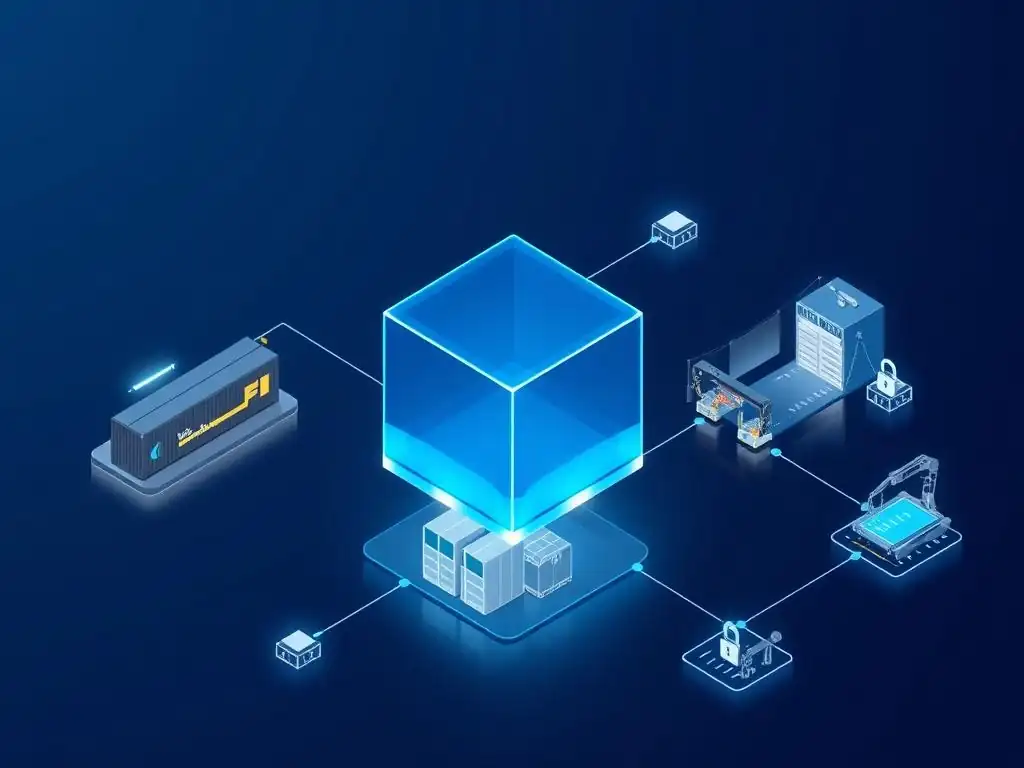
Pharmaceutical Supply Chain: Tracking Drugs and Preventing Counterfeiting
The pharmaceutical industry faces significant challenges related to counterfeiting and ensuring the integrity of the drug supply chain. Counterfeit drugs pose serious health risks to patients and can severely damage the reputation of pharmaceutical companies. Validium offers a powerful solution for tracking pharmaceuticals throughout their journey, from manufacturing to dispensing, and effectively combating counterfeiting. By recording critical data points such as batch numbers, manufacturing dates, temperature logs, and custody transfers on a Validium-based system, pharmaceutical companies can create an auditable and immutable record of each drug product.
Imagine a scenario where a patient can scan a QR code on a medication package and instantly verify its authenticity and trace its origin back to the manufacturer using a Validium-powered application. This level of transparency and traceability significantly reduces the risk of counterfeit drugs entering the supply chain. Moreover, Validium's data privacy features are crucial in the pharmaceutical context, as sensitive patient and drug information needs to be protected.
Validium allows for controlled access to this data while still ensuring the verifiability of the supply chain record. For instance, regulatory bodies can be granted access to audit trails for compliance purposes, while maintaining patient privacy. The enhanced security, scalability, and data privacy of Validium make it an ideal layer2 enterprise solution for enhancing transparency and combating counterfeiting in the pharmaceutical supply chain.
Food Supply Chain: Ensuring Traceability and Food Safety
Food safety and traceability are paramount concerns in the modern food industry. Consumers increasingly demand to know the origin and journey of their food, and regulatory bodies are enforcing stricter traceability requirements. Validium can revolutionize food supply chains by providing a transparent and efficient system for tracking food products from farm to fork. By recording data at each stage of the food supply chain, including farming practices, processing details, transportation logs, and storage conditions, Validium creates a comprehensive and verifiable record of the food product's journey.
This enhanced traceability allows for rapid identification and recall of contaminated or unsafe food products, minimizing the impact of foodborne illnesses and protecting public health. Consider a case of food contamination where authorities need to quickly trace the source of the contamination. With a Validium-based system, they can efficiently trace back through the supply chain to identify the origin of the contaminated batch, isolate affected products, and prevent further distribution.
Furthermore, consumers can use Validium-based applications to access information about the food they are purchasing, including its origin, farming methods, and processing details, enhancing trust and transparency in the food supply chain. The scalability of Validium is crucial in the food industry, which involves tracking vast quantities of products across complex global networks. Validium layer2 enterprise solutions are enabling a new era of food traceability and safety.
Luxury Goods Supply Chain: Authenticating Products and Combating Fakes
The luxury goods industry is heavily impacted by counterfeiting, resulting in billions of dollars in losses annually and damaging brand reputation. Validium offers a powerful tool for authenticating luxury goods and combating the proliferation of fakes. By assigning unique digital identities to luxury items and recording their provenance and ownership history on a Validium-based blockchain, brands can create a verifiable certificate of authenticity for each product. This digital certificate can be linked to the physical product through technologies like QR codes or NFC tags.
When a consumer purchases a luxury item, they can easily verify its authenticity by scanning the tag and checking the product's record on the Validium system. This provides consumers with confidence in their purchase and protects brands from the damaging effects of counterfeiting. For example, a luxury watch manufacturer can use Validium to track each watch from its creation, through distribution channels, to the final customer.
This immutable record ensures that the watch's authenticity can be verified at any point in its lifecycle. Validium's security features, particularly its reliance on zero-knowledge proofs, ensure the integrity and tamper-proof nature of these digital certificates of authenticity. The application of Validium layer2 enterprise solutions in the luxury goods sector is transforming brand protection and consumer trust in product authenticity.
Automotive Supply Chain: Verifying Component Provenance and Quality Assurance
The automotive industry relies on complex and global supply chains involving thousands of components sourced from numerous suppliers. Ensuring the provenance and quality of these components is critical for vehicle safety, performance, and regulatory compliance. Validium can be deployed to enhance transparency and traceability throughout the automotive supply chain, enabling manufacturers to verify the origin and quality of components and streamline quality assurance processes. By recording data related to component manufacturing, testing, and transfers on a Validium system, automotive manufacturers can create a detailed and auditable record of each component's lifecycle.
This enhanced traceability can be used to quickly identify and isolate defective components in case of recalls or quality issues. Imagine a scenario where a safety-critical component in a vehicle is found to be faulty. With a Validium-based system, manufacturers can rapidly trace back through the supply chain to identify the affected batch of components, pinpoint the source of the defect, and initiate targeted recalls, minimizing risk and improving response times.
Furthermore, Validium can facilitate better collaboration and data sharing among automotive supply chain partners, improving overall efficiency and transparency. For instance, component suppliers can directly upload quality assurance data to the Validium system, providing manufacturers with real-time visibility into component quality and streamlining the verification process. Validium layer2 enterprise solutions are driving improvements in quality assurance, traceability, and efficiency in the complex automotive supply chain.
Implementing Validium: Considerations for Enterprise Deployment
Choosing the Right Validium Provider: Factors to Consider
Selecting the right Validium provider is a crucial step for enterprises considering deploying Validium layer2 enterprise solutions. The Validium ecosystem is still evolving, and different providers offer varying levels of maturity, features, and support. Several factors should be carefully considered when choosing a Validium provider. Security is paramount; enterprises should evaluate the provider's security architecture, including the design and composition of the Data Availability Committee (DAC), the cryptographic protocols used, and the track record of the provider in securing layer-2 solutions.
Scalability and Performance are also critical. Enterprises need to assess the provider's claimed transaction throughput, latency, and ability to handle the anticipated transaction volume of their supply chain operations. Benchmarking and performance testing are essential to validate these claims.
Data Availability Guarantees are a key differentiator between Validium providers. Enterprises should scrutinize the provider's data availability mechanisms, including the redundancy and resilience of the DAC infrastructure, the Service Level Agreements (SLAs) offered, and the procedures for data recovery and auditability. Integration Capabilities with existing enterprise systems are another crucial consideration.
Enterprises need to evaluate the ease of integrating the Validium solution with their current ERP, CRM, and supply chain management systems. Providers offering robust APIs, SDKs, and middleware solutions can significantly simplify integration efforts. Finally, Cost and Pricing Models need to be carefully analyzed.
Validium providers may offer different pricing models based on transaction volume, data storage, or subscription fees. Enterprises should compare the total cost of ownership across different providers and choose a model that aligns with their budget and usage patterns. Thorough due diligence and a comprehensive evaluation of these factors are essential for selecting the right Validium provider to ensure a successful enterprise deployment.
Integrating Validium with Existing Enterprise Systems: Challenges and Solutions
Integrating Validium layer2 enterprise solutions with existing enterprise systems presents both challenges and opportunities. Many enterprises have invested heavily in legacy systems, such as ERP, CRM, and WMS, which are not natively designed to interact with blockchain technologies. Data integration is a primary challenge. Bridging the gap between traditional databases and the Validium blockchain requires developing robust data connectors and translation layers to ensure seamless data flow between systems.
Data mapping, transformation, and synchronization are critical aspects of this integration process. Workflow integration is another challenge. Enterprise business processes often involve complex workflows that need to be adapted to incorporate blockchain functionalities. Integrating Validium into these workflows may require re-engineering processes and developing new smart contract logic to automate interactions with the Validium chain.
Security integration is paramount. Enterprises need to ensure that the Validium integration does not introduce new security vulnerabilities into their existing systems. Implementing secure authentication, authorization, and key management mechanisms is crucial to protect sensitive data and prevent unauthorized access. Change management is often underestimated.
Integrating Validium may require significant changes to existing IT infrastructure, business processes, and user workflows. Effective change management strategies, including user training and communication, are essential to ensure smooth adoption and minimize disruption. To address these challenges, enterprises can leverage middleware solutions that act as intermediaries between Validium and legacy systems, simplifying integration and abstracting away the complexities of blockchain interactions. Adopting an iterative and phased approach to integration, starting with pilot projects and gradually expanding scope, can also help mitigate risks and ensure a successful integration of Validium layer2 enterprise solutions.
Security Best Practices for Validium Implementation
Implementing Validium layer2 enterprise solutions securely requires adherence to specific security best practices, particularly in areas related to key management, data privacy, and smart contract security. Key Management is fundamental. Enterprises must implement robust key management practices to protect private keys used to interact with the Validium system. This includes using hardware security modules (HSMs) or secure enclaves to store private keys, implementing multi-signature schemes for critical operations, and establishing clear key rotation and recovery procedures.
Data Privacy considerations are paramount, especially when handling sensitive supply chain data. Enterprises should implement appropriate data encryption techniques to protect data at rest and in transit within the Validium system. Access control mechanisms should be configured to ensure that only authorized users and applications can access sensitive data. Compliance with relevant data privacy regulations, such as GDPR and CCPA, must be a guiding principle in the implementation process.
Smart Contract Security is crucial. The smart contracts that govern the Validium system should be rigorously audited by independent security experts to identify and mitigate potential vulnerabilities. Following secure coding practices, implementing thorough testing procedures, and employing formal verification techniques can enhance the security of smart contracts. Regular Security Audits of the entire Validium implementation, including the infrastructure, applications, and smart contracts, should be conducted to identify and address any emerging security risks.
Incident Response Planning is essential. Enterprises should develop a comprehensive incident response plan to effectively handle security incidents or breaches in the Validium system. This plan should include procedures for incident detection, containment, eradication, recovery, and post-incident analysis. By diligently following these security best practices, enterprises can minimize the risks associated with Validium implementations and ensure the long-term security and integrity of their Validium layer2 enterprise solutions.
The Future of Validium: Trends and Developments
Advances in ZK-SNARKs and ZK-STARKs: Improving Performance and Scalability
The future of Validium layer2 enterprise solutions is closely tied to ongoing advancements in zero-knowledge proof (ZKP) technologies, particularly ZK-SNARKs and ZK-STARKs. These cryptographic techniques are constantly evolving, with researchers and developers working to improve their performance, efficiency, and scalability. Faster proof generation and verification are key areas of focus. Innovations in cryptographic algorithms and hardware acceleration are leading to significant reductions in the time and computational resources required to generate and verify ZKPs.
This translates directly to improved transaction processing speeds and lower latency in Validium systems. More efficient proof sizes are also being pursued. Reducing the size of ZKPs makes them cheaper to post and verify on the layer-1 blockchain, further enhancing the scalability and cost-effectiveness of Validium.
Increased developer tooling and accessibility are crucial for wider adoption. The ZKP landscape is becoming more developer-friendly with the emergence of new libraries, frameworks, and programming languages specifically designed for ZKP development. These advancements lower the barrier to entry for developers and make it easier to build and deploy Validium-based applications. Post-quantum cryptography is an increasingly important consideration.
As quantum computing technology advances, there is a growing need for ZKP schemes that are resistant to quantum attacks. Researchers are actively exploring post-quantum ZKPs to ensure the long-term security of Validium and other ZKP-based systems in the face of potential quantum threats. These ongoing advancements in ZK-SNARKs and ZK-STARKs are paving the way for even more performant, scalable, and secure Validium layer2 enterprise solutions in the future.
Interoperability with Other Blockchain Networks: Connecting Validium to the Wider Ecosystem
Interoperability is becoming increasingly important in the blockchain landscape, and Validium layer2 enterprise solutions are no exception. The ability for Validium systems to seamlessly interact with other blockchain networks, both layer-1 and other layer-2 solutions, is crucial for unlocking the full potential of blockchain technology in enterprise supply chains. Cross-chain communication protocols are being developed to enable Validium chains to exchange data and assets with other blockchains.
This includes technologies like bridges and atomic swaps that facilitate secure and trustless transfers of value and information between different blockchain ecosystems. Standardized interfaces and APIs are essential for interoperability. Efforts to standardize communication protocols and data formats across different layer-2 solutions, including Validium, will make it easier for enterprises to build interoperable blockchain applications and integrate them with various blockchain networks.
Composable architecture is a growing trend in the blockchain space. Modular and composable Validium designs that can be easily integrated with other blockchain components and services are becoming more prevalent. This allows enterprises to build customized and flexible blockchain solutions that leverage the best features of different blockchain technologies.
Industry collaborations and standardization initiatives are crucial for driving interoperability. Industry consortia and standardization bodies are working to define common standards and protocols for layer-2 interoperability, fostering a more interconnected and collaborative blockchain ecosystem. Enhanced interoperability will enable Validium layer2 enterprise solutions to participate in broader blockchain ecosystems, access a wider range of services and functionalities, and facilitate seamless data exchange and value transfer across different supply chain networks and blockchain platforms.
The Role of Validium in the Enterprise Blockchain Landscape
Validium is poised to play a significant role in shaping the future of the enterprise blockchain landscape, particularly in sectors requiring high scalability, robust security, and data privacy. As enterprises increasingly recognize the potential of blockchain technology to transform their operations, the demand for scalable and enterprise-grade layer-2 solutions like Validium is expected to grow substantially. Enabling wider adoption of blockchain in enterprises is a key role for Validium. By addressing the scalability and cost limitations of layer-1 blockchains, Validium makes blockchain technology more accessible and practical for a wider range of enterprise use cases, including supply chain management, financial services, and healthcare.
Driving innovation in enterprise applications is another important role. Validium empowers developers to build more sophisticated and feature-rich enterprise blockchain applications that were previously infeasible due to scalability constraints. This can lead to new and innovative solutions that transform business processes and create new business models.
Fostering trust and transparency in enterprise ecosystems is a core value proposition of Validium. By leveraging the security of the underlying layer-1 blockchain and zero-knowledge proofs, Validium provides a high level of assurance in the integrity and verifiability of data and transactions within enterprise networks. This can enhance trust among supply chain partners, improve transparency for consumers, and facilitate regulatory compliance.
Contributing to the evolution of layer-2 technologies is an ongoing role for Validium. As a leading type of zero-knowledge rollup, Validium is at the forefront of layer-2 innovation, driving advancements in ZKP technologies and contributing to the development of more efficient, secure, and user-friendly layer-2 solutions. Validium layer2 enterprise solutions are positioned to be a critical enabler for the widespread adoption of blockchain technology in enterprises and to drive significant advancements in the enterprise blockchain landscape.
Conclusion: Validium as a Key Enabler for Enterprise Blockchain Adoption in Supply Chains
Recap of Validium's Benefits and Use Cases
Validium offers a compelling suite of benefits that make it a key enabler for enterprise blockchain adoption in supply chains. Its enhanced scalability allows for handling high transaction throughput crucial for tracking numerous supply chain events. Improved transaction costs significantly reduce gas fees, making blockchain solutions economically viable for large-scale operations. Data privacy and compliance features enable enterprises to meet regulatory requirements for sensitive supply chain data. Security advantages, particularly through zero-knowledge proofs, minimize the risk of counterfeiting and fraud, fostering trust and integrity.
Use cases across diverse supply chains demonstrate Validium's versatility. In the pharmaceutical industry, it combats drug counterfeiting and enhances traceability. For the food supply chain, it ensures food safety and provenance. In the luxury goods sector, it authenticates products and protects brands. And within the automotive supply chain, it verifies component origin and streamlines quality assurance. These examples highlight Validium’s broad applicability and transformative potential.
The Potential of Validium to Transform Enterprise Supply Chain Operations
The potential of Validium to transform enterprise supply chain operations is substantial. By overcoming the scalability and cost limitations of traditional blockchains, Validium unlocks the full benefits of blockchain technology for supply chain management. It empowers enterprises to create more transparent, efficient, and resilient supply chains. Real-time tracking, improved data visibility, and streamlined processes become achievable at scale. Validium facilitates stronger collaboration and data sharing among supply chain partners, fostering greater trust and efficiency across the network. It enables enhanced risk management by improving traceability and reducing vulnerabilities to fraud and counterfeiting.
Furthermore, Validium supports the development of new business models and value-added services in supply chains. For example, enhanced traceability can enable premium pricing for ethically sourced or sustainably produced goods. Improved data transparency can facilitate supply chain financing and optimize inventory management. The combination of scalability, security, and data privacy offered by Validium creates a powerful platform for innovation and transformation in enterprise supply chain operations, moving beyond incremental improvements to fundamentally reshaping how supply chains function.
Final Thoughts on Validium's Role in the Future of Blockchain
Validium represents a significant step forward in the evolution of blockchain technology, particularly in its application to enterprise solutions. As a robust and scalable layer-2 solution, Validium addresses critical challenges that have hindered broader enterprise adoption. Its focus on security through zero-knowledge proofs and its innovative approach to data availability position it as a leading contender in the layer-2 landscape. While still a developing technology, Validium's potential is undeniable. Continued advancements in ZKP technologies, coupled with increasing enterprise interest in blockchain solutions, suggest a bright future for Validium layer2 enterprise solutions.
Validium is not just a technological advancement; it is an enabler of trust and transparency in complex systems. By providing a secure and scalable foundation for verifiable data exchange and transaction processing, Validium empowers enterprises to build more trustworthy and efficient supply chains, and indeed, more trustworthy and efficient business ecosystems overall. As the blockchain space matures and enterprises seek practical and scalable solutions, Validium is poised to play a crucial role in driving the next wave of blockchain adoption and shaping the future of decentralized systems in the enterprise world.
Frequently Asked Questions
What is a Validium and how does it relate to Layer2 scaling?
A Validium is a type of Layer2 scaling solution that leverages off-chain computation and data storage. It ensures security by posting validity proofs to the main chain, offering a different approach compared to other Layer2 solutions like rollups, which post transaction data.
How does a Validium enhance security for enterprise blockchain applications?
Validiums enhance security by using zero-knowledge proofs or similar cryptographic techniques to prove the validity of off-chain transactions. This means enterprises can trust the integrity of the system without needing to store all transaction data on the publicly visible and expensive main chain, leading to cost savings and increased privacy.
What are the key advantages of using Validium Layer2 solutions for enterprise applications compared to other scaling solutions?
Validiums offer a balance between security and scalability, potentially surpassing other Layer2 solutions in certain enterprise scenarios. They can handle a high volume of transactions while maintaining strong security guarantees, making them well-suited for applications requiring both.
What types of enterprise applications are best suited for Validium Layer2 solutions?
Applications that require high transaction throughput, strong data privacy, and robust security are prime candidates. Examples include supply chain management, digital identity solutions, and financial services applications where data confidentiality is crucial.
How does regulation impact the adoption of Validium Layer2 enterprise solutions?
Regulatory landscapes are evolving regarding blockchain technology, and this impacts the adoption of Validium solutions. Compliance with data privacy regulations (like GDPR) and financial regulations is crucial, and understanding the legal implications of using off-chain data storage is essential for enterprises.
Final Reflection: Embracing the Validium Revolution
The exploration of Validium technology as a robust Layer2 solution for enterprise applications underscores a critical shift in blockchain adoption. The promise of secure and scalable transactions, without compromising data sovereignty, is no longer a distant aspiration but a tangible reality. This article has highlighted the potential of Validium to unlock new possibilities for businesses seeking to leverage the benefits of blockchain while mitigating the inherent limitations of traditional Layer1 networks.
The ongoing influence of Validium on the enterprise landscape is undeniable. Its ability to provide a secure and compliant environment for sensitive data is paramount, fostering trust and encouraging wider adoption. This technology is not just about faster transactions; it's about building a more resilient and transparent future for enterprise operations. The future belongs to those who believe in the beauty of their dreams.
- Eleanor Roosevelt. This quote resonates deeply with the potential of Validium to transform the way enterprises operate, enabling them to realize their vision of a more secure and efficient future.
Now, consider the implications of Validium for your own organization and the broader ecosystem. How can you leverage this technology to enhance security, improve scalability, and unlock new opportunities? Let us embrace the Validium revolution and build a future where blockchain technology empowers enterprises to thrive in a secure and scalable environment.
Unlock the Potential of Validium: Take Control of Your Enterprise Scalability!
Thank you for diving into the world of Validium and its transformative potential for enterprise solutions. We hope you now have a clearer understanding of how this Layer2 scaling solution can revolutionize your blockchain strategies. Now, it's time to put this knowledge into action and explore the possibilities further.
Here's how you can continue your Validium journey:
- Immediately begin outlining a pilot project within your organization to test Validium's capabilities using a test network. Consider a use case with high transaction volume to truly see its impact on scalability.
- Explore and compare various Validium providers to find the best fit for your specific enterprise needs. Don't hesitate to reach out to them directly for detailed consultations.
- Share this article with your team members who are involved in blockchain strategy and implementation. Start an internal discussion about how Validium can address your organization's current challenges.
What specific enterprise challenge could Validium help you solve today? Share your ideas in the comments below!
Leave a Reply