
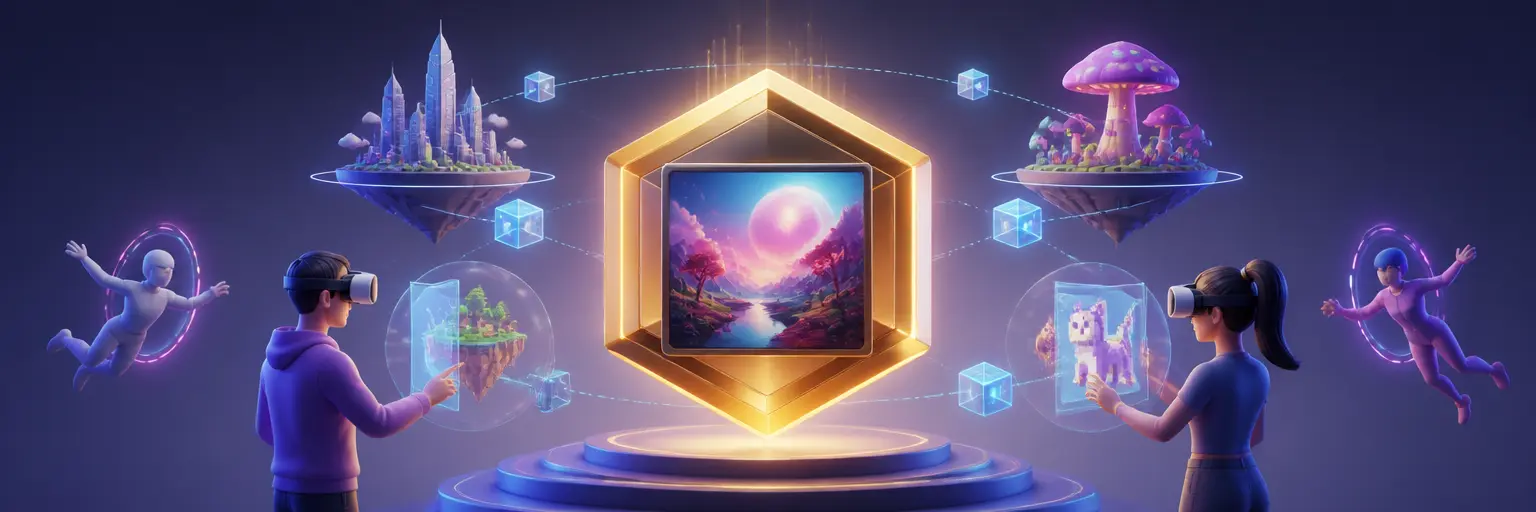
Why NFTs are Revolutionizing Ownership in Virtual Worlds
Explore NFTs in Virtual Worlds 🌐—unique digital assets that bring ownership, identity, and utility to immersive blockchain-powered environments. Discover virtual real estate, avatars, wearables, collectibles, and in-world experiences while learning how NFTs are shaping the metaverse, enabling user-driven economies, and unlocking new opportunities for creators, brands, and communities.
67 articles
NFTs and the Metaverse Economy: Building a Decentralized Marketplace
Investing in Virtual Land NFTs: Risks and Rewards in the Metaverse
The Metaverse and NFTs: A Transformative Partnership for Digital Worlds
NFTs and Digital Identity in the Metaverse: Owning Your Online Persona
The Role of NFTs in Building Immersive Virtual World Experiences
NFT Use Cases Beyond Art and Collectibles in Virtual Worlds
Interoperability Challenges for NFTs Across Different Virtual Worlds
NFT Interoperability Solutions for Seamless Metaverse Experiences
Virtual Real Estate NFTs: Buying, Selling, and Renting Digital Land
The Impact of NFTs on the Gaming Industry and Virtual Worlds
Securing Your Virtual World NFTs: Essential Security Practices
NFT Marketplaces for Virtual Worlds: A Comprehensive Guide
Valuation of Virtual Land NFTs: Determining Fair Market Value
Avatar NFTs: Crafting Your Unique Identity in Virtual Worlds
Real Estate in the Metaverse: Investing in Virtual Land and Properties
NFT Ticketing for Virtual Events: Exclusive Access and Experiences
VR/AR Integration with NFTs in Virtual Worlds: Immersive Future
Fashion NFTs for Avatars: Digital Couture and Metaverse Style
NFT Insurance for Virtual Assets: Protecting Your Metaverse Investments
Are Virtual World NFTs a Bubble? Examining the Hype and Reality
NFT Scams in Virtual Worlds: Protecting Yourself from Fraud
NFT Data and Analytics for Virtual Worlds: Understanding Market Trends
NFTs and the Creator Economy in Virtual Worlds: Empowering Artists
NFT Governance in Virtual Worlds: Shaping Decentralized Futures
Virtual Land NFTs: The New Frontier of Metaverse Real Estate
The Rise of Virtual World NFTs: Trends and Future Predictions
Scaling NFTs for Mass Adoption in Virtual Worlds: Technical Challenges
Access Pass NFTs: Gated Communities and Exclusive Content in the Metaverse
The Sandbox NFTs: Creating Interactive Metaverse Experiences
🌐 NFTs in Virtual Worlds: Digital Ownership in the Metaverse
Explore how NFTs in virtual worlds are transforming digital ownership, gaming, social experiences, and the metaverse economy. This subcategory from Blockchain Trends covers virtual real estate, avatar wearables, in-game assets, interoperable collectibles, creator royalties, and blockchain-powered communities. Discover how non-fungible tokens provide verifiable ownership and utility across decentralized platforms while examining the opportunities, risks, regulations, and emerging business models shaping the future of immersive digital environments.
🏙️ Virtual Real Estate and Metaverse Property
Learn how virtual land NFTs represent parcels, buildings, venues, and experiences inside blockchain-based virtual worlds. Articles in this section explore digital property ownership, land scarcity, marketplace pricing, location-based value, and the ways creators and brands use metaverse real estate to build interactive destinations.
Readers can also expect practical analysis of virtual property investment, leasing models, advertising opportunities, and community development. We explain how blockchain records ownership and transfers while highlighting important considerations such as platform dependence, liquidity, speculative pricing, and long-term utility.
👤 Avatar NFTs and Digital Identity
Discover how avatar NFTs, profile-picture collections, digital clothing, accessories, and identity-based assets are used across virtual worlds. These tokens can help users express personality, establish online presence, and participate in blockchain communities through verifiable digital identities.
This section examines avatar customization, portable identities, wearable NFTs, status symbols, and the potential for cross-platform use. You will also find insights into intellectual property rights, personal branding, privacy, authenticity, and the evolving relationship between users and their digital representations.
🎮 Gaming NFTs and Virtual Economies
Explore the role of gaming NFTs in play-to-earn, play-and-own, and player-driven virtual economies. Coverage includes characters, weapons, skins, collectibles, resources, and other in-game assets that can be minted, traded, or used within blockchain games and metaverse platforms.
Readers will learn how tokenized game assets influence gameplay, digital scarcity, marketplace activity, and player ownership. We also analyze sustainable game design, tokenomics, fraud prevention, transaction fees, and the difference between meaningful utility and purely speculative NFT demand.
🛍️ NFT Marketplaces and Digital Commerce
Find guidance on metaverse NFT marketplaces where users buy, sell, mint, and trade virtual goods. This includes marketplace discovery, wallet connections, smart contract interactions, royalties, transaction costs, authenticity checks, and payment options across different blockchain networks.
Our content helps readers understand how digital commerce works in virtual worlds and how creators can monetize experiences, collectibles, fashion, music, and branded environments. We also address marketplace security, scams, counterfeit collections, wash trading, and the importance of reviewing contract details before purchasing.
🤝 Brands, Creators, and Virtual Experiences
Learn how businesses, artists, musicians, fashion companies, and entertainment brands use NFTs in the metaverse to create memberships, events, digital merchandise, interactive campaigns, and community experiences. NFTs can connect physical and digital products while enabling new forms of engagement.
This section explores Web3 marketing, branded virtual spaces, creator economies, NFT-based access passes, loyalty programs, and digital collectibles. Expect strategic insights into audience building, utility design, community trust, intellectual property, and responsible brand adoption in decentralized environments.
🔗 Interoperability and Blockchain Infrastructure
Understand how NFT interoperability could allow digital assets to move between compatible virtual worlds, games, wallets, and marketplaces. Articles examine standards, metadata, smart contracts, bridges, layer-2 networks, and the technical challenges involved in making assets useful across multiple ecosystems.
We also explain why true interoperability depends on platform support, compatible software, persistent metadata, and shared standards. Readers can explore the opportunities and limitations of portable digital assets, including security vulnerabilities, broken links, changing game mechanics, and centralized platform controls.
🛡️ Security, Regulation, and Responsible Ownership
Stay informed about NFT security, wallet protection, phishing attacks, malicious contracts, copyright concerns, and scams affecting virtual-world users. Understanding how to verify collections, protect private keys, and evaluate projects is essential for safer participation in the metaverse economy.
This section also covers NFT regulation, consumer protection, taxation, securities considerations, intellectual property, and data privacy. Blockchain Trends provides clear, balanced explanations so readers can assess opportunities without overlooking legal, financial, environmental, or ethical risks.
❓ Frequently Asked Questions About NFTs in Virtual Worlds
What are NFTs in virtual worlds?
NFTs in virtual worlds are unique blockchain-based tokens that represent ownership or access to digital assets such as land, avatars, clothing, buildings, collectibles, and in-game items. Their ownership history can be verified on a blockchain, although the asset’s usefulness depends on the platform and supporting applications.
How are virtual land NFTs used?
Virtual land NFTs can represent digital parcels where owners build homes, stores, galleries, games, events, or social experiences. Some platforms allow land to generate income through leasing, advertising, or visitor activities, but value and functionality vary significantly between virtual worlds.
Can NFT items be used in multiple virtual worlds?
Some NFTs may be interoperable when different platforms support the same blockchain, file formats, metadata, and asset standards. However, ownership does not automatically guarantee portability. Developers must integrate the NFT and determine how its appearance, function, and value translate into another environment.
Are NFTs in virtual worlds a good investment?
NFTs can provide digital ownership, access, utility, or collectible value, but they are also highly speculative and may be illiquid. Prices can change rapidly because of market sentiment, platform popularity, regulation, and project execution. Conduct independent research and never risk more than you can afford to lose.
How can users stay safe when buying metaverse NFTs?
Use reputable marketplaces, verify official collection links, inspect smart contract information, protect wallet credentials, enable strong security measures, and avoid unrealistic promises. Never share a seed phrase or private key, and carefully review transaction approvals before signing blockchain transactions.