
DLT vs. Blockchain: Understanding the Key Differences and When to Use Which
Explore Distributed Ledger Technology (DLT) and discover how shared, synchronized records are transforming trust, transparency, and collaboration beyond traditional blockchain. Learn about consensus mechanisms, permissioned and permissionless networks, enterprise DLT applications, digital identity, supply chain innovation, and decentralized systems shaping the future of finance and business. 🚀
52 articles
DLT and the Tokenization of Assets: Creating Digital Representations of Value
The LongTerm Vision for DLT: Beyond Current Applications and Hype
Mastering DLT: A Comprehensive Guide for Beginners and Experts
DLT for Land Registry: Creating Secure and Transparent Property Records
Decoding DLT: Unveiling the Foundational Technology Behind Blockchain
DLT for Enterprises: RealWorld Applications Beyond Cryptocurrency
DLT and the Internet of Things (IoT): Connecting Devices and Data Securely
Enterprise DLT Platforms: A Comparison of Hyperledger Fabric, Corda, and More
Smart Contracts on DLT: Expanding Functionality Beyond Blockchain Platforms
DLT and the Development of NextGeneration Internet Infrastructure (Web3)
DLT Adoption Barriers: Overcoming Challenges to Mainstream Implementation
The Global Landscape of DLT Innovation: Emerging Trends and Regional Hubs
Navigating the Regulatory Landscape of Distributed Ledger Technologies
The Evolution of DLT: From Early Concepts to Modern Implementations
Exploring the Potential of DLT for Voting and Elections
DLT in Supply Chain Management: Enhancing Efficiency and Transparency
The Importance of Standardization in the DLT Ecosystem
DLT and the Evolution of Supply Chain Finance: Improving Efficiency and Access
The Role of DLT in the Metaverse: Building Decentralized Virtual Worlds
The Role of Oracles in DLT Networks: Connecting RealWorld Data to Ledgers
The Benefits of Transparency: How DLT Enhances Accountability in Organizations
Beyond Blockchain: Exploring the Diverse Landscape of Distributed Ledger Technology
Understanding Consensus Mechanisms in Distributed Ledger Technology
DLT and Data Sovereignty: Empowering Users with Control Over Their Data
DLT and Cybersecurity: Strengthening Defenses Against Digital Threats
The Environmental Impact of DLT: Assessing Energy Consumption and Sustainability
The Impact of DLT on Traditional Databases: A Paradigm Shift in Data Management
Exploring the Ethical Considerations of Implementing Distributed Ledger Technologies
Unpacking Holochain: A Different Approach to Distributed Ledger Technology
🔗 Distributed Ledger Technology (DLT): The Foundation of Decentralized Systems
Explore Distributed Ledger Technology (DLT) with Blockchain Trends, your resource for understanding how shared, synchronized databases are transforming finance, enterprise operations, digital identity, supply chains, governance, and decentralized systems. This subcategory explains the principles behind distributed ledgers, including consensus mechanisms, cryptographic security, tokenization, interoperability, data integrity, and network governance. Whether you are researching blockchain technology beyond cryptocurrencies or evaluating DLT for business and public-sector applications, you will find practical insights, technical explanations, industry analysis, and emerging trends designed to make complex concepts easier to understand.
🌐 What Is Distributed Ledger Technology?
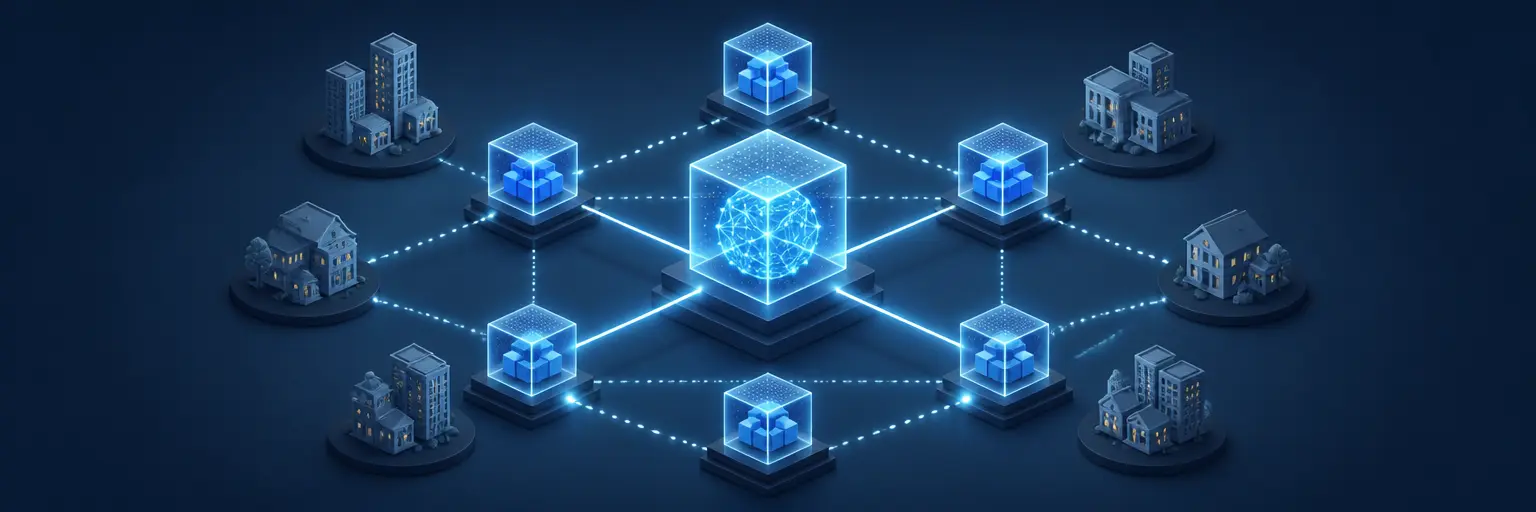
Distributed Ledger Technology is a system for recording, synchronizing, and sharing data across multiple network participants without relying exclusively on a central authority. Unlike traditional databases, a DLT network can maintain replicated records across geographically separated nodes, creating a transparent and resilient framework for managing transactions, ownership records, credentials, and digital assets. Our content explains the differences between distributed ledgers, blockchains, centralized databases, and decentralized networks.
Readers can expect clear guides covering ledger architecture, peer-to-peer communication, cryptographic verification, transaction finality, data replication, and network permissions. We also examine how DLT platforms support secure collaboration between organizations while addressing important challenges such as scalability, privacy, governance, energy consumption, and regulatory compliance.
⚙️ Consensus Mechanisms and Network Validation
Consensus mechanisms determine how participants agree on the validity and ordering of records within a distributed ledger. This section explores Proof of Work, Proof of Stake, Delegated Proof of Stake, Byzantine Fault Tolerance, Practical Byzantine Fault Tolerance, Proof of Authority, and other consensus models. Understanding these mechanisms is essential for evaluating the security, performance, decentralization, and energy efficiency of a DLT network.
Our analysis explains how validators, miners, nodes, and network participants coordinate without a single controlling institution. You will learn how different consensus designs influence transaction speed, economic incentives, fault tolerance, governance, network costs, and resistance to attacks, helping you compare DLT solutions for financial services, enterprise systems, and public infrastructure.
🔐 Security, Privacy, and Data Integrity
Security is a central feature of distributed ledger technology. Articles in this section explore hashing, digital signatures, public-key cryptography, access controls, permissioned networks, zero-knowledge proofs, secure key management, and methods for protecting ledger data. These technologies help organizations verify information and establish tamper-evident records across complex digital ecosystems.
Readers will also discover how DLT addresses privacy requirements in regulated industries. We examine confidential transactions, identity protection, selective disclosure, off-chain storage, data minimization, and privacy-preserving computation. The content highlights both the advantages and limitations of immutable records, particularly when businesses must comply with data protection laws and deletion requirements.
🏢 Enterprise and Industry Applications
Distributed ledgers are being tested and deployed across banking, insurance, healthcare, logistics, manufacturing, energy, real estate, government, and international trade. This section investigates practical DLT use cases, including supply chain traceability, automated settlement, trade finance, digital records, asset registration, product authentication, and multi-party data coordination. Each application is considered from both a technological and business perspective.
Expect detailed discussions of how enterprises assess DLT projects, select permissioned or public networks, integrate legacy systems, and measure return on investment. We also explore smart contracts, shared workflows, auditability, operational efficiency, fraud reduction, and real-time data synchronization, while addressing implementation risks such as adoption barriers, governance disputes, vendor dependence, and regulatory uncertainty.
💰 DLT, Tokenization, and Digital Assets
Tokenization enables physical and digital assets to be represented, transferred, and managed on distributed networks. Our content covers tokenized securities, real-world assets, stablecoins, digital currencies, loyalty points, certificates, intellectual property, and fractional ownership models. These applications demonstrate how DLT can create programmable ownership and streamline transactions beyond traditional cryptocurrency use cases.
Readers can learn how digital tokens are issued, transferred, verified, and governed. We explain the role of smart contracts, custodians, wallets, compliance systems, and identity frameworks in building secure tokenized markets. The section also considers liquidity, settlement efficiency, investor protection, interoperability, and the legal status of tokenized assets.
🔄 Interoperability and the Future of Decentralized Infrastructure
For distributed ledger technology to reach its full potential, different networks, applications, and legacy systems must communicate effectively. This section examines blockchain interoperability, cross-chain protocols, bridges, messaging standards, oracle networks, application programming interfaces, and enterprise integration. Interoperability can help create connected decentralized systems instead of isolated digital ecosystems.
We also explore the future of DLT, including scalable architectures, modular blockchain design, layer-two networks, decentralized identity, central bank digital currencies, machine-to-machine payments, and Web3 infrastructure. The focus remains on how distributed systems can support trusted coordination while balancing usability, performance, security, decentralization, and social responsibility.
❓ Frequently Asked Questions About Distributed Ledger Technology
What is Distributed Ledger Technology?
Distributed Ledger Technology is a method of recording and synchronizing data across multiple network participants. Each authorized participant may maintain a copy or validated view of the ledger, reducing dependence on a single central database. DLT can be used for transactions, identity records, supply chain data, asset ownership, and many other forms of digital information.
Is DLT the same as blockchain?
No. Blockchain is one type of distributed ledger that stores records in linked blocks. DLT is a broader category that includes blockchain as well as other distributed database structures that may not use blocks or operate as fully decentralized networks.
How does DLT maintain trust without a central authority?
DLT uses a combination of consensus mechanisms, cryptography, network rules, identity controls, and validation procedures. Participants agree on which records are valid, while digital signatures and cryptographic methods help verify who authorized a transaction and whether the data has been altered.
What are the main benefits of Distributed Ledger Technology?
Key benefits may include improved transparency, stronger data integrity, shared access to records, faster settlement, reduced reconciliation, enhanced auditability, automation through smart contracts, and improved coordination between organizations. The suitability of DLT depends on the specific use case, governance model, cost, and regulatory environment.
What challenges does Distributed Ledger Technology face?
Important challenges include scalability, energy consumption in certain consensus systems, privacy management, interoperability, regulatory compliance, cybersecurity, governance, user experience, and integration with existing infrastructure. Successful DLT adoption requires careful technical design, clear accountability, strong security practices, and realistic evaluation of business requirements.