
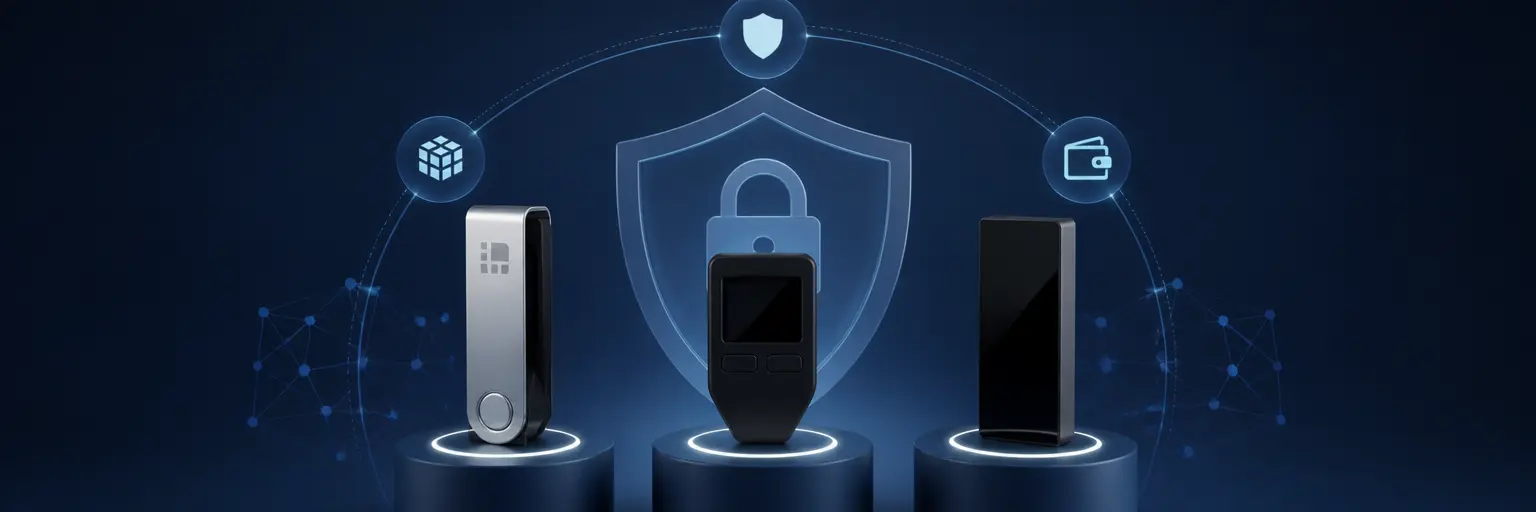
Ledger vs Trezor vs KeepKey: An InDepth Look at MultiCurrency Support
🔐 Choosing the right hardware wallet matters for protecting your digital assets. Compare Ledger, Trezor, and KeepKey across security features, supported cryptocurrencies, usability, backup options, and pricing to find the best crypto wallet for your needs. Whether you prioritize advanced protection, open-source transparency, or a beginner-friendly design, this guide helps you make a confident, informed decision. 🚀
49 articles
Ledger vs Trezor vs KeepKey: How to Protect Your Wallet from Physical Theft
Wallet Integration: How Ledger, Trezor, and KeepKey Work with DeFi Platforms
Comparing Ecosystems: Ledger Live, Trezor Suite, and KeepKey's Wallet Interface
Ledger vs Trezor vs KeepKey: Which Wallet is Best for NFTs?
Ledger vs Trezor vs KeepKey: The Best Wallet for HighStakes Traders
Compatibility Matters: Ledger, Trezor, and KeepKey with Various Cryptocurrencies
Ledger vs Trezor vs KeepKey: The Wallets Behind the Crypto Revolution
The Evolution of Hardware Wallets: How Ledger, Trezor, and KeepKey Adapt
The Best Wallet for Advanced Features: Comparing Ledger, Trezor, and KeepKey
Ledger vs Trezor vs KeepKey: Which Wallet is Ideal for Daily Transactions?
Wallet Features Compared: Ledger, Trezor, and KeepKey – What Sets Them Apart?
The Wallet That Lasts: Durability and Build Quality of Ledger, Trezor, and KeepKey
Ledger vs Trezor vs KeepKey: A Look into the Future of Hardware Wallets
User Testimonials: Real Experiences with Ledger, Trezor, and KeepKey
Hardware Wallets in the Age of Cybersecurity Threats: A Look at Ledger, Trezor, and KeepKey
The Role of Backup and Recovery: Comparing Ledger, Trezor, and KeepKey
Ledger vs Trezor vs KeepKey: Which Wallet Offers the Best Customer Support?
CrossPlatform Compatibility: How Ledger, Trezor, and KeepKey Perform on Different Devices
Ledger vs Trezor vs KeepKey: Assessing the Importance of Community Support
Ledger vs Trezor vs KeepKey: The Ultimate Wallet for Beginners vs Experts
Ledger vs Trezor vs KeepKey: A Comprehensive Guide to Choosing Your Crypto Wallet
Performance Review: Speed and Efficiency of Ledger, Trezor, and KeepKey
Ledger vs Trezor vs KeepKey: Are They Safe for Institutional Use?
Ledger vs Trezor vs KeepKey: Which Wallet is Best for Families?
Ledger vs Trezor vs KeepKey: Analyzing Battery Life and Portability
Ledger vs Trezor vs KeepKey: Assessing the Learning Curve for New Users
The User Experience: Interface Comparisons of Ledger, Trezor, and KeepKey
The Importance of Regular Updates: A Look at Ledger, Trezor, and KeepKey's Commitments
Security Breaches: Lessons Learned from Ledger, Trezor, and KeepKey Incidents
🔐 Wallet Comparison: Ledger vs Trezor vs KeepKey
Choosing the right hardware wallet is an essential step for protecting digital assets, private keys, and cryptocurrency investments. This in-depth Ledger vs Trezor vs KeepKey comparison examines the most important differences between three well-known crypto hardware wallet brands, including security architecture, supported coins, backup options, usability, mobile and desktop compatibility, pricing, and overall value. Whether you are protecting Bitcoin, Ethereum, stablecoins, decentralized finance assets, or long-term blockchain investments, this guide helps you identify the best cold wallet for your needs.
🛡️ Hardware Wallet Security and Private Key Protection
Ledger, Trezor, and KeepKey are designed to keep private keys isolated from internet-connected devices. This offline storage model, often called cold storage, reduces exposure to phishing attacks, malware, exchange breaches, and unauthorized access. Transactions are generally confirmed directly on the hardware wallet, helping users verify addresses and transaction details before approving them.
Readers can expect a practical overview of secure element technology, PIN protection, recovery phrases, passphrase support, firmware updates, and physical attack considerations. The comparison also explains why self-custody security requires more than simply purchasing a hardware wallet, including safe seed phrase management and careful verification of wallet software.
⚙️ Ledger Wallets: Features, Security, and Usability
Ledger hardware wallets are widely recognized for their broad cryptocurrency support, compact designs, and integration with Ledger Live. Depending on the model, users may access Bitcoin, Ethereum, altcoins, NFTs, staking services, and selected decentralized applications. Ledger devices are often considered by users seeking a feature-rich crypto wallet for multiple blockchain networks.
This section explores Ledger Nano models, device setup, transaction confirmation, app installation, Bluetooth and USB connectivity, and portfolio management. It also highlights important factors such as firmware updates, recovery procedures, third-party application compatibility, and the importance of purchasing only from an authorized source.
🔍 Trezor Wallets: Open-Source Transparency and Control
Trezor is known for emphasizing open-source software, transparent development, and straightforward self-custody tools. Trezor devices can support major cryptocurrencies and connect with compatible wallet interfaces, making them suitable for users who value inspectable code and a clear security model.
Readers will learn how Trezor Model One and Trezor Safe devices differ in design, supported assets, display features, backup methods, and passphrase options. The comparison also covers Trezor Suite, address verification, PIN security, recovery seed protection, and how open-source development may appeal to technically minded crypto holders.
🔑 KeepKey Wallet: Simplicity, Design, and Accessibility
KeepKey is a hardware wallet option focused on a simple user experience, a large display, and accessible transaction confirmation. Its screen can make wallet addresses and transaction information easier to review, which may be valuable for beginners who want a straightforward cold storage device.
This section evaluates KeepKey’s cryptocurrency support, software compatibility, setup process, physical design, and suitability for basic self-custody. It also explains why users should review current software support and asset compatibility before choosing KeepKey for a diversified crypto portfolio.
📊 Supported Coins, Tokens, NFTs, and DeFi Compatibility
Supported assets are one of the most important differences in any hardware wallet comparison. Ledger, Trezor, and KeepKey may vary in their support for blockchain networks, ERC-20 tokens, smart contract interactions, NFTs, staking, and decentralized finance applications. A wallet that supports Bitcoin may not offer the same experience for Solana, Cardano, Polygon, or other networks.
Readers can expect guidance on checking official compatibility lists before buying. The section also explains the difference between a hardware wallet storing private keys and a software interface displaying assets on a blockchain. Users should confirm network support, transaction fees, application compatibility, and smart contract risks before interacting with DeFi protocols.
💰 Price, Value, and Long-Term Ownership Costs
Hardware wallet pricing can vary by model, retailer, availability, and included features. The cheapest device is not always the best value, especially if it lacks support for the assets, connections, or security functions a user requires. This comparison considers device price, replacement costs, accessories, shipping, and the potential value of protecting a significant crypto portfolio.
Readers will also learn how to compare cost versus security and functionality. A reliable wallet should be purchased from an official source, updated responsibly, and stored securely. Users should avoid suspicious discounts, second-hand devices, preconfigured wallets, and any product that arrives with an exposed or prewritten recovery phrase.
👤 Which Crypto Hardware Wallet Is Best for You?
The best choice depends on investment goals, technical experience, preferred blockchain networks, and desired features. Ledger may appeal to users seeking broad ecosystem support, Trezor may suit those who prioritize open-source transparency, and KeepKey may attract beginners who prefer a simple interface and large screen.
This guide helps readers compare Ledger vs Trezor vs KeepKey according to real-world priorities rather than marketing claims. Consider supported cryptocurrencies, recovery options, software compatibility, device reputation, usability, privacy preferences, and the security practices you can consistently maintain.
❓ Frequently Asked Questions About Ledger, Trezor, and KeepKey
🔒 Is Ledger more secure than Trezor or KeepKey?
There is no universal answer because security depends on the device model, firmware, wallet software, and the user’s habits. Ledger, Trezor, and KeepKey are designed to protect private keys offline, but they use different security architectures and software ecosystems. Users should compare official security documentation and select a device that supports their assets and preferred protection methods.
🪙 Which wallet supports the most cryptocurrencies?
Support varies by model and software integration, but Ledger is often recognized for broad asset and blockchain compatibility. Trezor supports many major cryptocurrencies and tokens, while KeepKey may support fewer networks depending on current integrations. Always check the manufacturer’s latest official asset list before purchasing.
🌐 Can these hardware wallets be used with DeFi applications?
Some Ledger and Trezor devices can connect to compatible Web3 wallets and decentralized applications, allowing users to approve transactions while keeping private keys on the hardware device. Compatibility depends on the blockchain, wallet interface, and specific application. DeFi users should carefully review smart contract permissions and transaction details before signing.
📝 What happens if my hardware wallet is lost or damaged?
A properly backed-up hardware wallet can generally be restored on a compatible device using its recovery phrase. The recovery phrase is the key to accessing the wallet, so it should never be photographed, stored online, emailed, or shared with anyone. Keep it in a secure, private, and physically protected location.
✅ How should I choose between Ledger, Trezor, and KeepKey?
Start by identifying the cryptocurrencies and networks you use, then compare security features, open-source policies, device usability, software support, price, and backup options. Choose an authentic product from an authorized source and prioritize safe self-custody practices. The best hardware wallet is the one that supports your portfolio and that you can operate securely and consistently.