
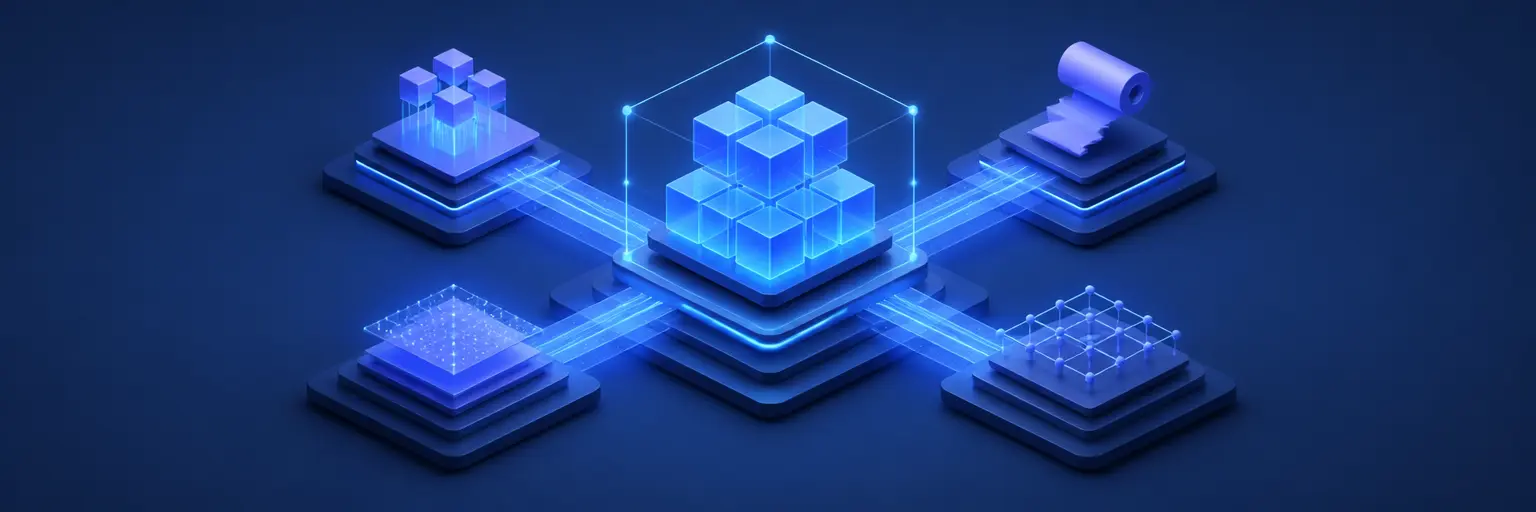
Layer2 vs. Layer1 Scaling: Understanding the Tradeoffs and Synergies
Discover how Layer-2 scaling solutions enhance blockchain performance by processing transactions off-chain while preserving the security of leading networks. ⚡ Explore rollups, sidechains, state channels, and other innovative technologies that deliver faster transactions, lower fees, and improved scalability—key developments shaping the future of decentralized applications, DeFi, gaming, and enterprise blockchain adoption. 🔗
63 articles
CrossLayer2 Communication: Enabling Interactions Between Scaling Solutions
The Technical Deep Dive into Optimistic Rollup Architecture
Layer2 and the Metaverse: Scaling Virtual Worlds and Experiences
Optimistic Rollups vs. ZKRollups: Choosing the Right Layer2 Path
The Performance Benchmarks of Layer2 Solutions: Speed and Throughput Analysis
Layer2 Adoption: Tracking the Growth and Impact of Scaling Solutions
Layer2 and Community Building: Fostering Growth and Participation in Scaling Ecosystems
Enterprise Blockchain Scalability: Leveraging Layer2 for RealWorld Applications
Comparing Layer2 Solutions: A SidebySide Analysis of Top Technologies
Layer2 and Institutional Adoption: Paving the Way for Enterprise Blockchain Use
Layer2 and Regulatory Compliance: Navigating the Evolving Landscape
Exploring StarkWare's StarkNet: A ZKRollup Powerhouse
Layer2 for NFTs: Enhancing Scalability and Reducing Gas Fees for Digital Assets
Micropayments and Layer2: Making Small Transactions Viable on Blockchain
The Economic Impact of Layer2: Lower Fees and Increased Activity
The Environmental Benefits of Layer2: Scaling Blockchain Sustainably
Optimistic Rollups: Scaling Ethereum with Smart Optimizations
Plasma: A Deep Dive into an Early Layer2 Scaling Approach
Layer2 Transaction Sequencing: How Rollups Maintain Order and Security
Layer2 Solutions for DeFi: Boosting Decentralized Finance Performance
Layer2 Gas Fee Comparison: Finding the Most CostEffective Scaling Option
Liquid Network: Bitcoin Sidechain for Faster and Confidential Transactions
Fuel Network: Modular Execution Layer for UltraFast Transactions
Immutable X: Layer2 for NFTs and Gaming on Ethereum
The Security of Layer2: Addressing Concerns and Misconceptions
The Ultimate Guide to Layer2 Scaling: Types, Benefits, and Challenges
Validium: Secure and Scalable Layer2 for Enterprise Solutions
State Channels and Payment Channels: Layer2 Solutions for Instant Transactions
Polygon (Matic): A Leading Layer2 Solution for Ethereum Scalability
Layer-2 Scaling Solutions: Faster, More Efficient Blockchain Networks
Layer-2 scaling solutions are protocols built on top of a primary blockchain, or Layer 1, to improve transaction speed, reduce network congestion, and lower fees without sacrificing the security and decentralization of the underlying chain. On Blockchain Trends, this subcategory explores how Layer-2 networks support the broader goals of blockchain scalability and interoperability across DeFi, gaming, enterprise applications, digital identity, and decentralized systems.
⚡ Understanding Layer-2 Blockchain Scaling
Readers can expect clear explanations of how Layer-2 technology processes transactions away from the main blockchain while periodically settling data or proofs on Layer 1. Topics may include state channels, sidechains, rollups, plasma frameworks, validiums, and other blockchain scaling architectures designed to increase throughput and improve user experience.
This section also examines the difference between Layer-1 scaling and Layer-2 scaling, helping readers understand why off-chain computation, transaction batching, and compressed data can make decentralized applications more efficient. Articles are designed for both newcomers and experienced blockchain users seeking practical insights into scalability.
🔗 Optimistic Rollups and ZK-Rollups
Rollups are among the most important Layer-2 scaling solutions in the blockchain ecosystem. Coverage of optimistic rollups will explain fraud proofs, challenge periods, transaction batching, and how networks can process large volumes of activity while using the security of a base blockchain.
Readers will also discover how zero-knowledge rollups, or ZK-rollups, use cryptographic validity proofs to verify transactions efficiently. Comparisons between optimistic and ZK-rollups will address transaction finality, withdrawal times, security assumptions, privacy potential, developer tooling, and compatibility with smart contracts.
💰 Lower Fees and Faster Blockchain Transactions
A major benefit of Layer-2 networks is their ability to reduce gas fees and improve transaction throughput. This subcategory explores how Layer-2 protocols make blockchain applications more accessible by lowering the cost of payments, token transfers, NFT transactions, decentralized trading, and smart contract interactions.
Content will explain how reduced fees can support broader adoption of DeFi platforms, Web3 applications, blockchain gaming, micropayments, and enterprise solutions. Readers can learn how to evaluate network performance using metrics such as transaction speed, throughput, confirmation time, total value locked, and average transaction cost.
🌉 Layer-2 Interoperability and Cross-Chain Connectivity
Scalability and interoperability are closely connected. As more Layer-2 networks emerge, users and developers need reliable ways to move assets, data, and liquidity between Ethereum, other Layer-1 blockchains, and different scaling ecosystems. Articles will explore bridges, cross-chain messaging, interoperability protocols, and settlement models.
Readers will also learn about the opportunities and risks of cross-Layer-2 transfers, including bridge security, liquidity fragmentation, wrapped assets, smart contract vulnerabilities, and transaction confirmation differences. This information helps users make more informed decisions when navigating a multi-chain blockchain environment.
🛠️ Developer Tools, Smart Contracts, and dApp Deployment
Layer-2 solutions provide developers with new environments for building decentralized applications that can handle higher usage and lower operating costs. This section covers Layer-2 development frameworks, Ethereum Virtual Machine compatibility, smart contract deployment, testing tools, wallet integration, and application migration strategies.
Content will highlight how developers can choose the right network based on security, scalability, decentralization, liquidity, composability, and user experience. Readers can expect practical discussions of how Layer-2 infrastructure supports DeFi protocols, decentralized exchanges, blockchain games, enterprise platforms, and consumer-facing Web3 applications.
🔐 Security, Decentralization, and Network Risks
Scaling a blockchain involves important trade-offs. This subcategory examines Layer-2 security models, sequencer design, fraud proofs, validity proofs, data availability, censorship resistance, smart contract audits, and governance mechanisms. Understanding these factors is essential when assessing whether a Layer-2 protocol is suitable for holding assets or running critical applications.
Readers will find balanced analysis of common risks, including bridge exploits, centralized sequencers, faulty upgrades, delayed withdrawals, liquidity attacks, oracle manipulation, and inadequate data availability. The goal is to explain how Layer-2 networks can evolve toward stronger security and decentralization while maintaining high performance.
🏢 Layer-2 Applications in DeFi, Enterprise, and Web3
Layer-2 technology extends beyond cryptocurrency transactions. Articles in this subcategory explore its role in decentralized finance, tokenized real-world assets, supply chain management, digital identity, payments, gaming, social platforms, and enterprise blockchain systems.
By reducing costs and increasing capacity, Layer-2 networks can help organizations deploy blockchain applications at scale. Readers will discover how companies and developers use Layer-2 infrastructure to improve settlement efficiency, support large user bases, automate business processes, and build practical decentralized services.
❓ Frequently Asked Questions About Layer-2 Scaling Solutions
What are Layer-2 scaling solutions?
Layer-2 scaling solutions are protocols that operate on top of a Layer-1 blockchain to process transactions more efficiently. They reduce congestion and fees by handling some activity off the main chain before submitting transaction data or cryptographic proofs back to Layer 1 for security and settlement.
What is the difference between Layer 1 and Layer 2?
Layer 1 is the primary blockchain network, such as Ethereum or another base chain, responsible for consensus and final settlement. Layer 2 is an additional protocol built on top of that network to increase transaction capacity, reduce costs, and improve performance while relying partly on the underlying blockchain.
Are Layer-2 networks secure?
Layer-2 security depends on the protocol’s architecture, smart contracts, proof system, data availability, bridge design, and degree of decentralization. Rollups generally aim to inherit security from the underlying Layer 1, but users should still evaluate audits, withdrawal processes, sequencer models, governance, and known risks.
What are optimistic rollups and ZK-rollups?
Optimistic rollups assume transactions are valid unless someone submits a fraud proof during a challenge period. ZK-rollups use zero-knowledge validity proofs to verify batches of transactions before they are accepted. Both approaches improve blockchain scalability, but they differ in finality, technical complexity, withdrawal speed, and development requirements.
How do Layer-2 solutions reduce transaction fees?
Layer-2 networks combine or batch many transactions before recording summarized data on the main blockchain. Sharing the cost of Layer-1 settlement across multiple transactions can significantly lower fees. However, costs vary according to network demand, data availability expenses, bridge fees, and the specific Layer-2 design.