
The Environmental Impact of Decentralized Real Estate: Exploring Sustainable Solutions
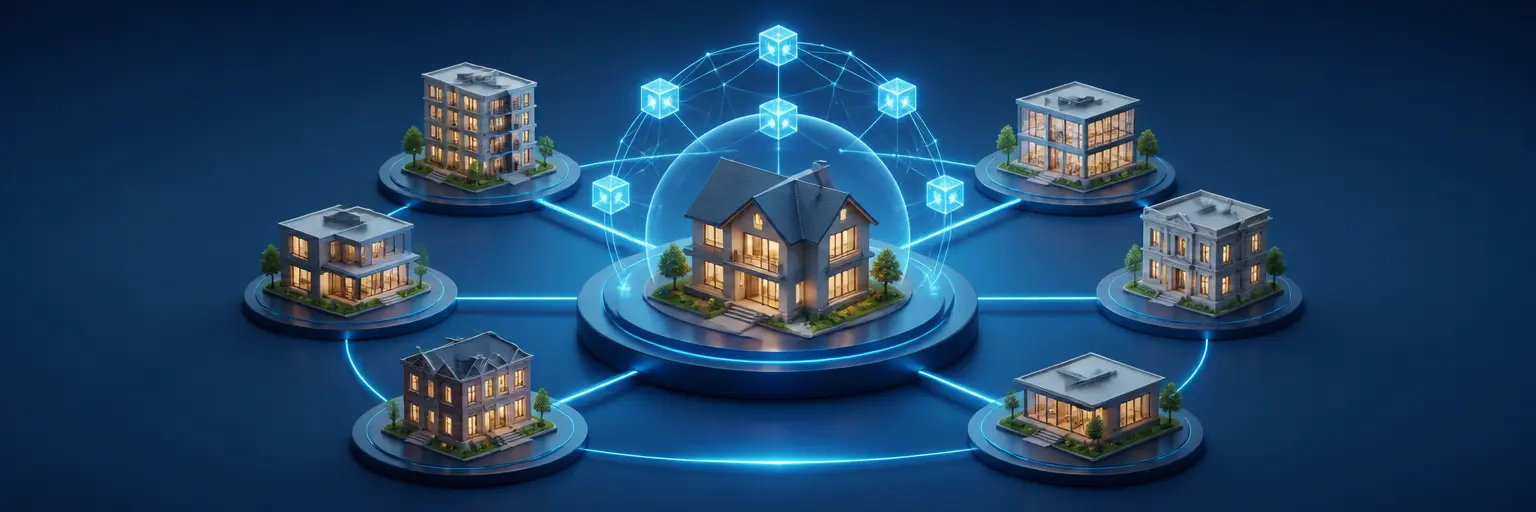
Discover how decentralized real estate marketplaces are transforming property transactions with blockchain technology 🏠🔗. Explore transparent listings, peer-to-peer buying and selling, tokenized ownership, smart contracts, and secure digital records that can reduce intermediaries, streamline deals, and expand global access to real estate investment.
54 articles
Security Audits in Decentralized Real Estate: Ensuring Platform Integrity and User Safety
Exploring the Metaverse Real Estate Boom: Is it a Bubble or the Future?
Decentralized Real Estate and Insurance: New Models for Property Protection
Decentralized Property Management: Streamlining Operations with Blockchain
Decentralized Real Estate and the Gig Economy: Opportunities for Flexible Property Ownership
The Technology Behind Decentralized Real Estate: Understanding the Blockchain Infrastructure
The Future of Real Estate is Decentralized: Predictions and Trends to Watch
Smart City Integration: The Future of Decentralized Real Estate in Urban Planning
Transparency Revolution: The Benefits of Decentralized Real Estate Platforms
Decentralized Real Estate for Vacation Rentals: Disrupting Airbnb and VRBO?
Adoption Challenges for Decentralized Real Estate Marketplaces: Roadblocks and Solutions
Lower Fees, Faster Deals: The Efficiency of Decentralized Real Estate Markets
How to Choose the Right Decentralized Real Estate Marketplace: A StepbyStep Guide
Are Decentralized Real Estate Marketplaces More Secure Than Traditional Systems?
Comparing Traditional vs. Decentralized Real Estate Marketplaces: Key Differences
The Role of APIs in Decentralized Real Estate Marketplaces: Connecting Systems and Data
The Security of Decentralized Real Estate: Protecting Your Assets on the Blockchain
Renting in the Metaverse: Decentralized Platforms for Virtual Landlords and Tenants
Decentralized Real Estate for Beginners: Understanding the Basics
Building a Decentralized Real Estate Marketplace: Challenges and Considerations
Fractional Real Estate Ownership: Investing with Smaller Budgets on Decentralized Platforms
Scalability Solutions for Decentralized Real Estate Platforms: Overcoming Network Limitations
Decentralized Real Estate and Estate Planning: Simplifying Inheritance with Blockchain
Demystifying Decentralized Real Estate: Addressing Common Misconceptions
The Role of Governance in Decentralized Real Estate Marketplaces: Ensuring Fair Practices
The Evolution of Real Estate Contracts: From Paper to Smart Contracts on the Blockchain
Smart Contracts & Real Estate: Automating Property Transactions on the Blockchain
The Potential of Decentralized Real Estate for Emerging Markets: Opportunities for Growth
The LongTerm Vision for Decentralized Real Estate: A Completely Tokenized Property Market?
🏠 Decentralized Real Estate Marketplaces: Blockchain-Powered Property Transactions
Decentralized real estate marketplaces are transforming how properties are discovered, purchased, financed, rented, and managed. Built on blockchain technology, these platforms use smart contracts, tokenization, and transparent digital records to connect buyers, sellers, investors, landlords, and tenants with fewer intermediaries. On Blockchain Trends, this subcategory explores how decentralized property marketplaces are creating more accessible, efficient, and globally connected real estate ecosystems while examining the legal, financial, and technical challenges that still shape adoption.
🔗 How Decentralized Real Estate Marketplaces Work
Readers can learn how blockchain-based property platforms record listings, ownership information, offers, payments, and transaction milestones on distributed networks. Smart contracts can automate escrow, deposits, verification steps, commission payments, and the transfer of digital ownership rights when predefined conditions are met.
Articles in this section explain the roles of decentralized applications, digital wallets, identity systems, oracles, and blockchain registries. Content also examines how peer-to-peer property transactions may reduce administrative delays, improve auditability, and provide a more direct connection between real estate participants.
🏢 Property Tokenization and Fractional Ownership
Decentralized real estate marketplaces often rely on tokenization to represent a property, investment interest, rental income stream, or other real-world asset on a blockchain. Readers can explore how tokenized real estate may divide ownership into smaller units, potentially lowering entry barriers for investors and expanding access to commercial, residential, and global property opportunities.
This subcategory also covers fractional real estate ownership, security tokens, asset-backed digital tokens, and the differences between token ownership and legally recognized title. Special attention is given to valuation, liquidity, investor rights, transfer restrictions, and the importance of linking on-chain records to enforceable off-chain agreements.
🌍 Global Access to Real Estate Investment
Blockchain real estate platforms can support international participation by allowing users to discover and invest in properties beyond their local markets. Readers can expect analysis of cross-border property investment, digital settlement, currency conversion, stablecoins, and blockchain-based payment infrastructure designed to make real estate transactions more accessible.
However, global access does not remove local requirements. Our coverage explains how jurisdiction, taxation, foreign ownership rules, know-your-customer procedures, anti-money-laundering obligations, and local property law influence decentralized marketplaces. Readers will gain a balanced view of both the opportunities and limitations of borderless real estate investing.
🤝 Peer-to-Peer Property Transactions
Decentralized marketplaces aim to enable buyers and sellers to interact directly, potentially reducing reliance on traditional brokers, listing services, and centralized transaction platforms. Articles explore how peer-to-peer real estate systems can improve listing transparency, automate negotiations, and provide verifiable histories for properties and participants.
Readers can also examine the practical role of professional intermediaries. Agents, attorneys, inspectors, appraisers, lenders, and property managers may continue to provide essential expertise even when blockchain infrastructure handles parts of the transaction. The focus is on understanding which processes can be decentralized and which still require trusted human oversight.
🔐 Smart Contracts, Escrow, and Transaction Security
Smart contract real estate can automate key steps such as earnest-money deposits, escrow releases, rent collection, ownership transfers, and distribution of investment returns. This section explains how programmable agreements can reduce manual processing and create transparent transaction rules that all authorized participants can verify.
Security remains a critical consideration. Readers will find information about smart contract audits, wallet protection, private-key management, phishing, oracle failures, coding vulnerabilities, and irreversible blockchain transactions. Understanding these risks is essential before using any decentralized property marketplace or purchasing a tokenized real estate asset.
📜 Legal Compliance and Property Rights
Blockchain records can provide evidence of transactions, but they do not automatically replace deeds, land registries, contracts, or court-recognized ownership documents. This subcategory examines the relationship between blockchain property rights, real-world legal title, digital identity, and government recording systems.
Readers can expect practical discussions of securities regulation, real estate licensing, consumer protection, privacy law, tax reporting, tenancy rules, and compliance requirements. Articles emphasize that legal treatment differs by country and may change as regulators develop frameworks for tokenized assets and decentralized finance.
💰 DeFi and Decentralized Real Estate Financing
Decentralized finance can introduce new methods for funding property purchases, collateralizing real estate-linked assets, distributing rental income, and accessing liquidity. Readers can explore the potential relationship between DeFi and real estate, including lending protocols, stablecoin payments, tokenized mortgages, and blockchain-based investment pools.
This coverage also addresses risk management. Property markets are illiquid, valuations can be subjective, and token prices may differ from underlying asset values. Readers will learn why interest-rate risk, smart contract risk, liquidity risk, default risk, and regulatory uncertainty should be evaluated before participating in decentralized real estate finance.
📊 Transparency, Data, and Property Verification
One of blockchain’s most important benefits is the ability to create tamper-resistant records that can be shared across authorized parties. Decentralized marketplaces may use blockchain to improve ownership histories, transaction records, rental payments, maintenance documentation, and investment reporting.
Nevertheless, blockchain data is only as reliable as the information entered into the system. Articles explain the importance of trusted data sources, property inspections, appraisal standards, digital identity verification, and real-world asset oracles. Readers will discover how technology can improve transparency without eliminating the need for due diligence.
🚀 The Future of Decentralized Property Markets
The future of decentralized real estate may include interoperable property tokens, blockchain-based land registries, automated property management, digital identity solutions, programmable leases, and marketplaces that connect real-world assets with decentralized financial services. These developments could reshape how ownership, access, and investment are organized.
Blockchain Trends follows emerging platforms, regulatory developments, enterprise pilots, and adoption trends across the property sector. Our goal is to provide clear, evidence-based insight into whether decentralized real estate marketplaces can deliver greater efficiency, liquidity, inclusion, and transparency at scale.
❓ Frequently Asked Questions About Decentralized Real Estate Marketplaces
What is a decentralized real estate marketplace?
A decentralized real estate marketplace is a blockchain-based platform that helps users discover, trade, finance, or manage property-related assets with reduced dependence on a single central operator. It may use smart contracts, tokenized ownership, digital identity, and peer-to-peer payments to coordinate transactions.
Can blockchain legally transfer ownership of a property?
Not automatically. A blockchain token may represent an economic interest or contractual claim, but legal property ownership usually depends on deeds, land registries, purchase agreements, and local laws. Buyers should verify how a platform connects digital records with legally enforceable rights in the relevant jurisdiction.
What is tokenized real estate?
Tokenized real estate is property or a property-related investment represented by digital tokens on a blockchain. Tokens may represent fractional ownership, shares in a legal entity, debt, rental income rights, or another contractual interest. The rights attached to each token depend on the platform’s documentation and applicable regulations.
Are decentralized real estate marketplaces safe?
Security varies by platform and implementation. Potential risks include fraud, inaccurate property information, smart contract vulnerabilities, wallet theft, regulatory changes, illiquidity, and disputes over legal ownership. Users should review audits, legal documents, custody arrangements, fees, compliance procedures, and the underlying property before participating.
What are the benefits of using blockchain for real estate transactions?
Potential benefits include greater transparency, faster settlement, automated agreements, improved recordkeeping, fractional investment, global participation, and lower administrative friction. However, blockchain does not remove property law, market volatility, due diligence, taxation, or the need for qualified legal and financial advice.